



Complete Guide to Vitrified & Porcelain Tiles: Types, Uses & Benefits
Tiles play a major role in defining a space's look, durability, and functionality. Even if you are building a new home, renovating a commercial project, or planning an interior upgrade, tile selection is one of the most critical decisions.
Among modern flooring solutions, vitrified tiles and porcelain tiles are the most preferred choices today. However, many buyers struggle to understand the real difference between vitrified and porcelain tiles, where each should be used, and which option offers better long-term value.
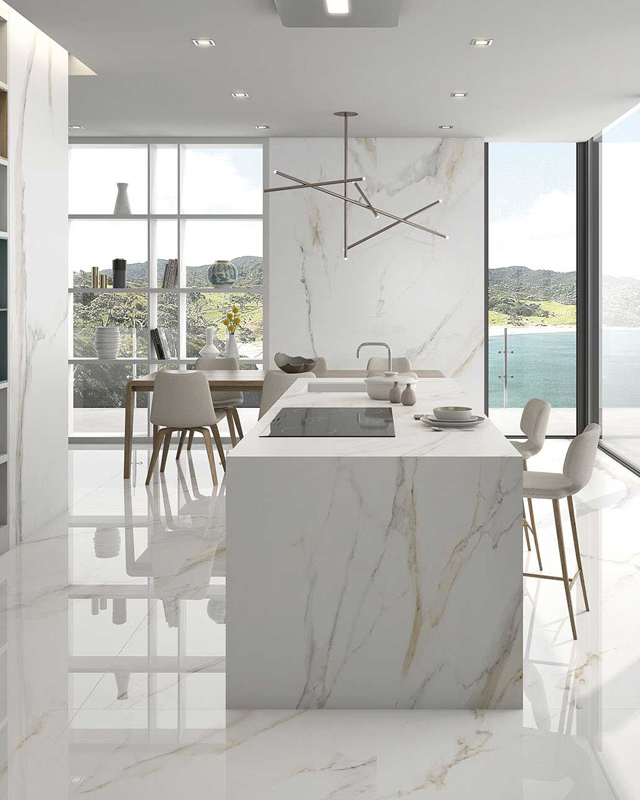
For large-format installations, especially in high-end residential and commercial spaces, sourcing from a trustworthy 1200x1200 porcelain tiles supplier in Egypt provides consistent quality, precise sizing, and long-lasting performance suited to modern design demands.
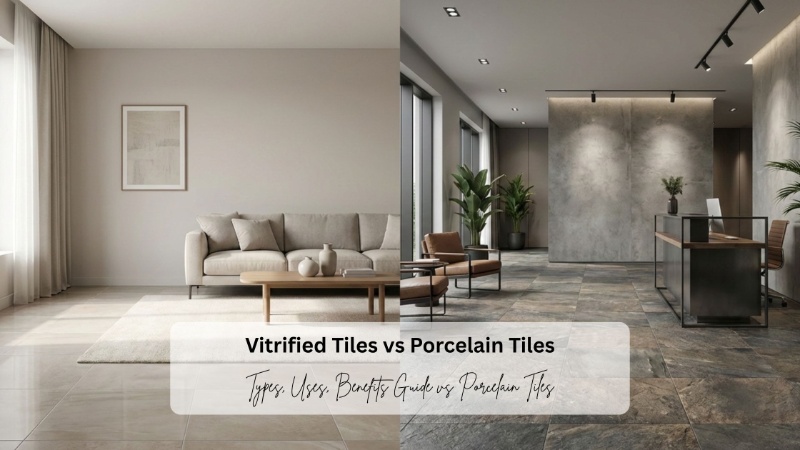
This guide explains everything you need to know about vitrified tiles vs porcelain tiles, including their types, uses, benefits, and practical selection tips based on real-world applications.
What Are Vitrified Tiles?
If you are wondering what a vitrified tile is, it refers to a tile that undergoes a vitrification process during manufacturing. Vitrified tiles are made from clay mixed with silica and quartz, then fired at very high temperatures. This process fuses the materials, creating a dense, low-porosity tile.
Key Characteristics of Vitrified Tiles
-
Low water absorption
-
Smooth and uniform surface
-
High resistance to stains and scratches
-
Easy maintenance
Because of these properties, vitrified tiles are widely used in both residential and commercial interiors.
Types of Vitrified Tiles
Understanding the types of vitrified tiles helps in choosing the right option for your space.
-
Full Body Vitrified Tiles: These tiles have uniform colour and texture throughout their thickness. They are ideal for high traffic areas where surface wear is expected.
-
Double Charge Vitrified Tiles: These tiles feature a thick design layer, making them durable and suitable for commercial flooring.
-
Glazed Vitrified Tiles (GVT): These tiles feature printed designs with a protective glaze, offering a wide range of patterns and finishes.
-
Soluble Salt Vitrified Tiles: A cost-effective option primarily used in low-traffic residential areas.
What Are Porcelain Tiles?
To understand what porcelain tile is, it is important to look at its composition. Porcelain tiles are made from refined clay and minerals and fired at higher temperatures than vitrified tiles. This results in an extremely dense and compact tile structure.
Key Characteristics of Porcelain Tiles
-
Very low water absorption rate, usually below 0.5 per cent
-
High mechanical strength
-
Excellent resistance to moisture, stains, and temperature changes
-
Long-lasting performance
Types of Porcelain Tiles
Some common types of porcelain tiles include:
-
Unglazed Porcelain Tiles: Known for their natural finish and slip resistance, ideal for heavy-use areas.
-
Glazed Porcelain Tiles: Offer decorative finishes with added surface protection.
-
Full Body Porcelain Tiles: Provide consistent strength and appearance even after surface wear.
-
Outdoor Porcelain Tiles: Designed with anti-slip textures for external applications.
Vitrified Tiles vs Porcelain Tiles: Key Differences
Understanding the vitrified vs porcelain tiles difference helps buyers avoid incorrect selections.
|
Feature |
Vitrified Tiles |
Porcelain Tiles |
|
Water absorption |
Low |
Very low |
|
Density |
High |
Very high |
|
Durability |
Suitable for indoor use |
Suitable for indoor and outdoor use |
|
Maintenance |
Easy |
Very easy |
|
Cost |
Moderate |
Higher |
Porcelain tiles are denser and perform better in moisture-prone or outdoor environments, while vitrified tiles offer excellent value for indoor flooring.
Uses of Vitrified Tiles
Vitrified Tiles for Flooring
Vitrified tiles for flooring are commonly used in:
-
Living rooms
-
Bedrooms
-
Offices
-
Retail spaces
They are also suitable as vitrified tiles for high traffic areas due to their surface hardness and scratch resistance.
Vitrified Tiles for Wall Applications
Vitrified tiles for wall applications are used in:
-
Feature walls
-
Commercial interiors
-
Showrooms
Benefits of Vitrified Tiles
Some key benefits of vitrified tiles include:
-
Uniform appearance
-
Wide design variety
-
Easy cleaning and maintenance
Vitrified Tiles Advantages and Disadvantages
Advantages
-
Cost-effective for large areas
-
Durable for indoor use
Disadvantages
-
Not ideal for continuous outdoor exposure
-
It can be slippery if polished
Uses of Porcelain Tiles
Porcelain Tiles for Flooring
Porcelain tiles for flooring are widely used in:
-
Malls
-
Airports
-
Hotels
-
Industrial kitchens
Porcelain Tiles for Outdoor Use
Porcelain tiles for outdoor use are suitable for:
-
Balconies
-
Terraces
-
Poolside areas
Benefits of Porcelain Tiles
Major benefits of porcelain tiles include:
-
Excellent durability
-
Low maintenance
-
Long lifespan
Porcelain Tiles Advantages and Disadvantages
Advantages
-
Superior moisture resistance
-
Suitable for extreme conditions
Disadvantages
-
Higher cost compared to vitrified tiles
-
Installation requires skilled labour
Vitrified vs Porcelain Tiles for Bathrooms and Kitchens
Vitrified vs Porcelain Tiles for Bathrooms
Porcelain tiles are better suited for bathrooms due to their very low water absorption and higher slip resistance options.
Vitrified vs Porcelain Tiles for Kitchens
Vitrified tiles work well in residential kitchens, while porcelain tiles are preferred in commercial kitchens where heat and spills are frequent.
How to Choose Between Vitrified and Porcelain Tiles
If you are asking which is better, vitrified or porcelain tiles, consider the following factors:
-
Area of installation
-
Foot traffic levels
-
Exposure to moisture
-
Budget and long-term maintenance
There is no single best option. The right tile depends on how and where it will be used.
Common Mistakes Buyers Make While Choosing Tiles
Focusing Only on Design
Choosing tiles based only on appearance can lead to performance issues later.
Ignoring Water Absorption
Overlooking absorption rates can result in stains and moisture damage.
Not Checking Batch Consistency
Different batches may vary in shade, affecting the final look after installation.
Skipping Pre-Installation Checks
Not checking tile flatness and alignment before installation can cause uneven flooring.
Expert Tips for Long-Lasting Tile Performance
-
Always match tile type with the application area
-
Use proper adhesives and grouts
-
Follow the manufacturer's installation guidelines
-
Maintain regular cleaning with non-abrasive products
Conclusion
Understanding the differences between vitrified and porcelain tiles helps you make a practical, long-lasting choice. Both tile types have their strengths and are widely used in modern construction, with many designers and contractors sourcing high-quality materials from a reliable Porcelain Tiles Manufacturer in India.
By selecting the right tile based on usage, environment, and maintenance needs, you can ensure durability, safety, and visual appeal for years to come.
If you are planning a new project, take time to evaluate tile performance, not just design, before making your final decision, especially when considering trusted brands like Rollence Granito.
FAQs
Which tile lasts longer, vitrified or porcelain?
Porcelain tiles generally have a longer lifespan due to their higher density.
Are vitrified tiles suitable for bathrooms?
They can be used, but porcelain tiles perform better in wet conditions.
Can vitrified tiles be used outdoors?
Only in covered or semi-covered areas.
Are porcelain tiles difficult to maintain?
No, they are easy to clean and highly stain-resistant.

