



How to Choose the Right Tile Size for Every Space
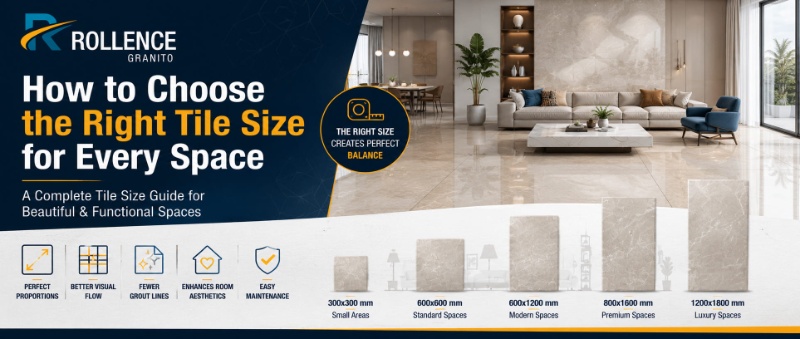
Choosing the right tile size is one of the most important decisions in any flooring or wall design project. While color, pattern, and finish often receive most of the attention, tile size has a much greater impact on how a space looks, feels, and functions.
The right tile size can make a compact room feel larger, create a seamless visual flow, reduce grout lines, and elevate the overall appearance of a residential or commercial space. On the other hand, choosing the wrong size can result in excessive cuts, visual clutter, installation challenges, and an unbalanced design.
Whether you're designing a luxury villa in the Middle East, a modern apartment, a hospitality project, a retail showroom, or a commercial development, understanding tile proportions and room dimensions is essential for achieving the best results.
This complete tile size guide explains how to choose tile sizes for every space, compares large and small tile formats, explores standard tile sizes used globally, and provides expert recommendations for floors and walls.
Why Tile Size Matters More Than Most People Realize
Tile size affects much more than aesthetics. It influences how large or small a room appears, how easy the floor is to maintain, and how premium the final installation feels.
A well-selected tile size creates visual harmony between the room dimensions and flooring layout. Instead of simply choosing the largest tile available, designers focus on selecting a size that complements the proportions of the space.
Benefits of Choosing the Right Tile Size
| Factor | Impact |
|---|---|
| Fewer Grout Lines | Creates a cleaner and more luxurious appearance |
| Better Visual Flow | Makes spaces feel larger and more connected |
| Easier Maintenance | Less grout means less cleaning |
| Enhanced Room Proportions | Improves overall aesthetics |
| Reduced Visual Clutter | Creates a seamless look |
| Premium Appeal | Large formats deliver a modern architectural finish |
For architects, developers, and homeowners, tile size is often one of the easiest ways to improve a space without increasing construction costs significantly.
Understanding Standard Tile Sizes
Before selecting a tile size, it's important to understand the most common formats available in today's market.
Standard Floor Tile Sizes
| Tile Size | Common Applications |
|---|---|
| 300x300 mm | Bathrooms, balconies, utility areas |
| 400x400 mm | Small residential spaces |
| 600x600 mm | Standard residential flooring |
| 800x800 mm | Premium residential projects |
| 600x1200 mm | Modern homes and apartments |
| 800x1600 mm | Luxury residential and commercial spaces |
| 1200x1800 mm | Large-format architectural projects |
| 1200x2400 mm | High-end hospitality and commercial developments |
Standard Wall Tile Sizes
| Tile Size | Common Applications |
|---|---|
| 300x600 mm | Bathroom walls |
| 600x1200 mm | Feature walls |
| 800x1600 mm | Luxury wall installations |
| 1200x1800 mm | Statement walls |
| 1200x2400 mm | Commercial interiors and hotel projects |
As modern design trends continue to evolve, large-format porcelain tiles are becoming increasingly popular due to their ability to create uninterrupted surfaces with minimal grout lines.
What Factors Should You Consider When Choosing Tile Size?
There is no universal tile size that works for every room. The ideal choice depends on several factors.
1. Room Dimensions
Room size is the first consideration.
Large rooms can comfortably accommodate large-format tiles, while smaller rooms may require more strategic planning to avoid excessive tile cuts and wastage.
2. Ceiling Height
High ceilings pair exceptionally well with larger wall tiles because they enhance vertical proportions and create a more spacious feeling.
3. Room Function
A bathroom, kitchen, living room, and commercial lobby all have different requirements. The tile size should align with how the space will be used.
4. Design Style
Contemporary interiors often favor larger formats, while traditional spaces may incorporate smaller modules and decorative layouts.
5. Installation Layout
Even the perfect tile size can look awkward if the layout results in narrow tile cuts around walls and corners. Professional layout planning is critical.
Large Format Tiles vs Small Tiles
One of the most common questions homeowners and designers ask is whether large-format tiles are better than smaller tiles.
The answer depends on the design objectives and room characteristics.
Large Format Tiles
Large-format tiles typically include:
-
600x1200 mm
-
800x1600 mm
-
1200x1800 mm
-
1200x2400 mm
Advantages of Large Format Tiles
-
Fewer grout lines
-
More seamless appearance
-
Easier cleaning
-
Luxury aesthetics
-
Enhanced visual continuity
-
Modern architectural appeal
Ideal Applications
-
Living rooms
-
Open-plan interiors
-
Hotel lobbies
-
Luxury villas
-
Corporate offices
-
Commercial developments
For projects seeking a premium appearance, many architects prefer 800x1600 porcelain tiles because they provide a sophisticated large-format look while maintaining installation flexibility.
Small Format Tiles
Small-format tiles generally include:
-
300x300 mm
-
300x600 mm
-
Mosaic tiles
Advantages of Small Tiles
-
Greater design flexibility
-
Easier installation on curved surfaces
-
Better slope creation in wet areas
-
Decorative possibilities
Ideal Applications
-
Shower floors
-
Bathroom accents
-
Decorative walls
-
Utility spaces
Best Tile Size for Living Rooms
The living room is often the focal point of a home and benefits greatly from carefully selected tile proportions.
Recommended Tile Sizes for Living Rooms
| Living Room Size | Recommended Tile Size |
|---|---|
| Small | 600x600 mm |
| Medium | 800x800 mm |
| Large | 600x1200 mm |
| Luxury Villa | 800x1600 mm |
| Premium Open Space | 1200x1800 mm |
Large-format tiles create a sense of openness and reduce visual interruptions caused by grout joints.
For luxury residential developments and hospitality projects, 1200x1800 porcelain tiles have become a preferred choice due to their ability to replicate natural stone slabs while offering superior durability and consistency.
Best Tile Size for Bedrooms
Bedrooms should feel calm, balanced, and visually uncluttered.
Recommended Bedroom Tile Sizes
| Bedroom Type | Tile Size |
|---|---|
| Standard Bedroom | 600x600 mm |
| Master Bedroom | 800x800 mm |
| Luxury Bedroom | 600x1200 mm |
| Premium Suite | 800x1600 mm |
Larger tile formats help create a more relaxing environment by reducing grout lines and creating smoother visual transitions.
Best Tile Size for Bathrooms
Bathrooms require balancing aesthetics with functionality.
Bathroom Floor Tile Sizes
| Bathroom Size | Recommended Floor Tile Size |
|---|---|
| Small | 300x300 mm |
| Medium | 600x600 mm |
| Large | 600x1200 mm |
Bathroom Wall Tile Sizes
| Bathroom Size | Recommended Wall Tile Size |
|---|---|
| Small | 300x600 mm |
| Medium | 600x1200 mm |
| Luxury Bathroom | 800x1600 mm |
Large-format wall tiles reduce grout joints, making bathrooms easier to clean while creating a spa-inspired appearance.
When selecting wall and floor tiles, understanding different finishes is equally important. Many designers evaluate various surface options through detailed guides that explain matte, glossy, and textured finishes before making a final selection.
Best Tile Size for Kitchens
Kitchen flooring experiences frequent foot traffic, spills, and cleaning.
Recommended Kitchen Tile Sizes
| Kitchen Type | Recommended Tile Size |
|---|---|
| Compact Kitchen | 600x600 mm |
| Open Kitchen | 600x1200 mm |
| Premium Kitchen | 800x1600 mm |
Larger formats help create cleaner-looking floors because there are fewer grout joints where dirt and debris can accumulate.
Best Tile Size for Commercial Spaces
Commercial projects require balancing aesthetics, durability, and maintenance efficiency.
Retail Stores
Recommended sizes:
-
600x1200 mm
-
800x1600 mm
Corporate Offices
Recommended sizes:
-
800x800 mm
-
600x1200 mm
Hotel Lobbies
Recommended sizes:
-
800x1600 mm
-
1200x1800 mm
Shopping Centers
Recommended sizes:
-
1200x1800 mm
-
1200x2400 mm
Large-format porcelain tiles are widely used in commercial developments because they deliver a premium appearance while reducing long-term maintenance requirements.
How Grout Lines Affect Tile Size Selection
Grout lines significantly influence how spacious a room appears.
More Grout Lines
Smaller tiles create:
-
More visual interruptions
-
Busier layouts
-
Increased maintenance
Fewer Grout Lines
Large-format tiles create:
-
Seamless surfaces
-
Modern aesthetics
-
Easier cleaning
-
Enhanced visual continuity
This is one of the primary reasons why large-format porcelain tiles continue to dominate contemporary residential and commercial design trends.
Tile Size Based on Room Shape
Square Rooms
Square rooms work well with:
-
600x600 mm
-
800x800 mm
These formats maintain visual balance and symmetry.
Rectangular Rooms
Rectangular rooms often benefit from:
-
600x1200 mm
-
800x1600 mm
These sizes help emphasize room length and create better proportions.
Open Floor Plans
Open-plan spaces benefit from:
-
800x1600 mm
-
1200x1800 mm
Large formats help unify multiple functional zones into a cohesive design.
Choosing Tile Size for Export and International Projects
Architects, developers, and distributors across the Middle East increasingly prefer larger tile formats because they align with contemporary luxury design trends.
Some of the most in-demand sizes for international projects include:
800x1600 mm Porcelain Tiles
Suitable for:
-
Luxury apartments
-
Villas
-
Hospitality projects
-
Commercial interiors
1200x1800 mm Porcelain Tiles
Suitable for:
-
Premium villas
-
Hotel developments
-
Large commercial projects
-
High-end residential spaces
When sourcing these formats for international developments, selecting a reliable supplier is equally important. Many project buyers evaluate manufacturing capabilities, production consistency, export experience, and quality standards when choosing a large-format tile manufacturer for their projects.
Common Mistakes to Avoid When Selecting Tile Size
Choosing Based Only on Room Area
Room proportions matter just as much as square footage.
Ignoring Layout Planning
Poor layout planning often leads to awkward cuts and wasted material.
Using Small Tiles in Large Spaces
Too many grout lines can make large spaces appear visually cluttered.
Overlooking Furniture Placement
Tile layouts should complement furniture arrangements and room functionality.
Focusing Only on Size and Ignoring Finish
Tile finish plays a significant role in overall aesthetics and performance. Many designers compare different surface options through guides covering tile finishes explained and glossy vs high gloss tiles before finalizing specifications.
Quick Tile Size Guide for Every Room
| Space | Recommended Tile Size |
|---|---|
| Living Room | 600x1200 mm to 1200x1800 mm |
| Bedroom | 600x600 mm to 800x1600 mm |
| Bathroom Floor | 300x300 mm to 600x600 mm |
| Bathroom Wall | 300x600 mm to 800x1600 mm |
| Kitchen | 600x600 mm to 800x1600 mm |
| Office | 600x1200 mm to 800x1600 mm |
| Hotel Lobby | 800x1600 mm to 1200x1800 mm |
| Commercial Space | 800x1600 mm to 1200x2400 mm |
Frequently Asked Questions
What tile size makes a room look bigger?
Large-format tiles generally make rooms appear larger because they reduce grout lines and visual interruptions. Sizes such as 600x1200 mm, 800x1600 mm, and 1200x1800 mm are particularly effective.
Is it better to use large or small tiles?
Large tiles are typically preferred for modern interiors because they create seamless surfaces and require less maintenance. Small tiles remain useful for compact spaces and decorative applications.
What is the most popular floor tile size?
Globally, 600x600 mm remains one of the most commonly used tile sizes. However, 600x1200 mm and larger formats continue to grow rapidly in popularity.
Are large-format tiles suitable for small rooms?
Yes. When installed correctly, large-format tiles can make small rooms feel larger by reducing visual clutter.
Which tile size is best for luxury projects?
Luxury projects increasingly favor 800x1600 mm and 1200x1800 mm porcelain tiles because they create a premium slab-like appearance with fewer grout joints.
How do grout lines affect room aesthetics?
More grout lines create visual breaks, while fewer grout lines help create a cleaner and more spacious appearance.
Are larger tiles more expensive to install?
Large-format tiles often require skilled installation and specialized handling, which can increase installation costs. However, many projects consider the improved aesthetics worth the investment.
Final Thoughts
Choosing the right tile size is about more than measurements. It requires balancing room dimensions, functionality, design preferences, and installation requirements to create the best possible outcome.
While traditional formats such as 600x600 mm remain popular, global design trends increasingly favor large-format porcelain tiles because of their ability to create seamless, luxurious spaces with fewer grout lines and stronger visual impact.
Whether you're designing a residential interior, commercial development, hospitality project, or export-focused architectural space, selecting the right tile size will significantly influence the final appearance and performance of the project. By understanding room proportions, layout planning, and tile scale, you can create spaces that look larger, feel more cohesive, and deliver long-term value.

