



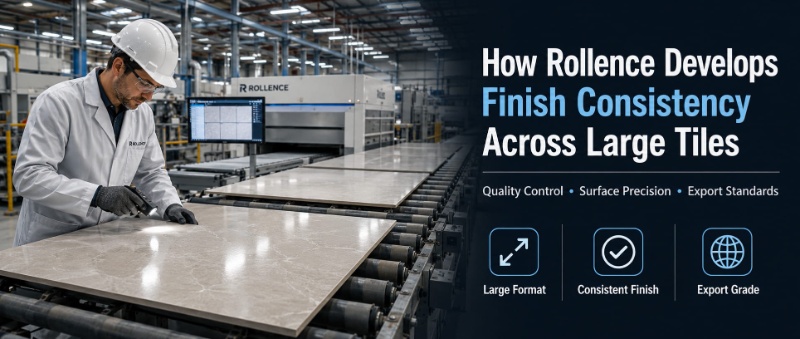
How Rollence Develops Finish Consistency Across Large Tiles
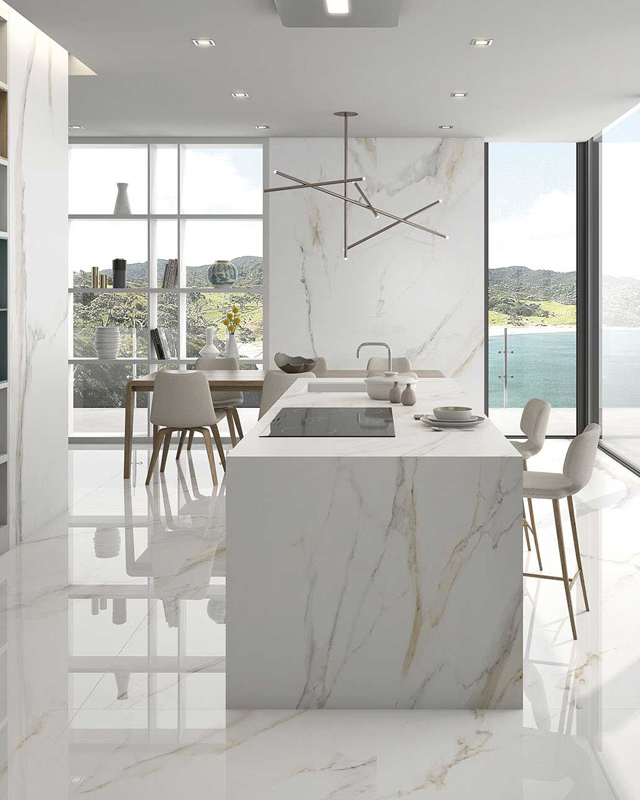
Large-format porcelain tiles have changed modern architecture. They create cleaner surfaces, fewer grout lines, and a more premium appearance in residential and commercial spaces.
As tile sizes increase, maintaining a consistent finish becomes more difficult.
A small variation in texture, shade, gloss level, or surface pattern may not be visible in smaller tiles. On larger formats, these differences become easier to notice after installation.
This is why finish consistency is one of the most important quality factors in large tile manufacturing.
This article explains how Rollence Granito develops finish consistency across large tiles and why it matters for distributors, architects, and international buyers.
Why Finish Consistency Matters in Large Format Tiles
Large tiles are often used in:
- Luxury homes
- Hotels
- Commercial spaces
- Office interiors
- Retail projects
In these spaces, buyers expect uniform appearance across the entire installation.
Even slight variation can affect:
- Surface appearance
- Pattern alignment
- Shade matching
- Project aesthetics
Consistent finishes help create a clean and professional final result.
What Causes Finish Inconsistency in Tile Manufacturing
Producing large tiles with consistent finishes requires control at multiple stages.
Common causes of variation include:
Raw Material Differences
Changes in raw material composition may affect texture and appearance.
Firing Temperature Changes
Temperature variation during kiln firing can influence shade and finish quality.
Surface Processing Variations
Polishing, texturing, and finishing processes must remain controlled to maintain uniform surfaces.
Batch Differences
Production across different batches may create visible changes if monitoring systems are weak.
How Rollence Maintains Finish Consistency Across Large Tiles
Maintaining consistency starts before manufacturing begins.
1. Controlled Raw Material Selection
Consistent input materials help create stable output quality.
Raw material checks support:
- Better surface uniformity
- Consistent appearance
- Reduced finish variation
2. Precision Digital Design Processes
Modern printing and surface technologies help maintain pattern consistency across large tiles.
This becomes especially important for:
- Marble-look tiles
- Stone-inspired surfaces
- Natural finish collections
3. Production Monitoring at Multiple Stages
Monitoring production continuously helps reduce variation.
Key checkpoints include:
- Pressing stage
- Firing stage
- Surface treatment
- Final inspection
4. Calibration and Surface Inspection
Large tiles require accurate calibration.
Inspection focuses on:
- Surface texture
- Gloss level
- Edge quality
- Shade consistency
5. Batch Testing Before Dispatch
Testing helps confirm consistency before products move to packaging and export stages.
This process supports:
- Bulk order reliability
- Better buyer confidence
- Reduced complaints after installation
Buyers often prefer large format porcelain tiles for seamless interiors.
Why Finish Consistency Matters for Export Projects
International buyers often manage:
- Commercial developments
- Hotel projects
- Large residential projects
- Distribution networks
These projects need consistent products across high volumes.
Uneven finishes may create:
- Installation challenges
- Customer dissatisfaction
- Higher replacement costs
Reliable finish consistency reduces these risks.
Common Problems Buyers Face with Inconsistent Tile Finishes
Importers and contractors often report issues such as:
⌠Shade mismatch between batches
⌠Surface texture variation
⌠Uneven gloss levels
⌠Pattern inconsistency
Strong manufacturing controls help minimize these problems.
Related Technical Factors Buyers Should Review
Besides finish consistency, buyers should evaluate:
- Water absorption
- PEI rating
- Tile strength
- Surface resistance
Understanding porcelain tile technical properties helps support better purchasing decisions.
Why Choose Rollence Granito
Rollence Granito focuses on producing porcelain and vitrified tiles with attention to consistency, durability, and export quality requirements.
The company emphasizes:
- Modern manufacturing systems
- Quality monitoring processes
- Large-format tile capability
- Export-grade standards
- Reliable supply support
Its approach supports distributors, wholesalers, and commercial buyers looking for dependable long-term sourcing.
Final Thoughts
Finish consistency is not only about appearance. It also affects installation quality, buyer satisfaction, and long-term project performance.
As demand for large-format tiles continues to grow, manufacturers that maintain stable finish quality become stronger partners for distributors and commercial buyers.
Looking for Consistent Large-Format Tile Solutions?
For projects where appearance, uniformity, and reliable supply matter, working with an experienced manufacturer becomes important.
Rollence Granito develops export-focused porcelain and vitrified tiles designed to support large-scale requirements with consistent finish standards and dependable production quality.
FAQ Section
Why is finish consistency important in large tiles?
Large surfaces make small variations easier to notice. Consistent finishes improve appearance and installation quality.
How do manufacturers maintain uniform tile finishes?
Manufacturers use controlled raw materials, production monitoring, calibration, and quality testing.
What causes finish variation in porcelain tiles?
Variation may result from raw materials, firing temperatures, polishing differences, or inconsistent quality control. Understanding tile manufacturing process helps explain finish consistency.

