Hi there 👋
Need help? Search our help center for answers or start a conversation:
Help Center
New Conversation
We typically reply in a few minutes
 Customer Support
Select Emoji
Quick Enquiry
We'll get back to you within 24 hours

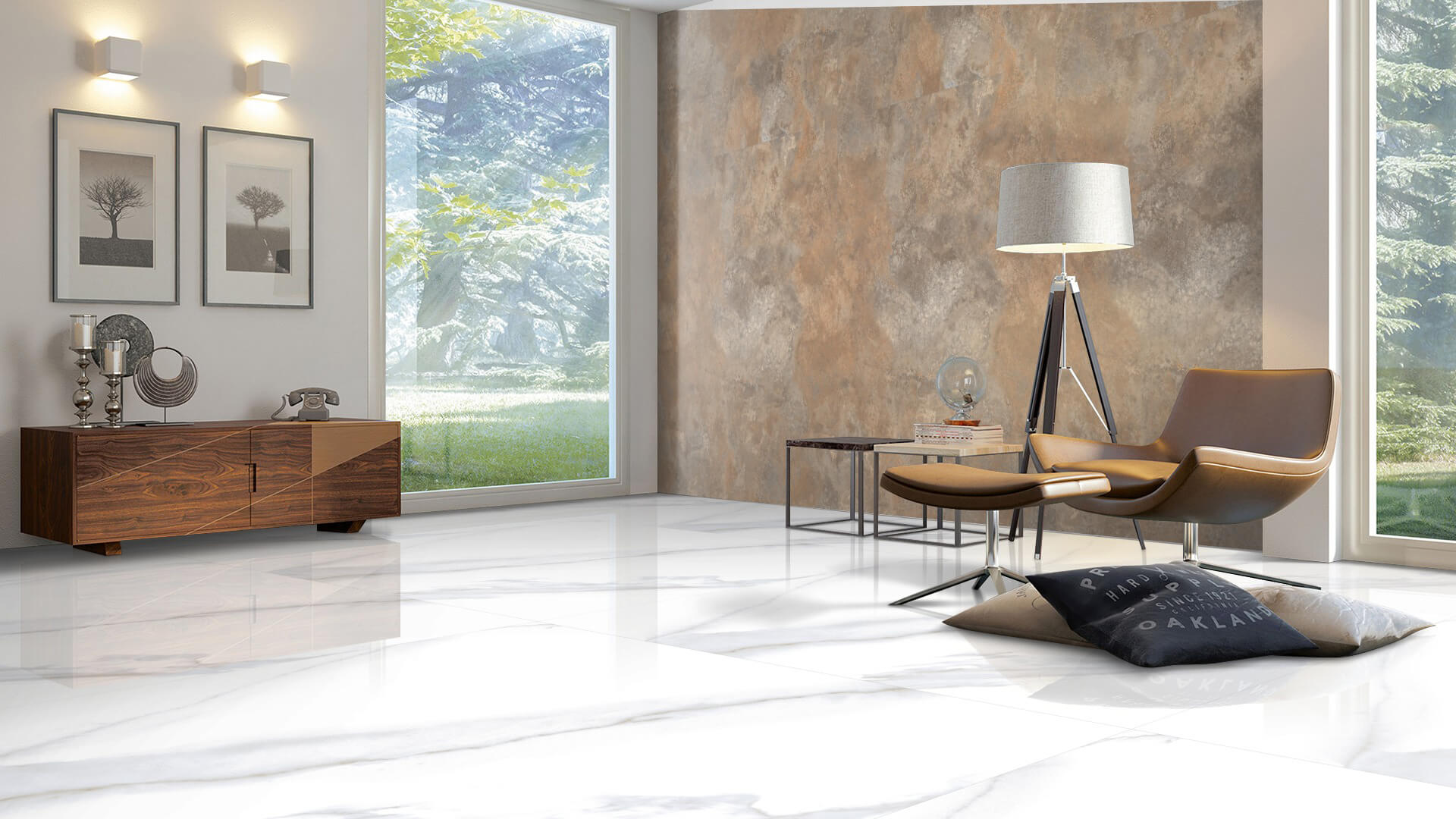
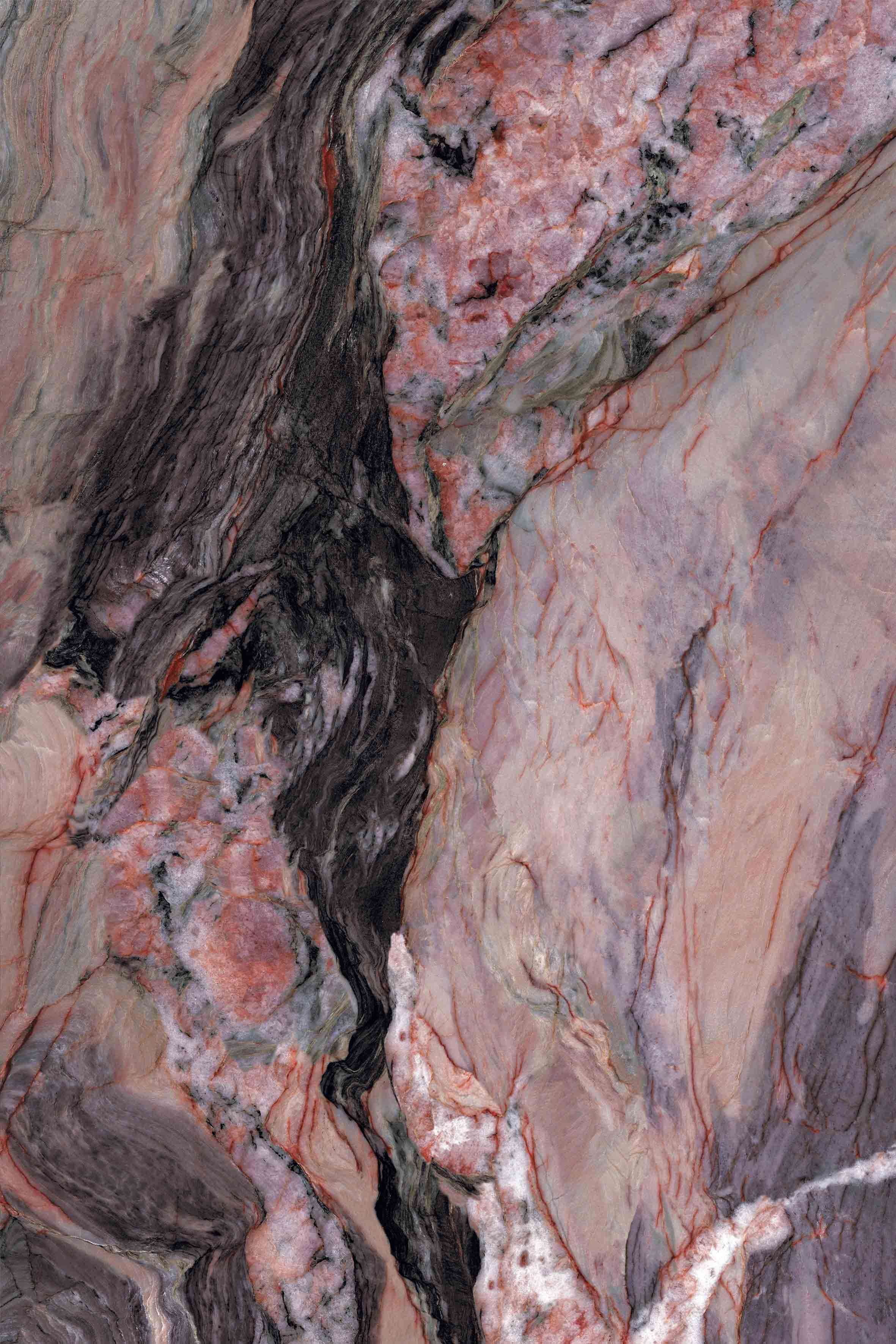
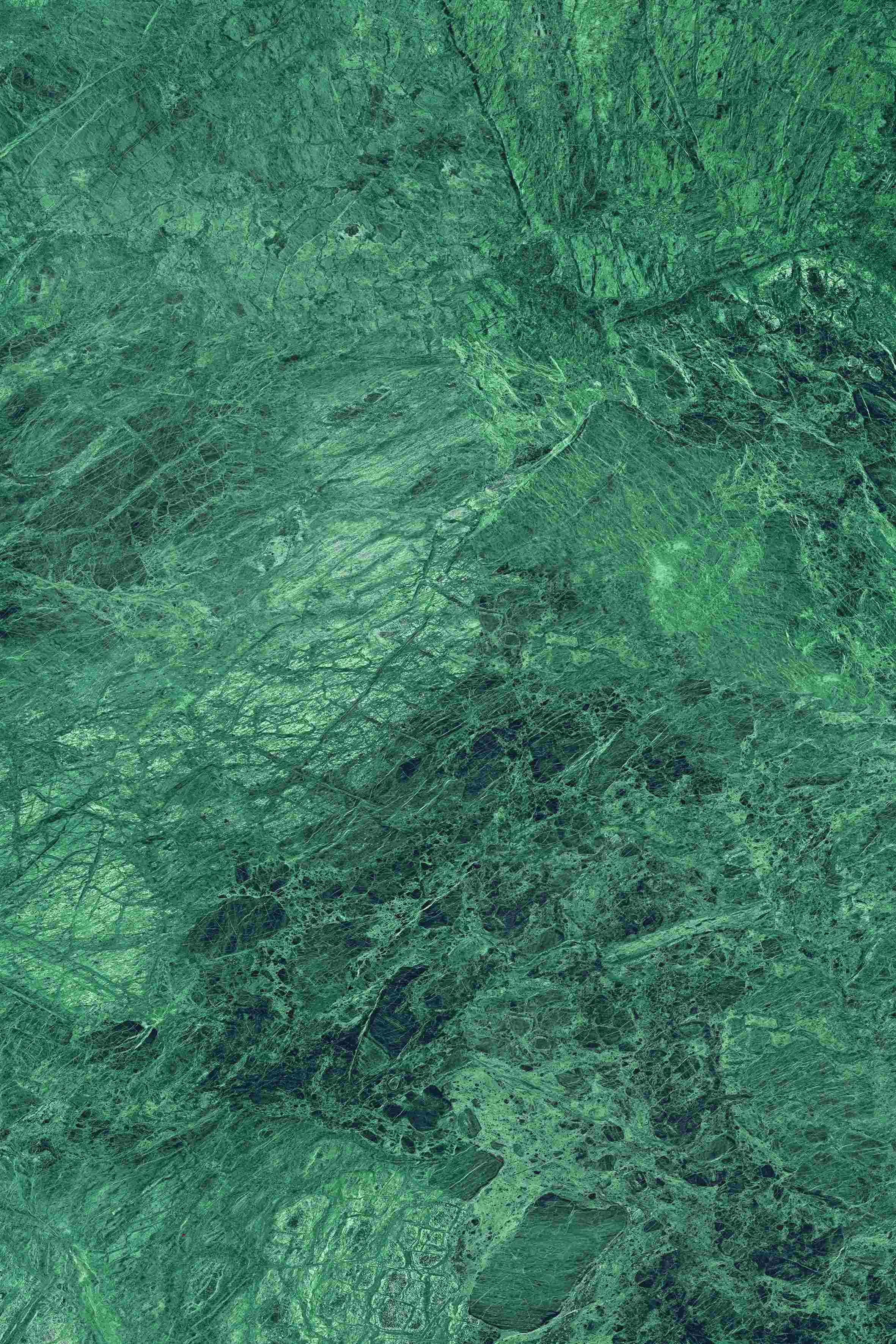
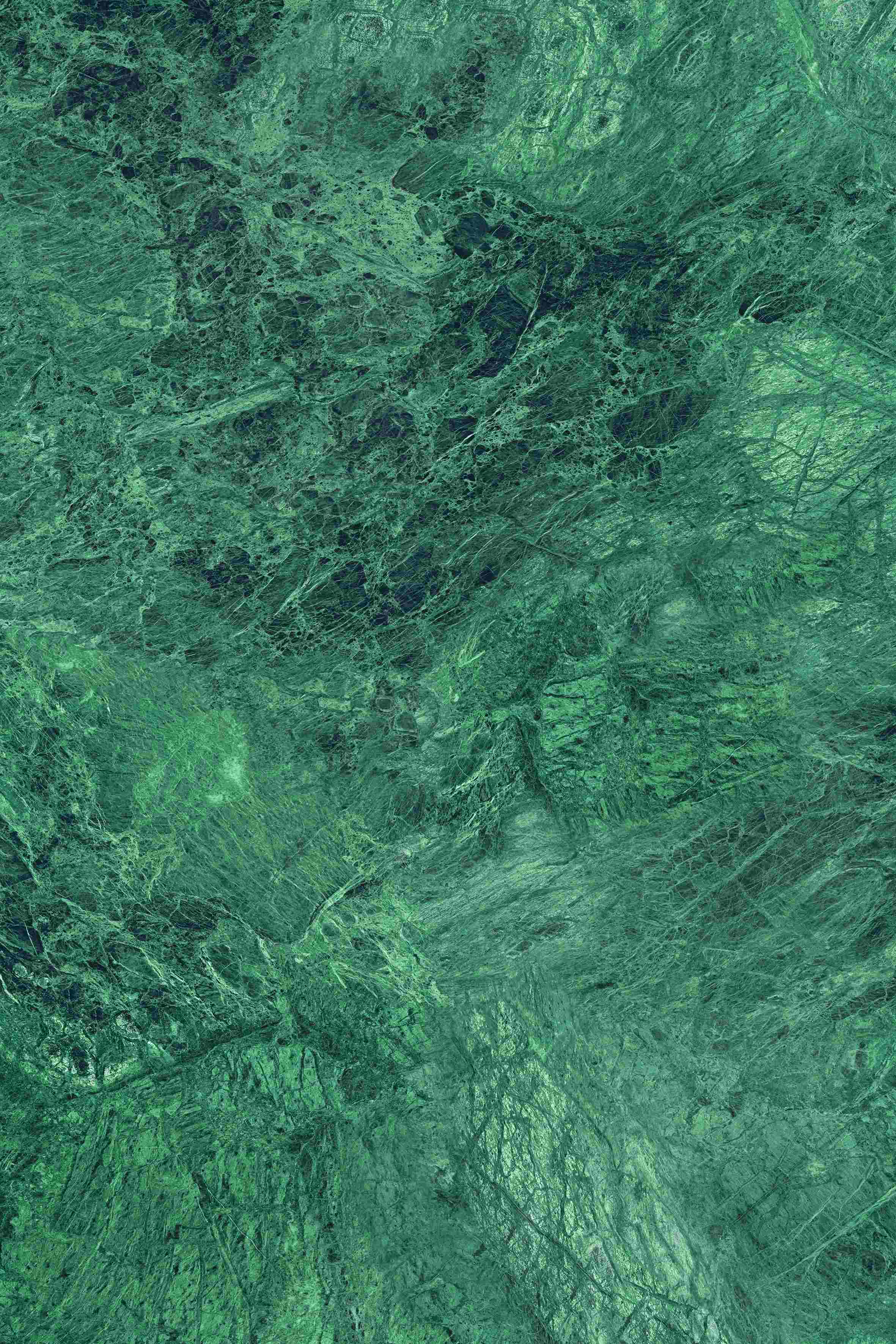
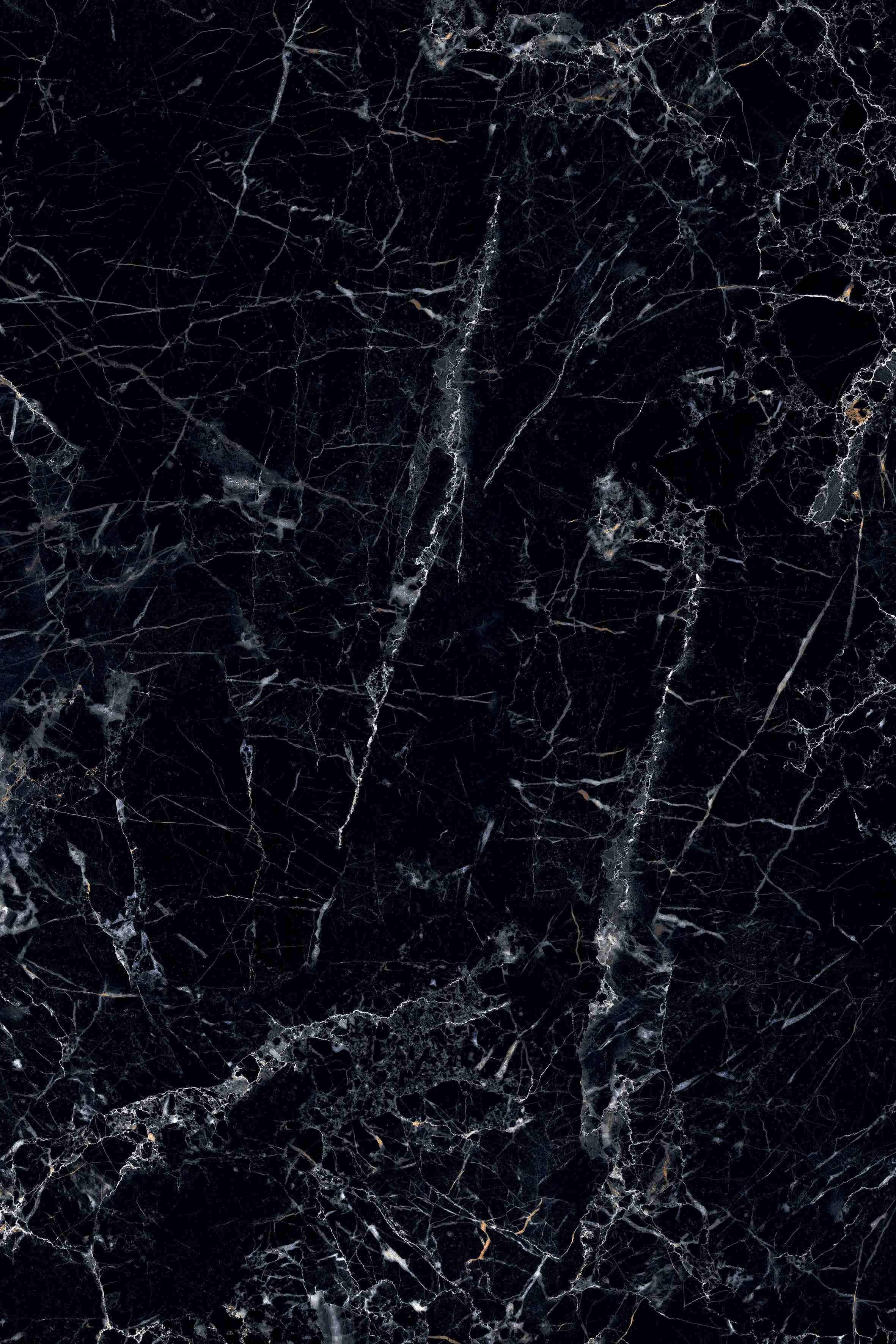
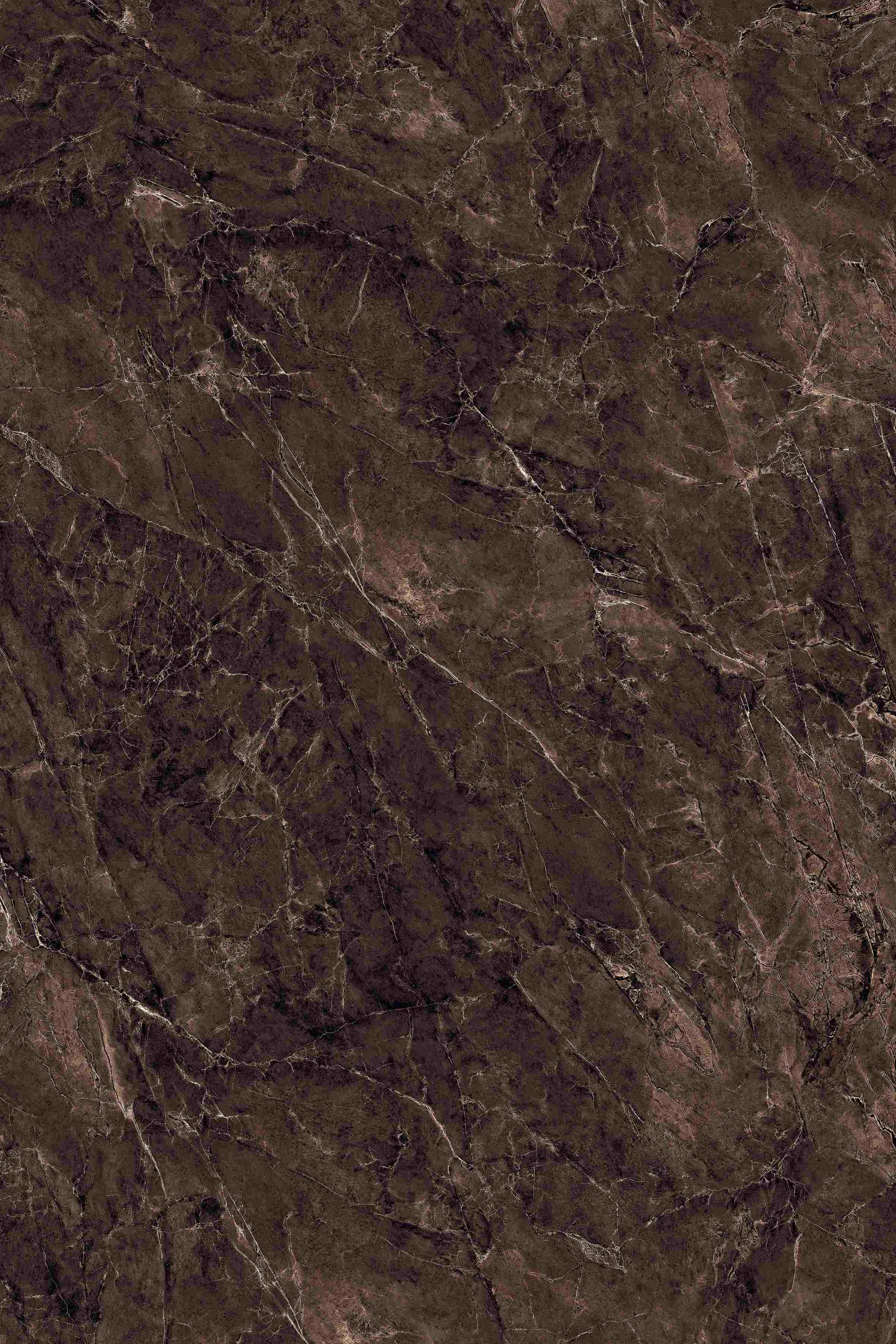
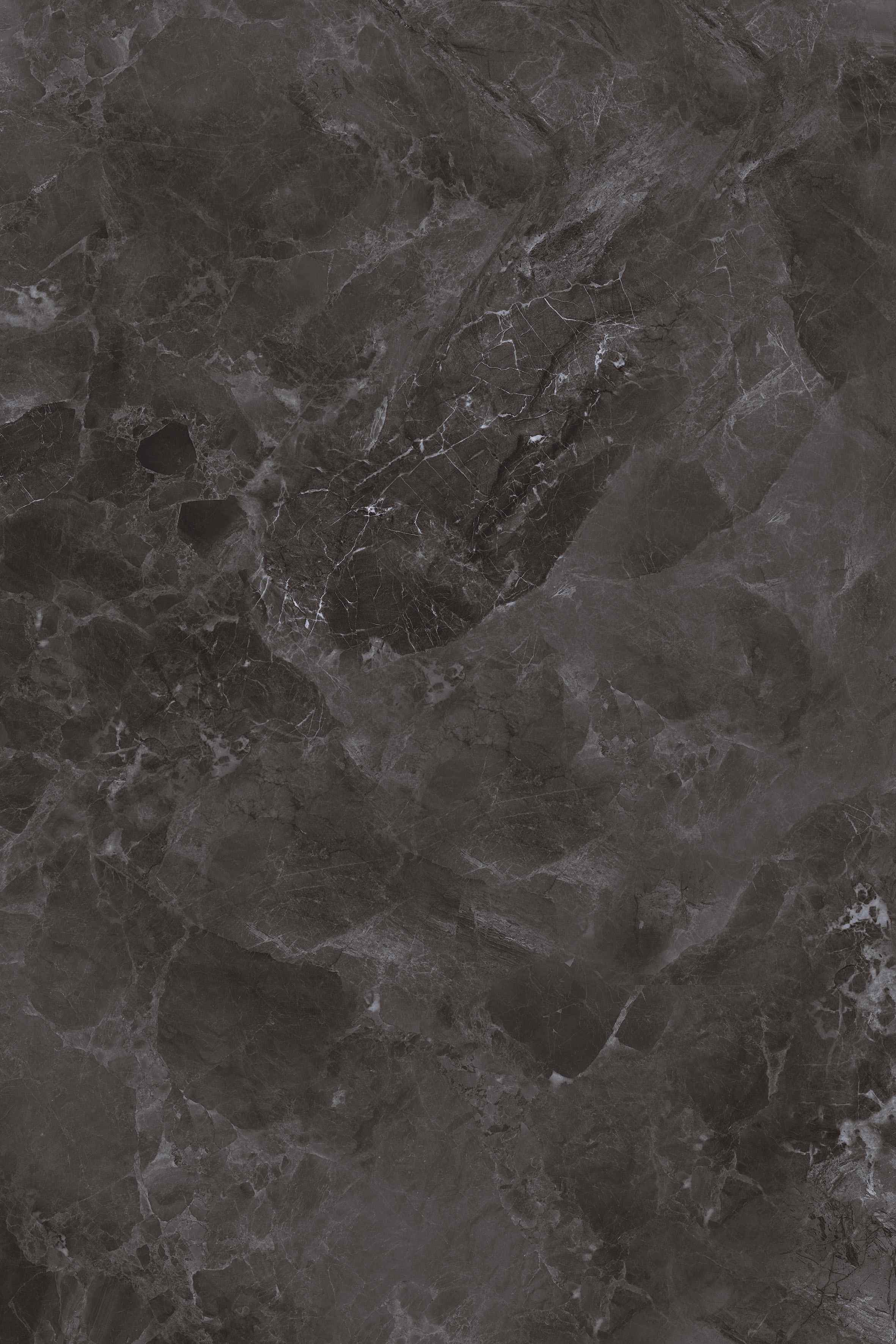
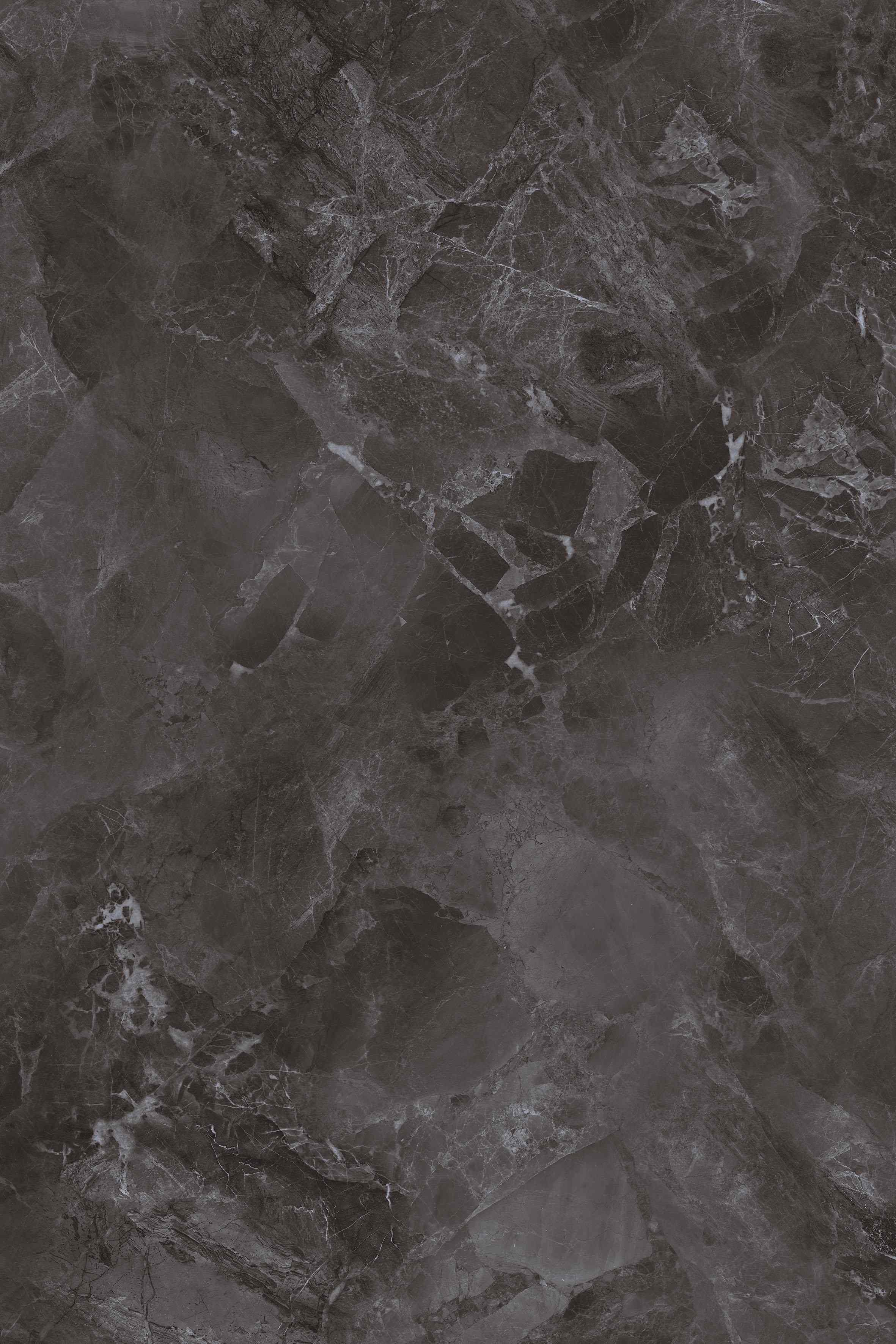
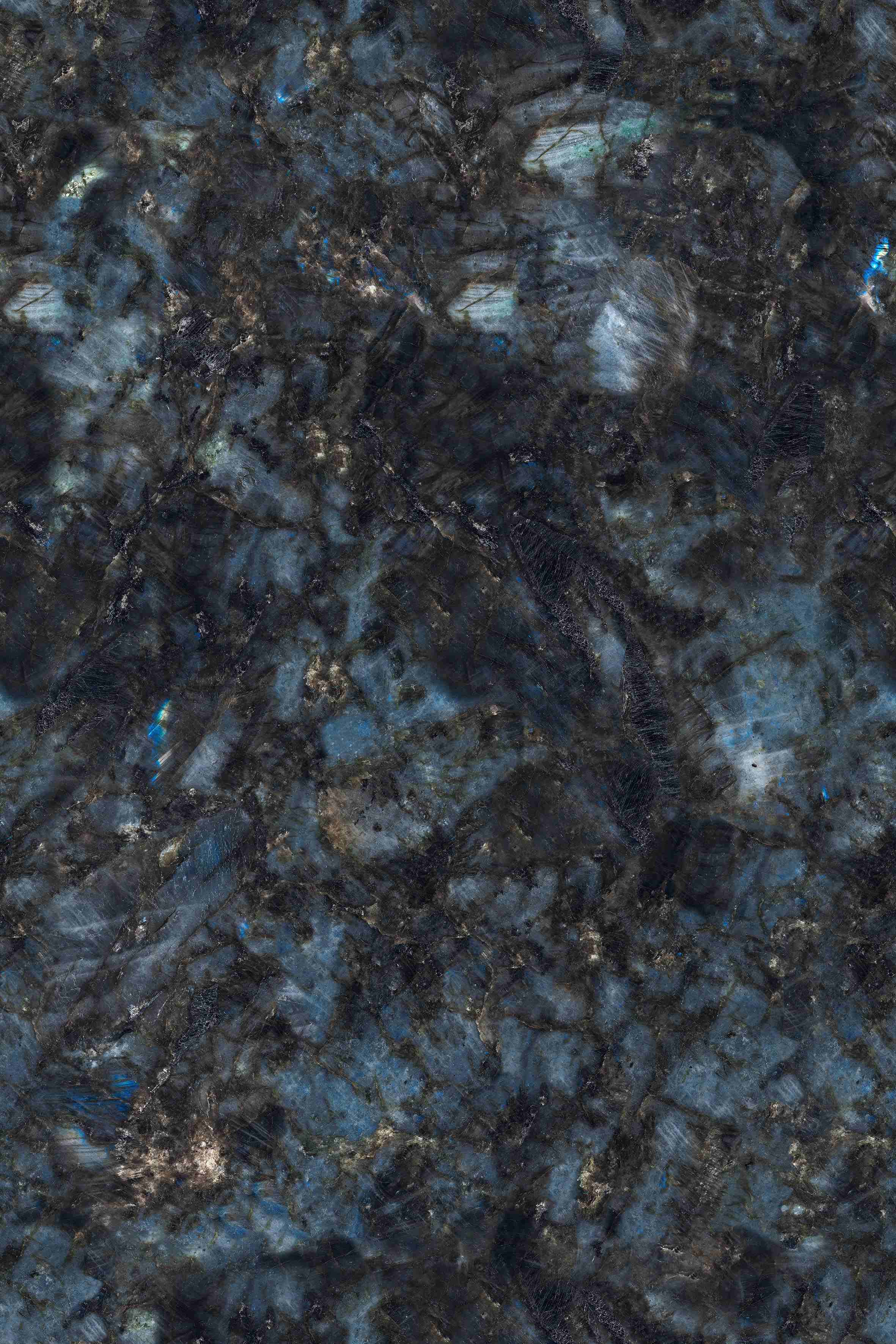
High gloss tiles have a glaze polished so smooth that they reflect objects almost like a mirror, and they are the most striking surface in the Rollence finish list. They are also the least forgiving: the shine that makes a lobby look expensive turns slippery with a few drops of water. Rollence makes High Gloss in GVT for floors and walls and in PGVT for walls, at its factory in Matel, Wankaner, Morbi, Gujarat, as part of its porcelain tile range.
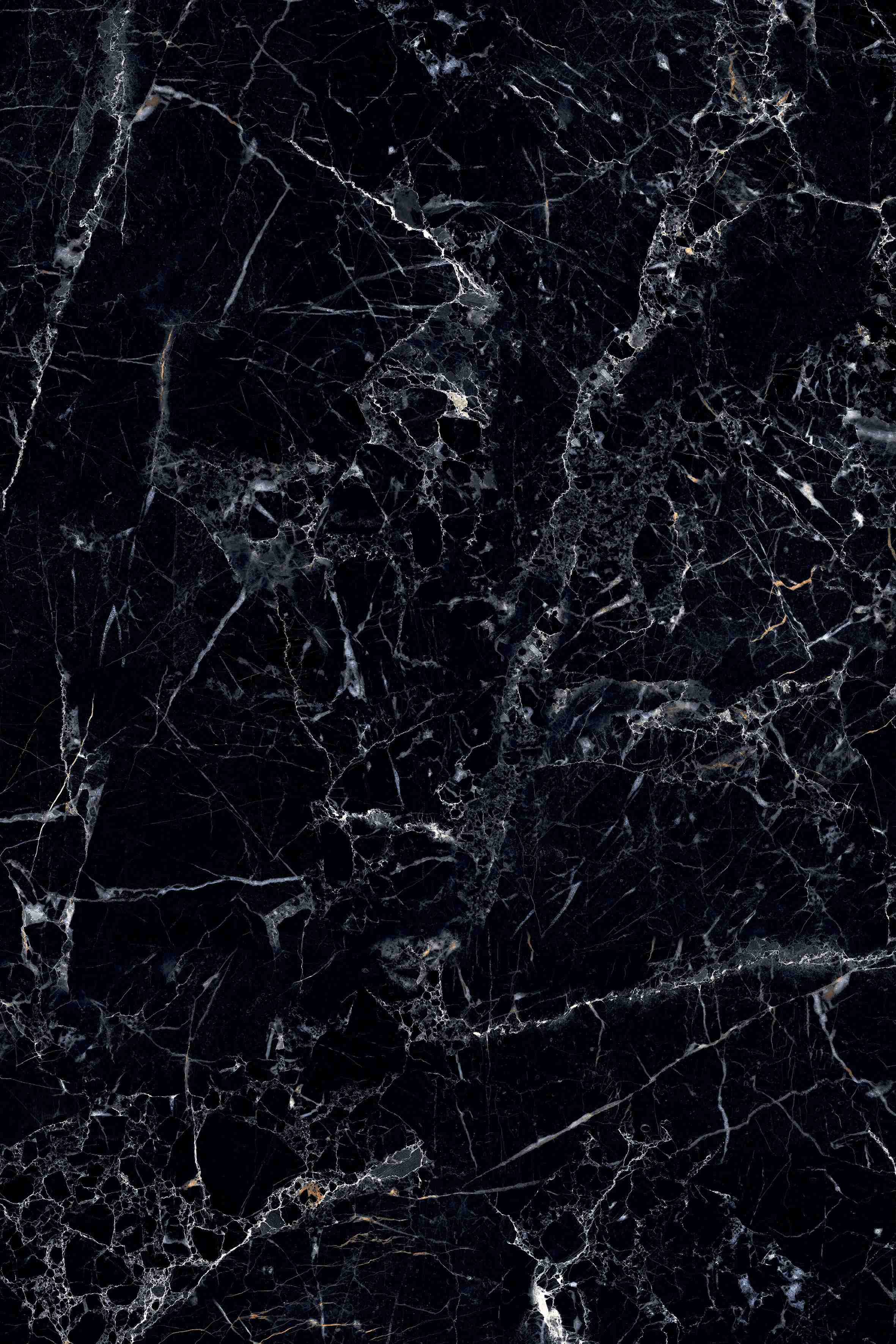
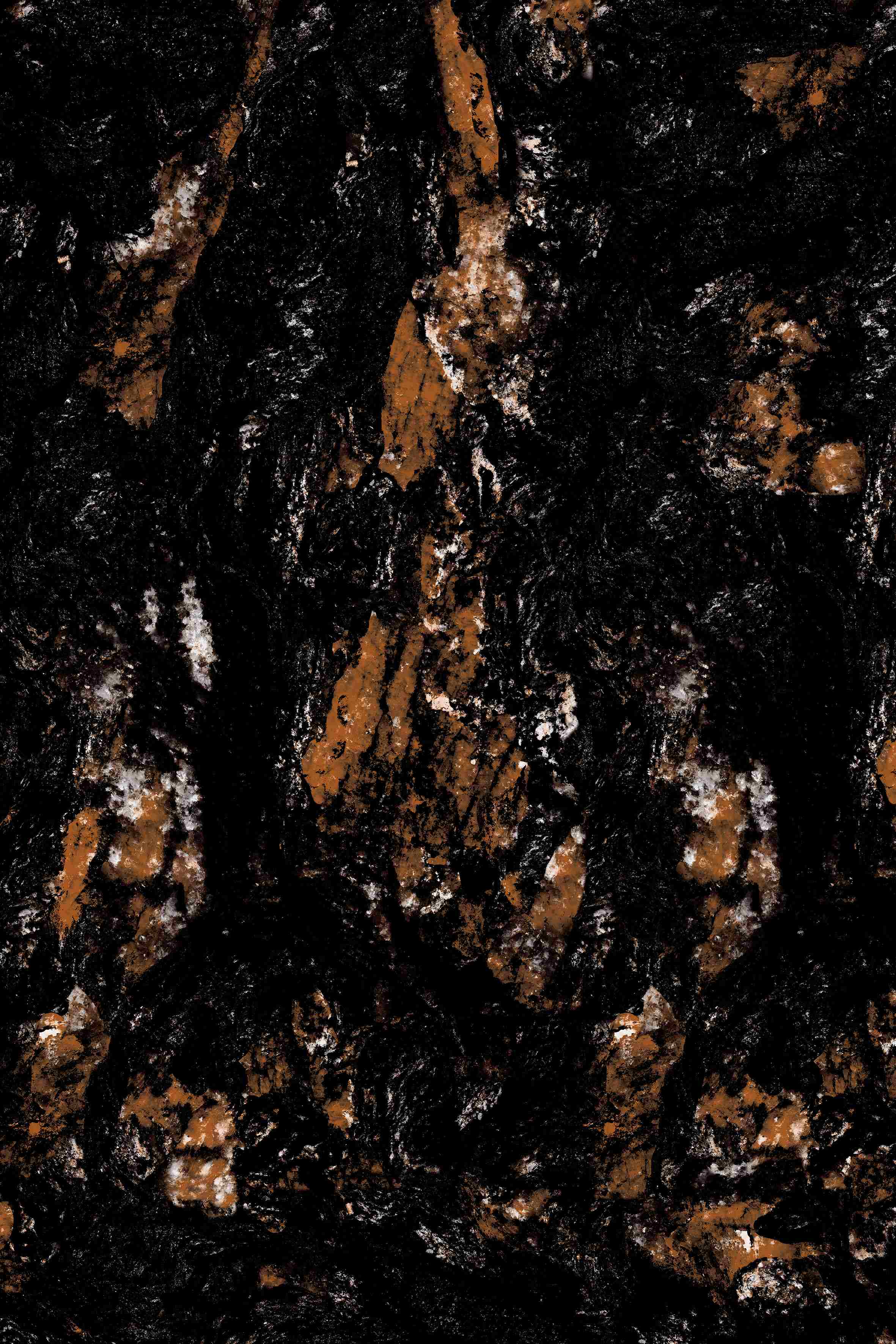
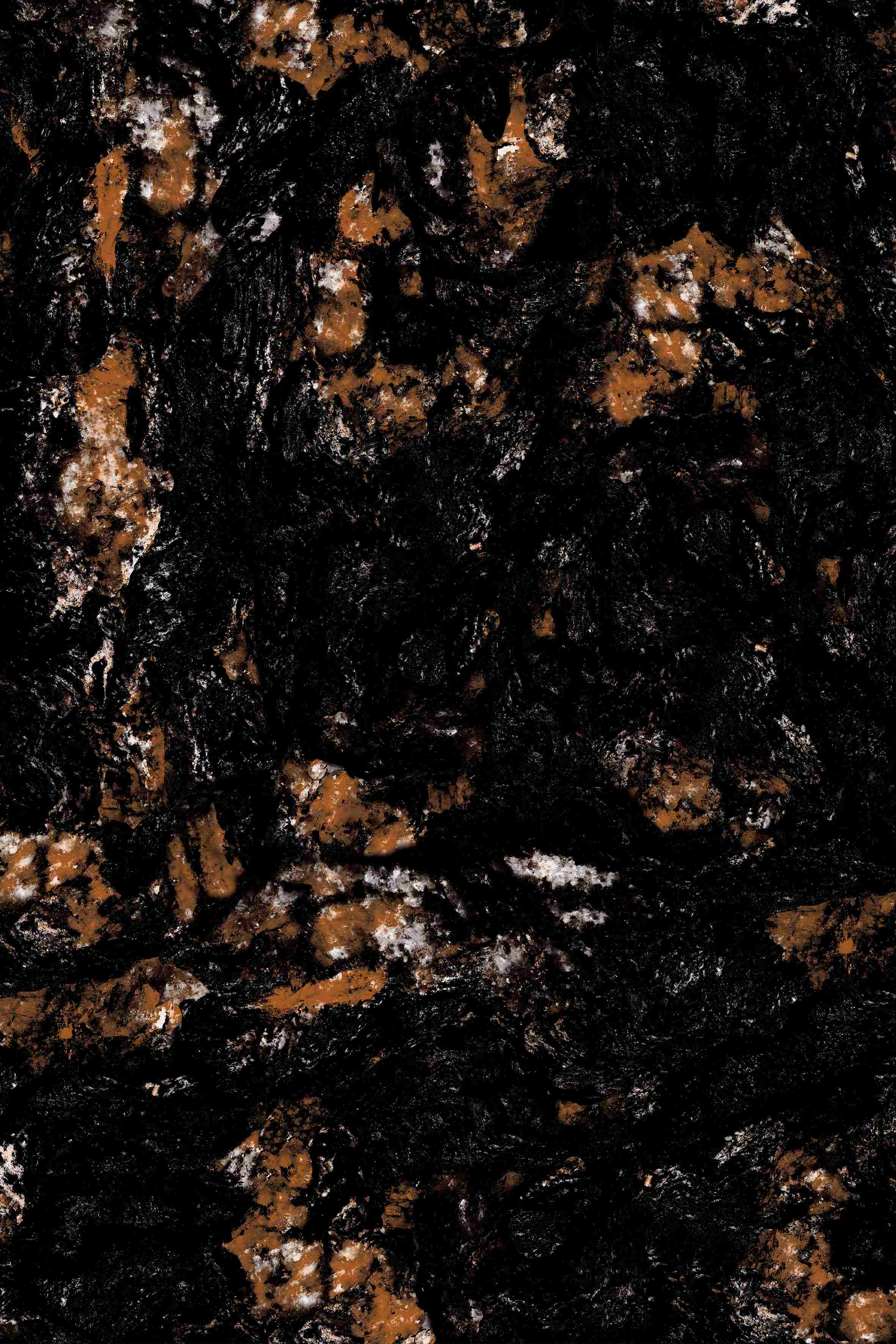
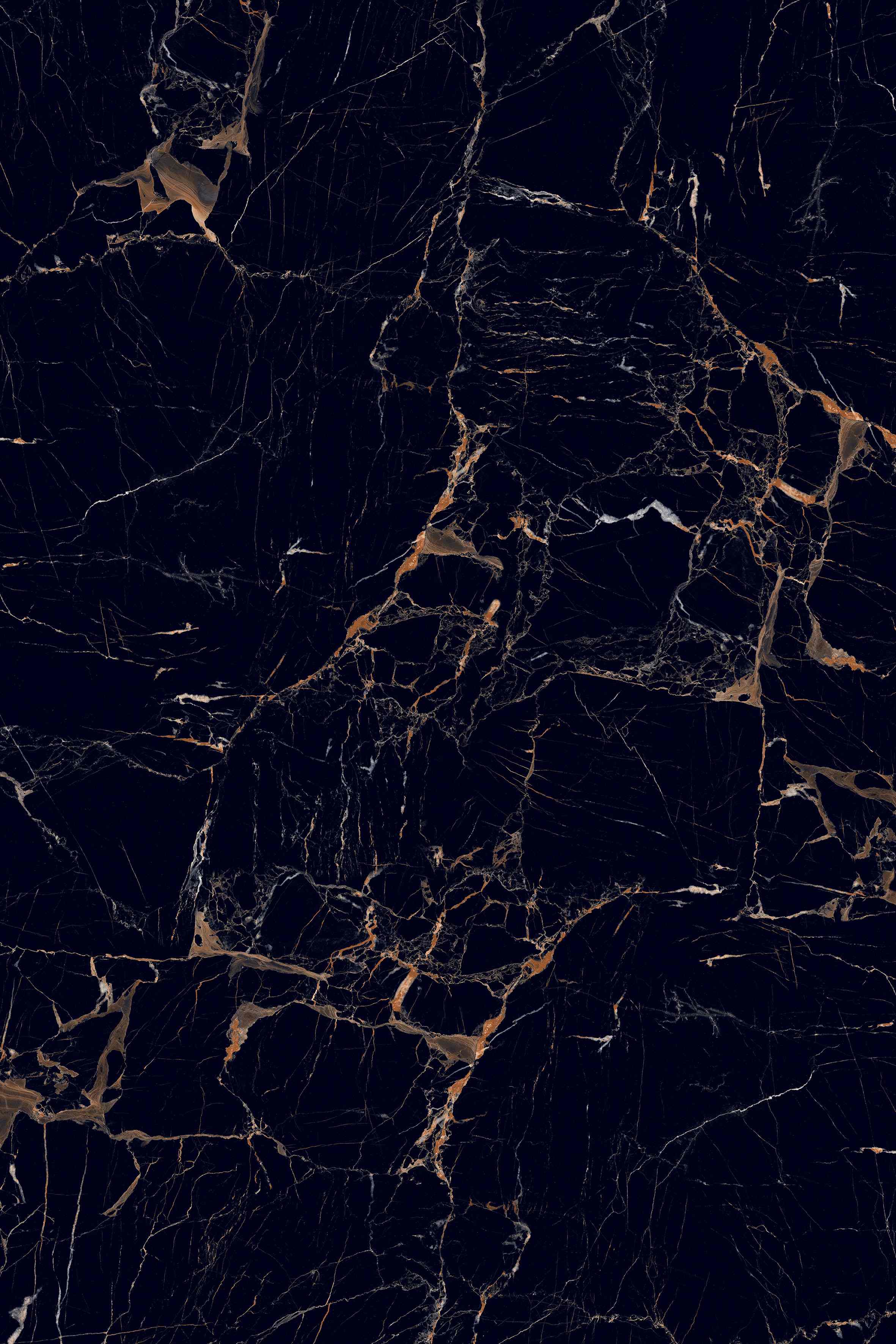
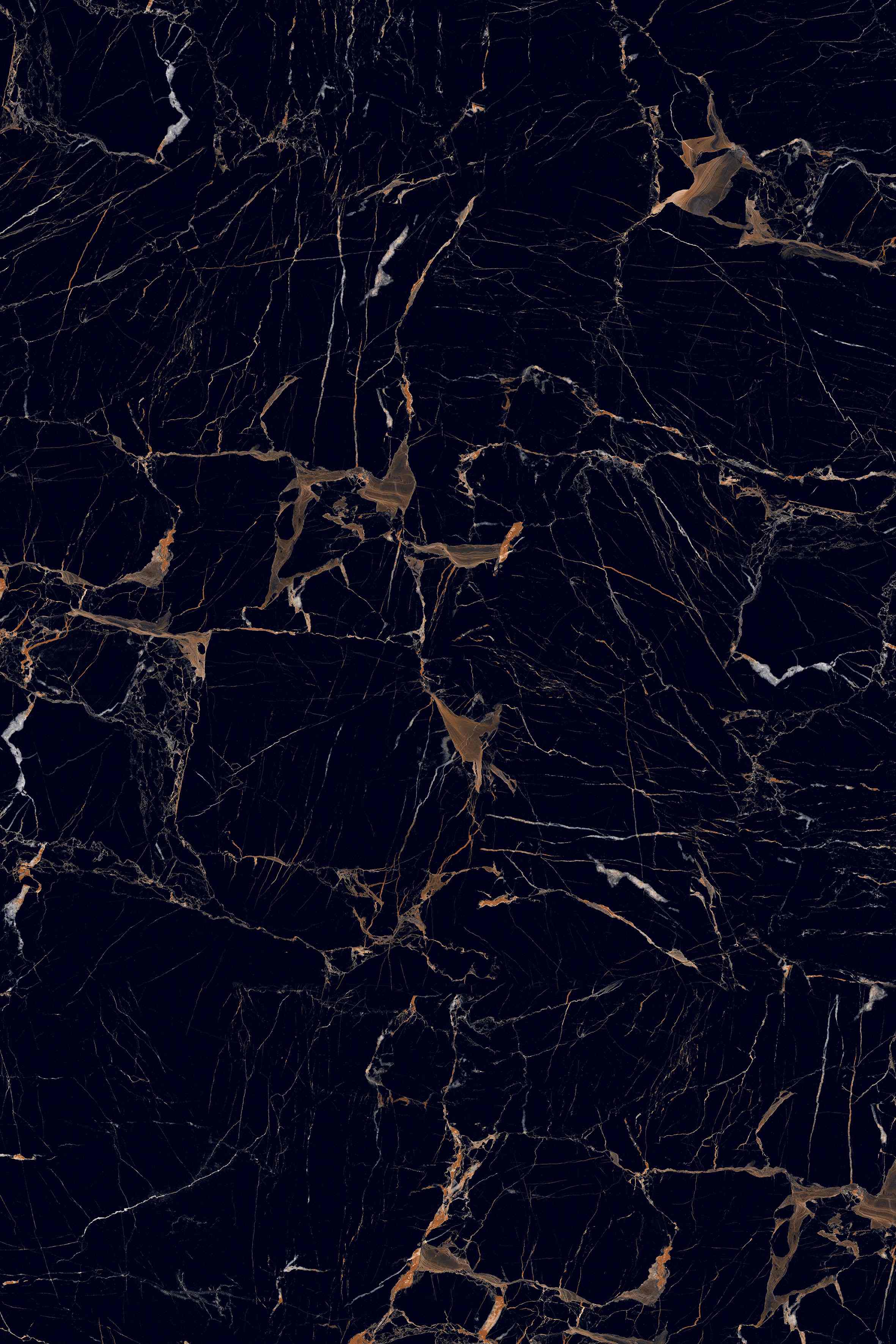
High Gloss is one of eight Rollence finishes and sits at the shiny end, beyond Glossy and well away from DG Matt. A black glossy tile or a white marble look in high gloss reads as polished stone from across the room. The technical sheets list each design, and every tile absorbs 0.5% water or less.
In the Morbi market, high gloss GVT sells at about Rs. 60 to Rs. 140 per sq.ft and PGVT at Rs. 70 to Rs. 180 per sq.ft, so one 800x1600 mm (2.6x5.2 ft) GVT tile costs about Rs. 830 to Rs. 1,900. These are market reference ranges and not a Rollence quote. Larger high gloss sizes cost more, and big formats across the Indian market range from about Rs. 150 to Rs. 600 per sq.ft.
The finish is created by polishing the glaze until the surface is almost free of texture. With no texture to scatter the light, the tile returns a sharp reflection of ceiling lamps, windows and furniture. The body underneath is the same dense GVT or PGVT body used in every Rollence finish, so the shine does not change how much water the tile absorbs.
It does change how the floor behaves. A mirror surface has almost no friction, so a few drops of water, a wet shoe or a splash of oil is enough to make it slippery. Before specifying any design, read its technical sheets for the finish and the recommended use.
The step from glossy tiles to high gloss is a step in reflection. Glossy is bright and soft, and objects in it look blurred. High gloss is sharper, and a ceiling light shows as a clear shape in the floor. That clarity is the reason showrooms and reception areas ask for it, and the reason a family home usually does not.
| Point | Glossy | High Gloss |
|---|---|---|
| Reflection | Soft, blurred | Sharp, mirror-like |
| Marks and dust | Show clearly | Show at once |
| Best placed | Dry rooms, showrooms, walls | Dry reception areas, feature walls |
| Wet or outdoor floors | Never | Never |
High gloss tiles should not be used on bathroom floors, balconies, terraces or outdoors because they turn slippery when wet.
Hotel lobbies, jewellery shops, car showrooms and office receptions use high gloss tiles because the floor adds to the light and the sense of space. Large gloss floor tiles work best here, since fewer joints mean fewer lines breaking the reflection. A 1200x1200 mm tile of 15.5 sq.ft needs 70 pieces per 100 m² and leaves a grout run of about 167 m.
Large format sizes of 1200x1200 mm and above are sold as GVT and PGVT. Across the Indian market, a tile this size costs about Rs. 2,300 to Rs. 9,300 each at Rs. 150 to Rs. 600 per sq.ft, so a damaged piece is an expensive replacement. Keep spares from the same batch.
In homes, the best place for high gloss is a feature wall behind a sofa or a television, where a PGVT panel adds depth with no slip risk.
Three areas are ruled out. Bathroom floors, because soap and water make the surface slippery. Balconies and terraces, because a Gujarat monsoon wets the floor for weeks. Kitchens with a wash area, because splashes of oil and water reach the floor. The Rollence site tells buyers to choose a matt or textured finish with a DIN 51130 rating of R10 or R11 for these places.
PGVT should not be used on any floor, wet or dry, because the polished surface is slippery and shows scuffs. PGVT is a wall tile.
High gloss on a wall is fine in a bathroom. The body absorbs 0.5% water or less, and epoxy grout in the joints keeps moisture and stains out of the wall.
A mirror floor shows every flaw in the base. Level the screed carefully, use levelling clips, and keep joints as narrow as the tile allows. Pick a grout that matches the tile, because a contrasting line breaks the reflection. Marble look designs such as the Marbella collection look best in high gloss when the veining runs across the room in one direction.
Plan the lighting too. Downlights placed directly over the floor throw bright spots that repeat in the tile, so a mix of wall lights and diffuse ceiling lights gives an even glow. Granite polished tiles and black glossy tile designs show lamp reflections most strongly.
High gloss tiles need cleaning more often than any other finish, because dust, fingerprints and water spots show at once. Use a soft microfibre mop with a neutral cleaner and dry the floor straight away. Sweep grit first, since sand drags across a polished glaze. The tile care guide gives a routine for polished surfaces.
Avoid acid cleaners and scouring pads, which dull the shine. Use door mats at every entrance to keep grit off the floor, and fit felt pads under furniture.
A mirror finish is hard to judge from a photograph, because reflections change with the light in each room. Samples from Rollence Granito arrive free at your address, and a quote follows once it has your size, collection, quantity and delivery city, all taken through the enquiry form.
An 800x1600 mm (2.6x5.2 ft) high gloss GVT tile from the Morbi market costs about Rs. 60 to Rs. 140 per sq.ft, roughly Rs. 830 to Rs. 1,900 per tile, and 79 tiles cover 100 m². PGVT costs Rs. 70 to Rs. 180 per sq.ft, or about Rs. 960 to Rs. 2,500 per tile, and is for walls only. The body absorbs 0.5% water or less.
High gloss tiles are safe on dry interior floors in a Gujarat monsoon, since the body absorbs 0.5% water or less, the BIa limit under IS 15622. A 1200x1200 mm (4x4 ft) tile still turns slippery when wet, so keep it off balconies. Morbi factories make GVT at Rs. 60 to Rs. 140 per sq.ft, and epoxy grout protects the joints.
Yes, high gloss tiles turn slippery when wet. The mirror glaze has almost no friction, so a few drops of water are enough. Use them only on dry interior floors and on walls. For bathrooms, balconies and terraces, choose a textured tile rated R10 or R11 for grip.
Yes, if the room is dry and you accept frequent cleaning. High gloss gives a bright, reflective floor that makes a room look larger. It shows every footprint and dust speck, so most homes choose a matt or glossy finish for the floor and keep high gloss for walls.
High gloss has a sharper, mirror-like shine, while glossy has a softer, brighter one. High gloss shows reflections clearly and marks at once. Both suit dry interiors only. Rollence lists them as separate finishes, so check each design sheet for the finish it carries.
Sweep grit daily, mop with a neutral cleaner and a microfibre cloth, and dry the floor straight away. Avoid acid cleaners and scouring pads, which dull the glaze. Place mats at entrances and felt pads under furniture. Epoxy grout in the joints resists stains between cleans.
High gloss GVT costs about Rs. 60 to Rs. 140 per sq.ft in the Morbi market. PGVT costs Rs. 70 to Rs. 180 per sq.ft. Big formats cost more, at roughly Rs. 150 to Rs. 600 per sq.ft. Prices change with design, size and city, and they are not a Rollence quote.
No, PGVT is a wall tile and must not be laid on any floor, wet or dry. The polished surface is slippery and shows scuffs under foot traffic. Use GVT for high gloss floors in dry rooms, and keep PGVT for feature walls and cladding.
They need a close colour match and narrow joints, since a contrasting line breaks the reflection. In any damp area, epoxy grout is the better choice because it resists water and stains. Use a spacer of 2 mm or less, and keep the base level so the tile sits flat.
Product Inquiry
Fill in your details and we'll get back to you