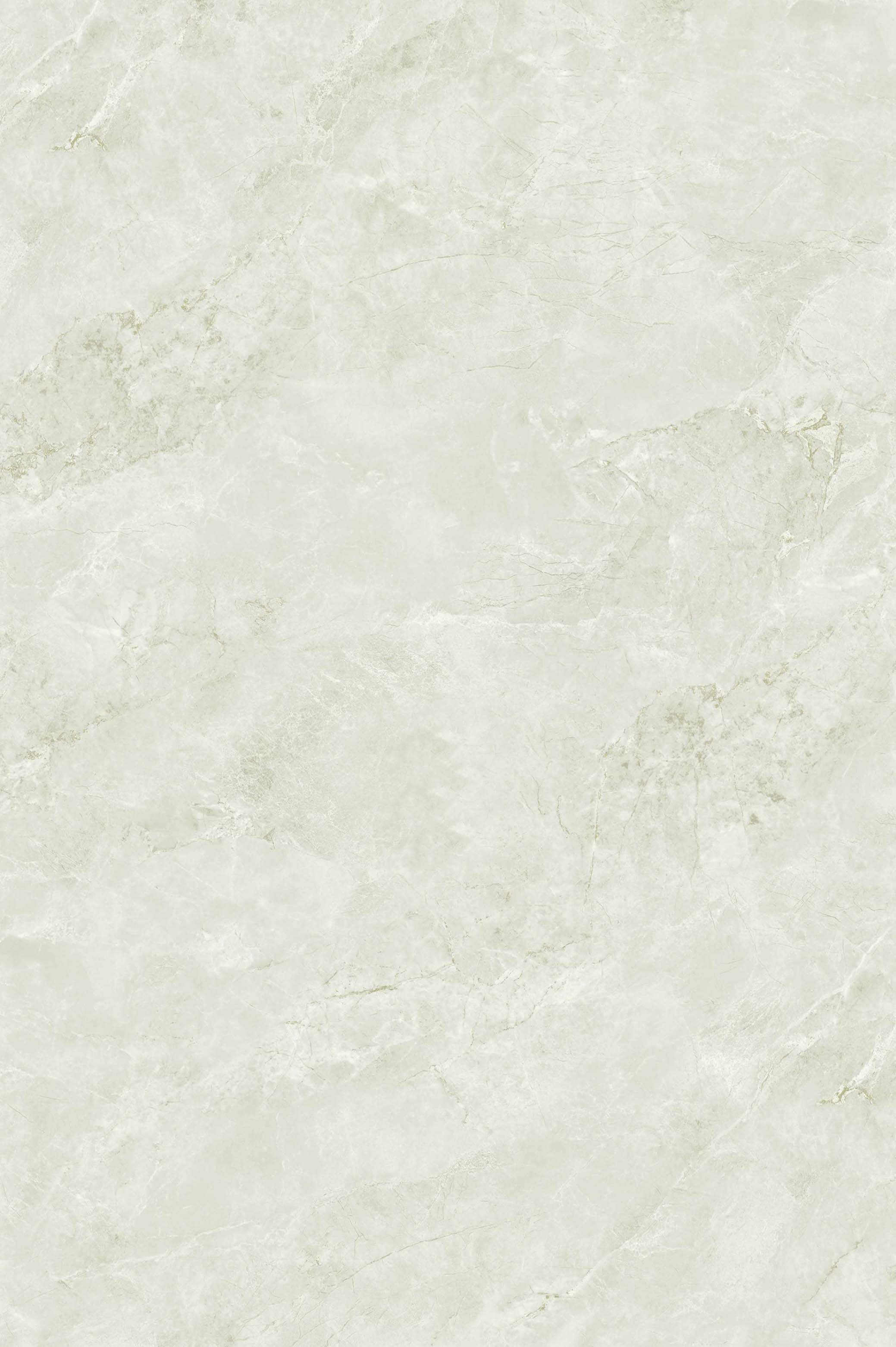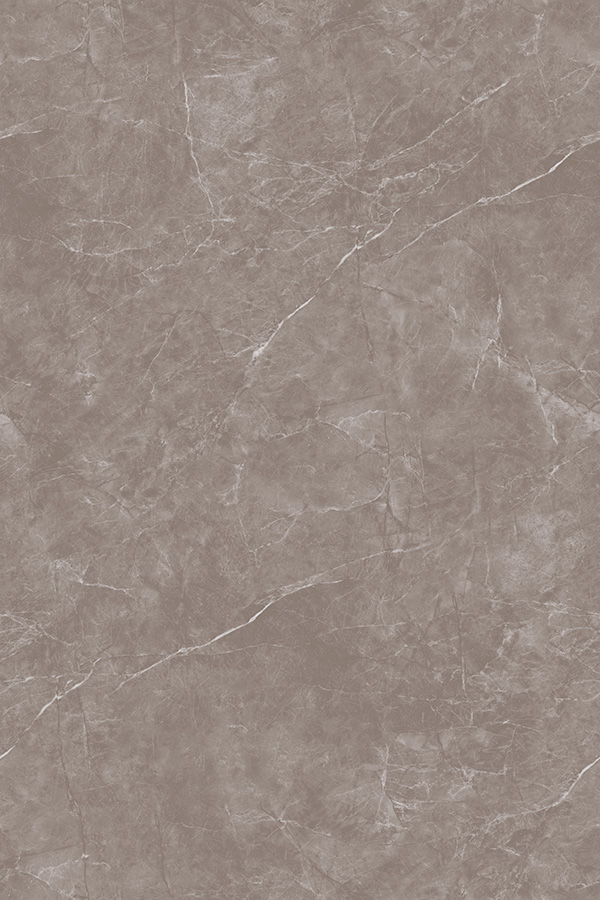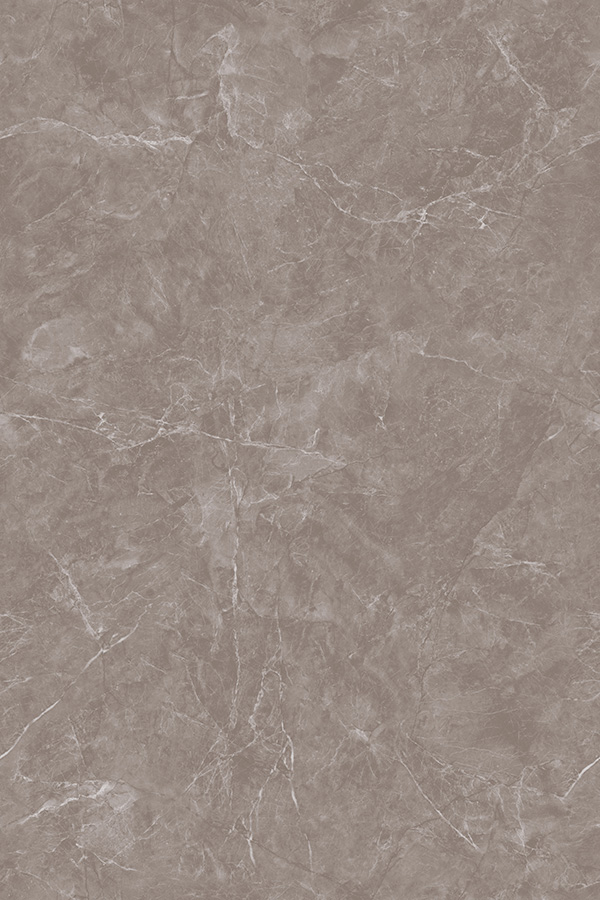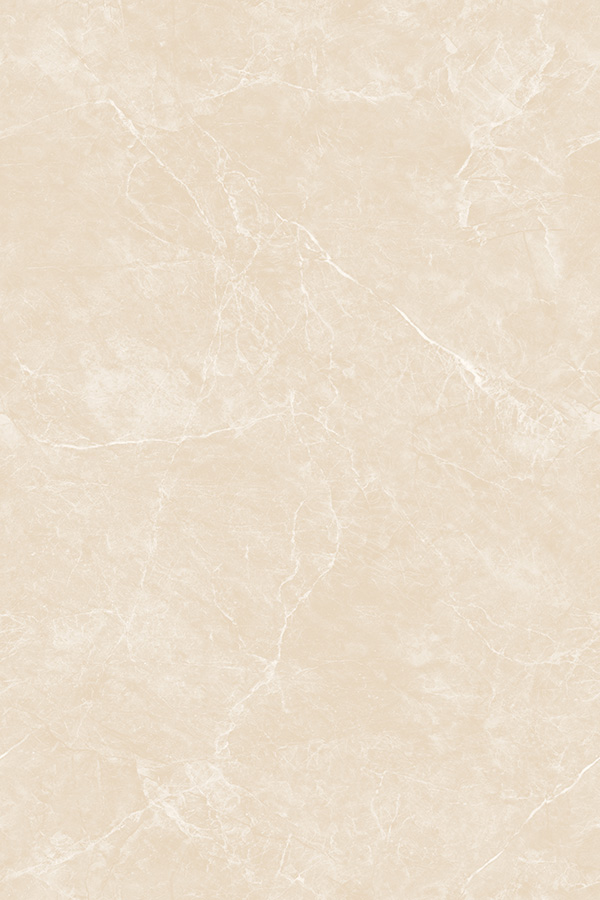
Hi there 👋
Need help? Search our help center for answers or start a conversation:
Help Center
New Conversation
We typically reply in a few minutes
 Customer Support
Select Emoji
Quick Enquiry
We'll get back to you within 24 hours

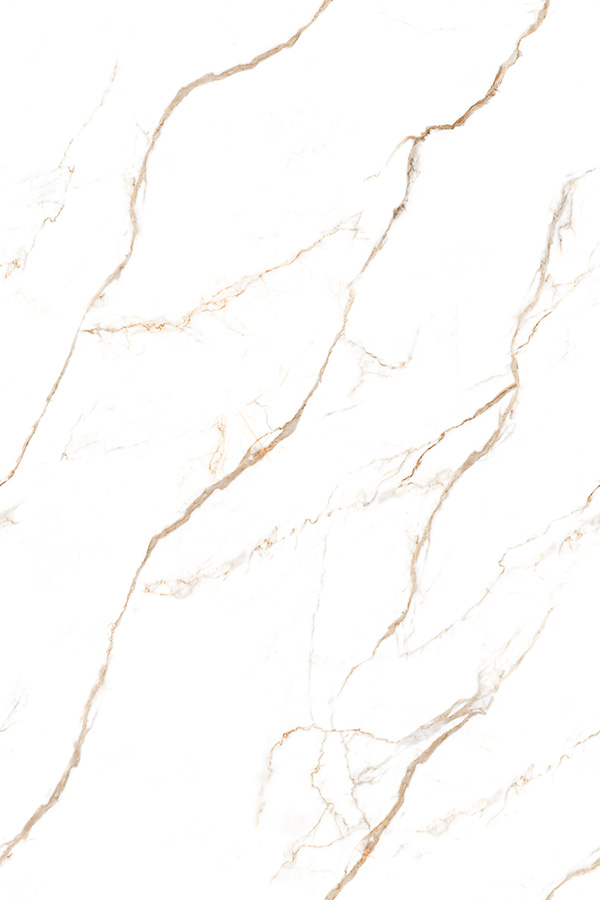
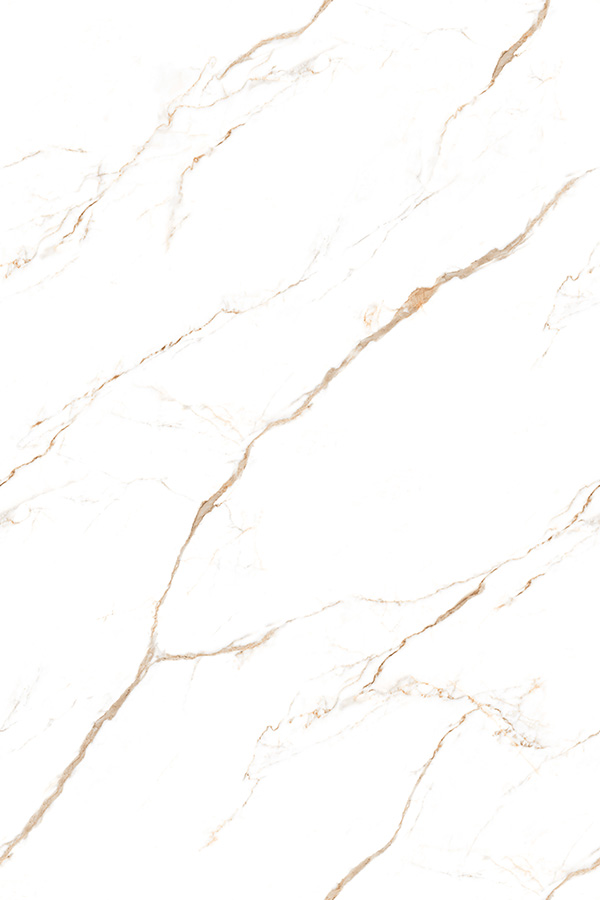
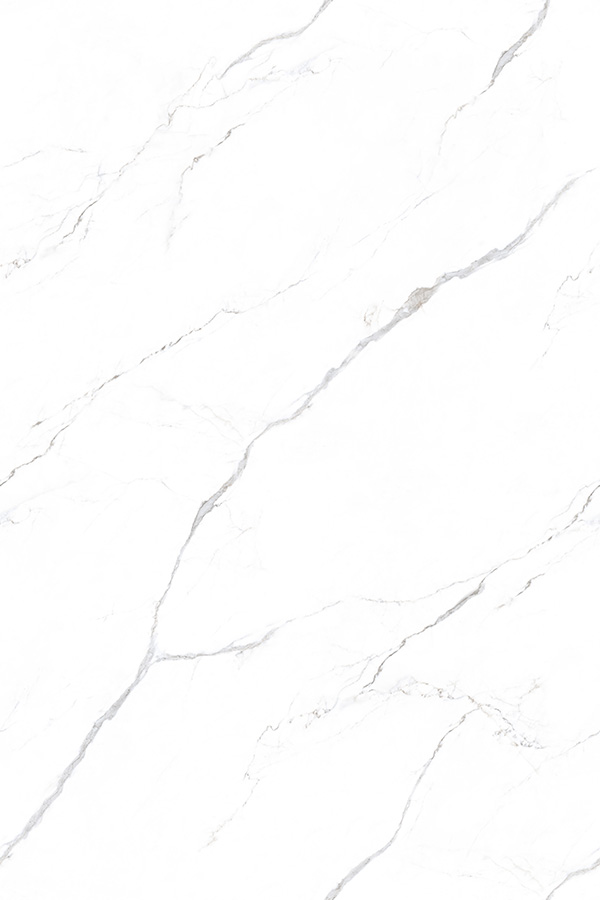
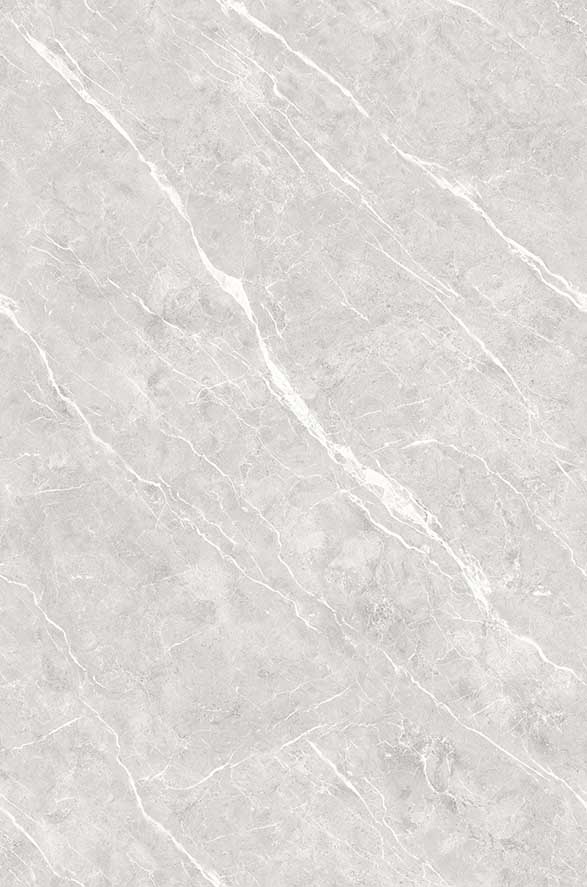
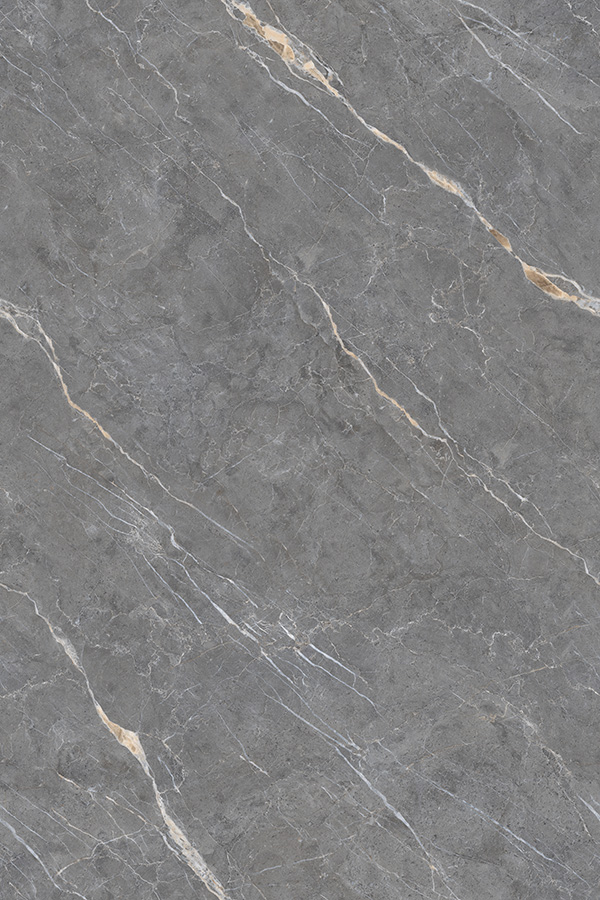
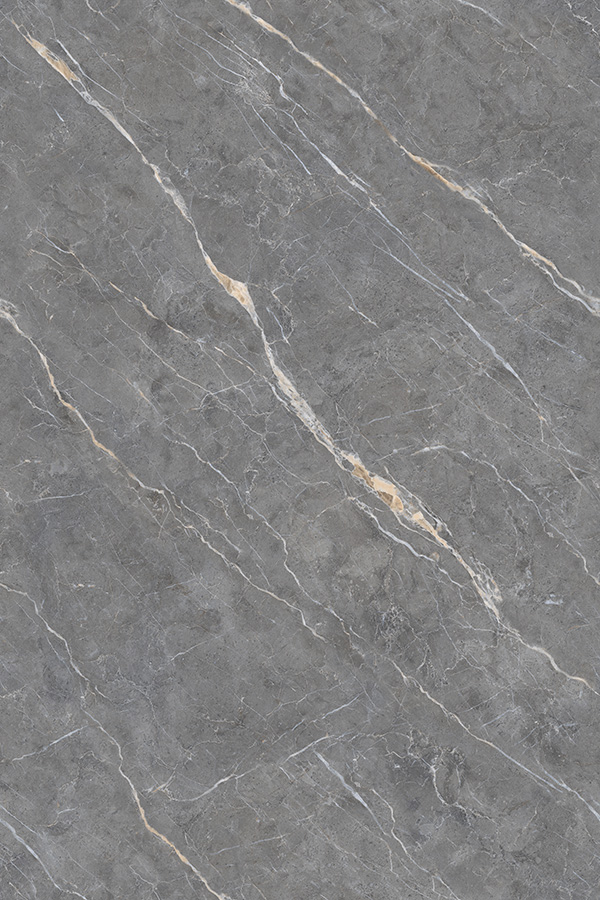
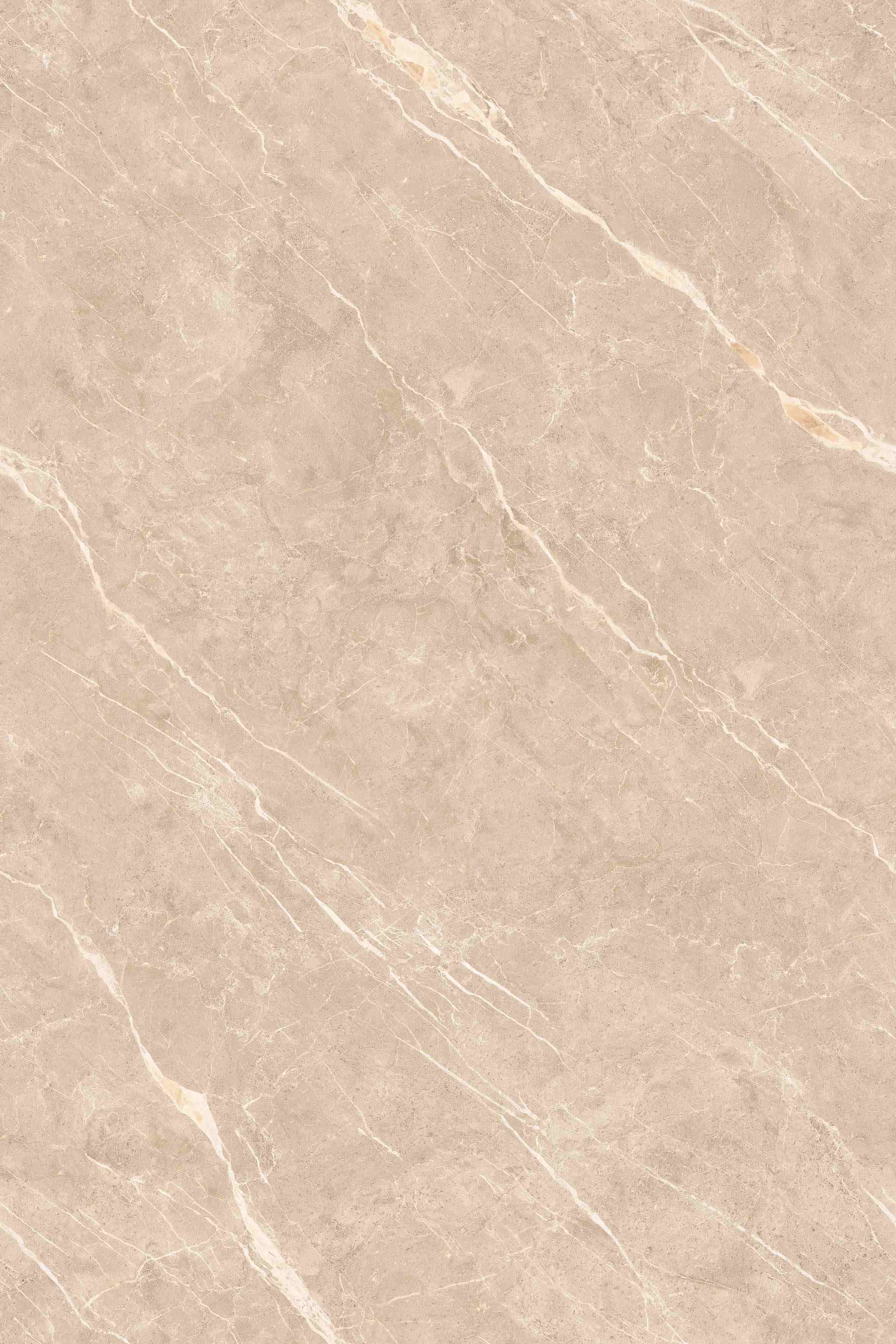
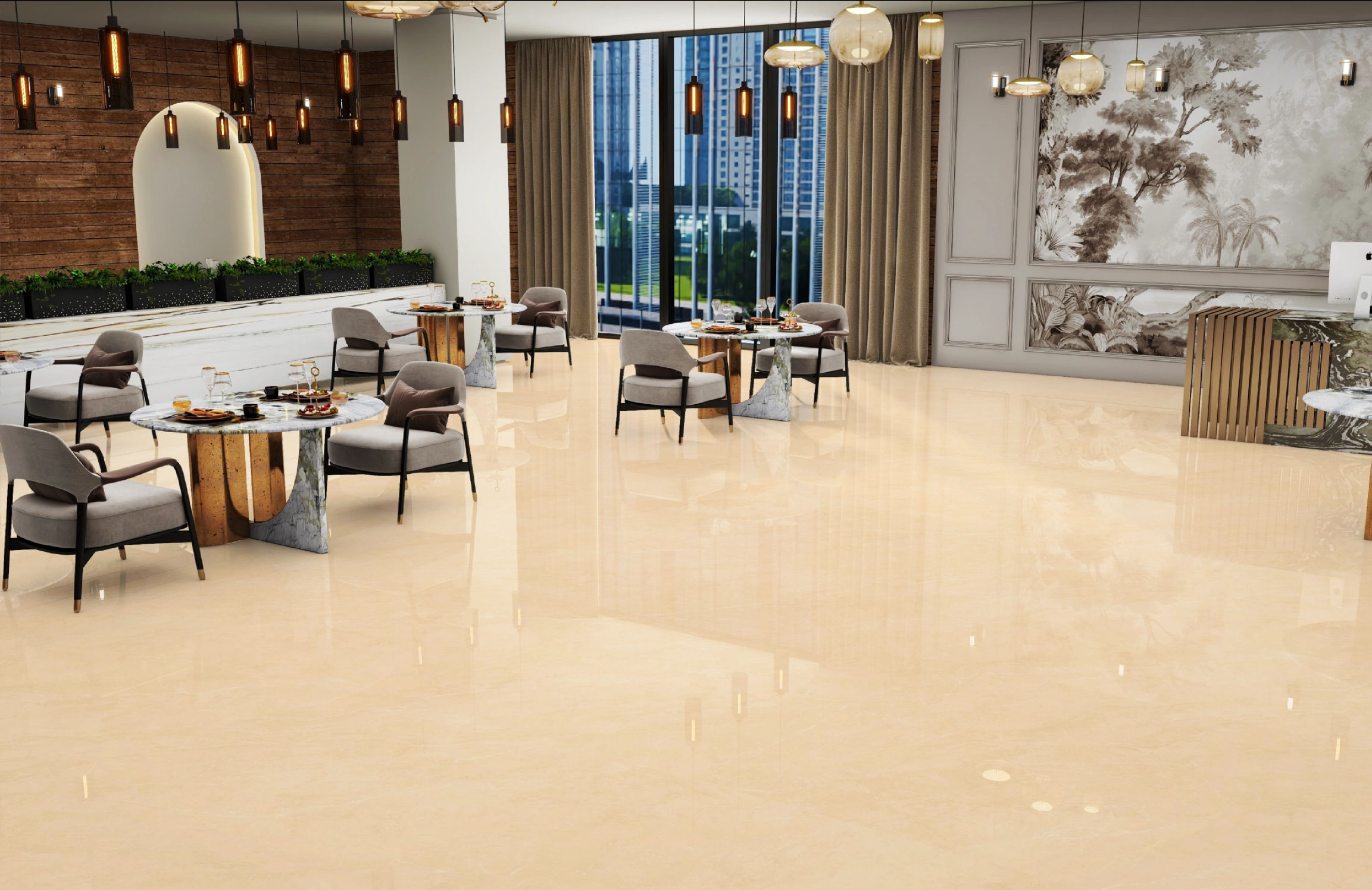
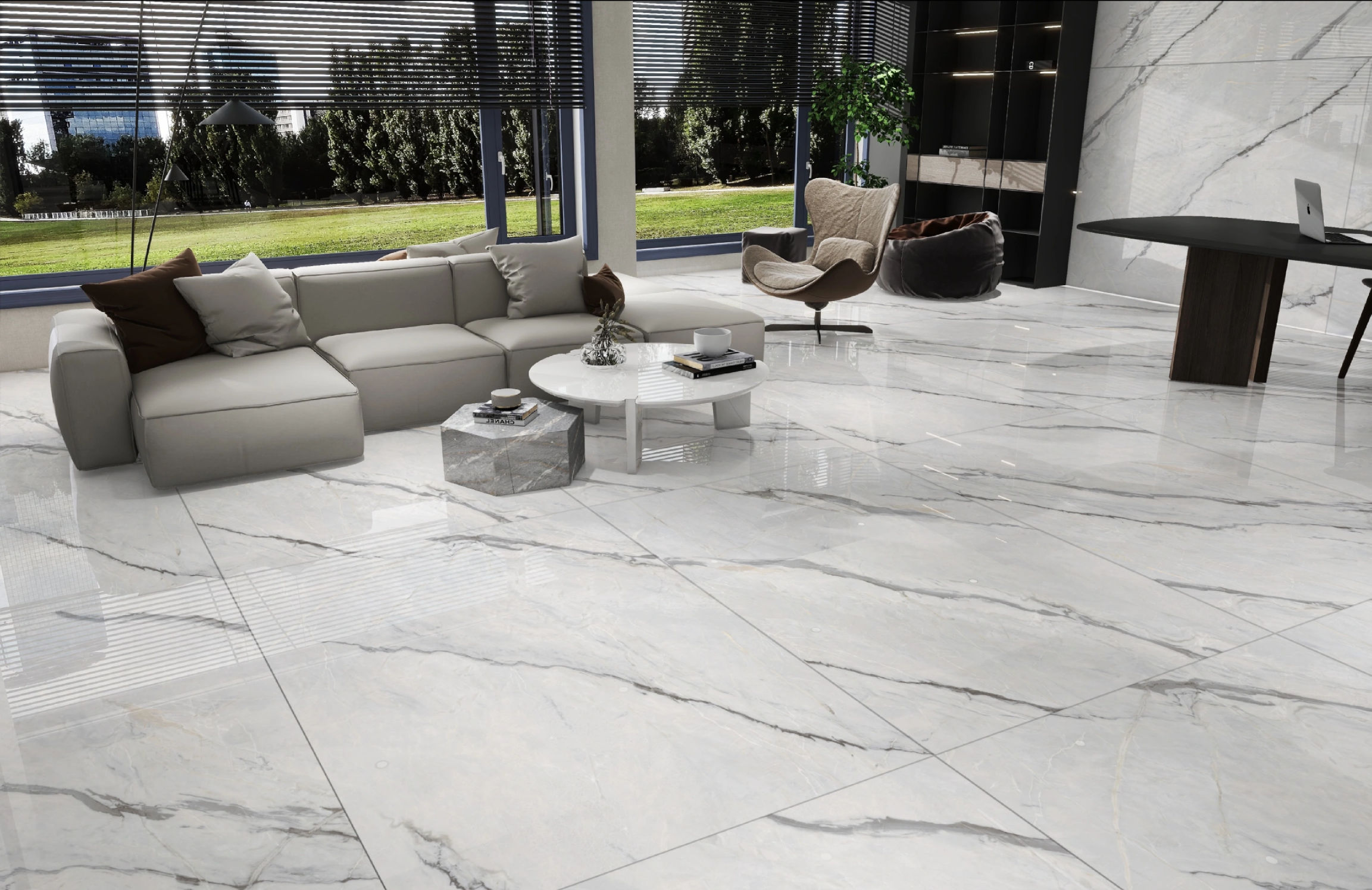
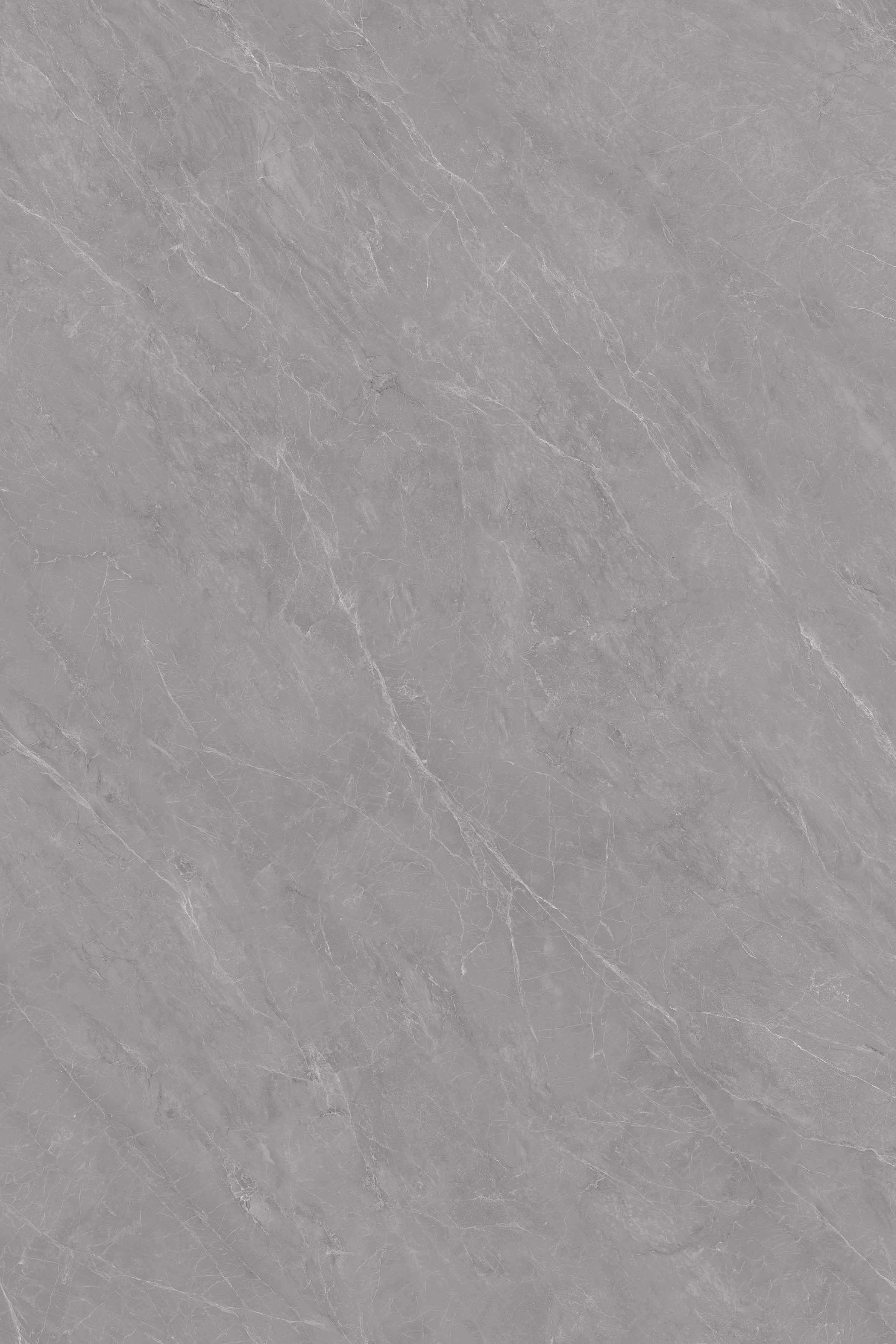
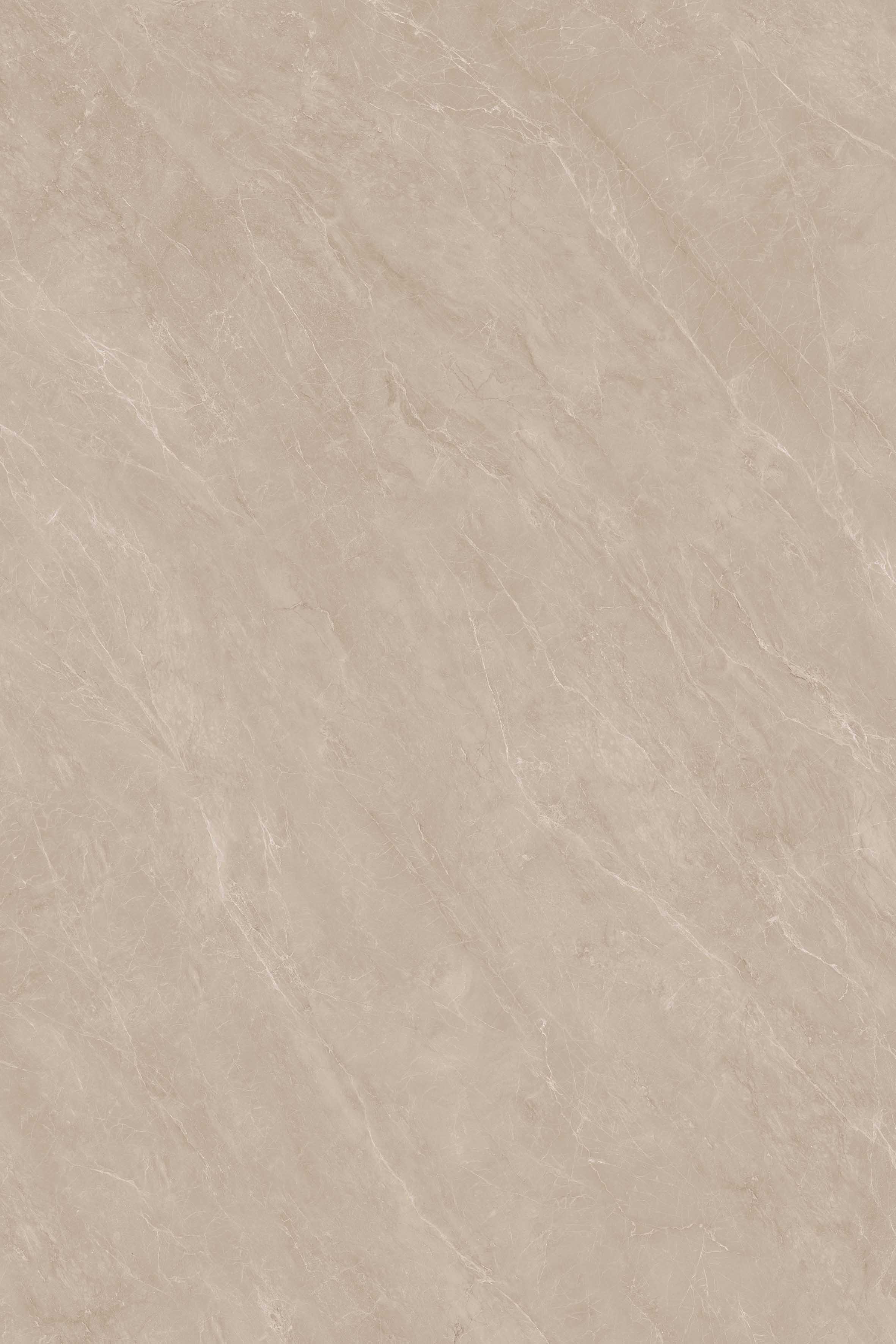
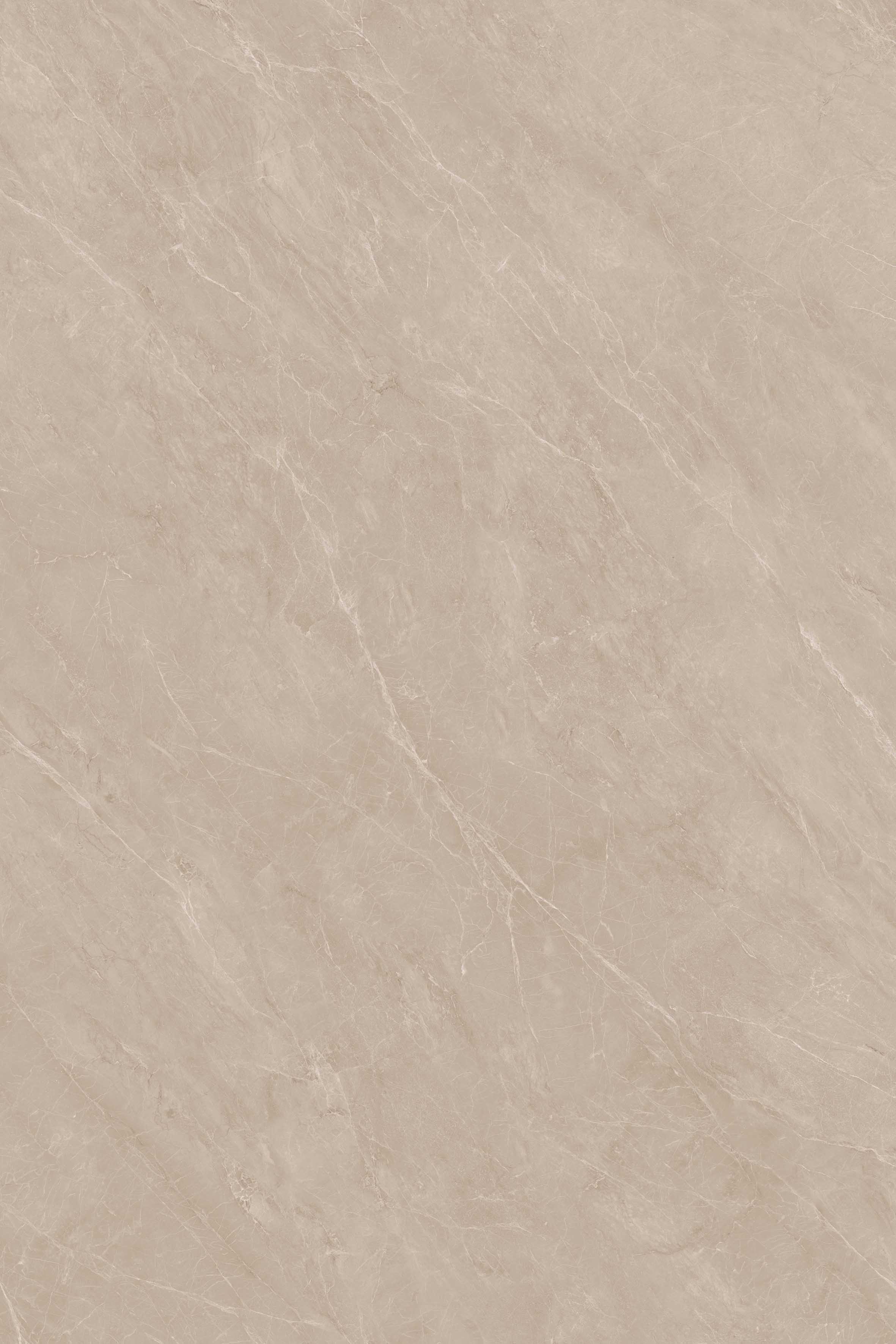
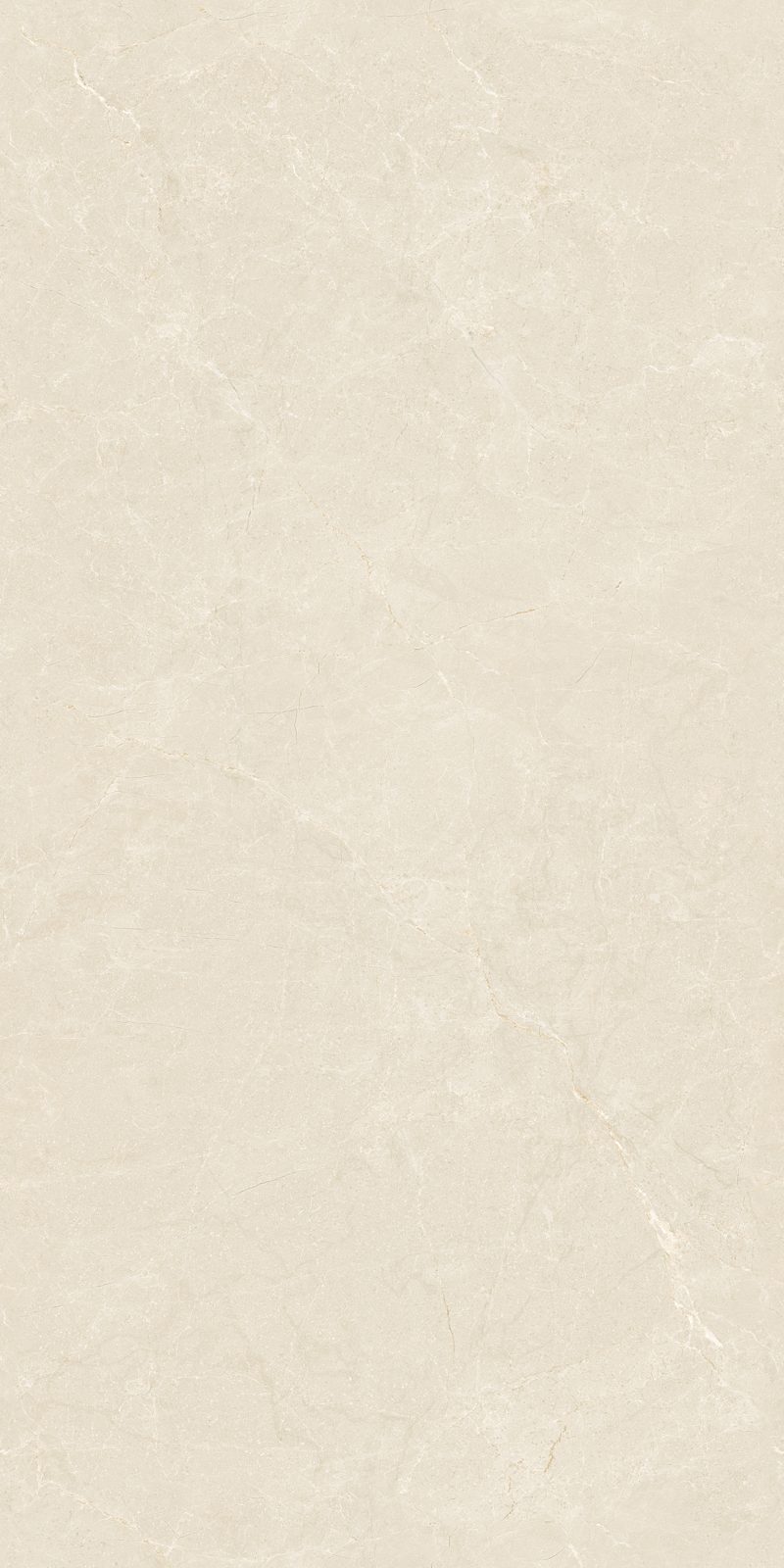
1200x2800 mm tiles are the largest format Rollence makes by area, at 4x9.2 ft and 3.36 m² each, and they are built for atriums, tall lobby walls and project floors where one panel must do the work of many. The 1200x2800 mm tile belongs to the same factory range as Rollence's porcelain tiles at Matel, Wankaner, Morbi, Gujarat, though it is sold as large format GVT for floors and walls and as large format PGVT for walls.
A floor of 1200x2800 mm tiles needs only 30 tiles per 100 m², and the grout run falls to about 119 m, the lowest in the range. Rollence makes eight finishes in six collections, and the design list on the site can be filtered by size to show what is made in 1200x2800 mm. Each tile absorbs 0.5% water or less.
Large format tiles in the wider Indian market are quoted at about Rs. 150 to Rs. 600 per sq.ft, which puts one 1200x2800 mm tile at roughly Rs. 5,400 to Rs. 21,700. These are market reference ranges and not a Rollence quote. Laying labour sits at or above the top of the Rs. 15 to Rs. 60 per sq.ft range, so budget for both the tile and the crew.
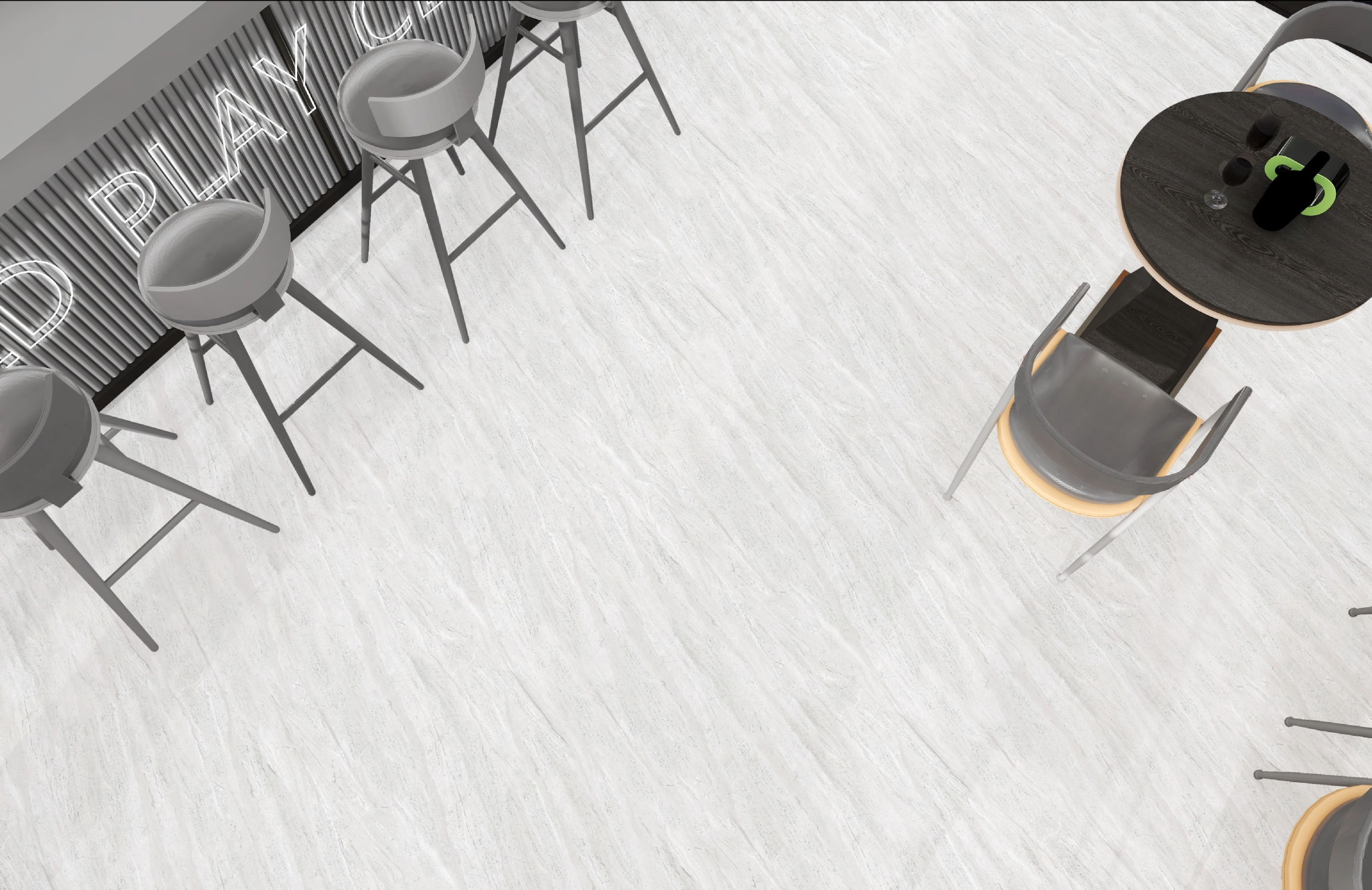
1200x2800 mm tiles are best for tall walls of about 2.8 m, large atrium floors and project-grade lobbies. The 2.8 m length suits most finished ceilings of 2.7 m to 3.0 m with at most a small trim, and the 1.2 m width keeps a wall bay of four tiles to under 5 m. For a floor, large floor tiles in this size leave almost no joints across a hall.
The size fits modular spaces without cutting. A 4.8 m wide, 2.8 m high wall takes exactly four tiles, and a 7.2 m by 8.4 m hall takes 18 tiles in a six by three grid. A 100 m² floor takes just 30 tiles, against 278 in 600x600 mm, and the grout run drops from about 333 m to 119 m.
Breakage is the main risk. One 1200x2800 mm tile of 36.2 sq.ft costs roughly Rs. 5,400 to Rs. 21,700 at the wider market band, so a single dropped tile is a large loss. Check how the tiles are crated through the packing details, order about 15% extra, and keep one spare tile on site.
Compared with 1200x2400 mm tiles, the 1200x2800 mm tile cuts the tile count from 35 to 30 per 100 m² and the grout run from 125 m to 119 m, at the same 1.2 m width. The extra 400 mm adds weight and handling difficulty, so choose it only when the room height or span really needs 2.8 m.
| Size (mm) | Alias (ft) | Tiles per 100 m² | Grout run per 100 m² | Typical use |
|---|---|---|---|---|
| 1200x2800 This size | 4x9.2 | 30 | About 119 m | Largest wall and floor spans |
| 1200x2400 | 4x8 | 35 | About 125 m | Commercial lobbies, wall spans |
| 1200x1800 | 4x6 | 47 | About 139 m | Showrooms, large halls |
| 800x3000 | 2.6x9.8 | 42 | About 158 m | Single piece tall walls |
| 800x2400 | 2.6x7.9 | 53 | About 167 m | Tall feature walls, corridors |
Against 800x3000 mm, the 1200x2800 mm tile is shorter but much wider, so it covers 3.36 m² against 2.40 m² per piece. It suits broad wall bays and open floors, while the 3 m tile suits narrow, tall bays. Against 1200x1800 mm, it is far harder to move but has a grout run of 119 m against 139 m.
Rollence makes 1200x2800 mm in large format GVT and large format PGVT. GVT carries a digital print under a hard glaze and goes on floors and walls, so it is the category for atrium floors and lobbies. PGVT has a polished surface and is made for walls only, which suits a tall reception wall or cladding behind a staircase.
| Category | Surface | Where it goes | Water absorption |
|---|---|---|---|
| Large format GVT | Digital print under a hard glaze | Floors and walls | 0.5% or less |
| Large format PGVT | Polished glaze surface | Walls only | 0.5% or less |
PGVT should not be used on floors, wet or dry, because the polished surface turns slippery when wet and shows scuffs under foot traffic.
At this length even a small difference in body quality shows as curl. Every batch goes through quality testing to the ISO 10545 series before dispatch, with water absorption measured at 0.5% or less, and a project consultant should ask for those results before approving the size.
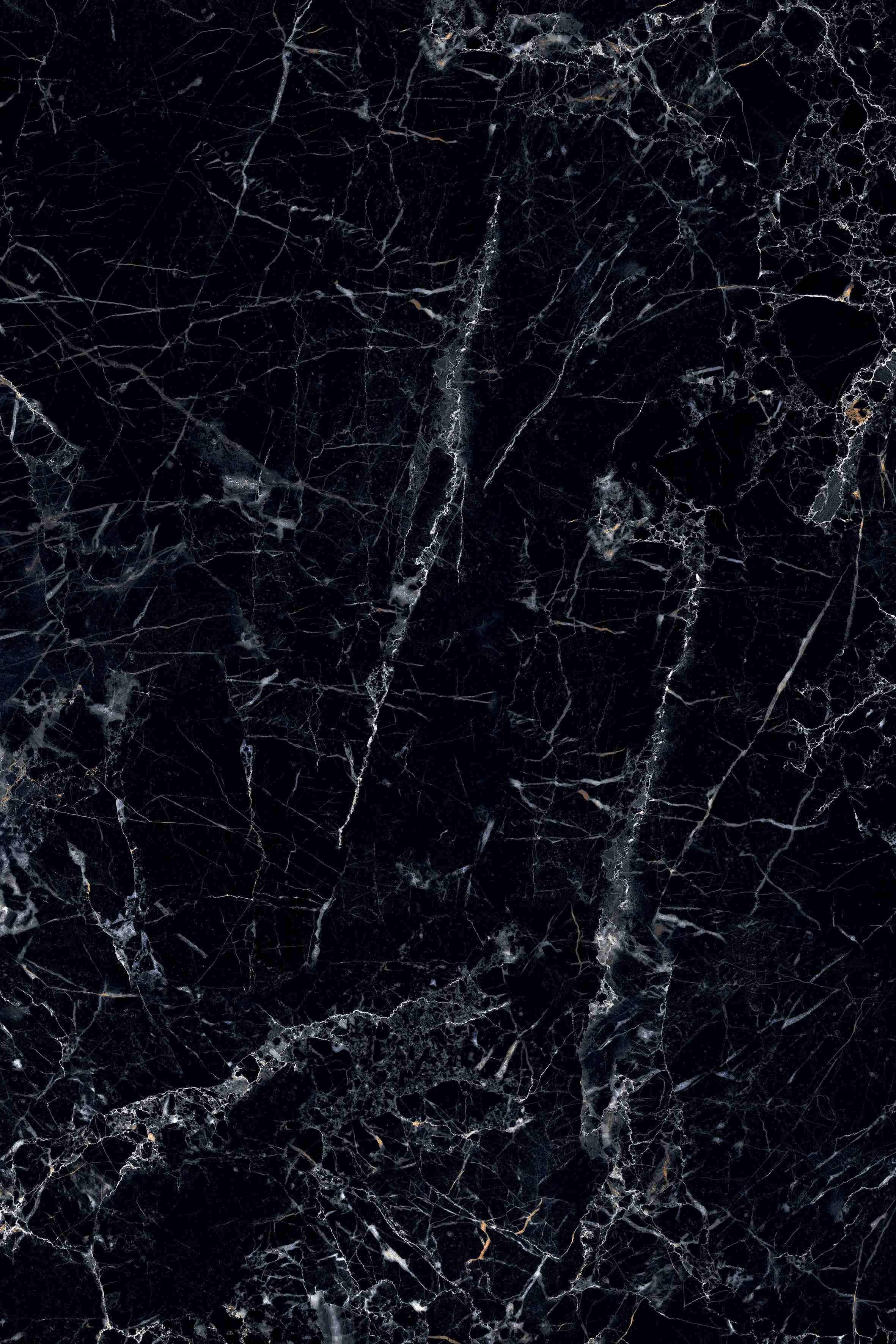
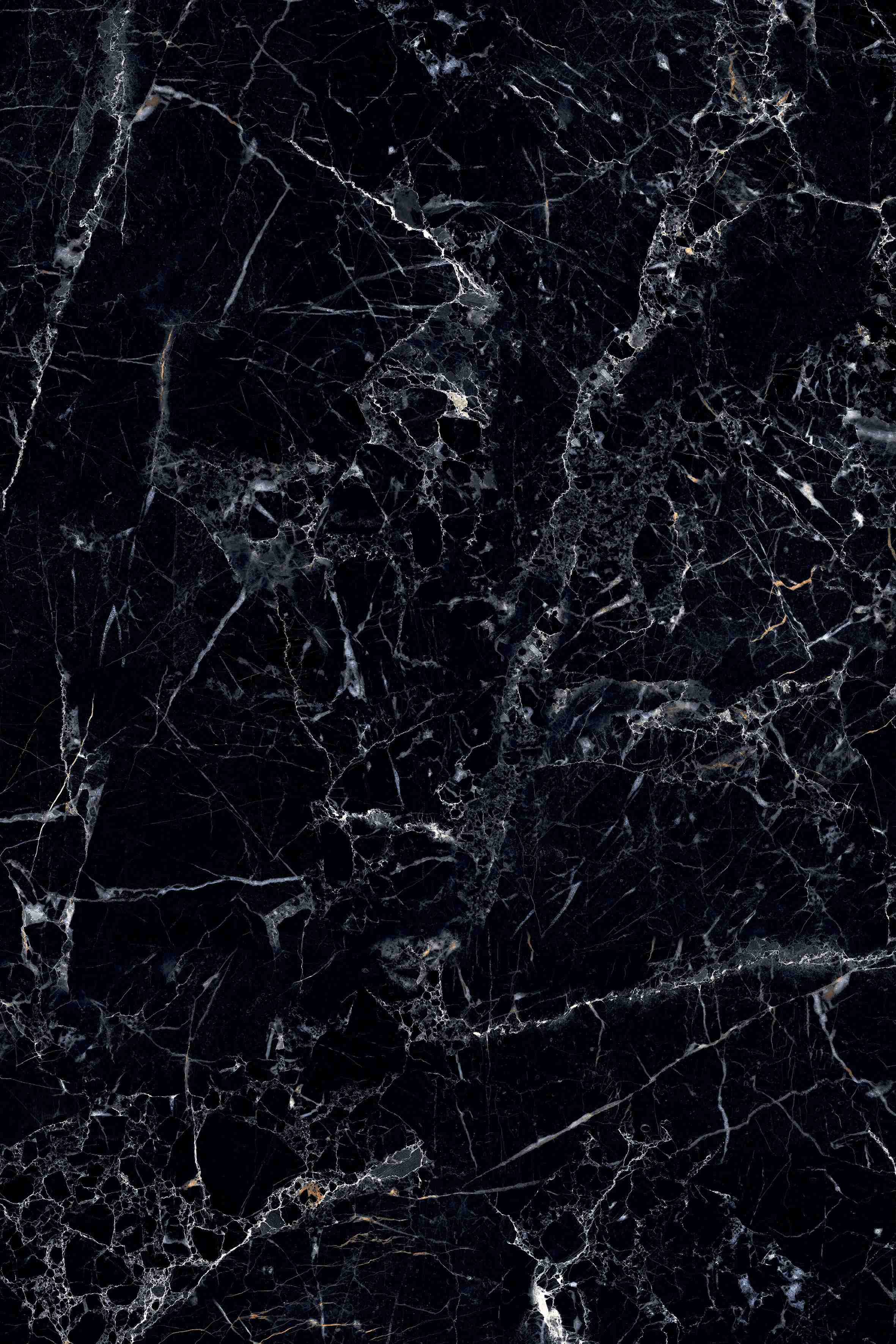
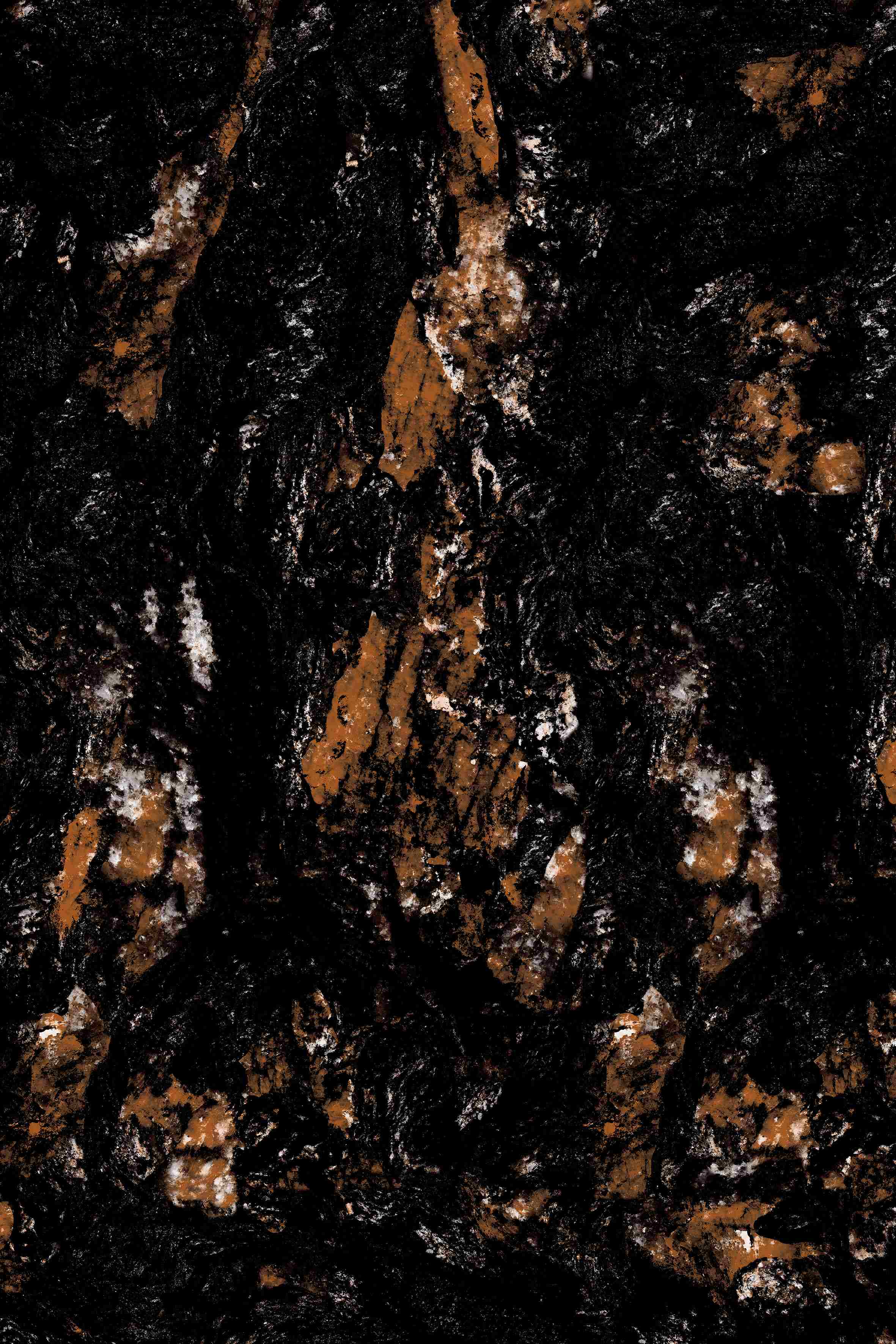
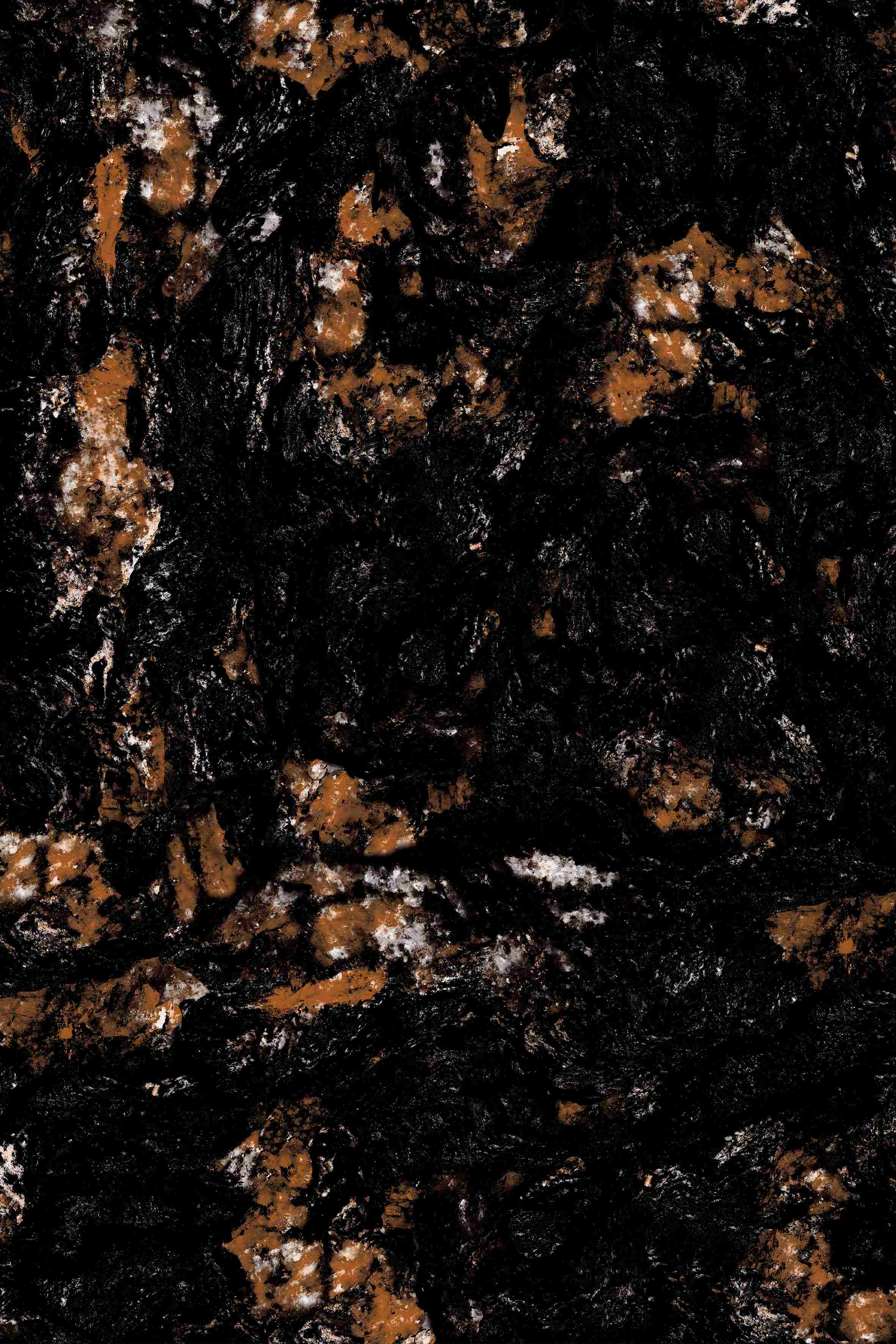
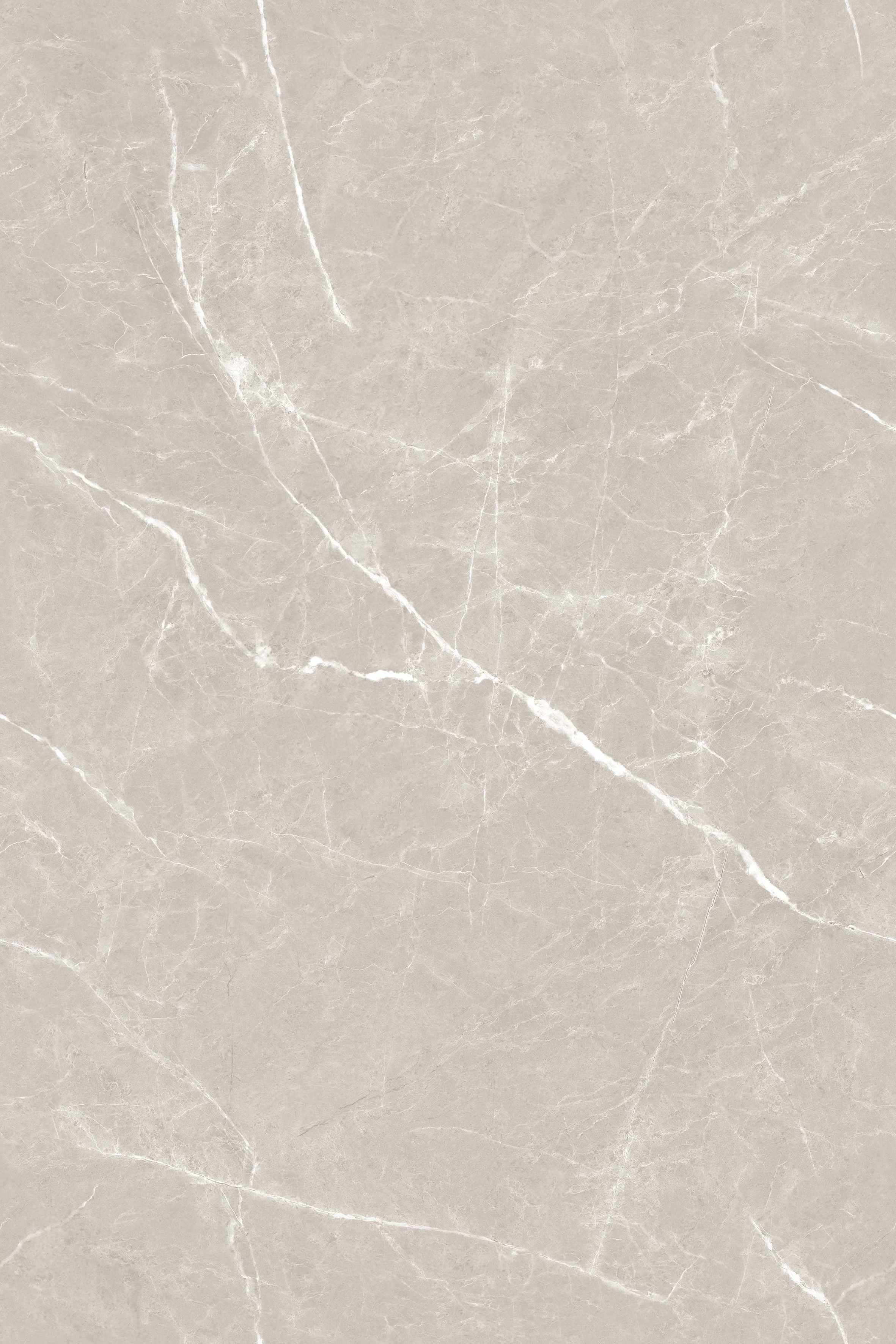
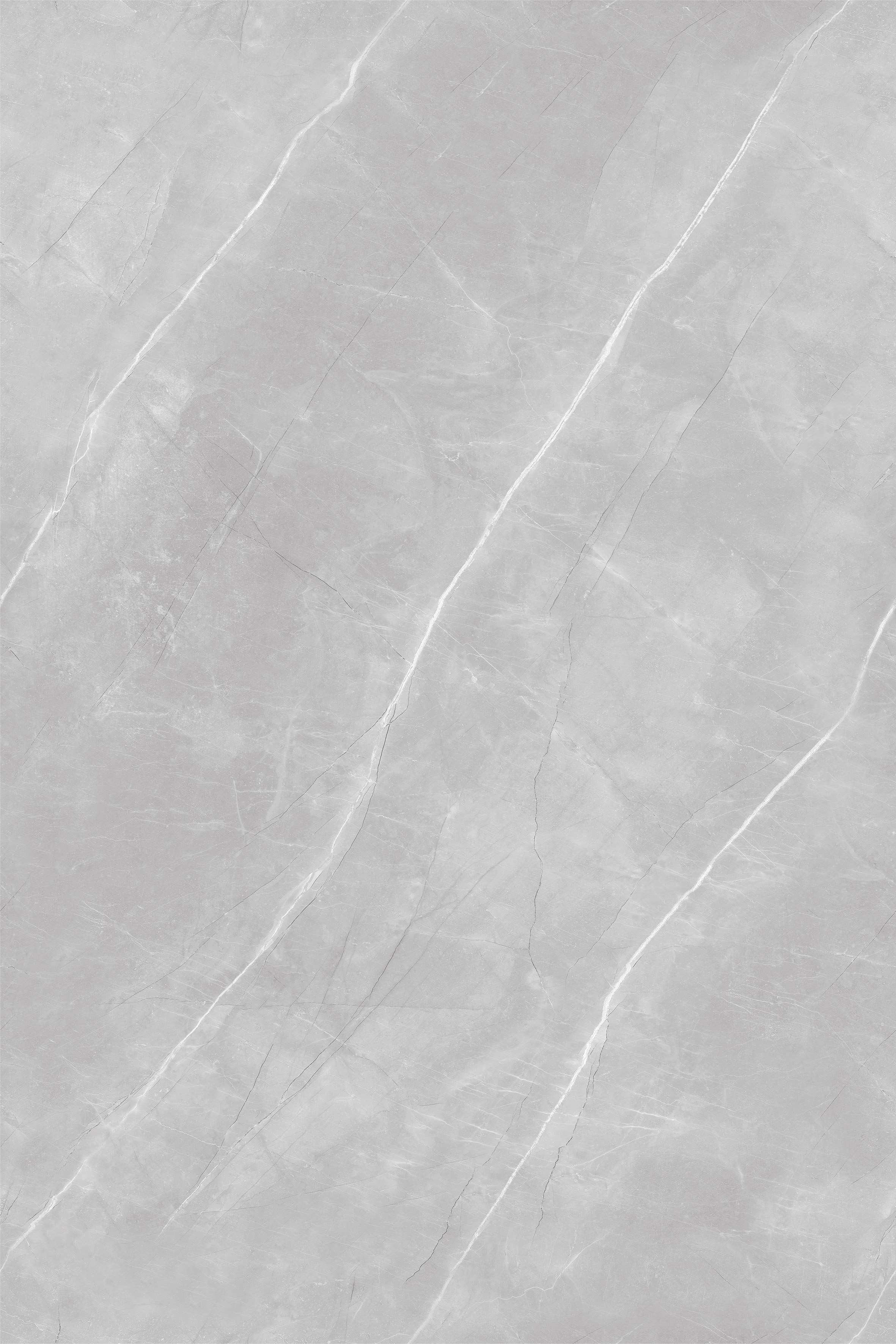
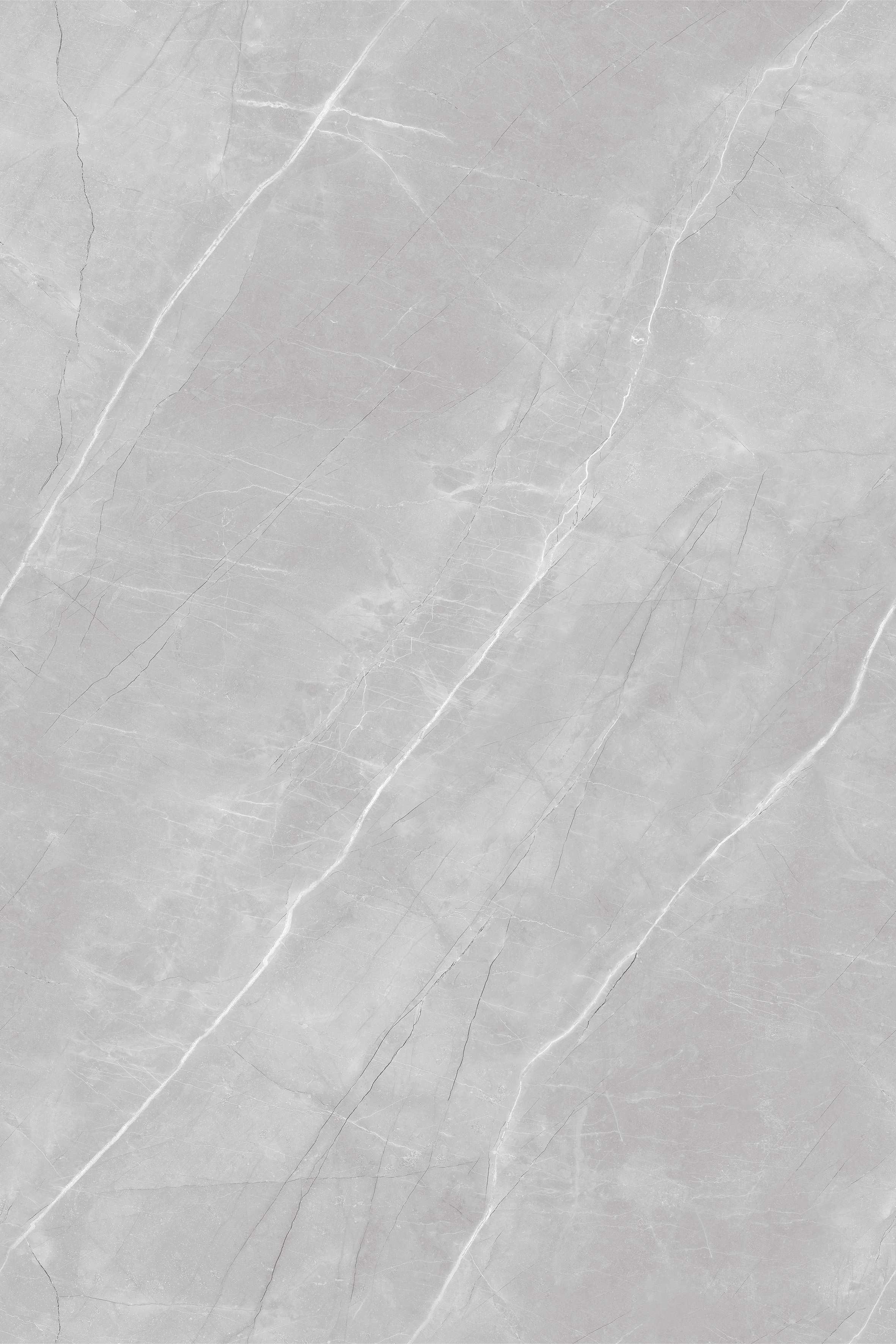
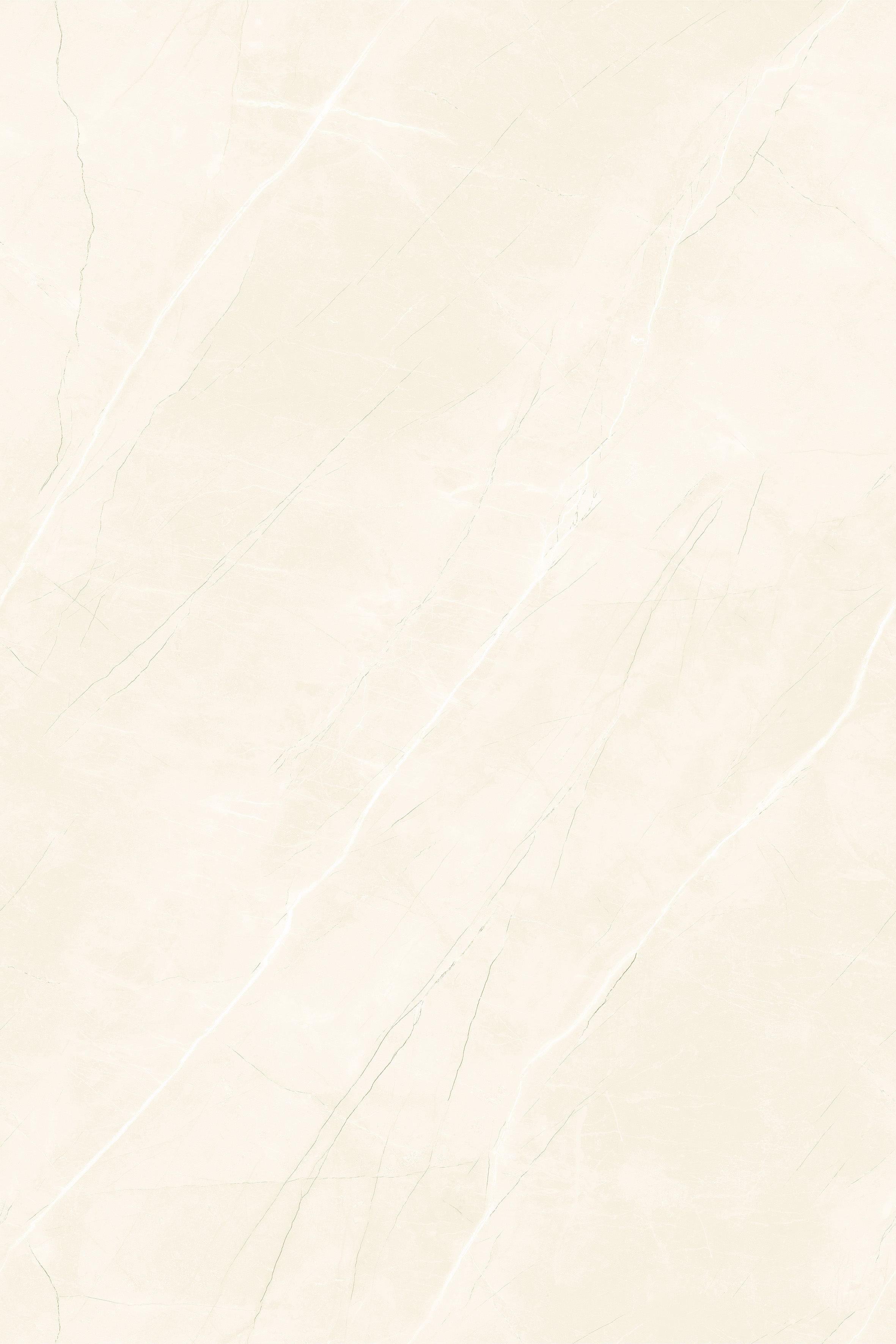
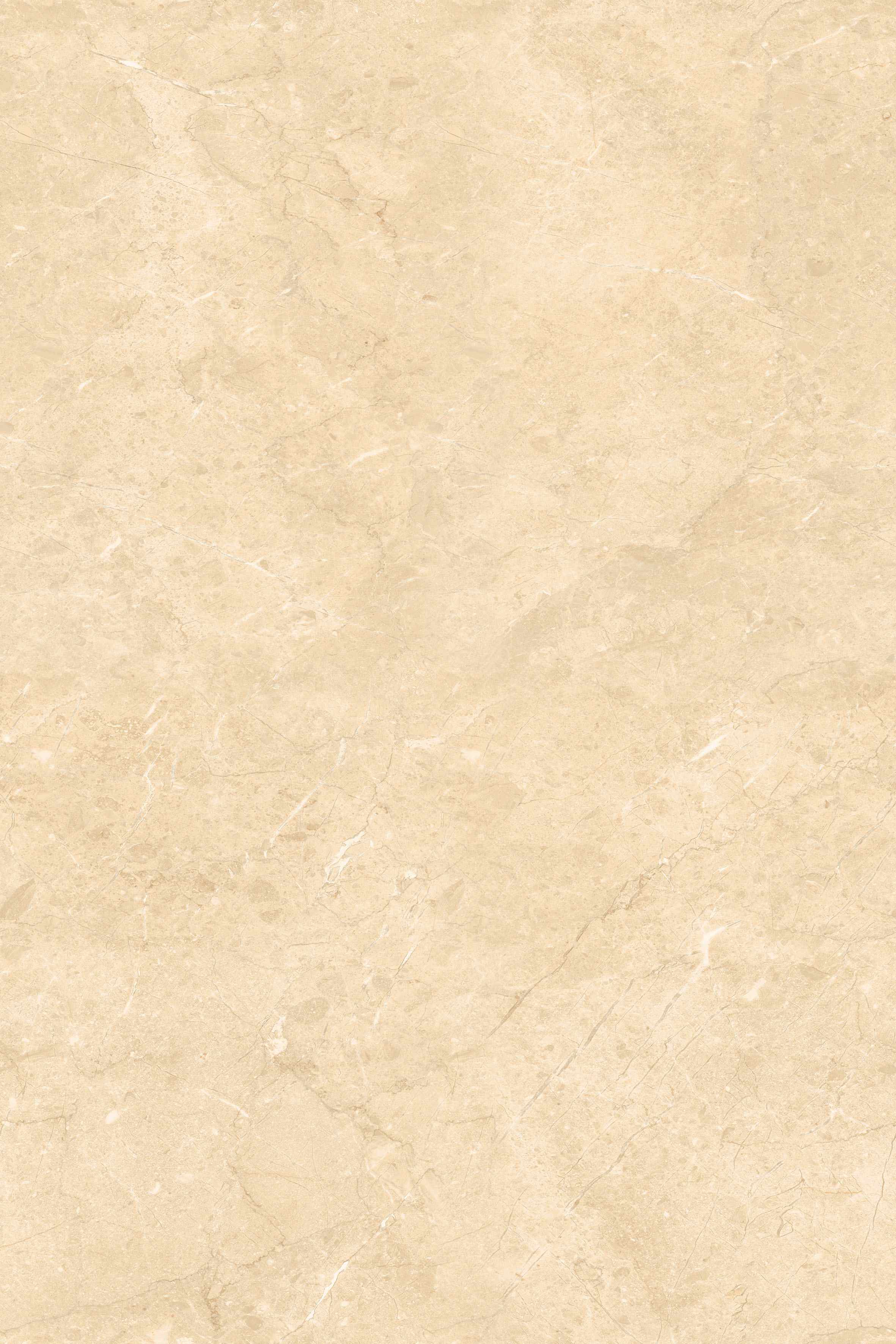
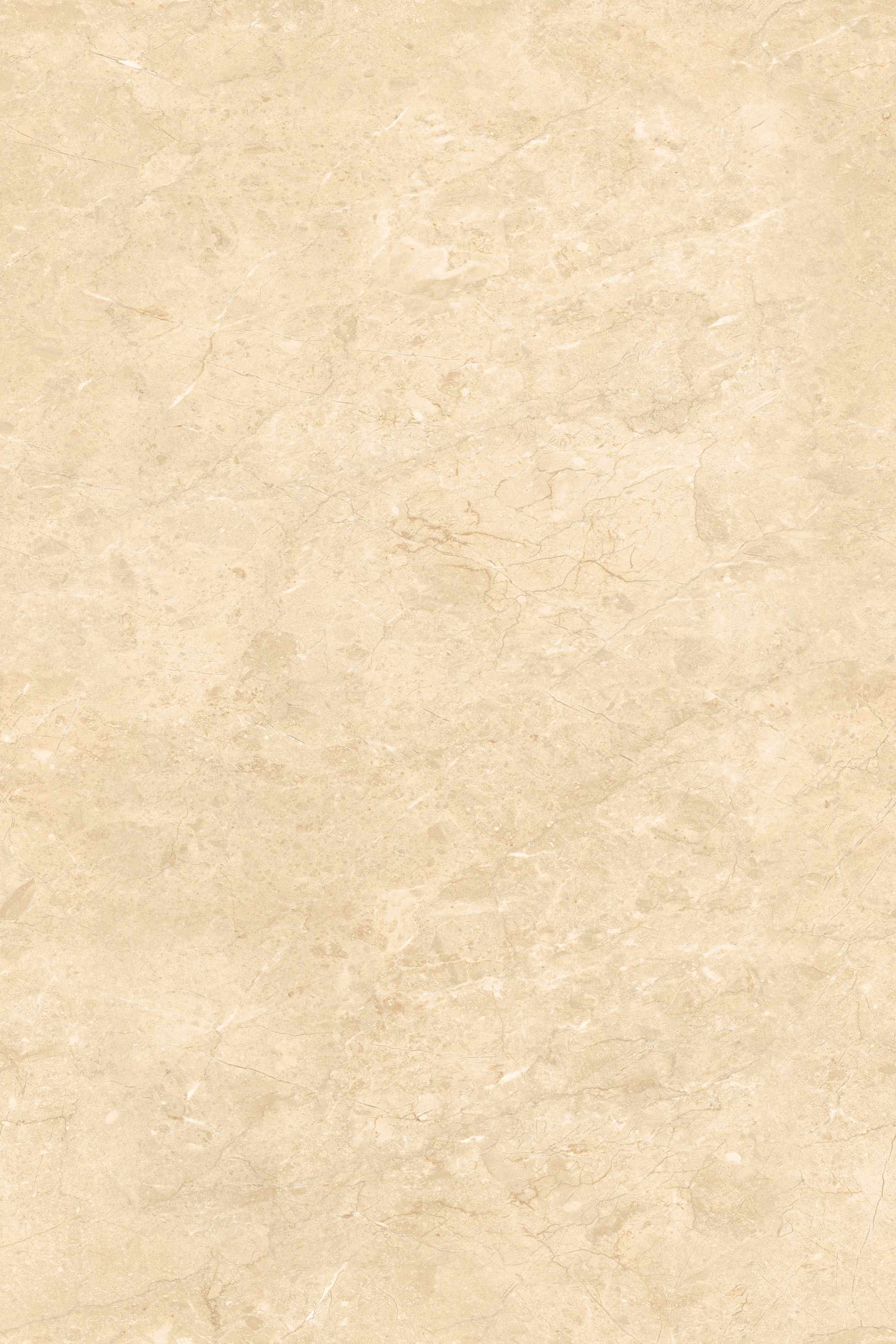
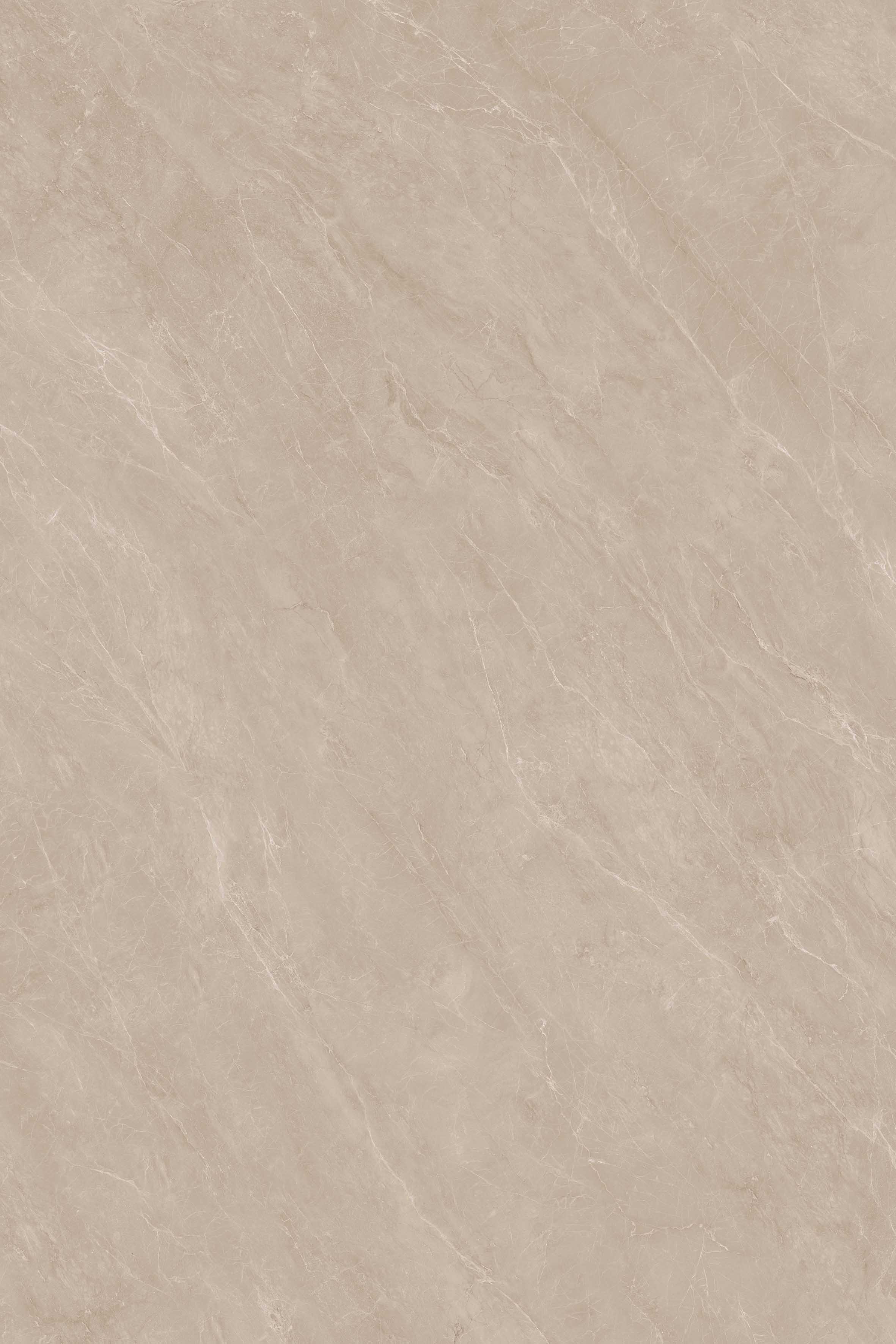
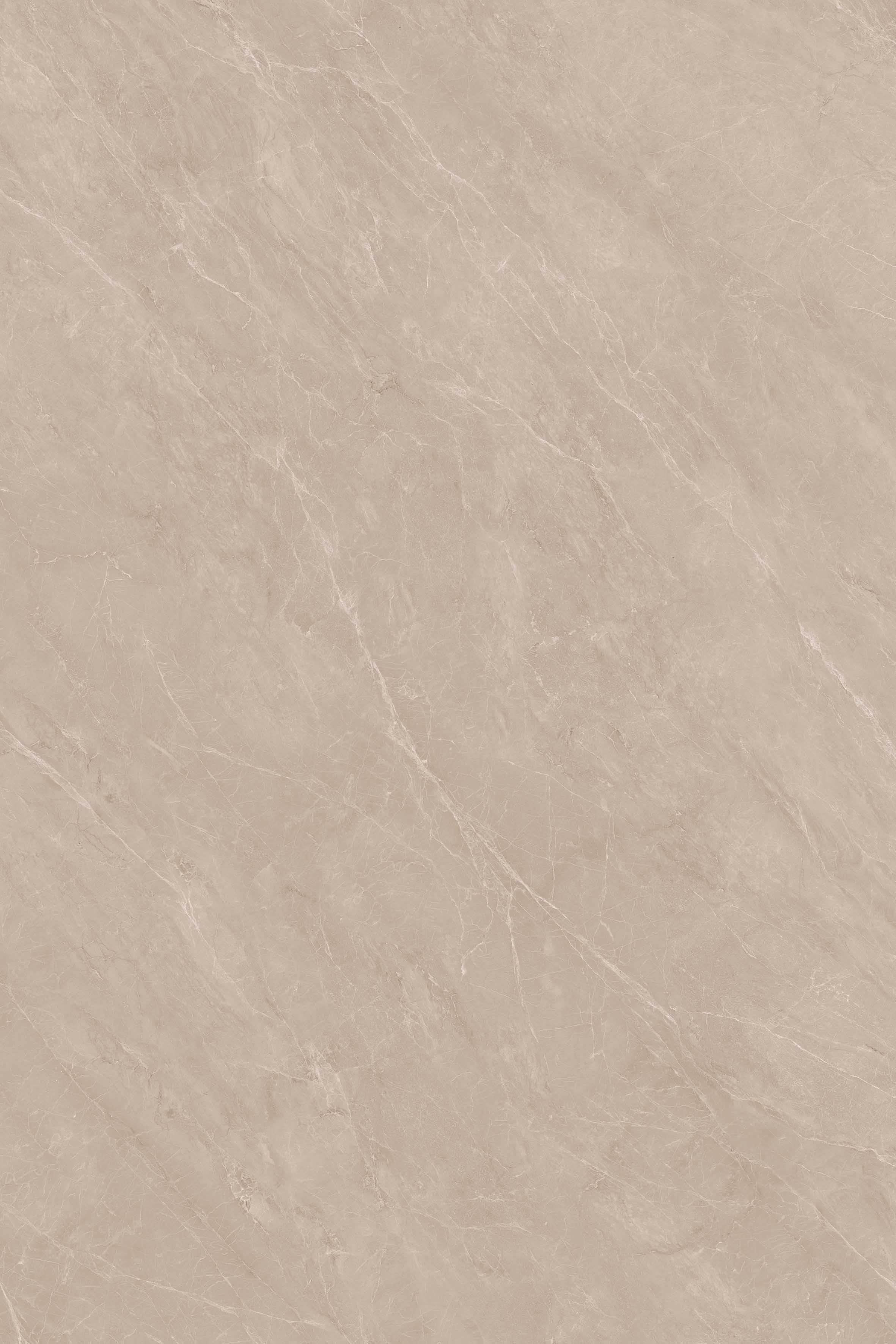
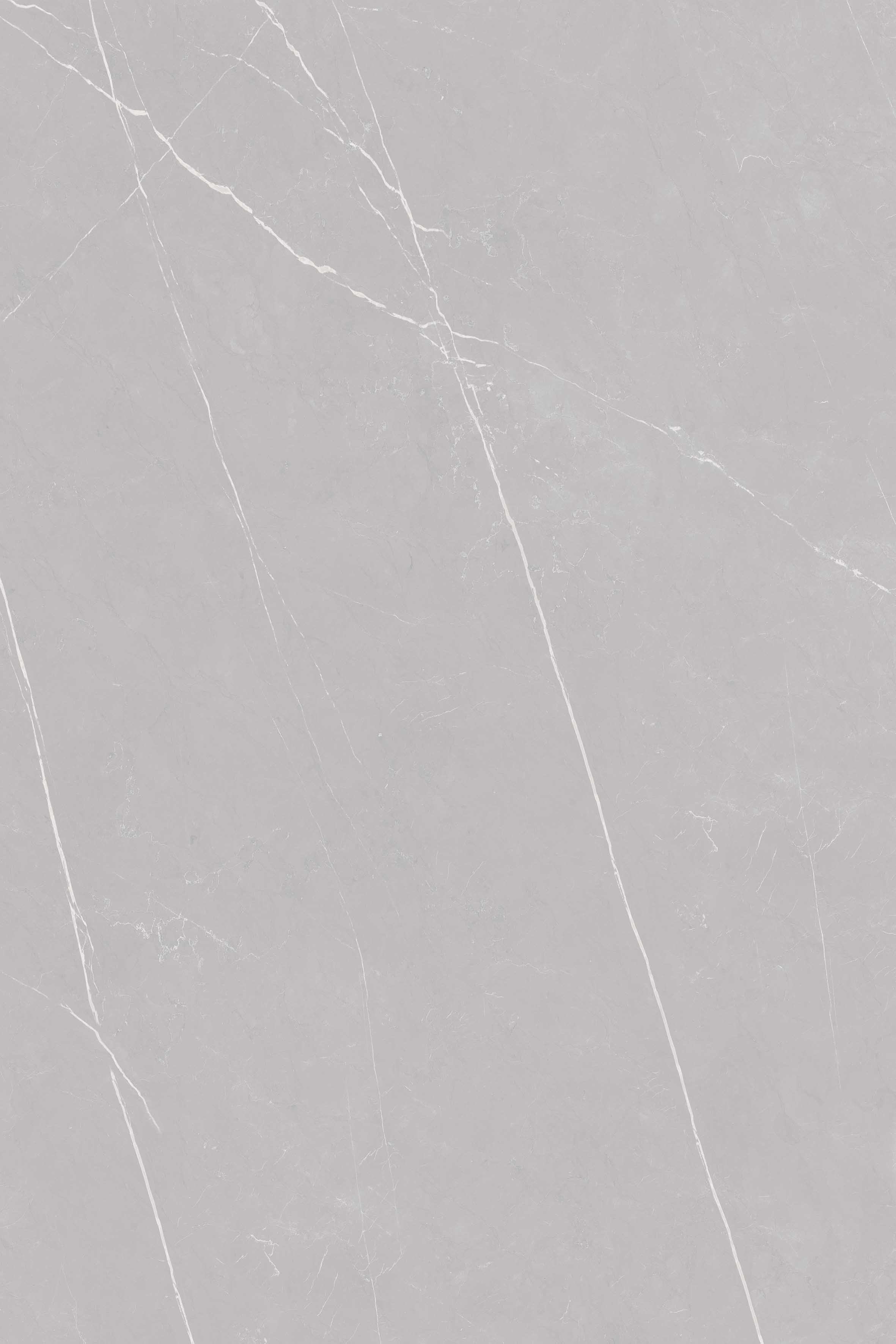
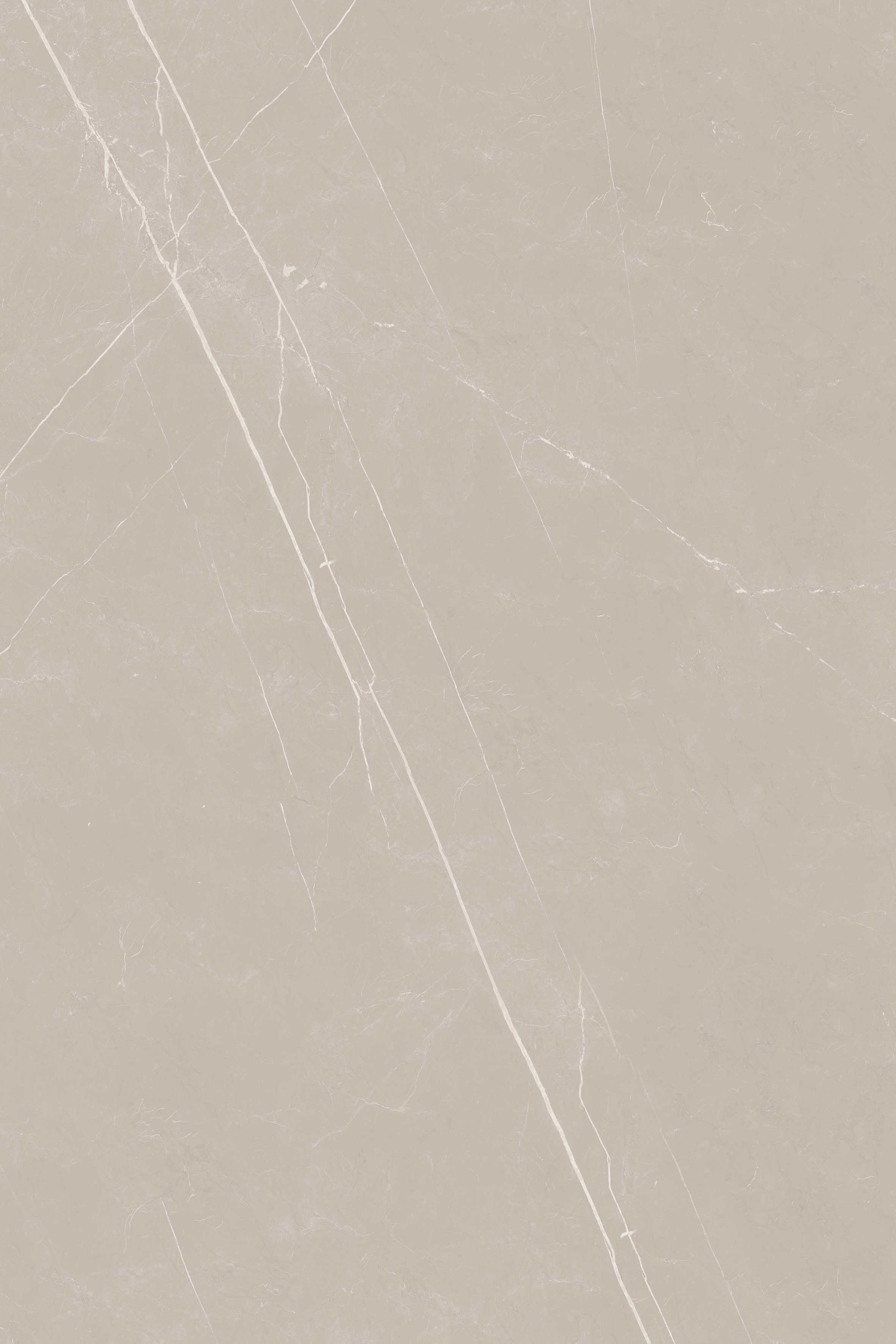
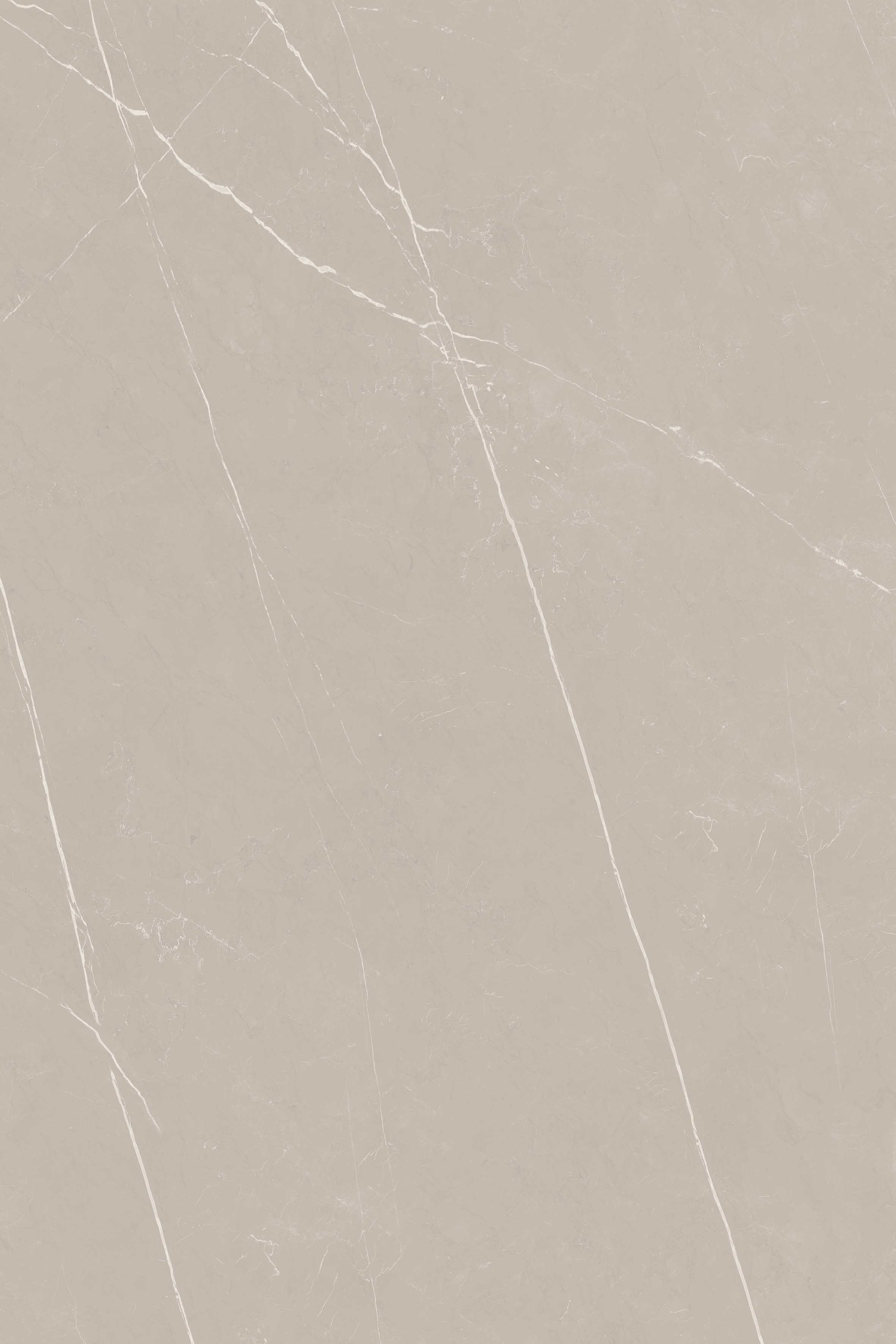
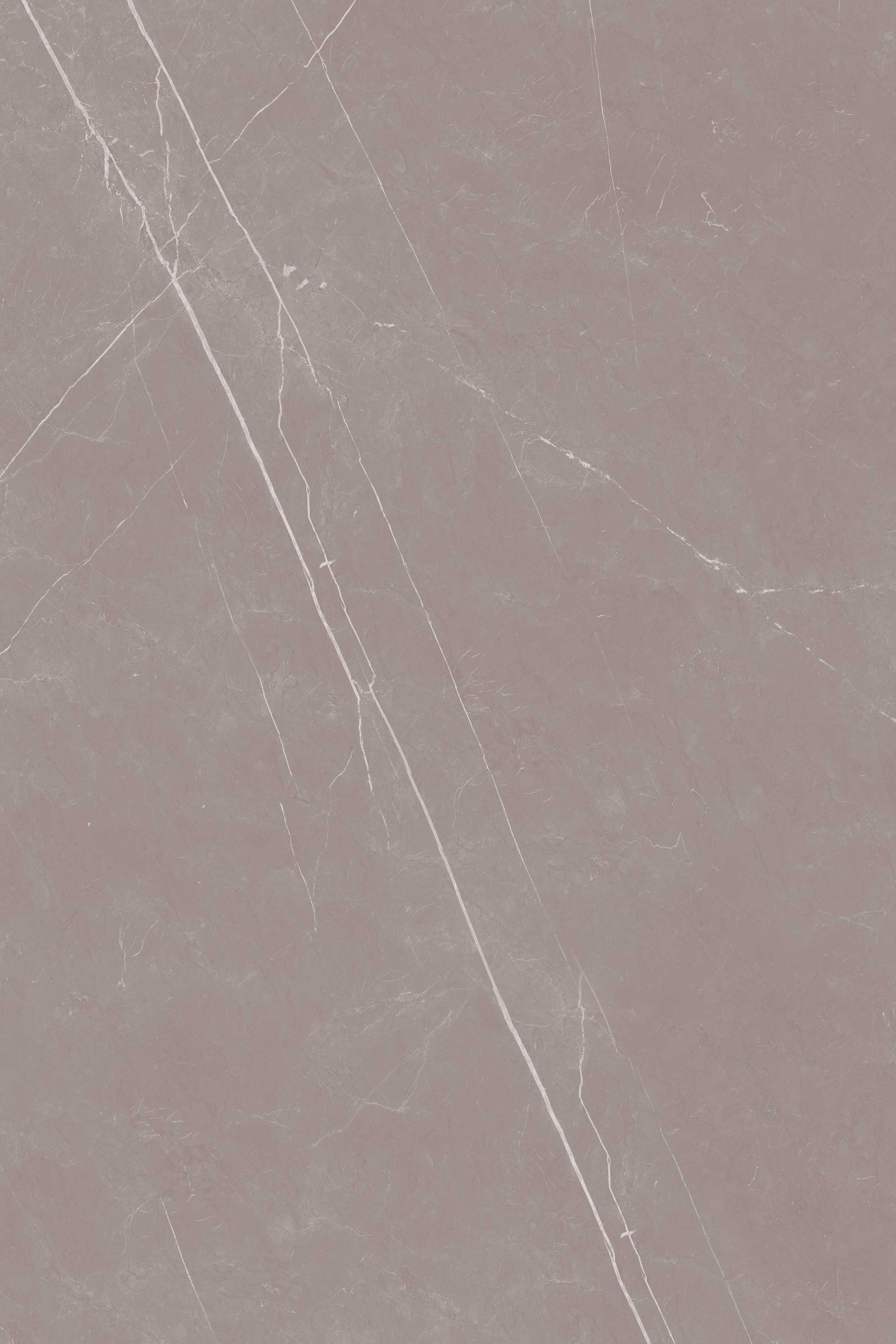
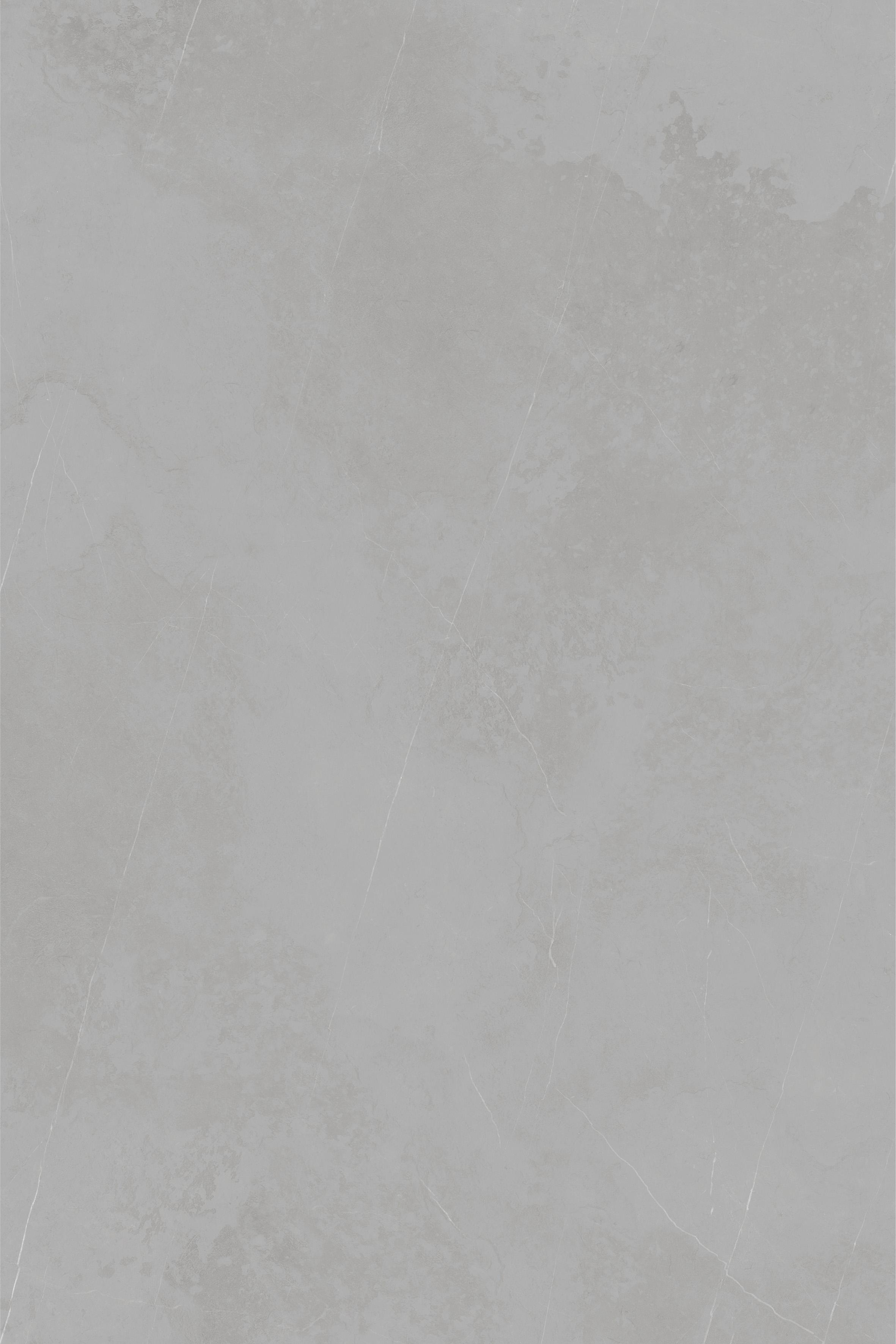
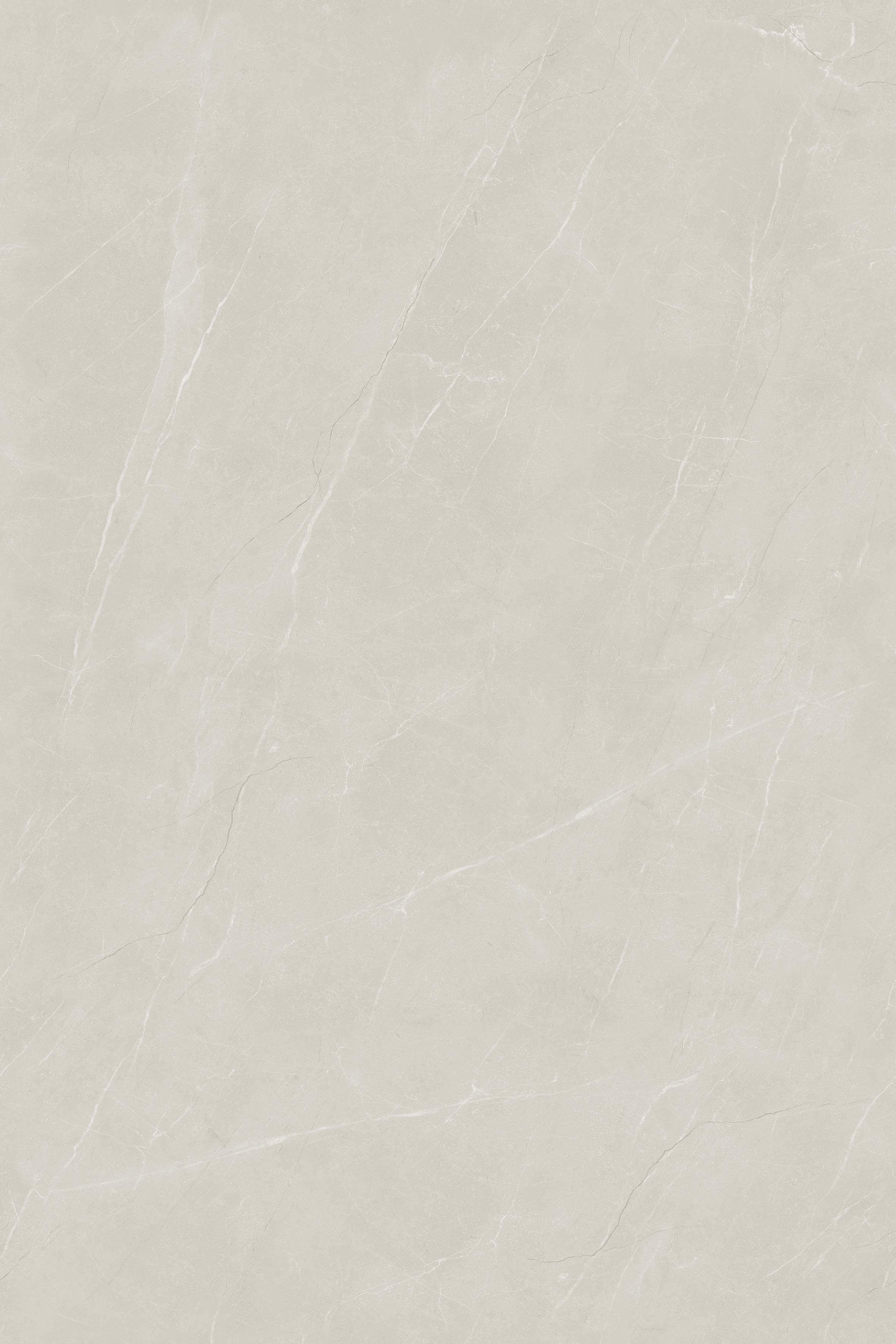
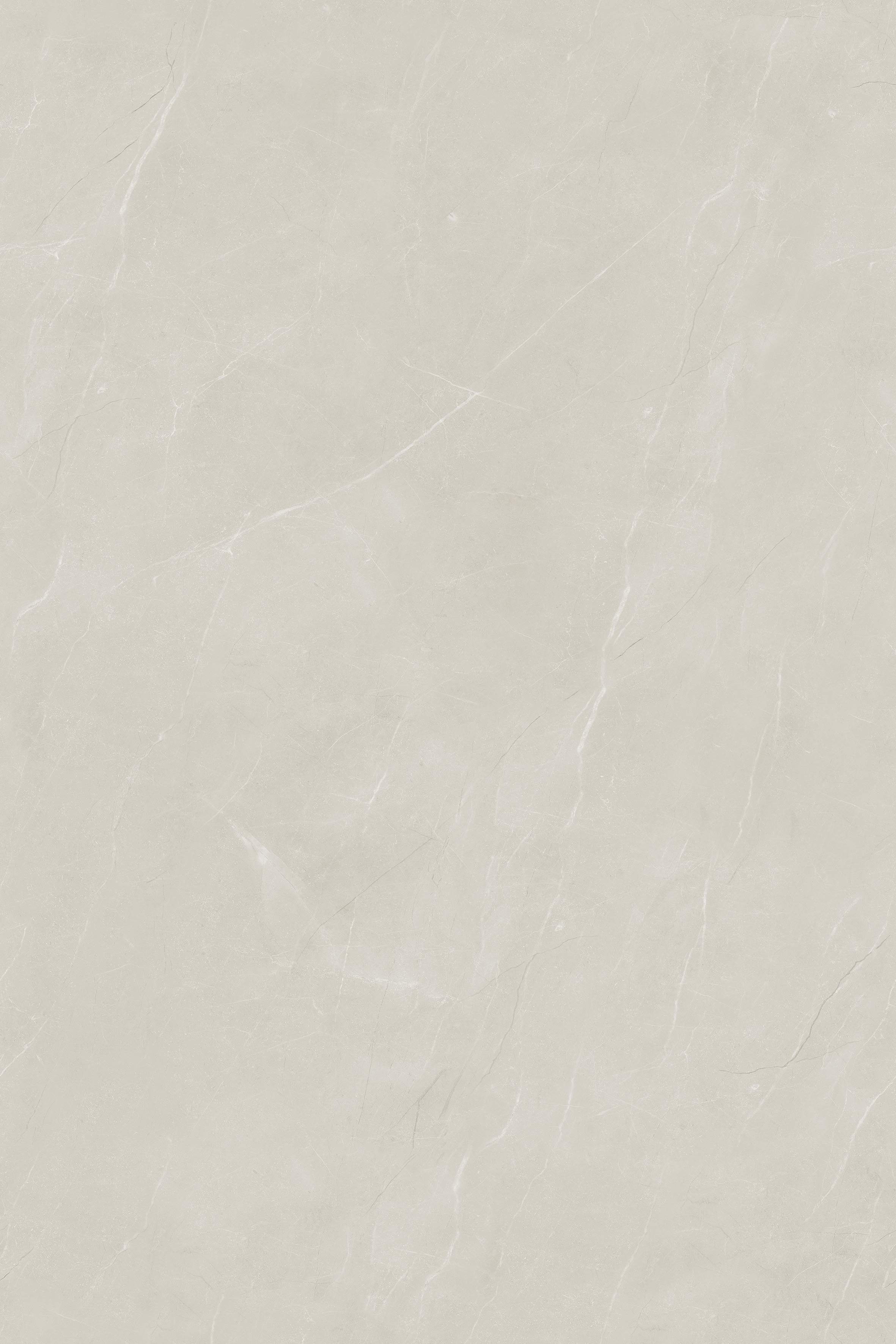
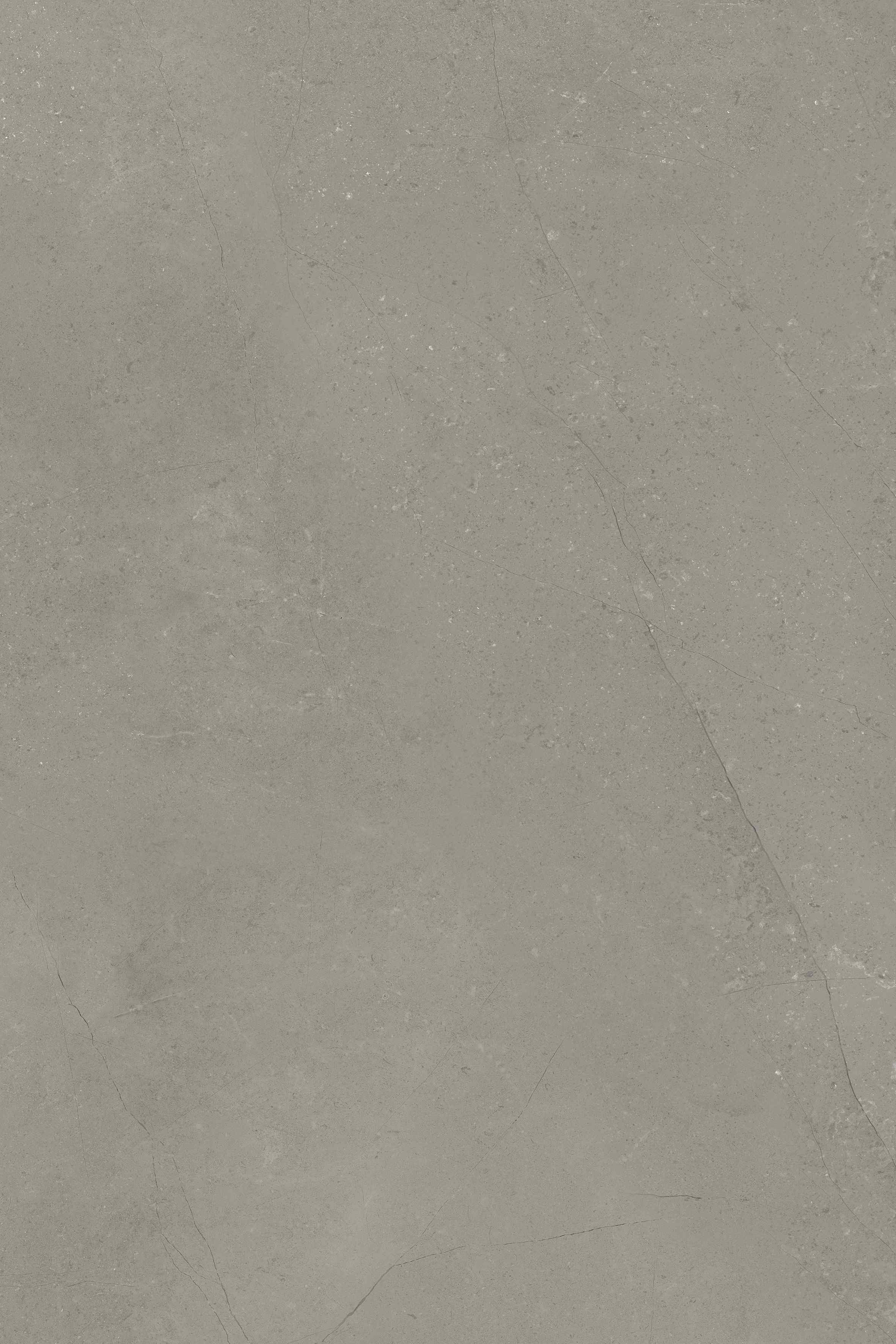
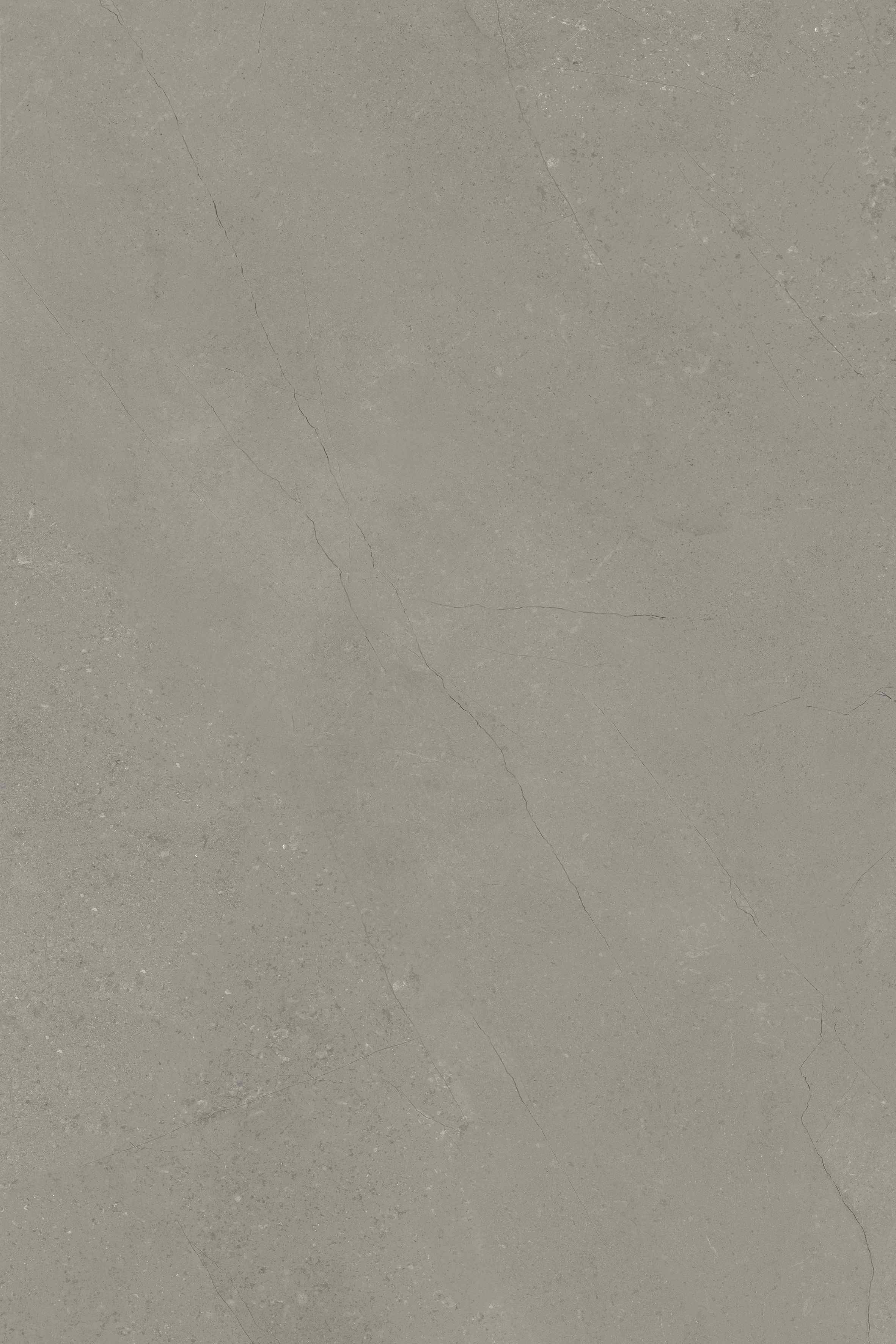
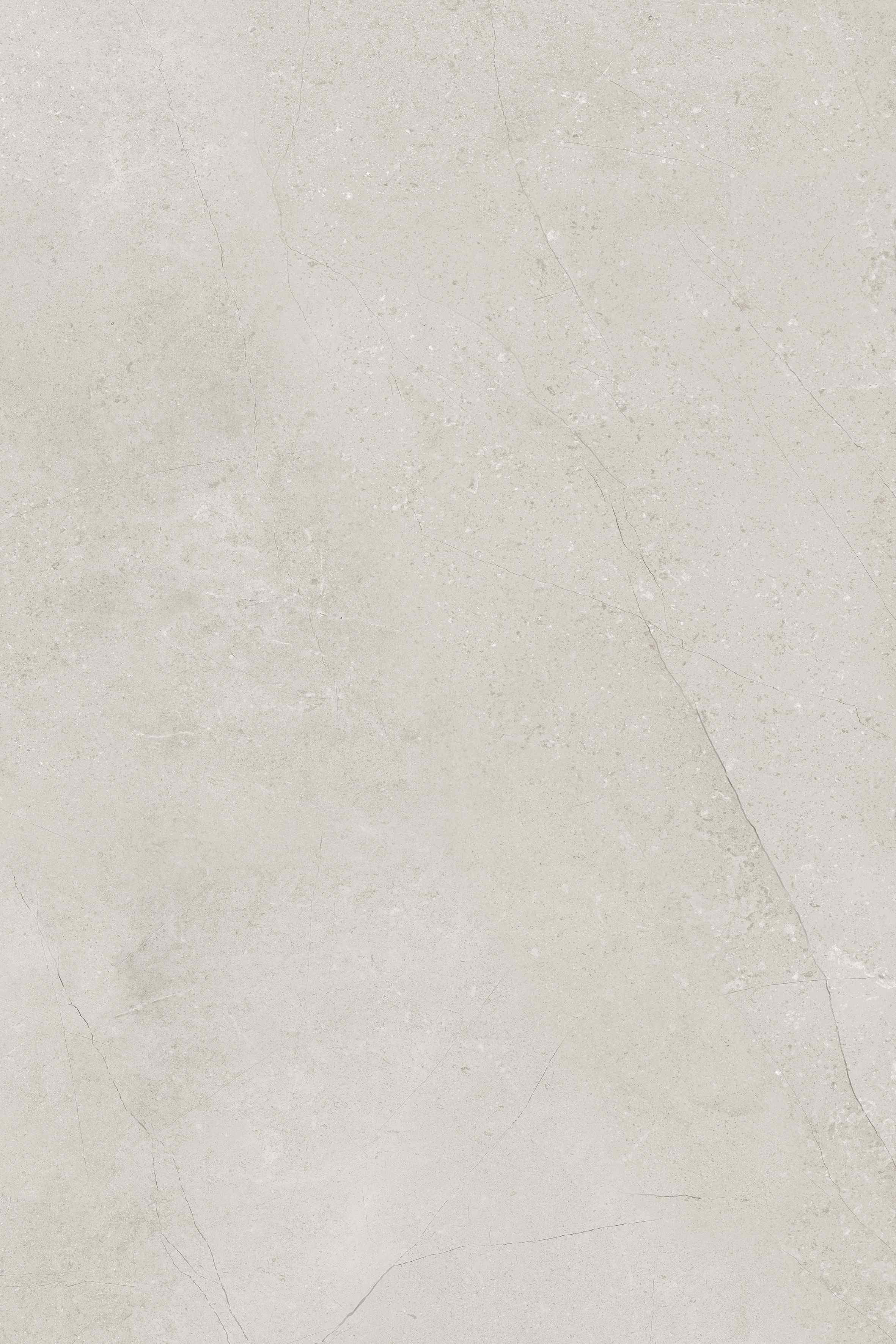
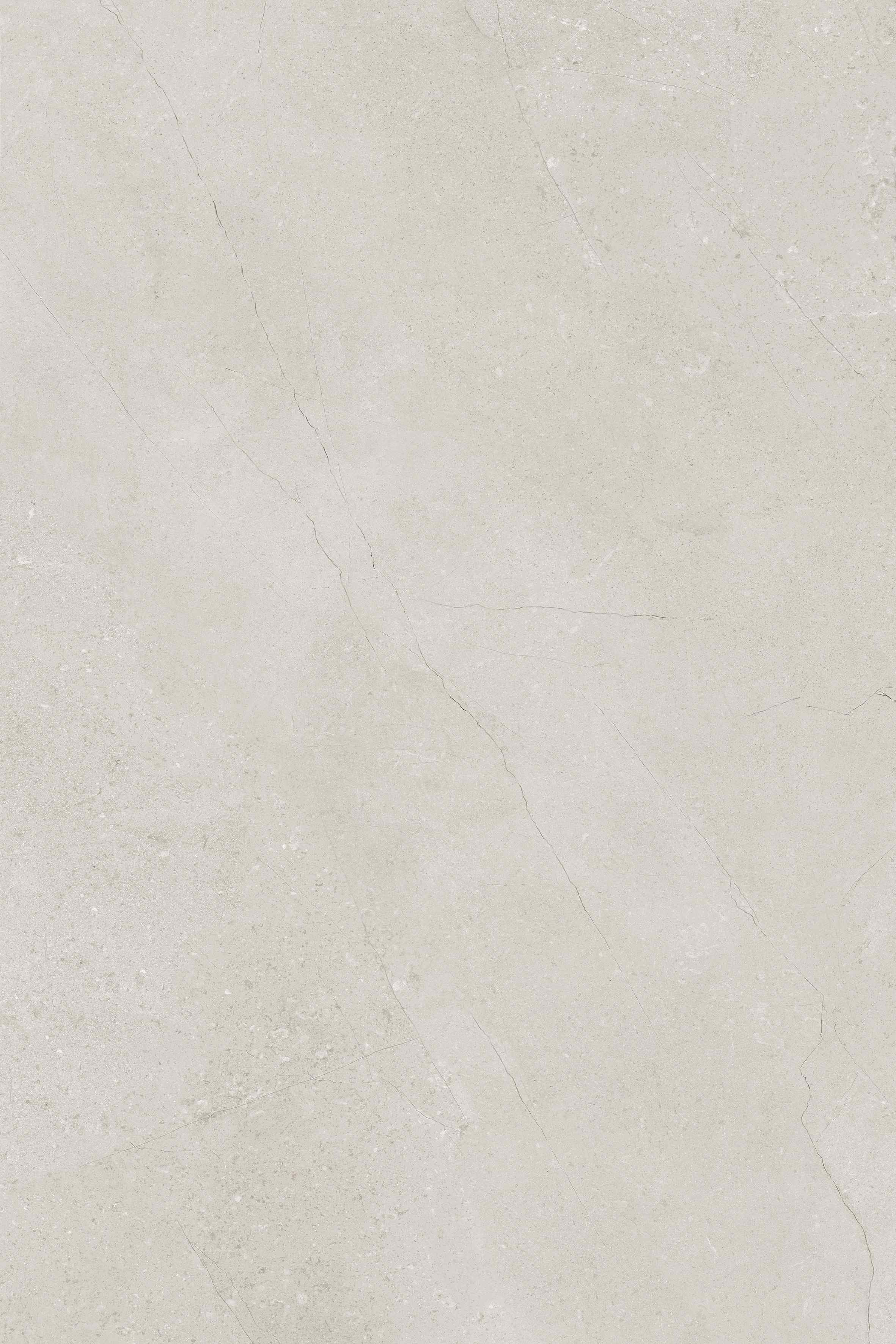
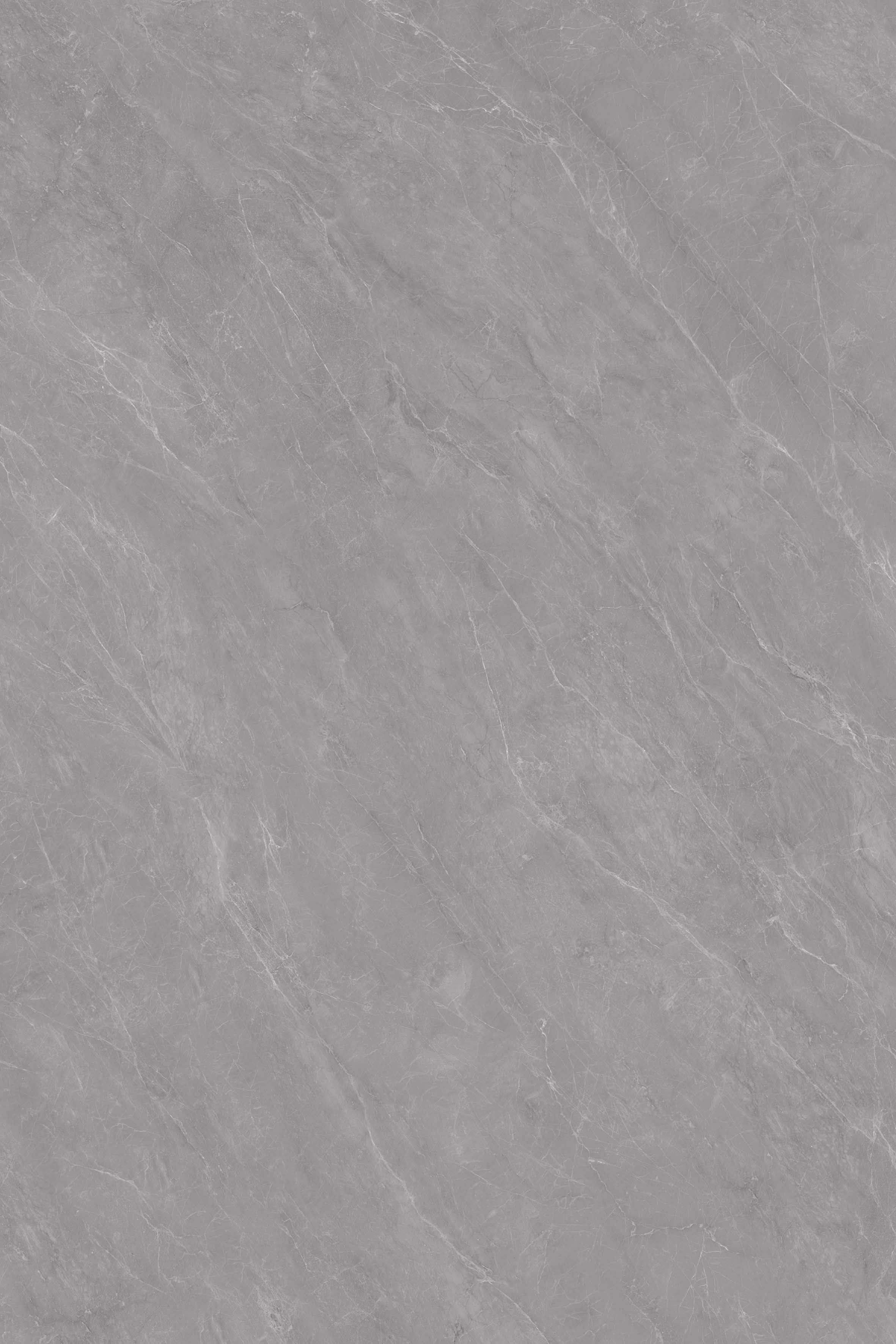
Rollence lists eight finishes, and the design list on the site shows which are made in 1200x2800 mm. The table sets out where the main four belong for a 4x9.2 ft tile.
| Finish | Best placed | Keep away from |
|---|---|---|
| DG Matt | Atriums, halls, corridors, feature walls | Wet or outdoor floors unless rated R10 or R11 |
| Glossy | Dry lobbies and reception walls | Bathroom floors, balconies |
| High Gloss | Dry feature walls in lit lobbies | Bathroom floors, balconies, outdoors |
| GHR + Punch | Wet areas and semi-covered floors | Rooms that need a smooth, wipe-clean surface |
High gloss tiles in 1200x2800 mm give a tall lobby wall a mirror-like panel, and the very few joints keep the reflection unbroken. The wall behind must be perfectly flat, because a panel this large exaggerates any ripple in the surface.
Glossy and High Gloss finishes should not be used on outdoor or wet floors because they turn slippery when wet.
Atrium floors near entrances take wet footprints in the monsoon. Use matt or textured GVT there, rated R10 or R11 under DIN 51130, and fill the joints with epoxy grout, because water carried in on shoes stains cement grout along a long joint.
Hotel atriums, corporate headquarters, hospital entrances and showrooms use 1200x2800 mm tiles because the floor and walls read as a few large panels, with almost no grout to clean. In homes, the size suits a double-height entrance in a large villa and little else.
Rollence ships factory-direct container loads from Mundra, Kandla or Nhava Sheva, and its export markets include Iraq and Egypt, with other destinations on enquiry. Overseas project buyers should confirm size availability for the order before fixing a schedule.
Avoid 1200x2800 mm in homes with narrow staircases, small lifts or low ceilings under 2.7 m, and in bathrooms and kitchens, where a tile this long wastes material around fittings. Use 800x1600 mm or 600x1200 mm there.
A 2.8 m tile needs a flat floor or a plumb wall, checked with a 2 m straightedge and corrected before laying. Use full-coverage adhesive with back-buttering, levelling clips on every joint, and props to hold wall tiles until the adhesive cures. A void under a tile this size cracks it under its own weight and any load.
Four trained workers should carry each tile on its long edge, with suction lifters and an A-frame trolley. Plan the delivery path and a crane or ramp for upper floors, since a tile this long cannot turn a staircase. Add 10% wastage to the room area, and the adhesive and levelling method described for large format tiles applies in full.
Cut with a bridge saw or CNC waterjet, supporting the whole length during the cut, and drill relief holes at inside corners. Allow movement joints at doorways and in long runs, and keep all traffic off the floor until the adhesive has cured.
A 1200x2800 mm order is a project decision, so list the wall height, the span, the access route and the lifting plan before the quantity. Free samples reach your door from Rollence Granito, and quotations are prepared against the size, finish, collection, quantity and destination city. Pass those five details through the enquiry form, with drawings if available.
A 1200x2800 mm large format tile (4x9.2 ft) from Morbi is priced against a wider market band of Rs. 150 to Rs. 600 per sq.ft, which is roughly Rs. 5,400 to Rs. 21,700 per tile, and 30 tiles cover 100 m². The body absorbs 0.5% water or less. Laying adds about Rs. 15 to Rs. 60 per sq.ft, usually at the top of that range.
A 1200x2800 mm (4x9.2 ft) tile behaves well in Gujarat's humid monsoon because the body absorbs 0.5% water or less, the BIa limit under IS 15622, and epoxy grout seals the long joints. Morbi factories make the size, and 33 tiles including wastage cover 100 m² at Rs. 150 to Rs. 600 per sq.ft in the market band.
A 1200x2800 mm tile is about 4x9.2 ft, or 120x280 cm. It covers 3.36 m², which is 36.2 sq.ft, the largest area of any Rollence format. It is made as large format GVT for floors and walls and as large format PGVT for walls only.
You need 30 tiles of 1200x2800 mm for 100 m², plus about 10% extra, so order 33. Each tile covers 3.36 m², so 100 divided by 3.36 gives 29.8, rounded up. The grout run on that floor is about 119 m, the lowest in the range.
Yes, a 1200x2800 mm tile is 9.2 ft, so it fits a 9 ft wall with a small trim. It suits finished ceilings of 2.7 m to 2.8 m. Measure the real wall height first, because a tile cut shorter on site cannot be extended and costs about Rs. 5,400 to Rs. 21,700.
Large format tiles are quoted at about Rs. 150 to Rs. 600 per sq.ft in the wider Indian market. One 1200x2800 mm tile of 36.2 sq.ft therefore costs roughly Rs. 5,400 to Rs. 21,700. Laying adds Rs. 15 to Rs. 60 per sq.ft. These are market ranges and not a Rollence quotation.
No, PGVT is a polished wall tile and should not be laid on any floor, wet or dry. The polished surface turns slippery when wet and shows scuffs under foot traffic. Use GVT for floors and keep PGVT 1200x2800 mm tiles for walls and cladding.
Rarely, because the tile is heavy, long and hard to bring in. It suits a large villa with a wide, straight entrance and a flat base, and little else. For most homes, 800x1600 mm gives a similar large format look with far less risk.
Plan on four trained workers per tile, with suction lifters and an A-frame trolley. A 2.8 m tile flexes and cracks if carried flat, so it must travel on its long edge. Brief the crew on the access route and the setting sequence before the first tile is opened.
Product Inquiry
Fill in your details and we'll get back to you