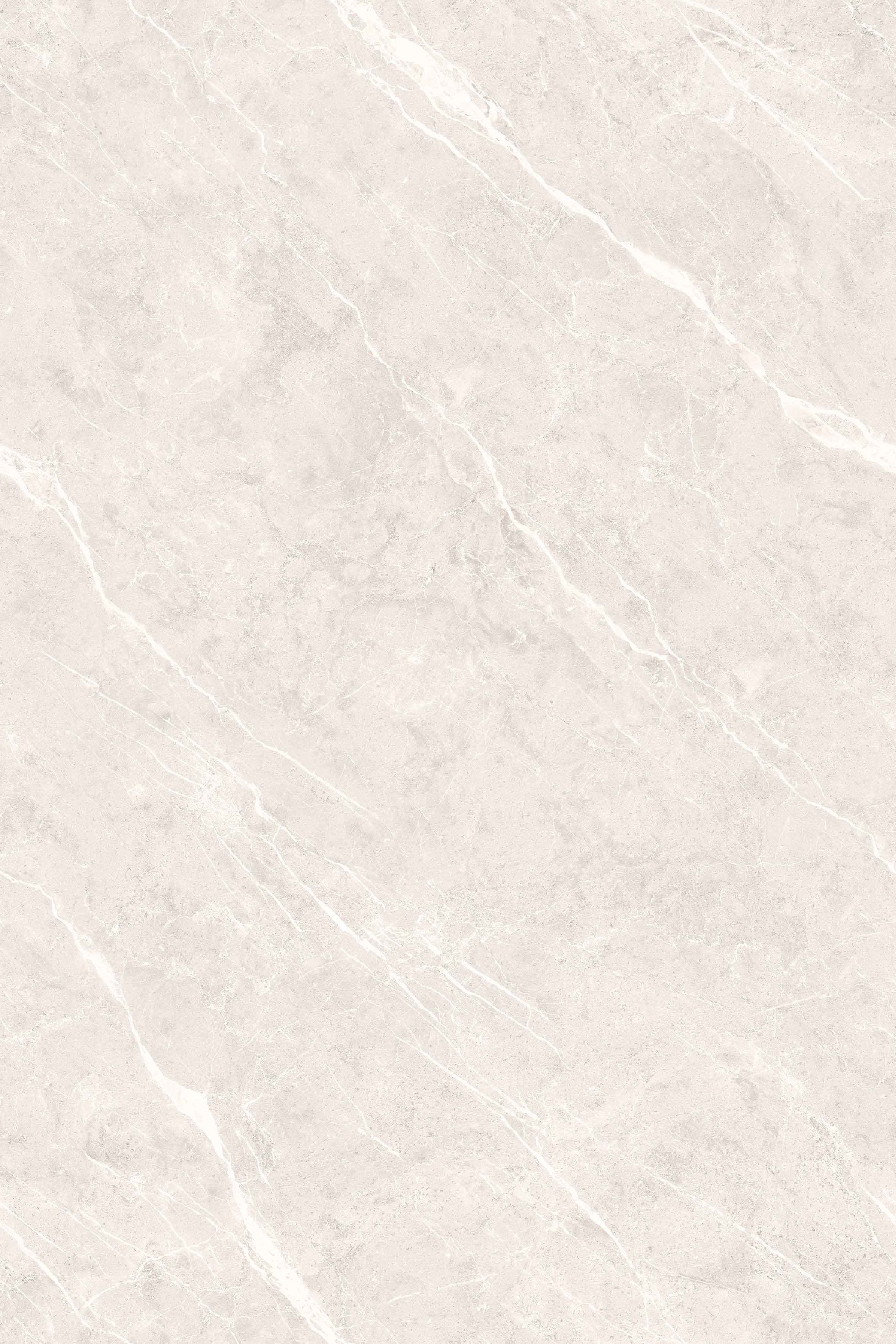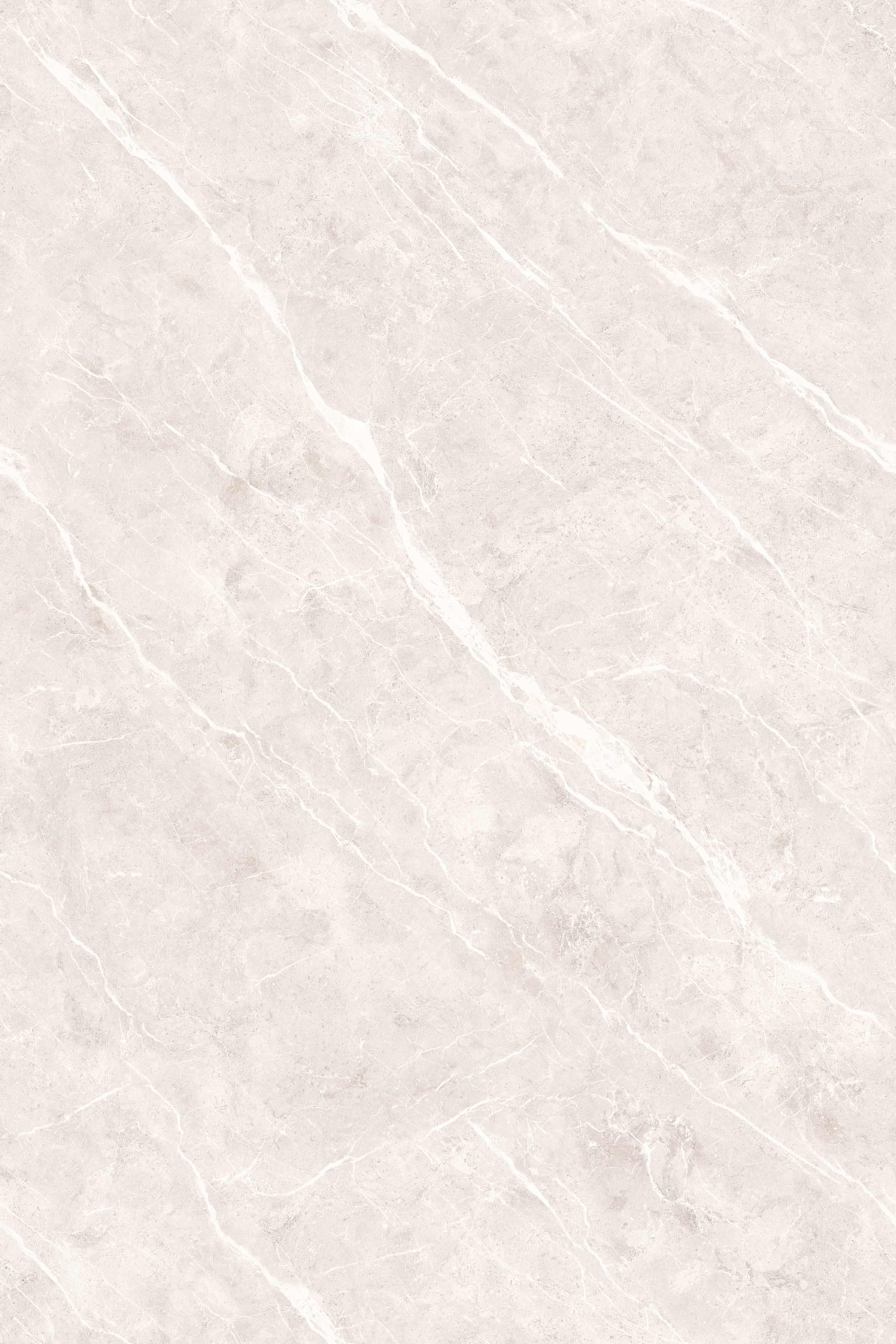
Hi there 👋
Need help? Search our help center for answers or start a conversation:
Help Center
New Conversation
We typically reply in a few minutes
 Customer Support
Select Emoji
Quick Enquiry
We'll get back to you within 24 hours

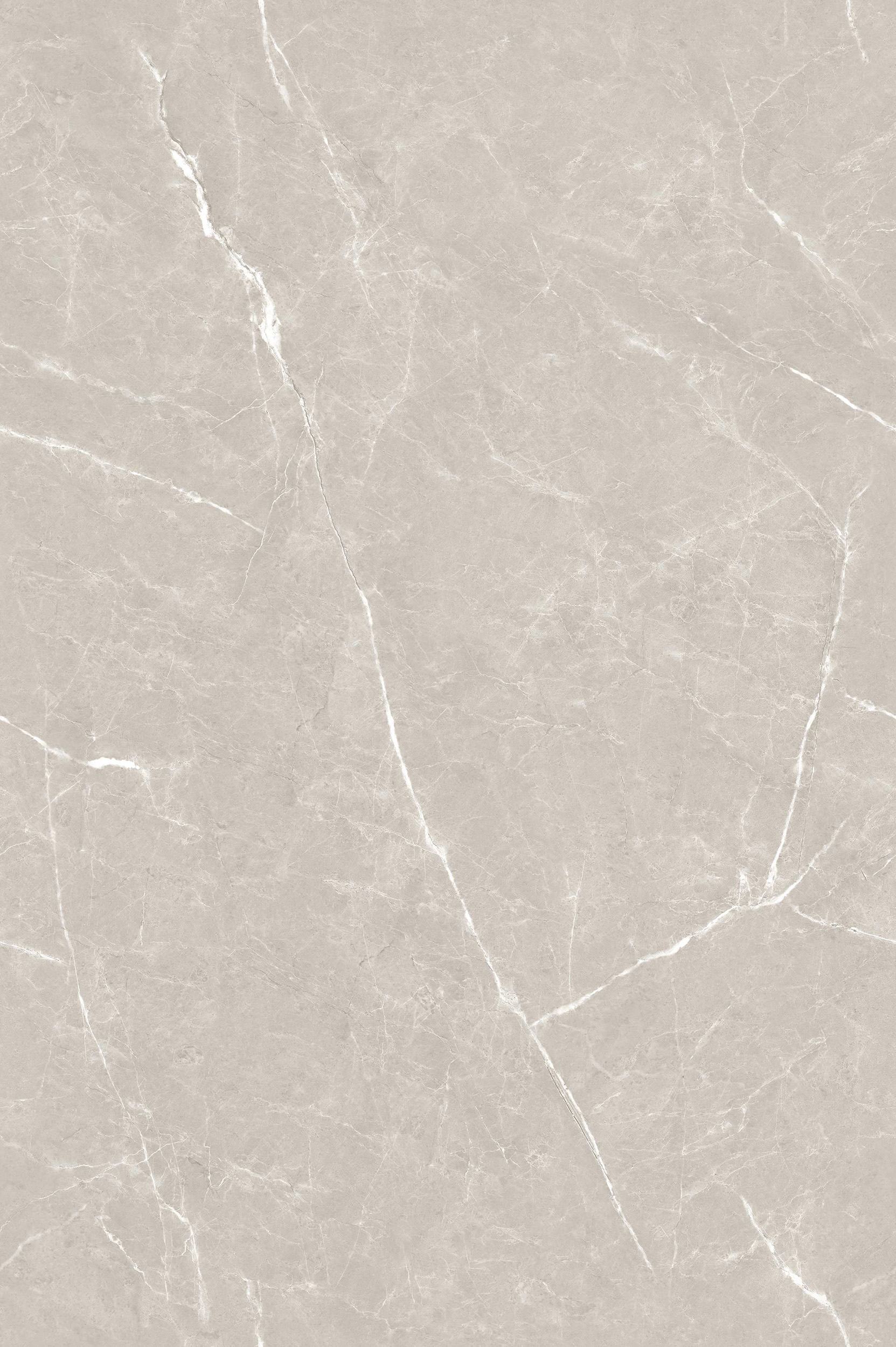
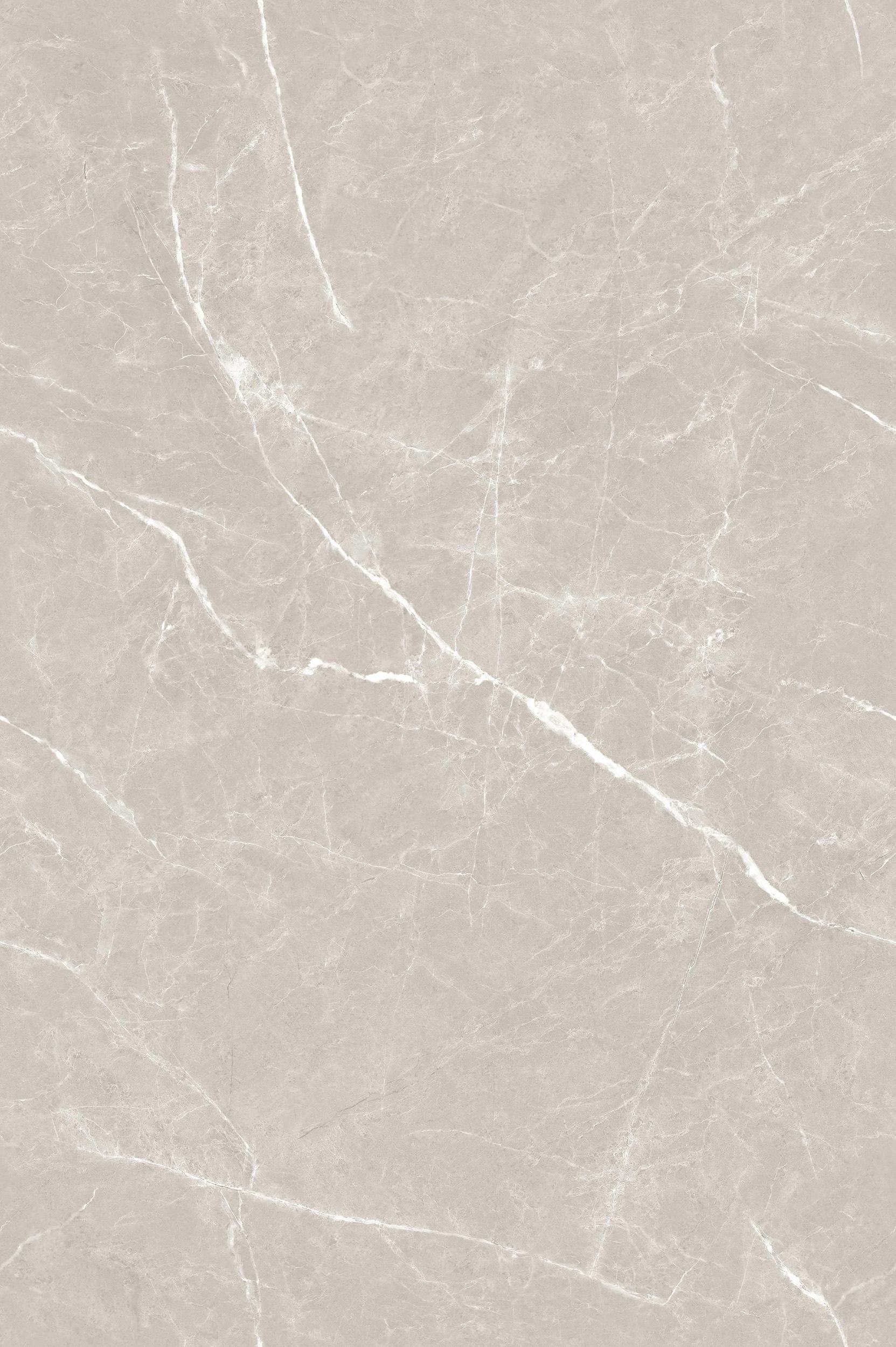
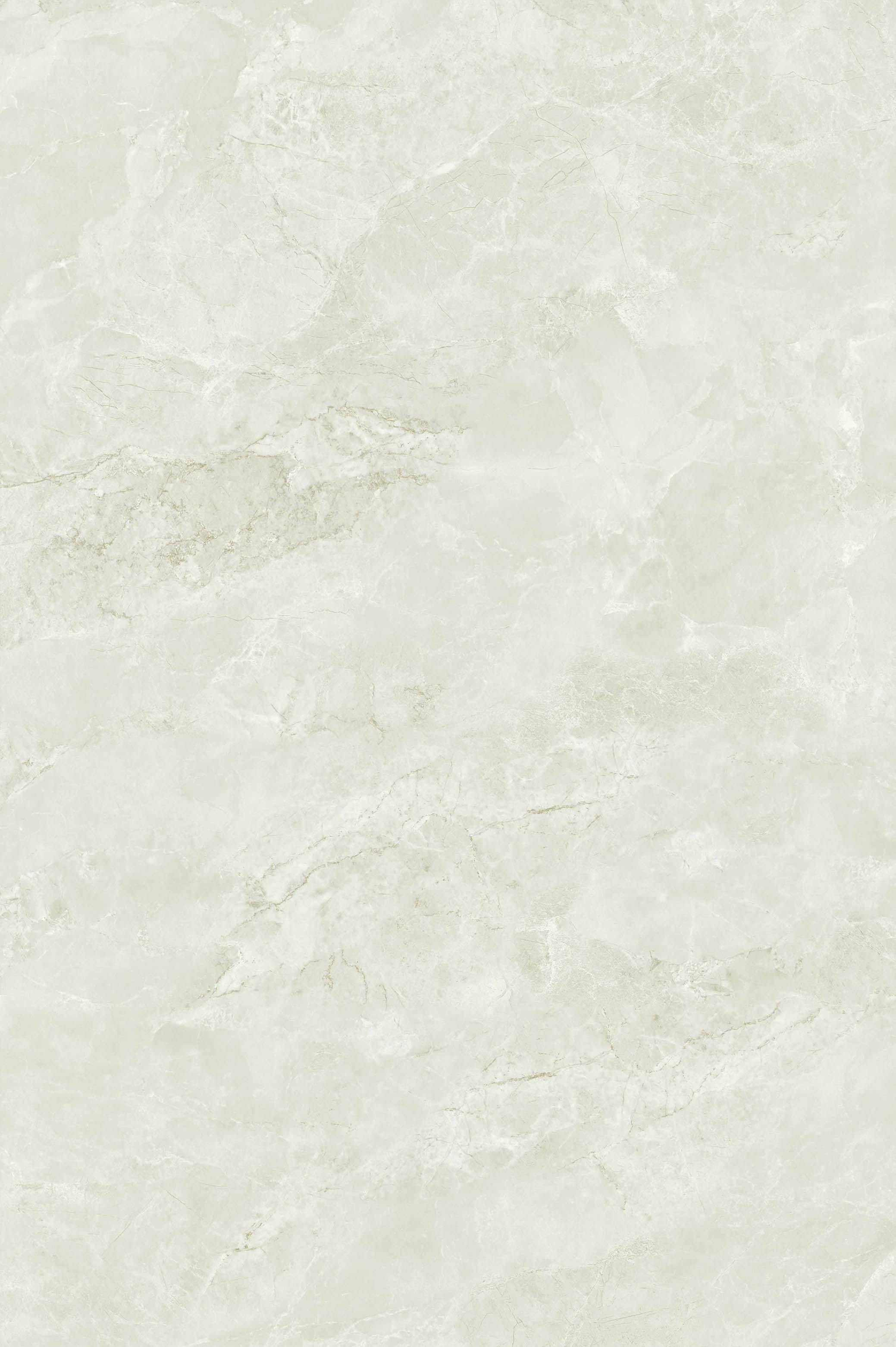
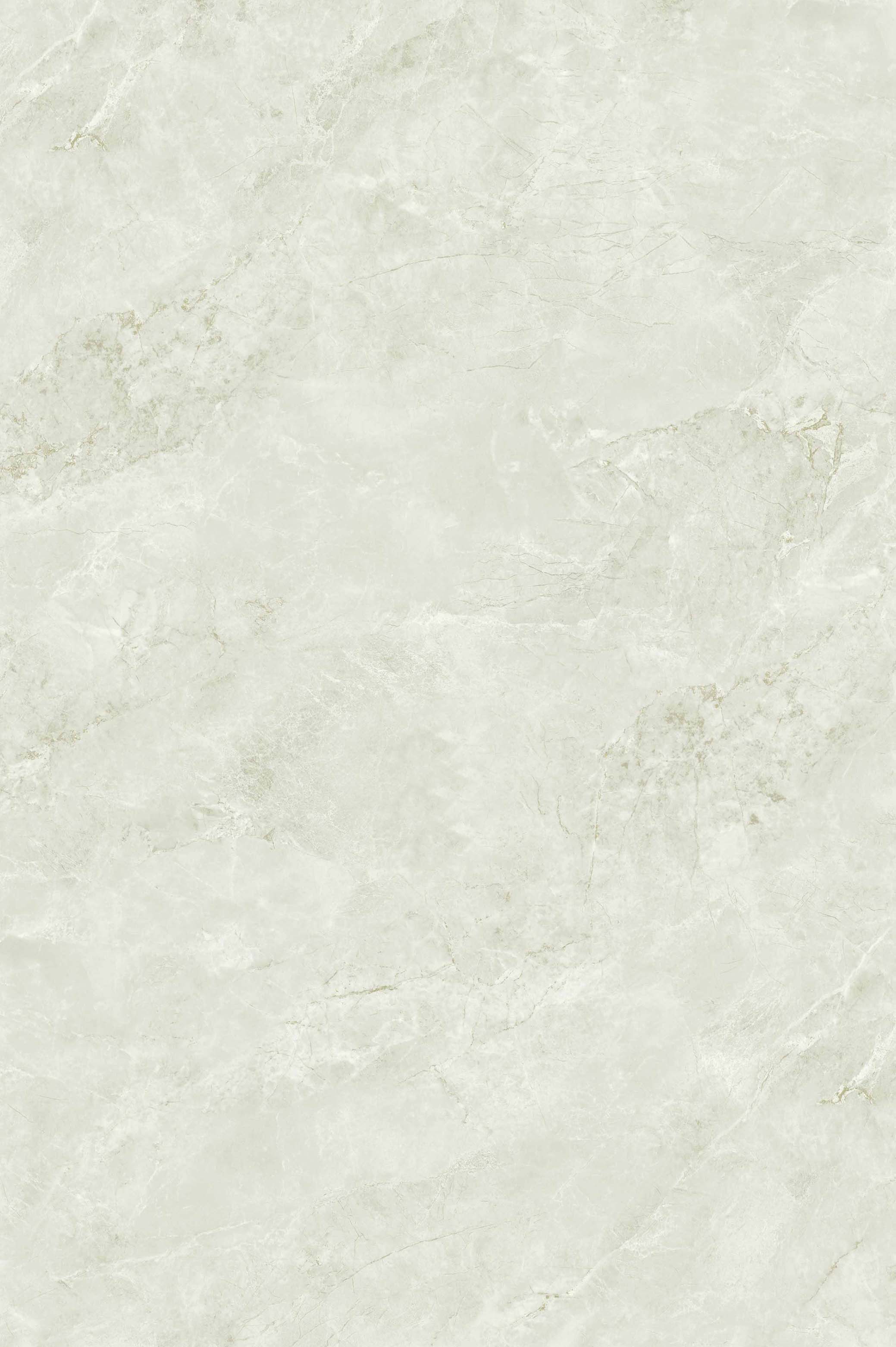
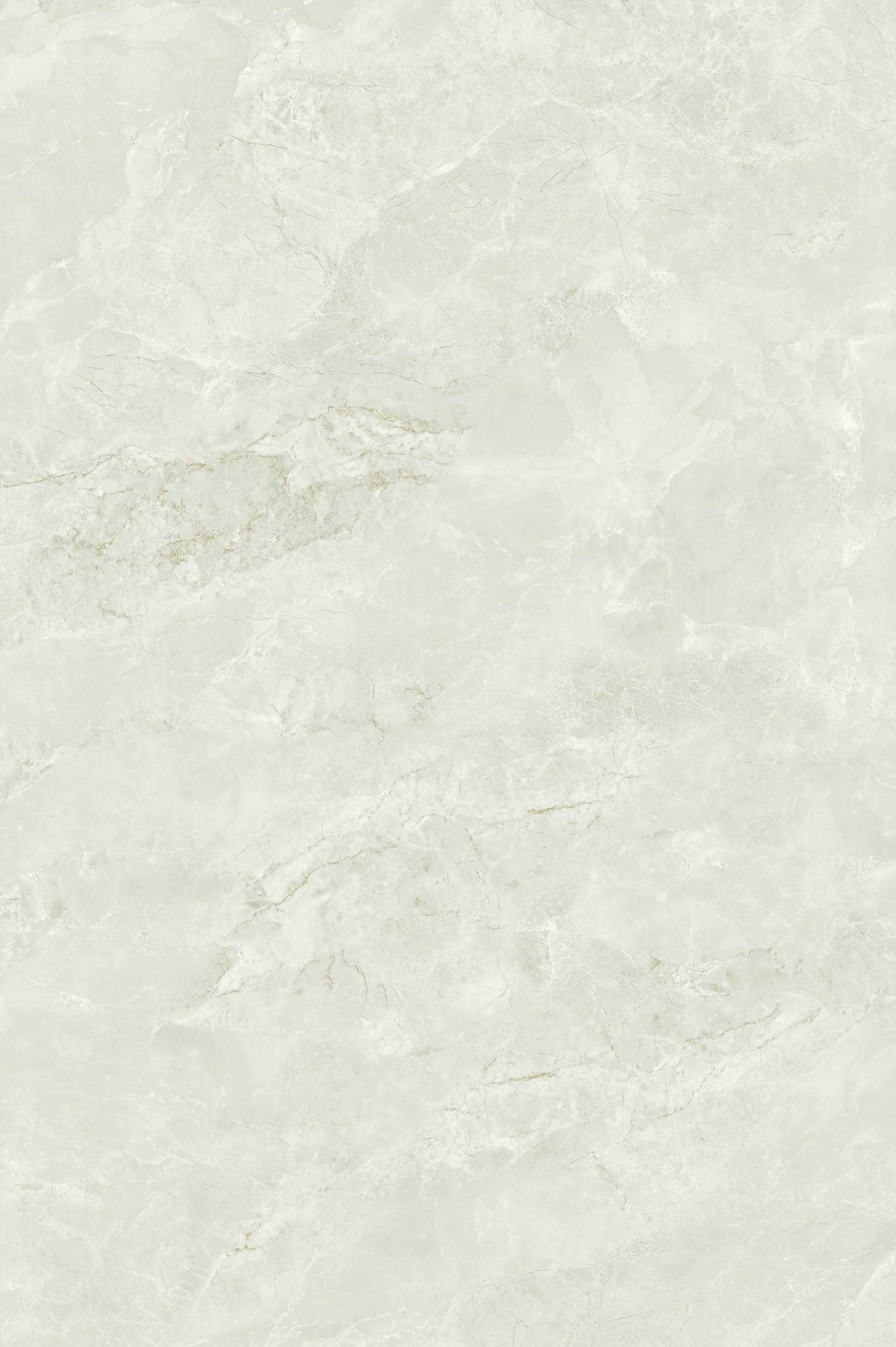
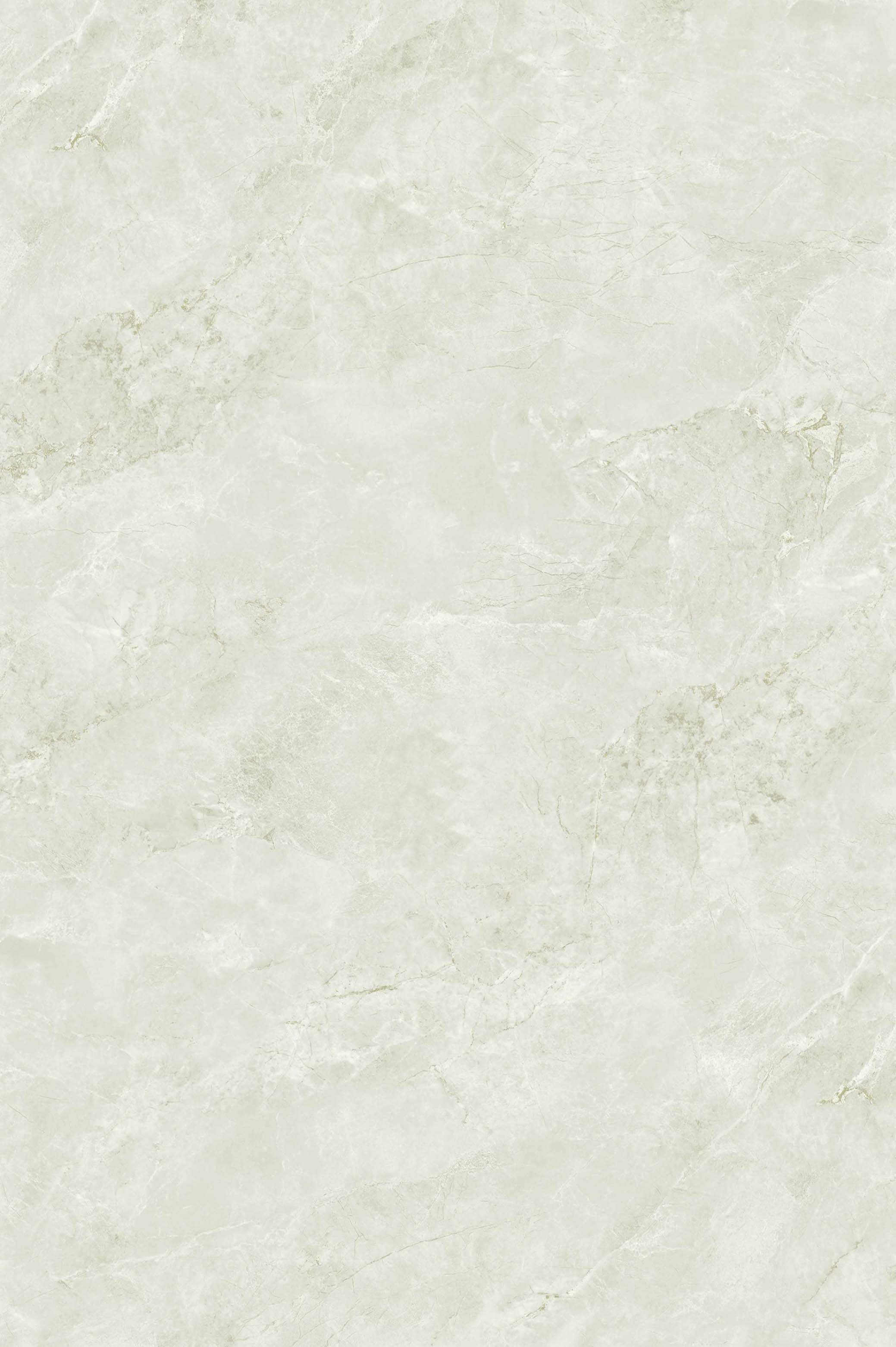
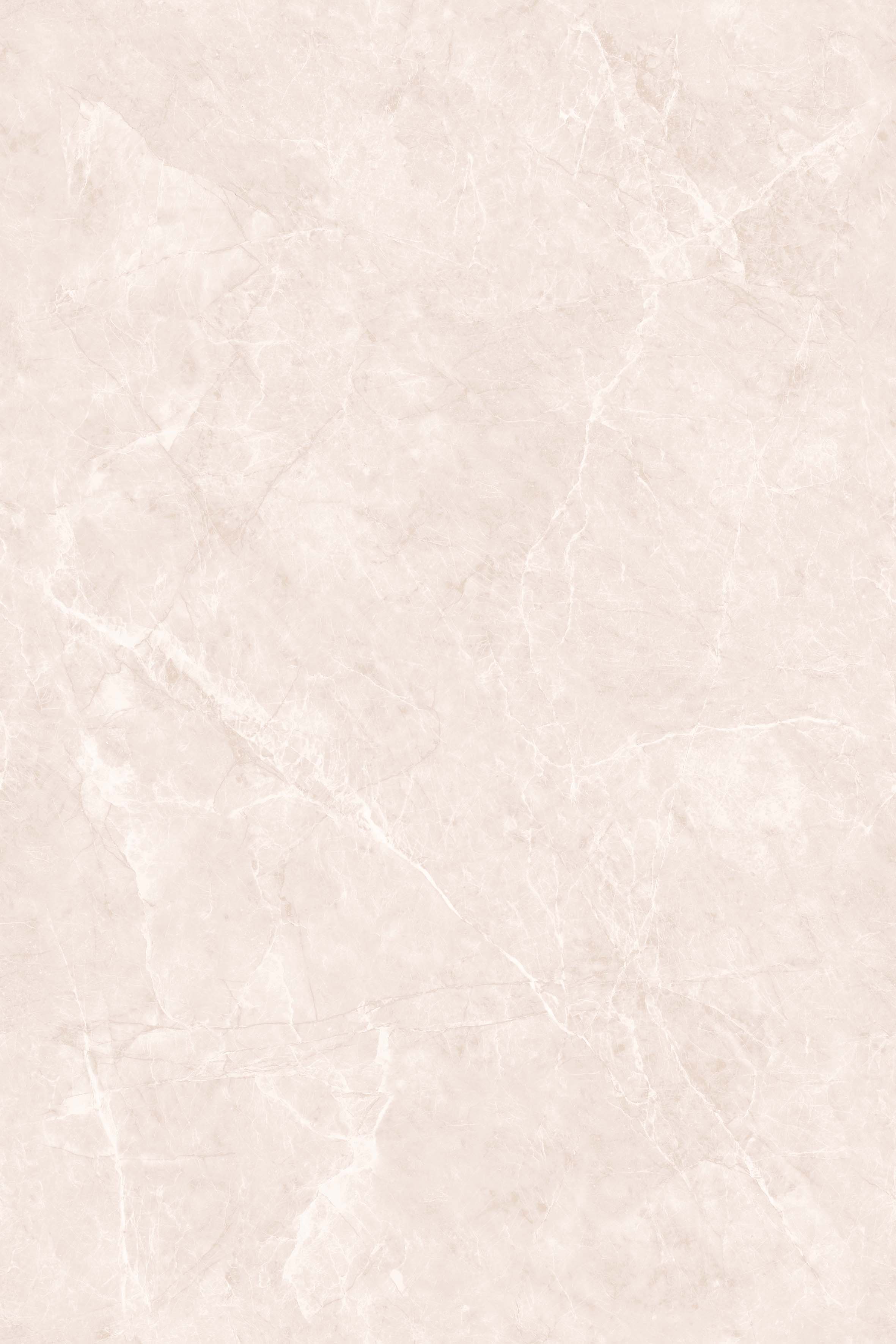
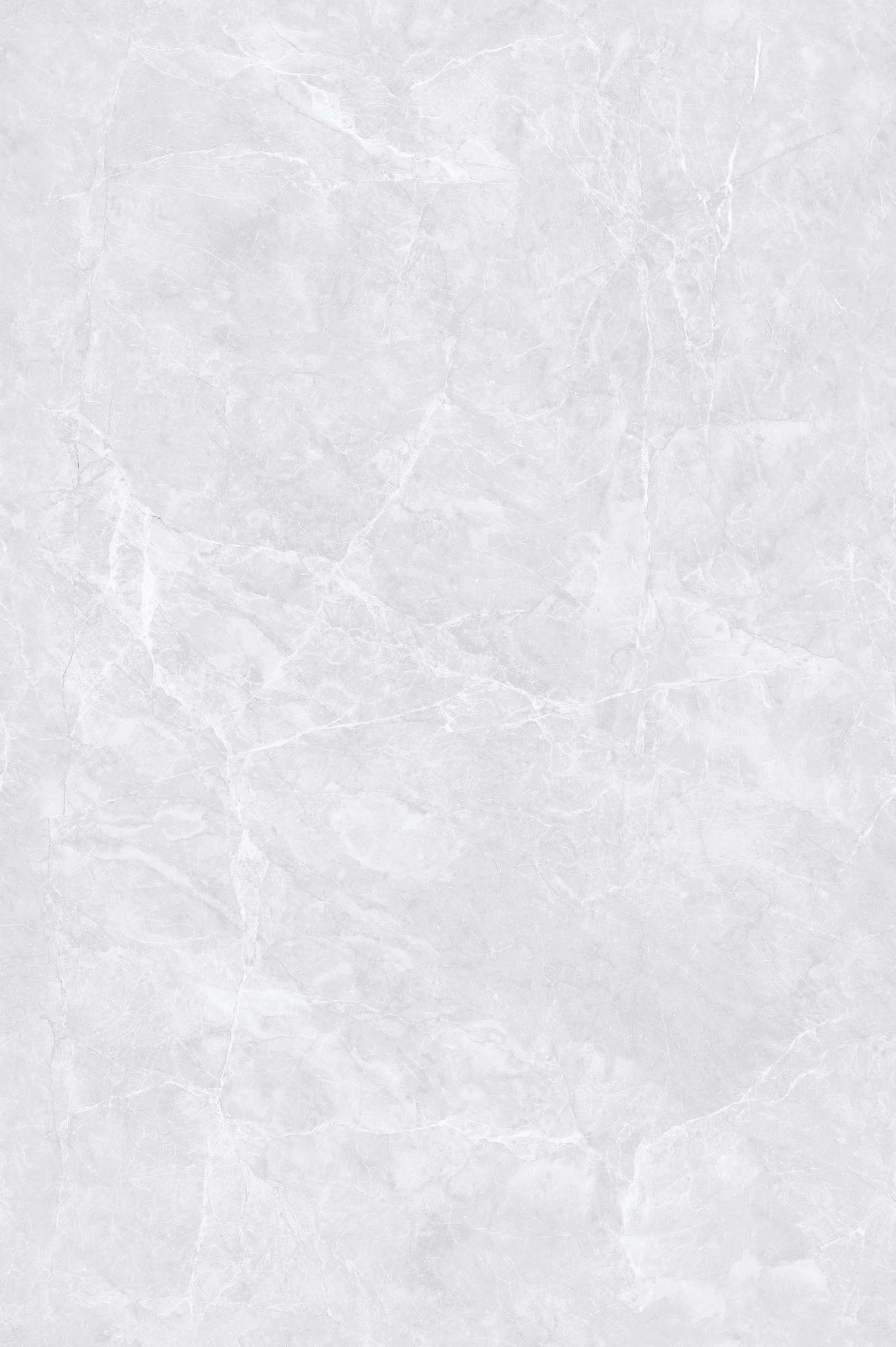
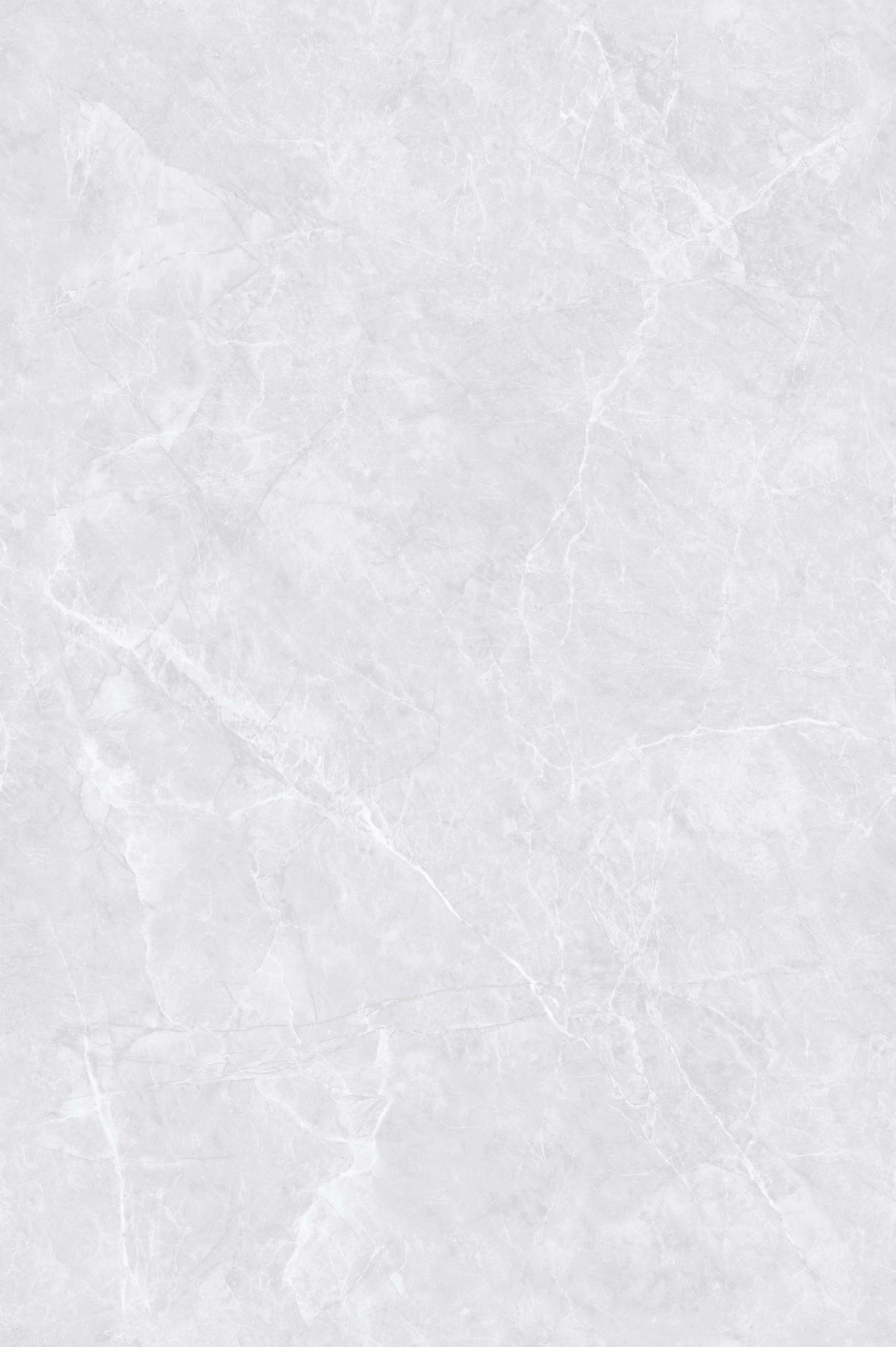
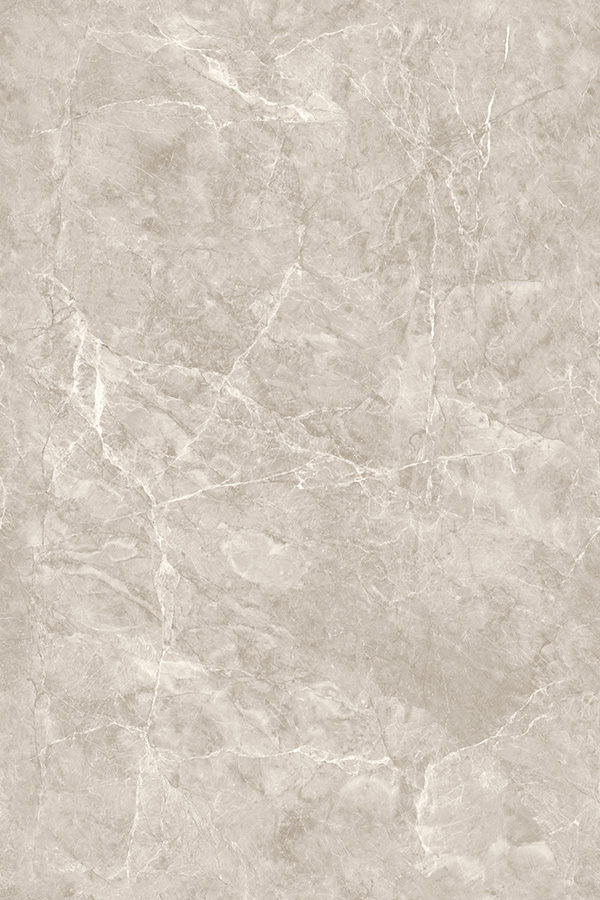
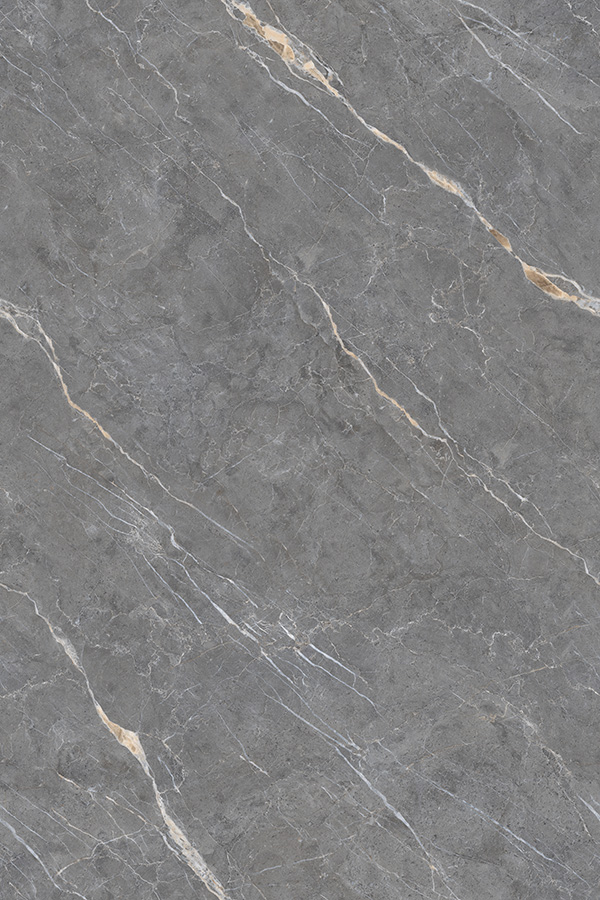
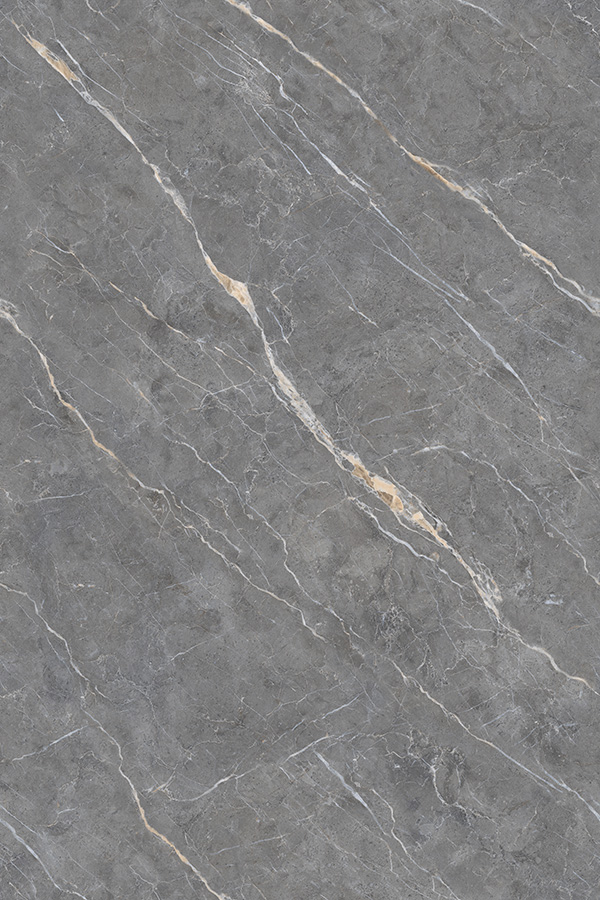
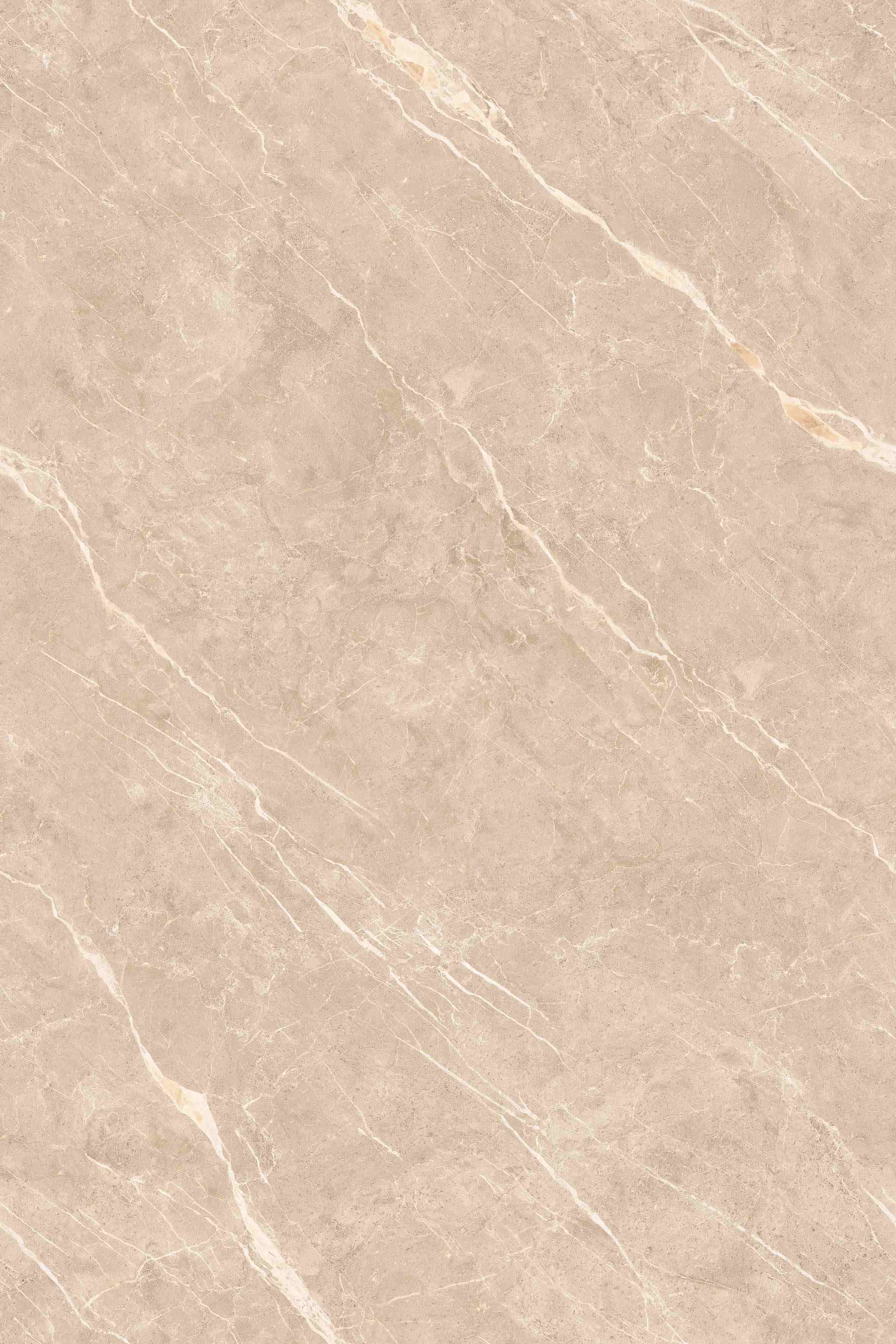
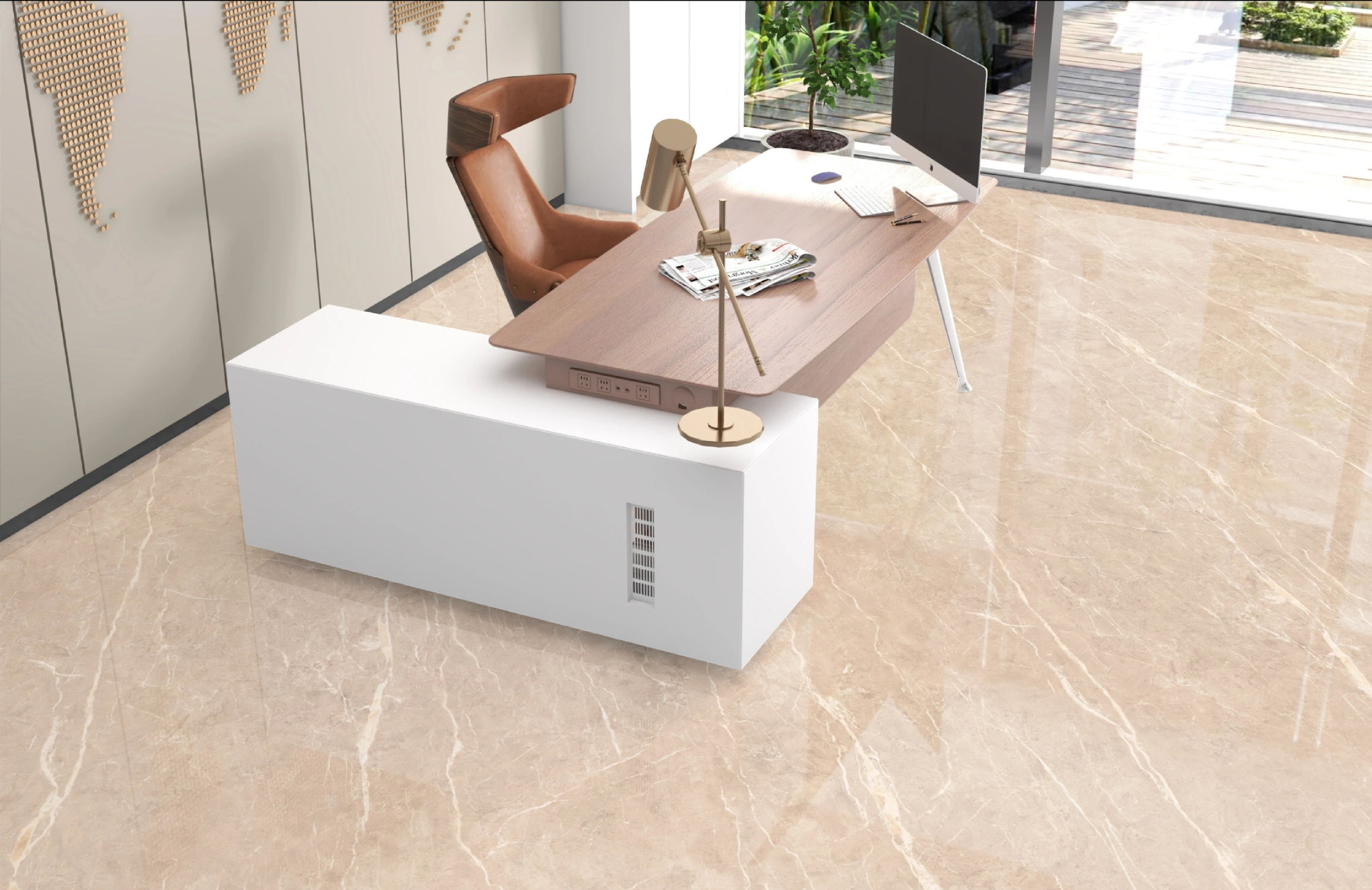
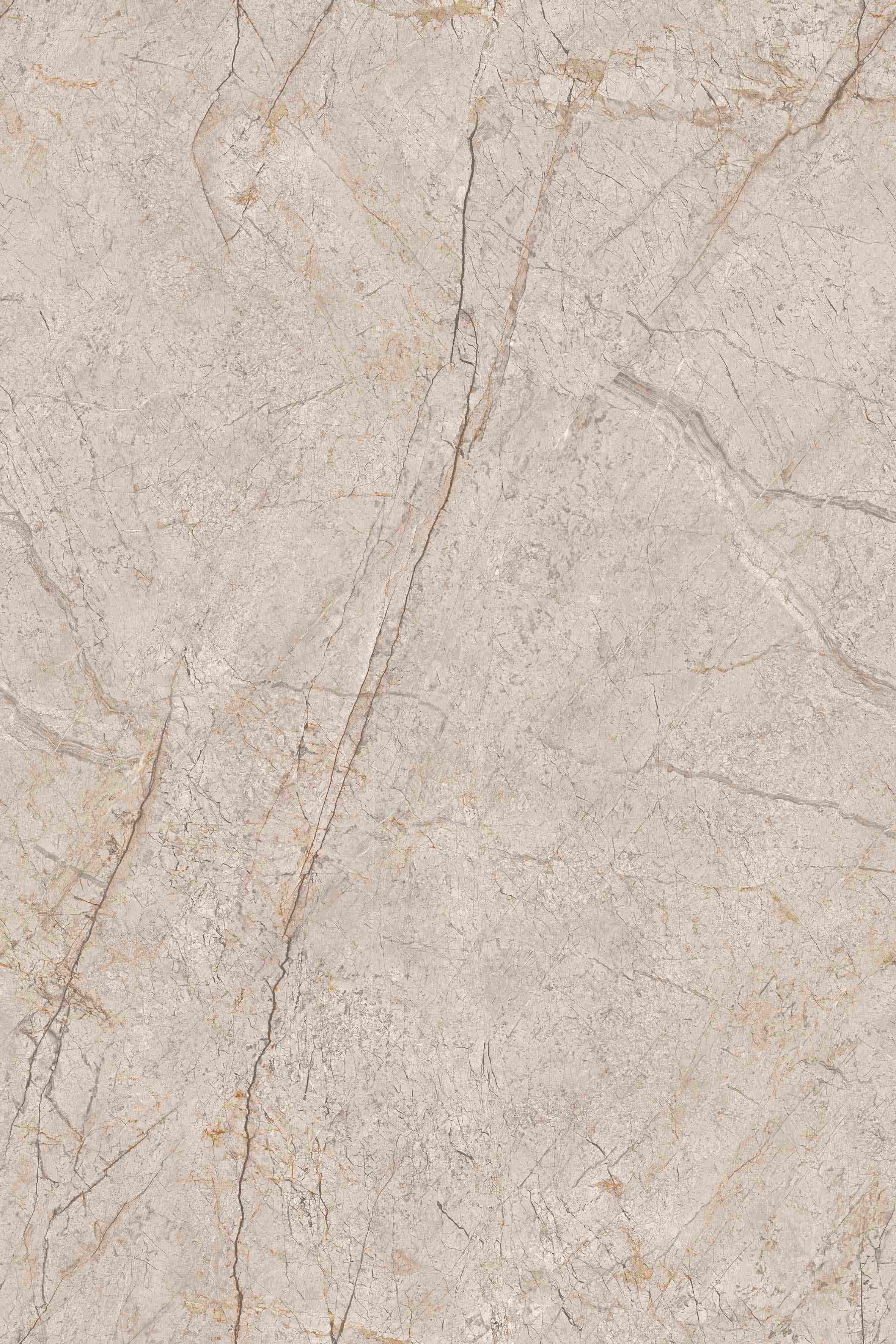
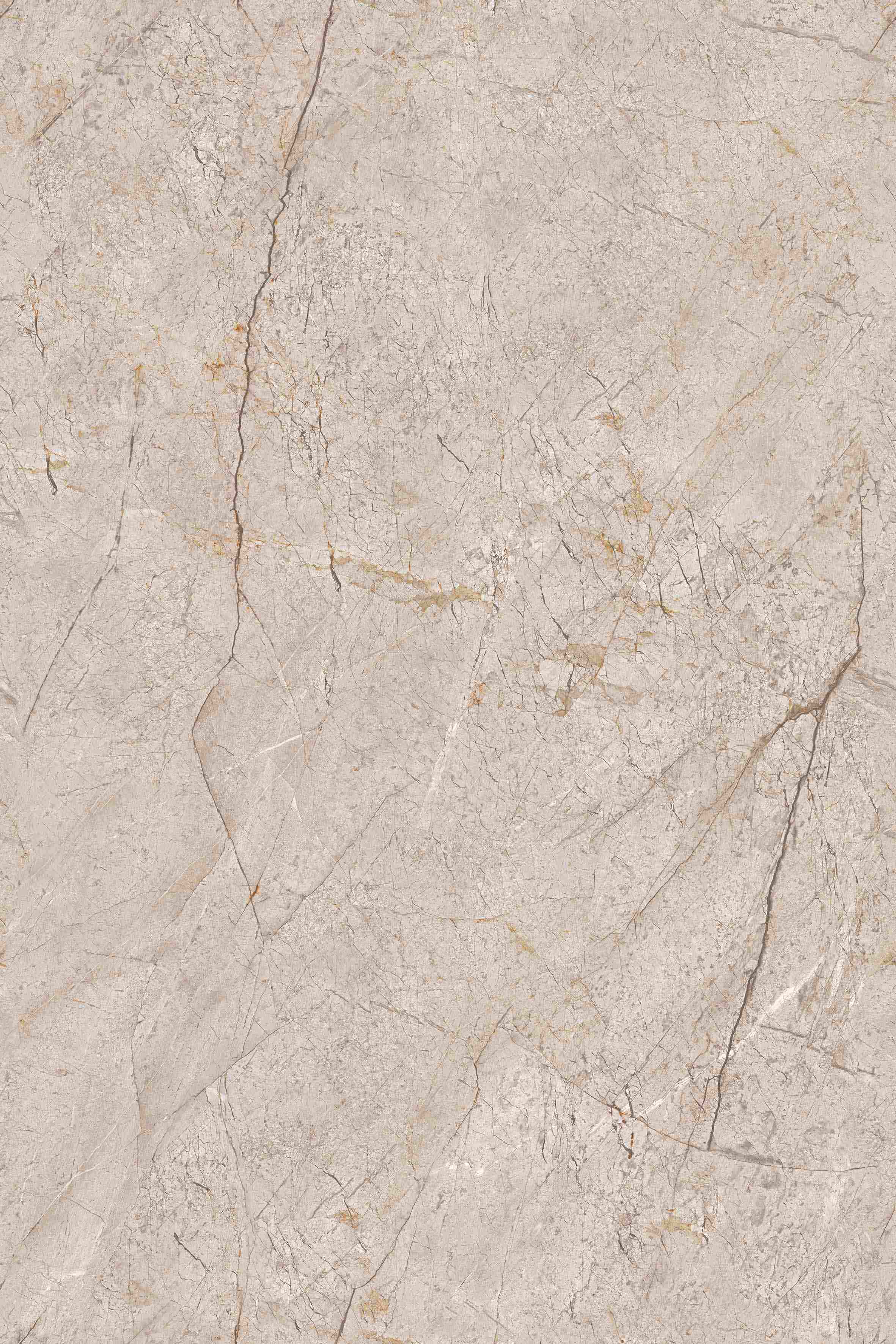
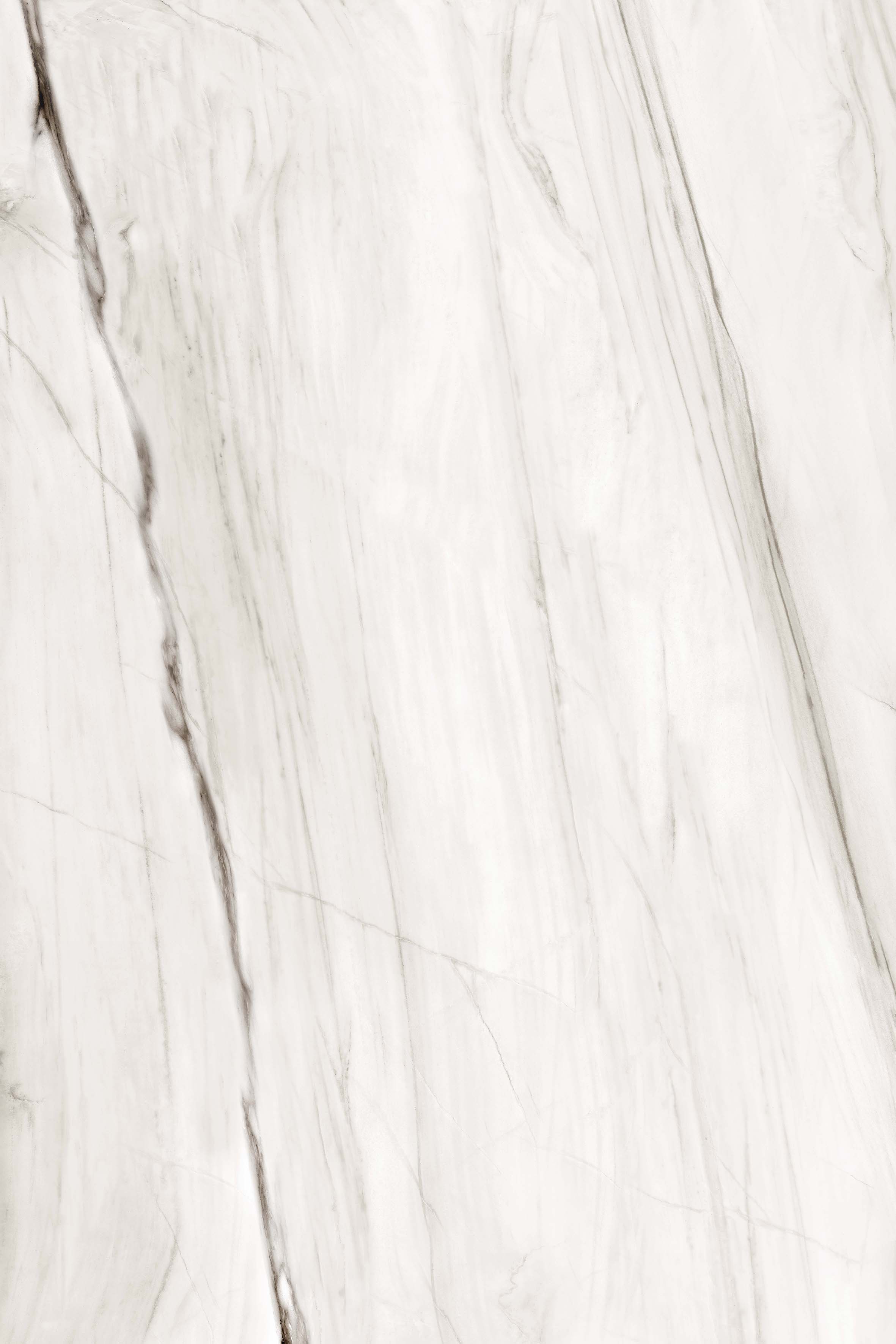
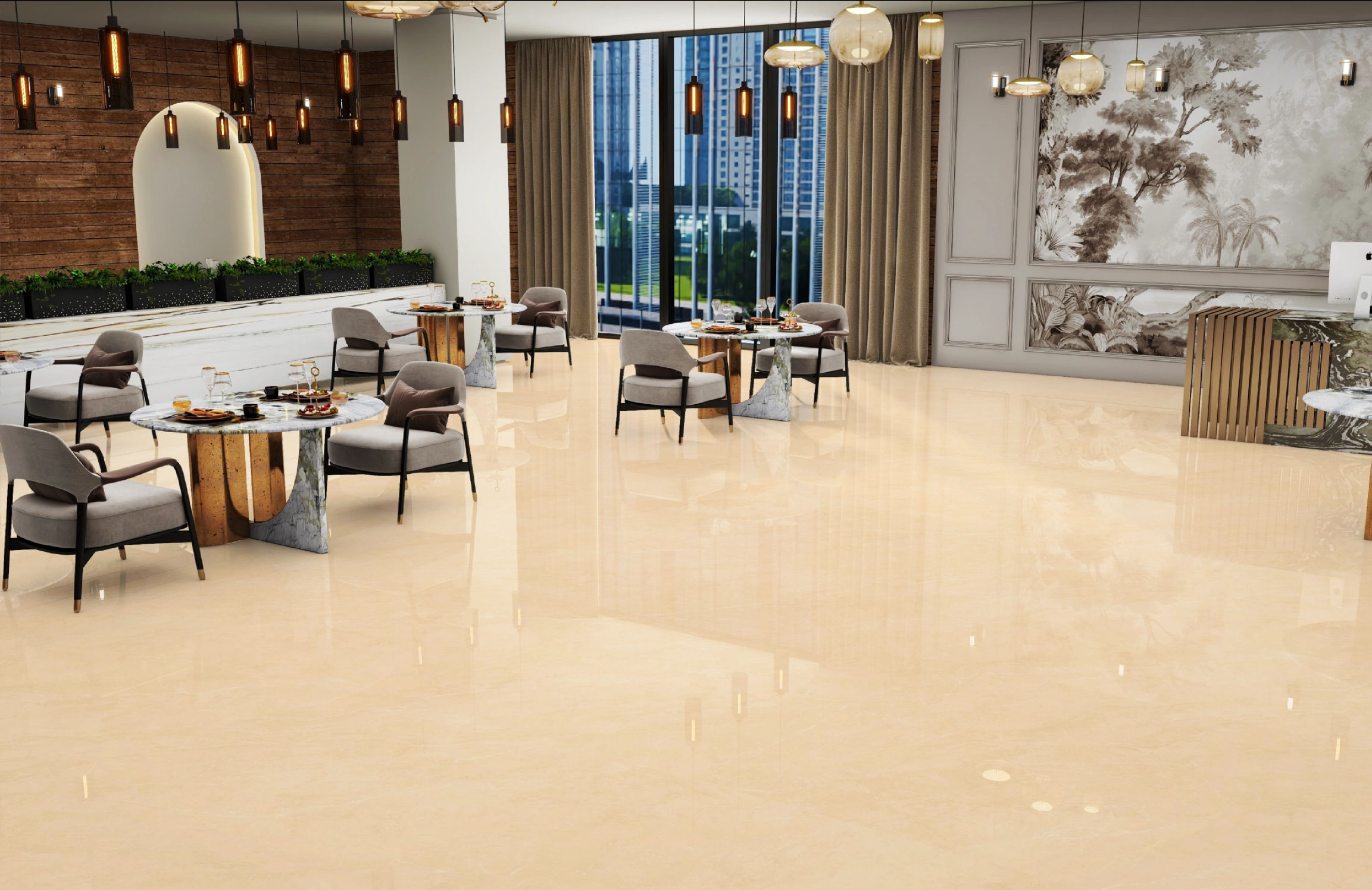
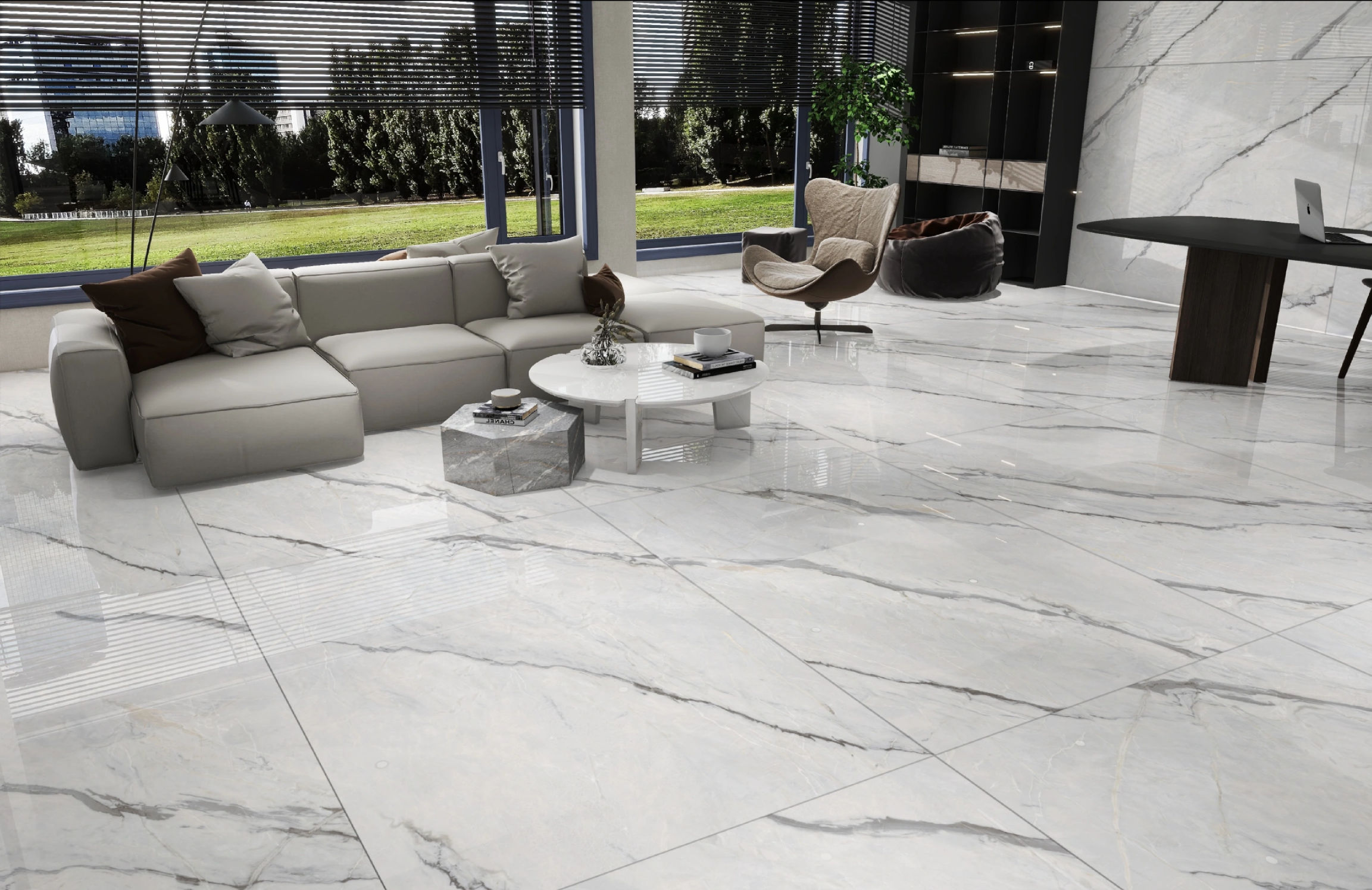
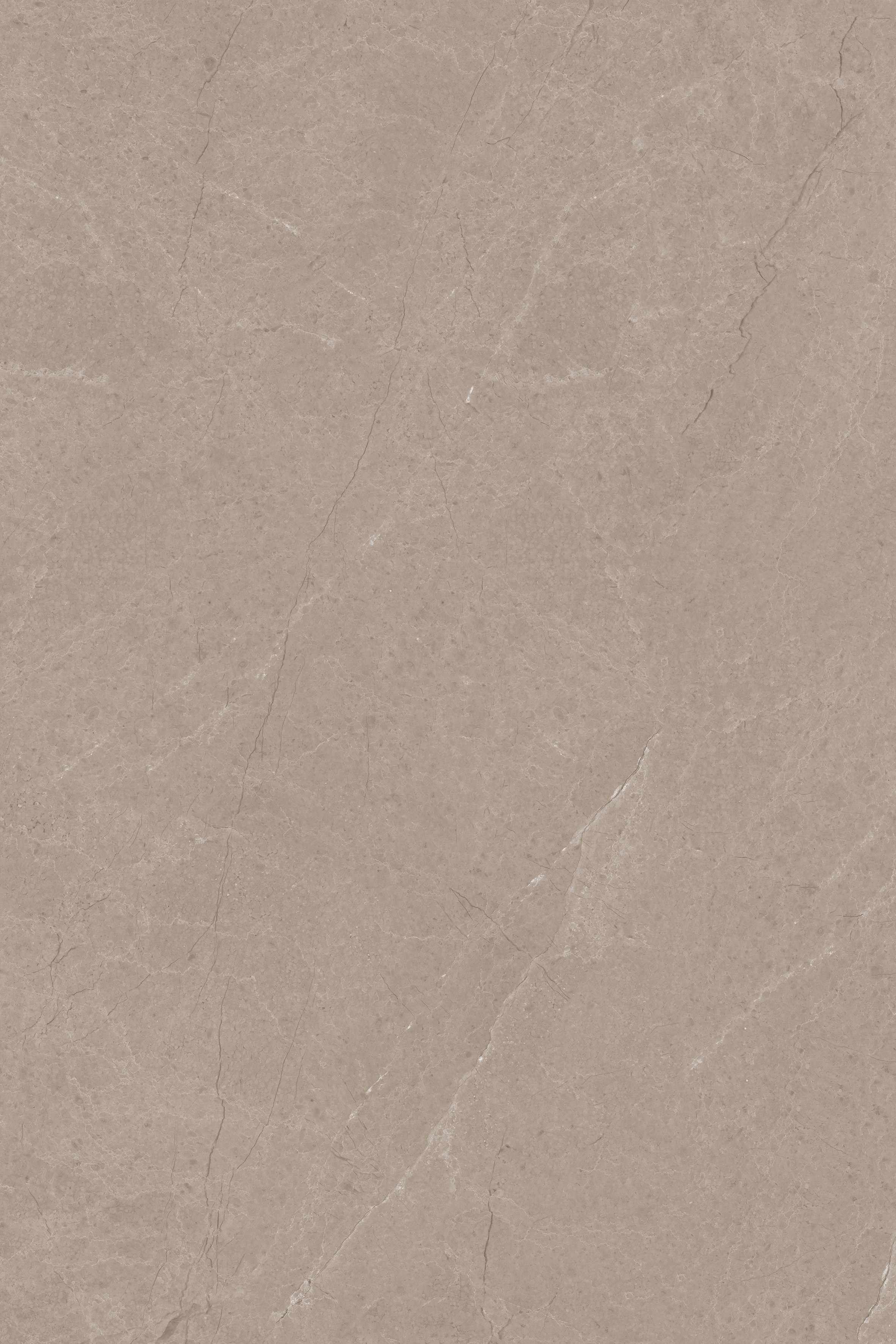
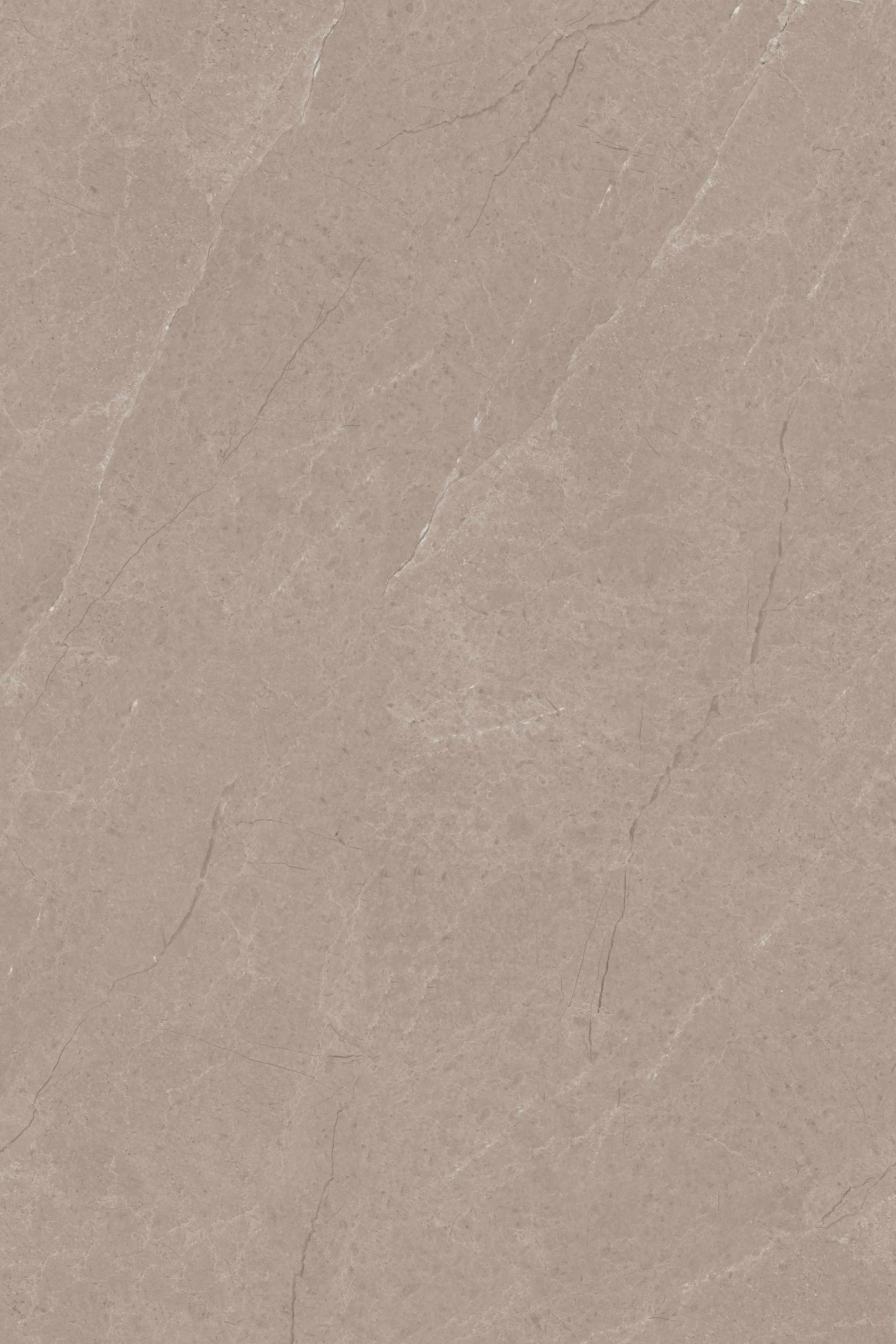
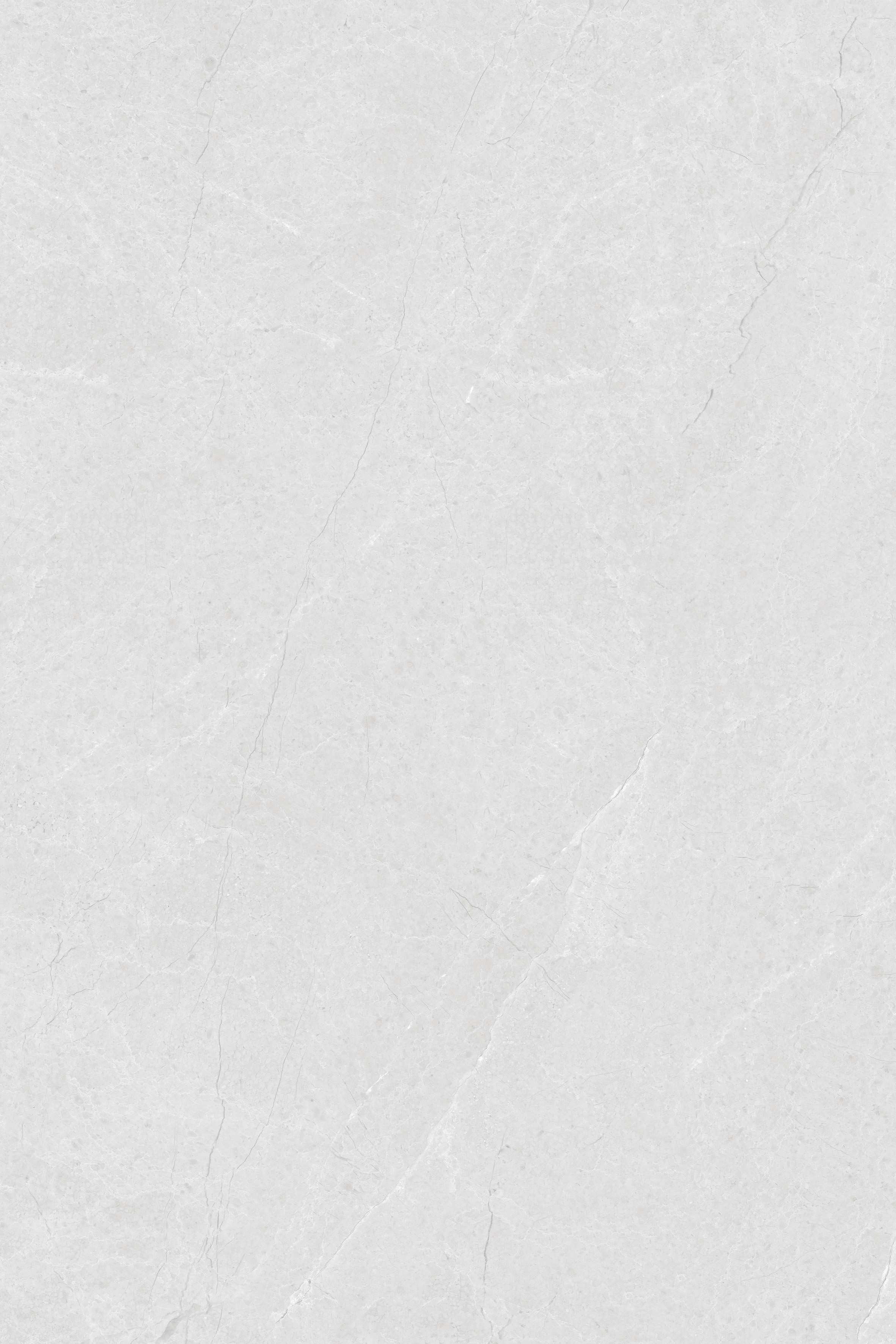
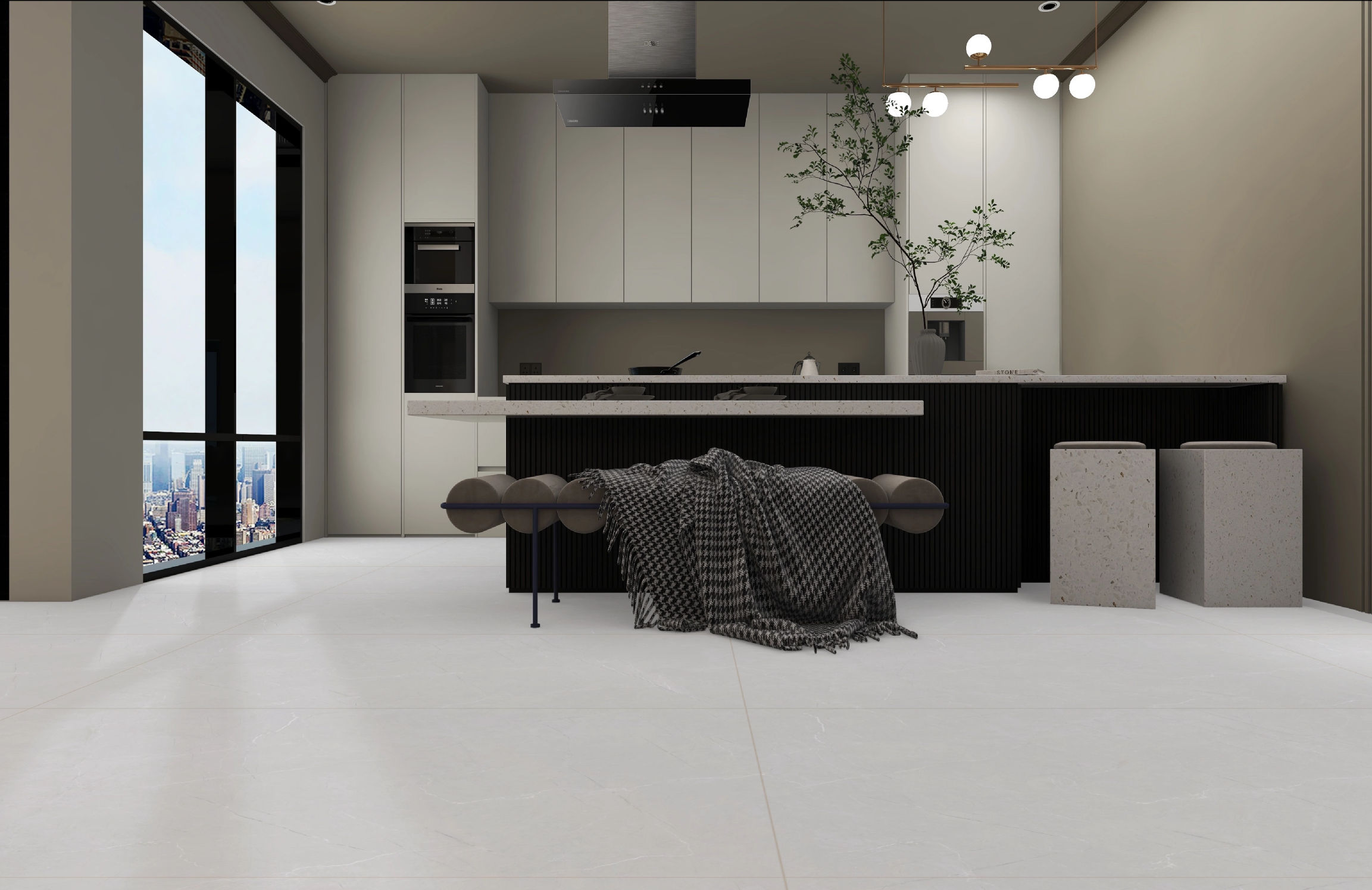
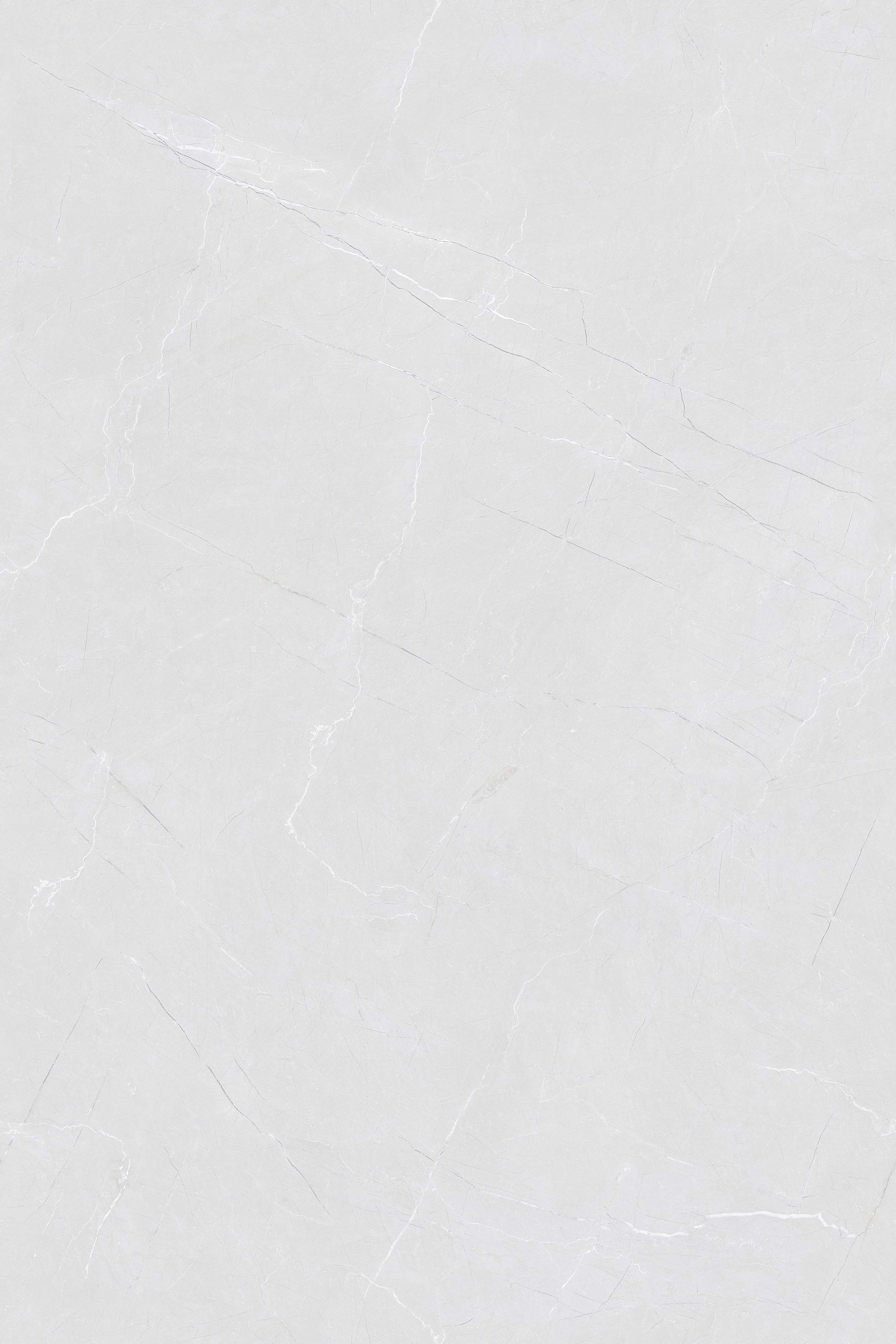
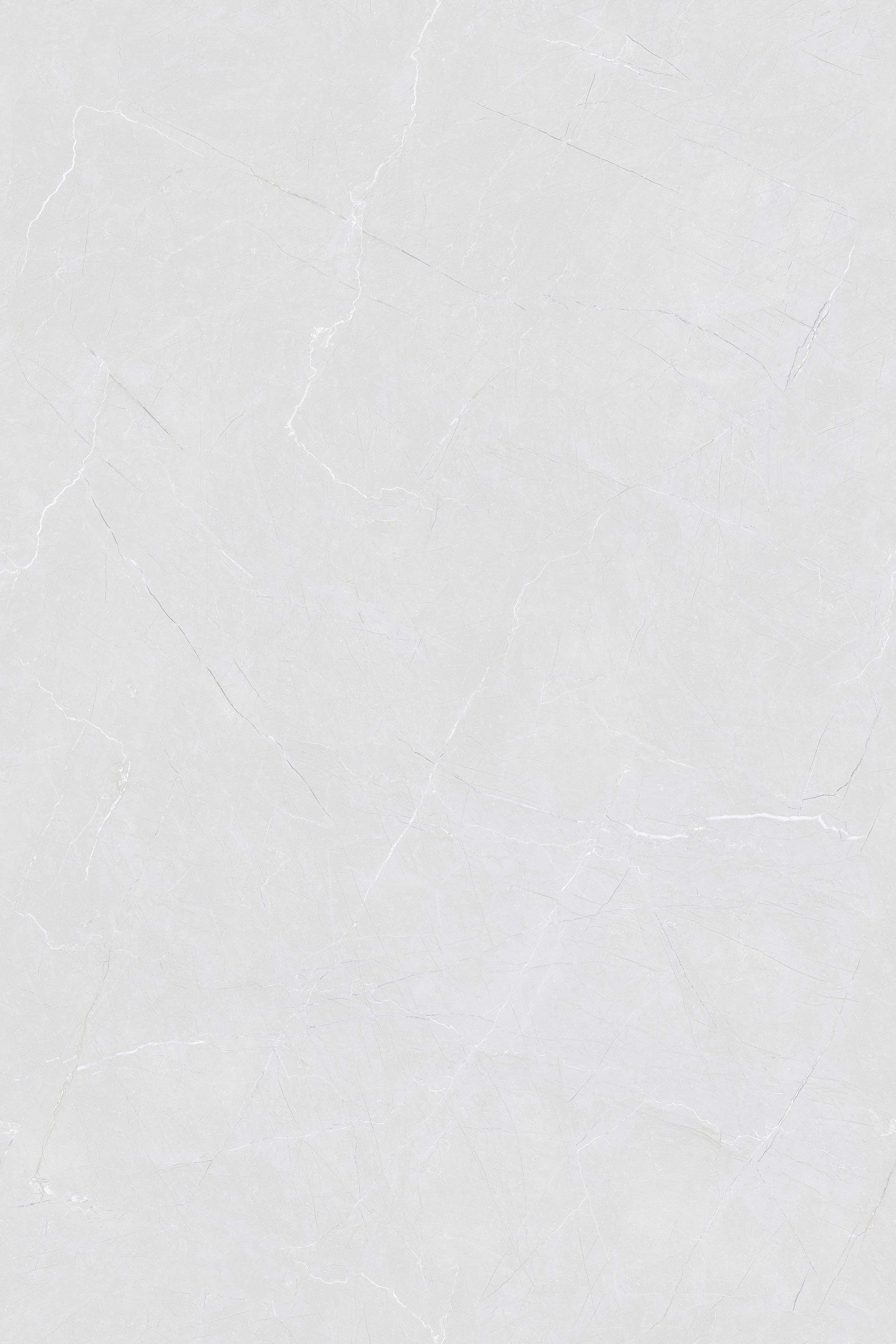
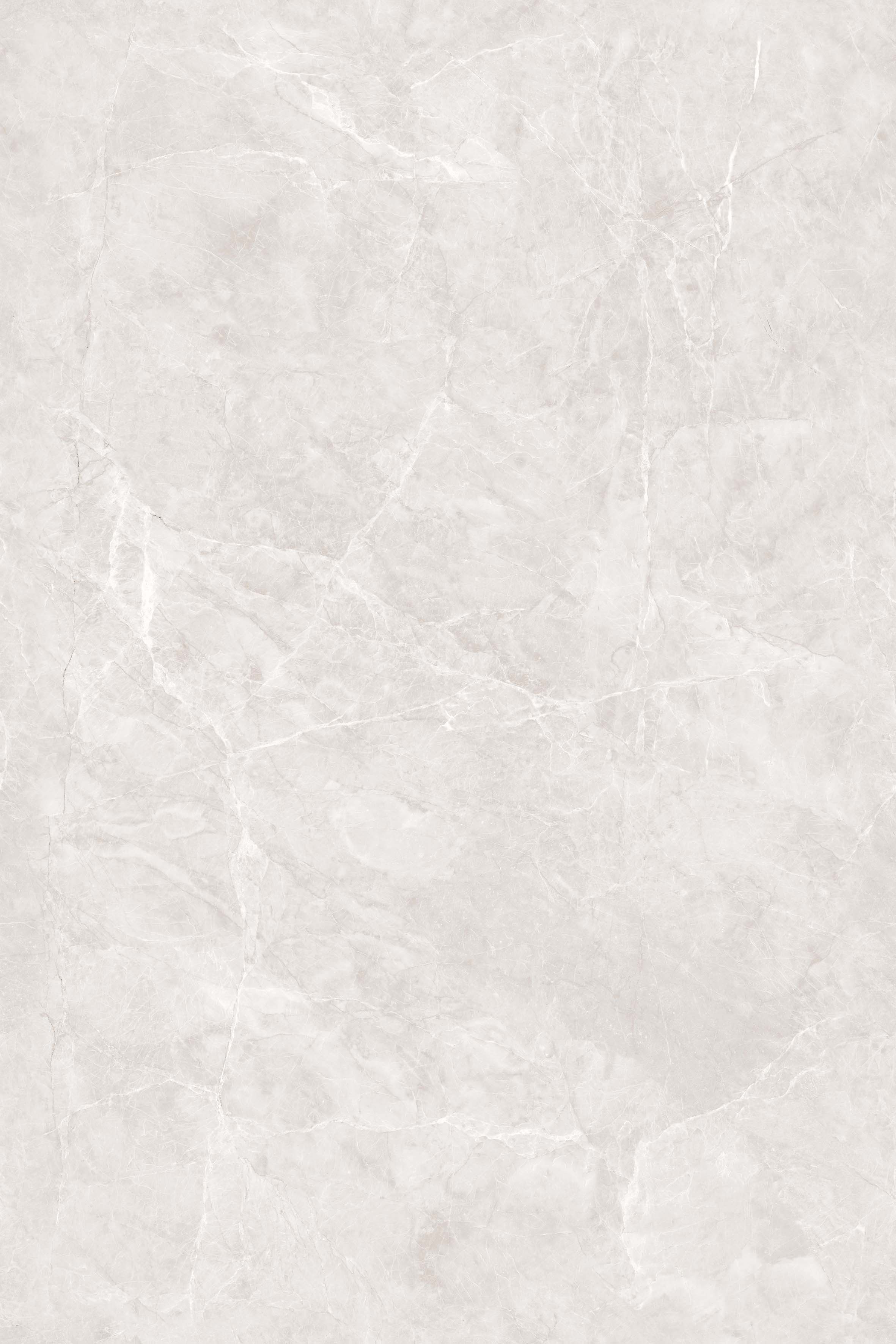
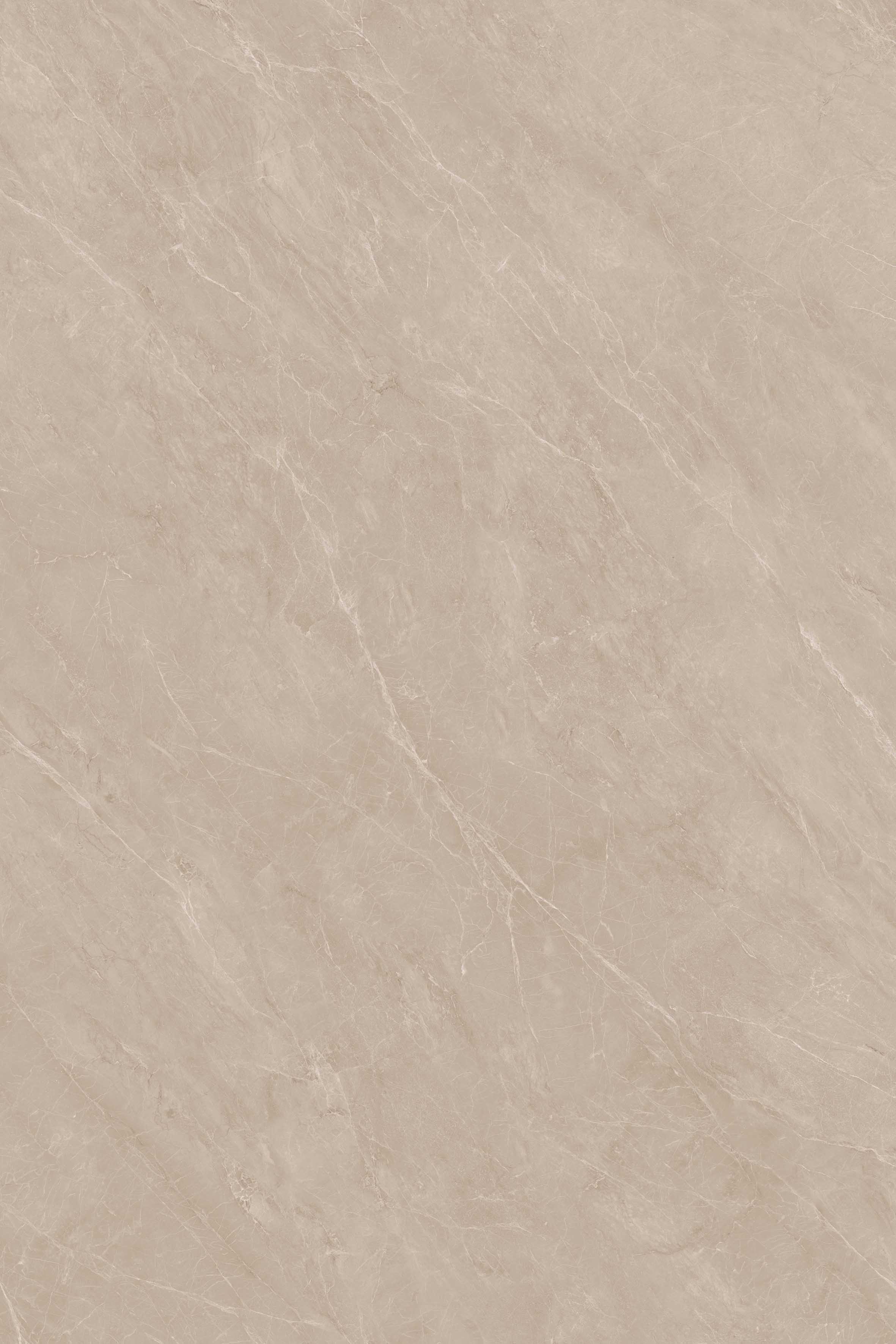
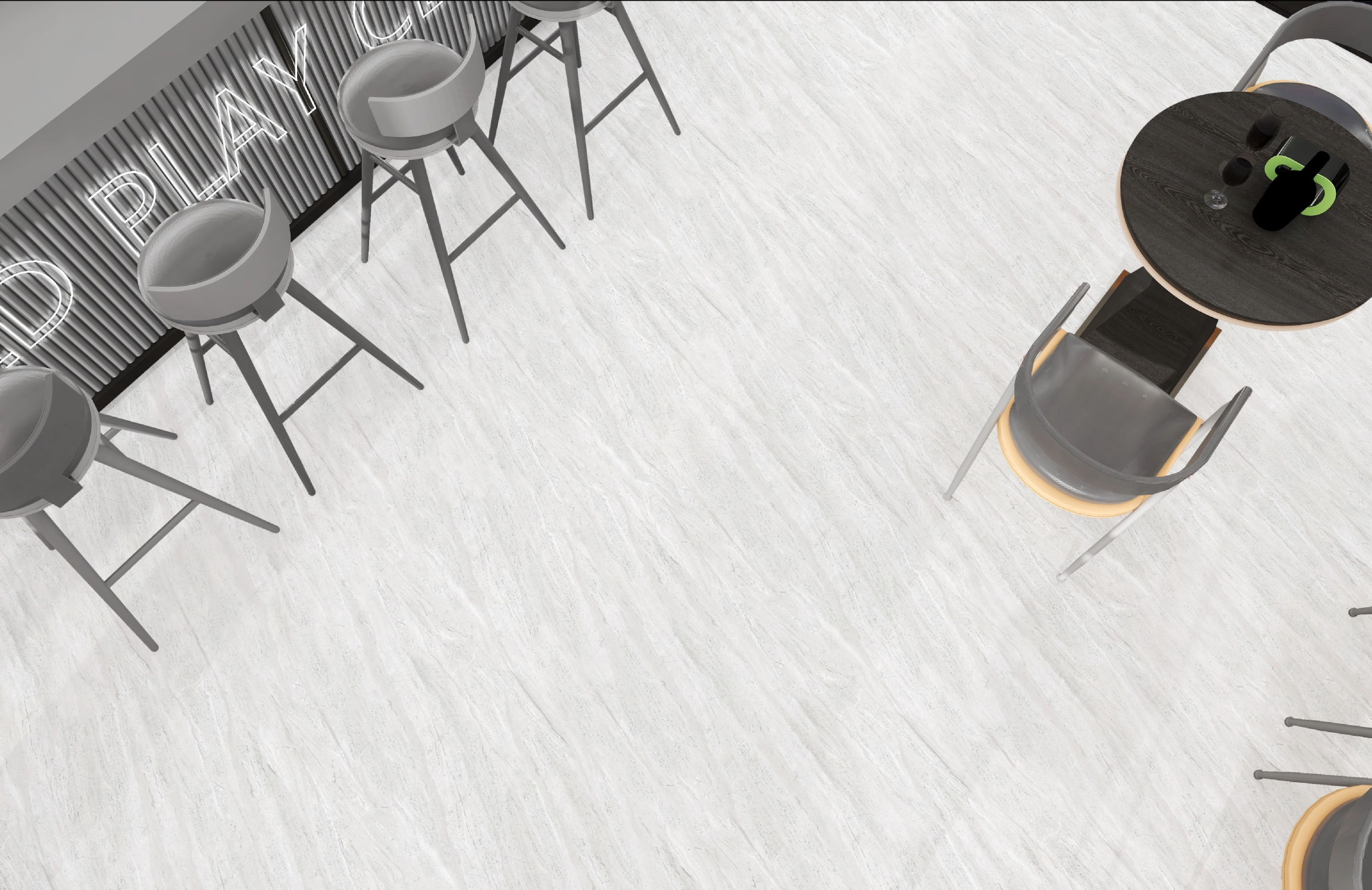
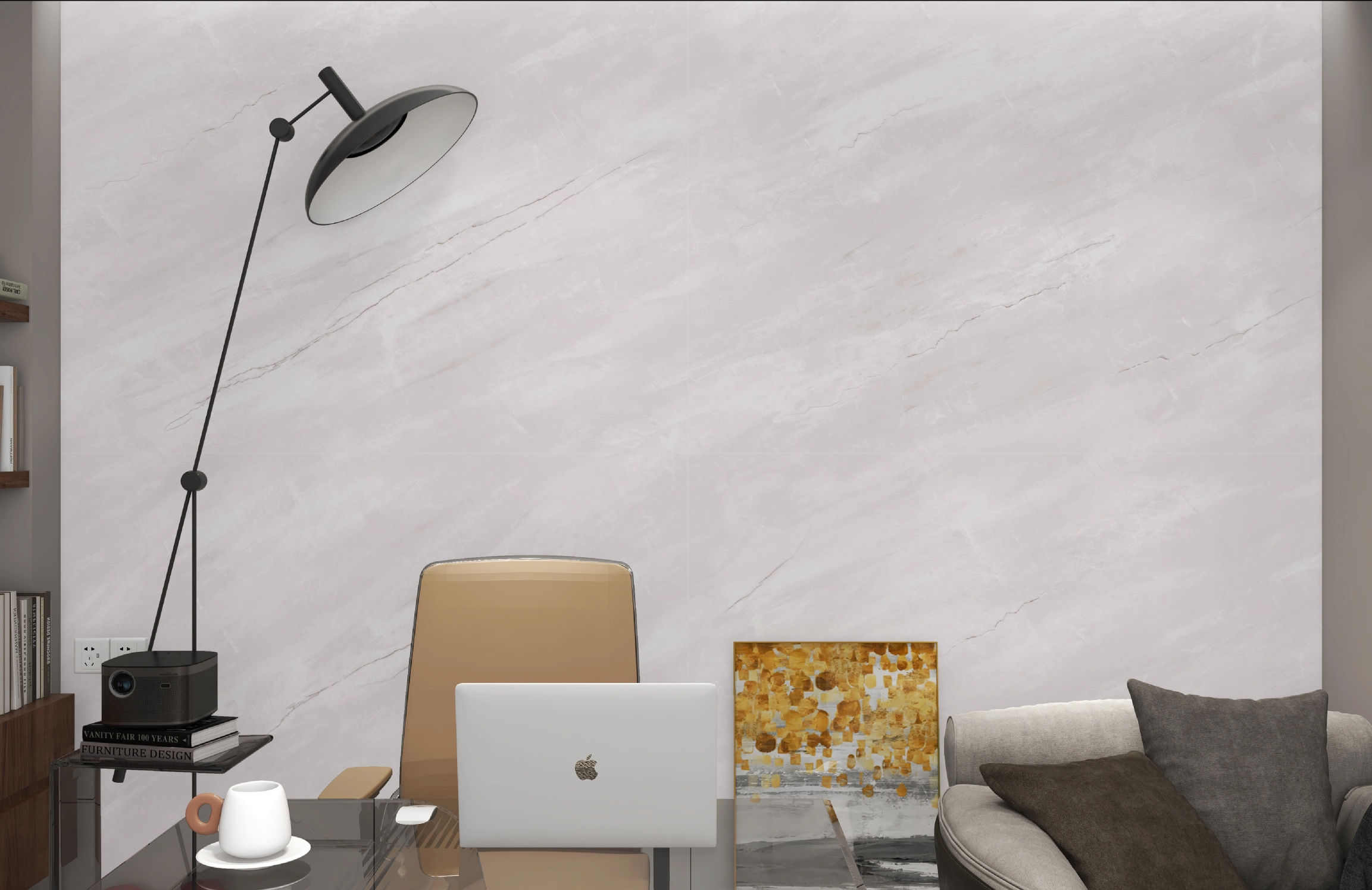
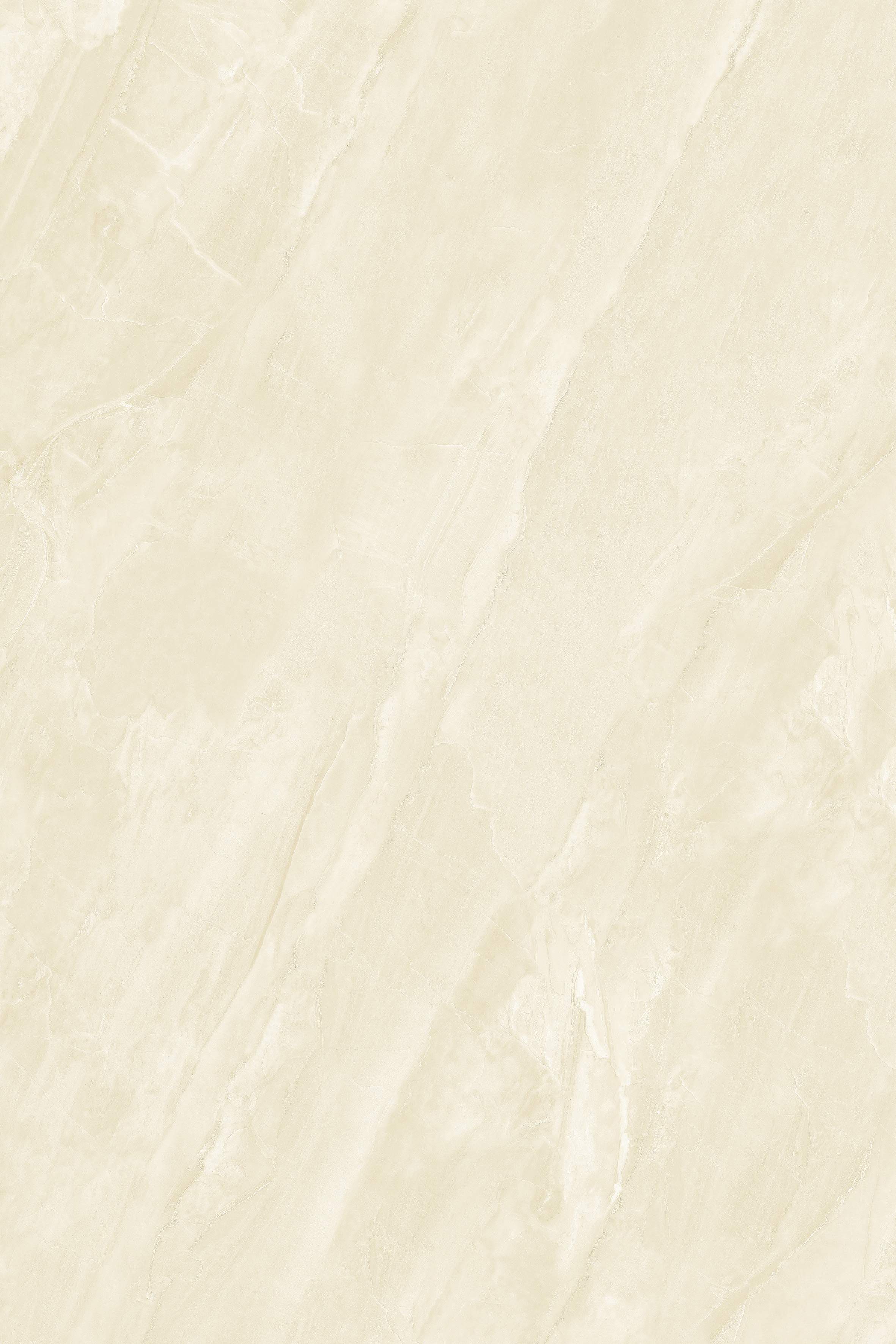
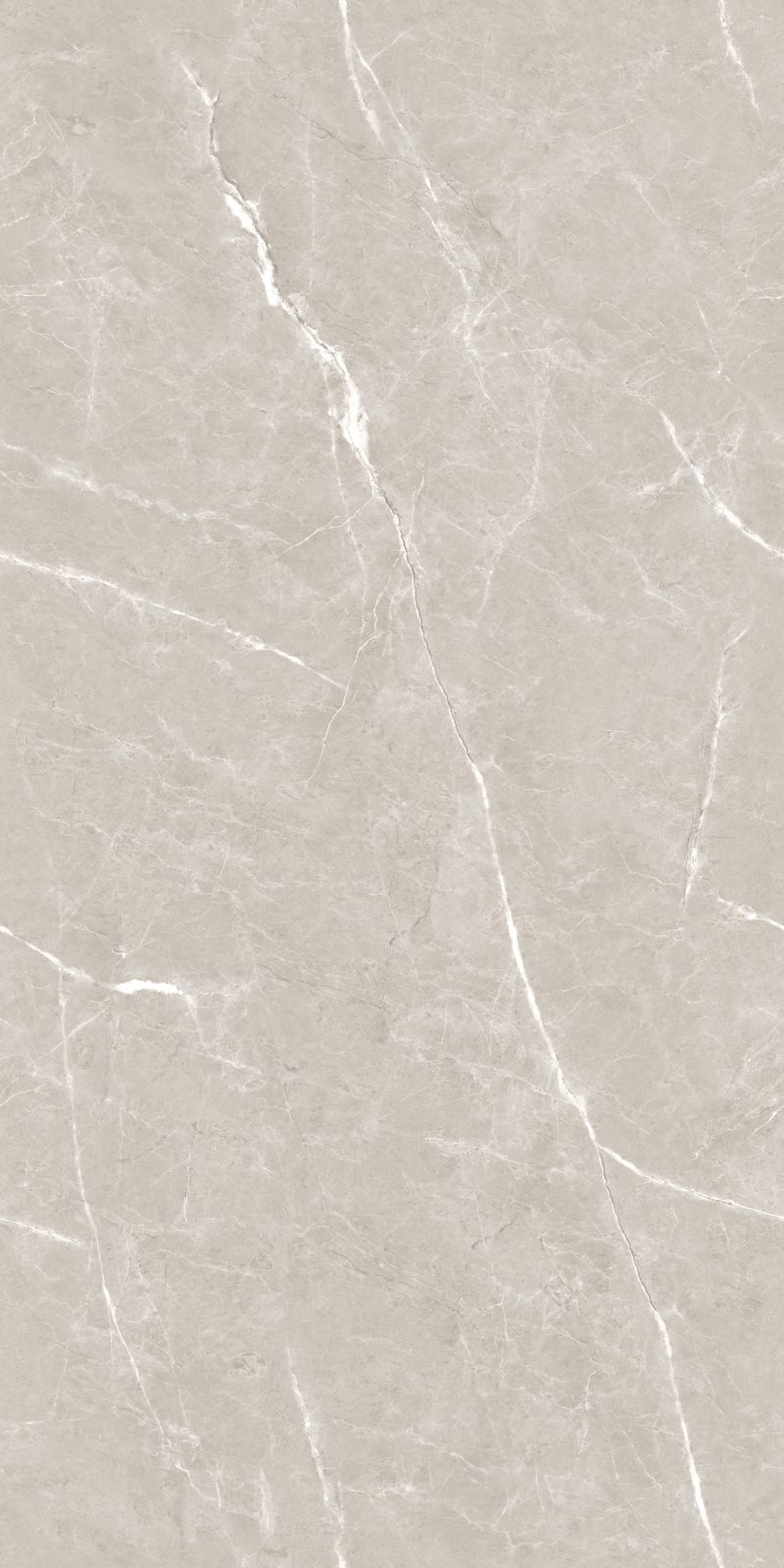
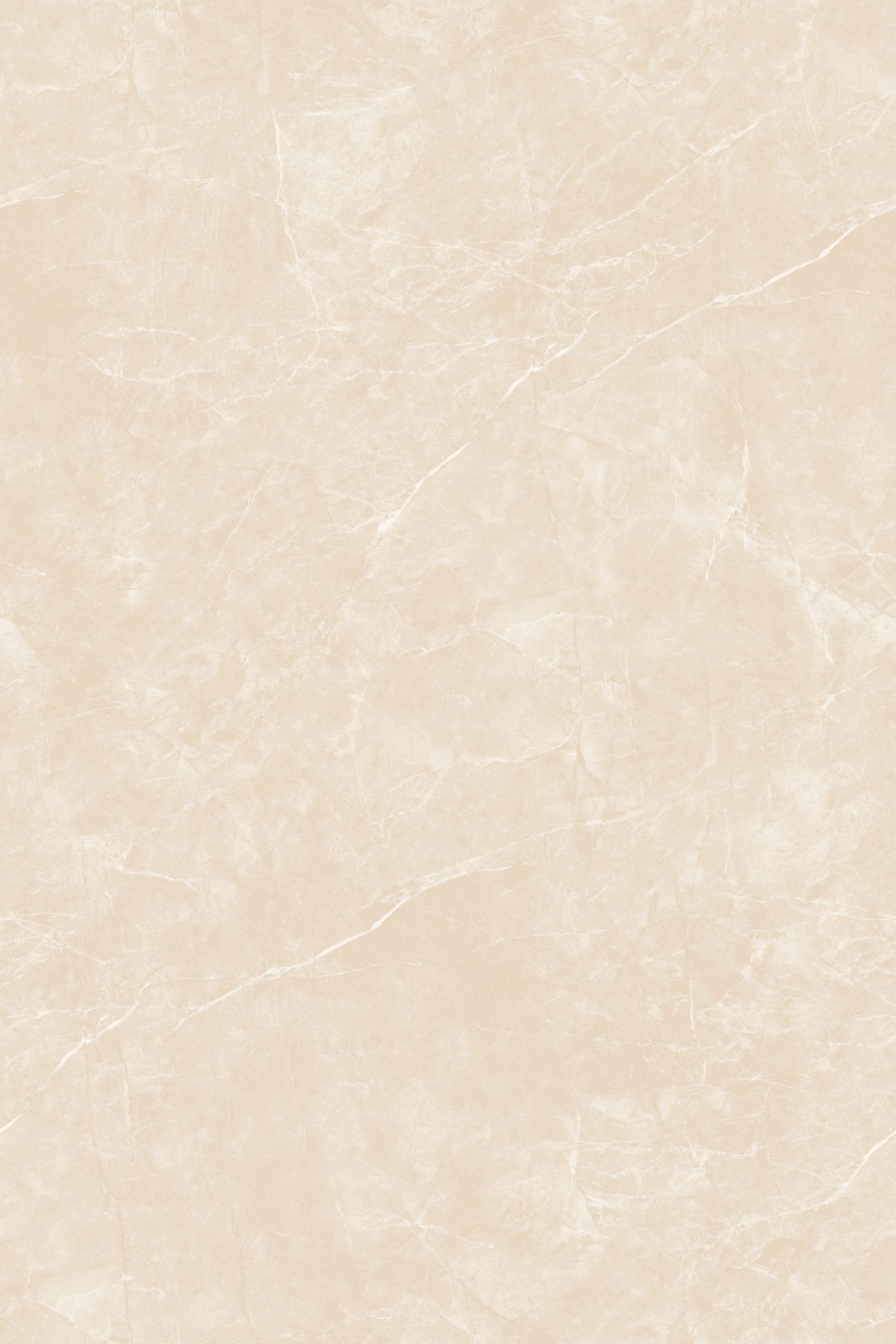
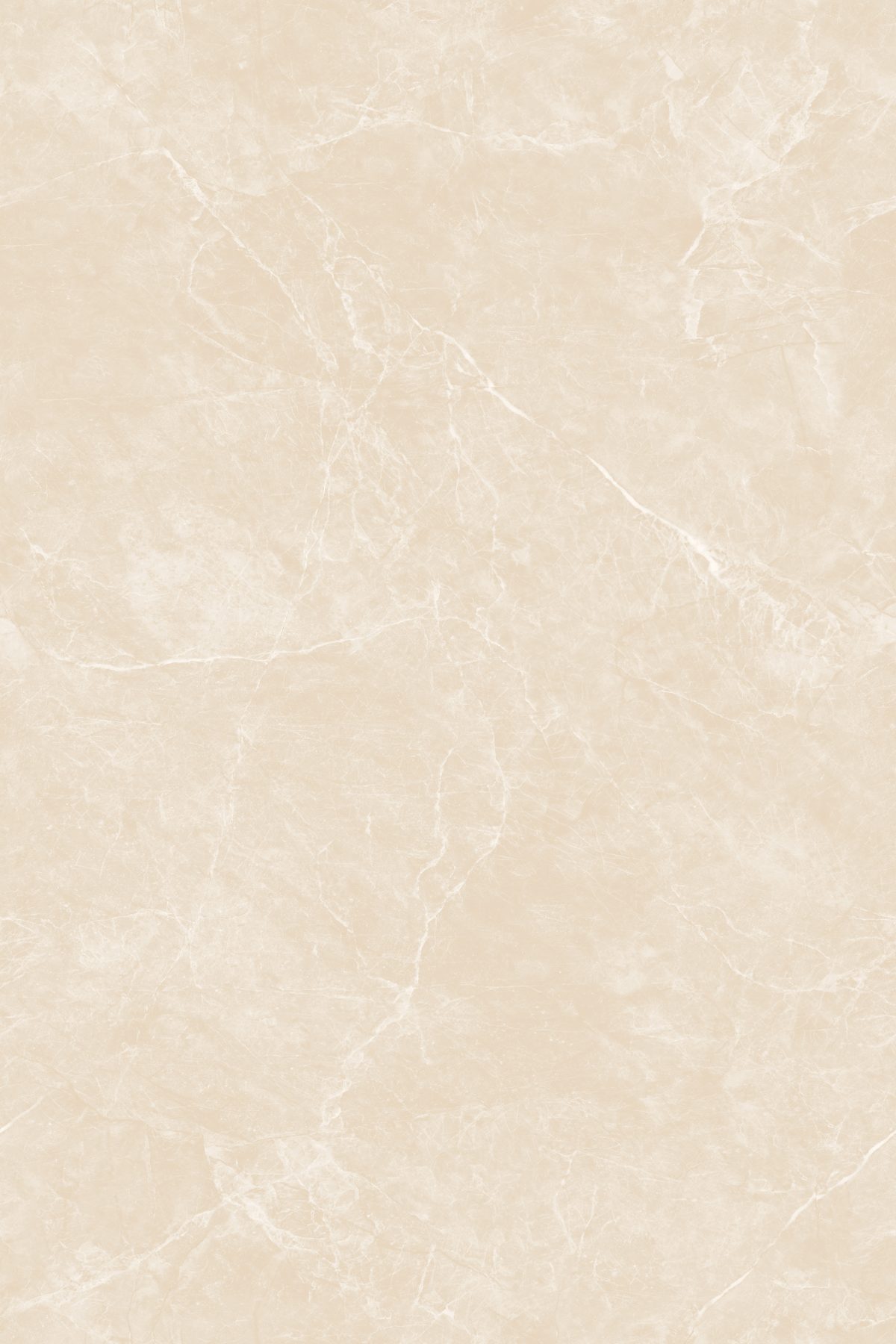
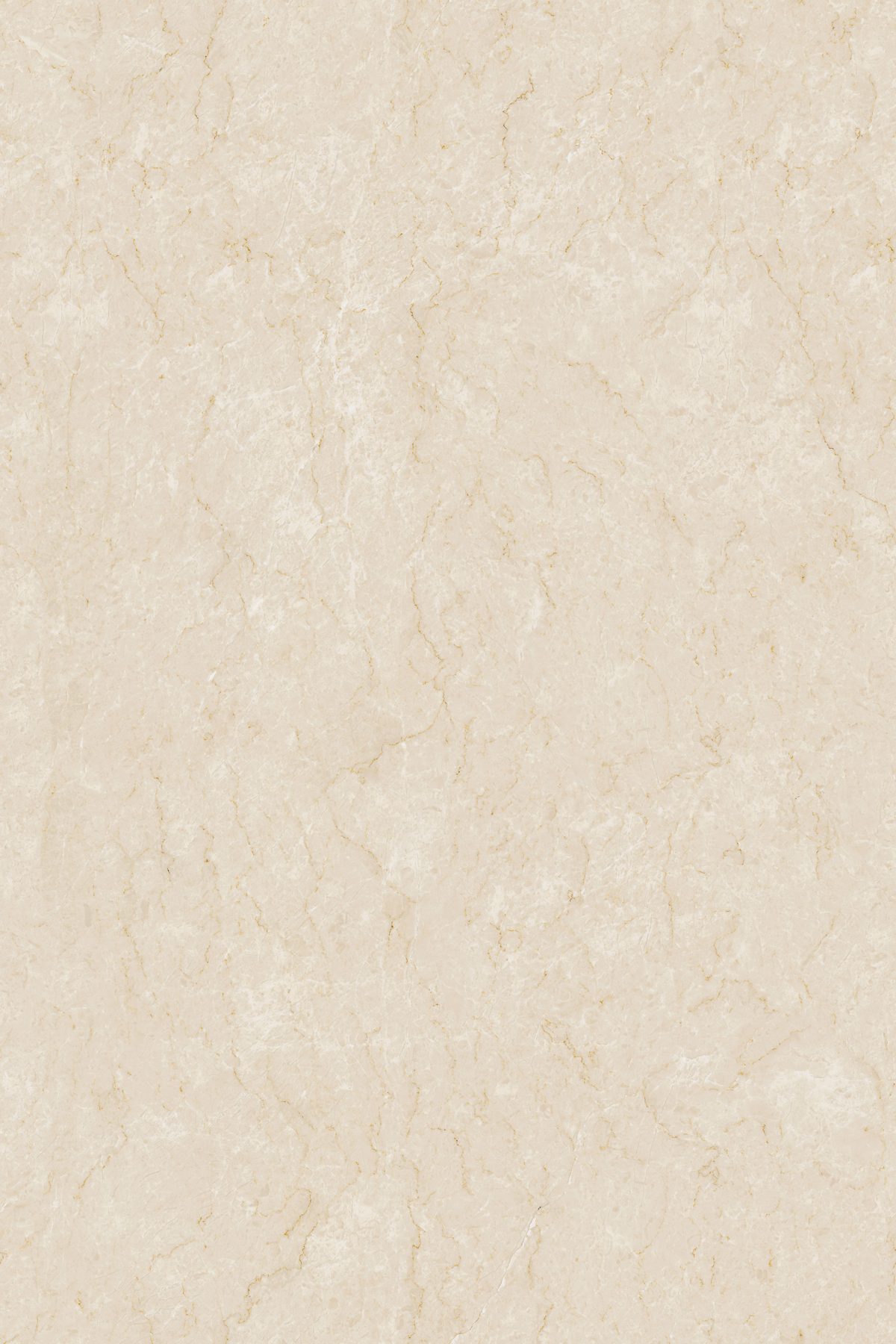
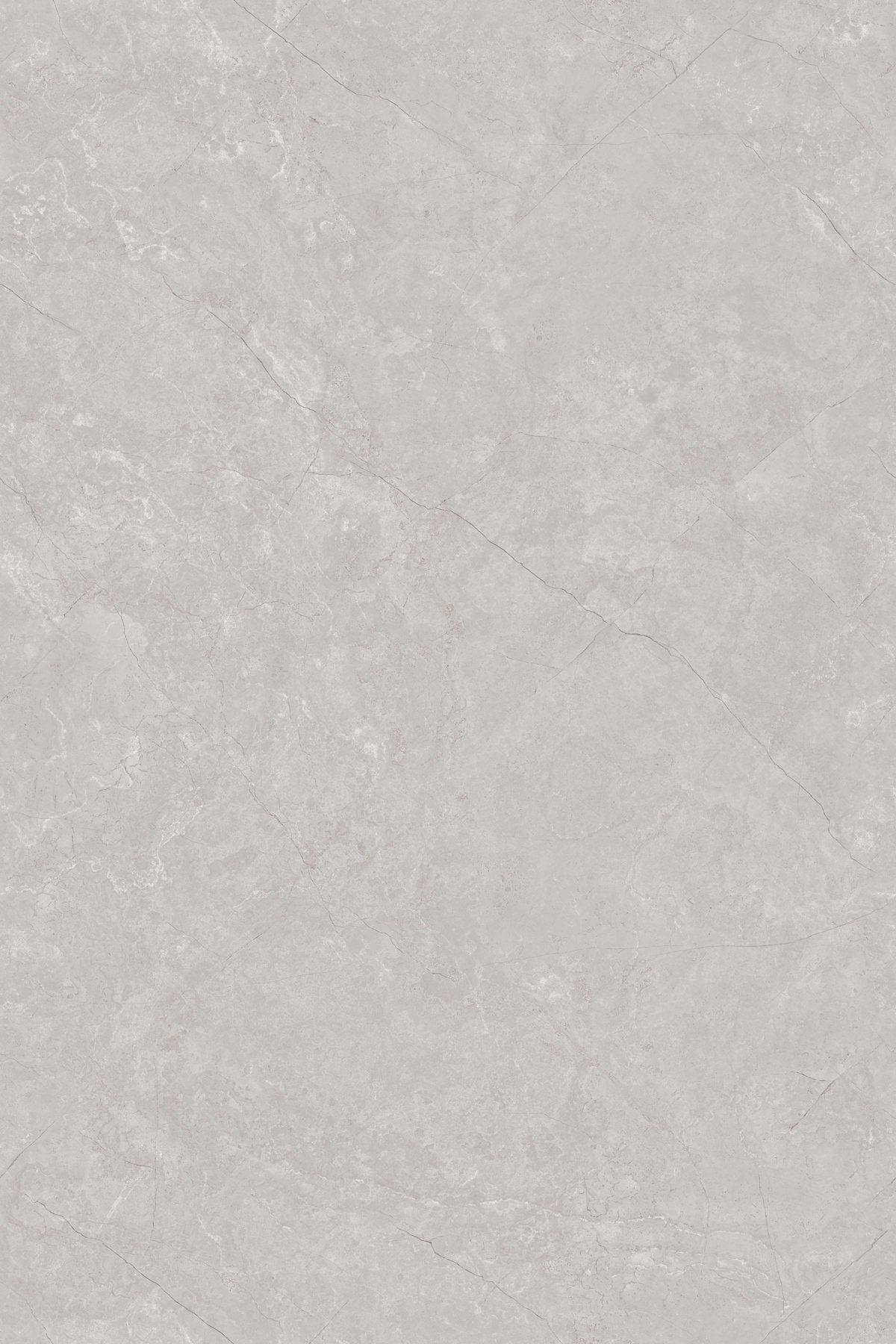
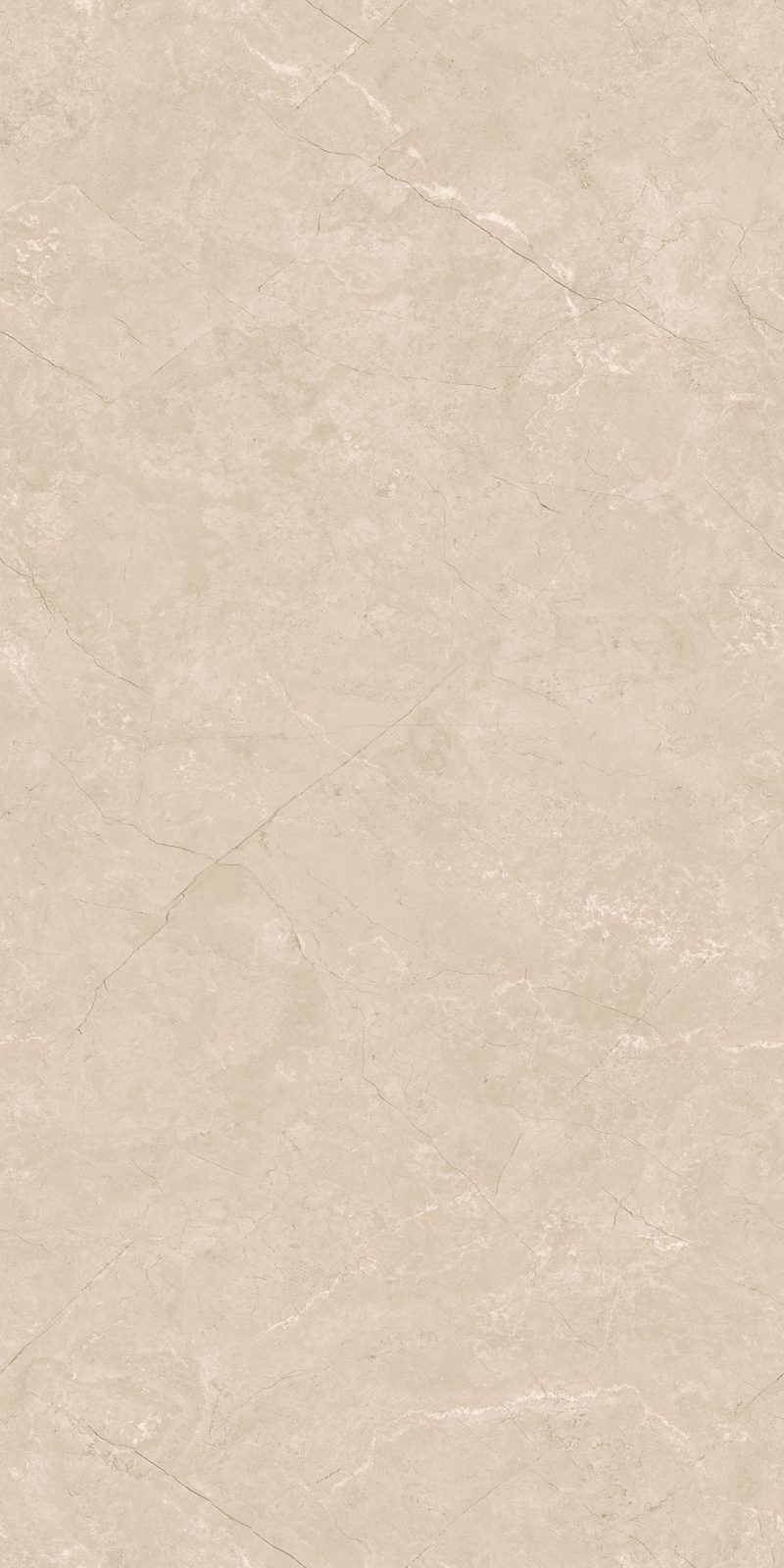
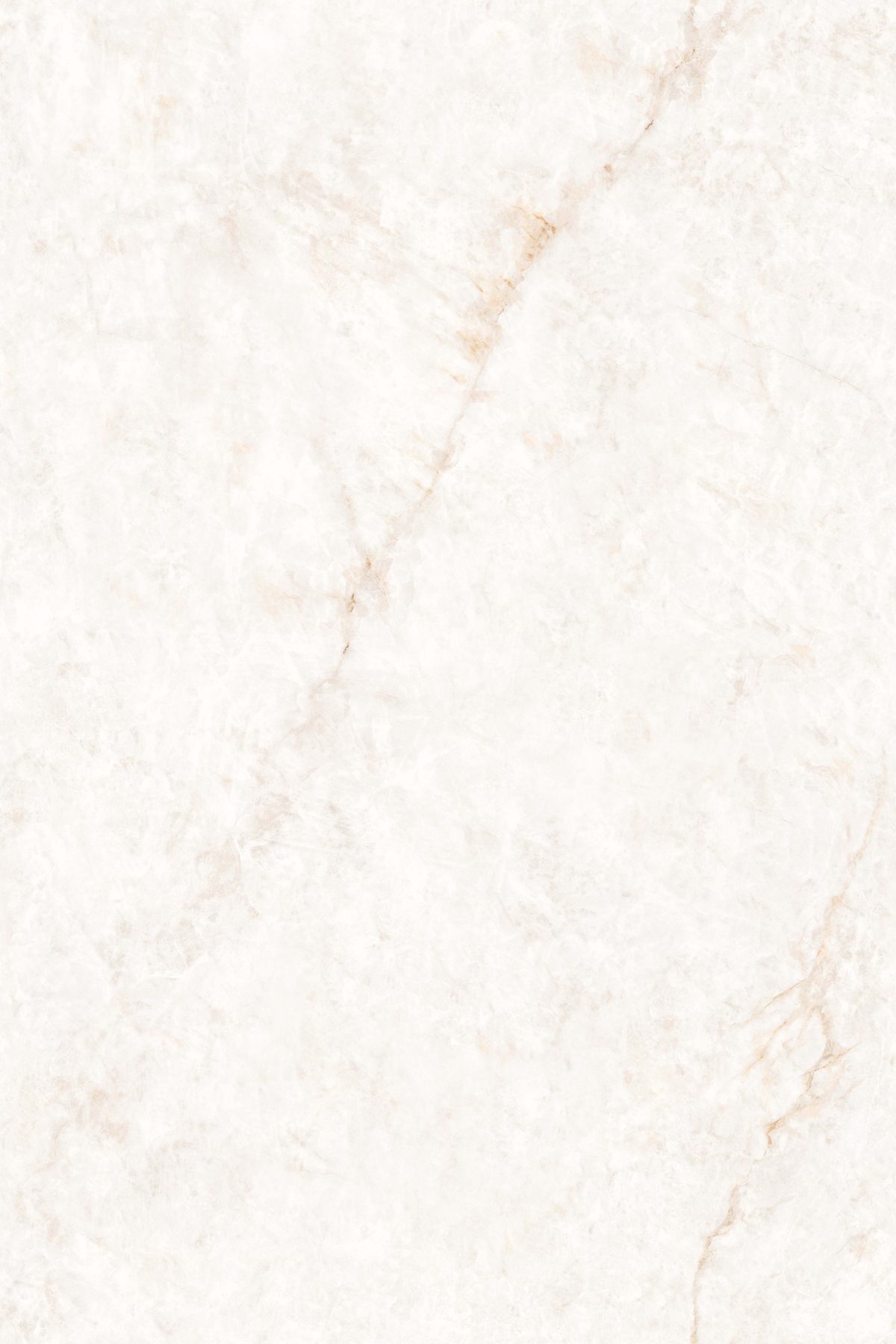
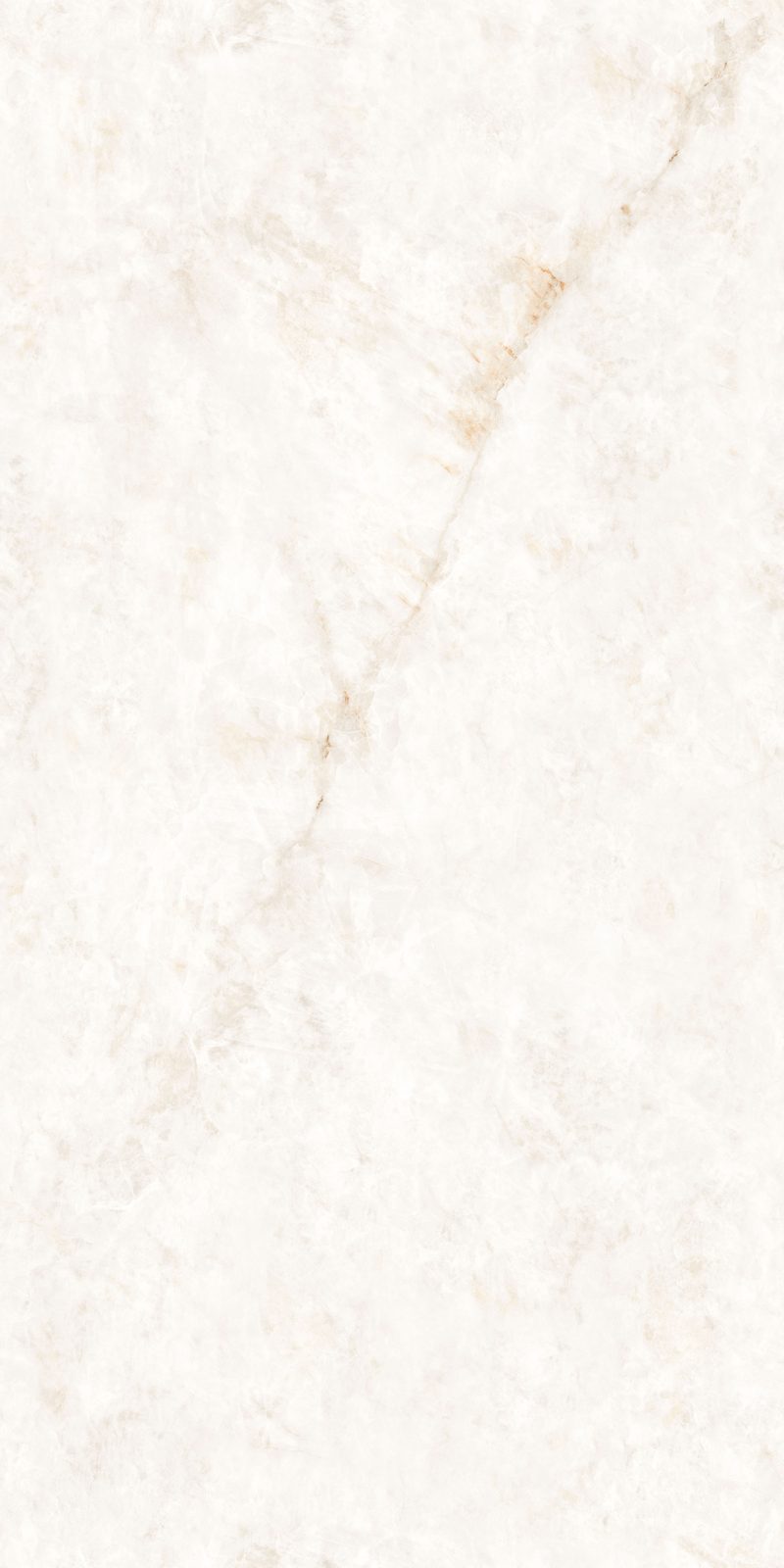
600x600 mm tiles, known in the trade as 2x2 ft tiles, are the square format that most Indian homes grew up with, and they remain the easiest size to carry, cut and replace. At Rollence, 600x600 mm tiles belong to the porcelain tile range made at the factory in Matel, Wankaner, Morbi, Gujarat, in GVT for floors and walls and in PGVT for walls.
A 600x600 mm tile covers 0.36 m² (3.9 sq.ft), so a room needs many pieces and every cut stays small. Rollence makes eight finishes and six collections, and the design list on the site can be filtered by size to show what is made in 600x600 mm. Every 600x600 mm tile absorbs 0.5% water or less.
In the Morbi market, 600x600 mm GVT tiles sell at about Rs. 60 to Rs. 140 per sq.ft and PGVT at Rs. 70 to Rs. 180 per sq.ft, which works out to Rs. 230 to Rs. 540 for one GVT tile. These are market reference ranges and not a Rollence quote. Tile 2x2 is the name dealers across India still use, because the size began as a 24x24 inch tile.
The 600x600 mm tile is the right size when the room is small and cutting waste matters. In a bedroom, passage or kitchen of up to about 15 m², every cut piece stays small, little tile is thrown away, and one person can carry a single tile up a staircase without a lift. Those three points explain why the 2x2 ft format is still so common in Indian flats.
Planning is simple. A 12 m² bedroom needs 34 tiles before wastage and 37 with 10% added, and a tile calculator does the same sum for any room once you enter its length and width. Smaller tiles also forgive an uneven wall line, since a crooked corner costs a sliver of one tile and not a strip of a long piece.
Repair is the other advantage. A cracked 600x600 mm tile in a kitchen is a Rs. 230 to Rs. 540 problem at GVT market rates, because only that one piece is lifted and replaced. Keep two spare boxes from the same batch, since shade and size vary slightly between production lots.
Step up to 600x1200 mm tiles and the same 100 m² floor drops from 278 tiles to 139, while the grout run falls from about 333 m to 250 m. That is a visible gain in a hall or living room. In a small room the gain disappears, because a 1200 mm piece cut for a 2.4 m wall leaves an awkward remainder and wastage climbs.
| Size (mm) | Alias (ft) | Tiles per 100 m² | Grout run per 100 m² | Typical use |
|---|---|---|---|---|
| 600x600 This size | 2x2 | 278 | About 333 m | Small rooms, balconies |
| 600x1200 | 2x4 | 139 | About 250 m | Living rooms, bedrooms |
| 800x800 | 2.6x2.6 | 157 | About 250 m | Open living and dining |
| 800x1600 | 2.6x5.2 | 79 | About 188 m | Large living areas, walls |
| 1200x1200 | 4x4 | 70 | About 167 m | Lobbies, showrooms |
As a working rule, keep 600x600 mm tiles for rooms under about 15 m², move to 600x1200 mm or 800x800 mm for living areas, and use 800x1600 mm and above only where the room is wide enough to take at least four whole tiles across.
Rollence makes 600x600 mm tiles in two categories, GVT and PGVT. GVT carries a digital print under a hard glaze, goes on floors and walls, and is the category for kitchens, bedrooms, balconies and passages. PGVT has a polished surface and is made for walls only.
| Category | Surface | Where it goes | Water absorption |
|---|---|---|---|
| GVT | Digital print under a hard glaze | Floors and walls | 0.5% or less |
| PGVT | Polished glaze surface | Walls only | 0.5% or less |
PGVT should not be used on floors, wet or dry, because the polished surface turns slippery when wet and shows scuffs under foot traffic.
Both categories are made to the BIa limit, so buyers comparing porcelain vs vitrified tiles in this size should start with the water absorption figure. Ordinary vitrified tile absorbs 3% to 6%, which means it takes on more moisture through the monsoon than a BIa body.
Rollence lists eight finishes. For most rooms the choice comes down to four, and the table shows where each belongs for a 2x2 ft tile.
| Finish | Best placed | Keep away from |
|---|---|---|
| DG Matt | Bedrooms, kitchens, living rooms | Wet or outdoor floors unless rated R10 or R11 |
| Glossy | Dry halls and wall cladding | Bathroom floors, balconies |
| High Gloss | Dry feature areas and walls | Bathroom floors, kitchens, balconies |
| GHR + Punch | Bathroom floors, balconies | Rooms that need a smooth, wipe-clean surface |
A bedroom or kitchen in matt finish tiles hides dust and water marks better than a gloss floor, and a matt 2x2 ft grid stays quiet behind furniture.
Glossy and High Gloss finishes should not be used on bathroom, balcony or other wet floors because they turn slippery when wet.
On bathroom floors use a matt or textured 600x600 mm tile with a DIN 51130 rating of R10 or R11, and fill the joints with epoxy grout. Cement grout absorbs water through the monsoon and stains, while epoxy grout does not.
Bedrooms suit a matt 2x2 ft tile because it feels the same underfoot in every season. Kitchens need oil and spill resistance: a glazed GVT floor wipes clean, and the many joints are the weak point, so epoxy grout matters more here than in a bedroom.
Small bathrooms are where 600x600 mm tiles earn their place. A compact tile follows the slope toward a floor drain better than a long tile, which would lift at one end. Balconies and passages use the same logic: a textured GVT tile with epoxy grout copes with Gujarat's heavy rain.
Daily tile care and cleaning is the same in every room: a neutral cleaner and a soft mop. Avoid acid cleaners, which dull the glaze and eat into the grout.
Standard cement-based tile adhesive works for 600x600 mm tiles on a flat screed. Press each tile into a full bed of adhesive, tap it level, and listen for hollow sounds before the adhesive sets, because a hollow tile cracks under a heavy foot. Use spacers for even joints and keep a movement joint at each doorway.
Order 10% extra for a straight layout and about 15% for diagonal laying. Pieces per box change with the design, so the packing details decide how many boxes a room needs.
Cut 600x600 mm tiles with a hand cutter for straight lines and a wet saw for L-shaped cuts around door frames. Wipe grout haze within a day, and let epoxy grout cure fully before the first mopping.
Fix the tile before you fix the quantity, because a 2x2 ft tile in matt and the same tile in gloss look very different on a real floor. Rollence Granito delivers free samples to your door, so hold a 600x600 mm piece against your own wall colour and daylight before you order. Quotations are prepared against the size, finish, collection, quantity and destination city, so send those five details through the enquiry form.
A 600x600 mm GVT tile (2x2 ft) in the Morbi market costs about Rs. 60 to Rs. 140 per sq.ft, which is roughly Rs. 230 to Rs. 540 per tile, and 278 tiles cover 100 m². The body absorbs 0.5% water or less. PGVT in the same size runs Rs. 70 to Rs. 180 per sq.ft for walls, or about Rs. 270 to Rs. 700 per tile. These are market ranges and not a Rollence quote.
A matt or textured GVT tile in 600x600 mm (2x2 ft) with epoxy grout is the safer floor through Gujarat's monsoon, because the surface grips when wet and the grout stays sealed. Morbi factories fire these tiles to a water absorption of 0.5% or less, the BIa limit that IS 15622 sets for vitrified tiles, and 306 tiles including wastage cover 100 m² at Rs. 60 to Rs. 140 per sq.ft.
A 2x2 ft tile is 600x600 mm, which is 60x60 cm. Exactly 2 ft is 609.6 mm, so the metric tile is slightly smaller. It covers 0.36 m², or about 3.9 sq.ft. Rollence makes this size in GVT for floors and walls and in PGVT for walls.
You need 278 tiles of 600x600 mm for 100 m², and about 306 with 10% wastage. Each tile covers 0.36 m², so 100 divided by 0.36 gives 277.8, rounded up. The grout run on that floor is about 333 m, the longest of any Rollence size.
Yes, a matt or textured 600x600 mm GVT tile suits a small bathroom floor. Its compact size follows the slope to the drain, and it needs fewer awkward cuts than a long tile. Choose an R10 or R11 rating under DIN 51130 and use epoxy grout in the joints.
No, PGVT is a polished wall tile and should not be laid on any floor, wet or dry. Its polished surface turns slippery when wet and shows scuffs under foot traffic. Use GVT for floors and keep PGVT for feature walls and cladding in the same 600x600 mm size.
A 600x600 mm GVT tile costs Rs. 60 to Rs. 140 per sq.ft in the Morbi market. PGVT costs Rs. 70 to Rs. 180 per sq.ft. One GVT tile of 3.9 sq.ft therefore costs about Rs. 230 to Rs. 540. Prices change with design, finish, lot and region, and they are not a Rollence quotation.
A 2x2 tile is better in rooms under about 15 m², and a 2x4 tile is better in larger living areas. The 2x4 format halves the tile count and cuts the grout run from about 333 m to 250 m per 100 m². The 2x2 format wastes less and is easier to replace.
Epoxy grout is best for kitchen floors laid with 600x600 mm tiles. A 2x2 ft grid has many joints, and epoxy grout does not absorb oil, water or cleaner the way cement grout does. It costs more per kg and needs quick, tidy application, but it stays clean through years of cooking.
Product Inquiry
Fill in your details and we'll get back to you