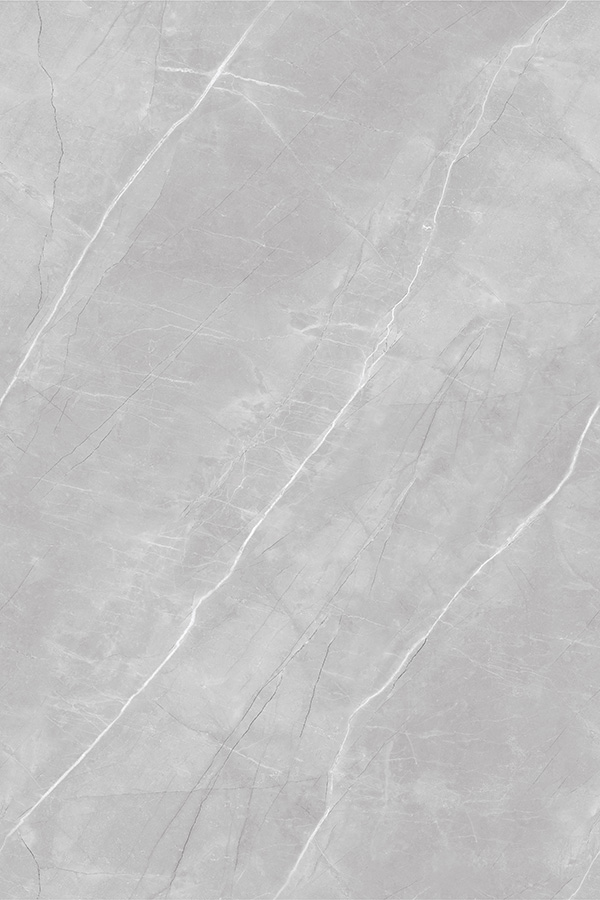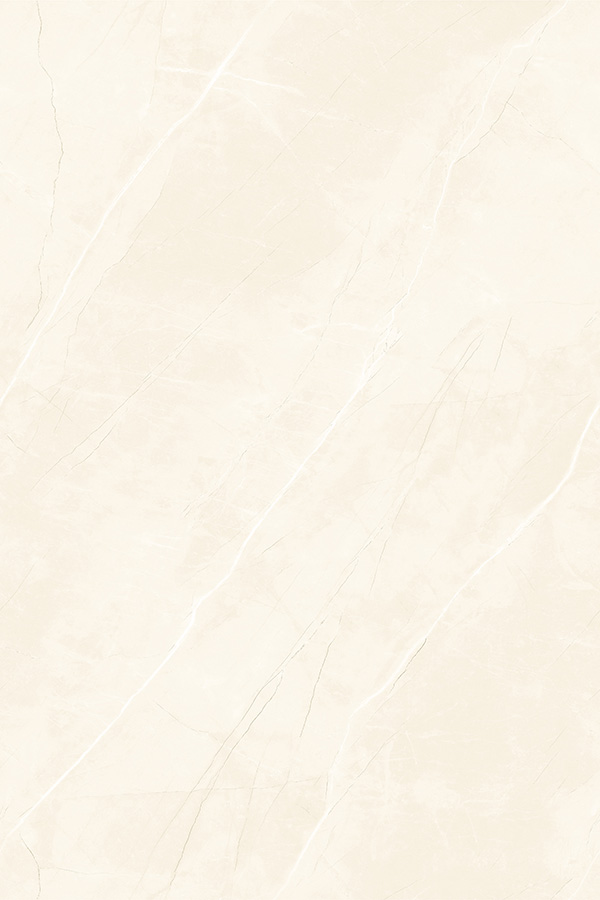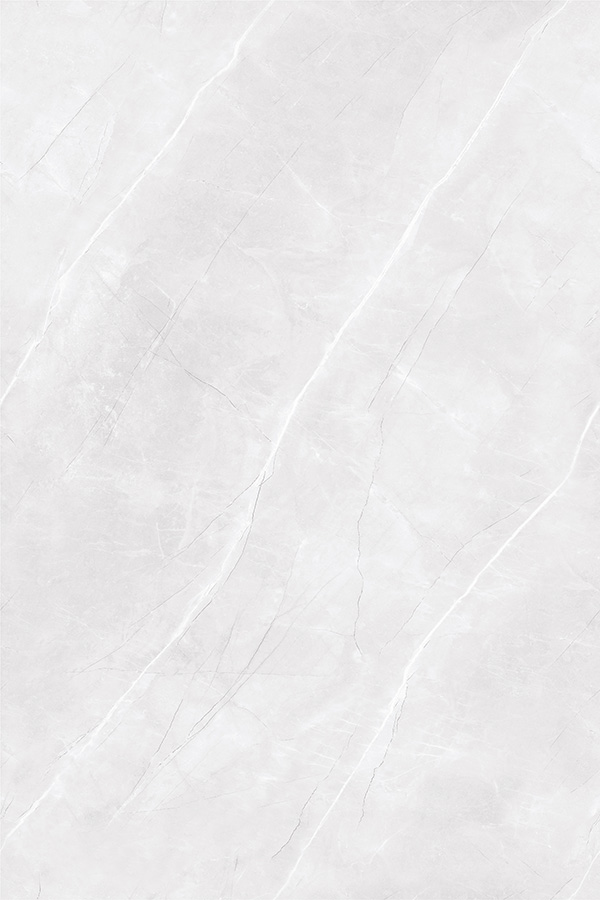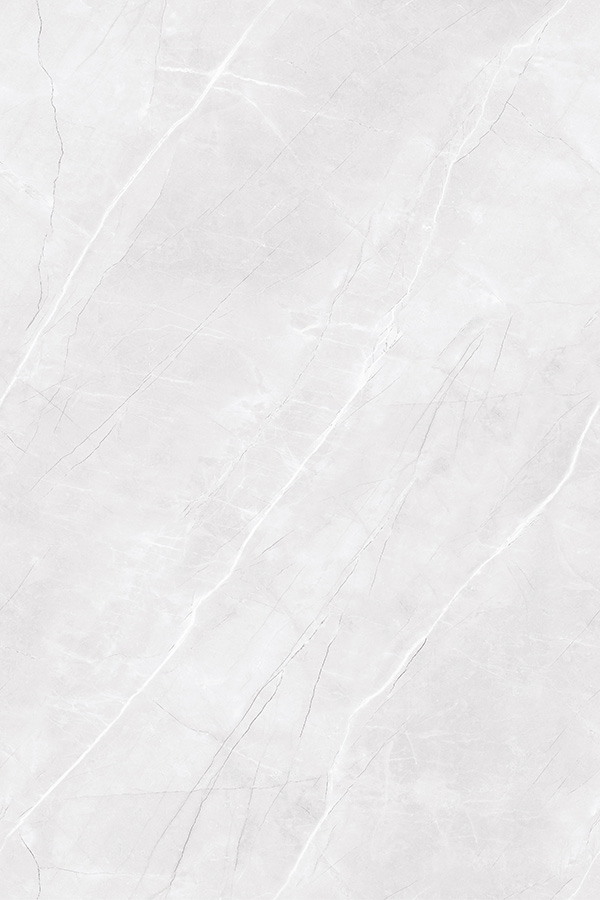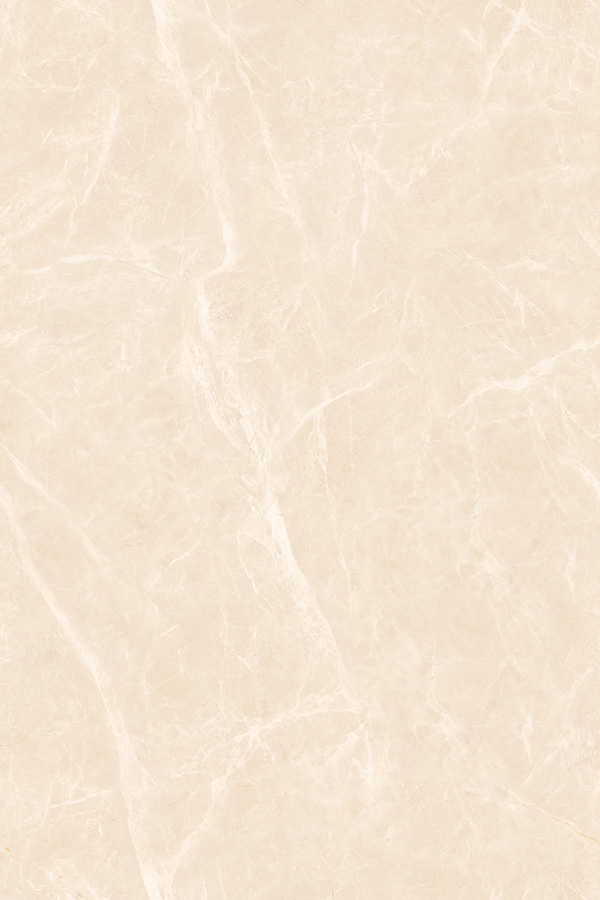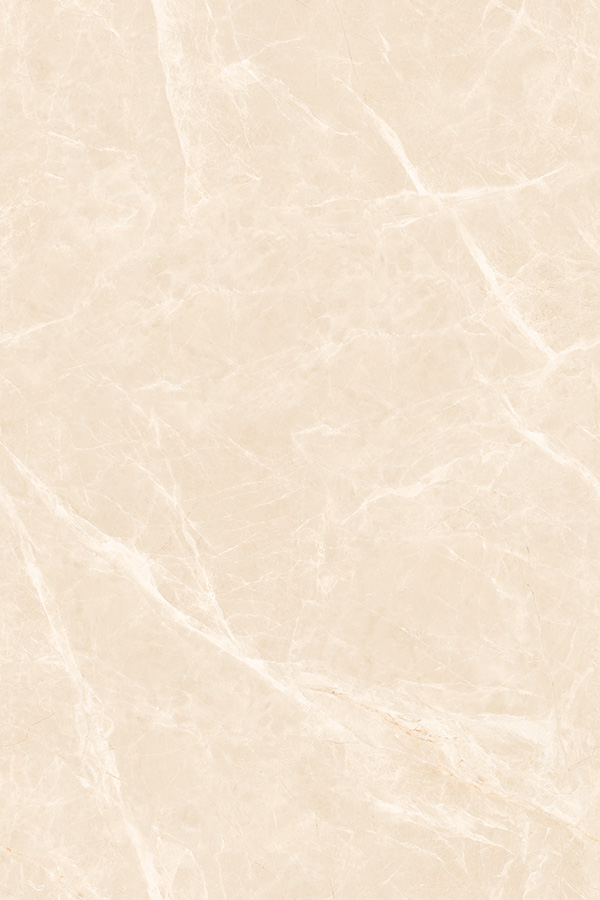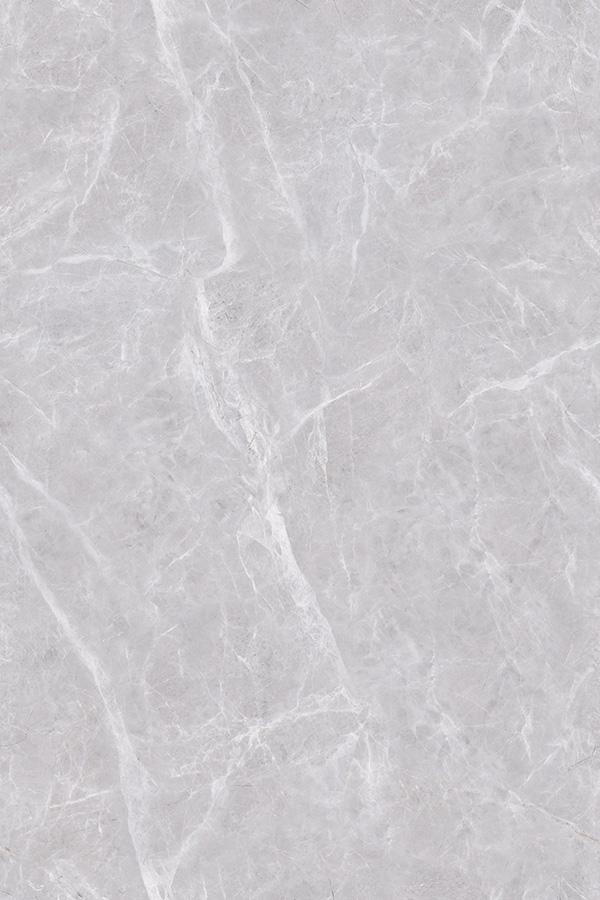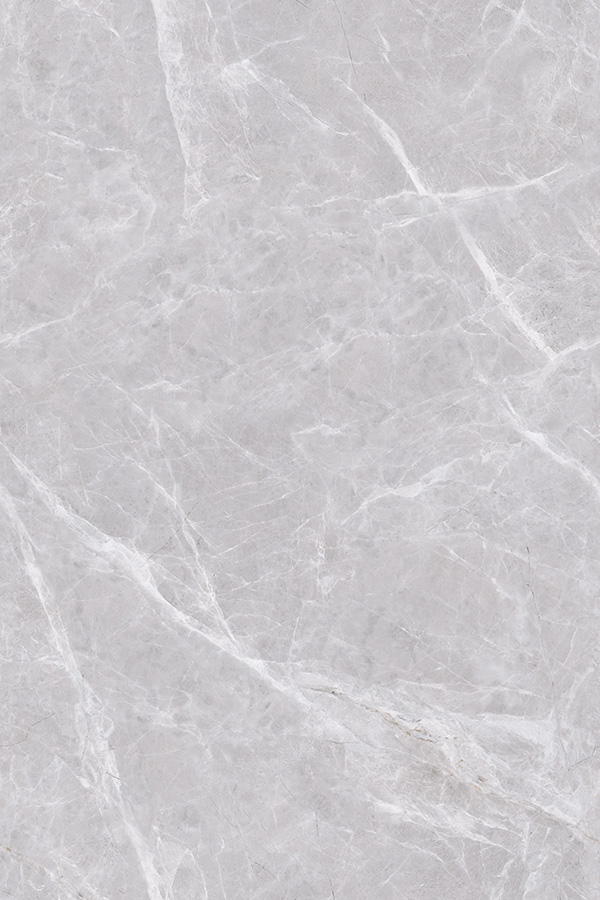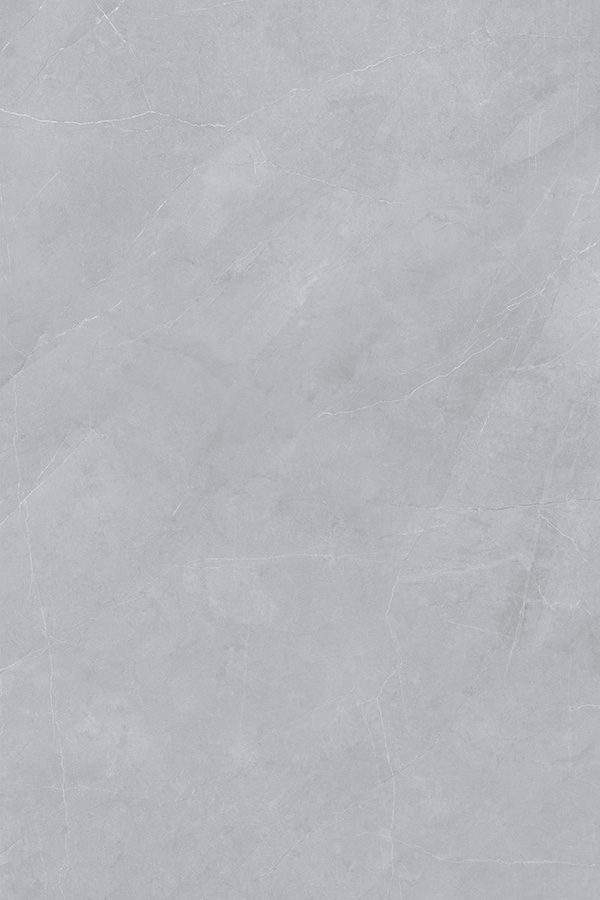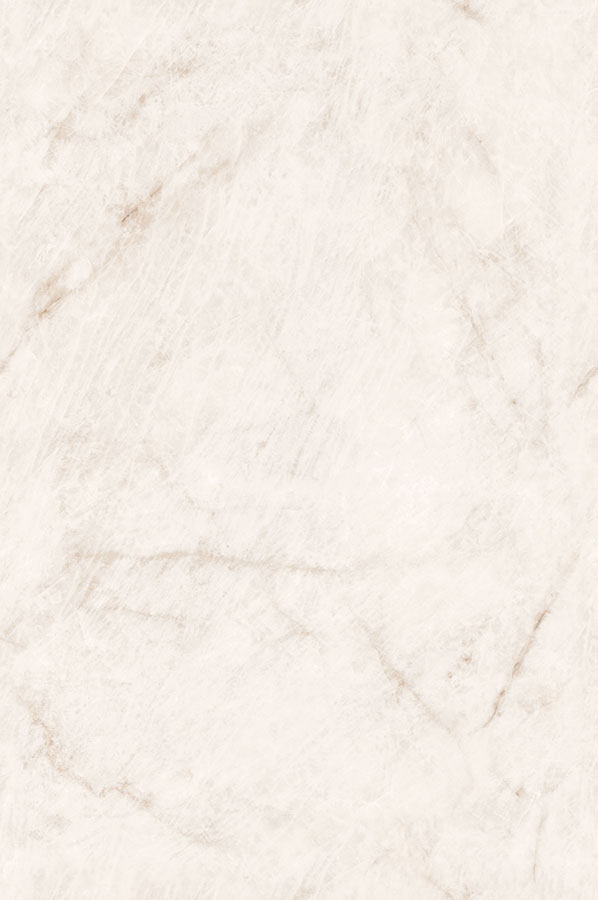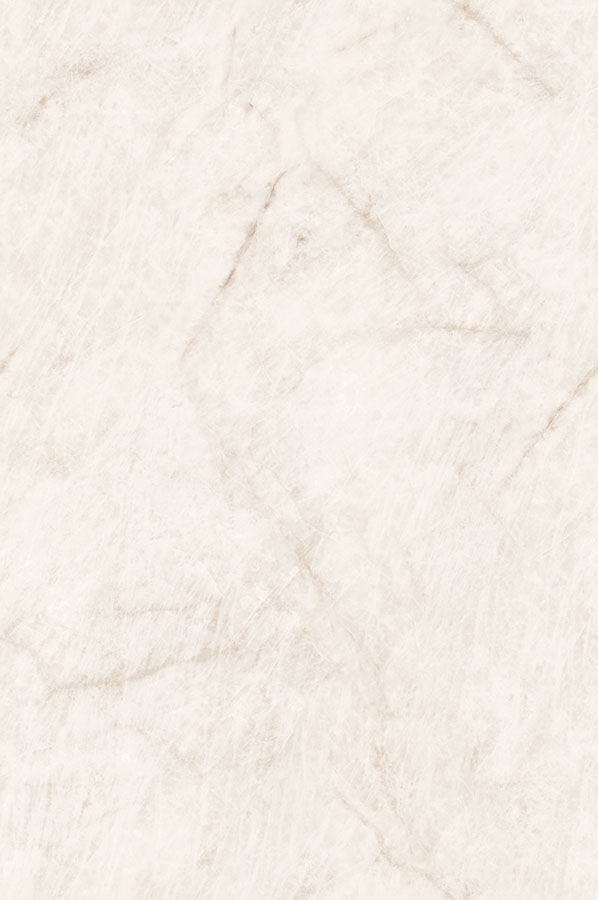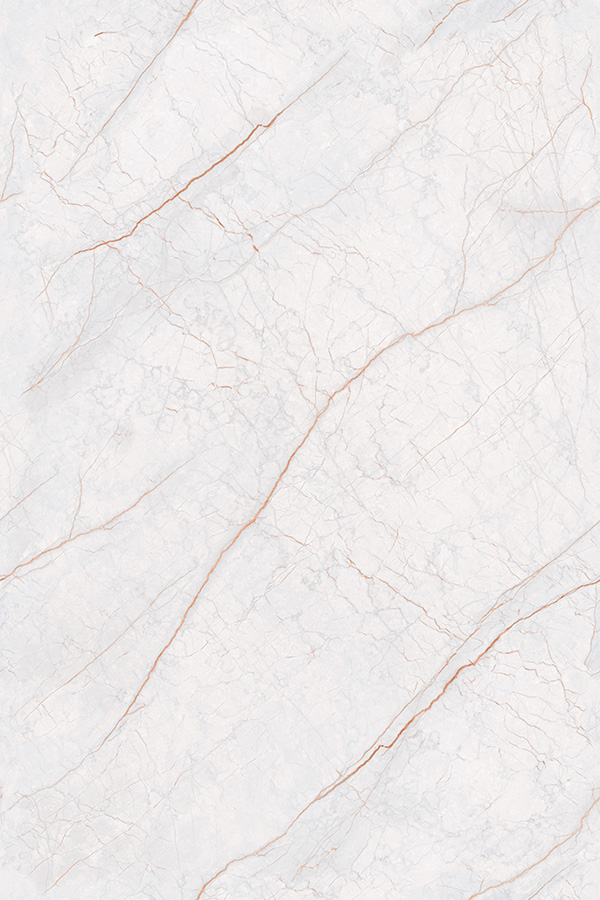
Hi there 👋
Need help? Search our help center for answers or start a conversation:
Help Center
New Conversation
We typically reply in a few minutes
 Customer Support
Select Emoji
Quick Enquiry
We'll get back to you within 24 hours

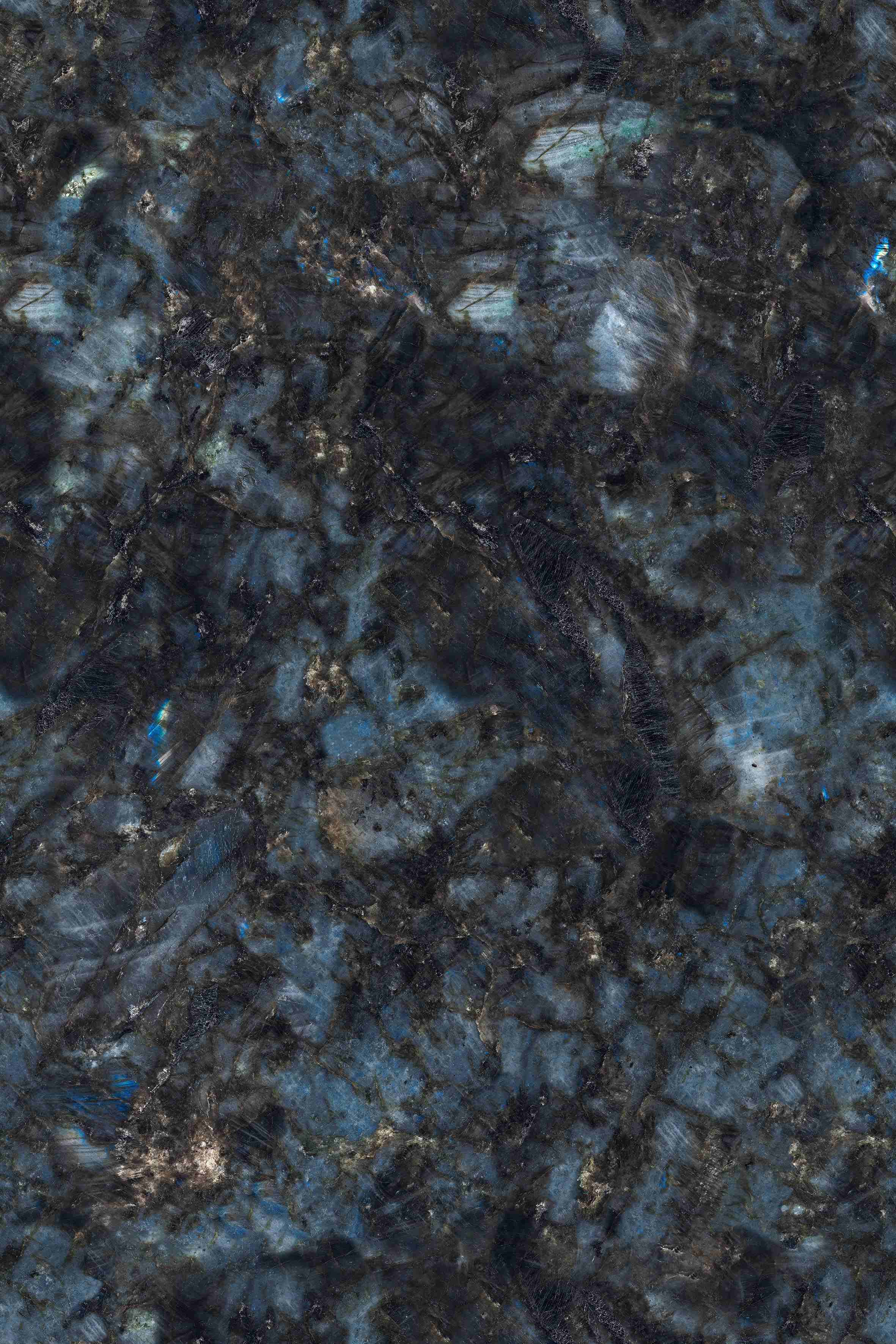
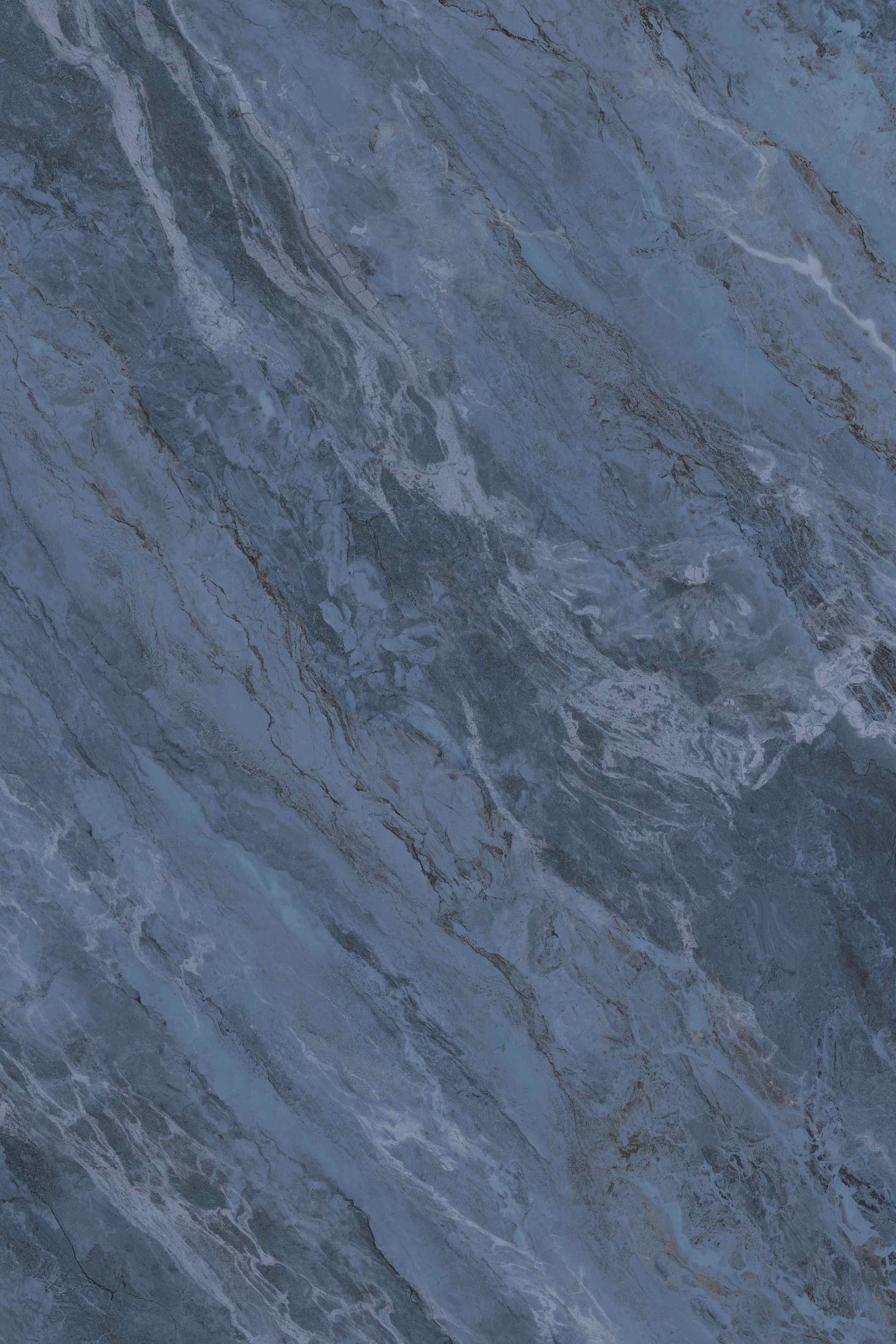
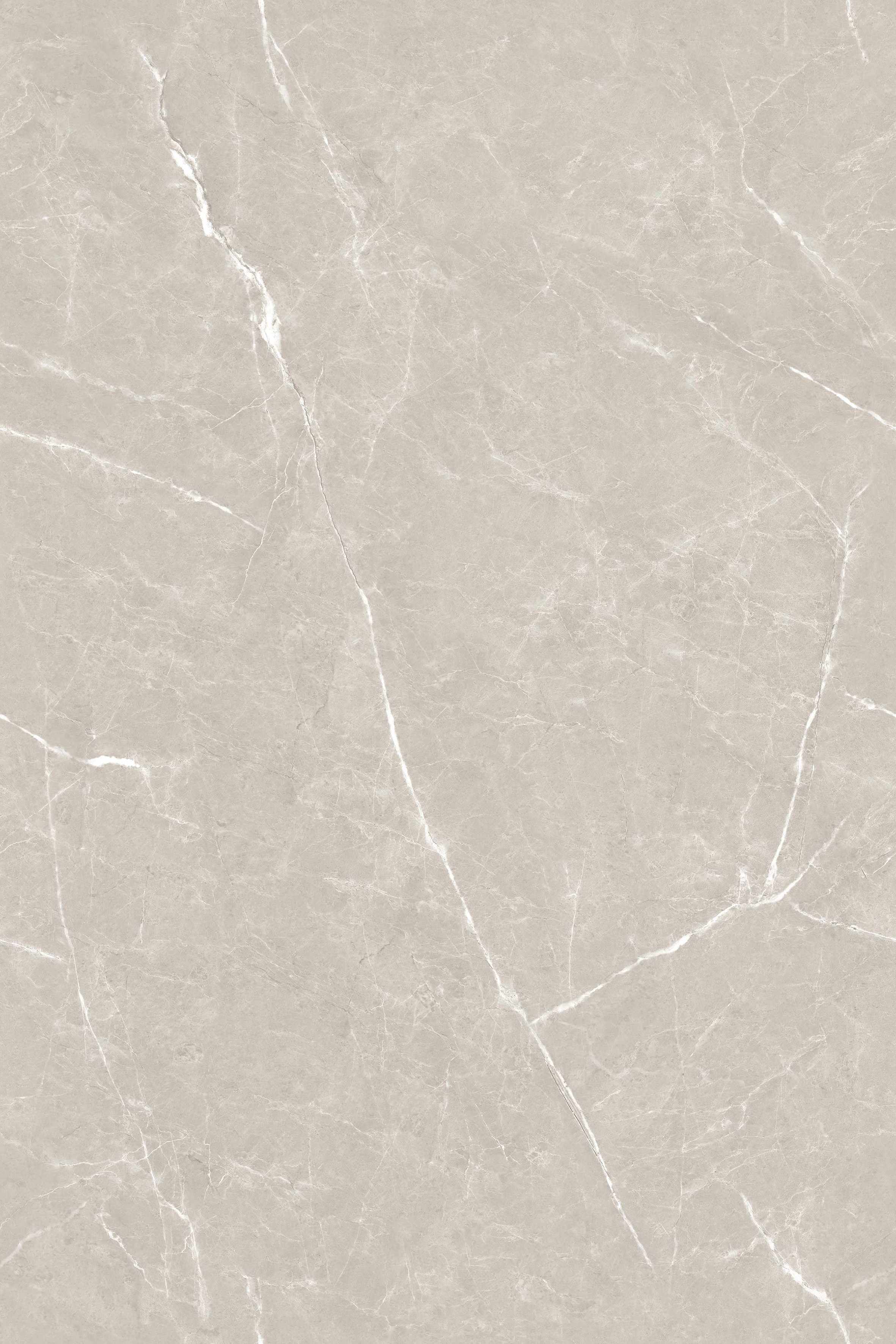
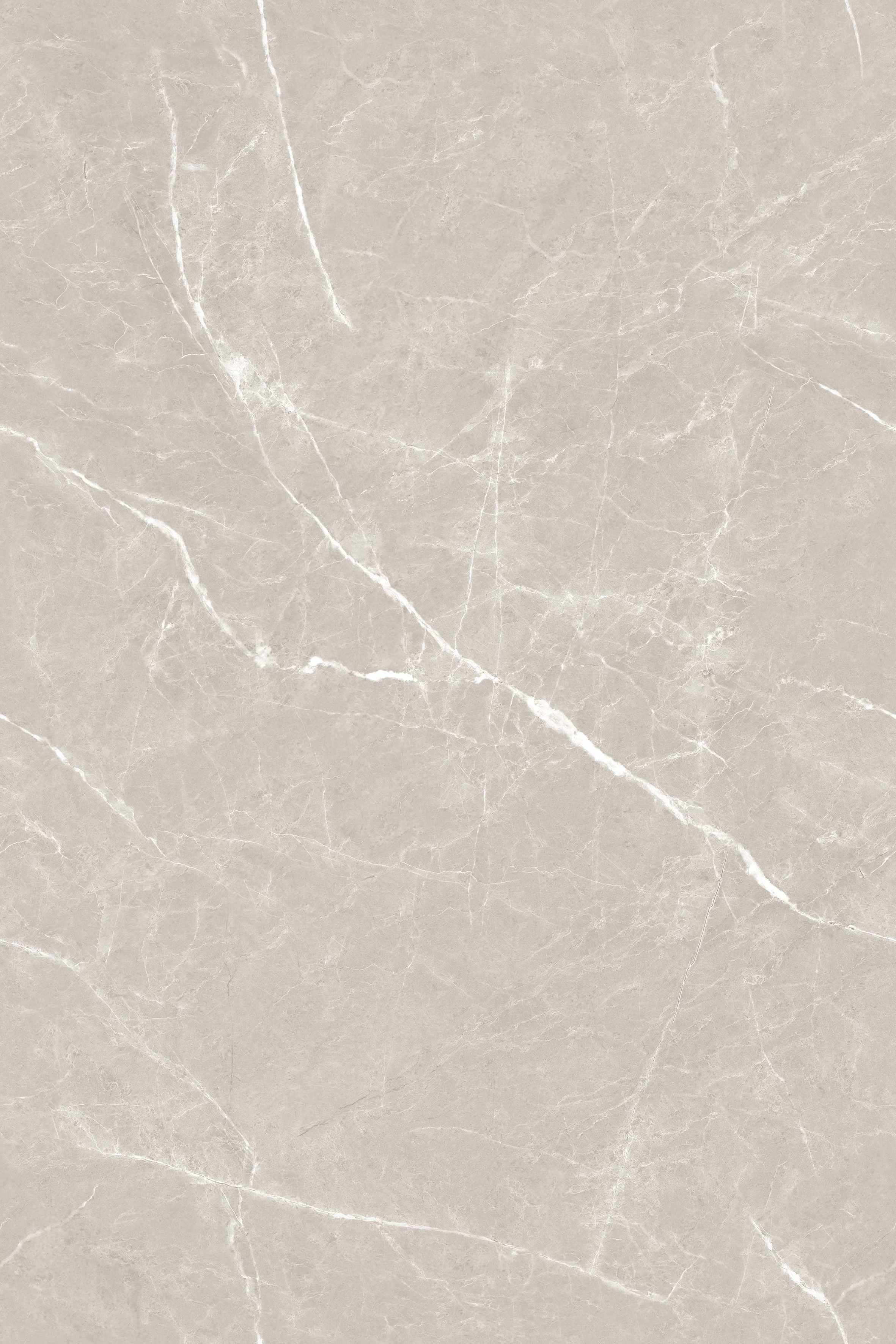
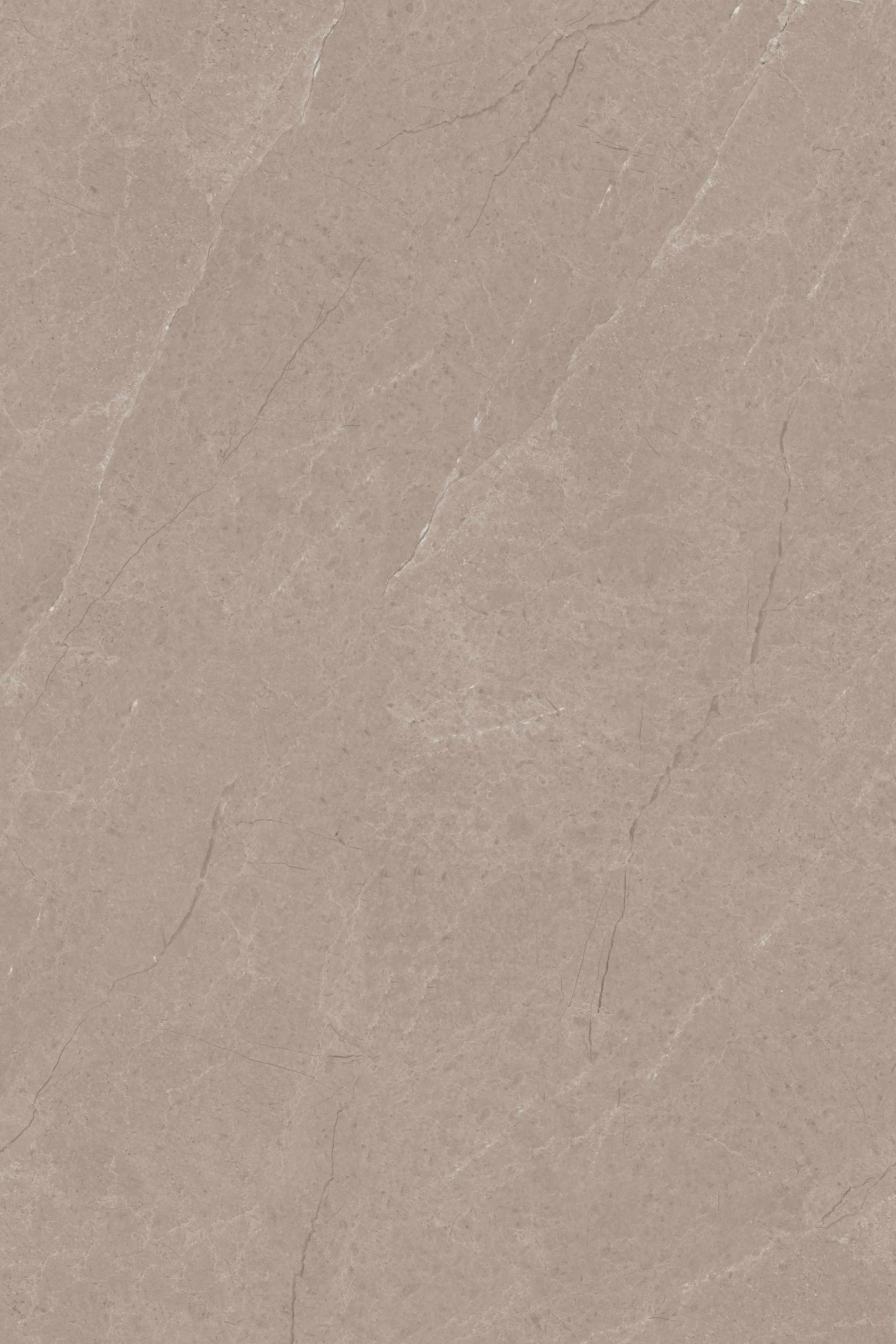
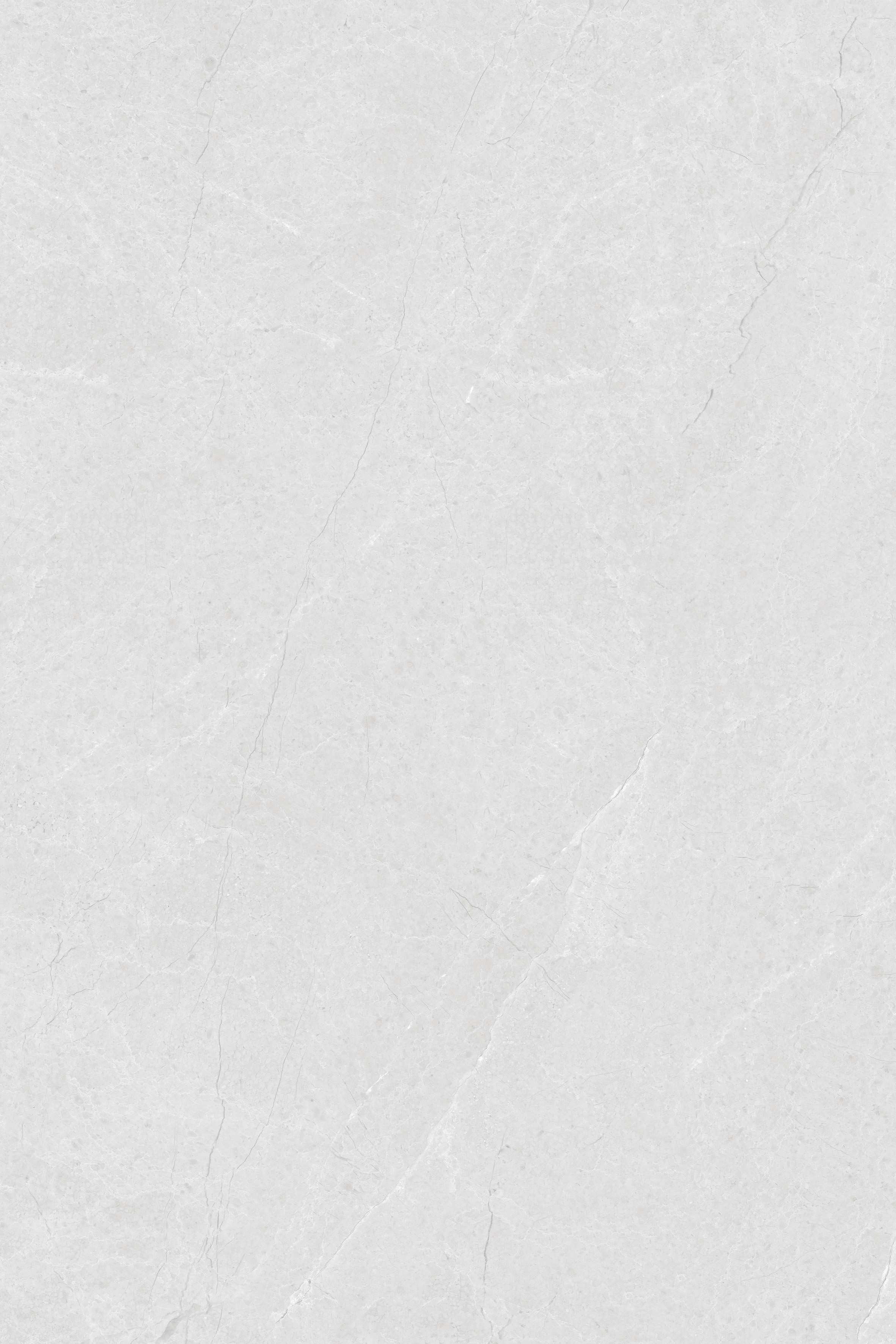
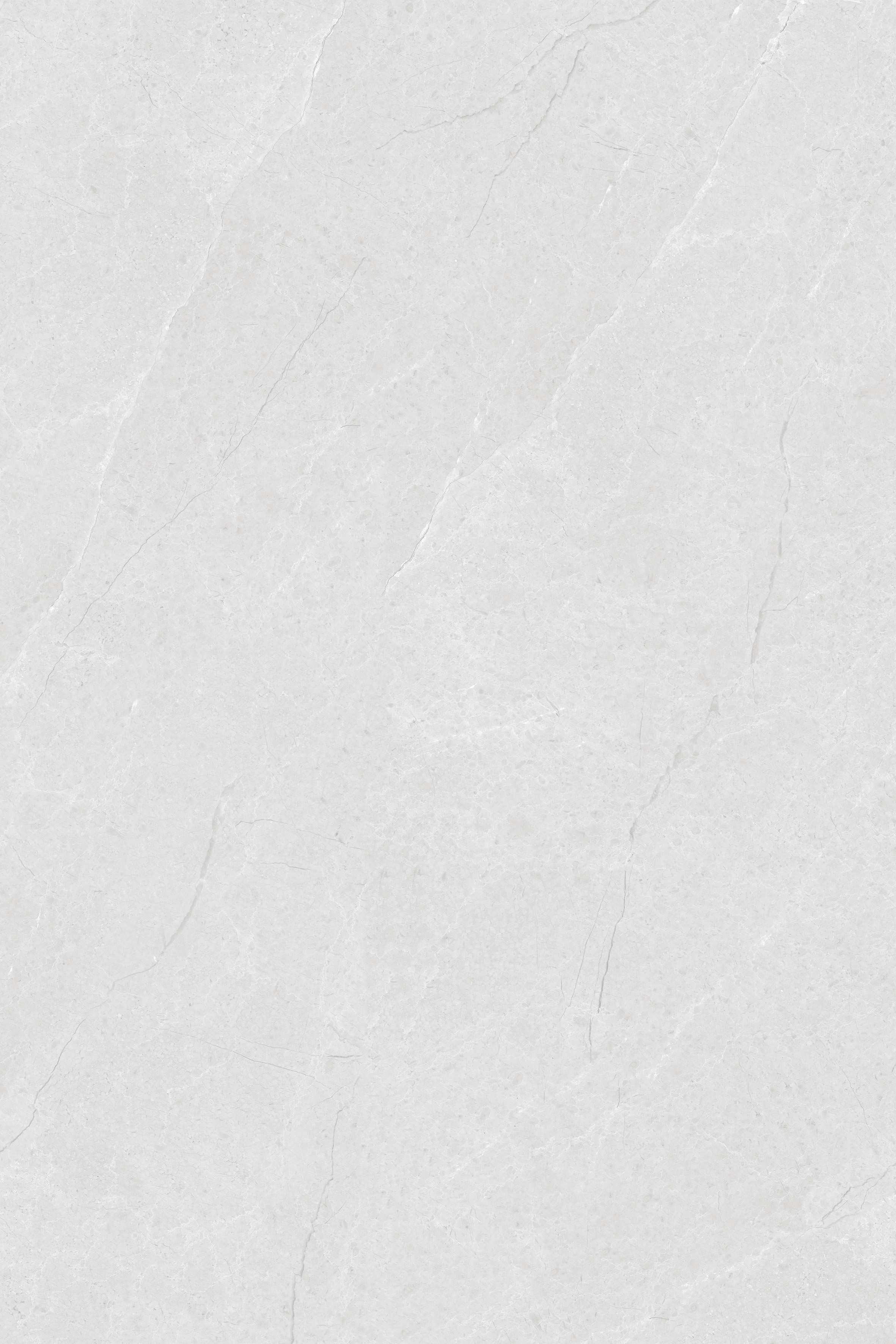
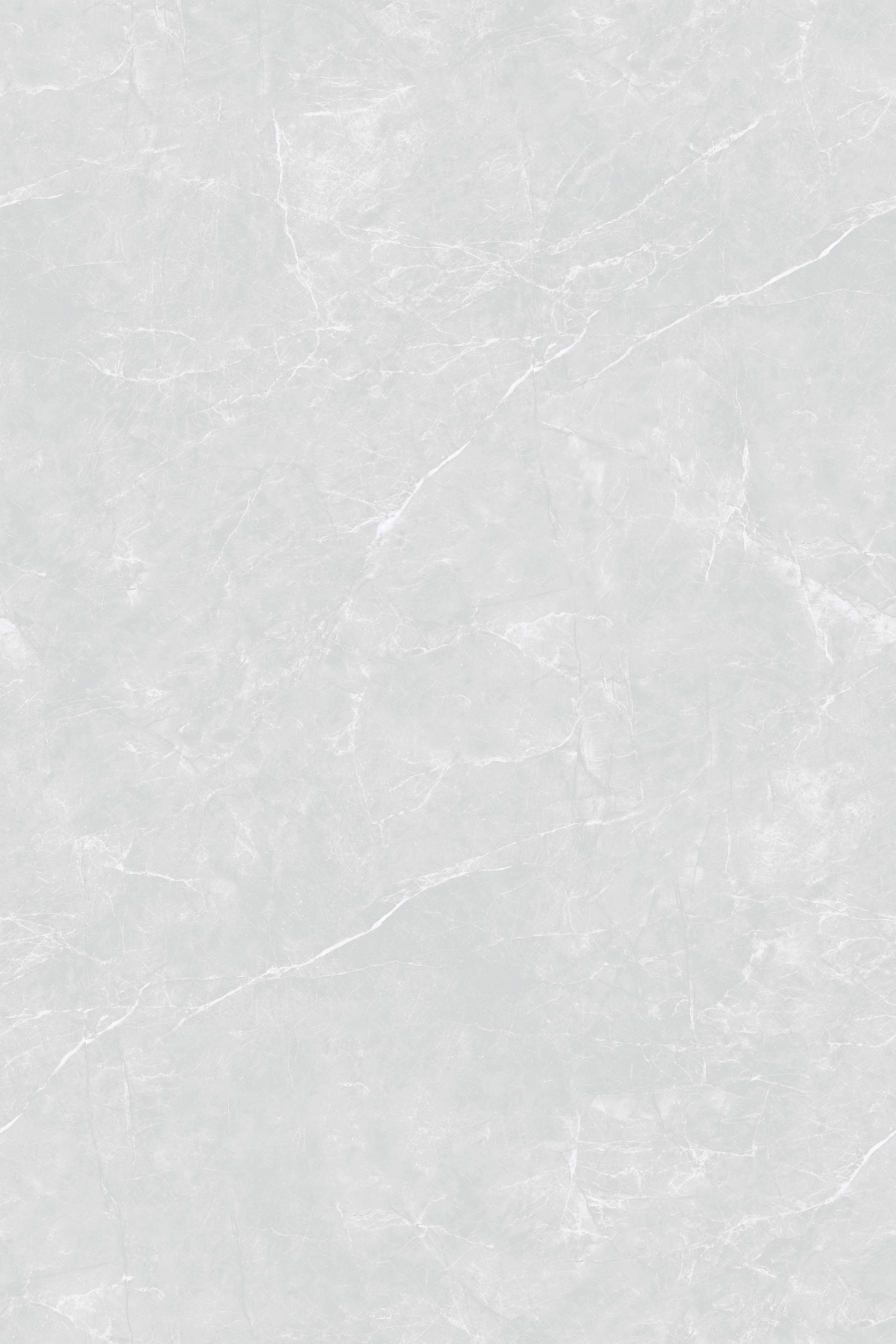
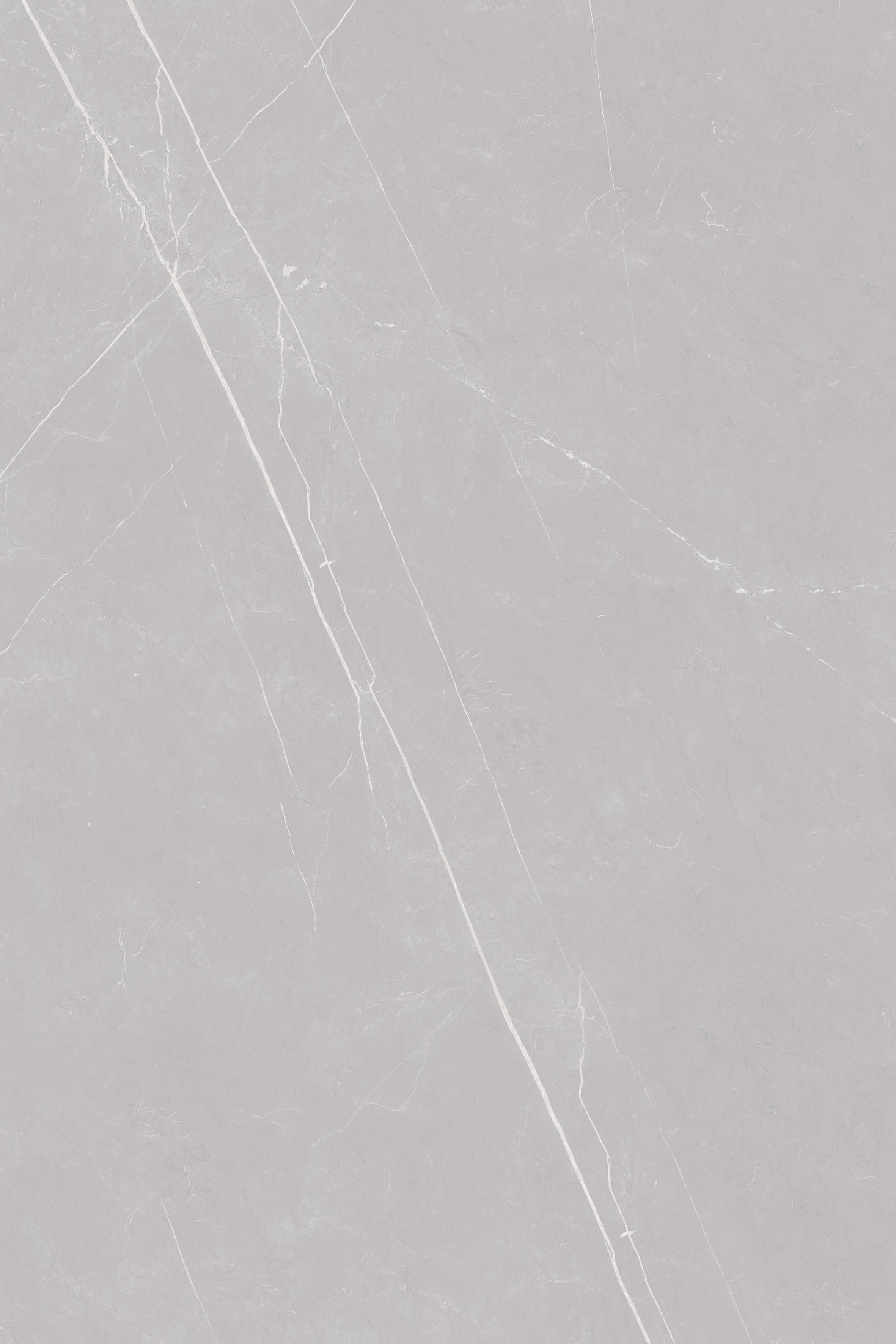
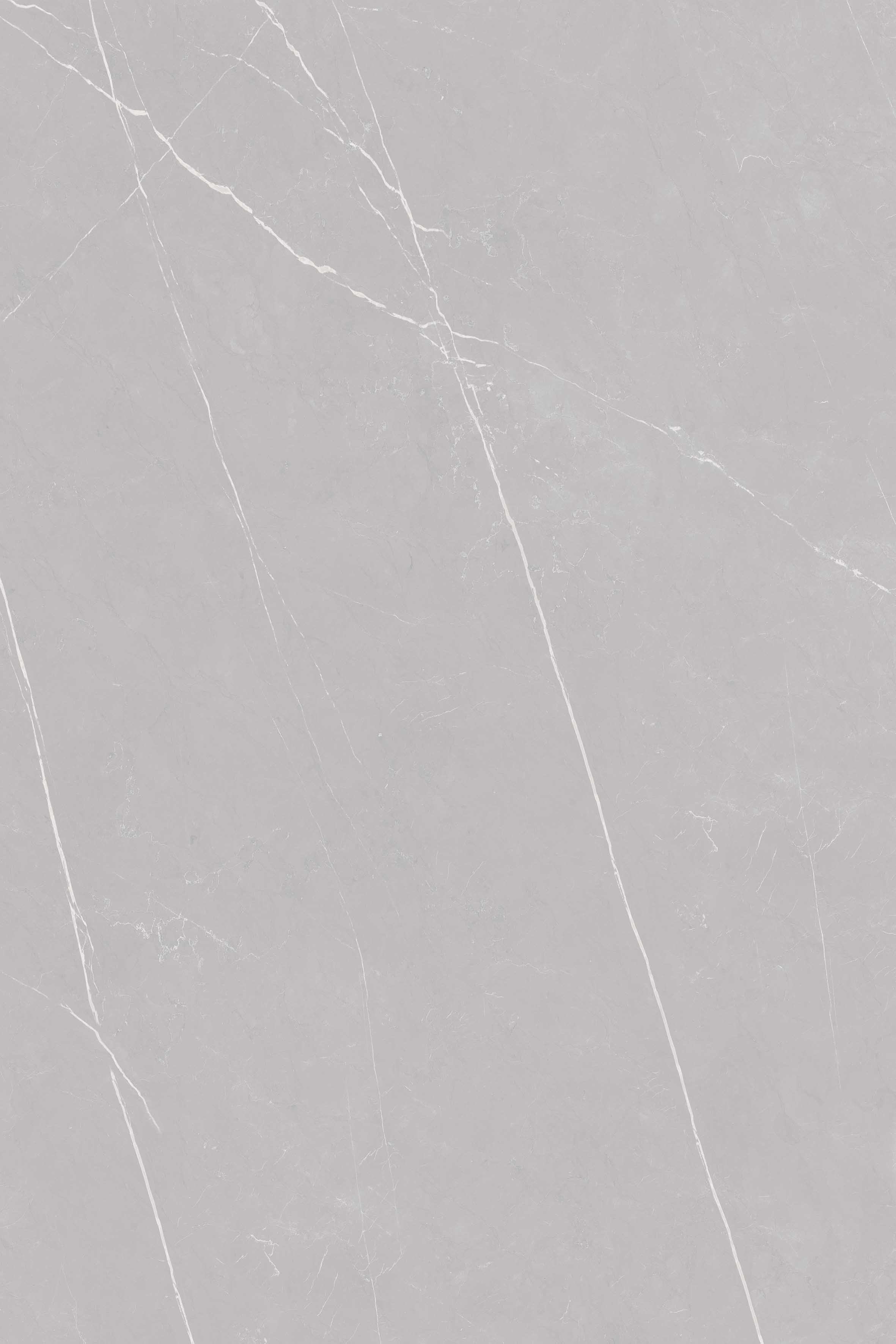
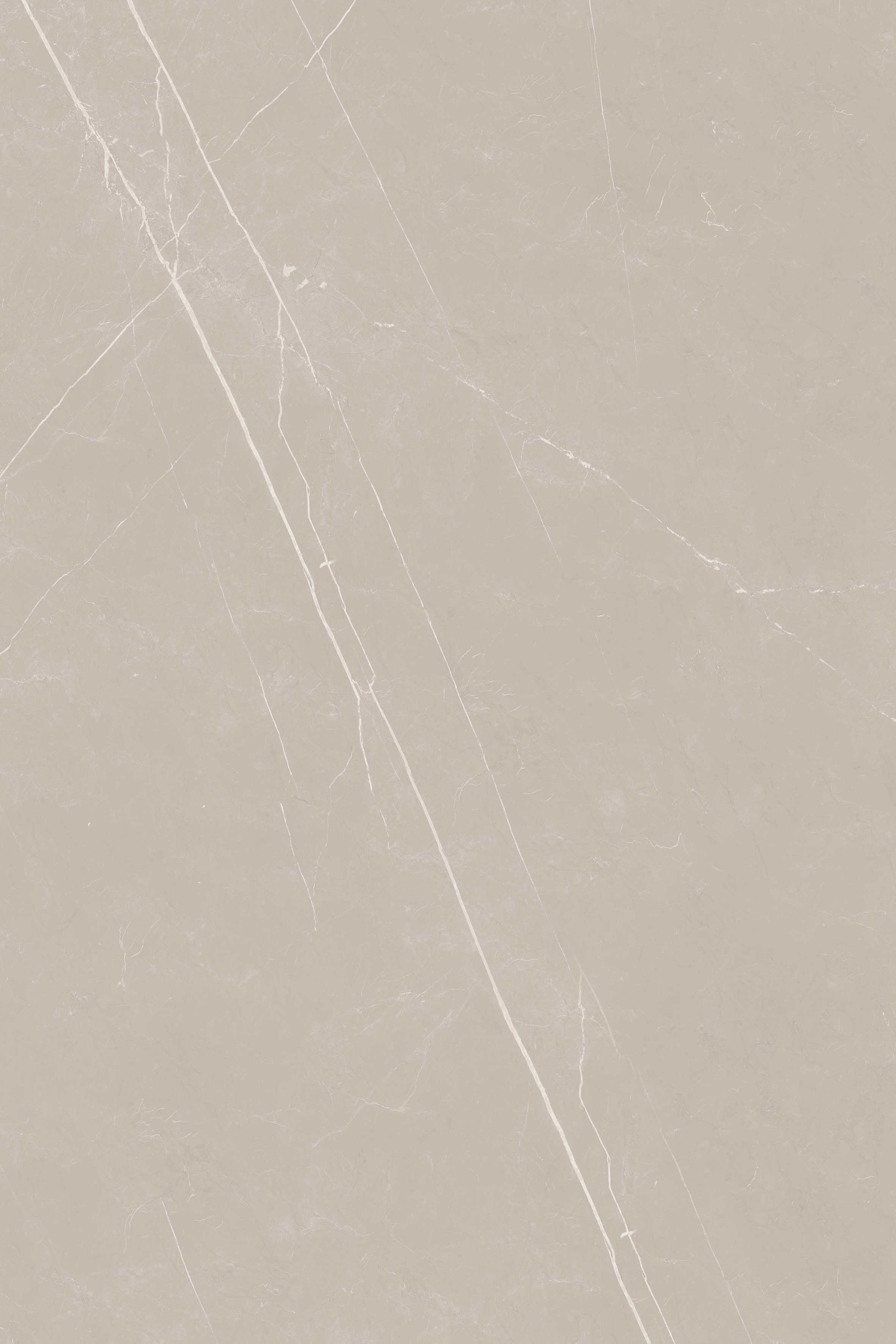
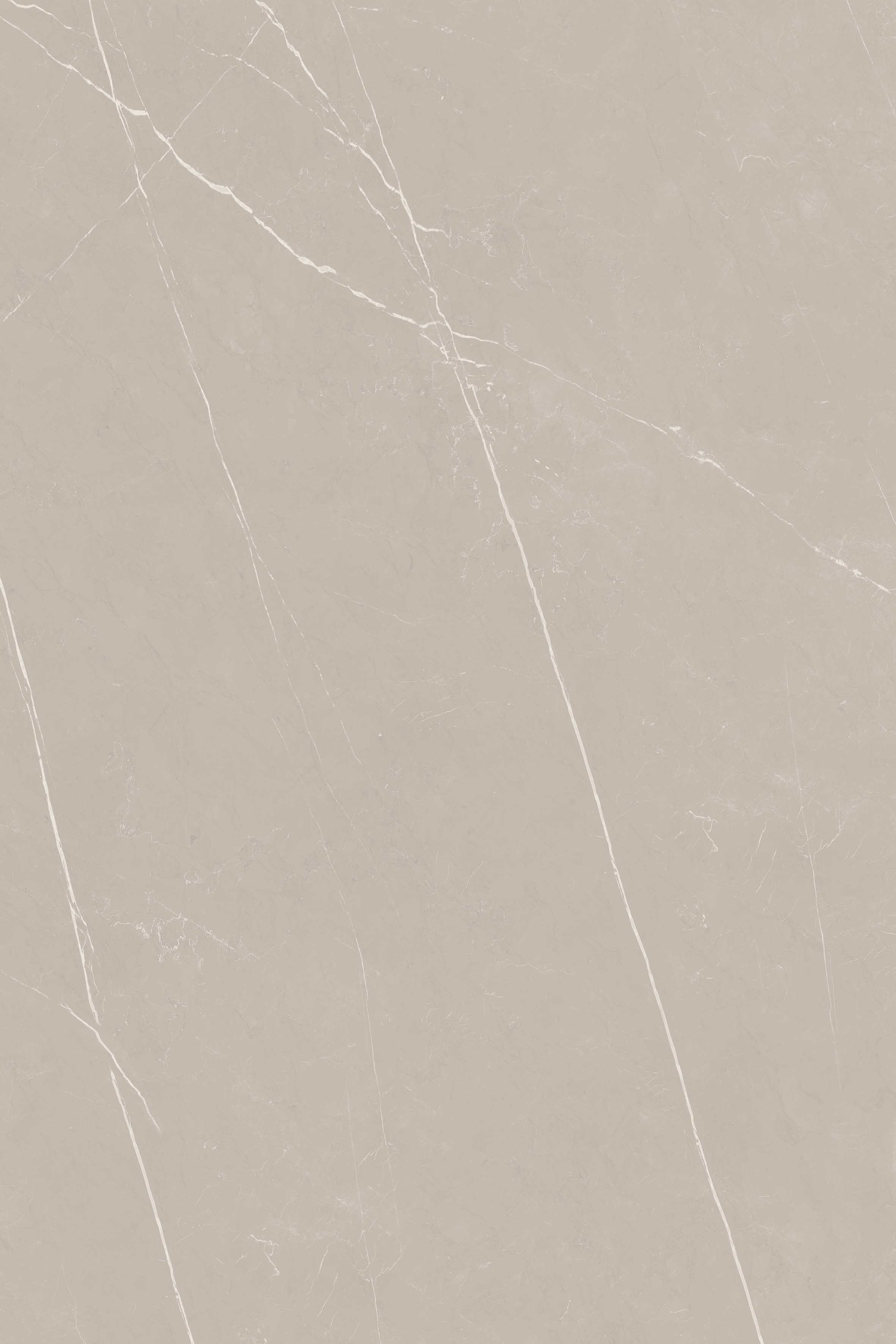
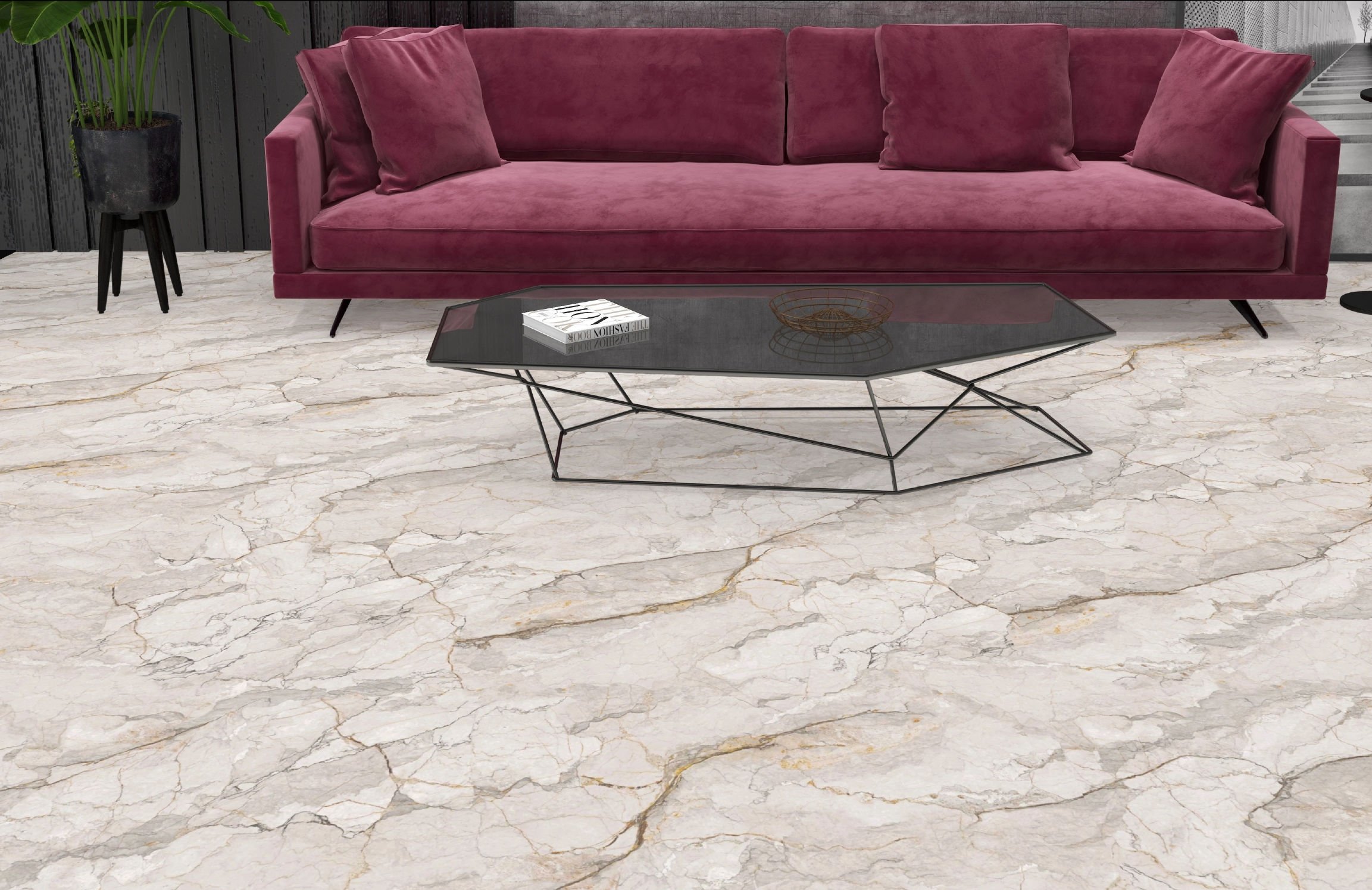
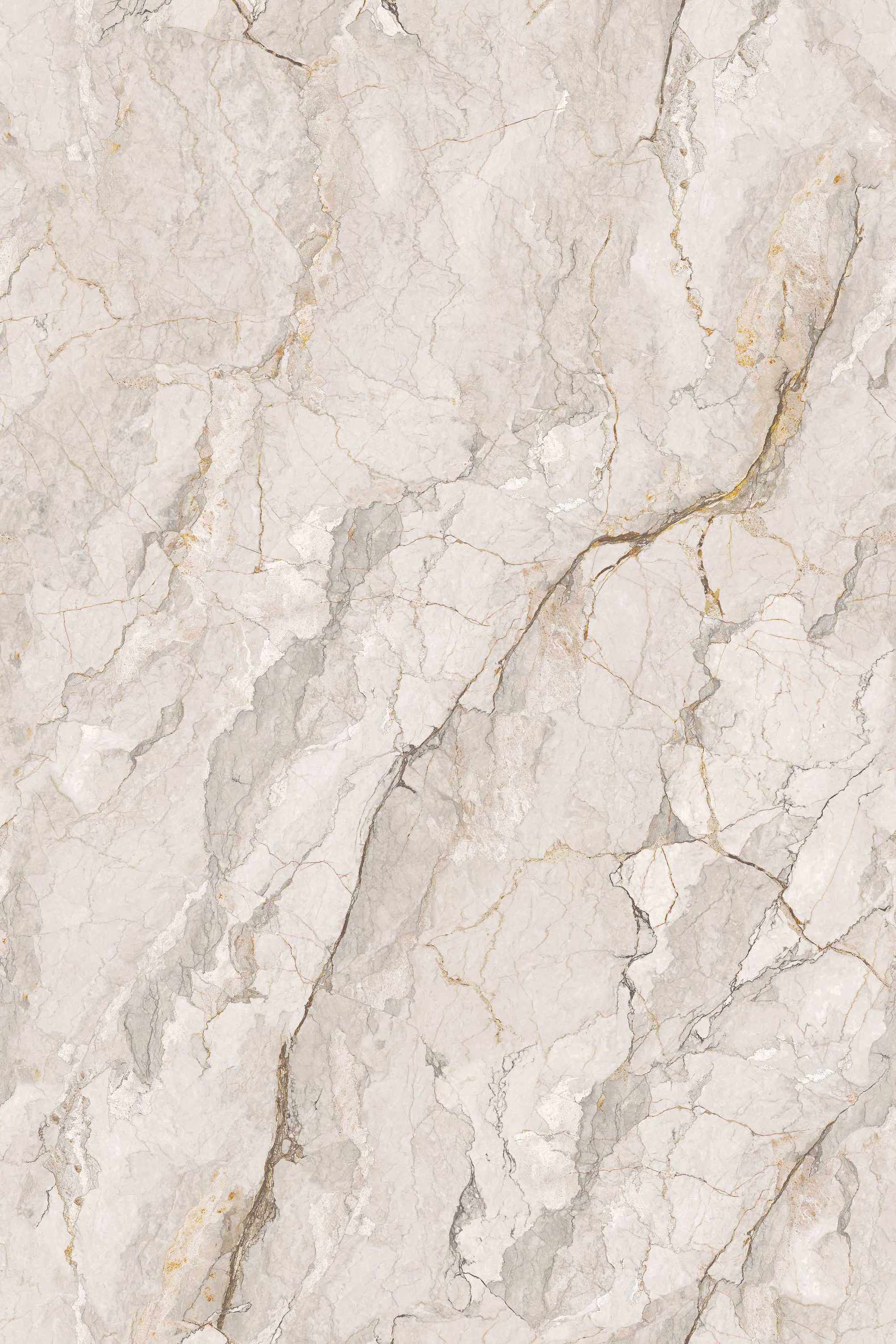
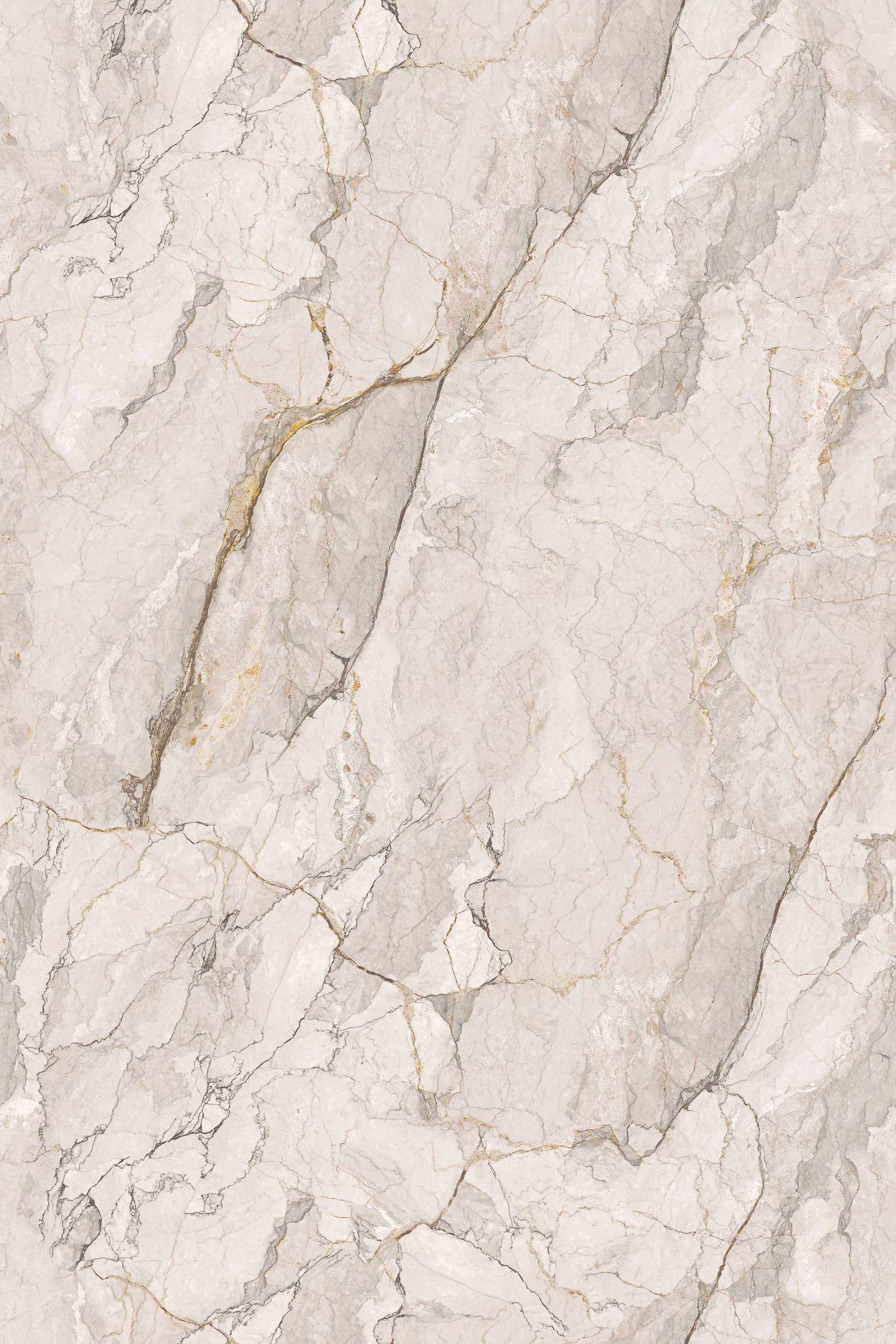
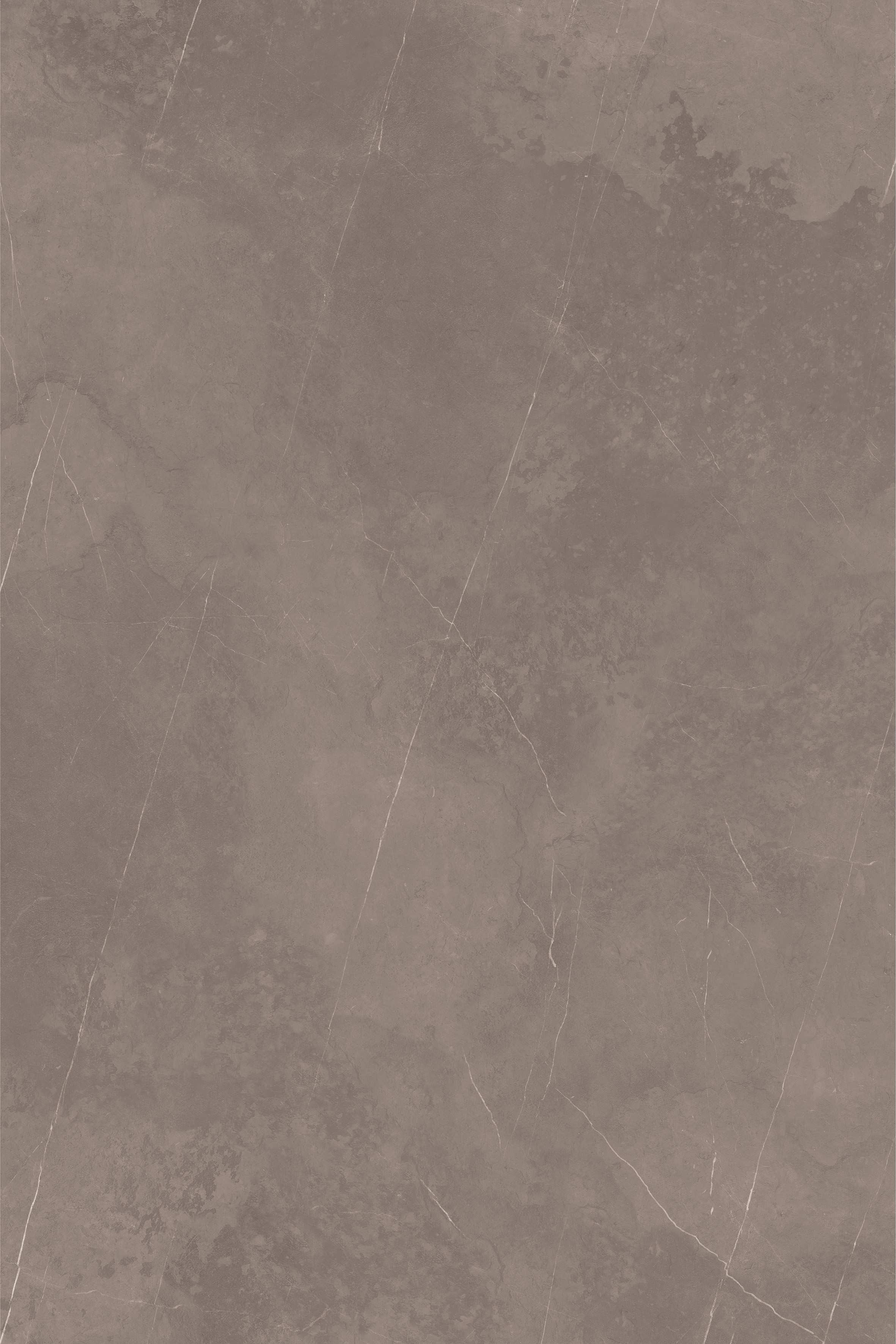
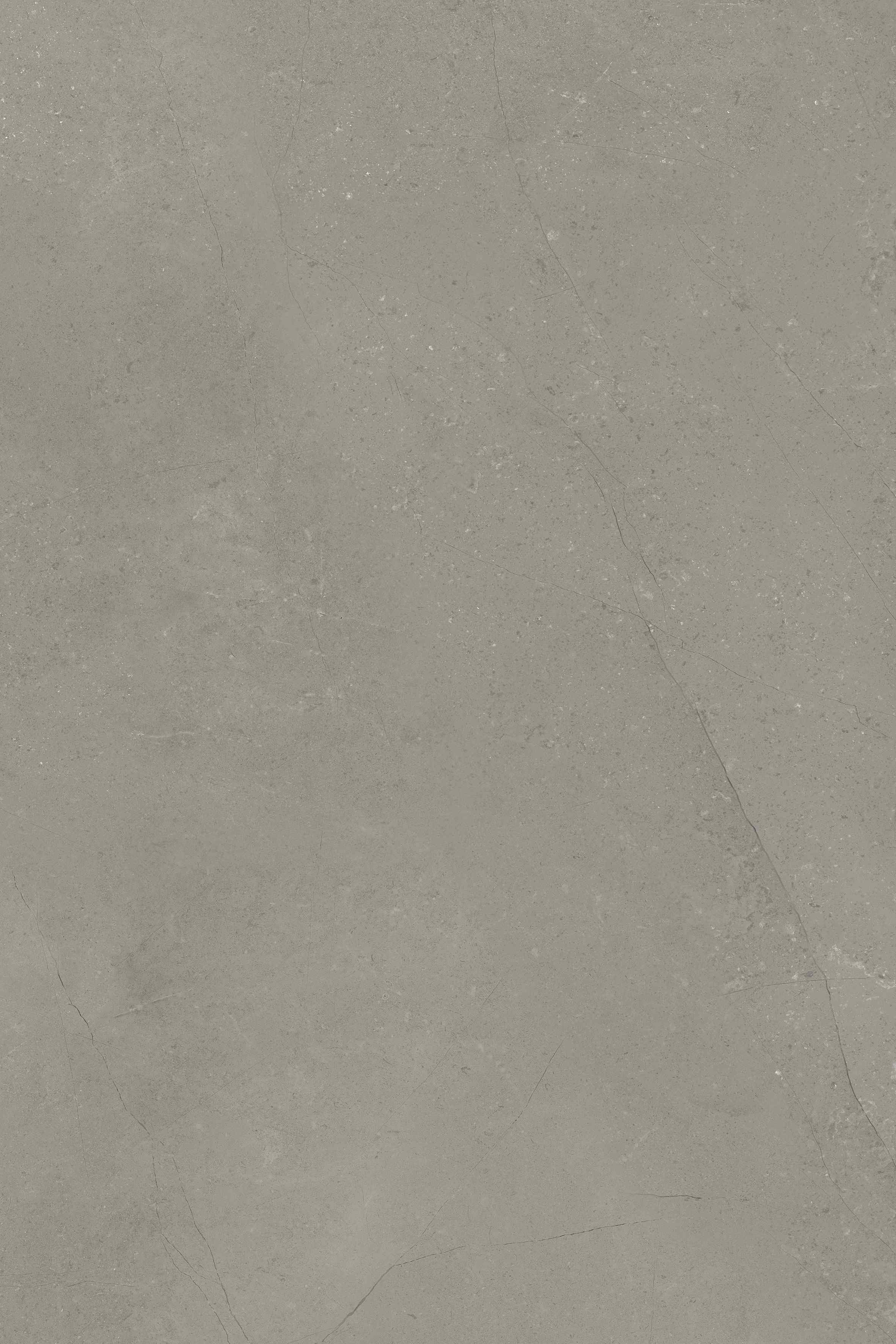
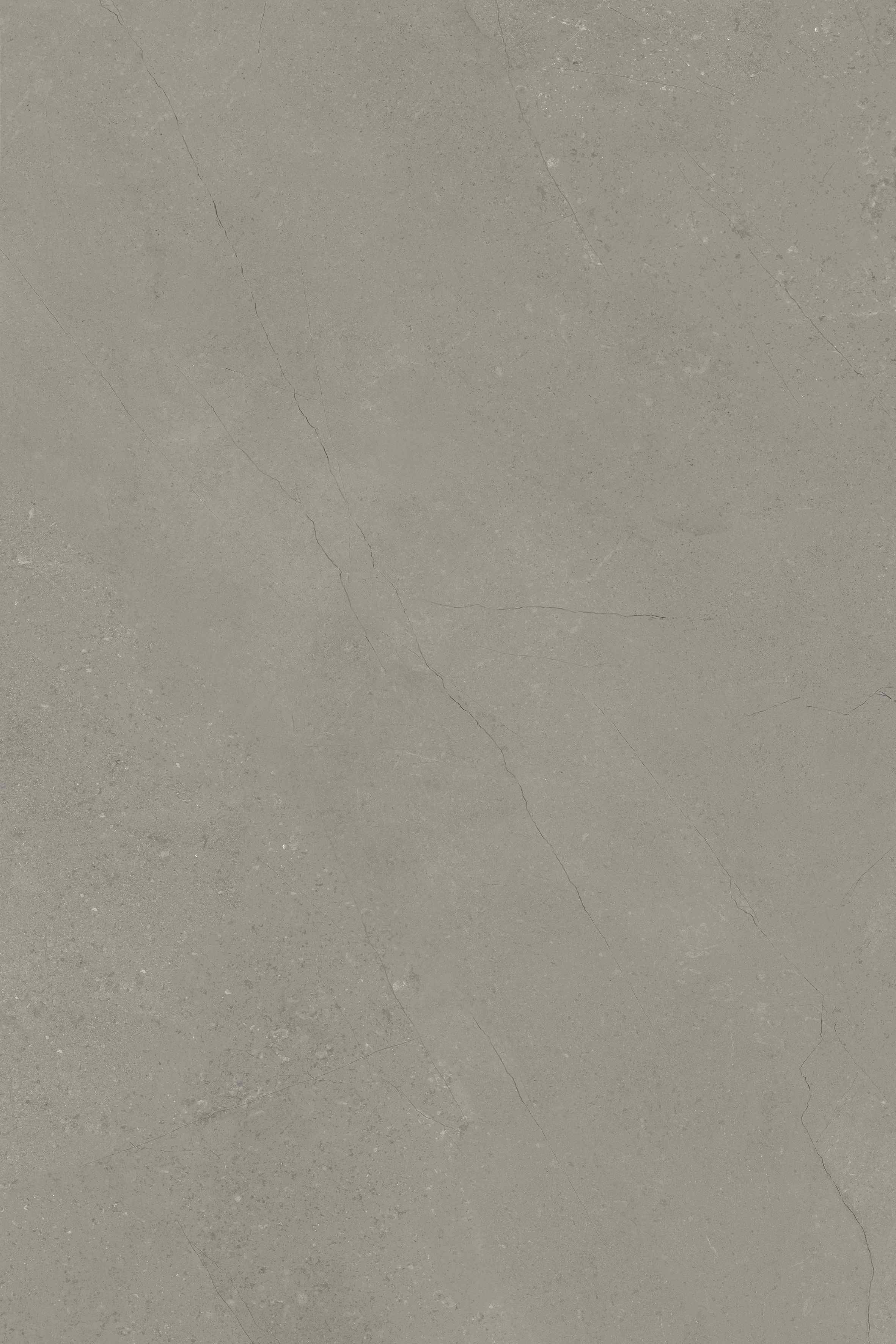
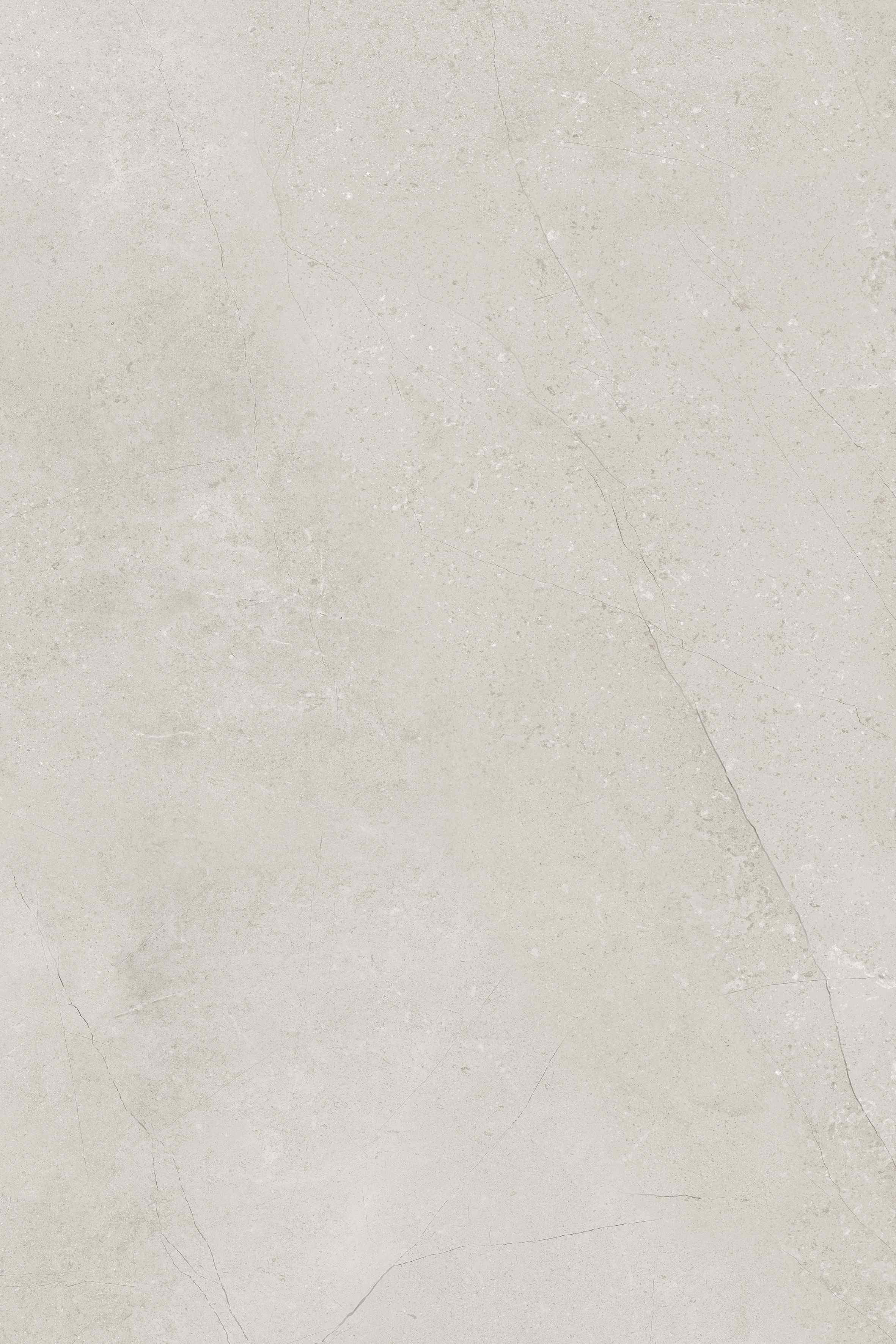
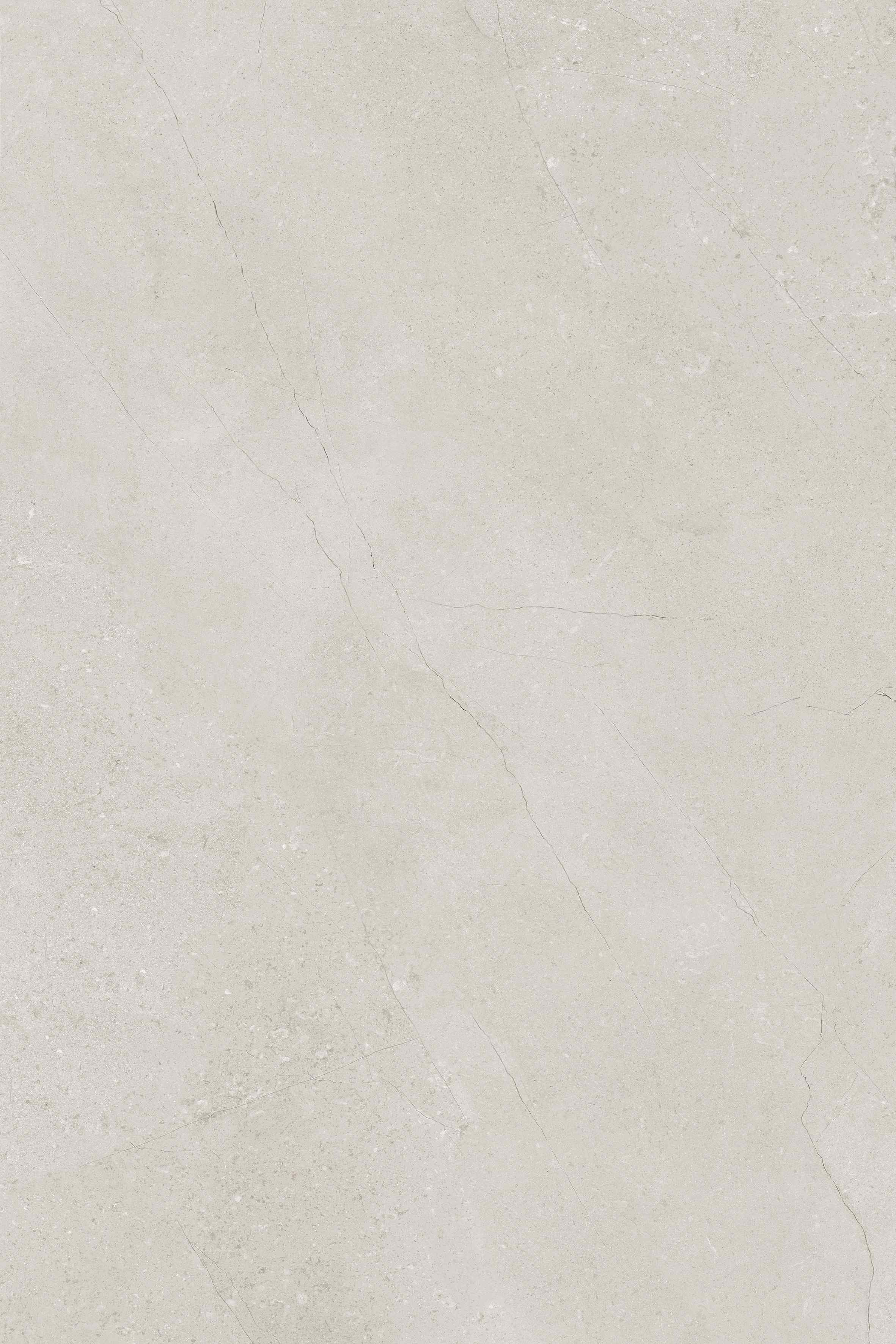
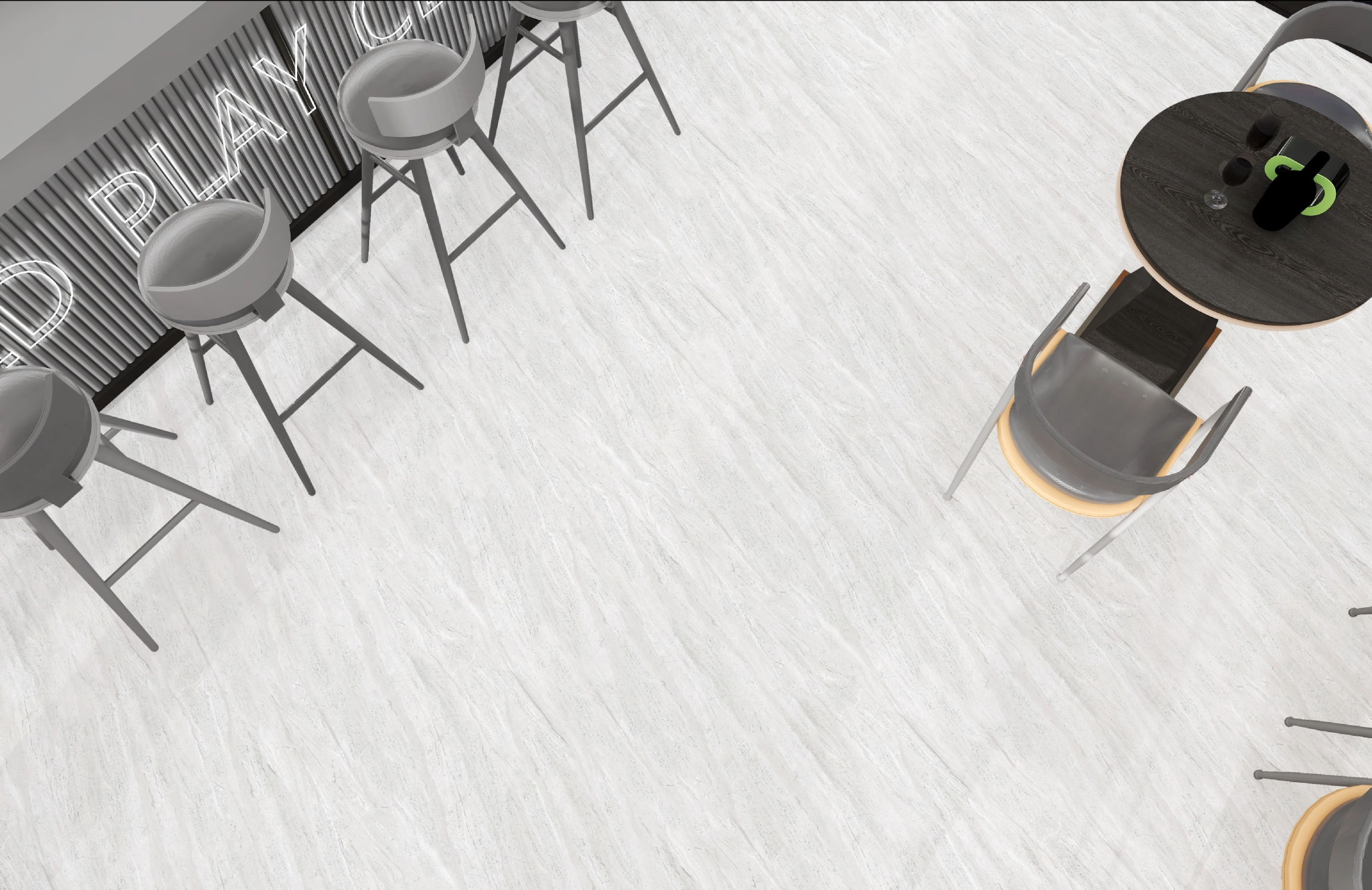
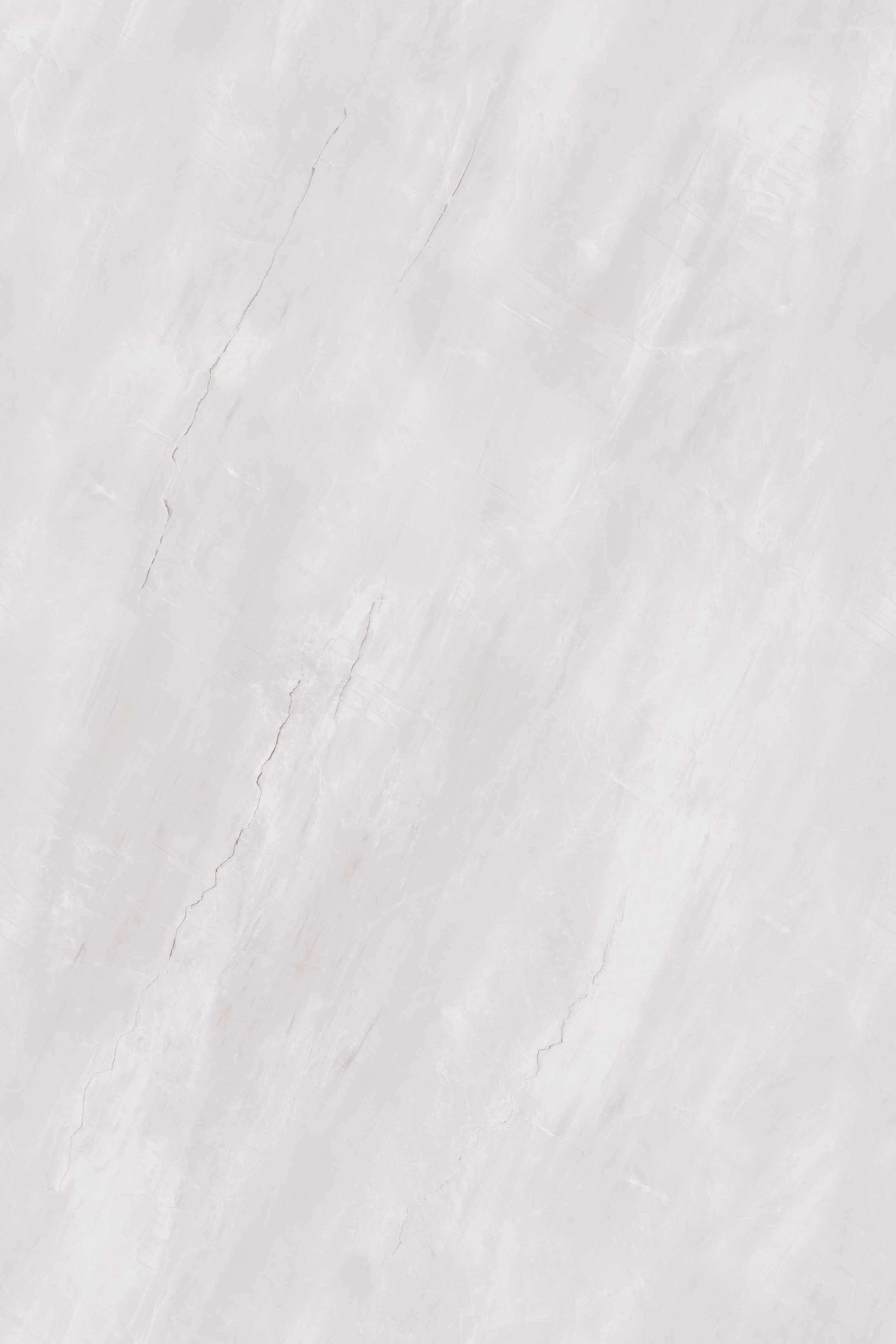
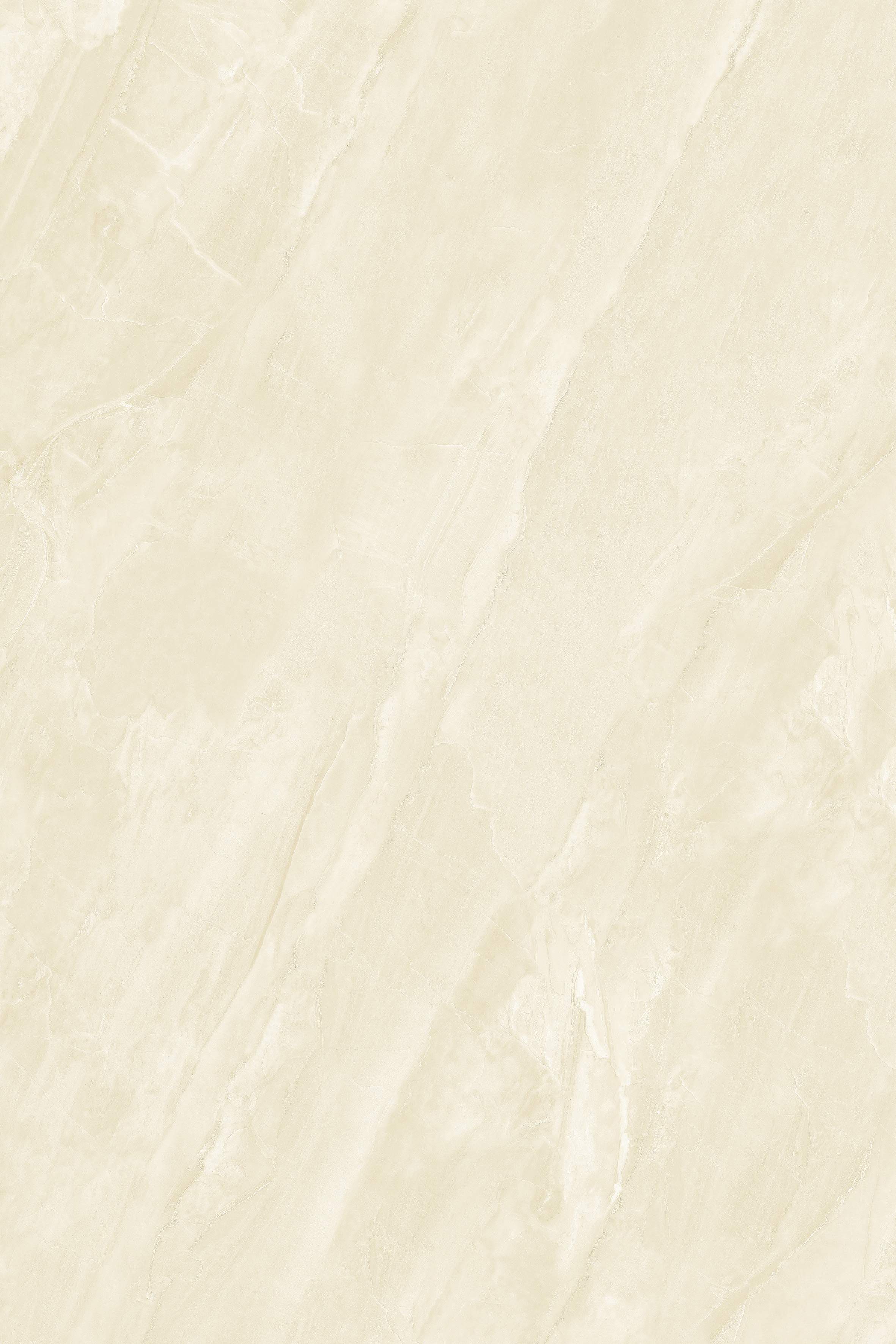
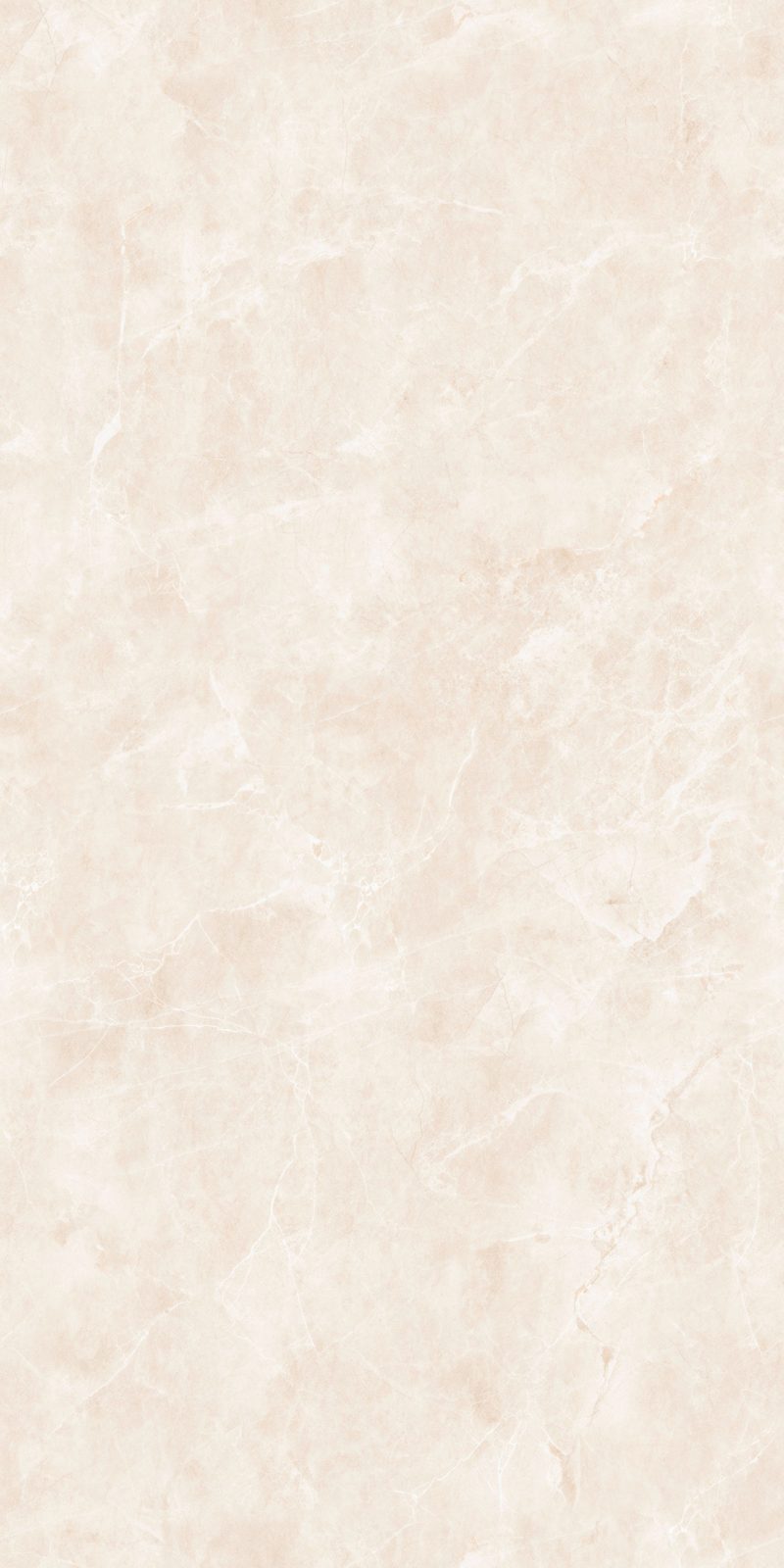
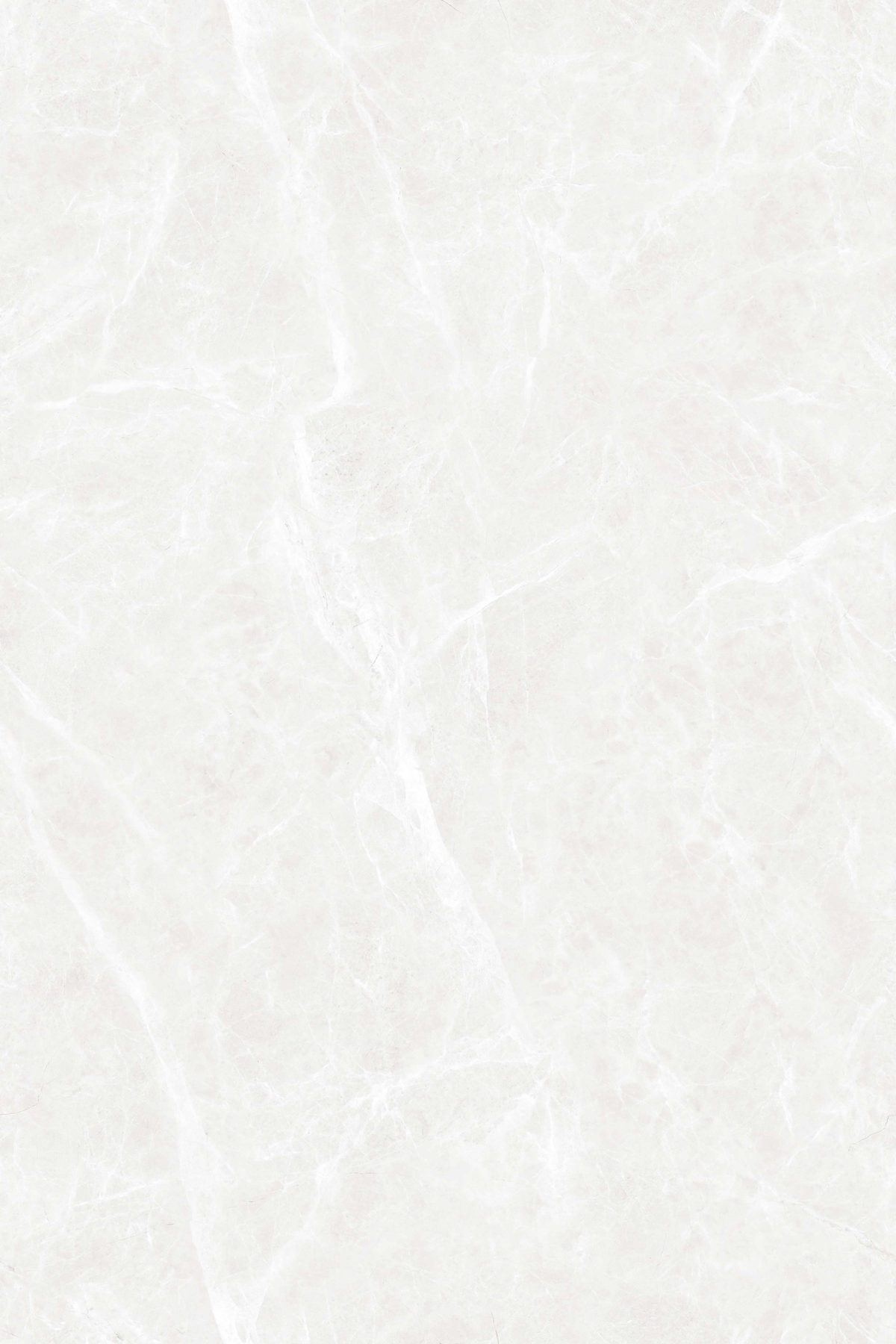
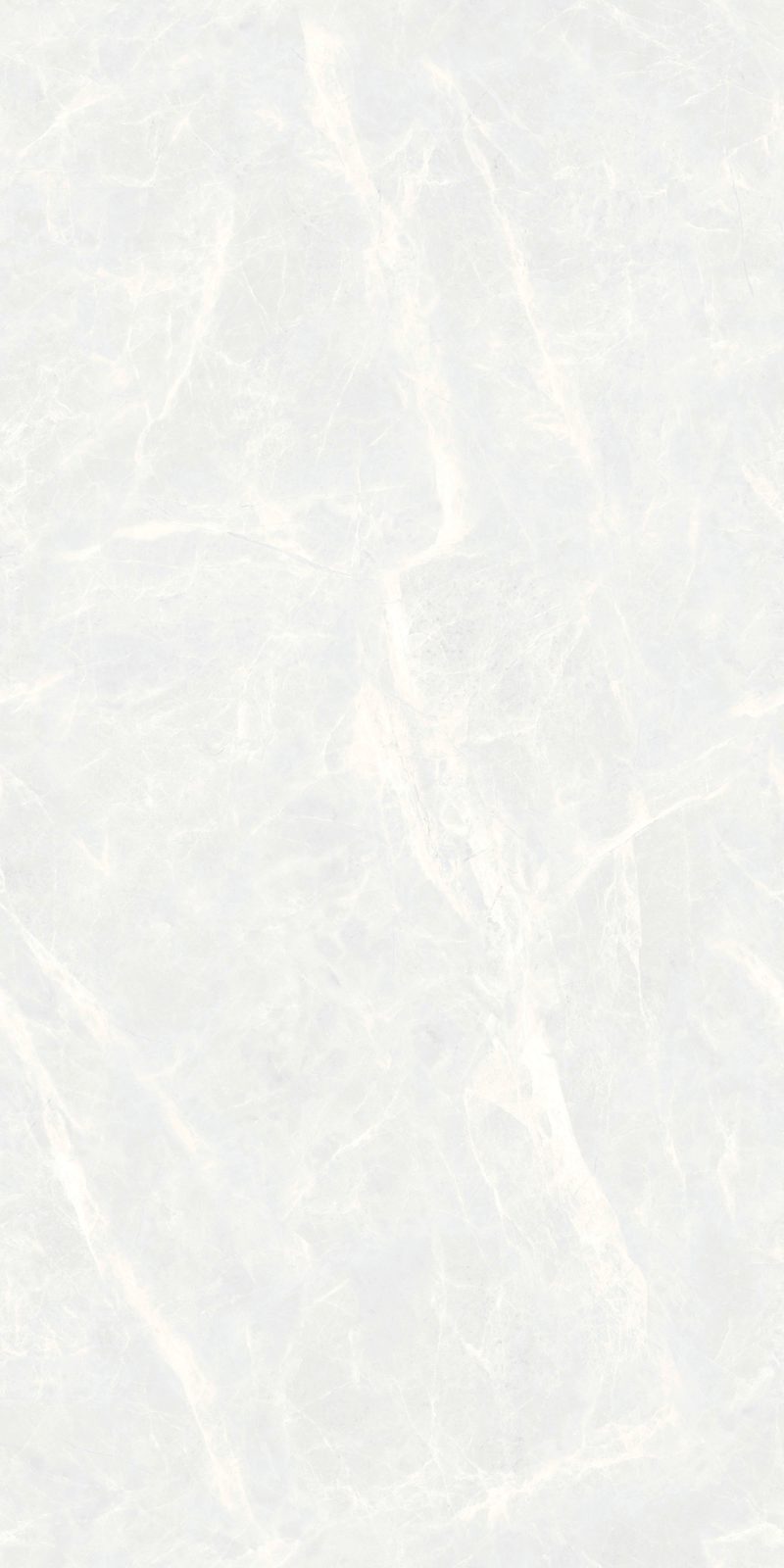
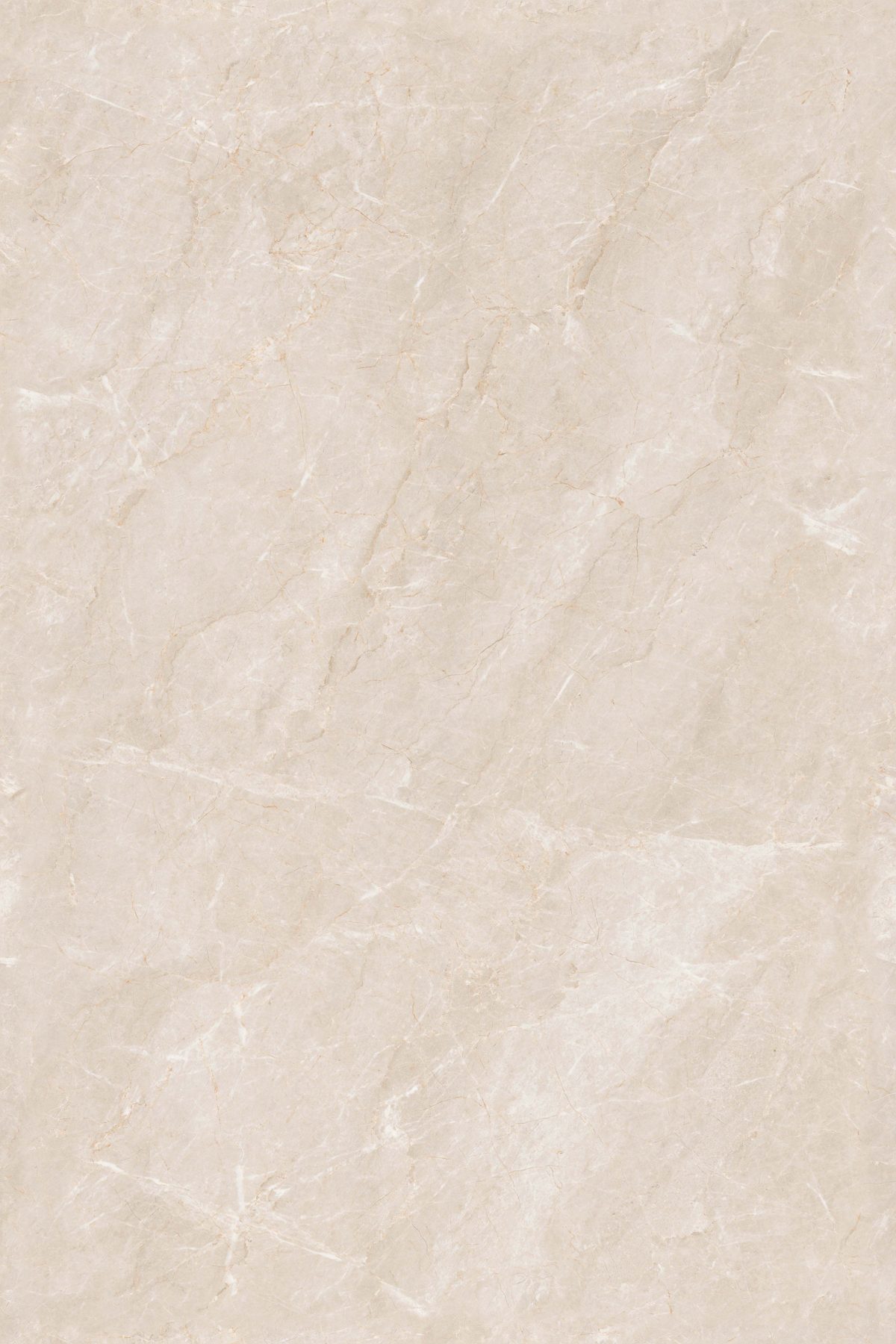
800x2400 mm tiles are long large format tiles, 2.6x7.9 ft each, and their job is to turn a tall wall or a long passage into a few clean pieces instead of dozens of small ones. The 800x2400 mm tile belongs to the same factory range as Rollence's porcelain tiles at Matel, Wankaner, Morbi, Gujarat, though it is sold as large format GVT for floors and walls and as large format PGVT for walls.
One 800x2400 mm tile covers 1.92 m² (20.7 sq.ft), so 100 m² needs only 53 tiles and the grout run falls to about 167 m. Rollence makes eight finishes in six collections, and the design list on the site can be filtered by size to show what is made in 800x2400 mm. The body of each tile absorbs 0.5% water or less.
Large format tiles in the wider Indian market are quoted at about Rs. 150 to Rs. 600 per sq.ft, which puts one 800x2400 mm tile at roughly Rs. 3,100 to Rs. 12,400. These are market reference ranges and not a Rollence quote. Laying labour for this length sits at the top of the Rs. 15 to Rs. 60 per sq.ft range, so budget for both tile and fixing.
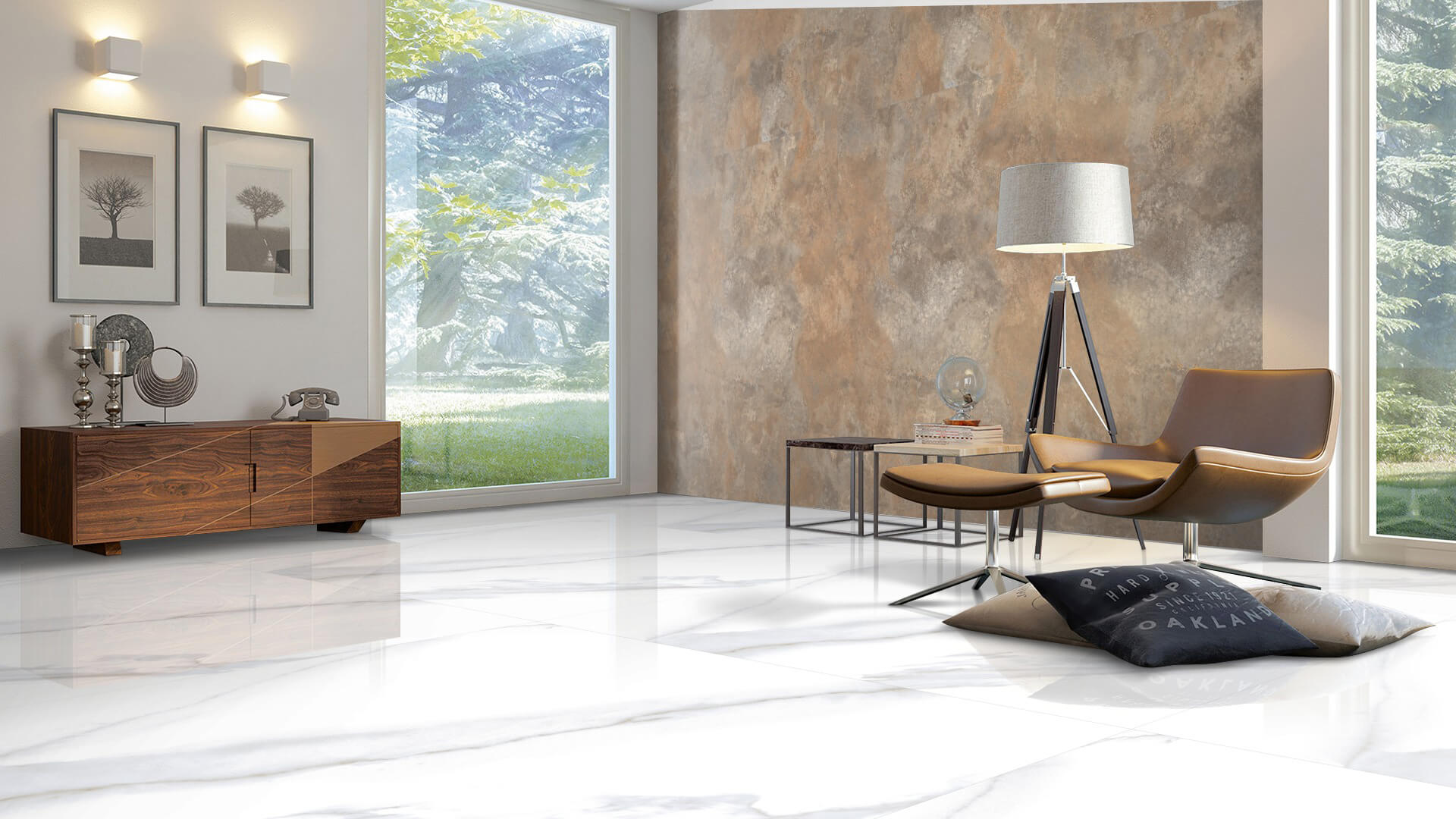
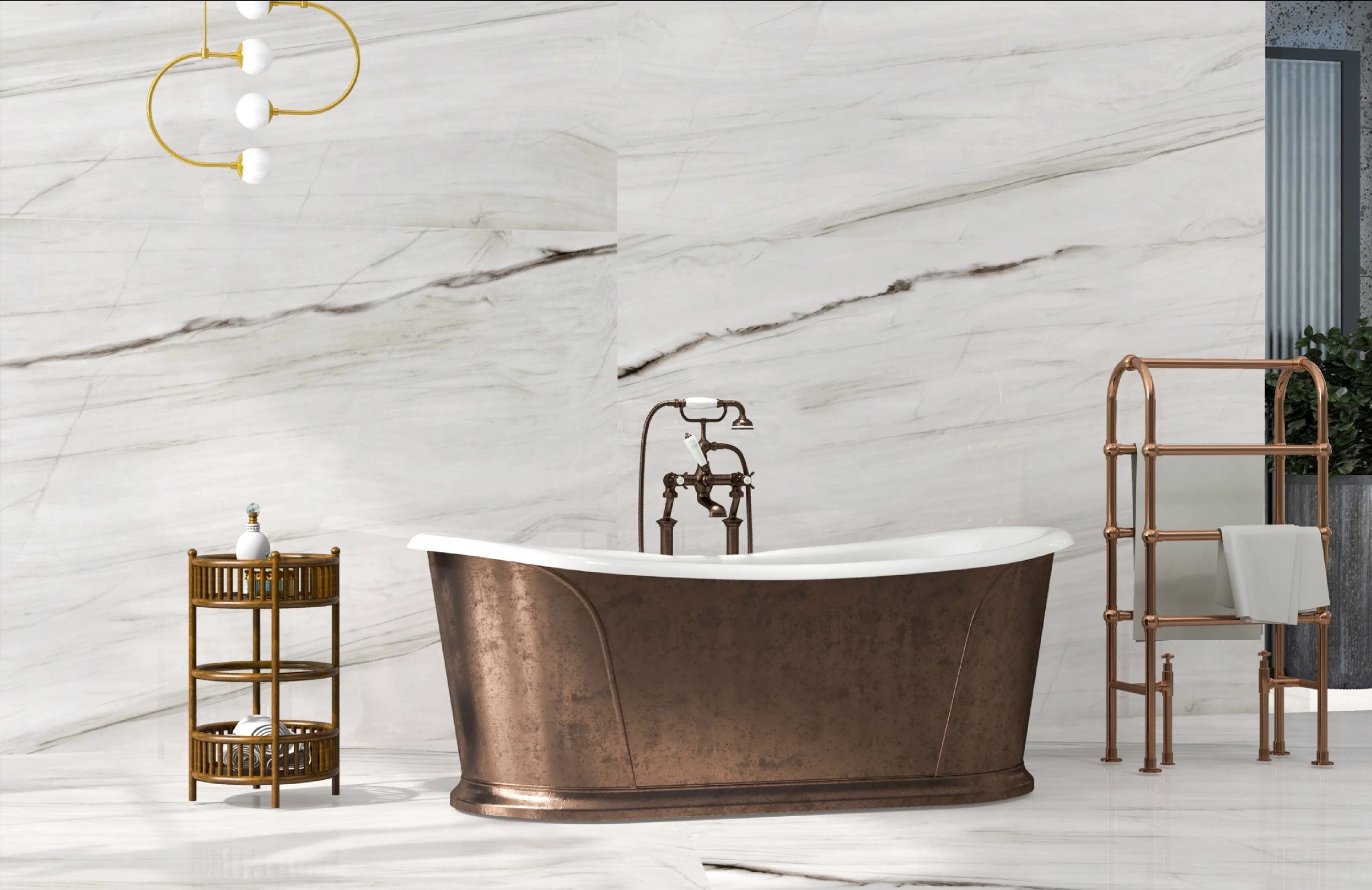
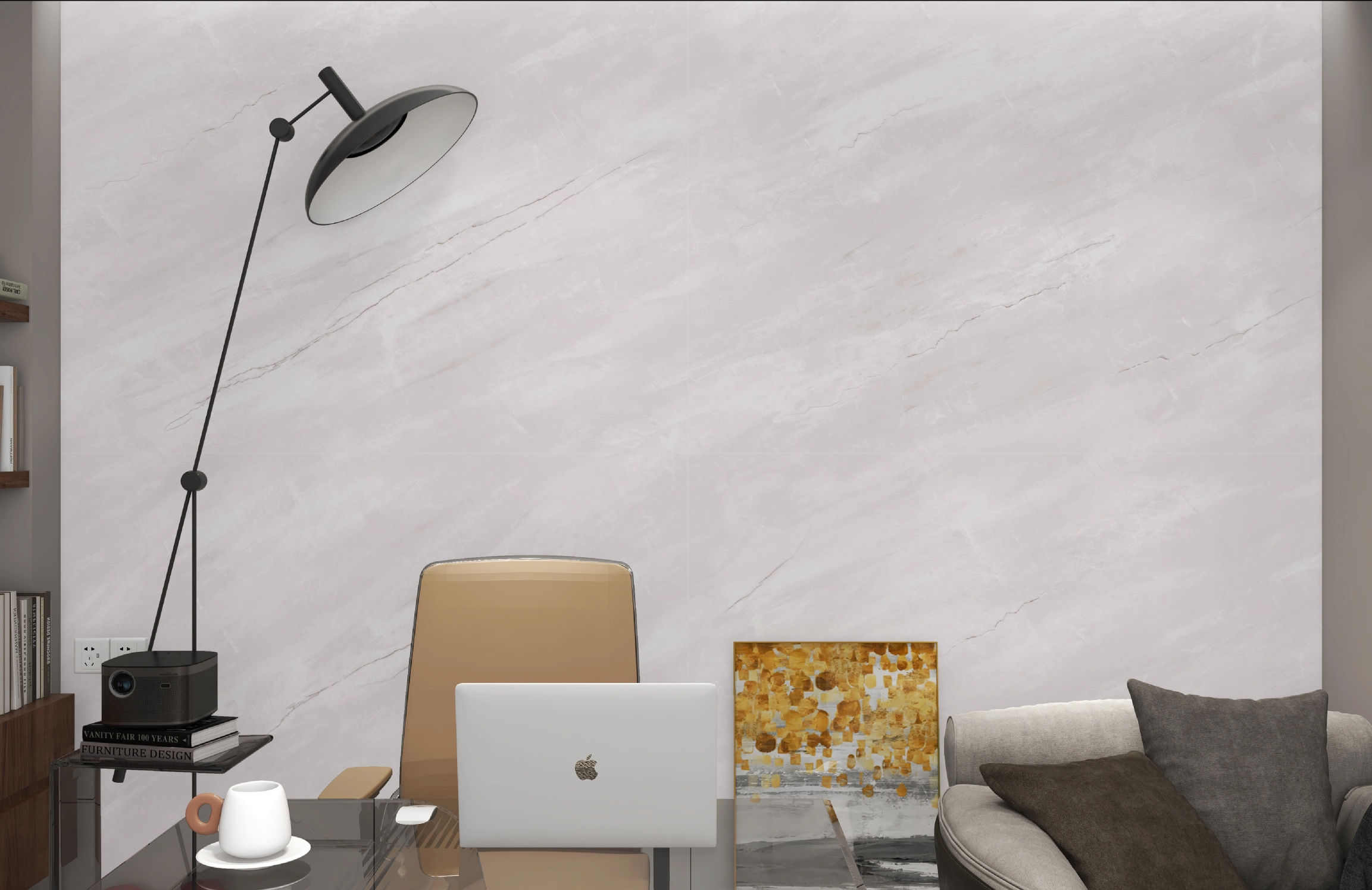
800x2400 mm tiles are best for tall feature walls, lift lobbies, reception backdrops and long corridors. The 2.4 m length matches a standard 8 ft wall height, so one tile can run from floor to ceiling in a room with a low false ceiling. Among large format tiles, this is the format that gives a wall a continuous, stone-slab look without a single horizontal joint.
Walls are where the length pays off. A 3 m wide, 2.4 m high wall is 3.75 tile widths, so it takes four 800x2400 mm tiles with one cut lengthwise. The same wall in 600x1200 mm tiles would need 10 pieces and a joint line at mid-height. For homes, big tiles for wall suit one hero wall, such as behind a bed, a TV unit or a dining table, rather than every wall in the flat.
For a 3 m ceiling, an 800x2400 mm tile leaves a 600 mm gap at the top, which a cove, false ceiling line or a cut strip can hide. Order about 15% extra for the cut and for the breakage risk that comes with length, and note that each tile costs about Rs. 3,100 to Rs. 12,400 at the wider market band.
Compared with 800x1600 mm tiles, the 2.4 m tile cuts the grout run from about 188 m to 167 m per 100 m² and drops the tile count from 79 to 53. The width is identical, so the two sizes can share a design in one home: 800x1600 mm for the floor and 800x2400 mm for the wall.
| Size (mm) | Alias (ft) | Tiles per 100 m² | Grout run per 100 m² | Typical use |
|---|---|---|---|---|
| 800x2400 This size | 2.6x7.9 | 53 | About 167 m | Tall feature walls, corridors |
| 800x1600 | 2.6x5.2 | 79 | About 188 m | Large living areas, walls |
| 800x3000 | 2.6x9.8 | 42 | About 158 m | Single piece tall walls |
| 1200x1200 | 4x4 | 70 | About 167 m | Lobbies, showrooms |
| 1200x2400 | 4x8 | 35 | About 125 m | Commercial lobbies, wall spans |
Against 800x3000 mm, the 2.4 m tile is easier to carry and cheaper to replace, and it fits a standard 8 ft wall exactly. Against 1200x2400 mm, it is narrower, so it is easier to handle and suits slimmer wall bays such as the strip beside a window.
Rollence makes 800x2400 mm in large format GVT and large format PGVT. GVT carries a digital print under a hard glaze and goes on floors and walls, which makes it the choice for corridors and lobbies. PGVT has a polished surface and is made for walls only, so it suits a reception backdrop or lift cladding but never the floor.
| Category | Surface | Where it goes | Water absorption |
|---|---|---|---|
| Large format GVT | Digital print under a hard glaze | Floors and walls | 0.5% or less |
| Large format PGVT | Polished glaze surface | Walls only | 0.5% or less |
PGVT should not be used on floors, wet or dry, because the polished surface turns slippery when wet and shows scuffs under foot traffic.
Rollence is ISO 9001:2015 certified and tests each batch to the ISO 10545 series before dispatch. A 2.4 m tile with a weak body can curl, so an architect specifying this size for a hotel or hospital project should ask for the water absorption result as part of the submittal.
Rollence lists eight finishes, and the design list on the site shows which are made in 800x2400 mm. The table sets out where the main four belong for a tall tile.
| Finish | Best placed | Keep away from |
|---|---|---|
| DG Matt | Feature walls, corridors, offices | Wet or outdoor floors unless rated R10 or R11 |
| Glossy | Dry reception walls and lobbies | Bathroom floors, balconies |
| High Gloss | Dry feature walls and show areas | Bathroom floors, balconies, outdoors |
| GHR + Punch | Wet areas and balconies | Rooms that need a smooth, wipe-clean surface |
A tall mirror finish turns a wall into a reflector, so high gloss tiles in 800x2400 mm work best in dry, well-lit lobbies where the reflection is wanted. Matt is the safer choice for home feature walls, since long glossy surfaces show every ripple in the wall behind them.
Glossy and High Gloss finishes should not be used on outdoor or wet floors because they turn slippery when wet.
For a corridor floor, pick matt or textured GVT and seal the long joints with epoxy grout. In Gujarat's humid monsoon, damp feet carry water along a corridor all day, and a glossy long tile is a slip risk.
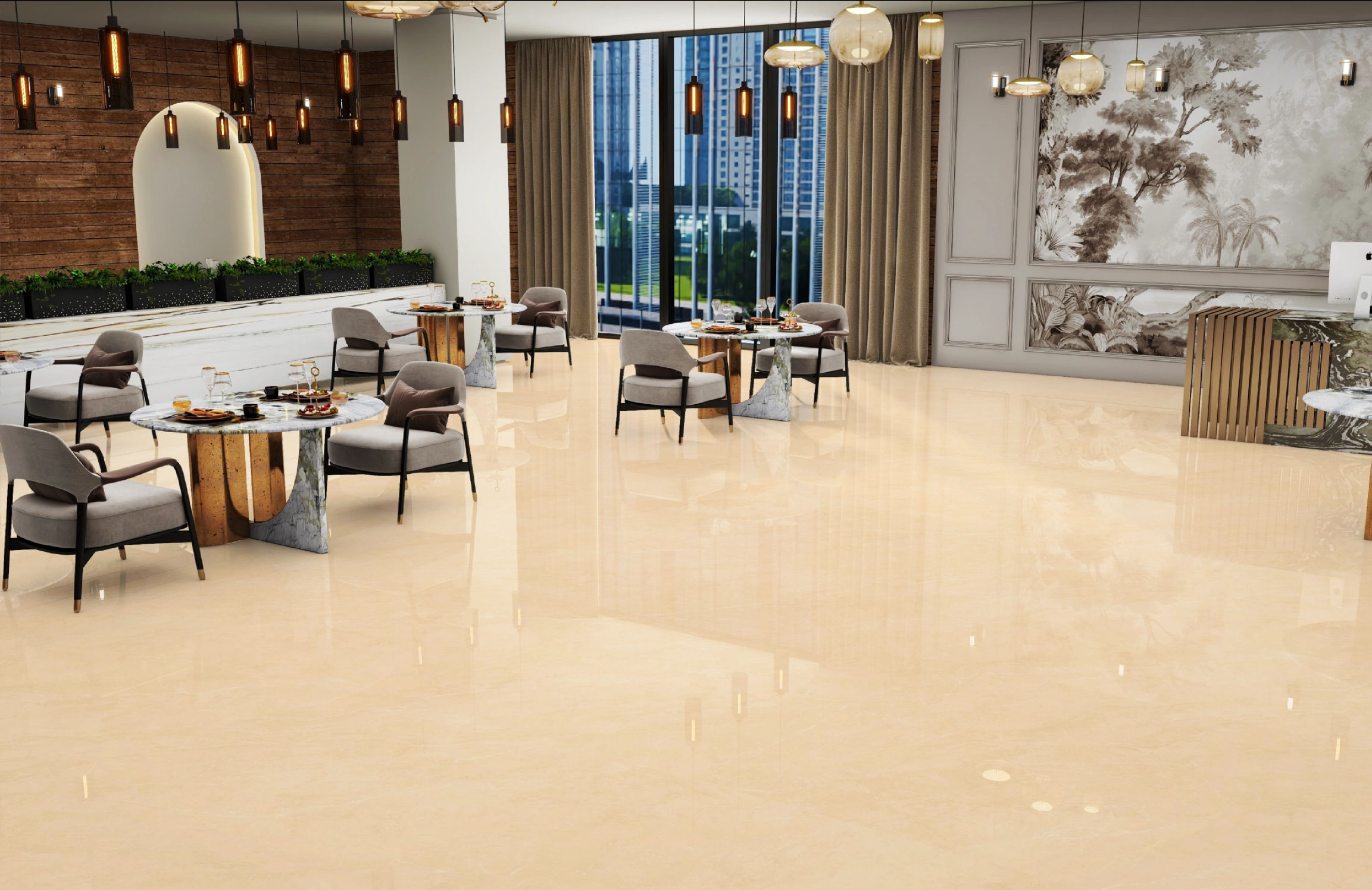
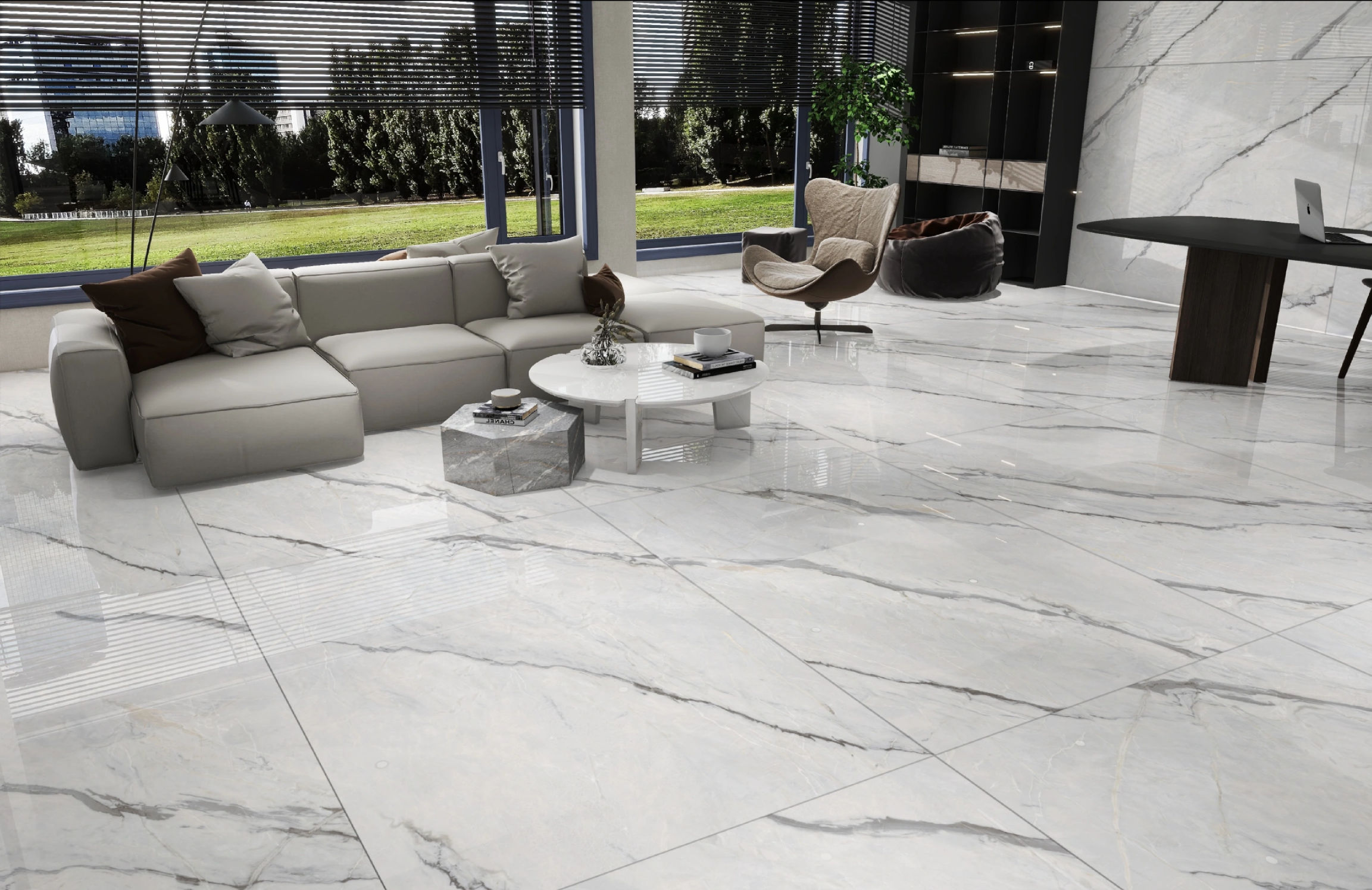
Hotels, offices and hospitals use 800x2400 mm tiles for lift lobbies and reception walls, where a single tile reads as a clean slab and the cleaning staff have very few joints to maintain. Homes use the format for one hero wall in a living room or master bedroom.
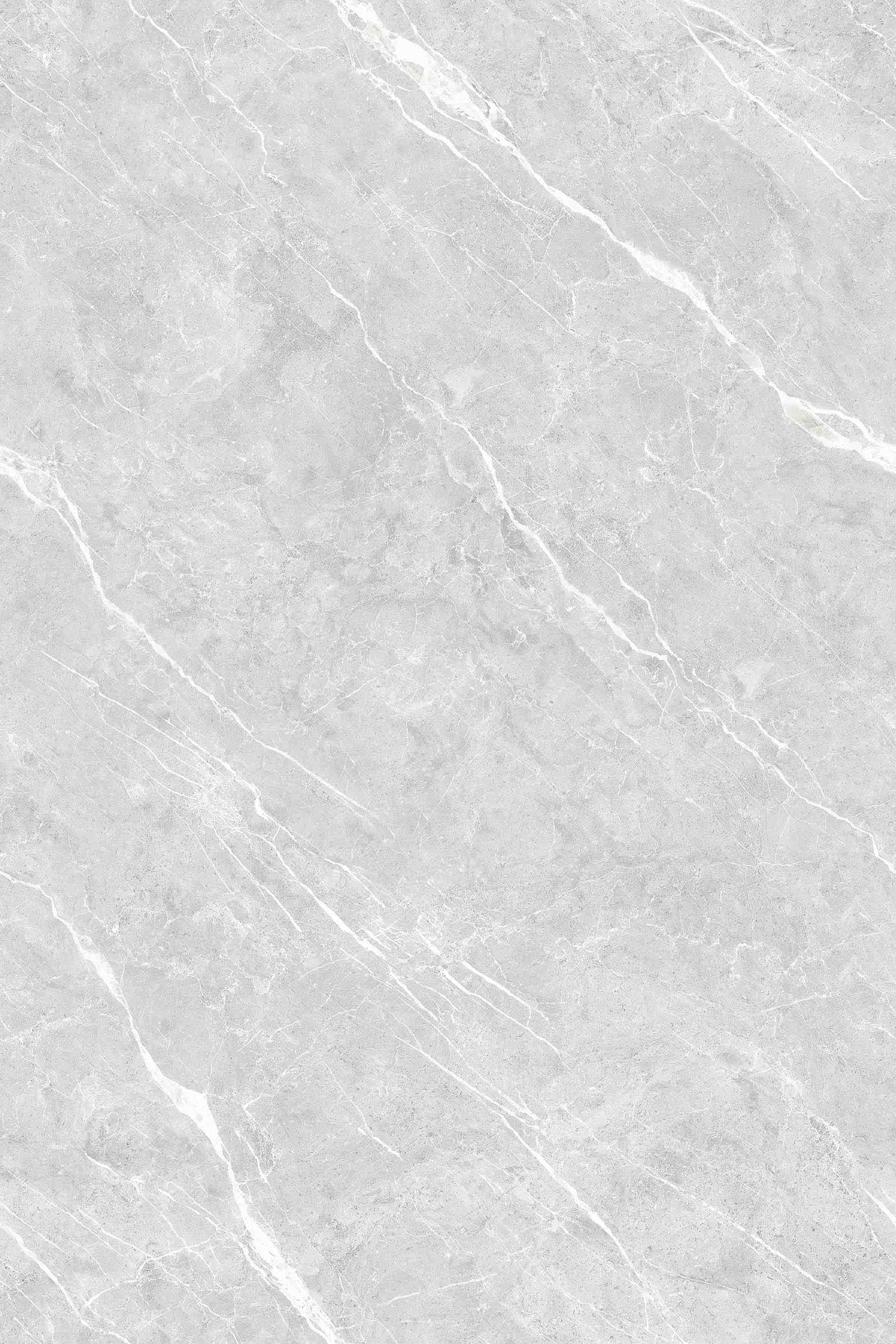
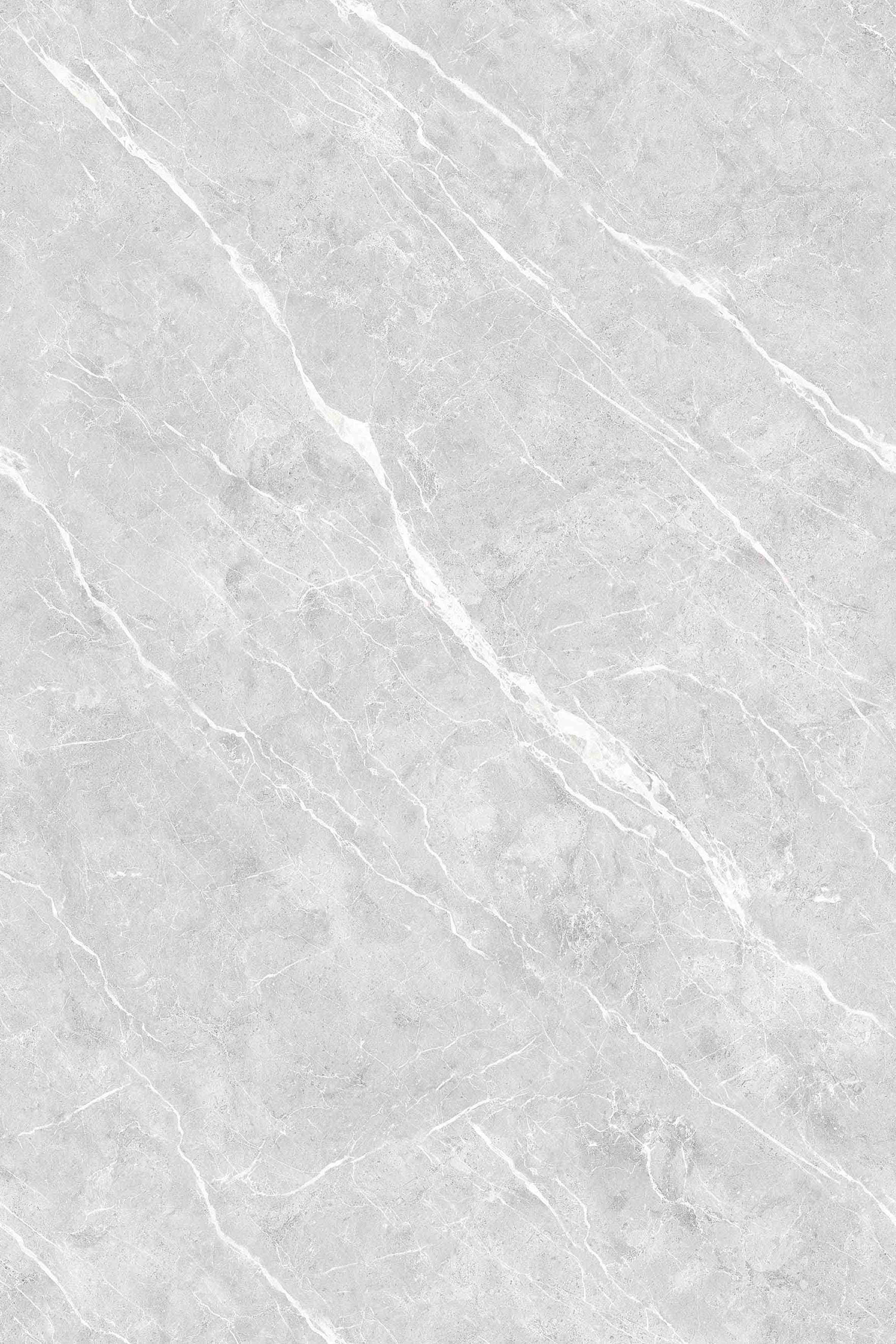
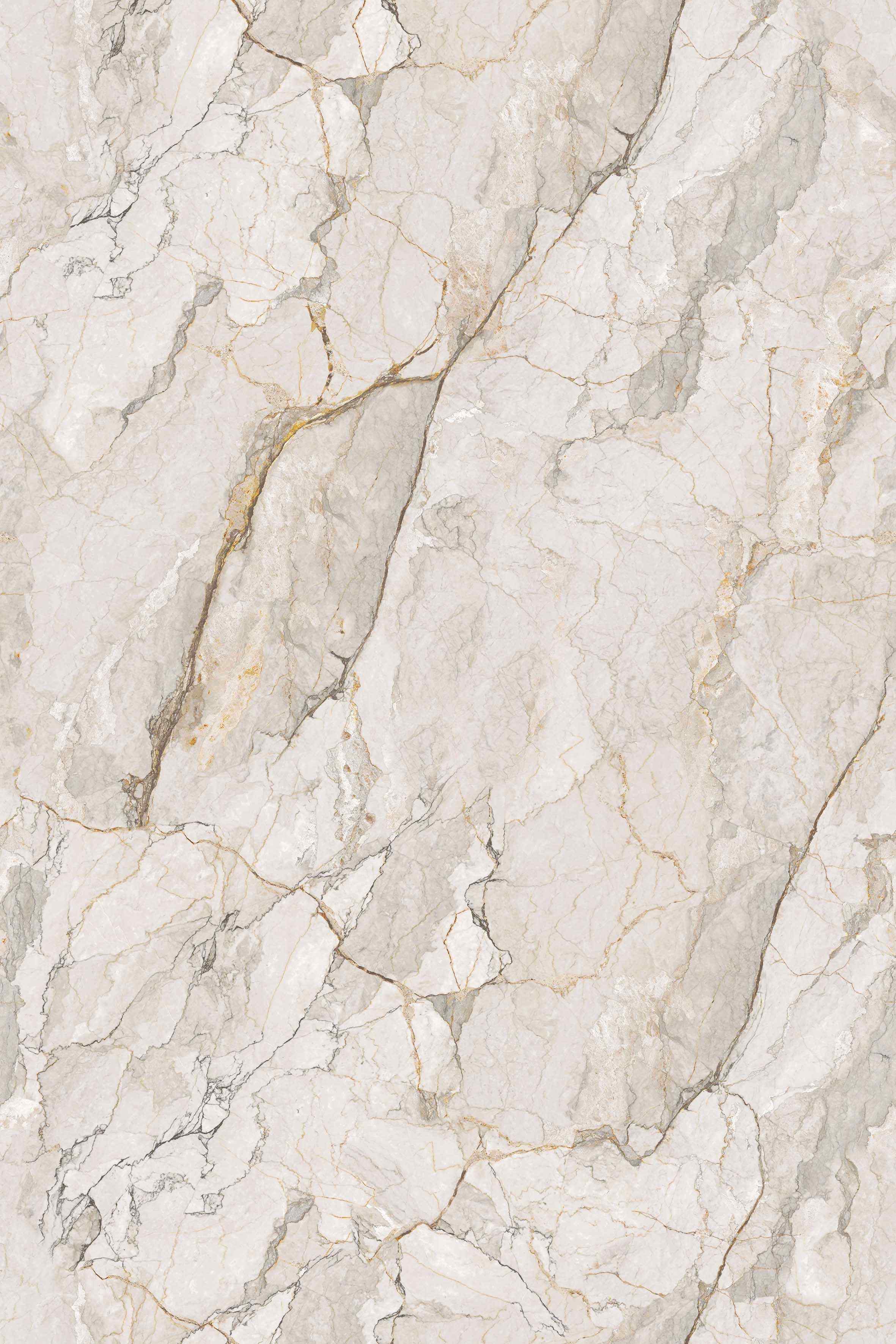
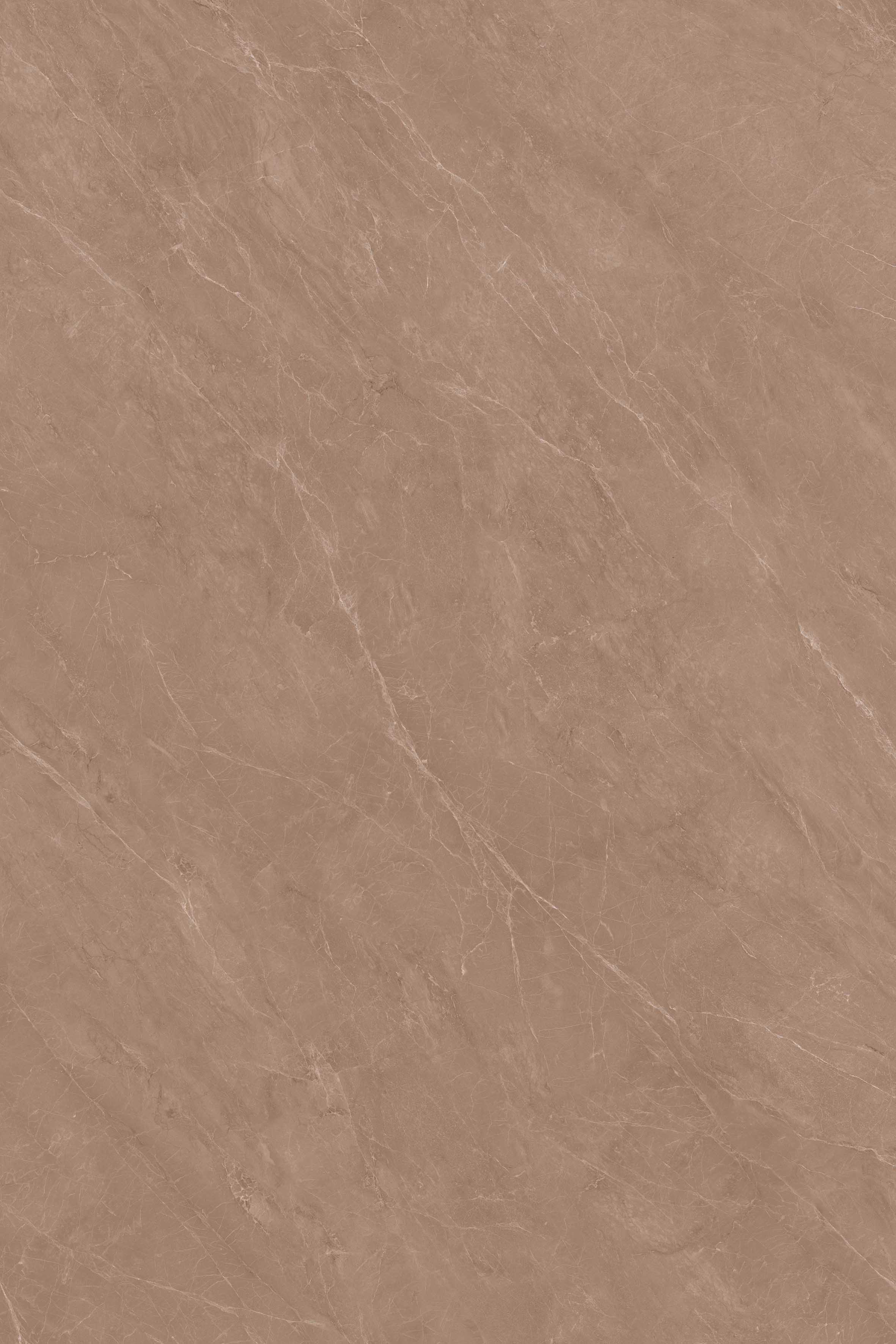
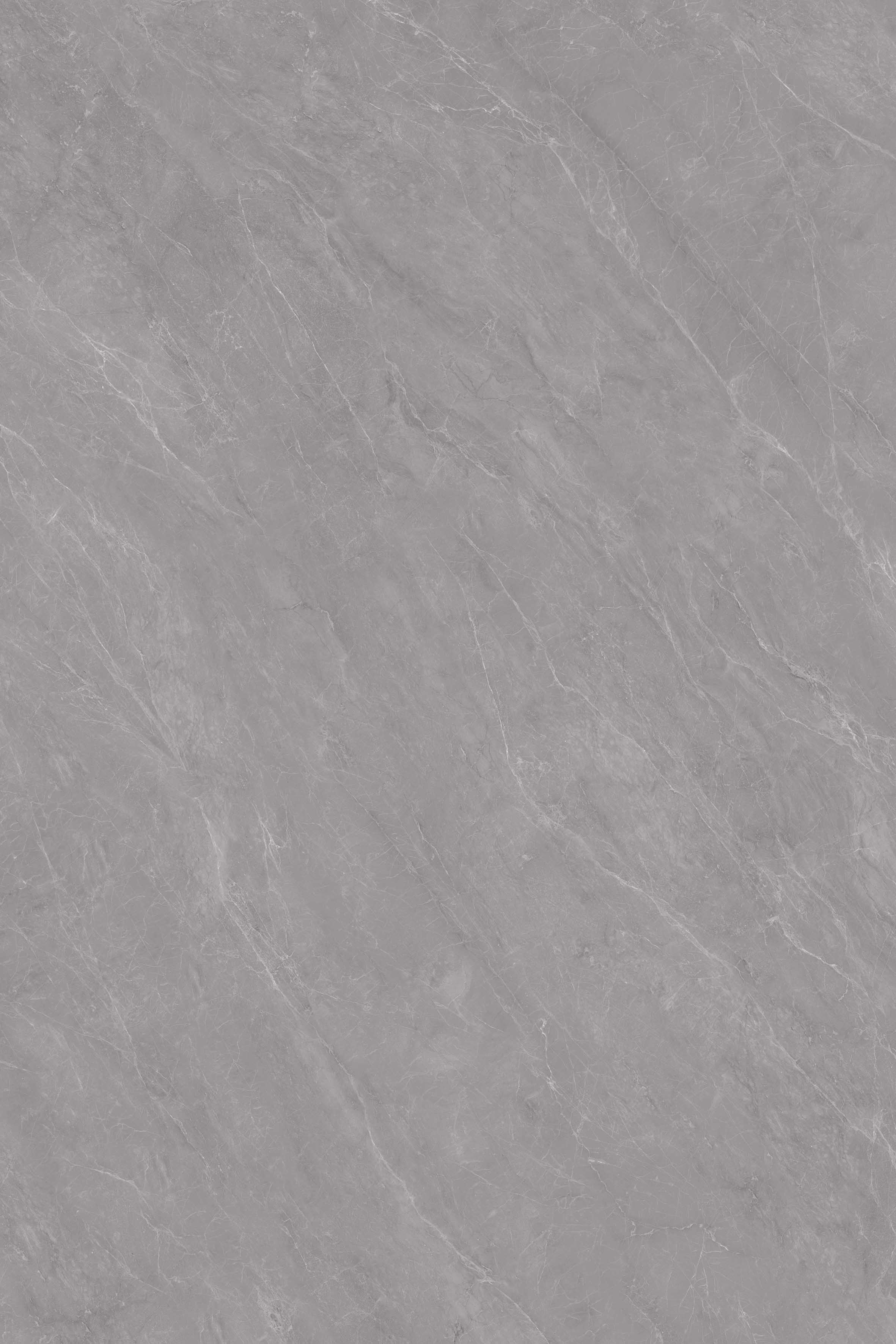
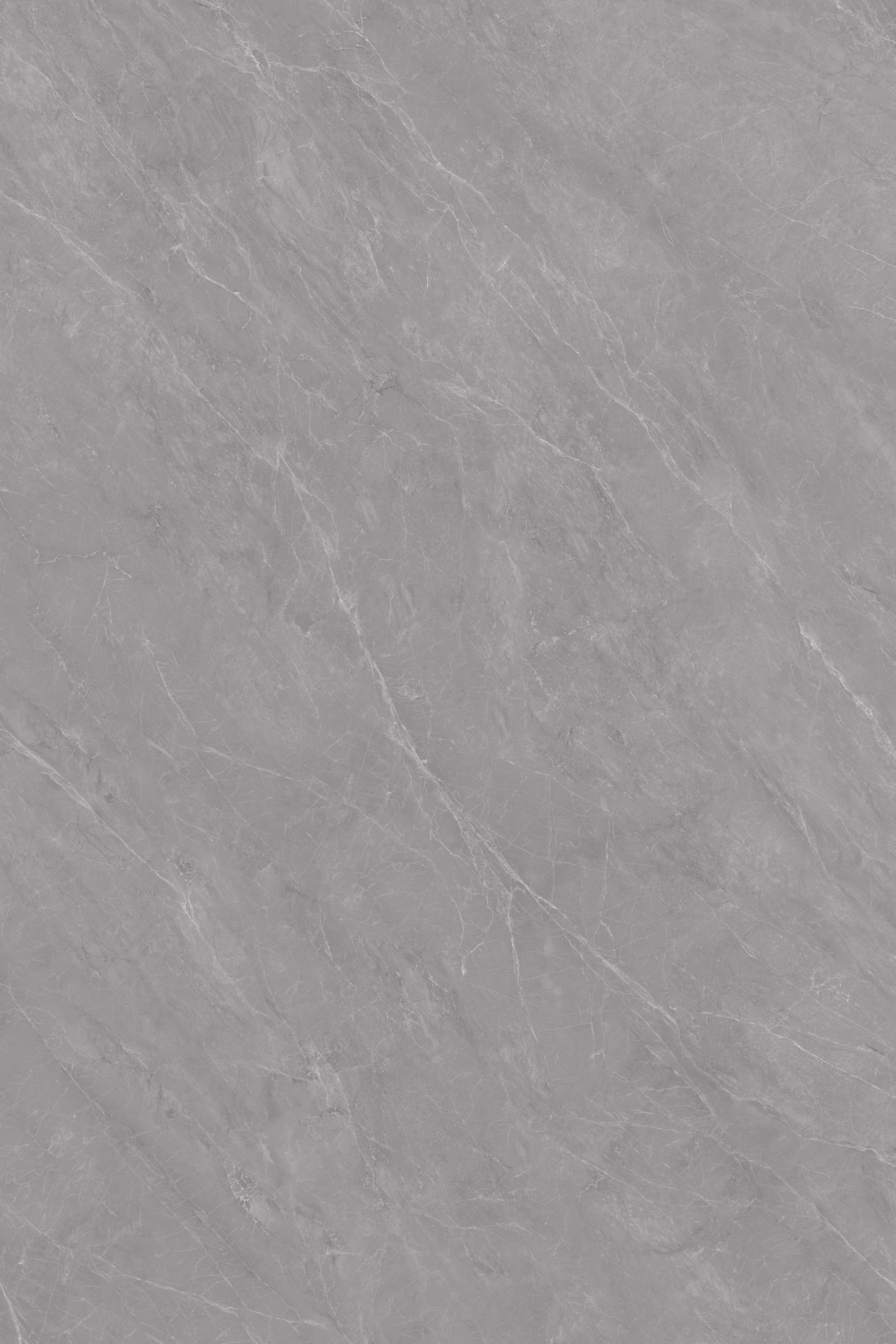
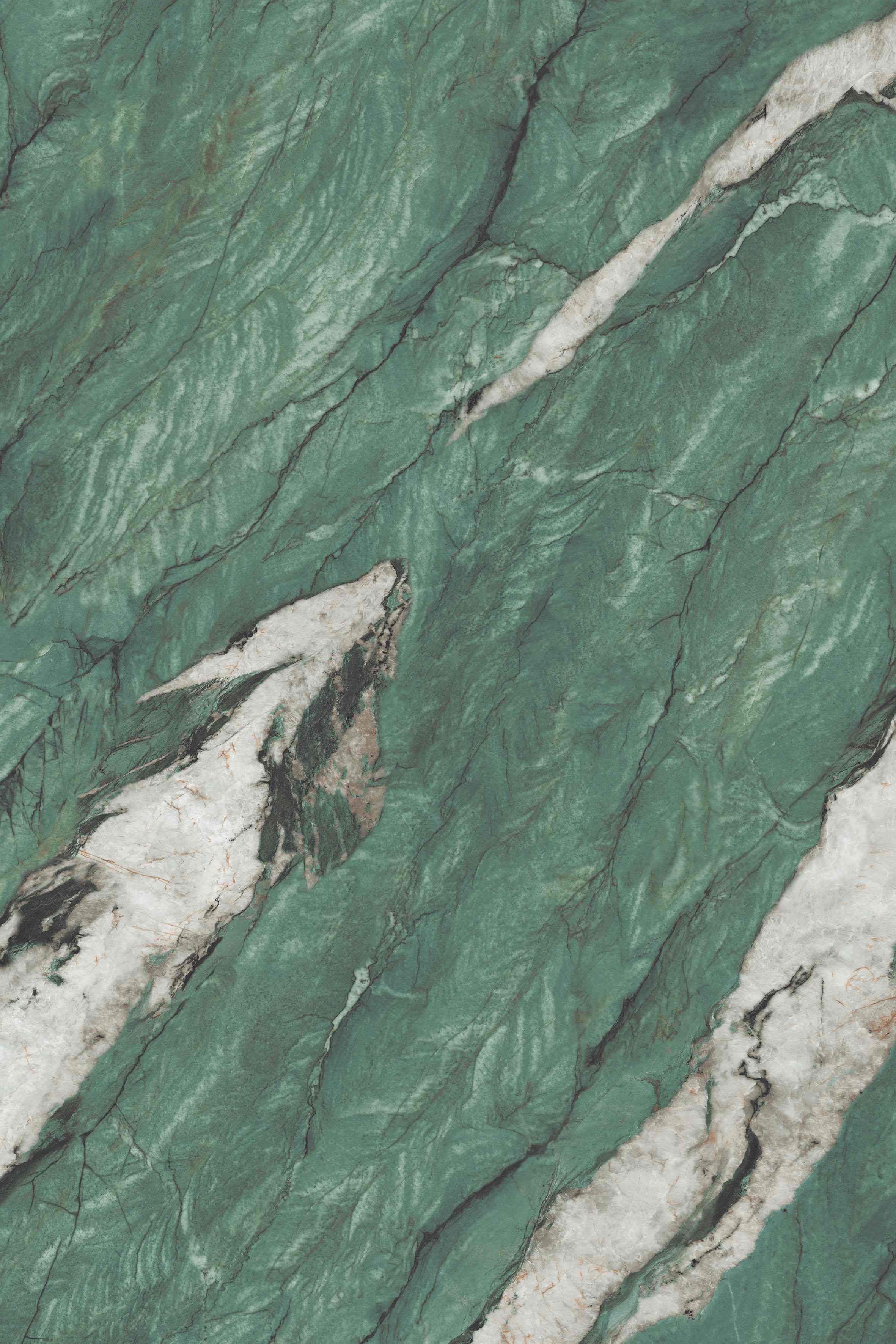
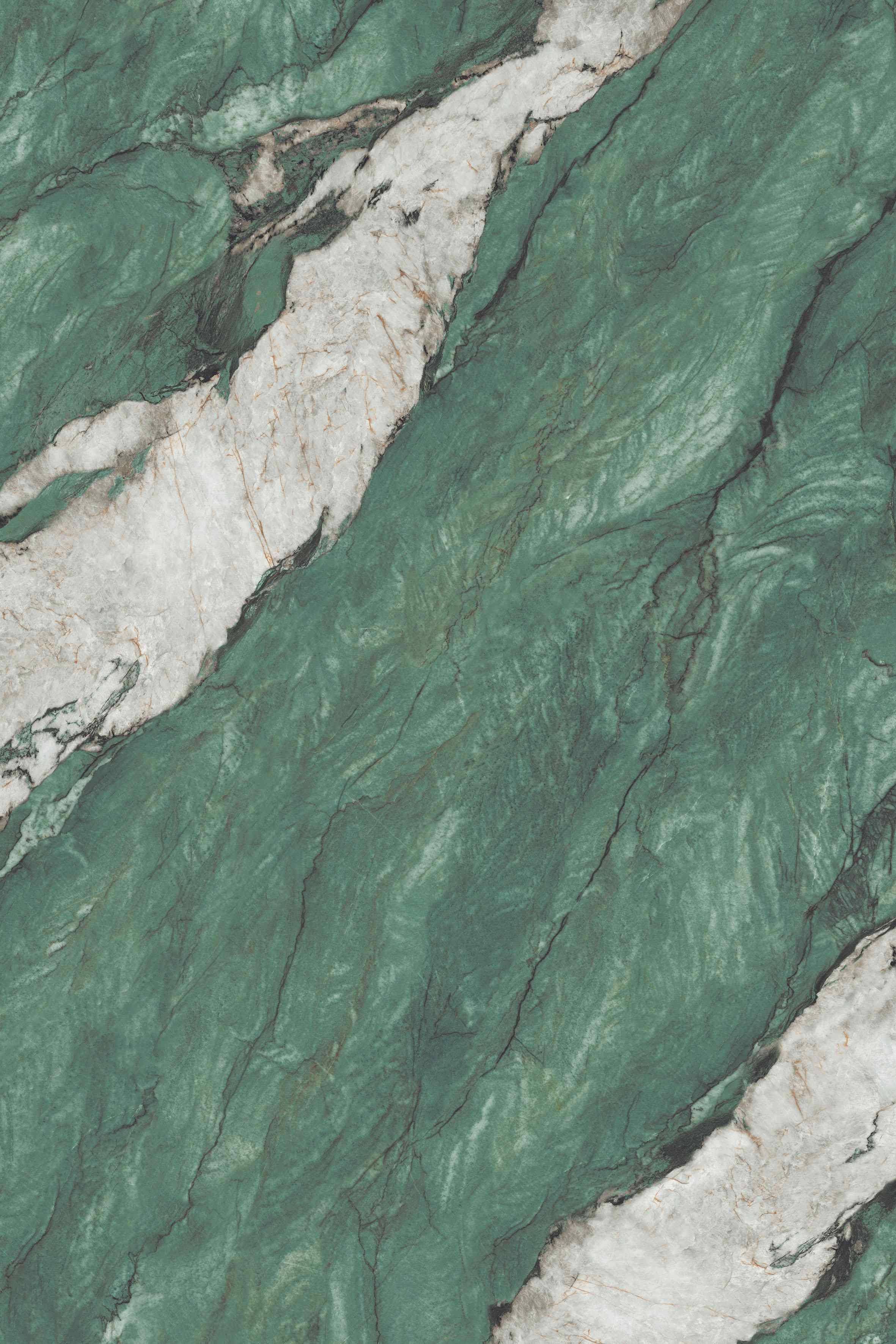
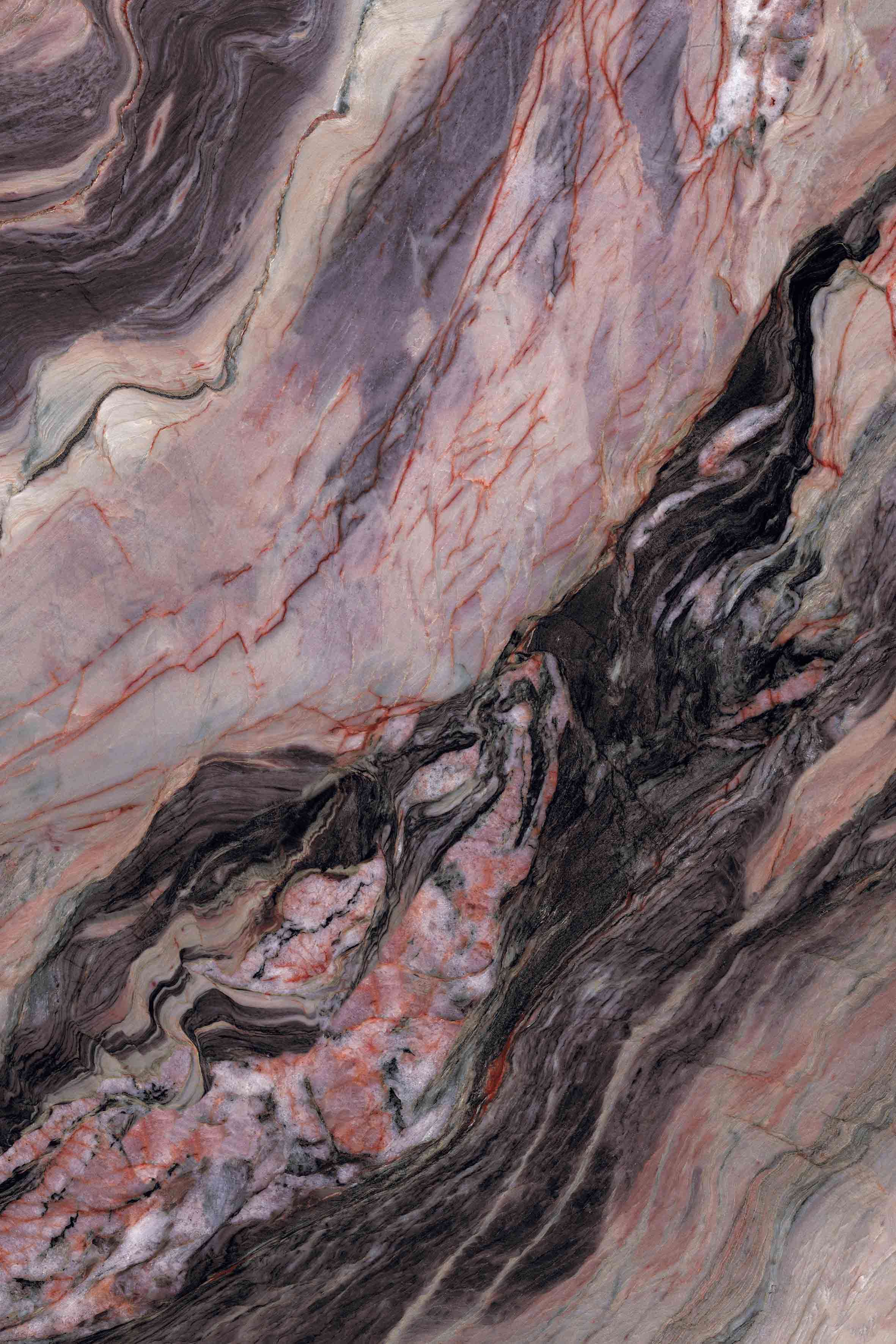
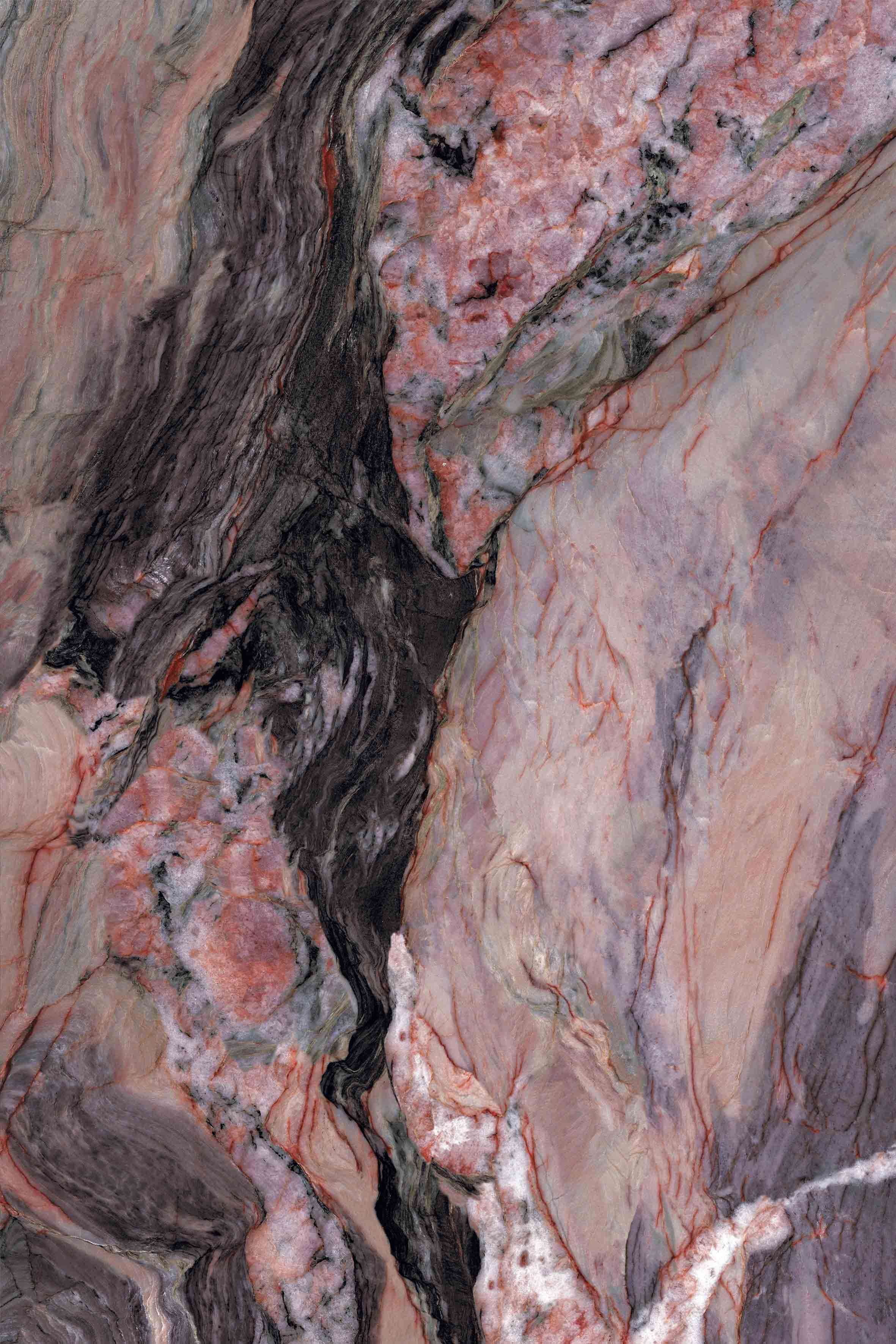
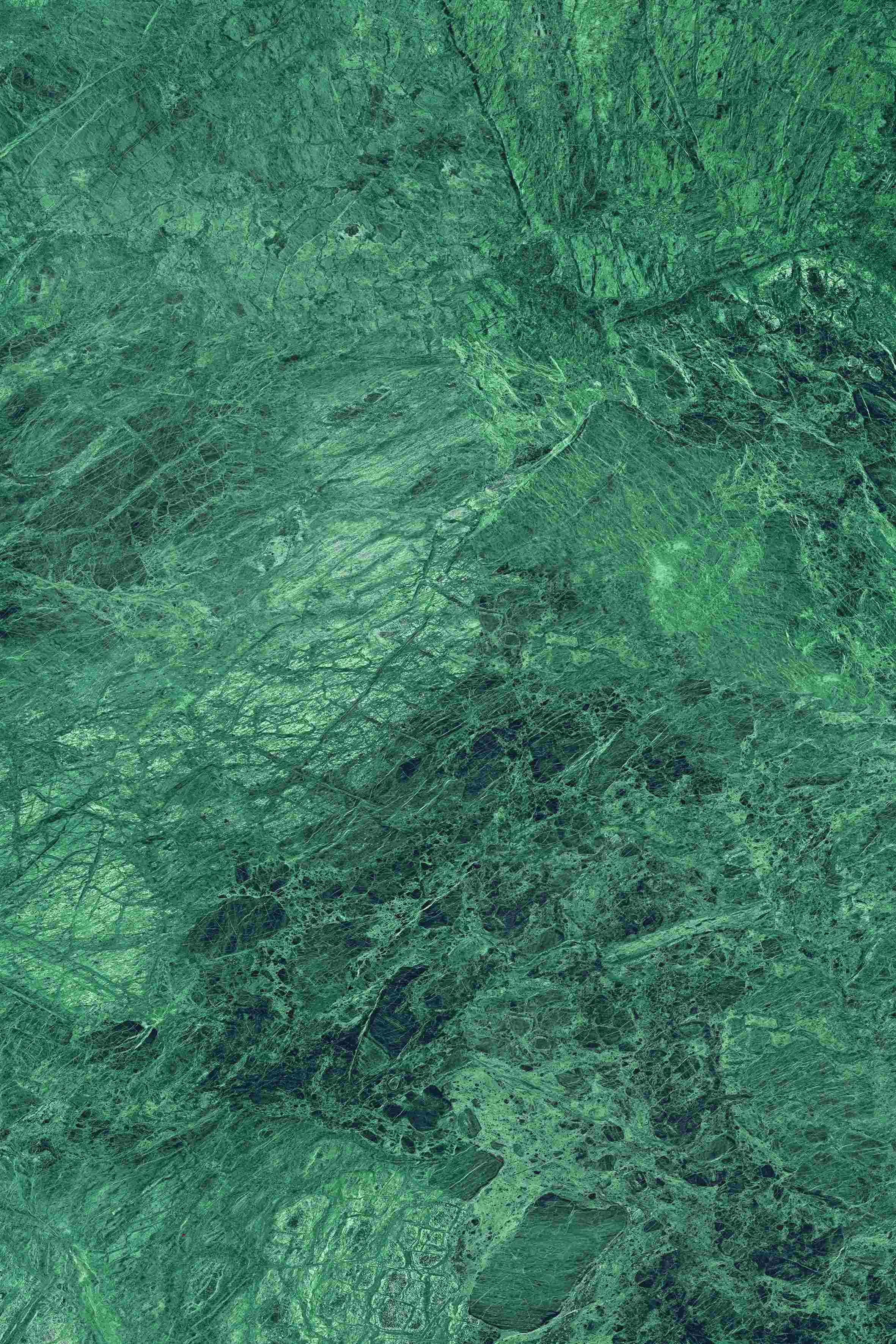
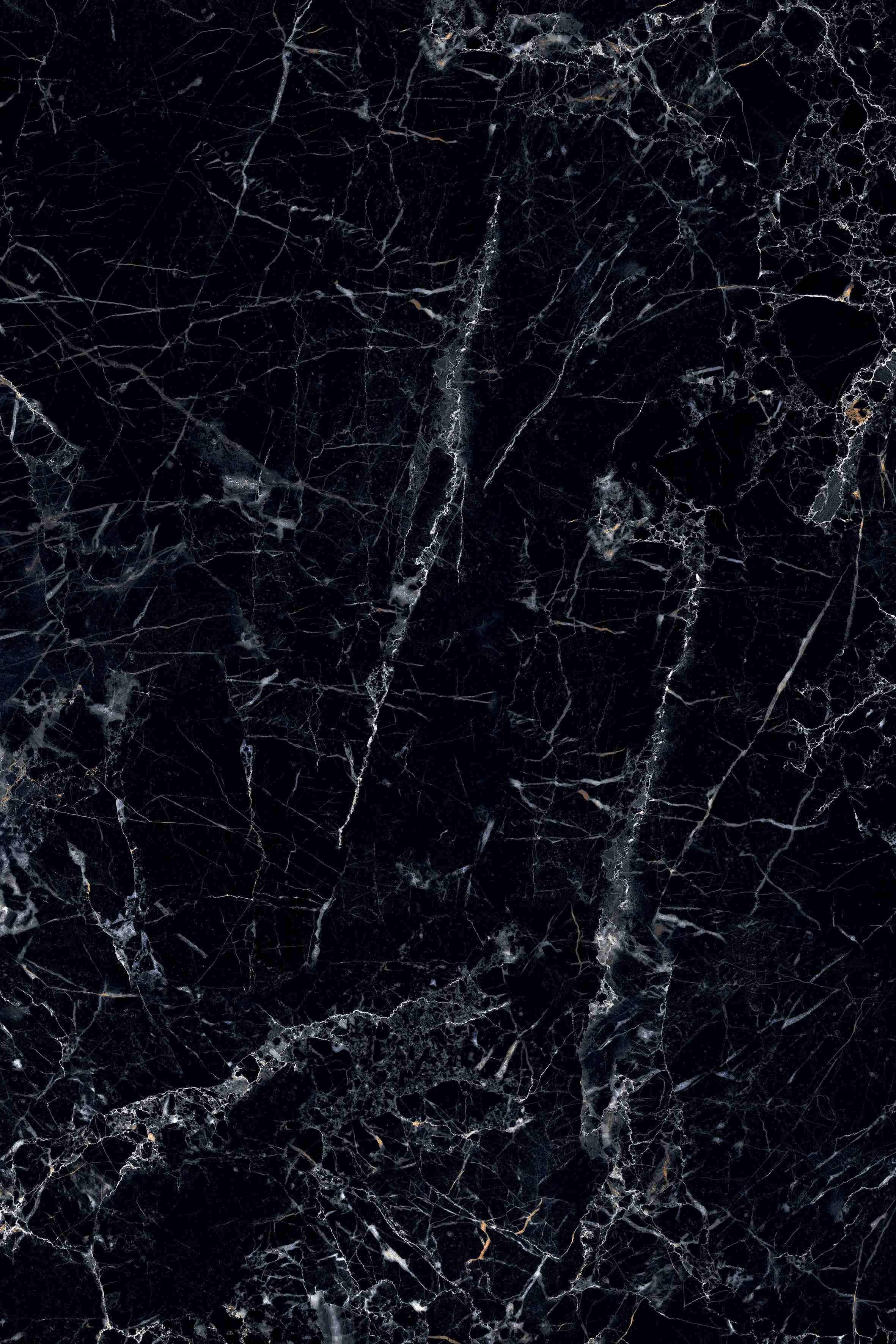
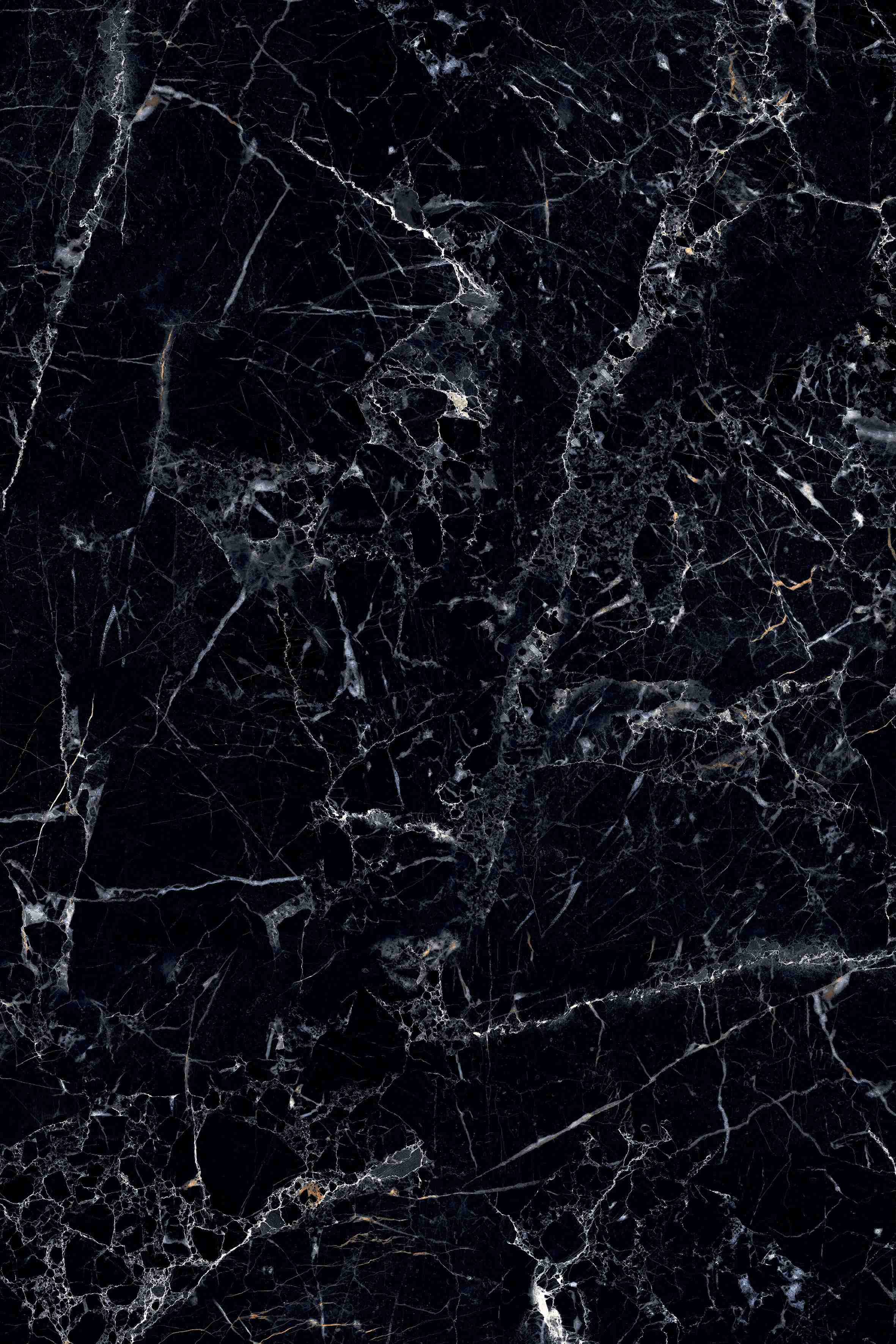
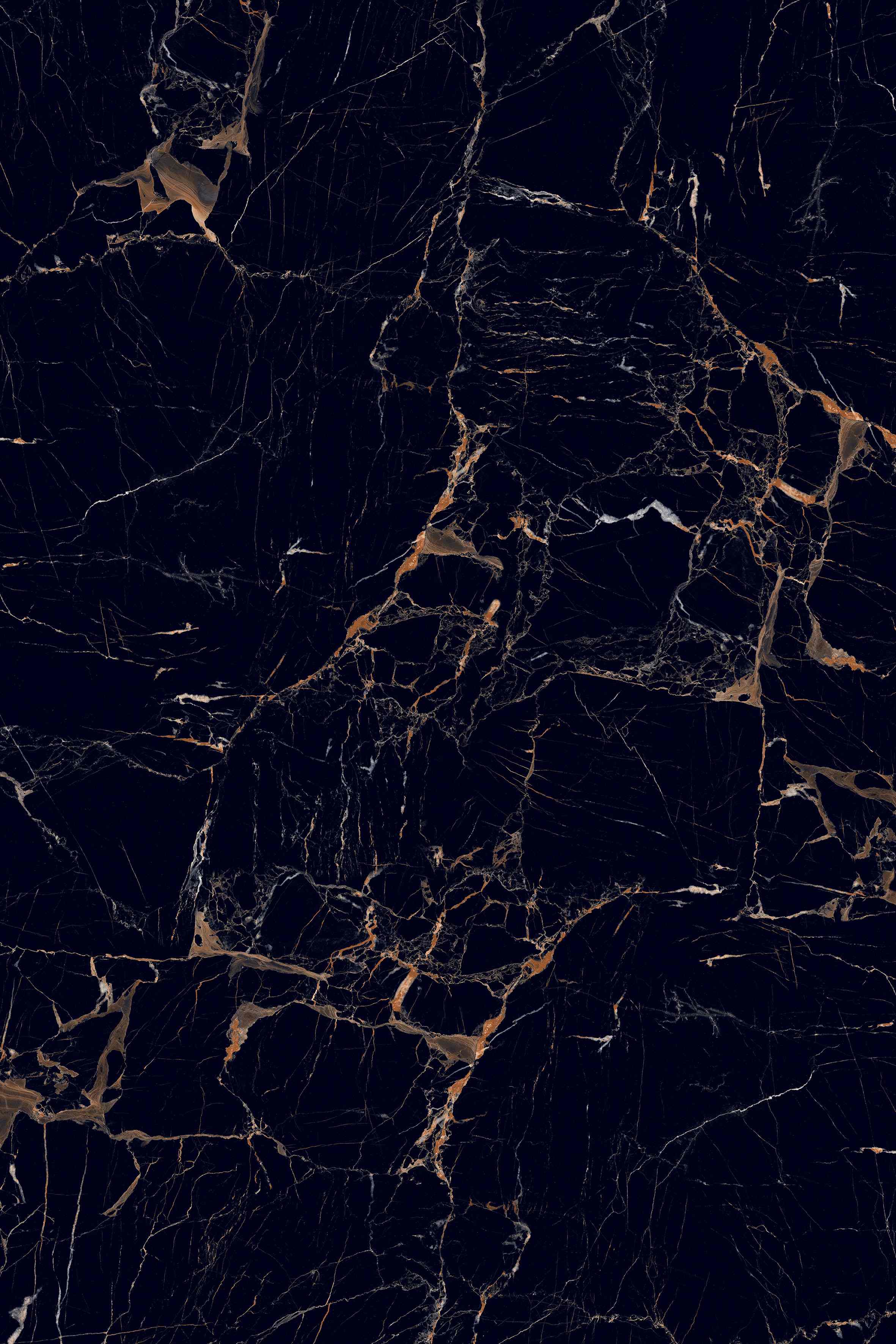
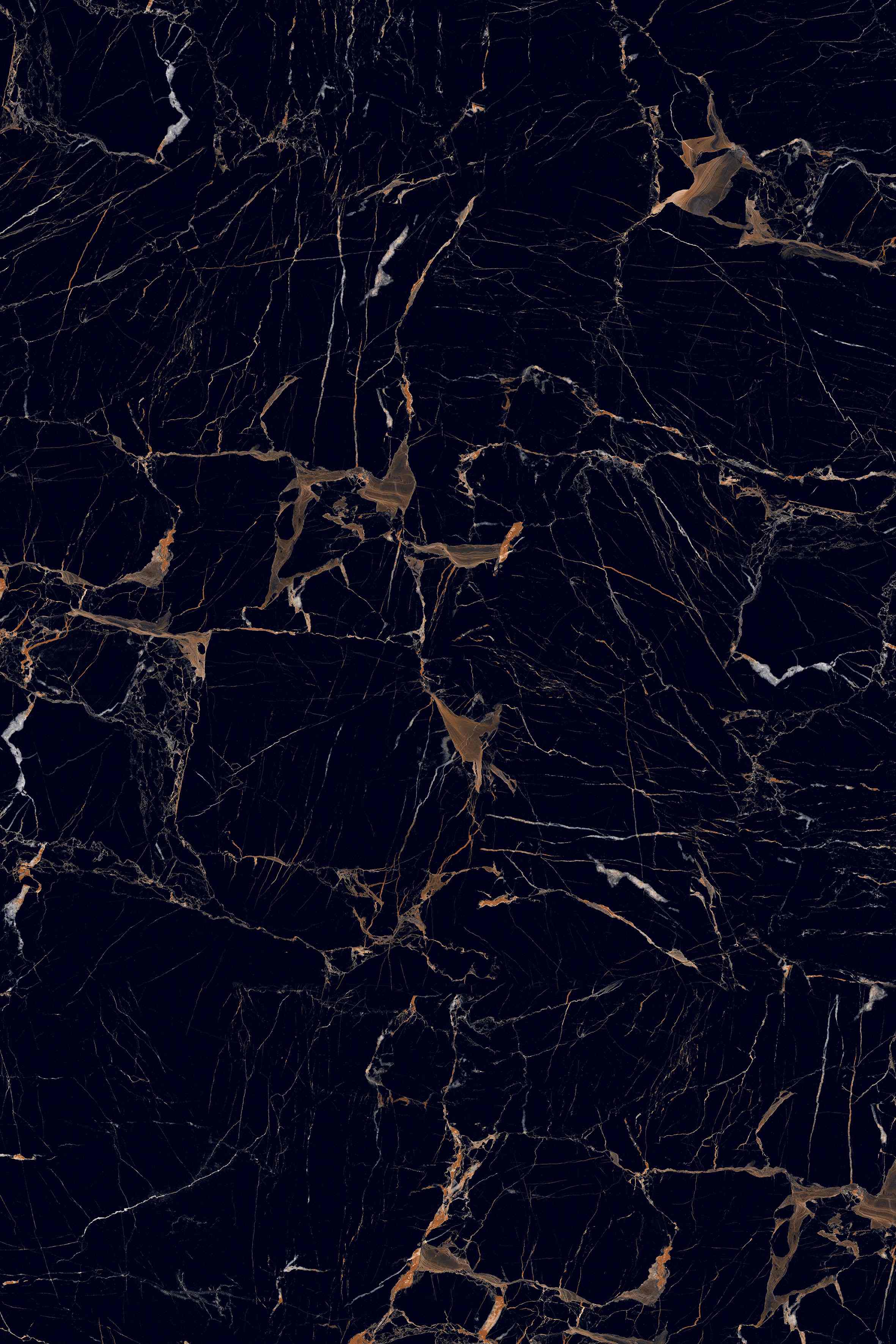
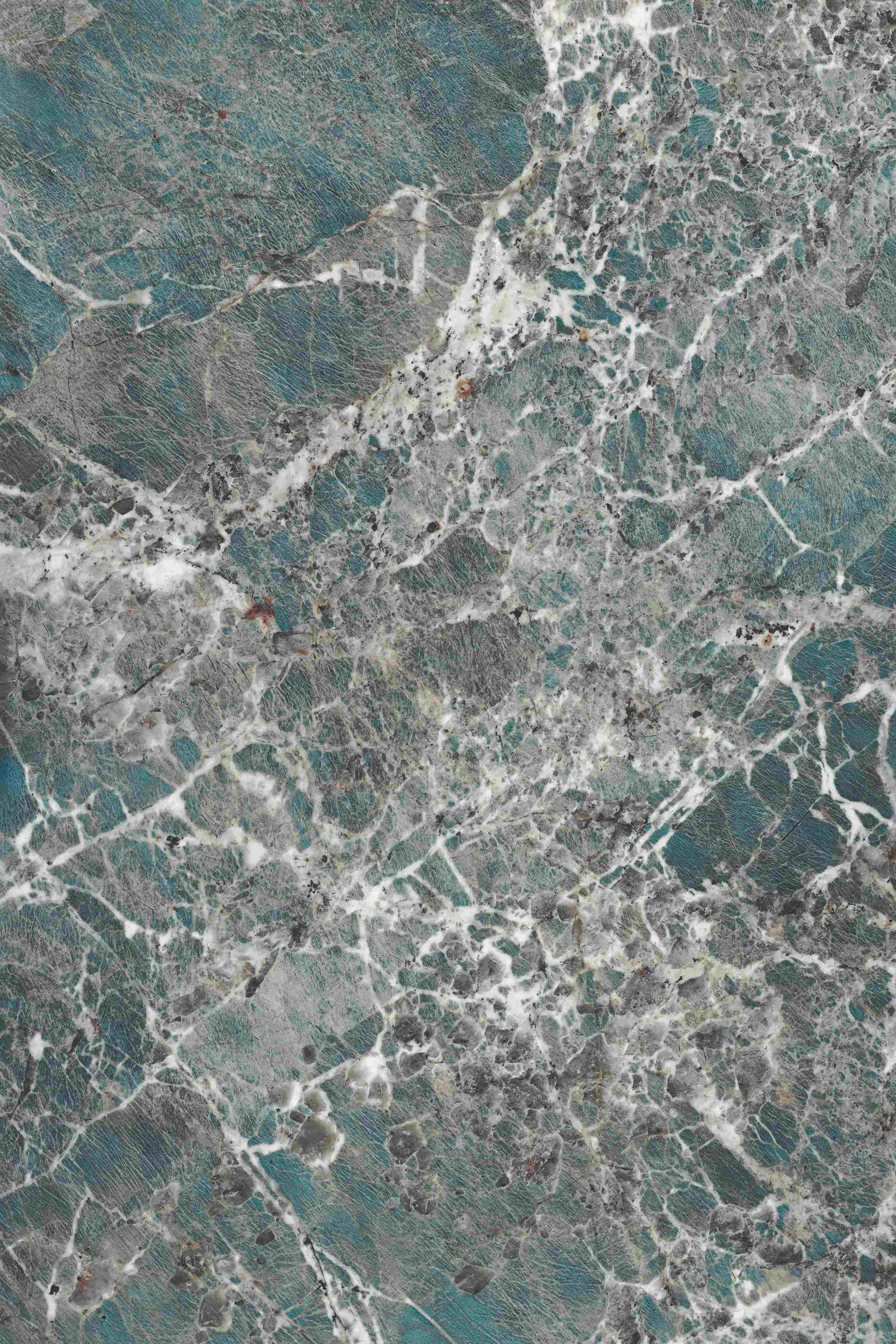
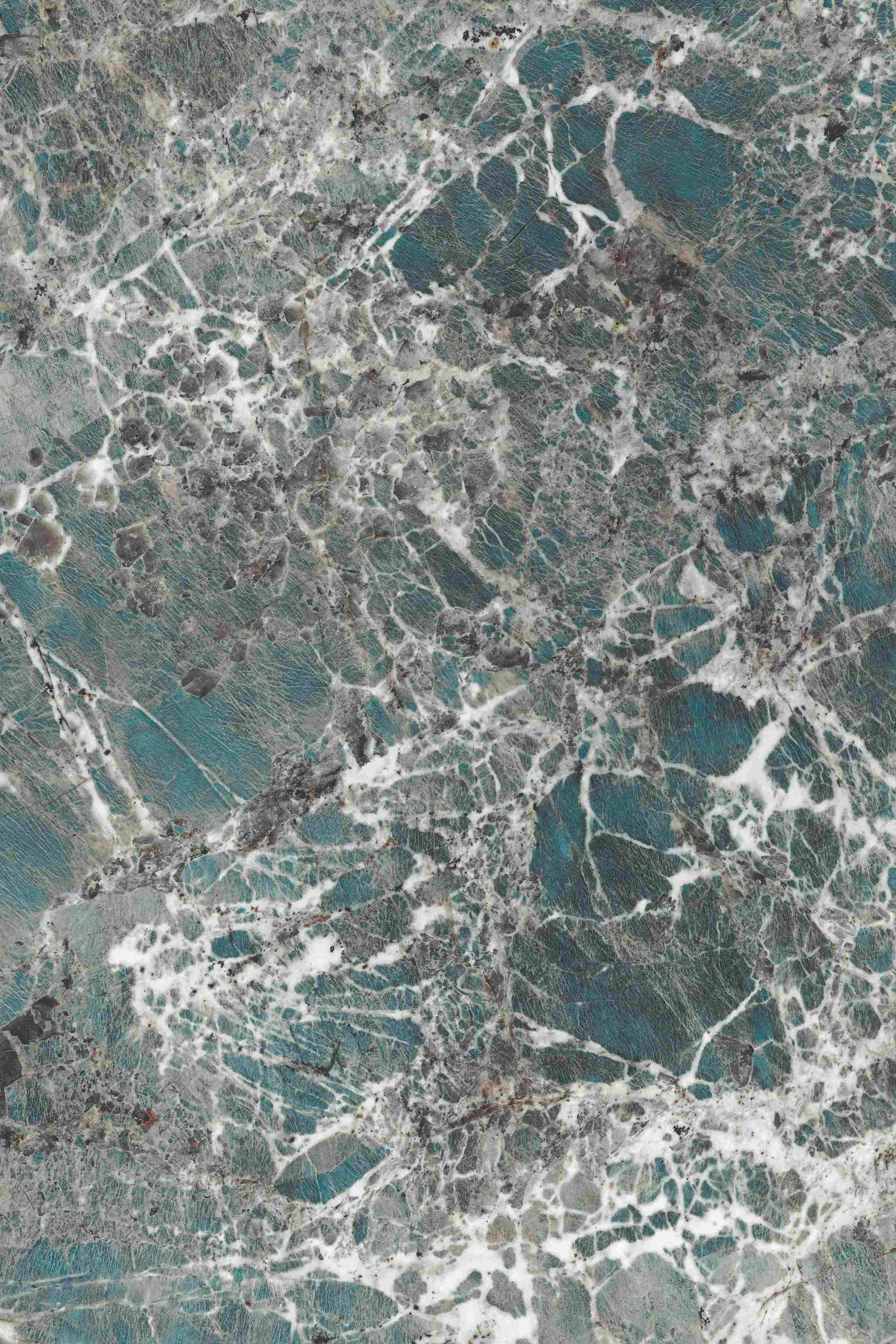
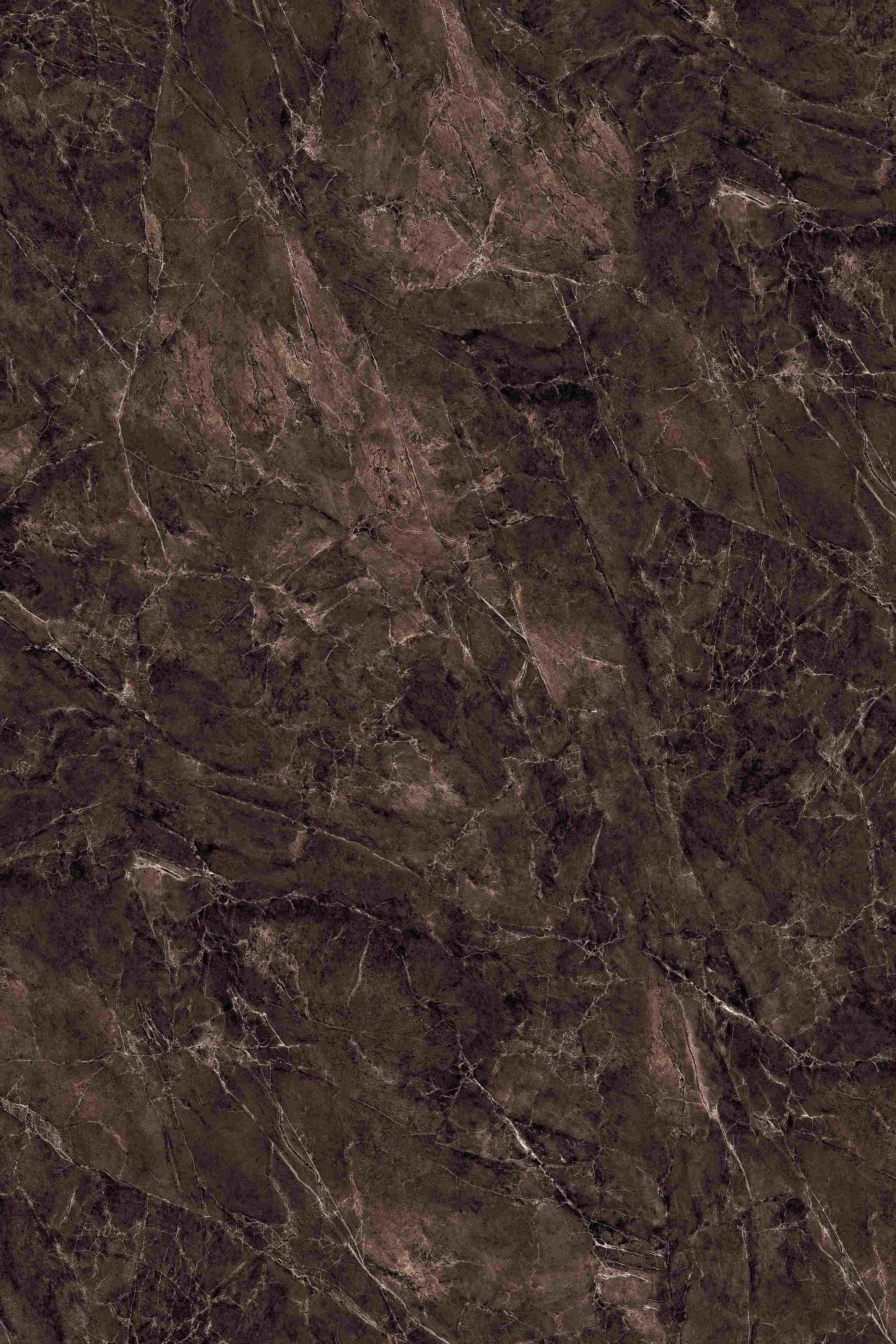
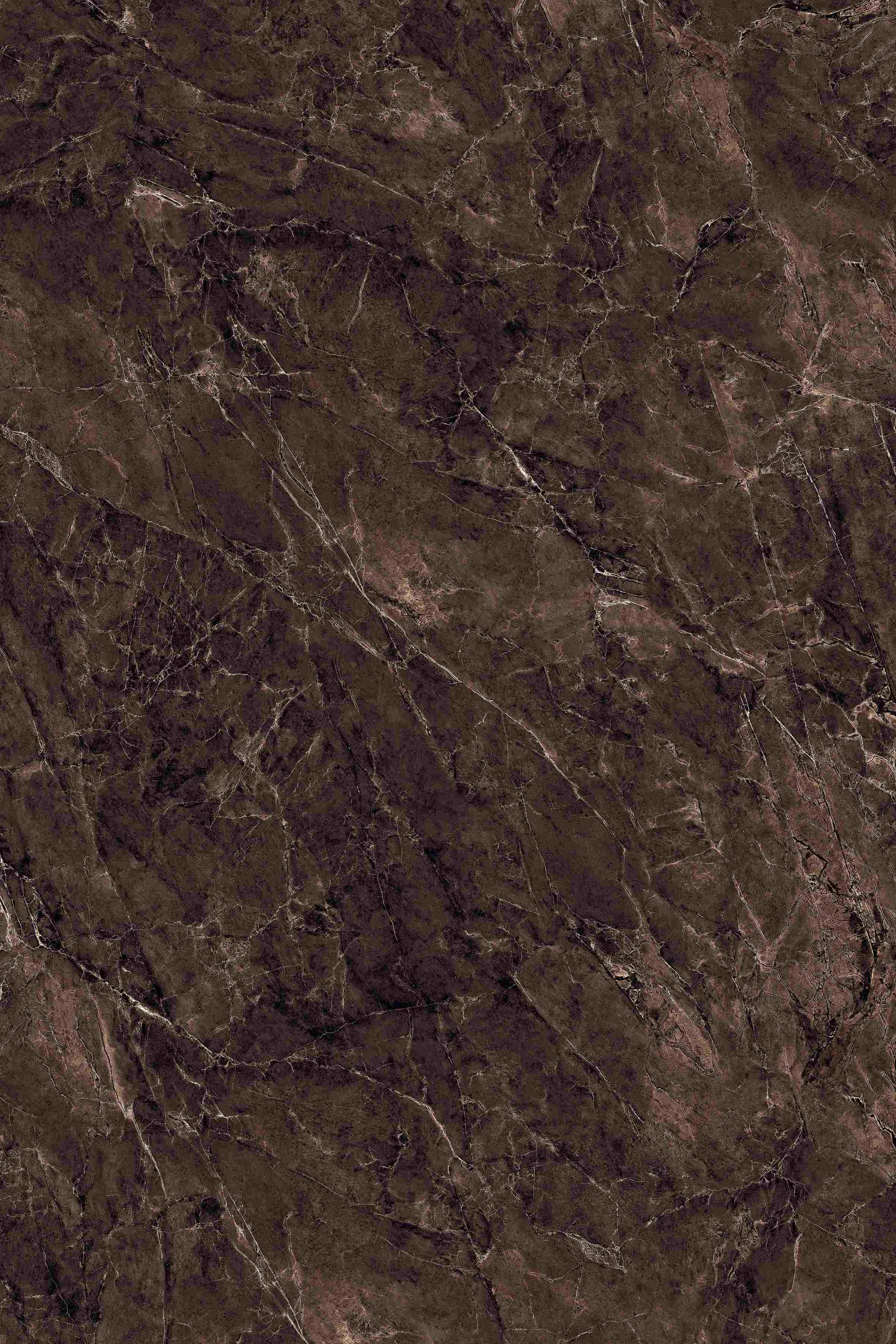
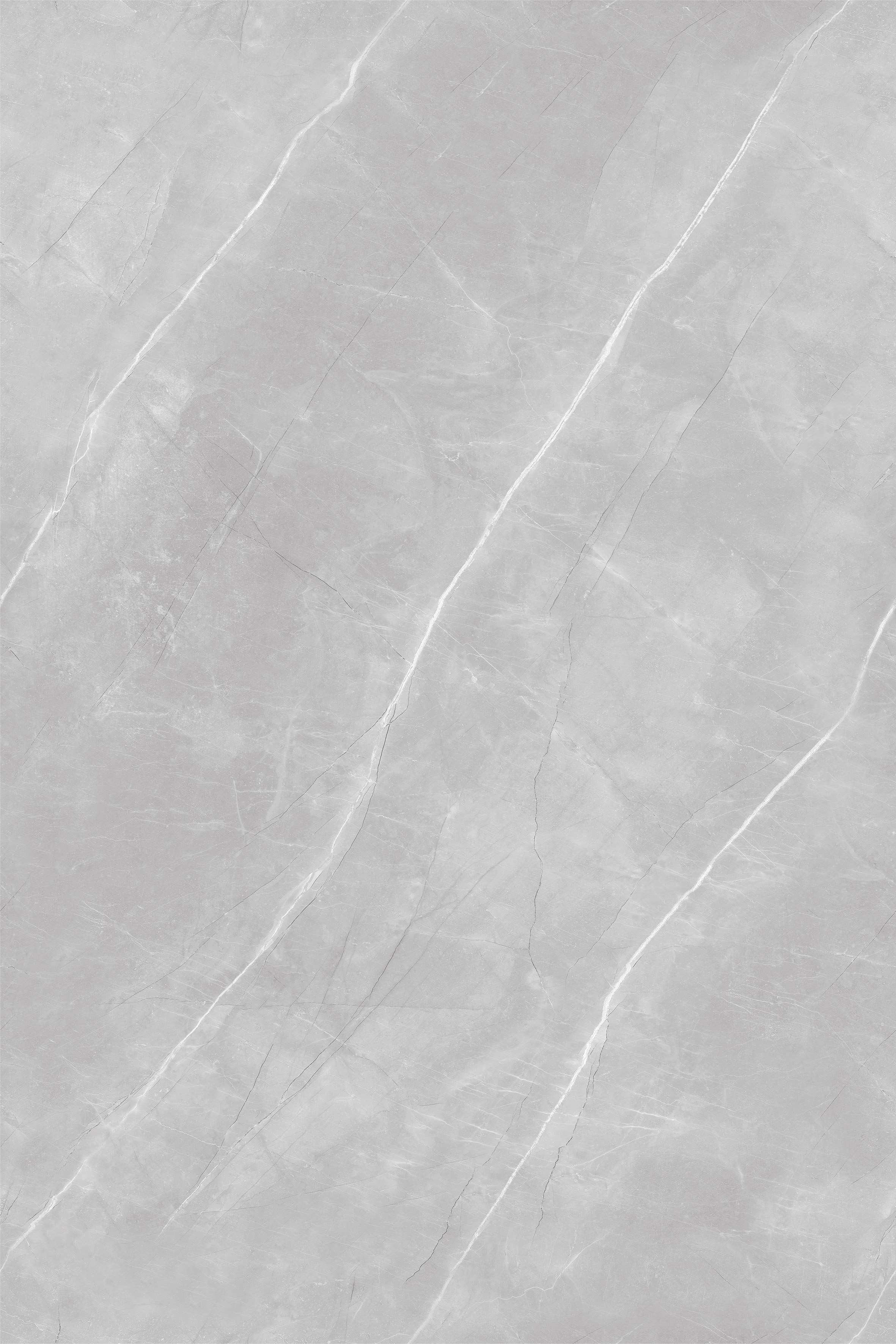
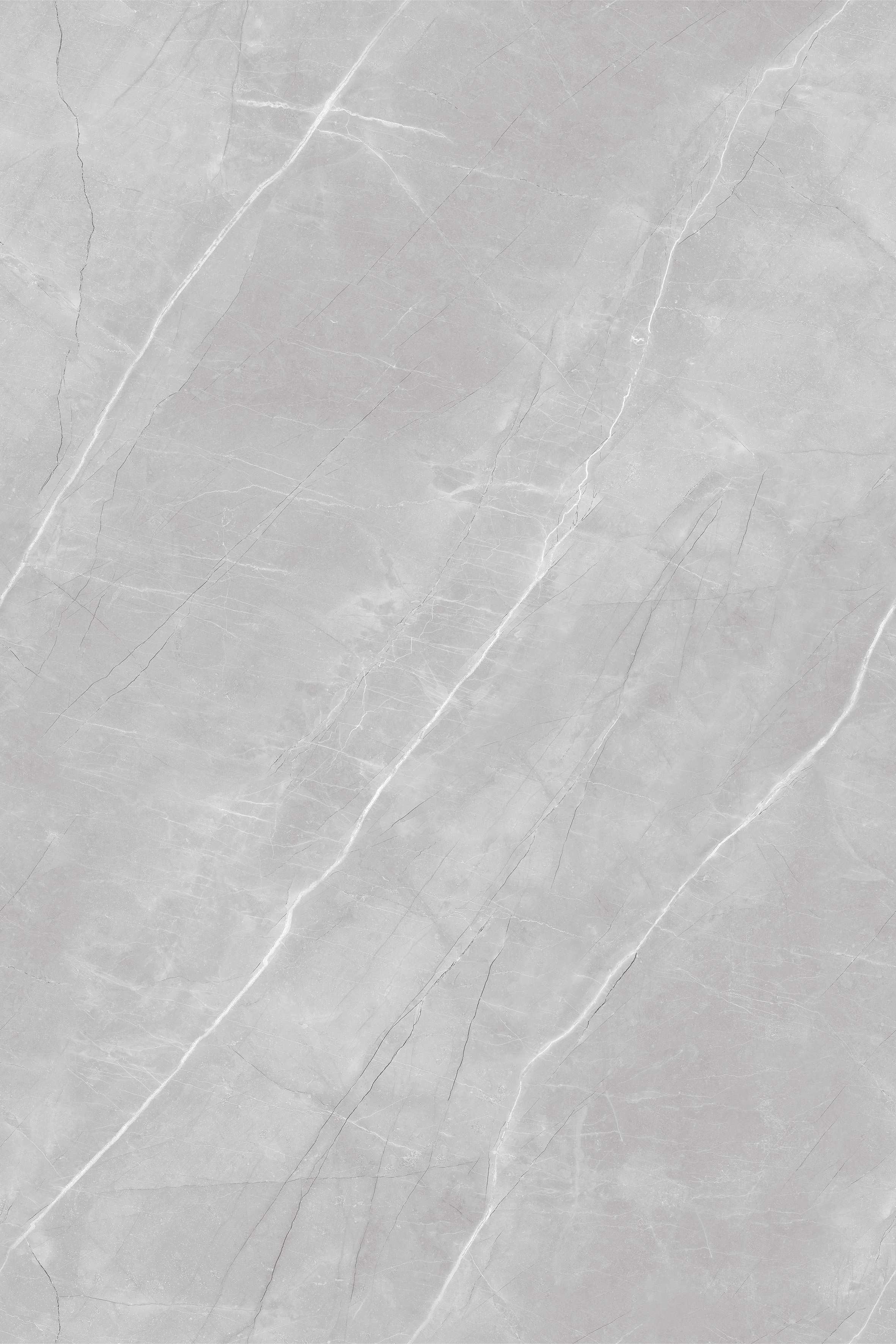
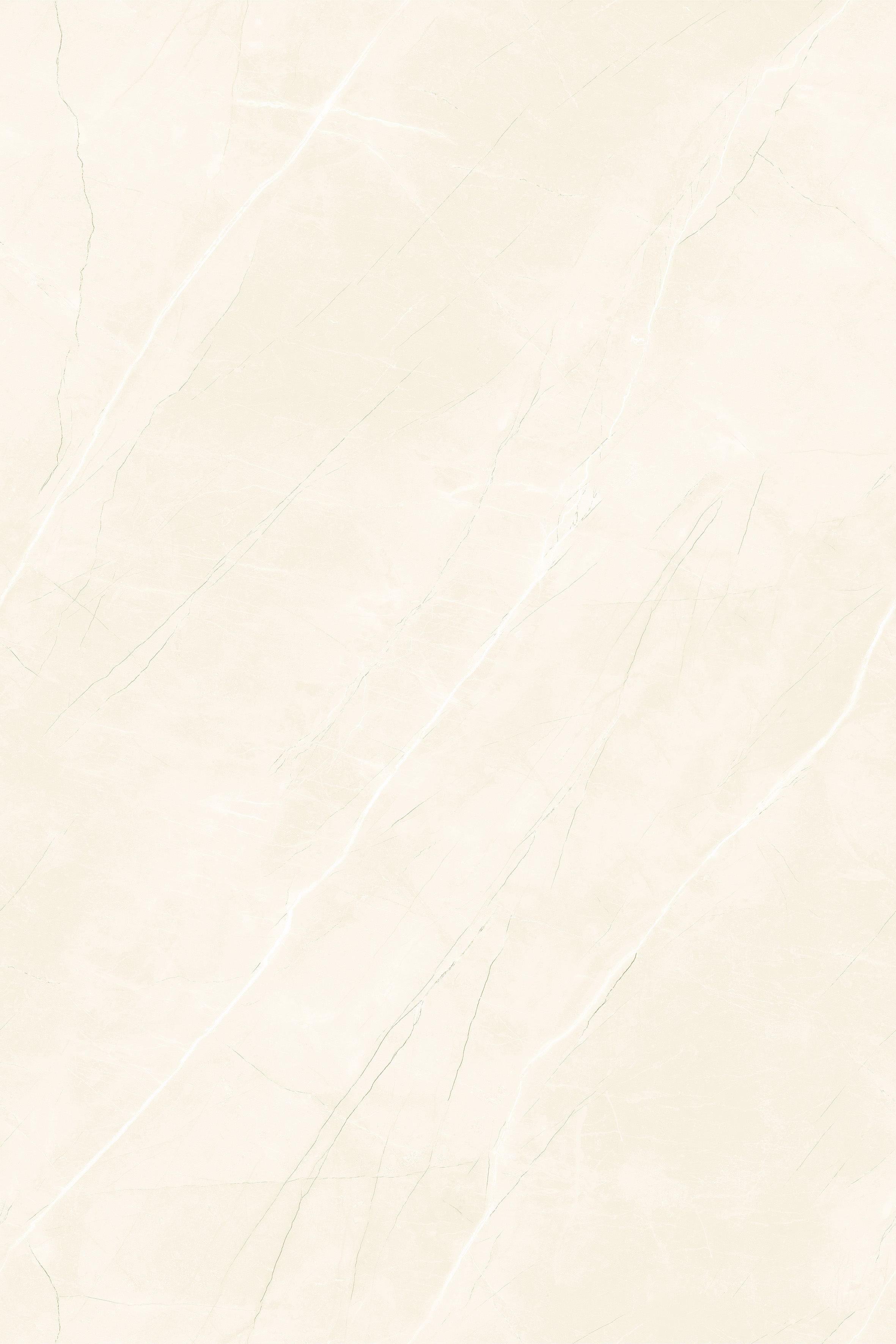
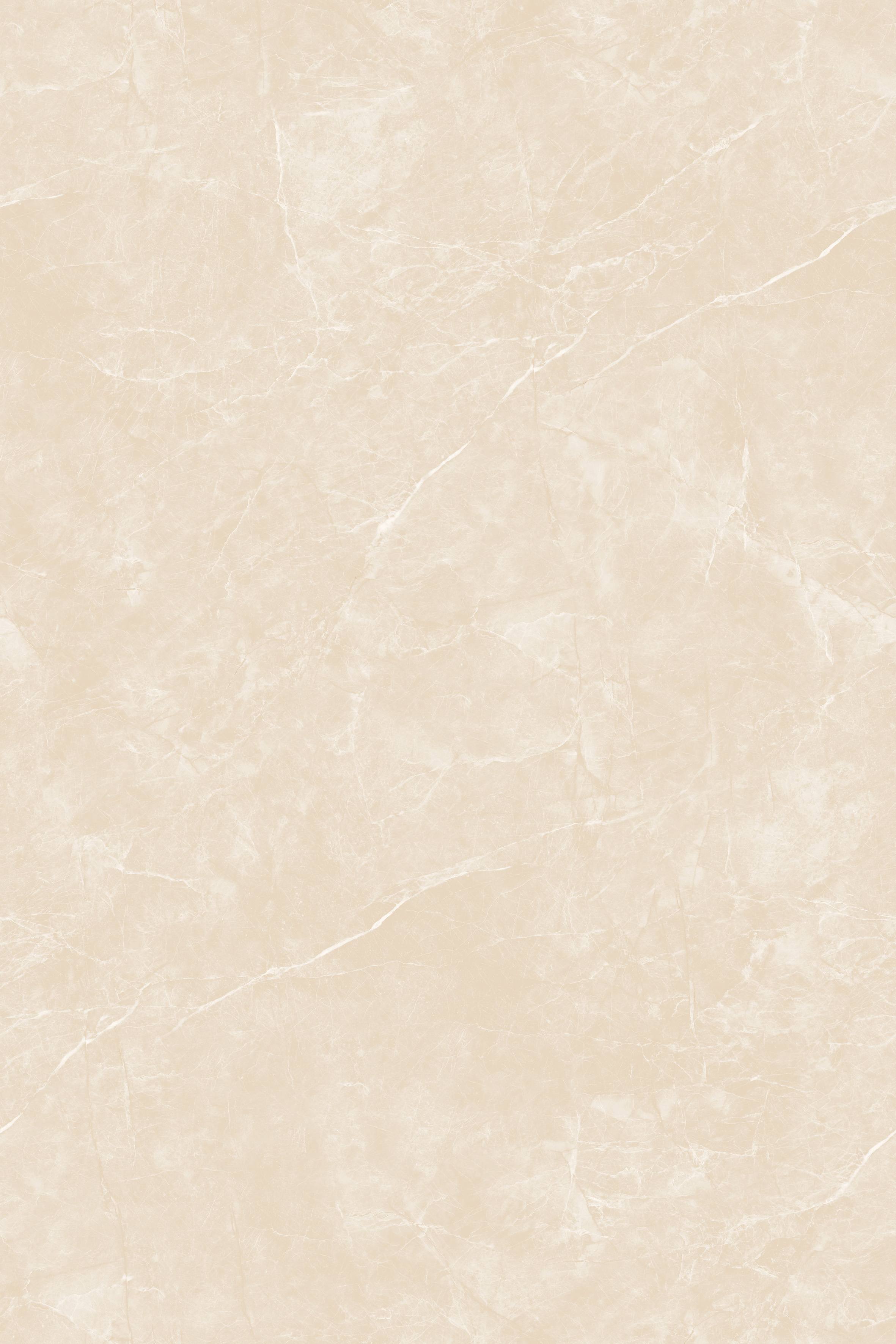
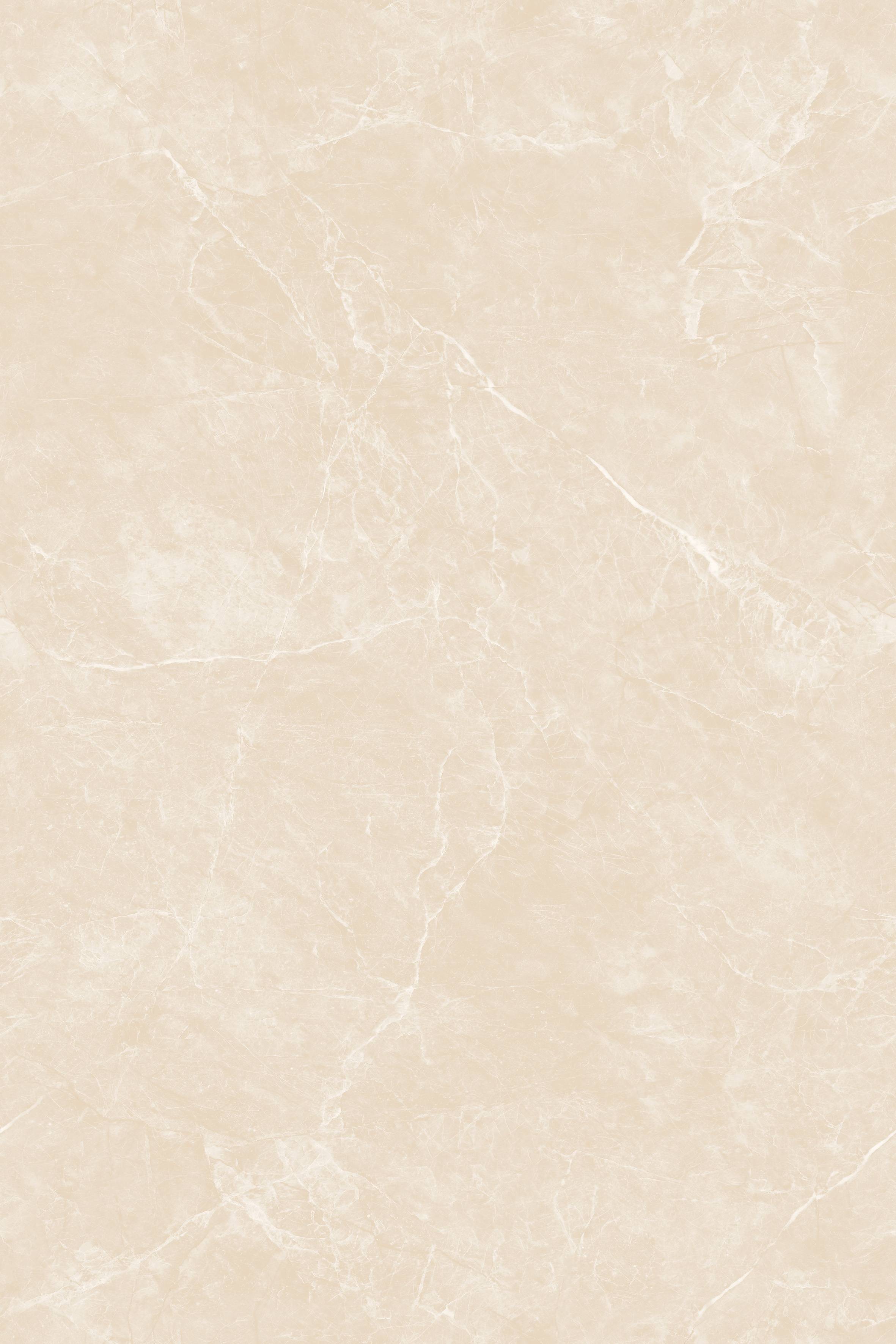
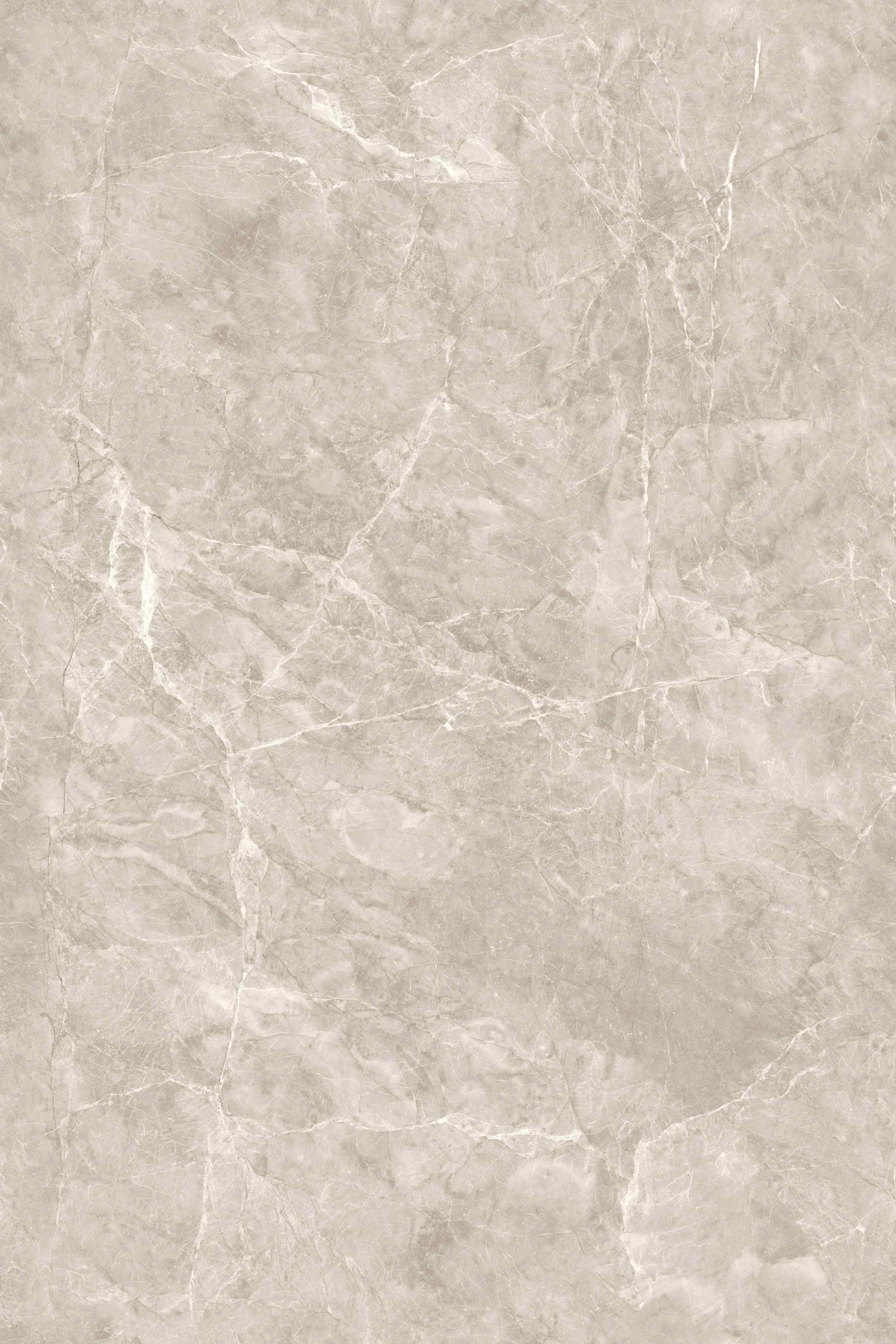
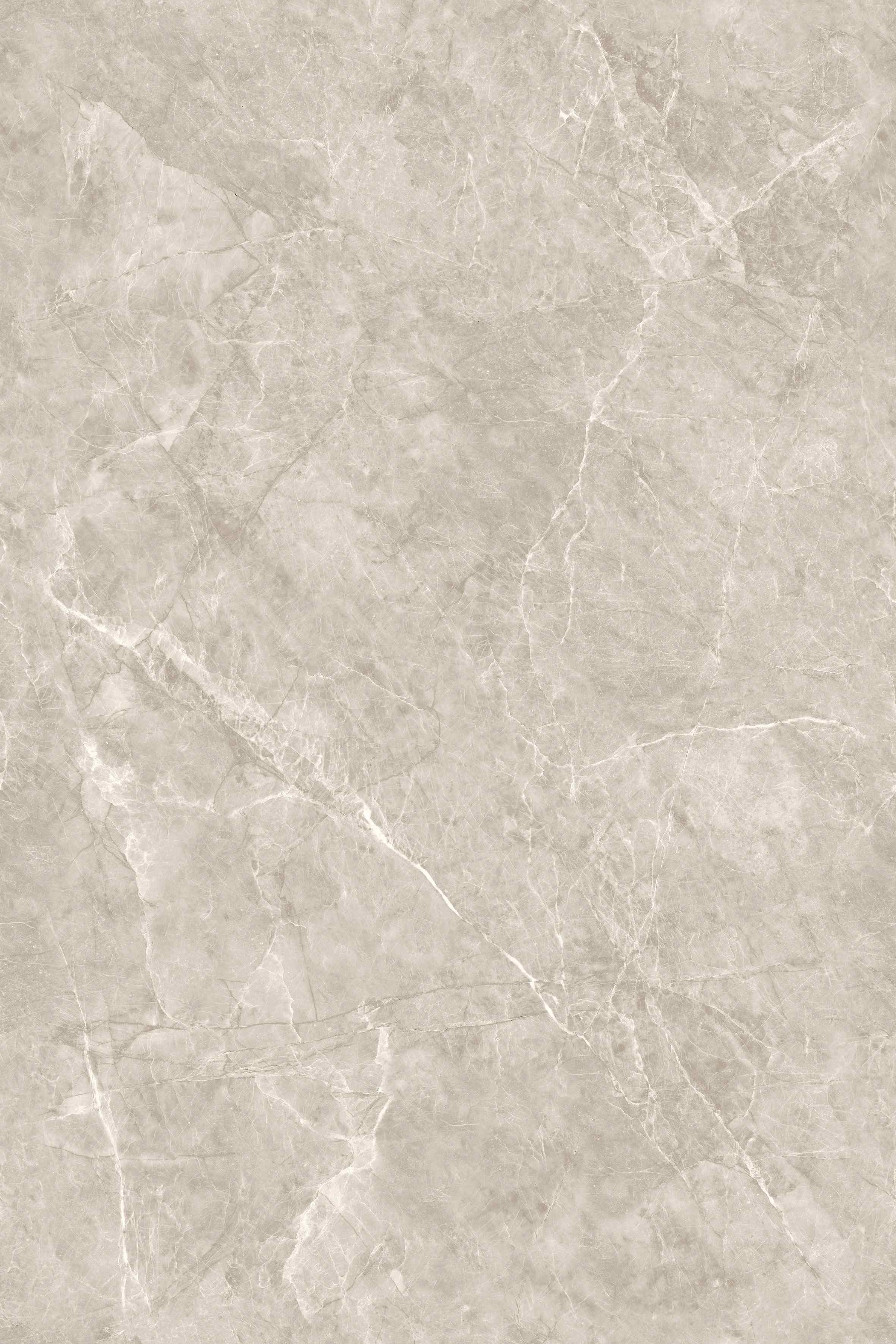
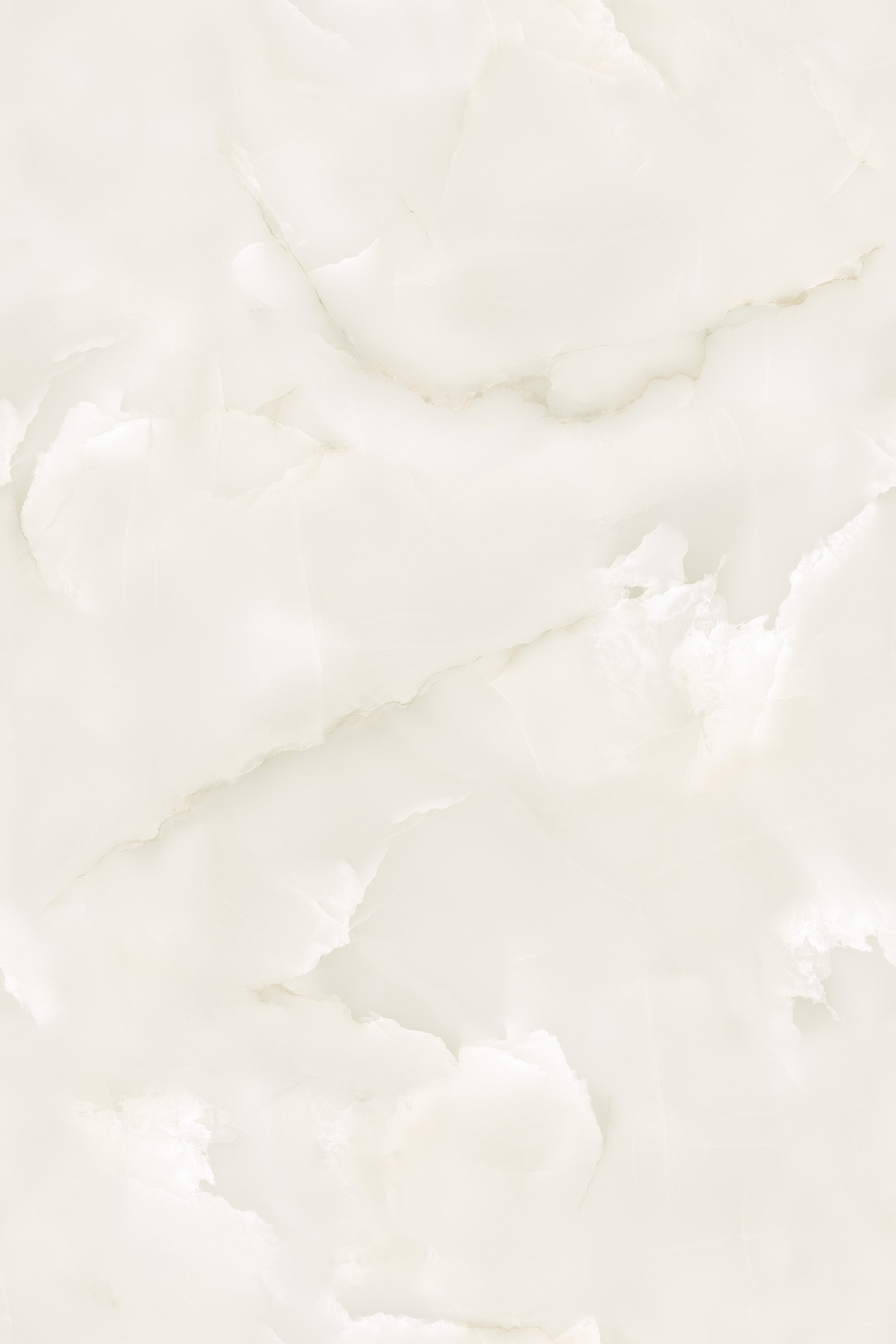
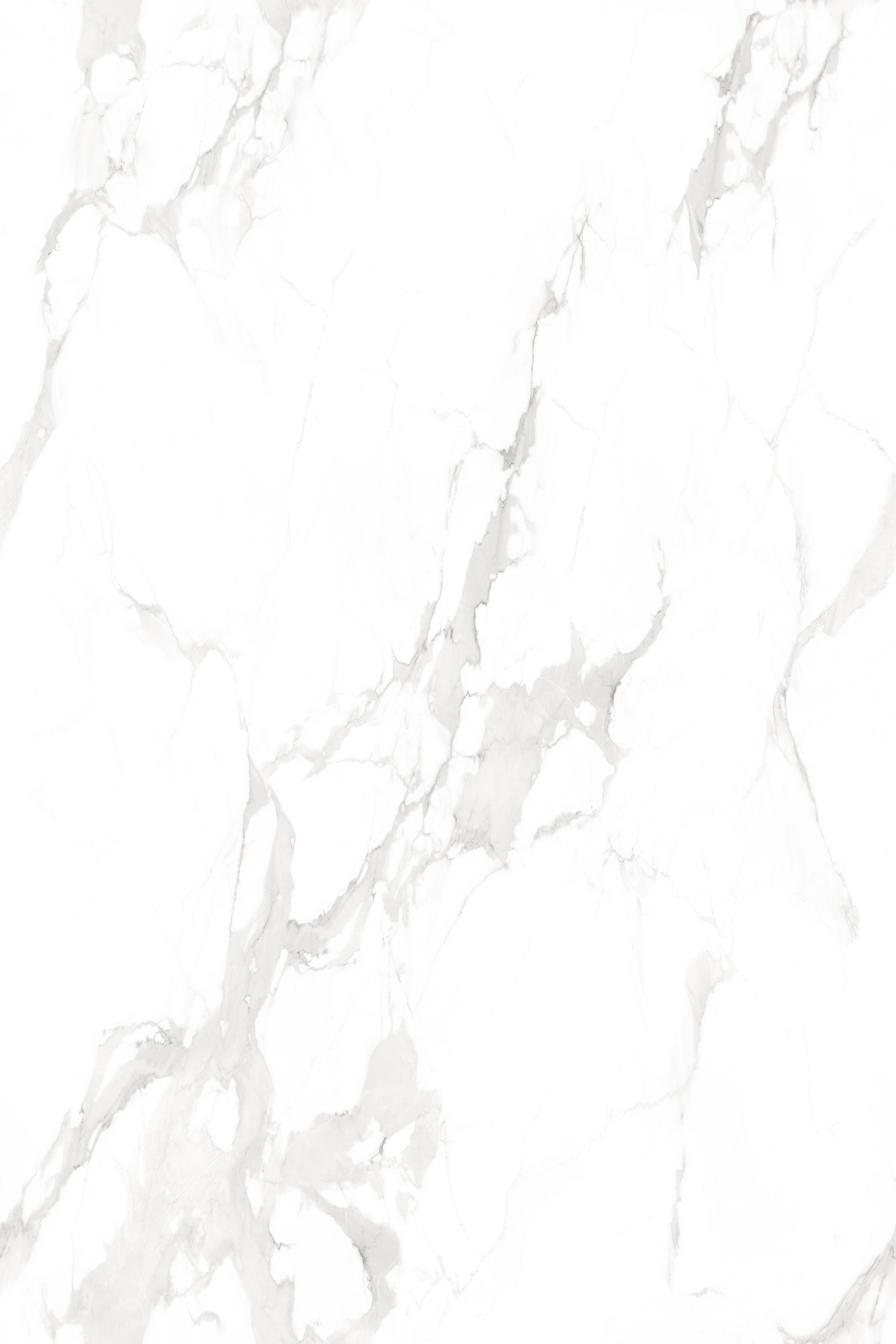
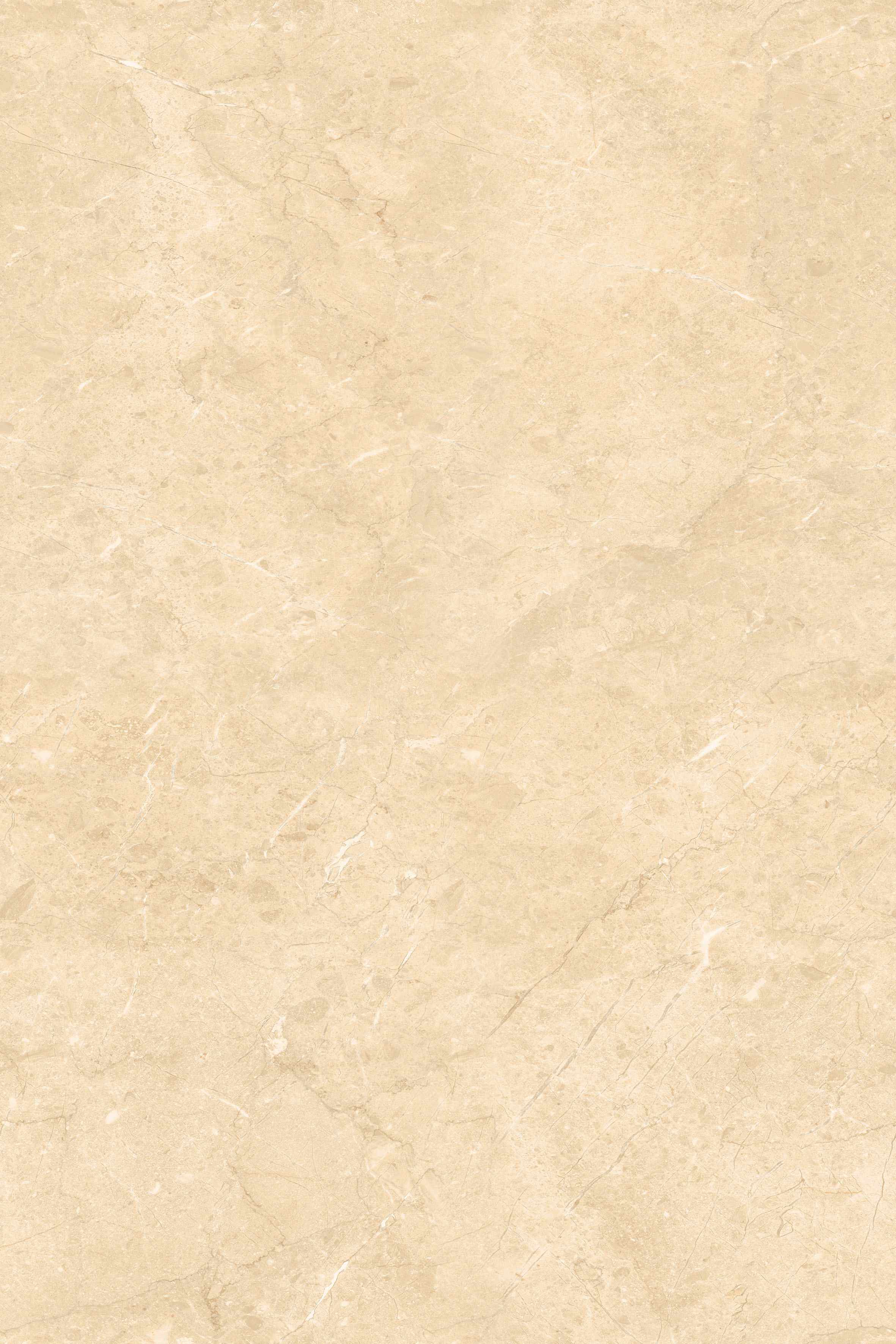
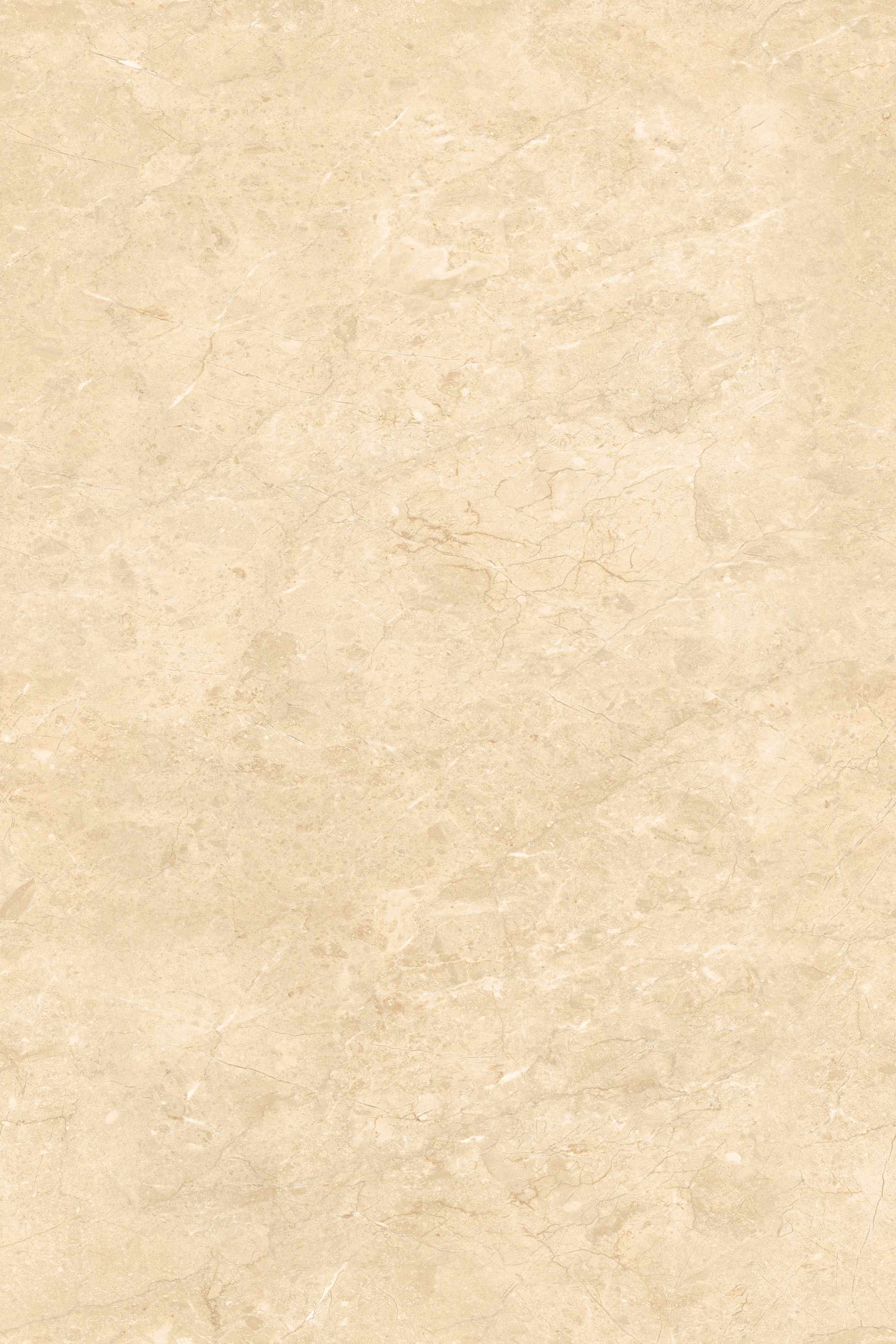
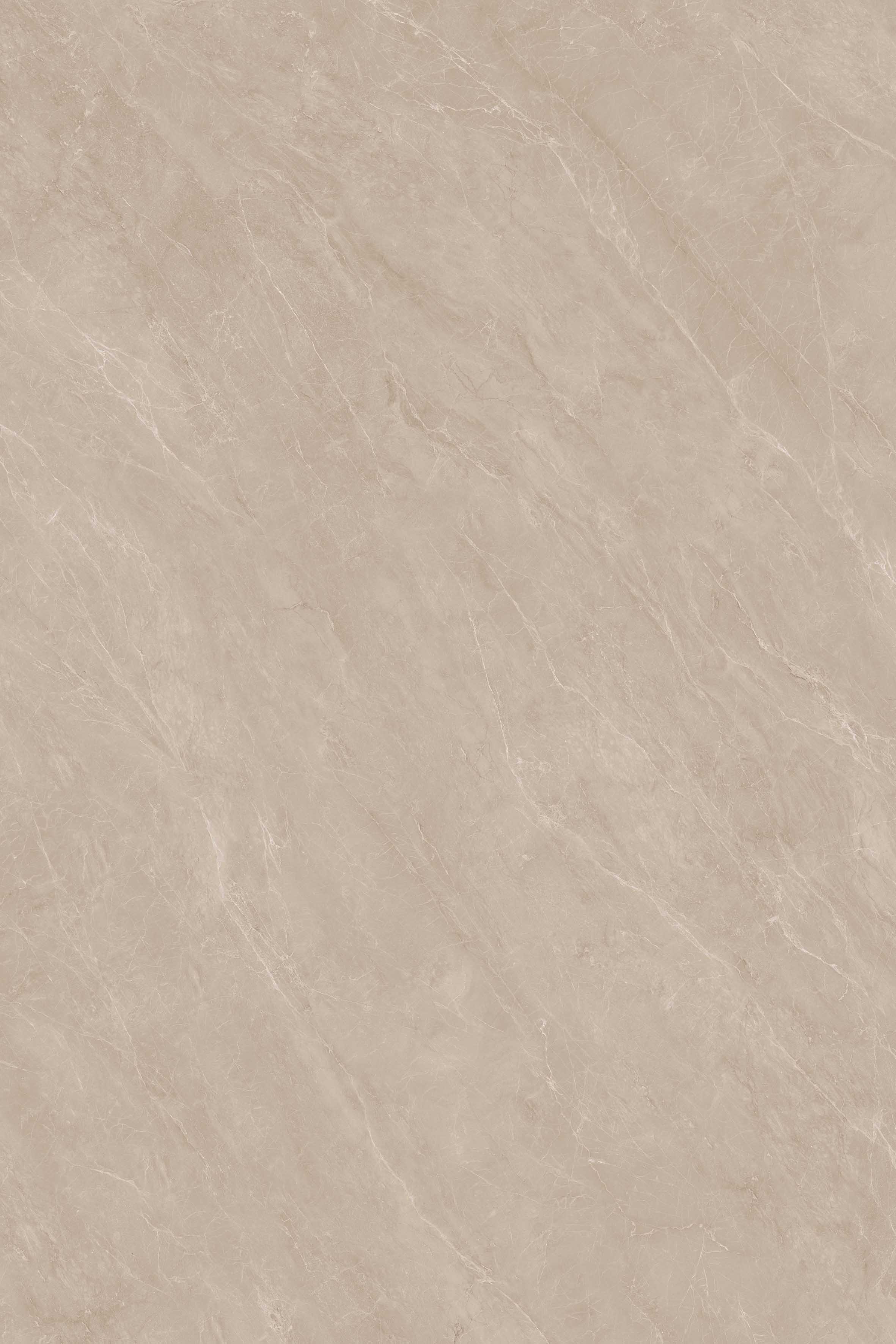
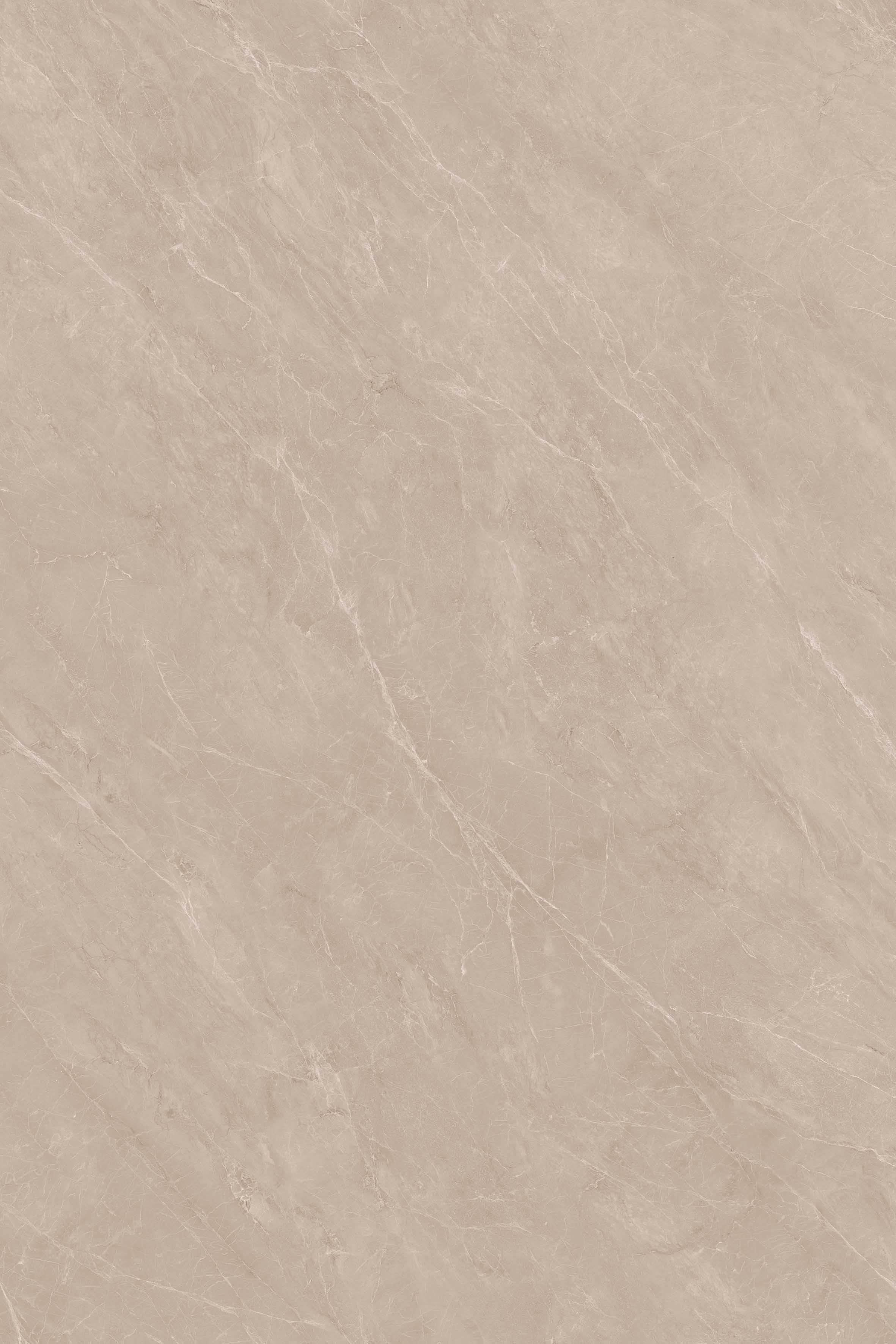
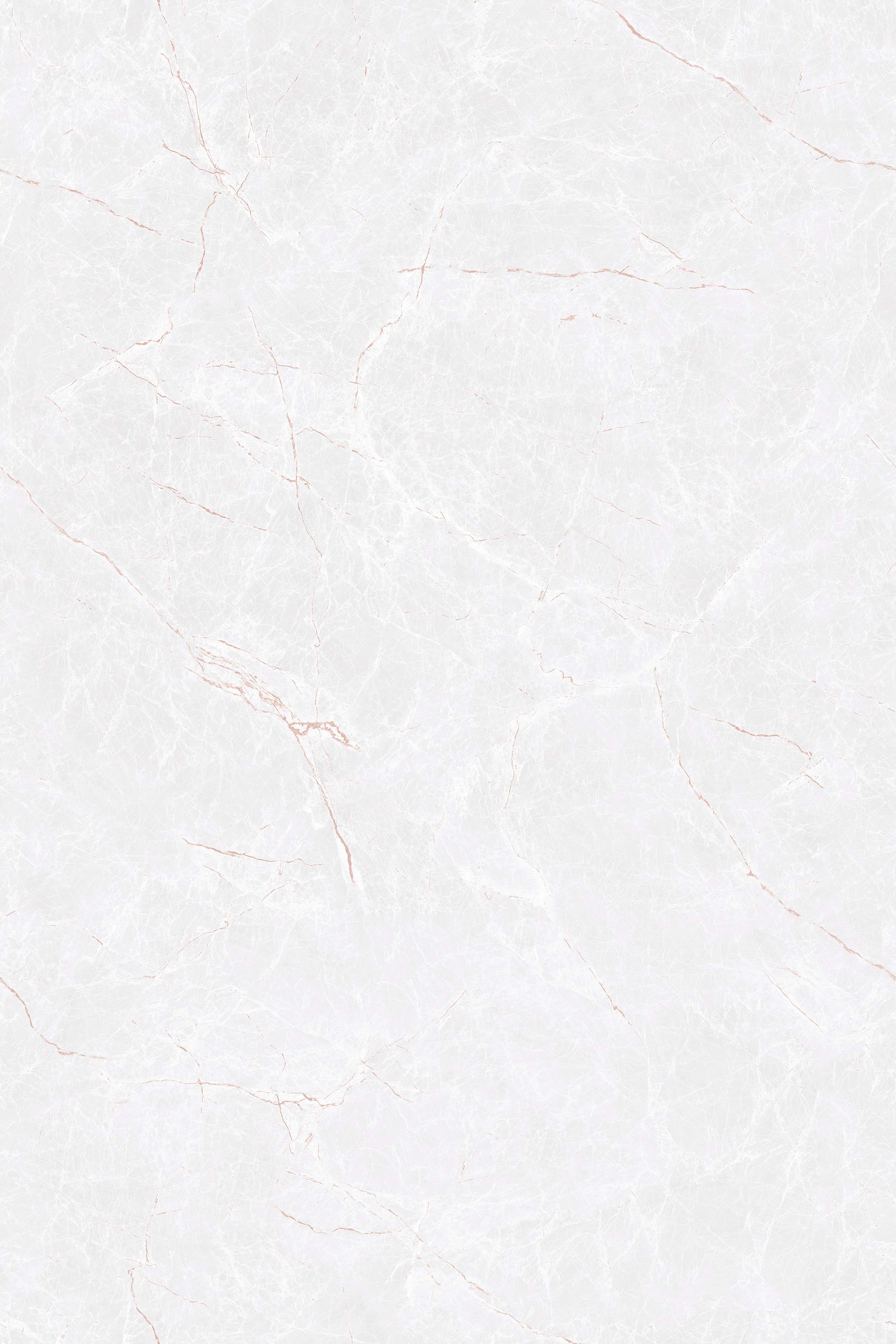
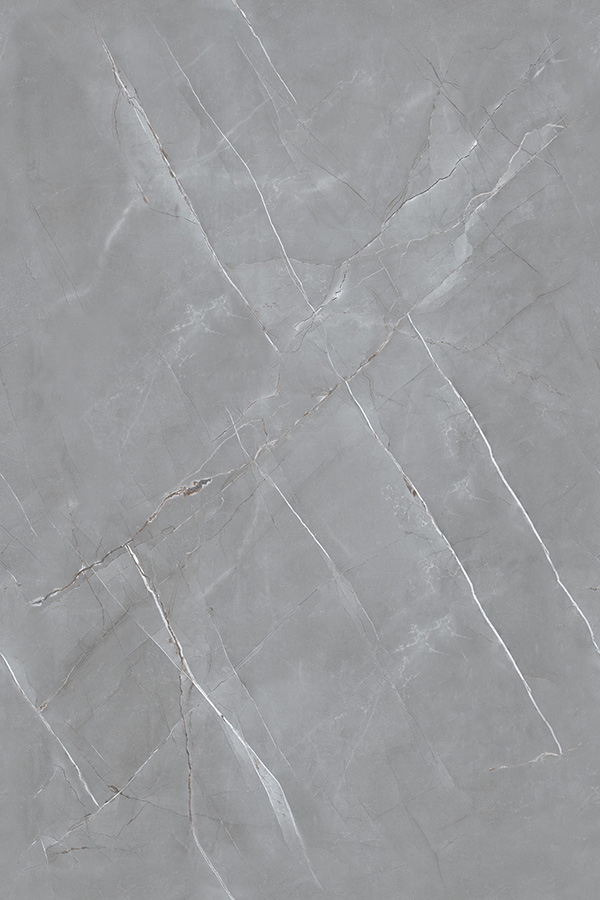
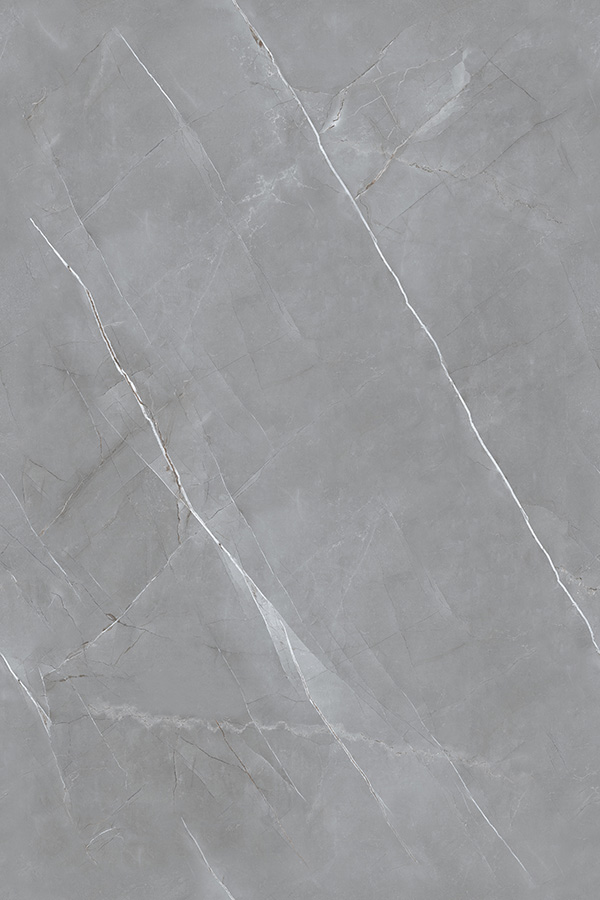
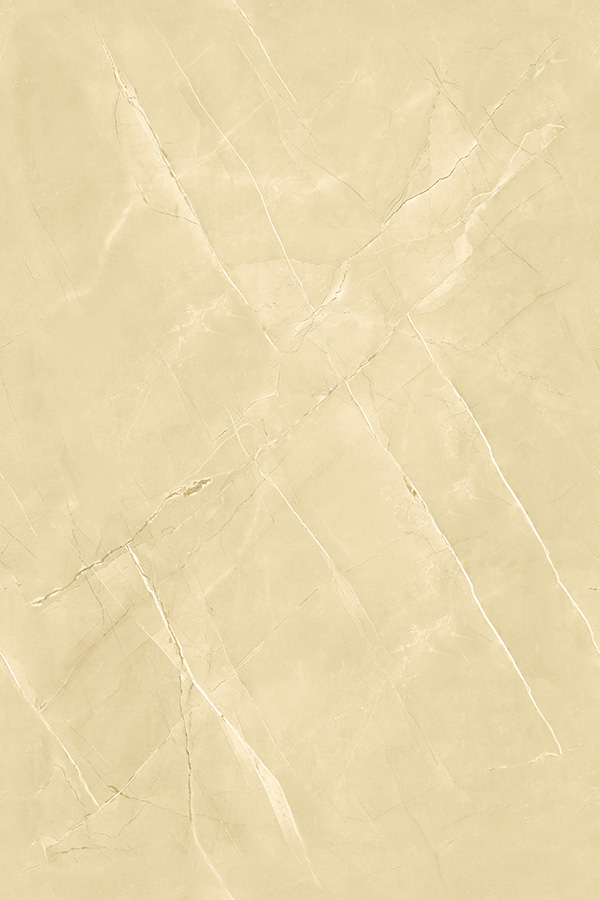
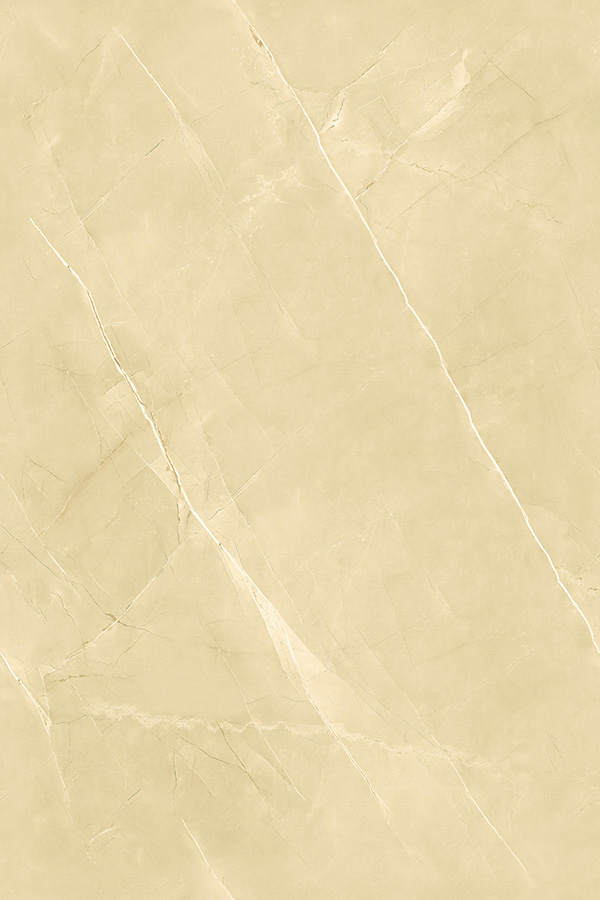
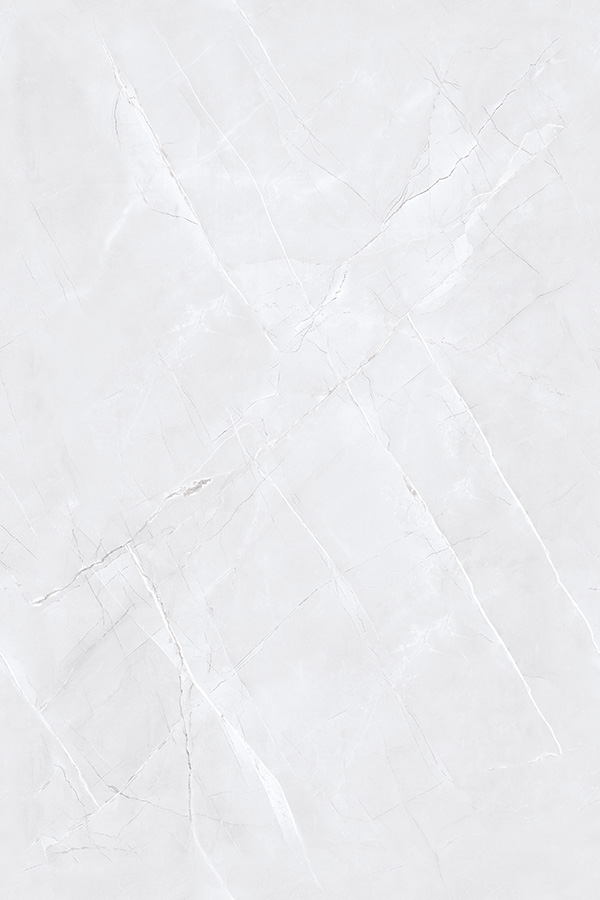
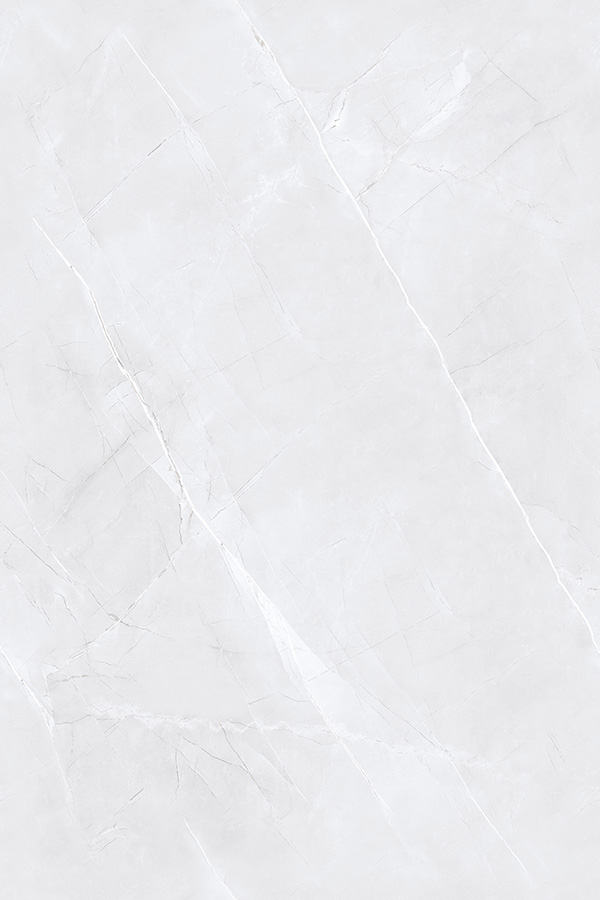
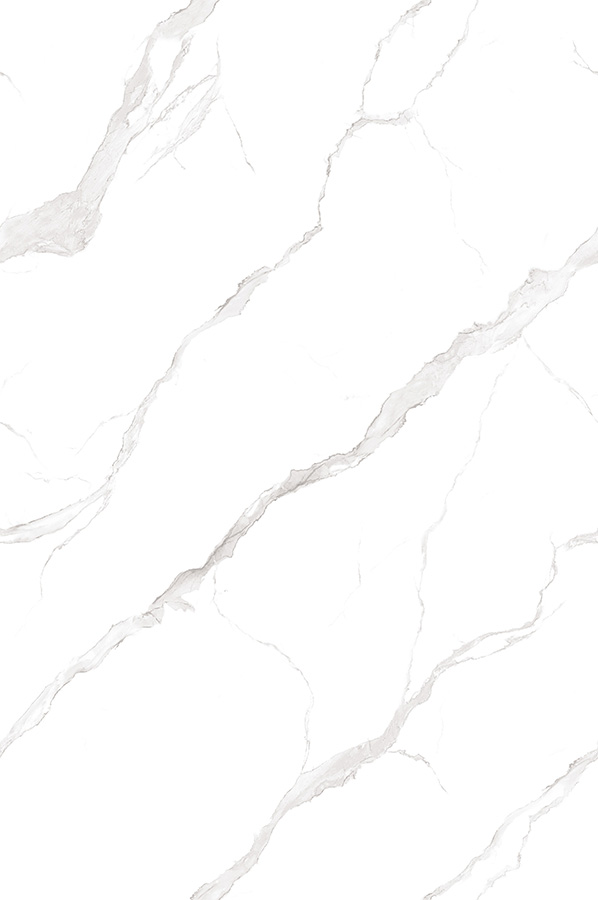
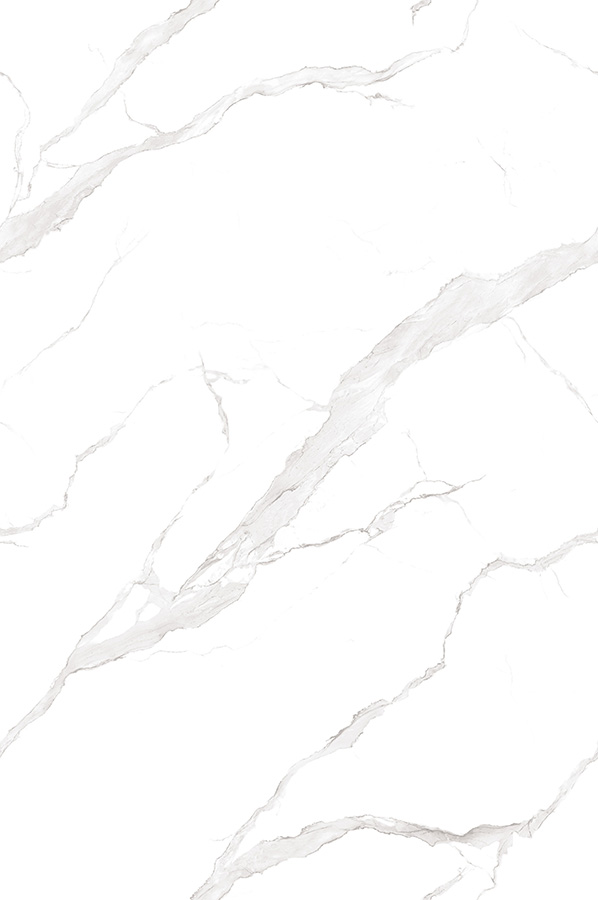
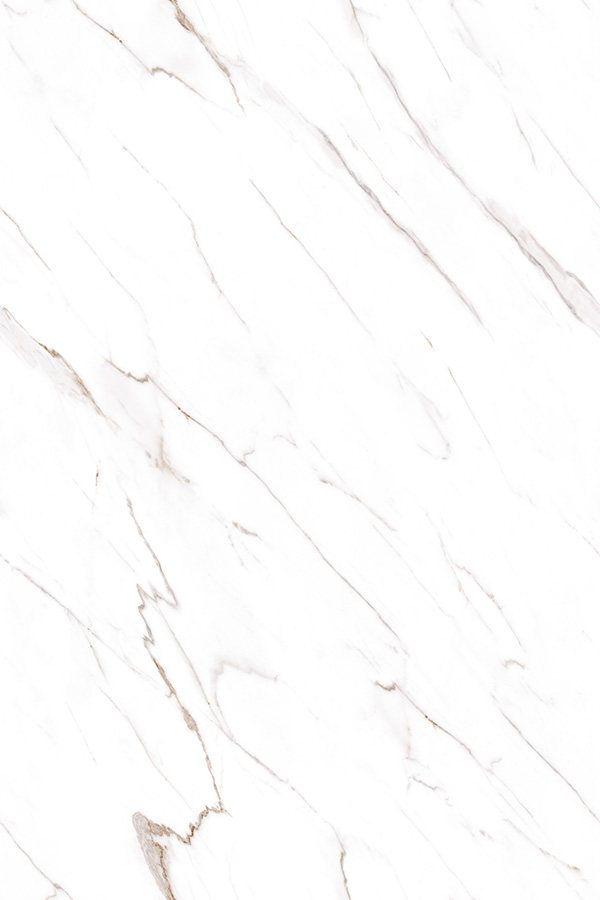
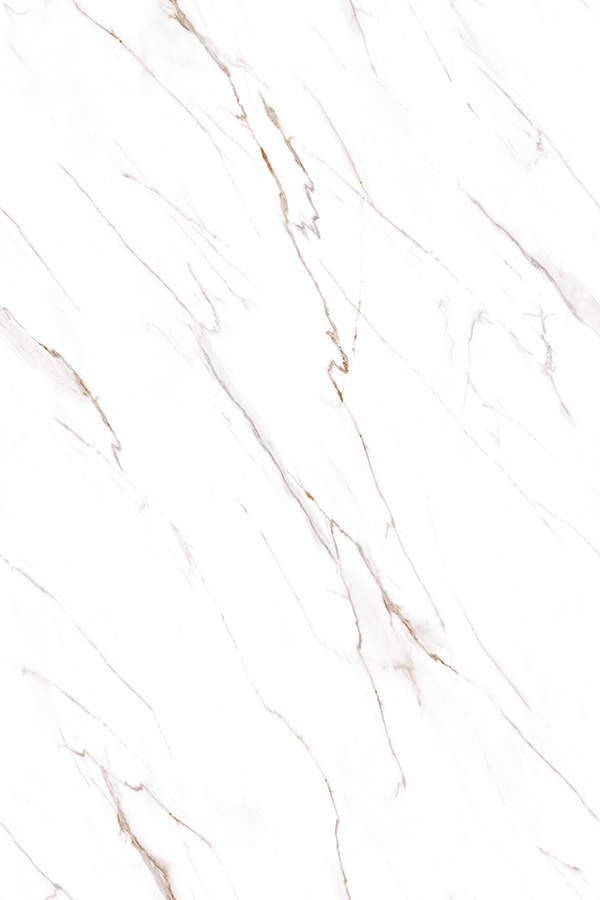
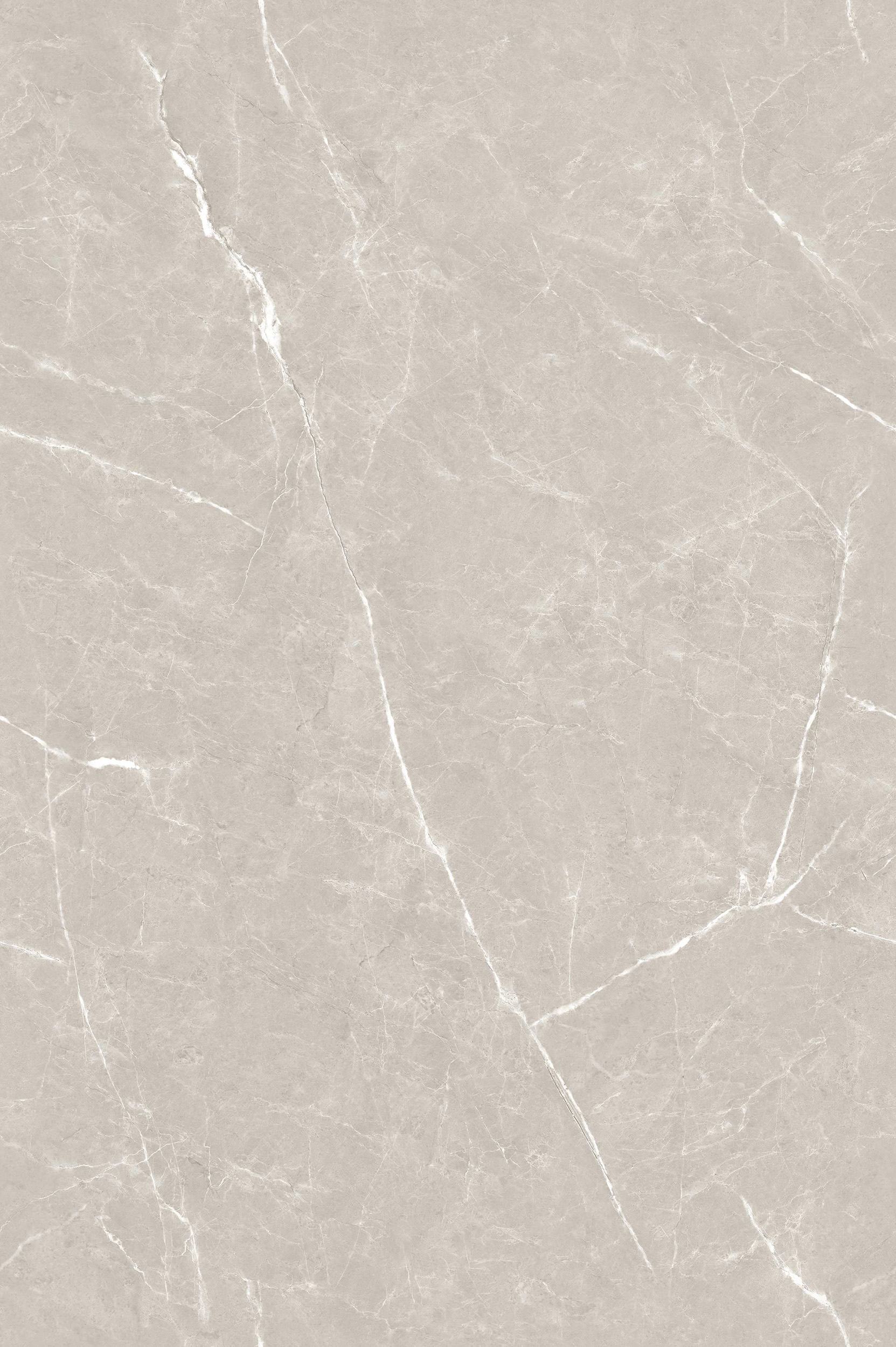
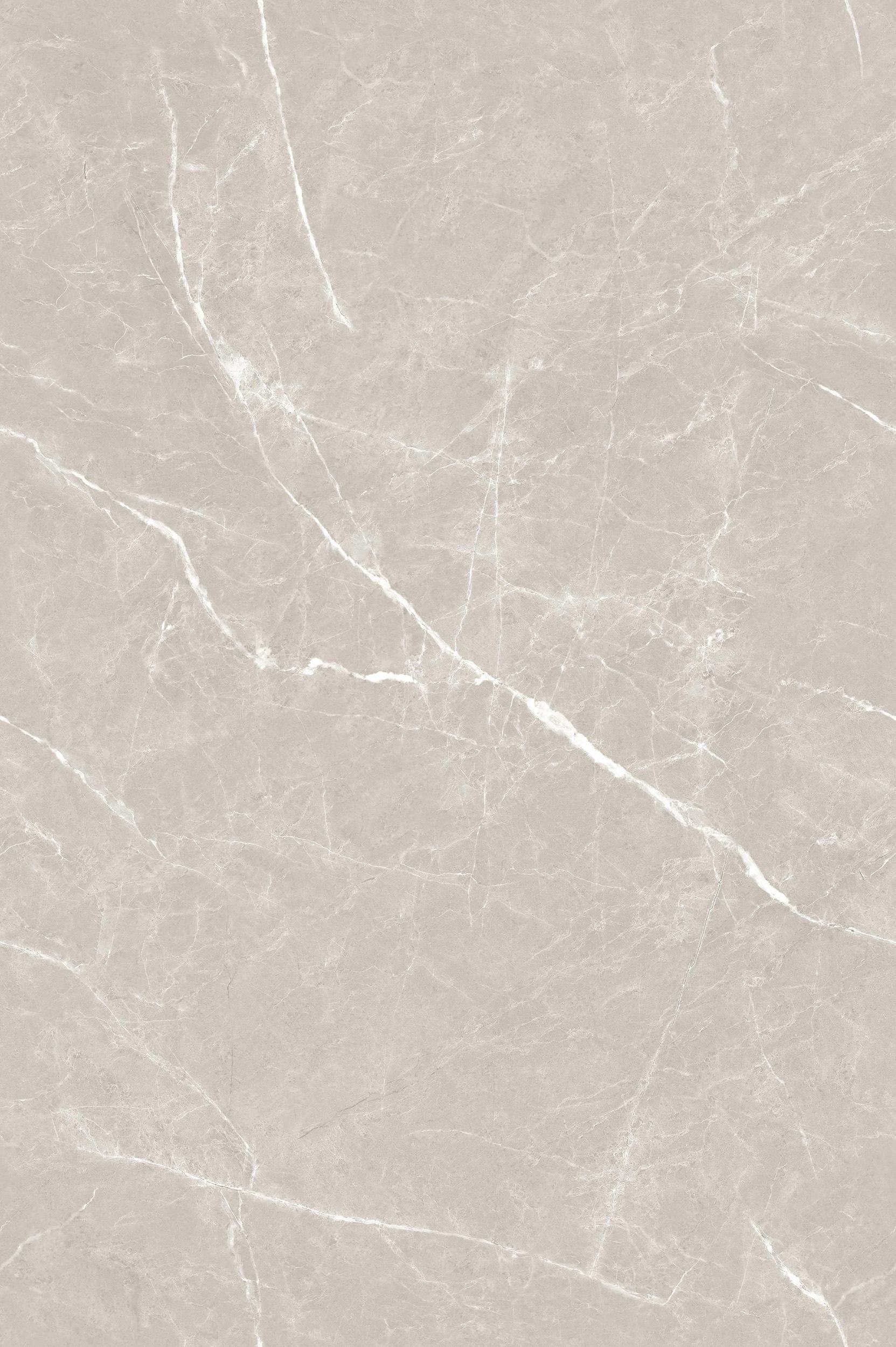
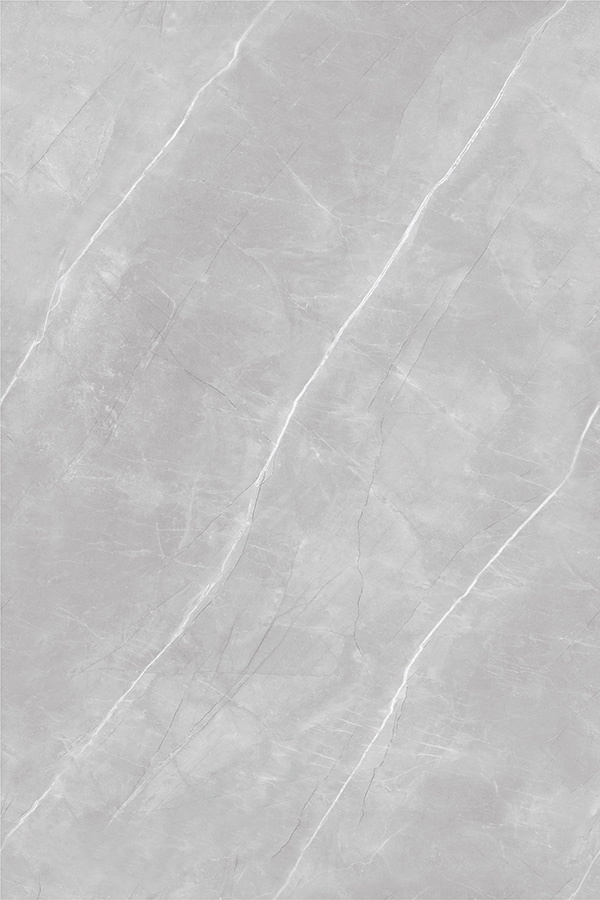
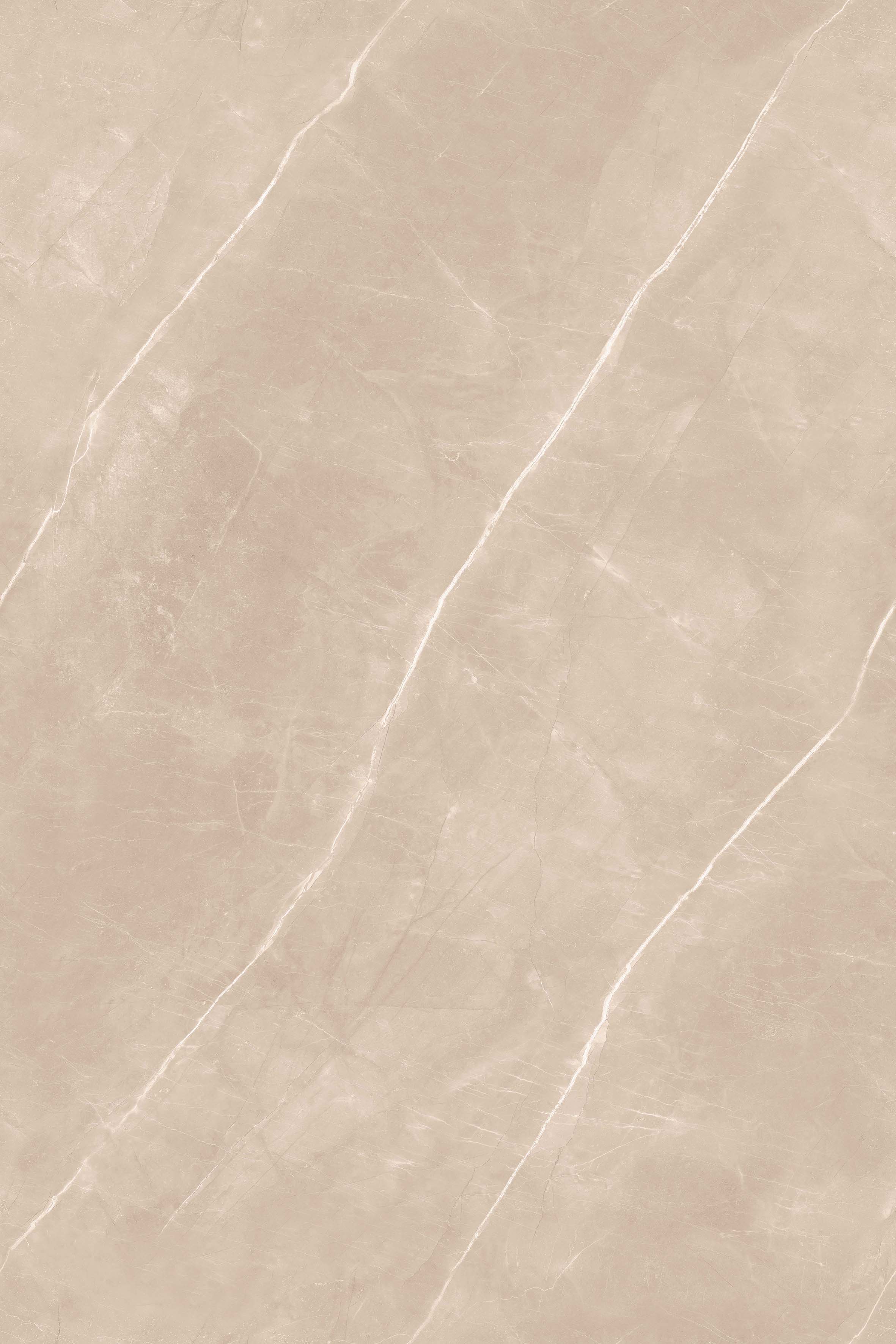
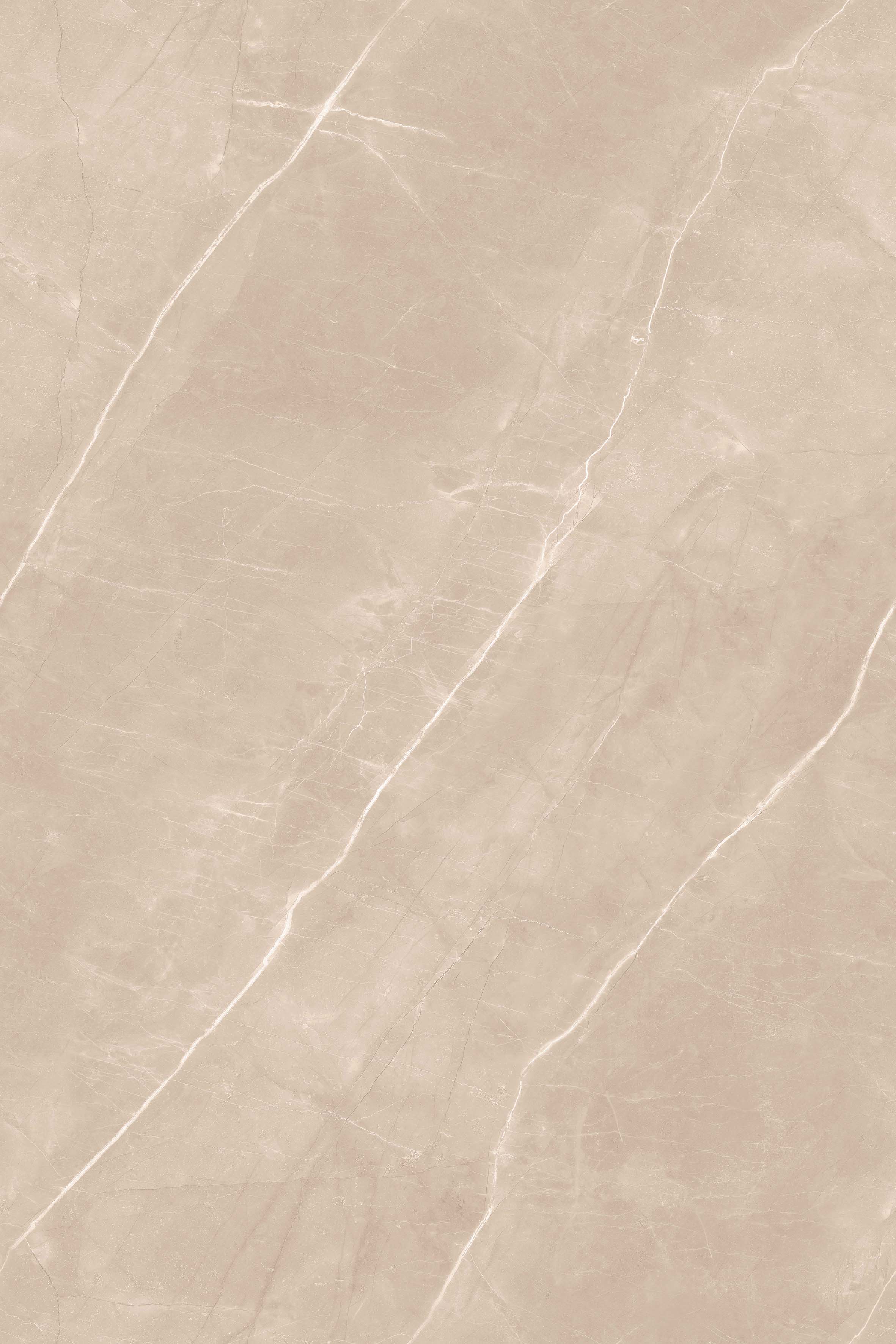
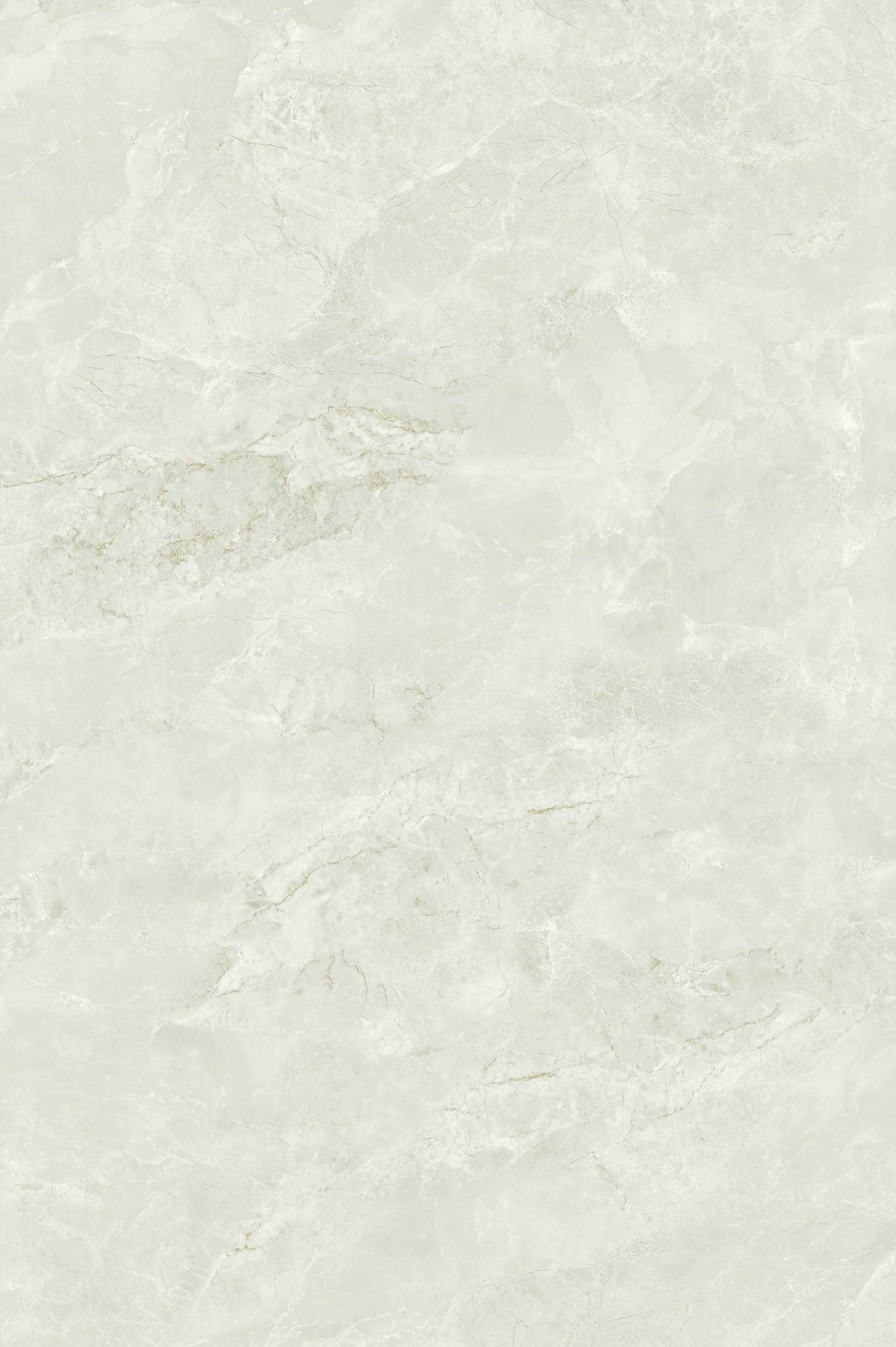
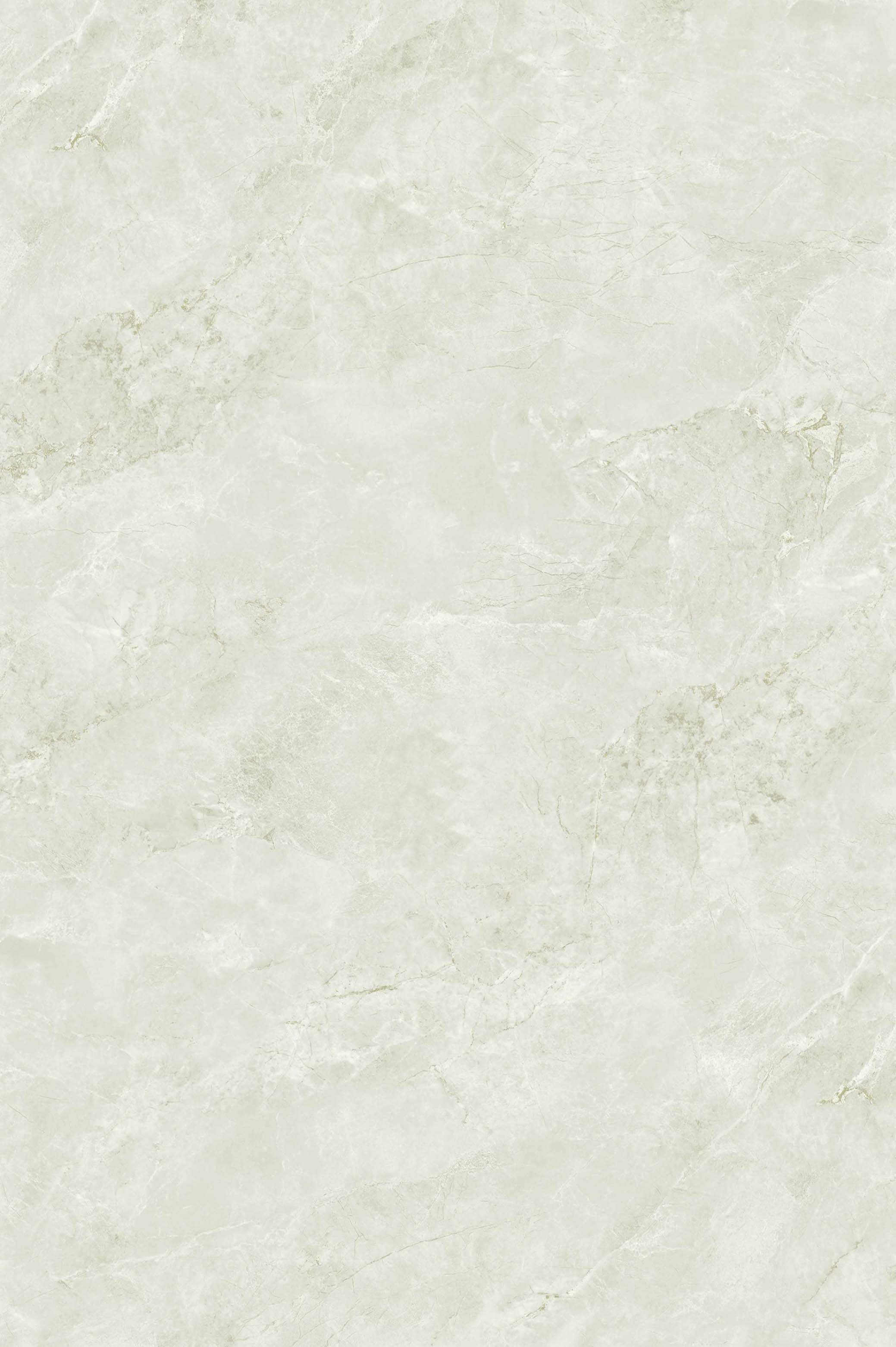
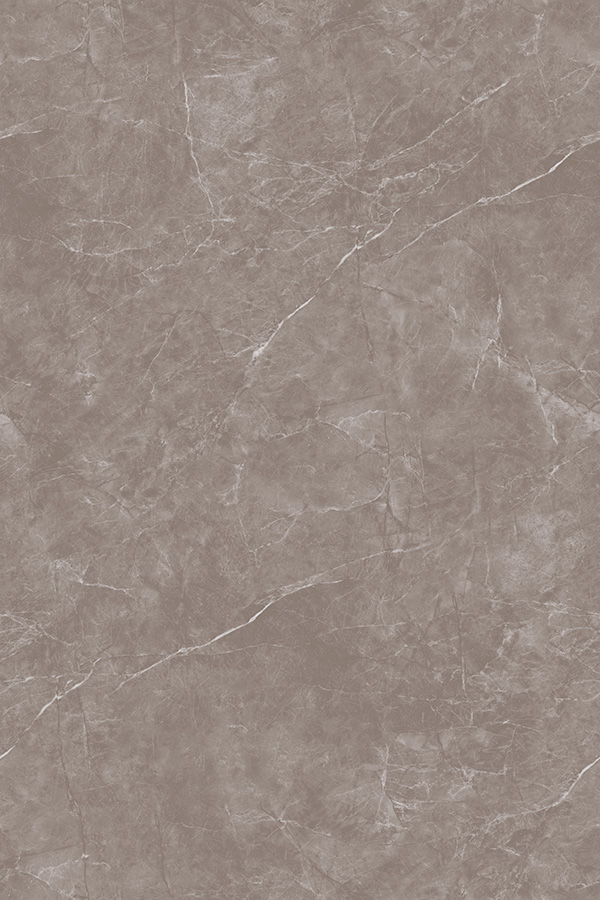
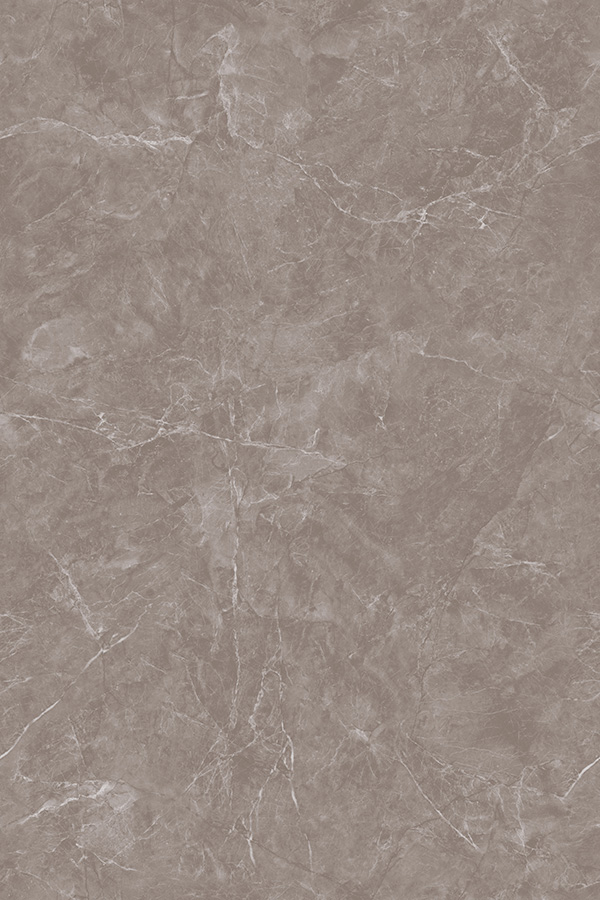
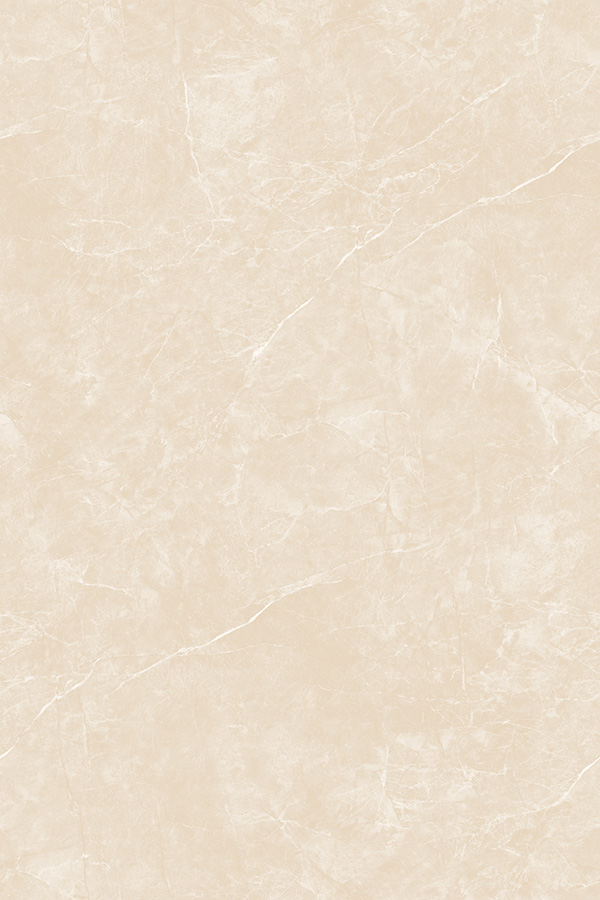
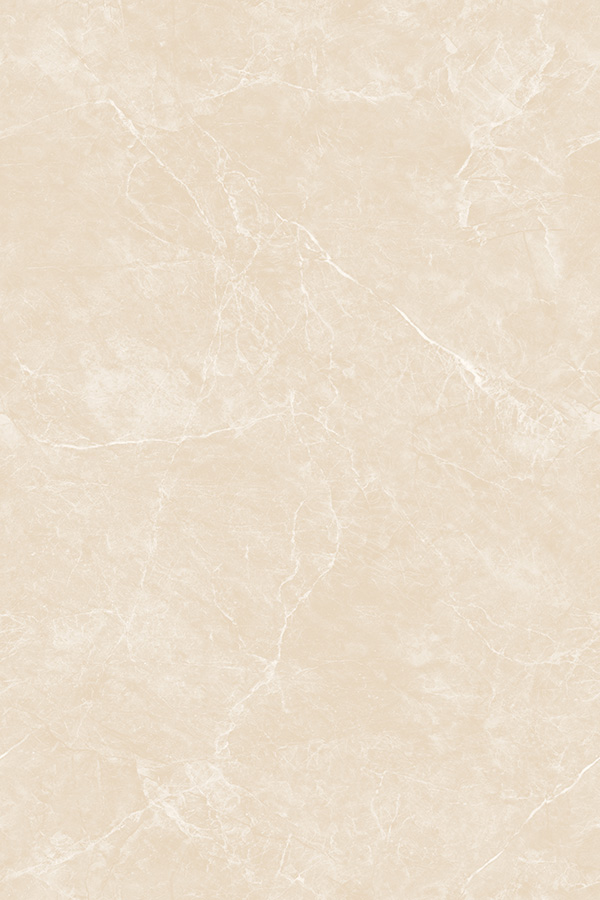
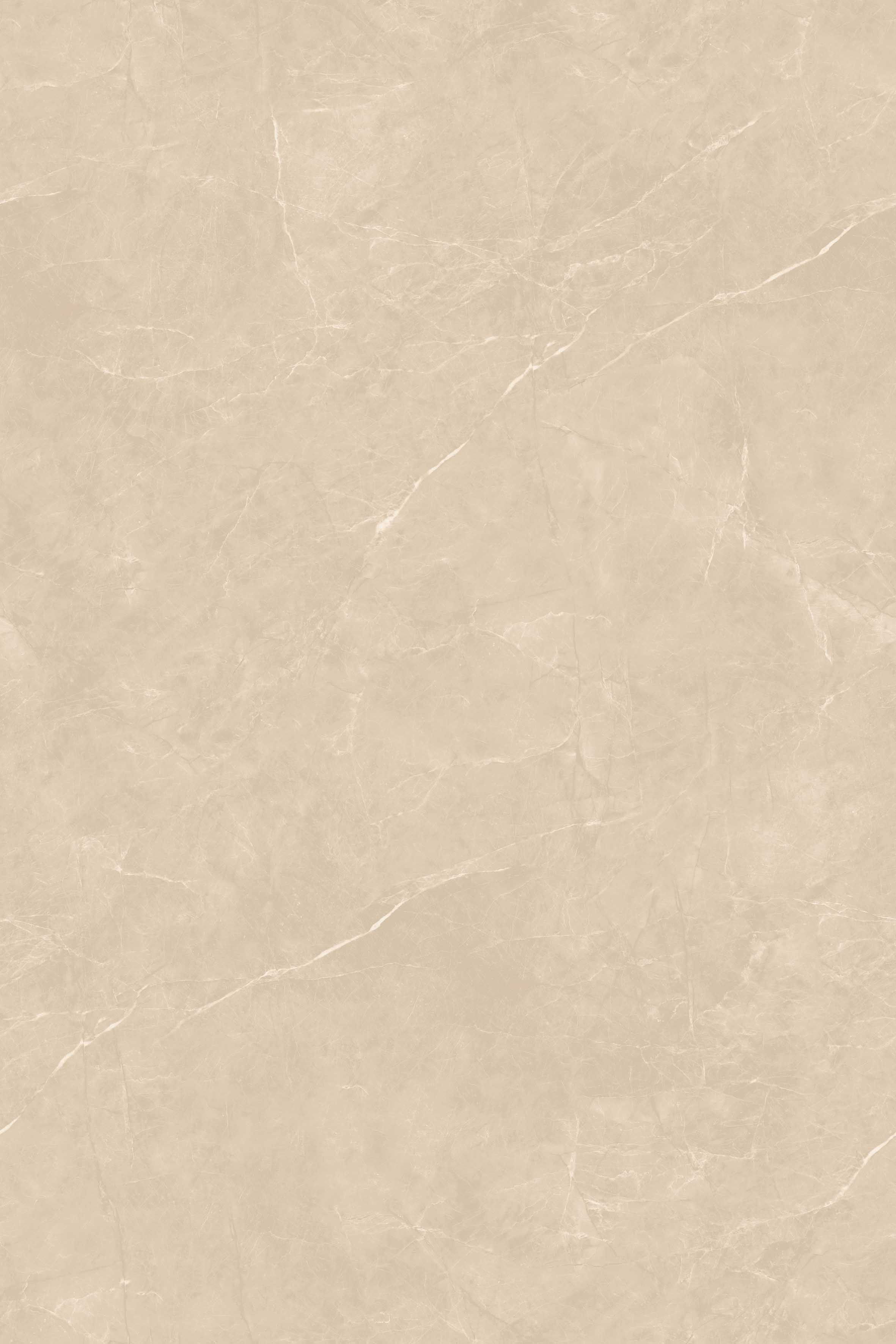
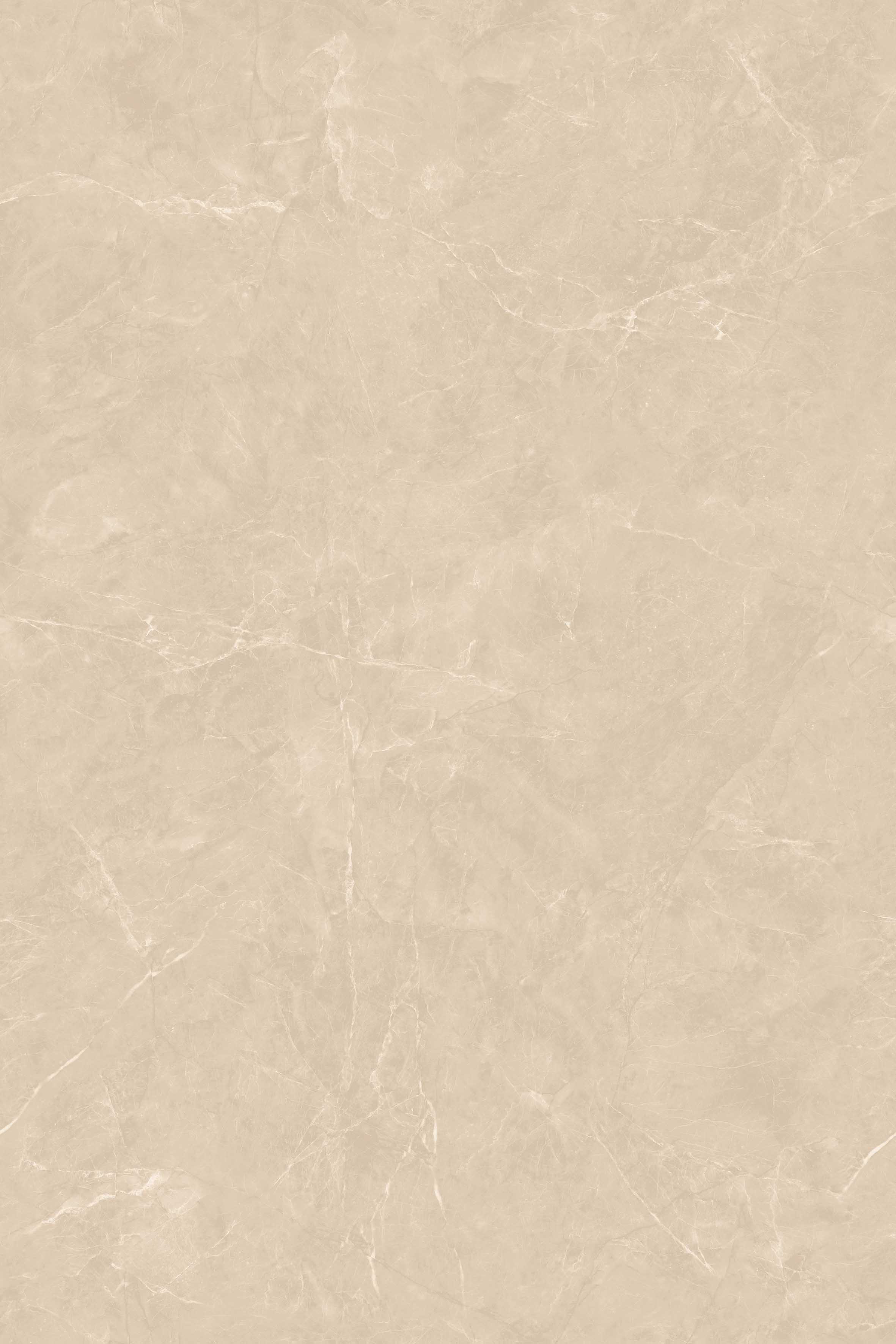
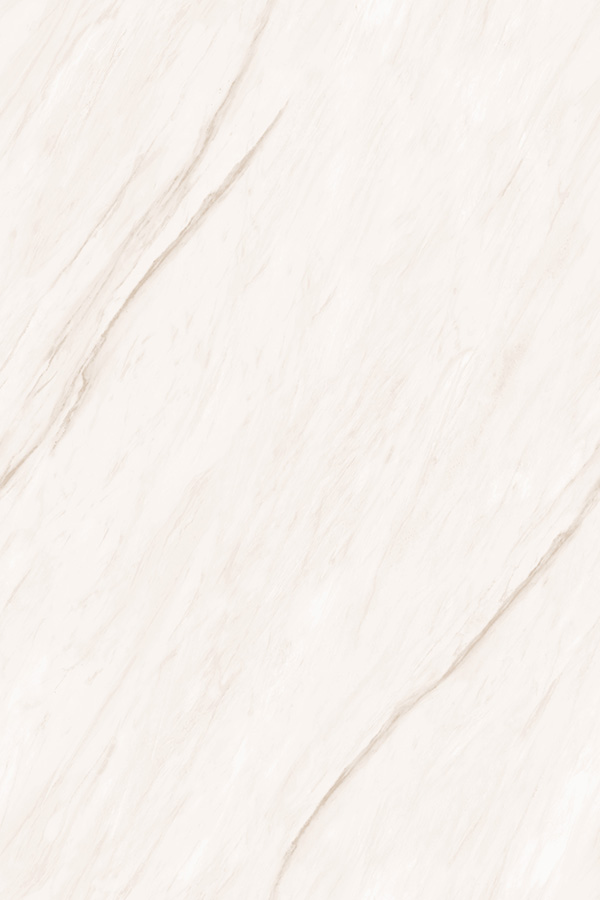
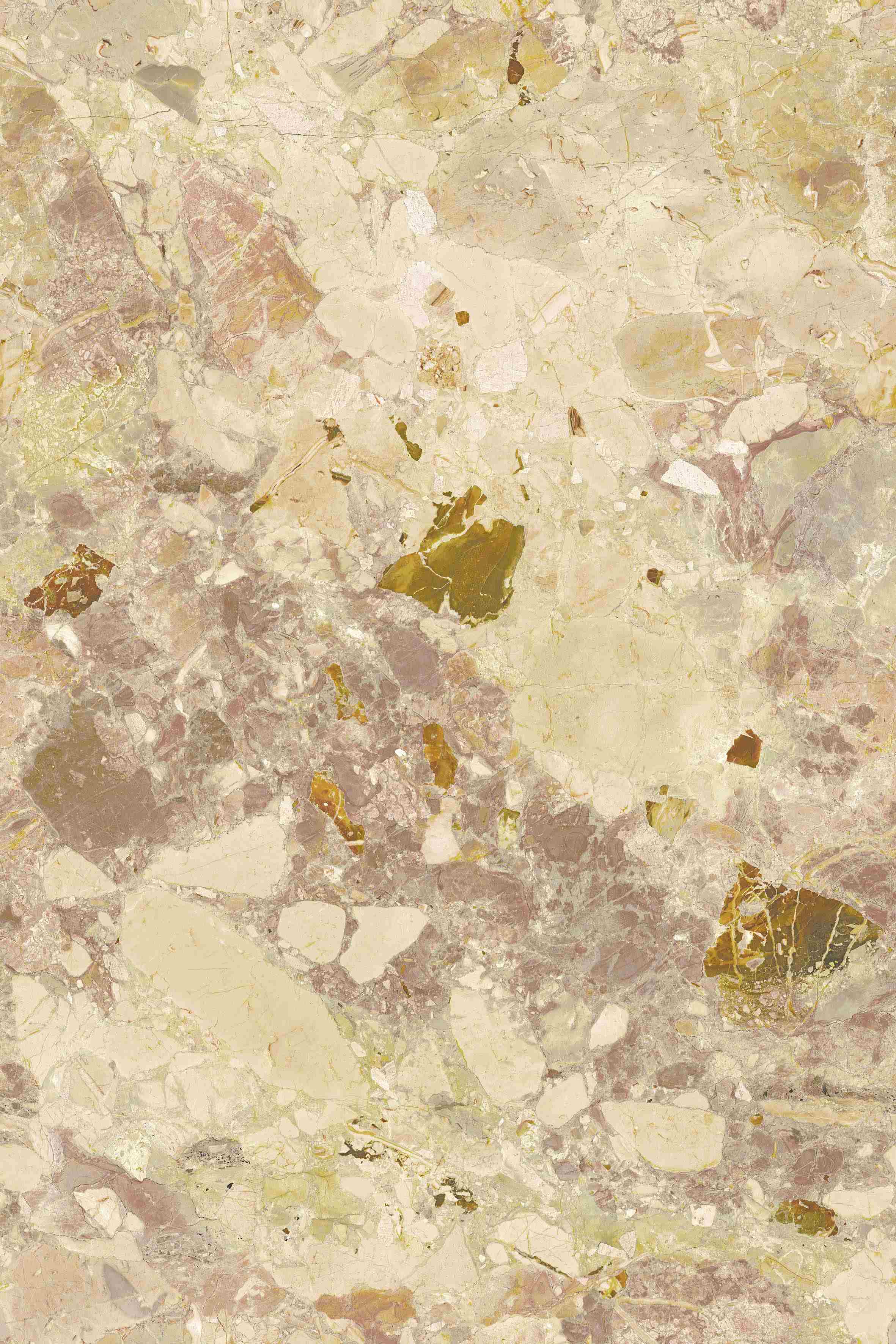
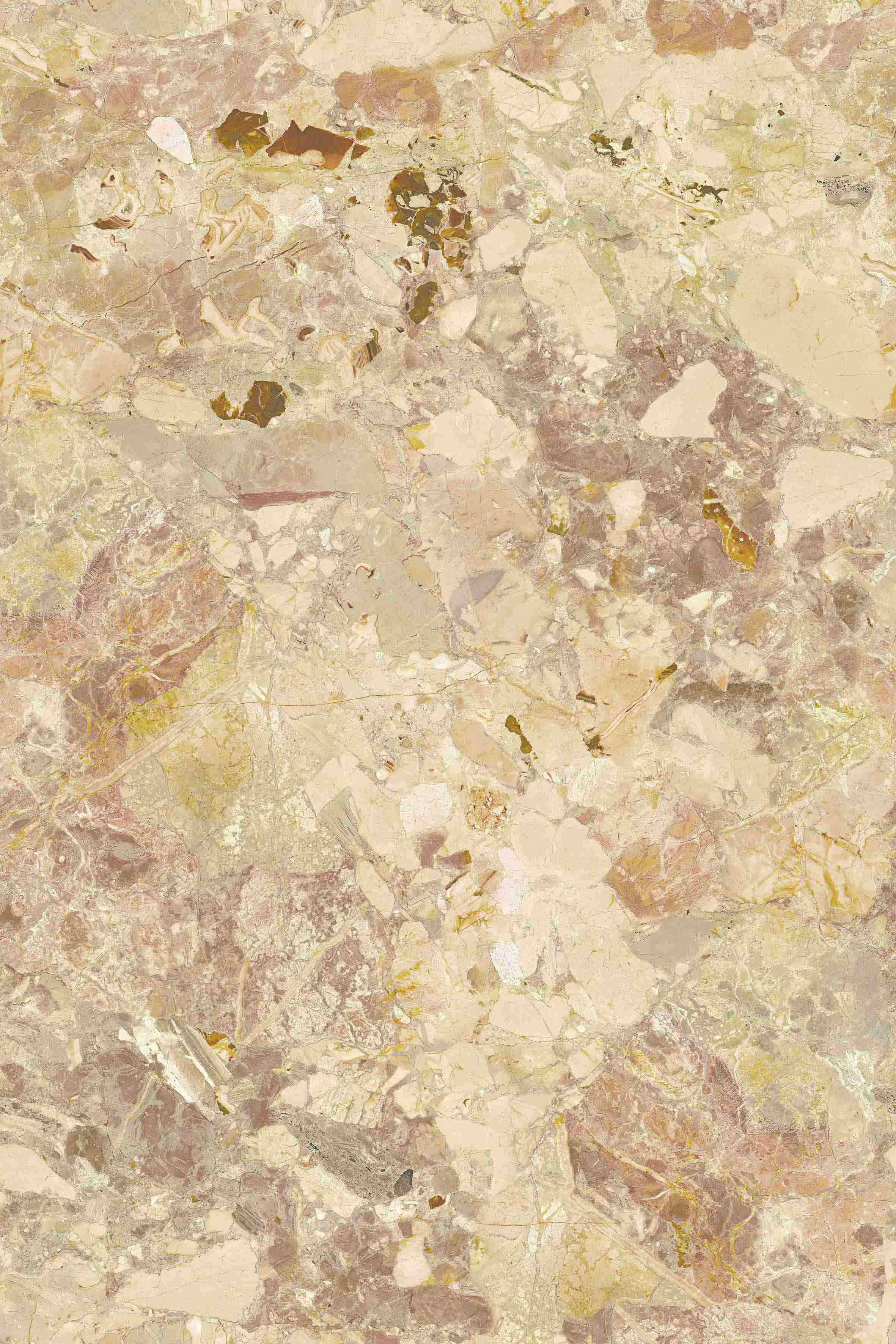
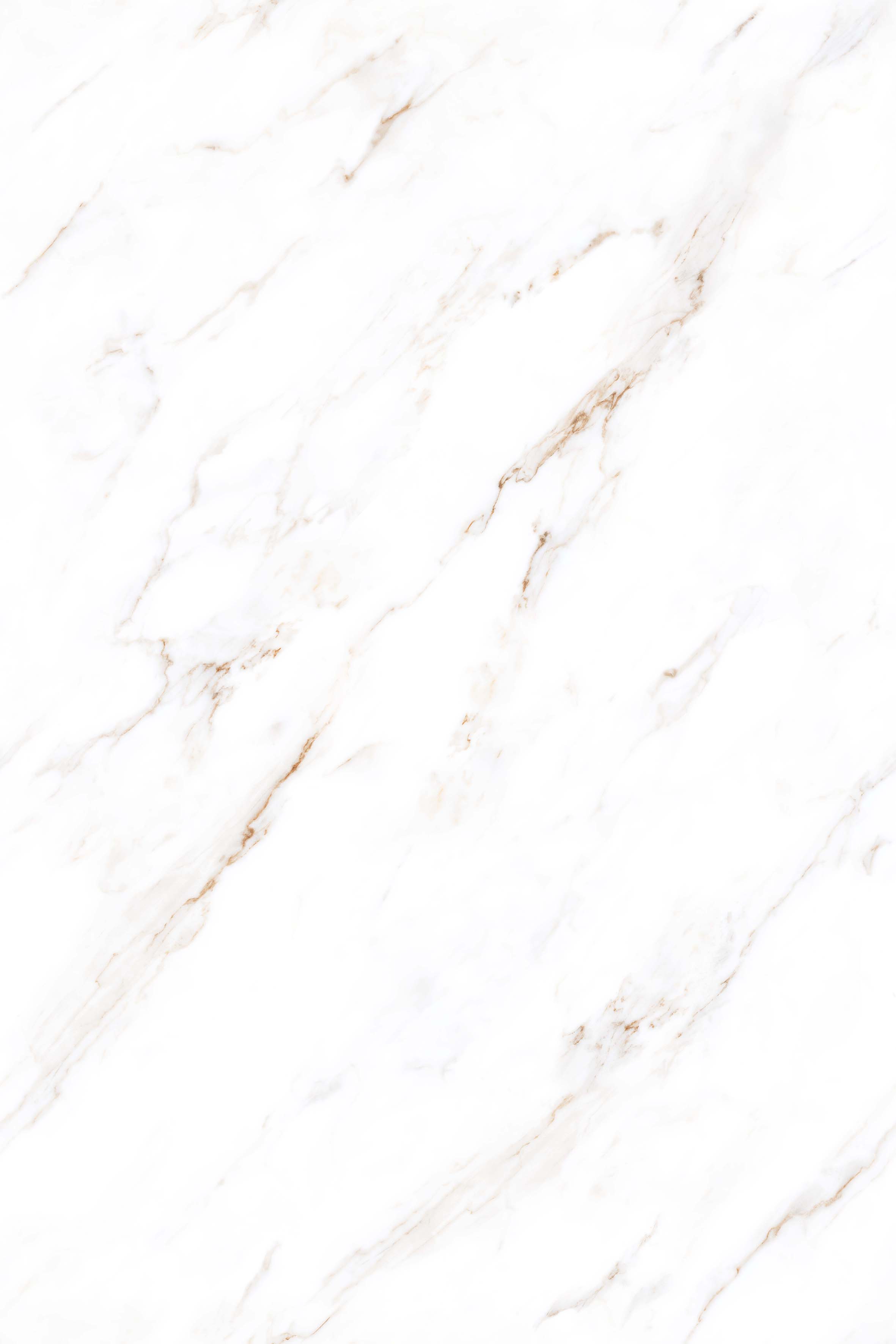
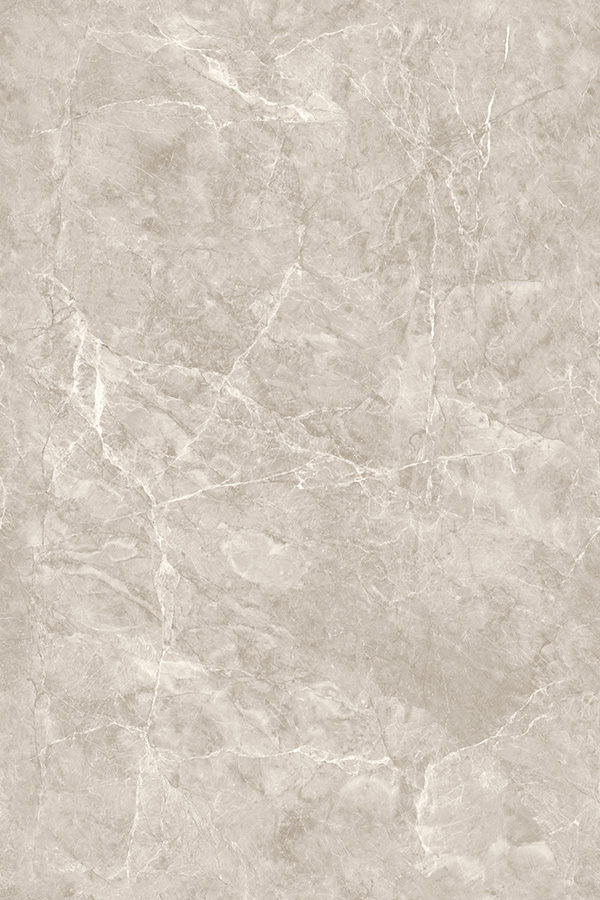
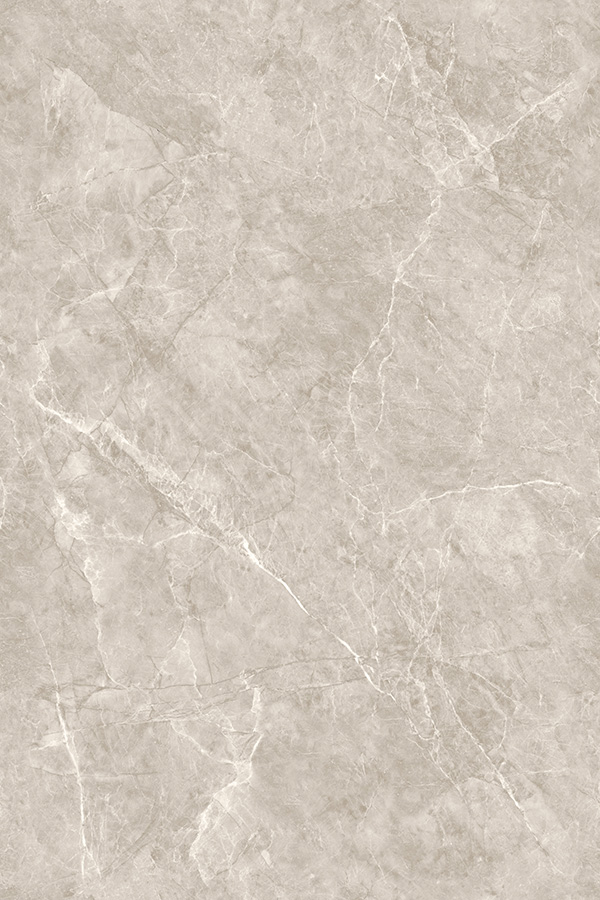
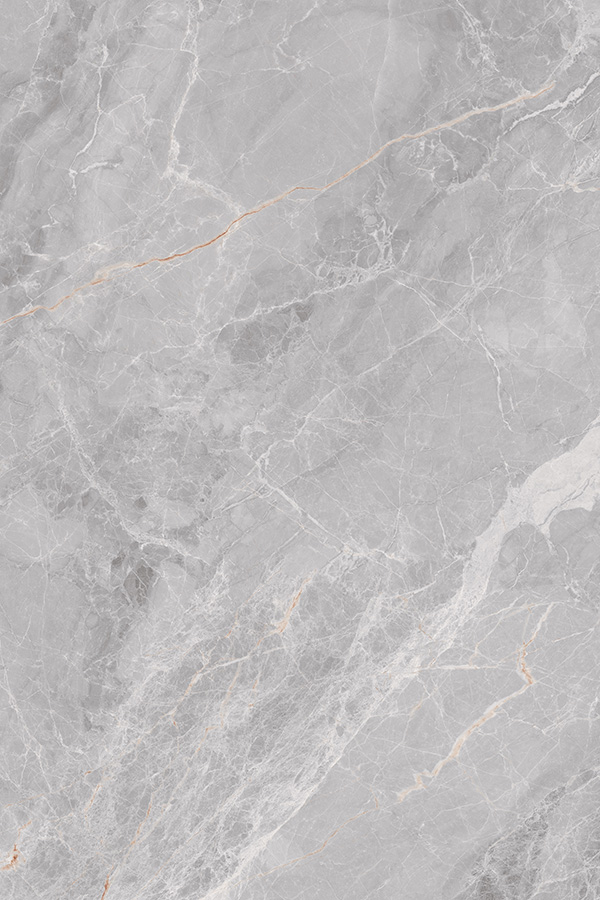
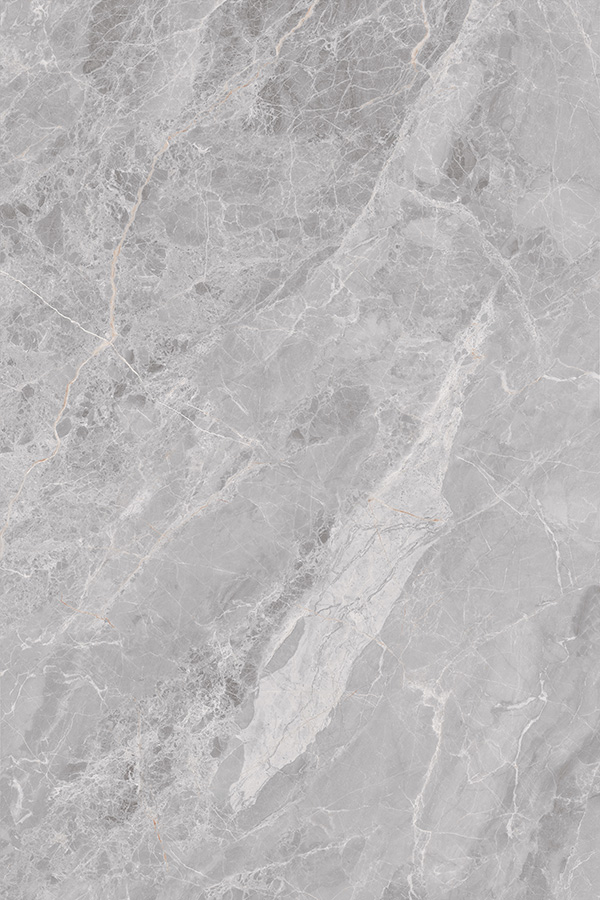
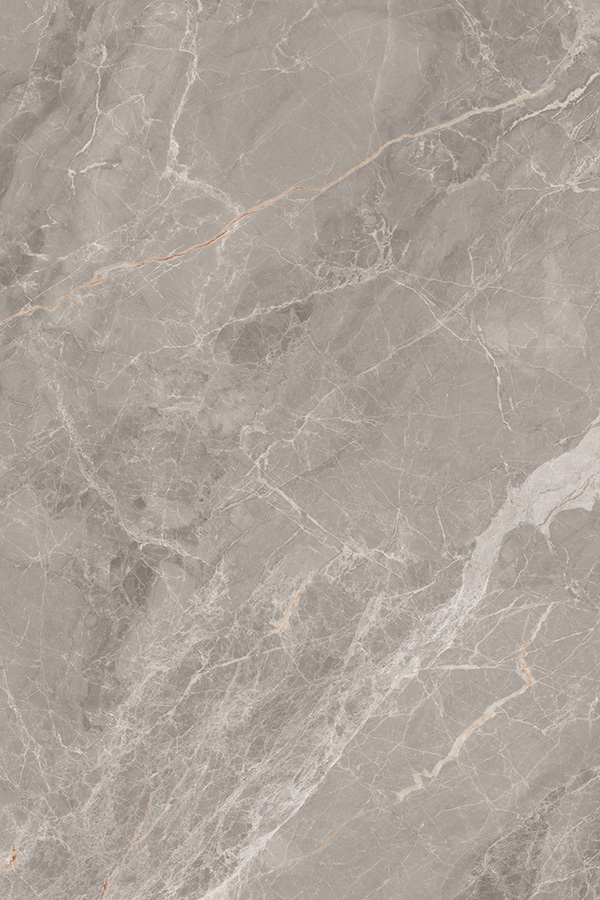
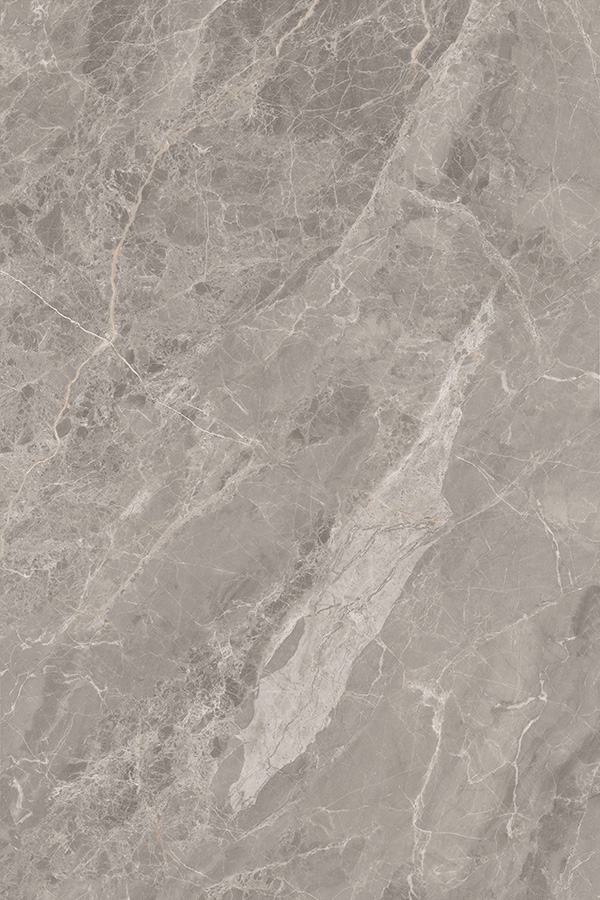
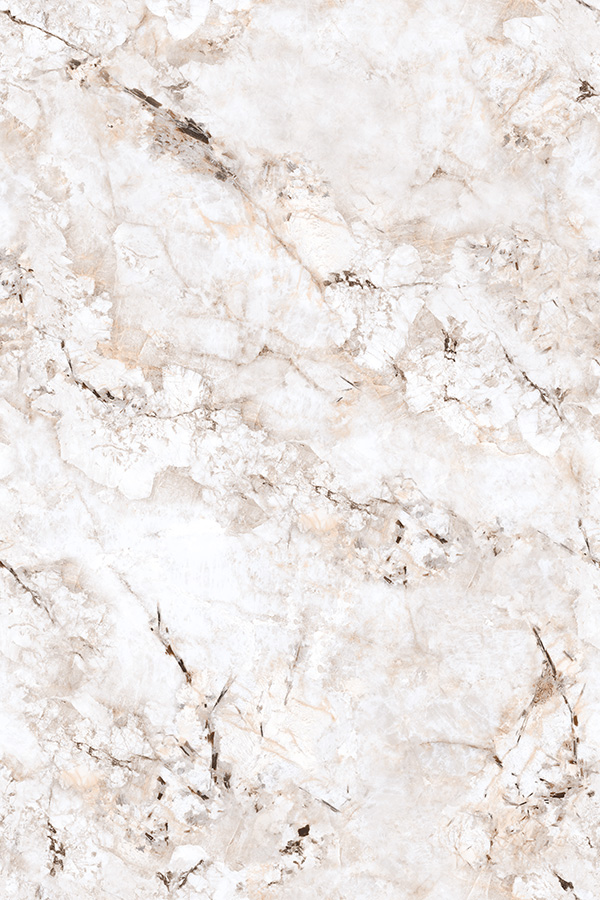
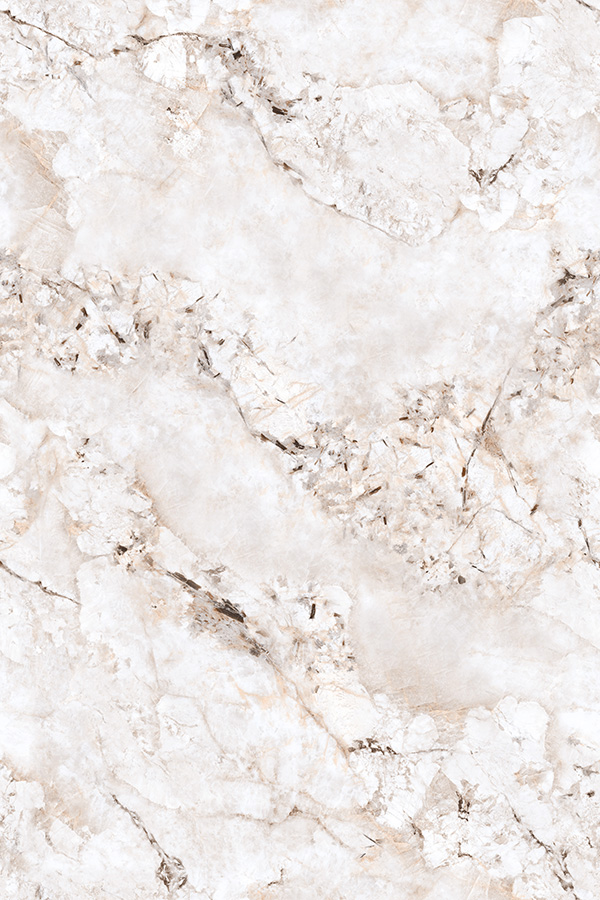
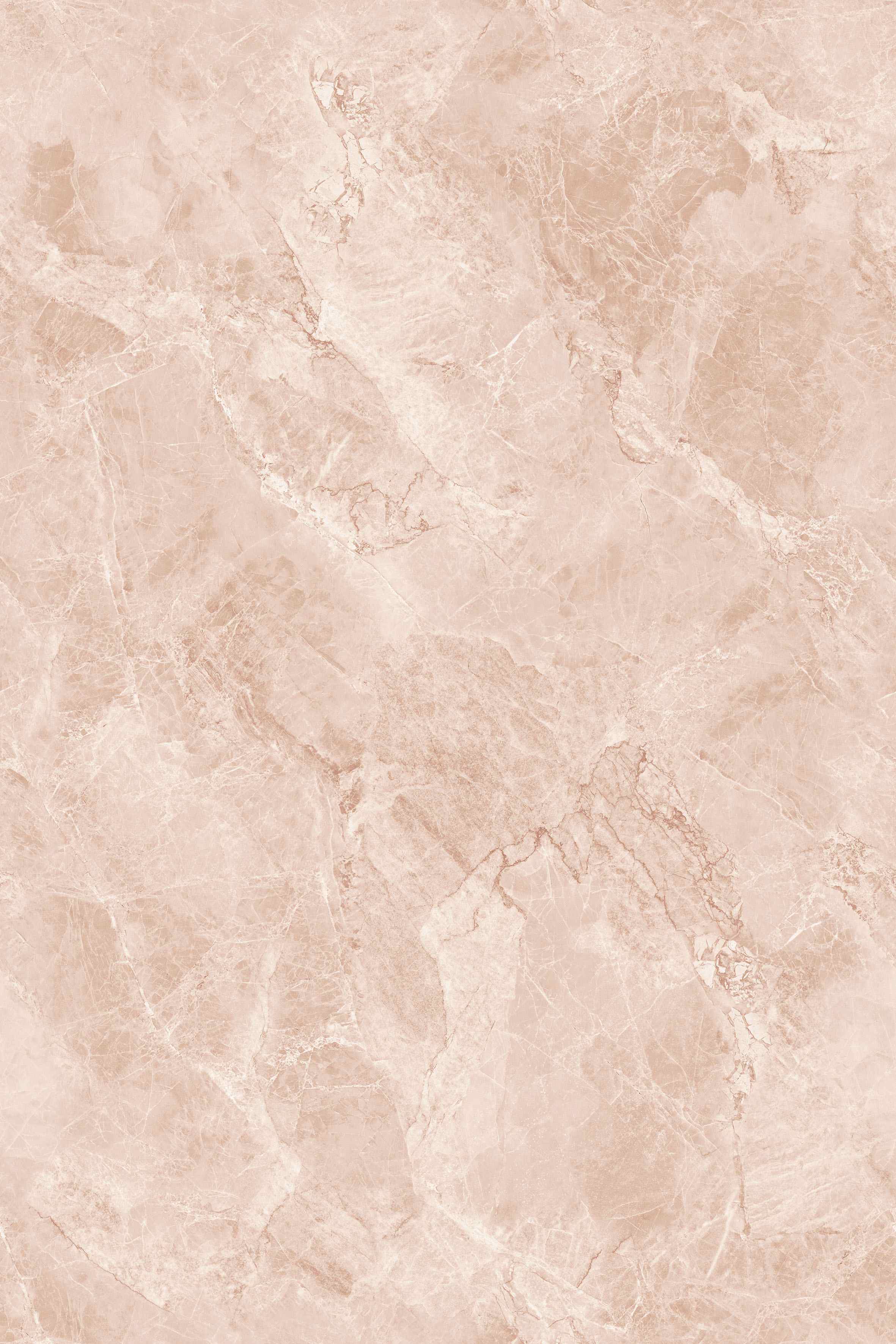
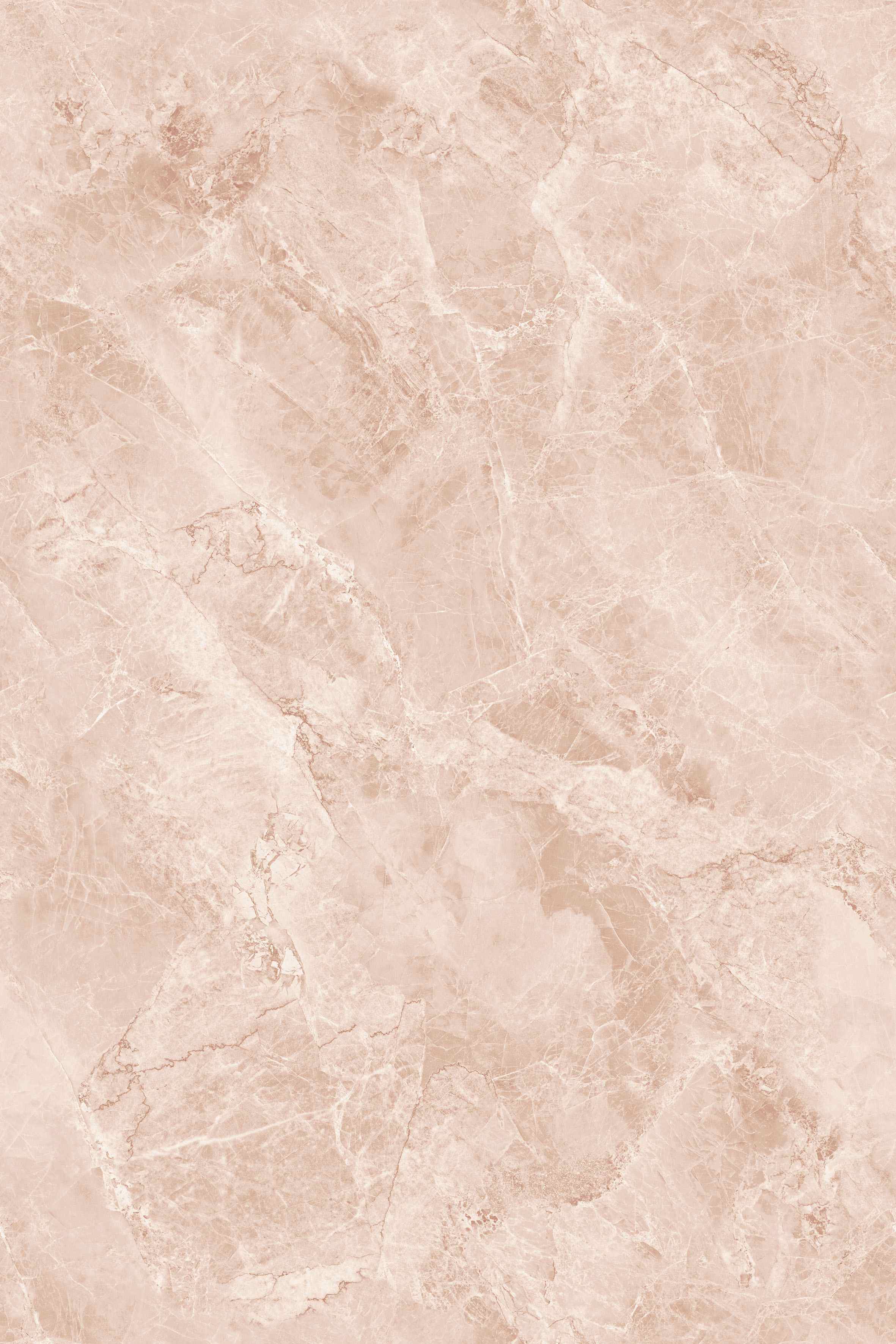
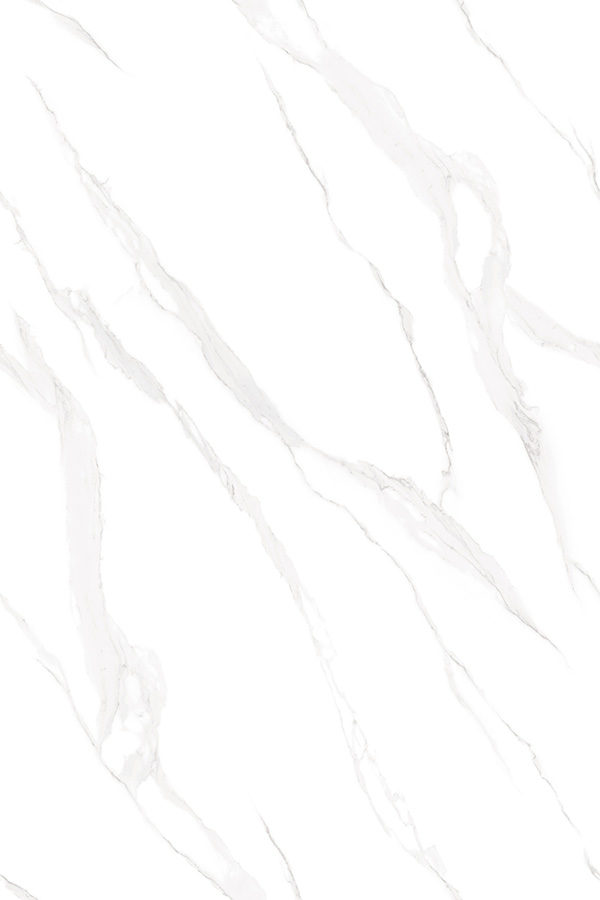
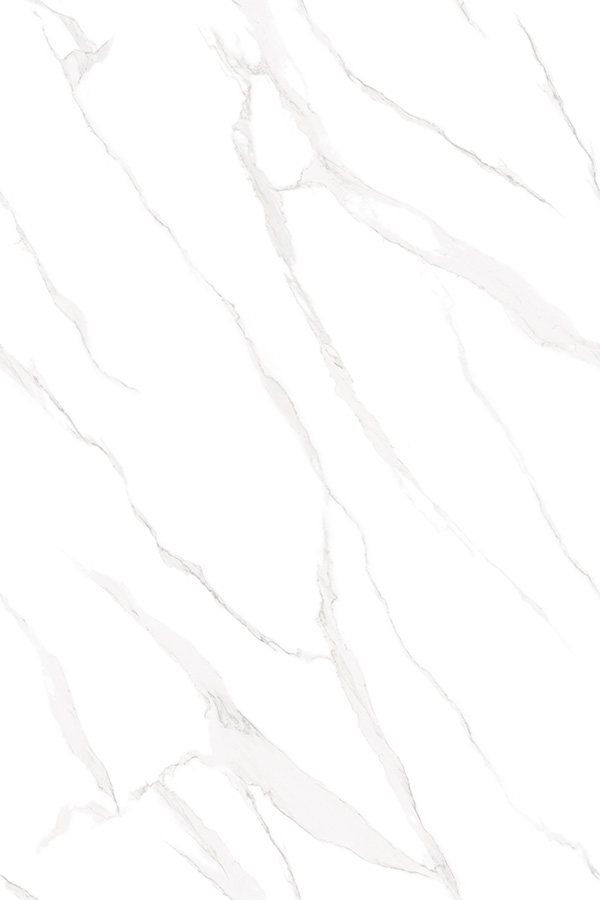
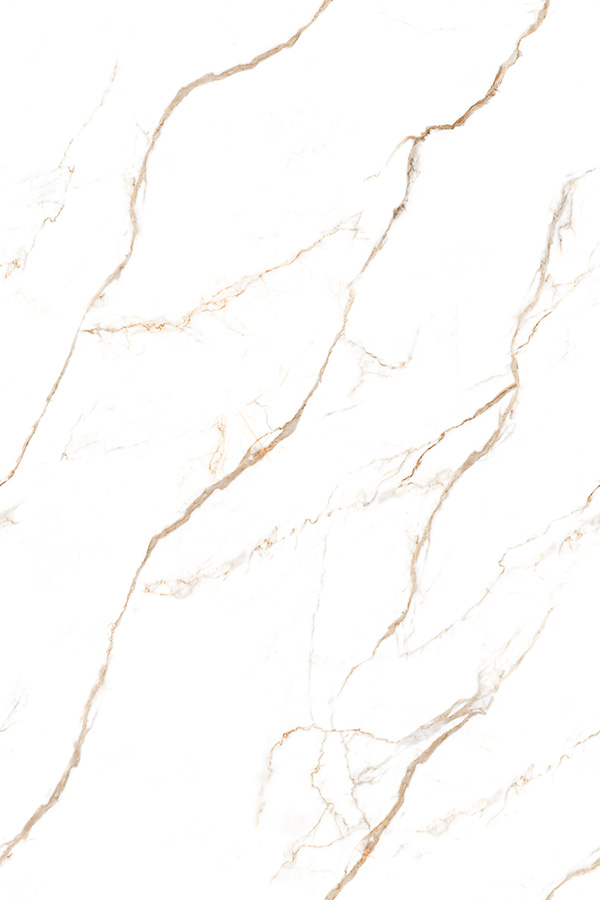
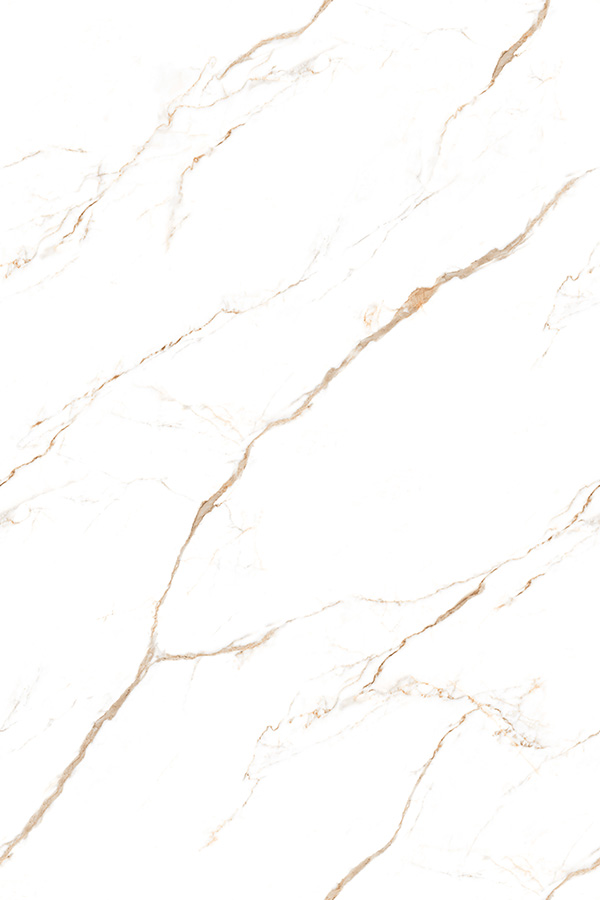
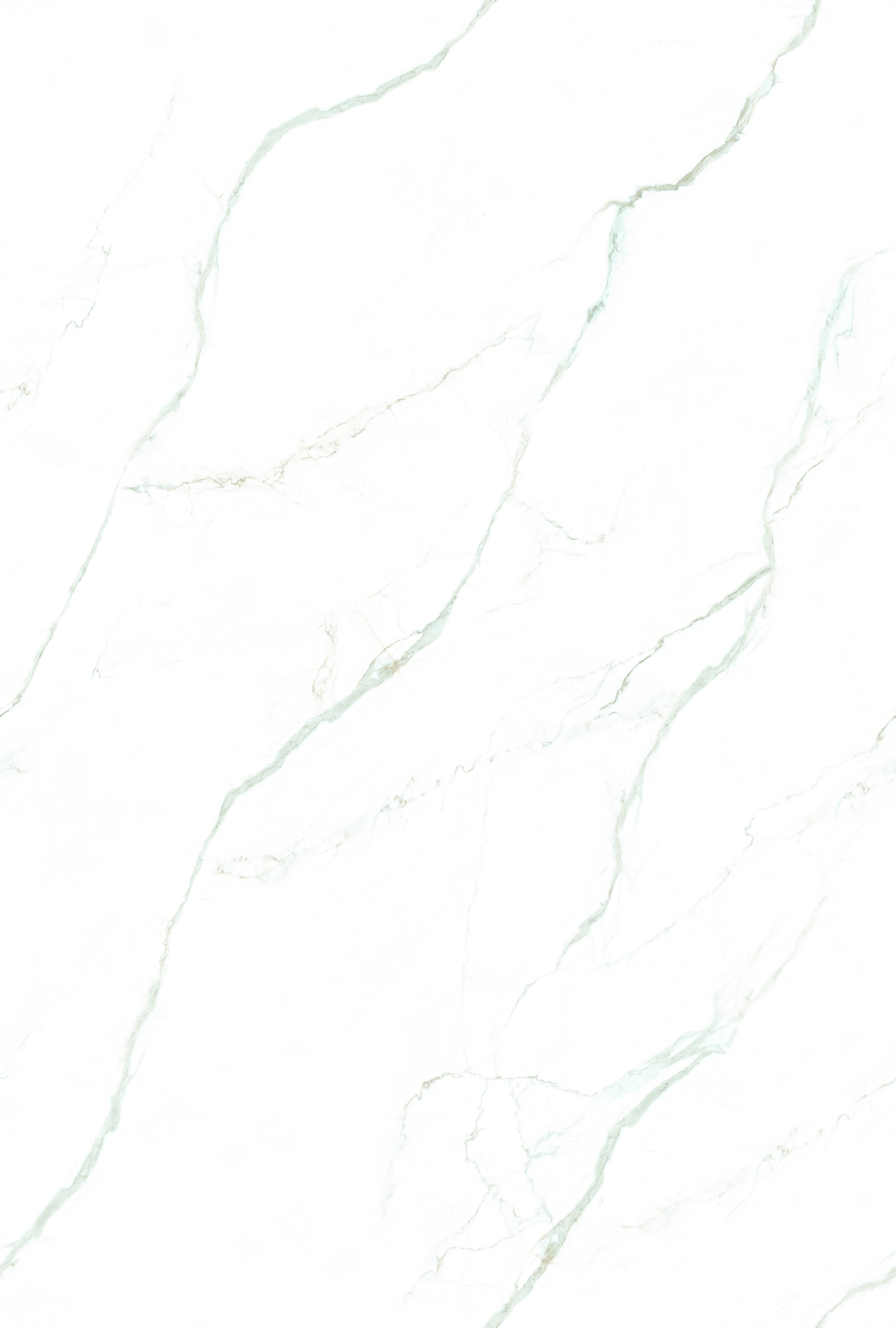
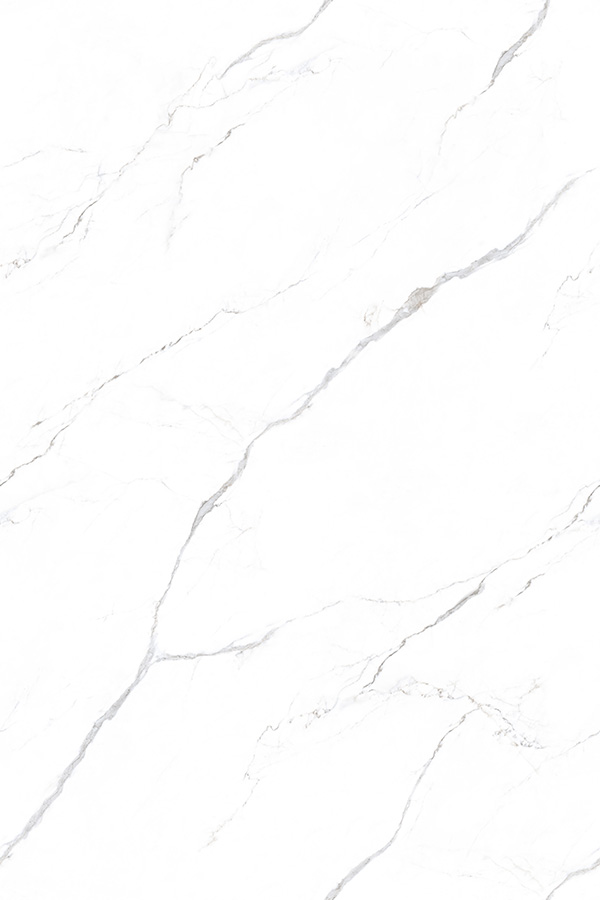
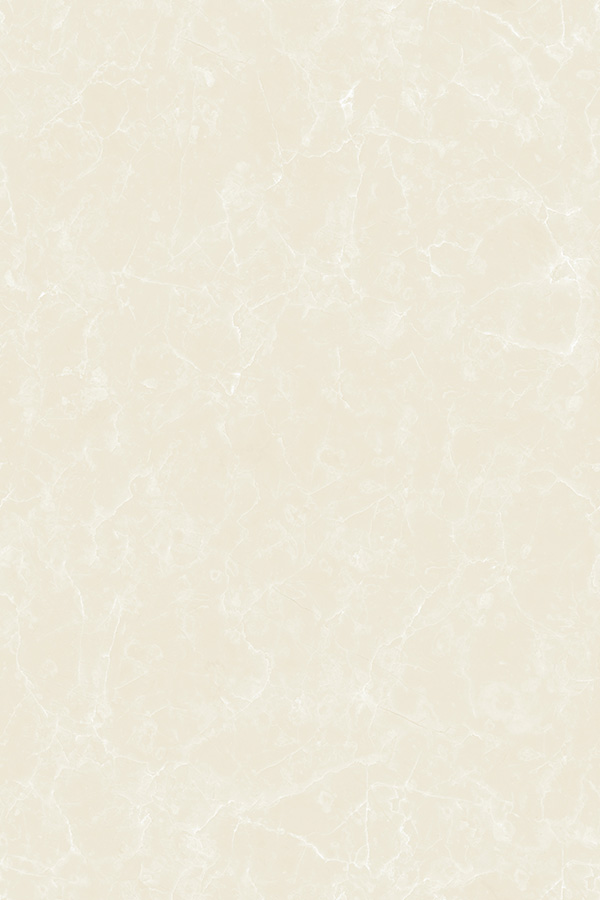
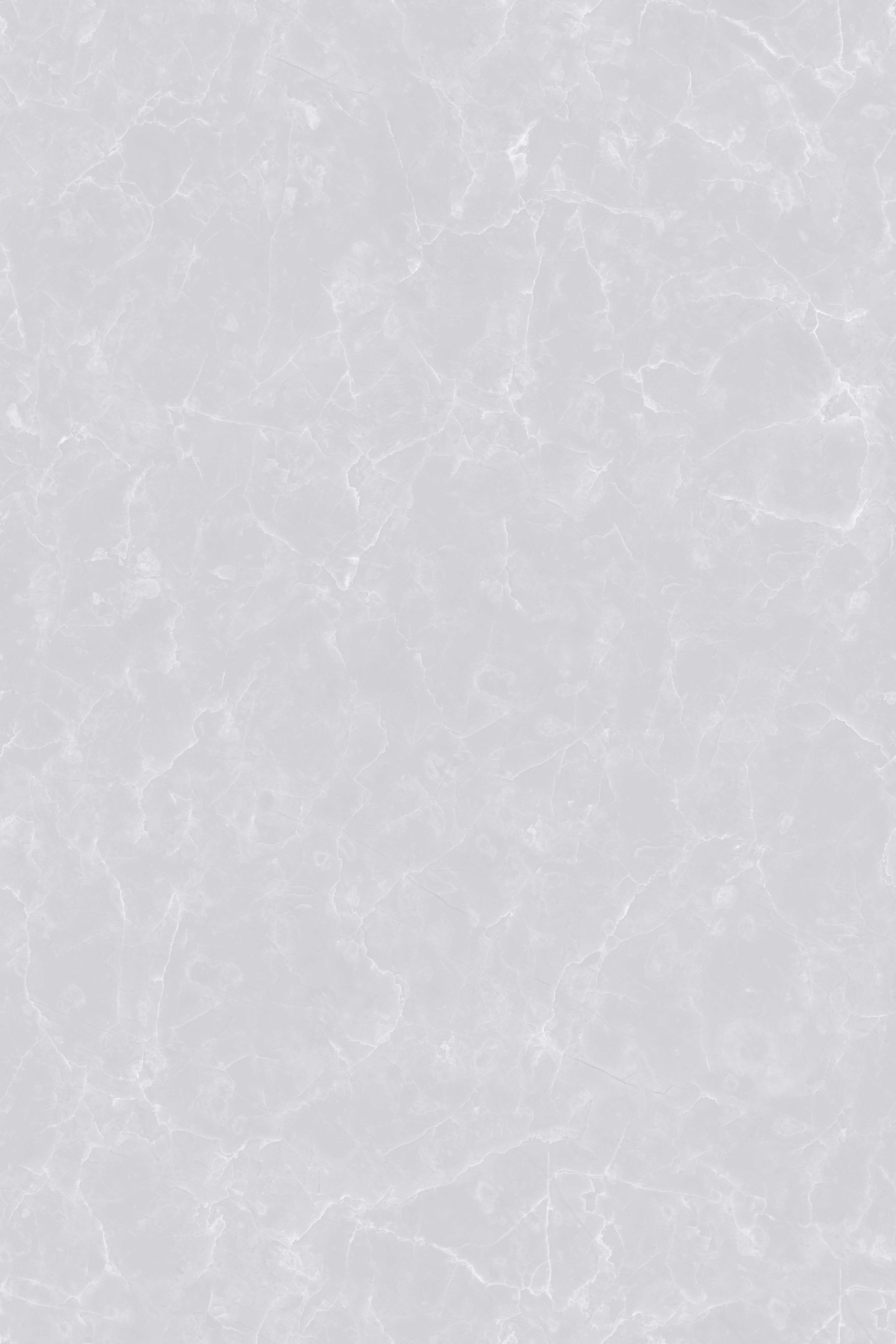
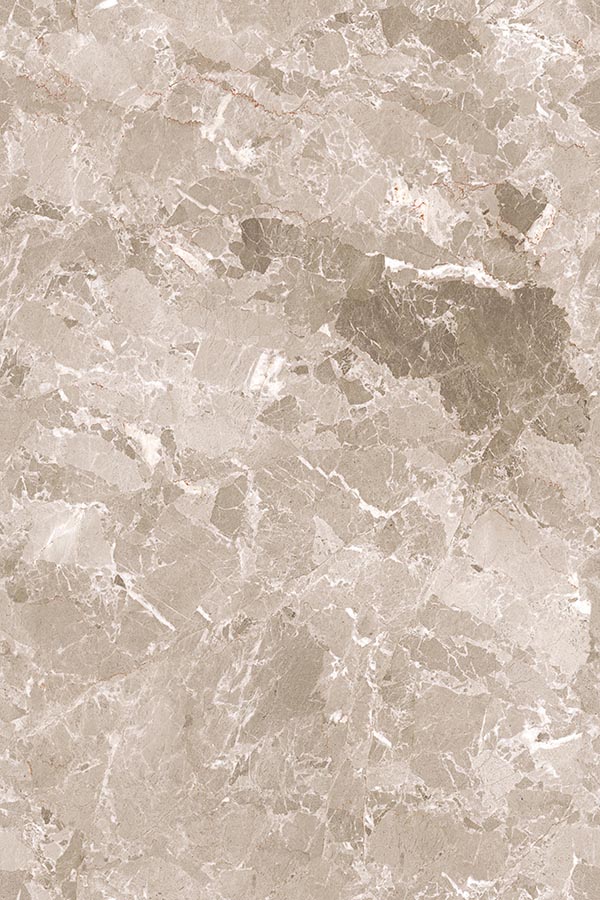
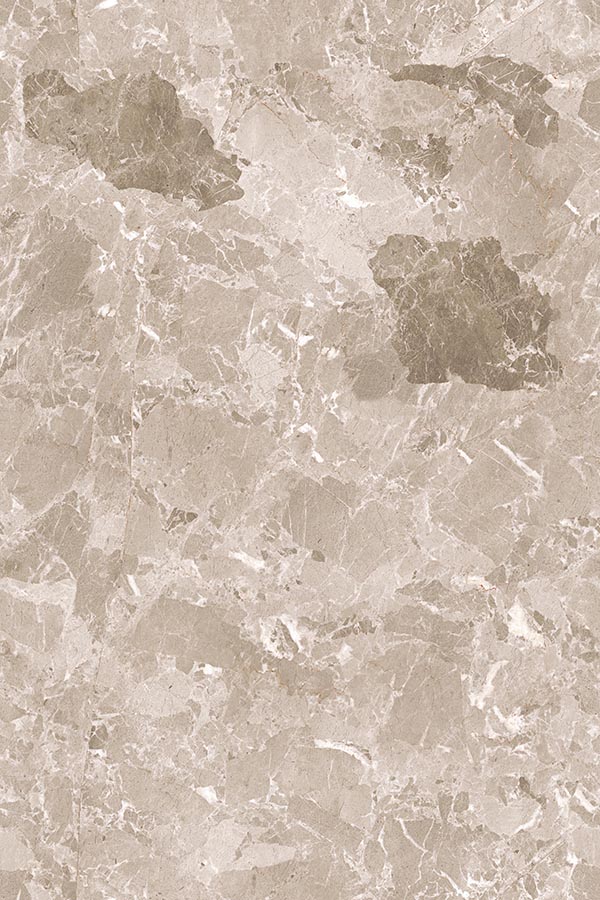
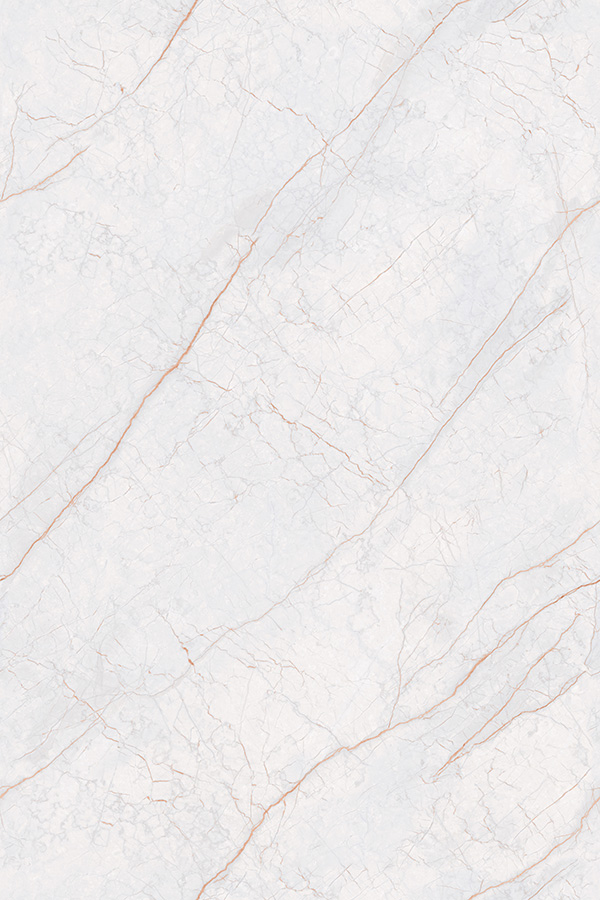
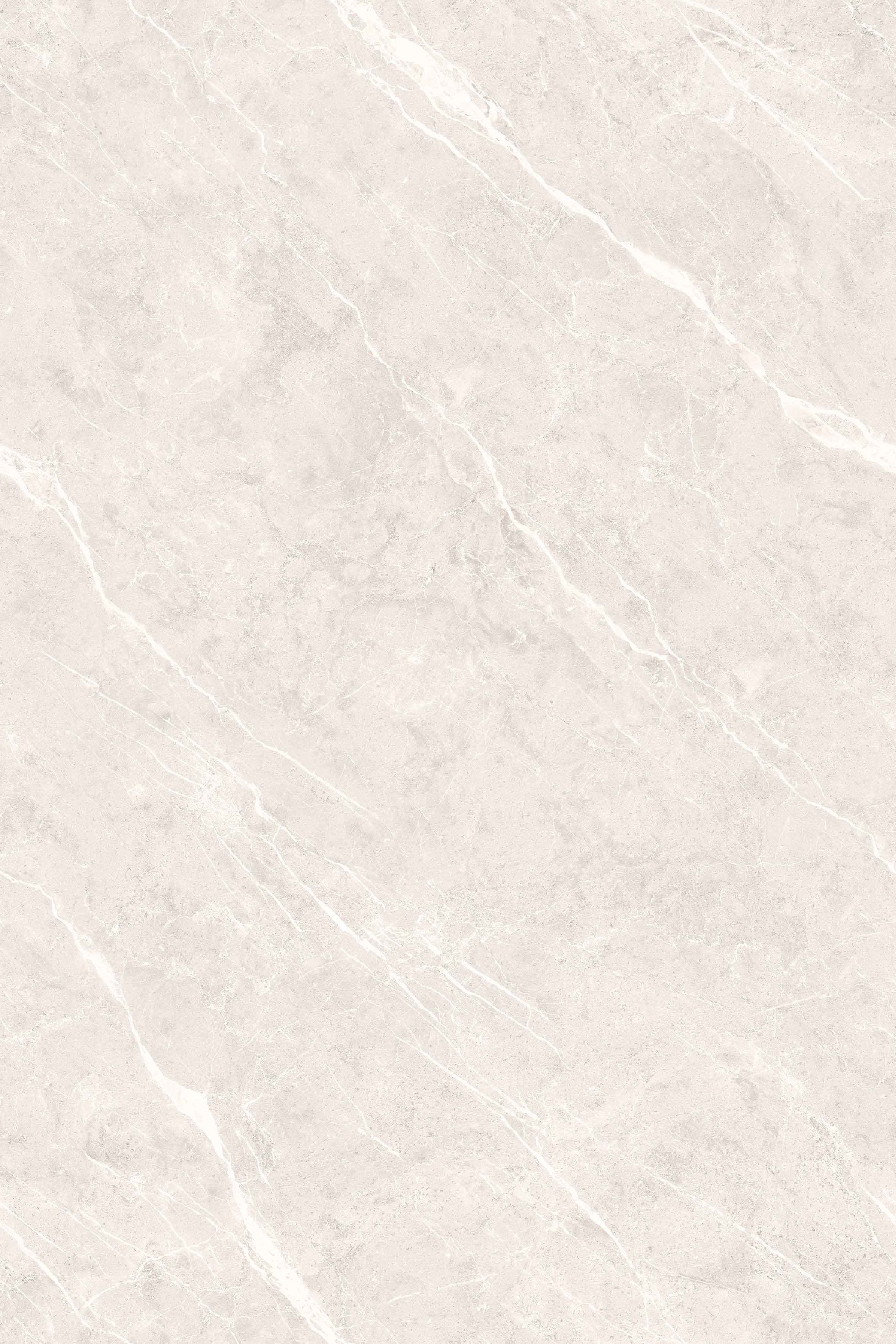
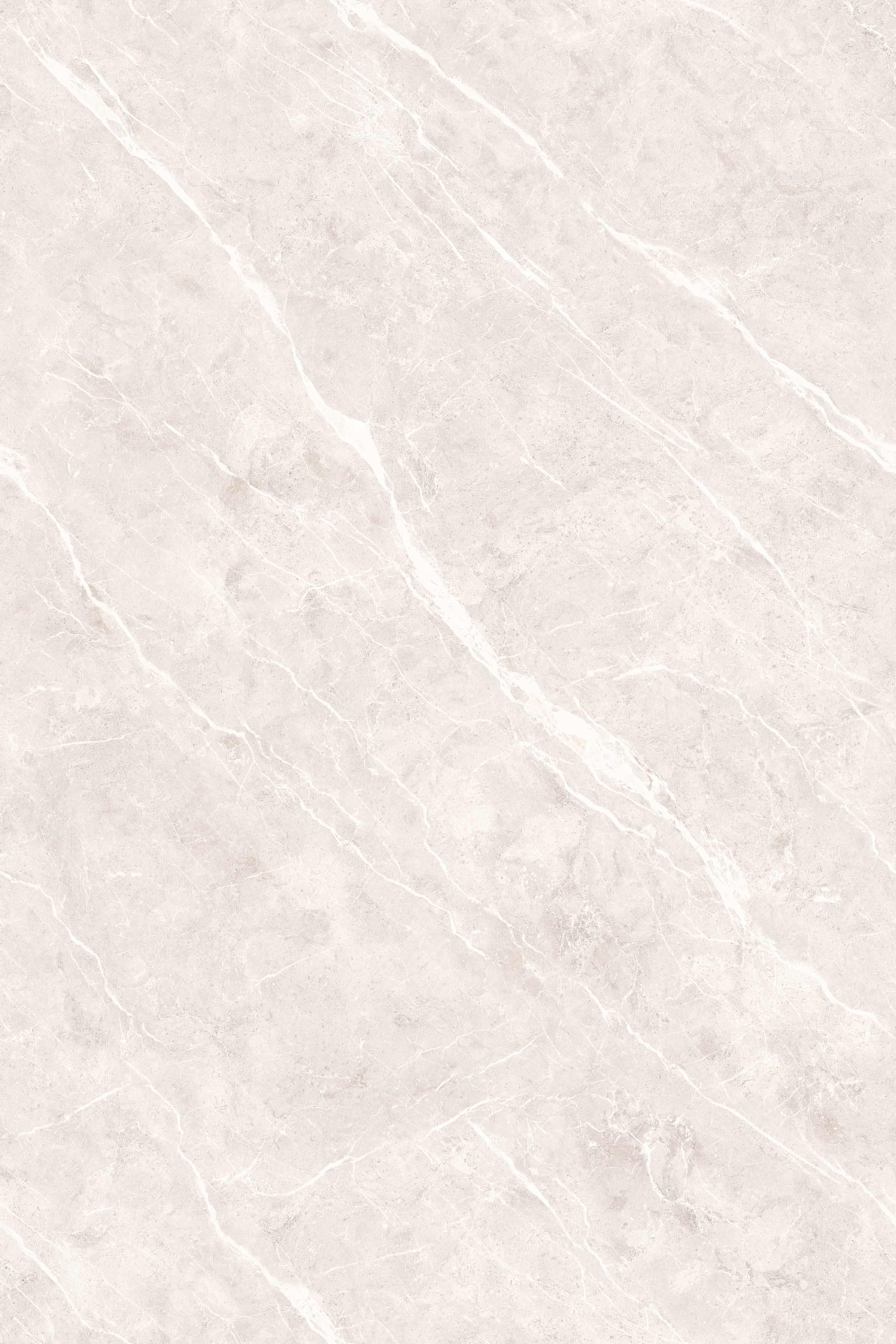
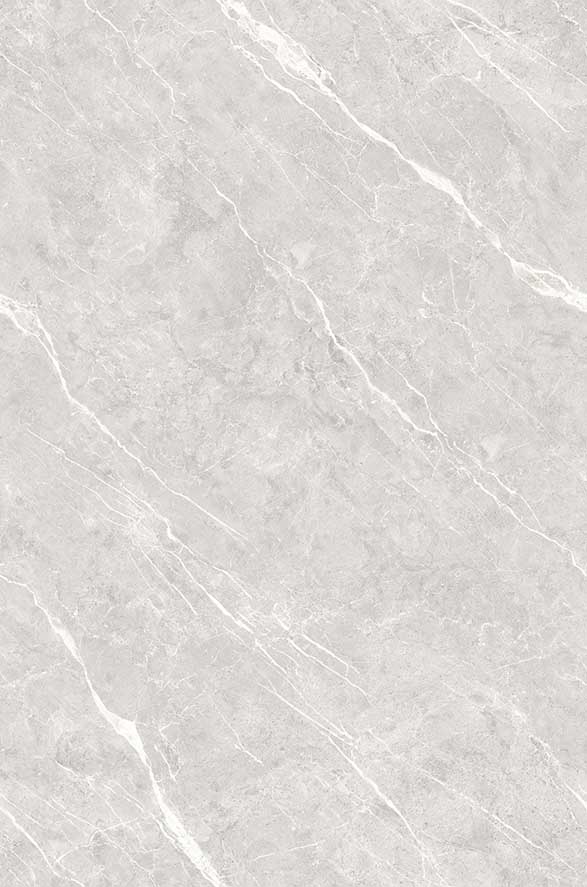
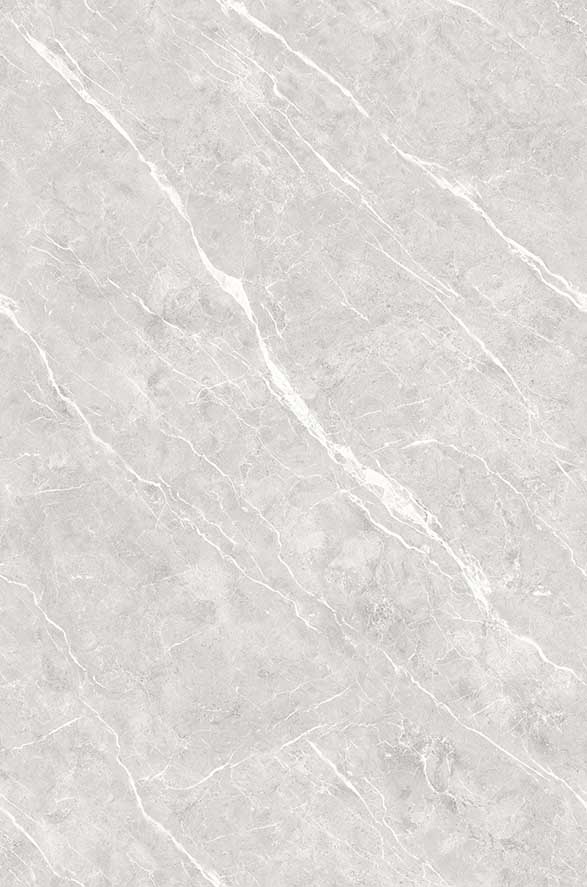
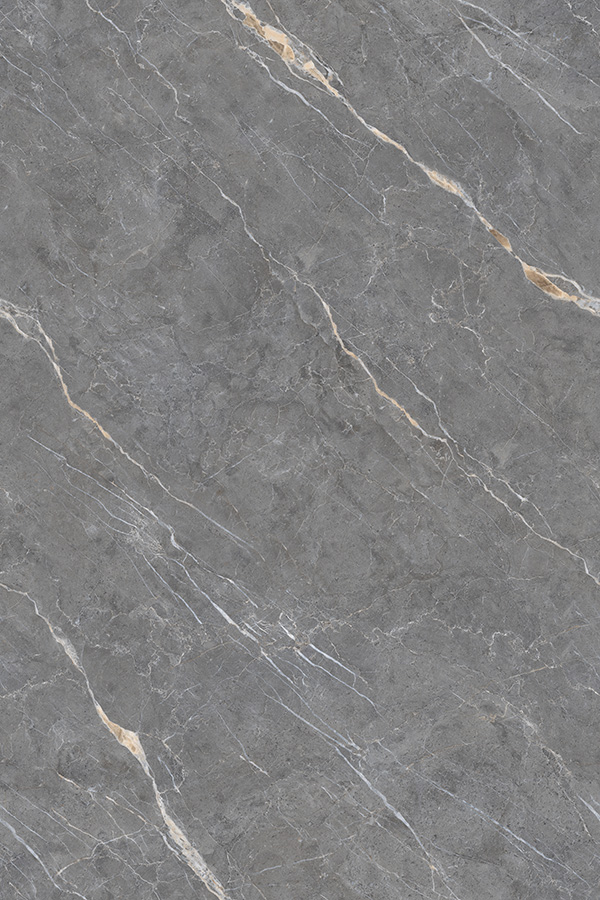
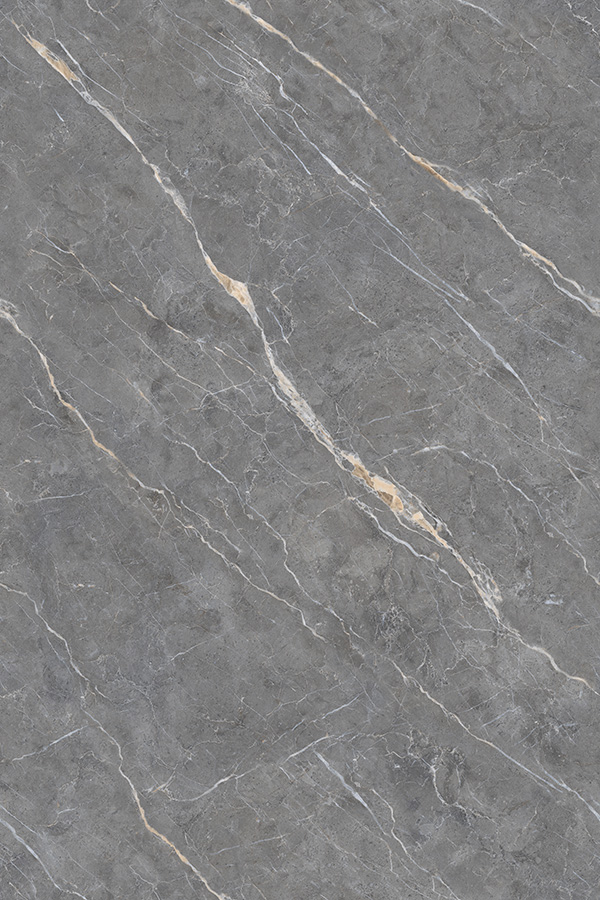
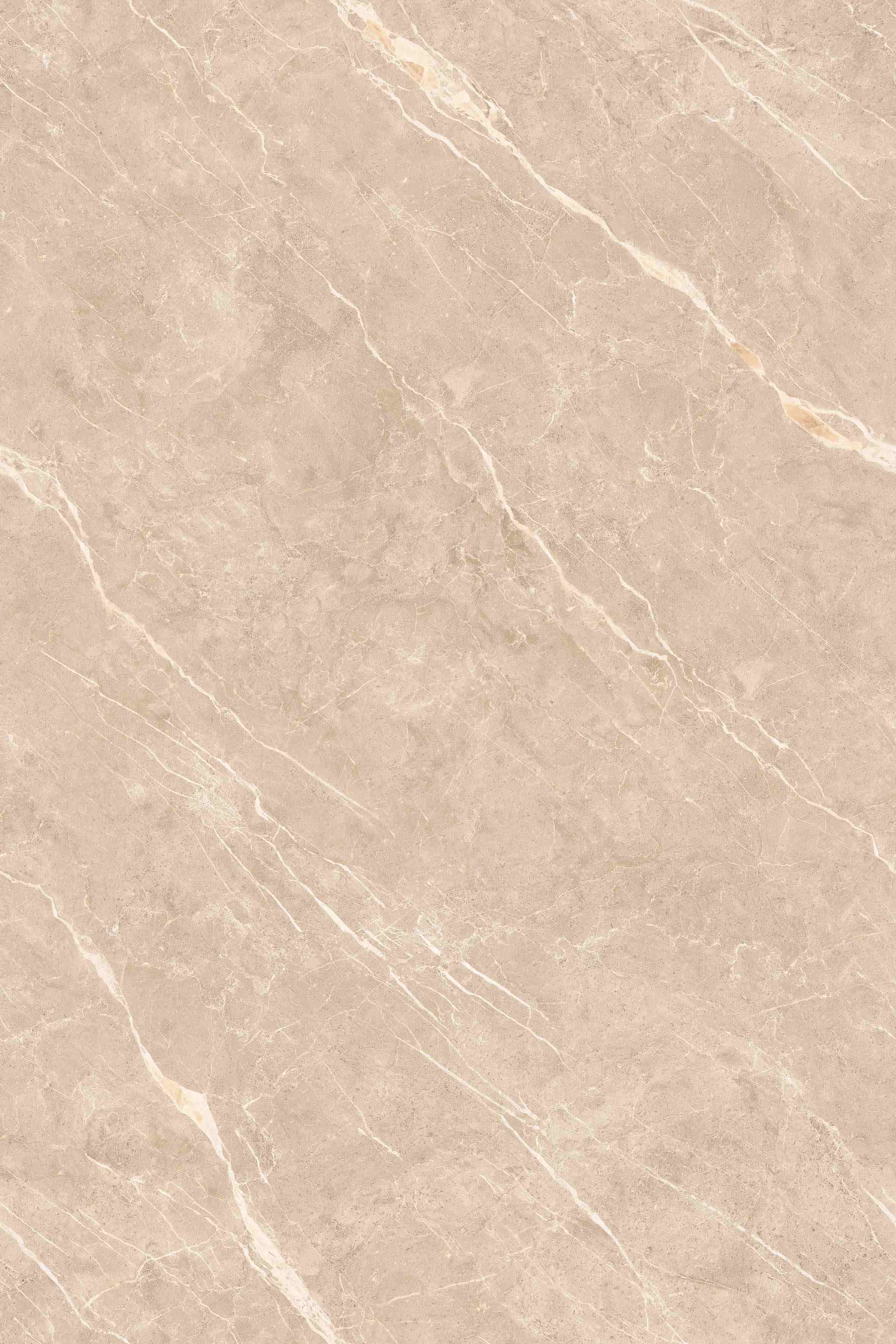
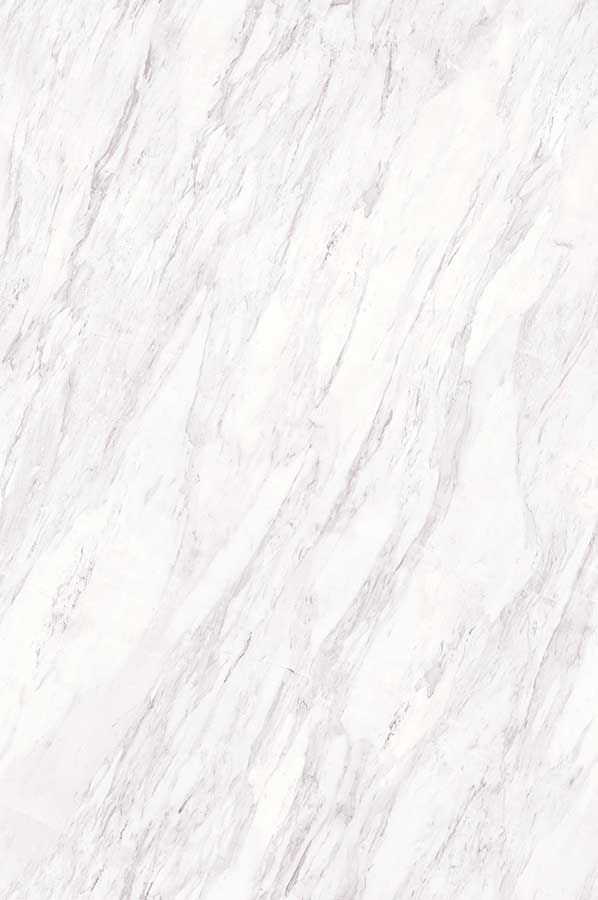
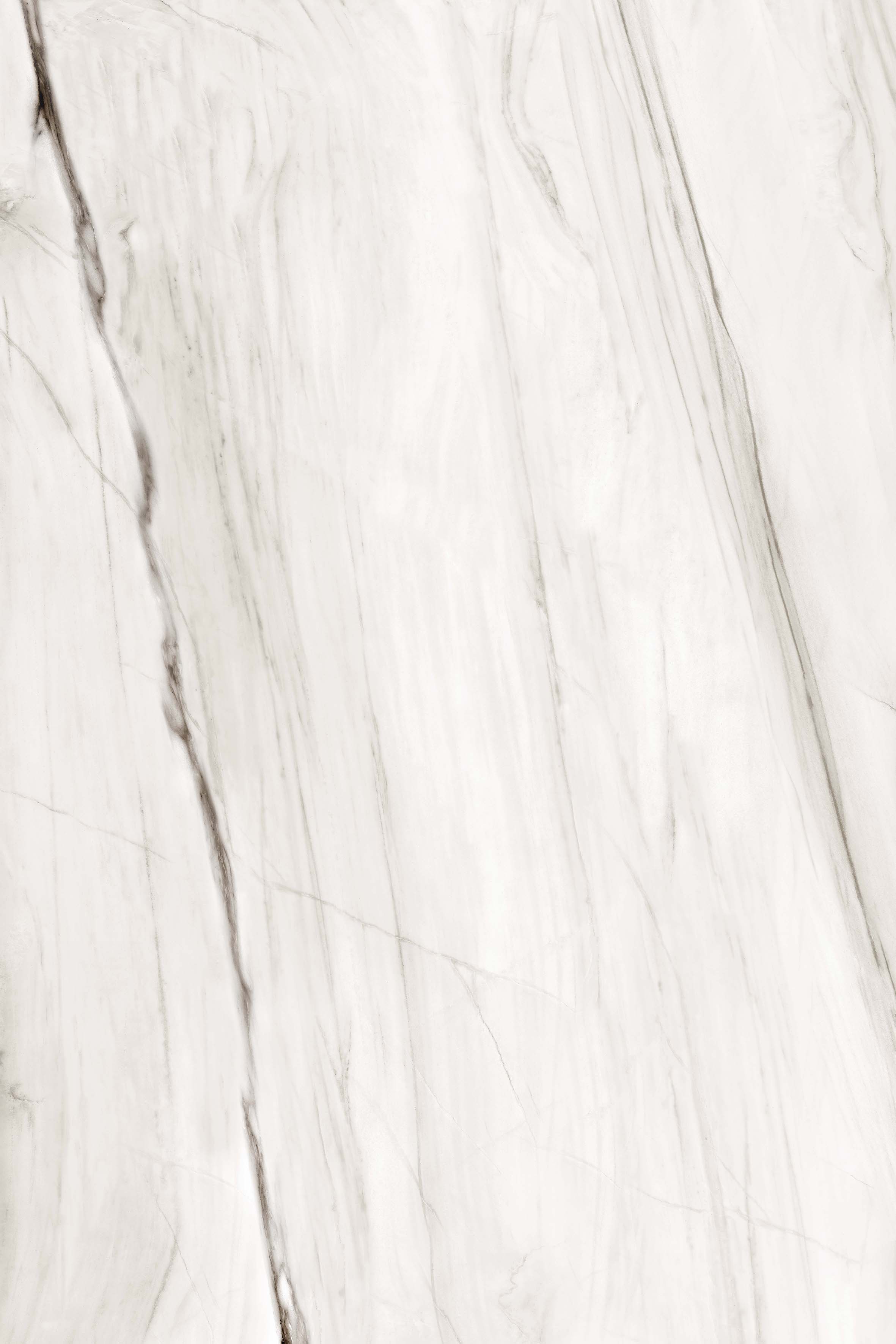
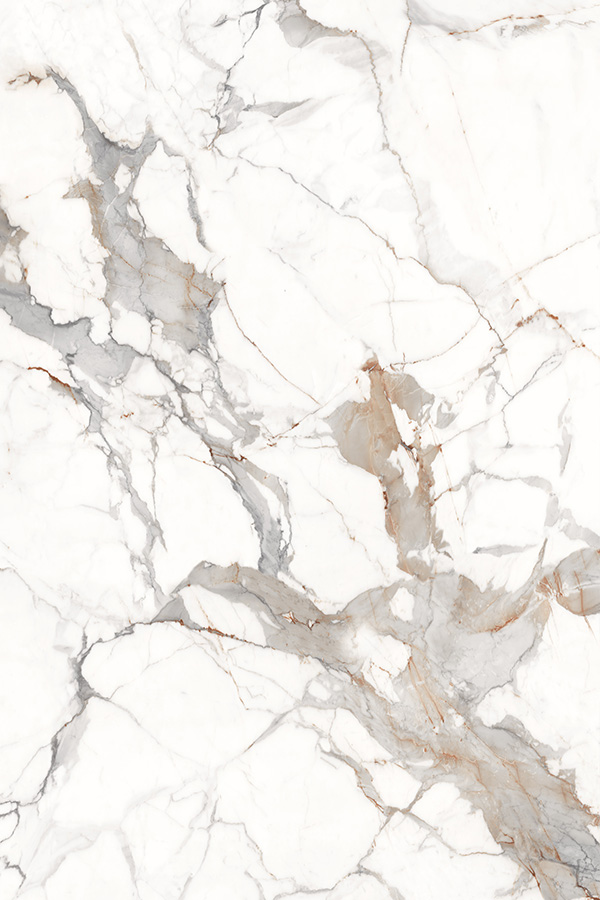
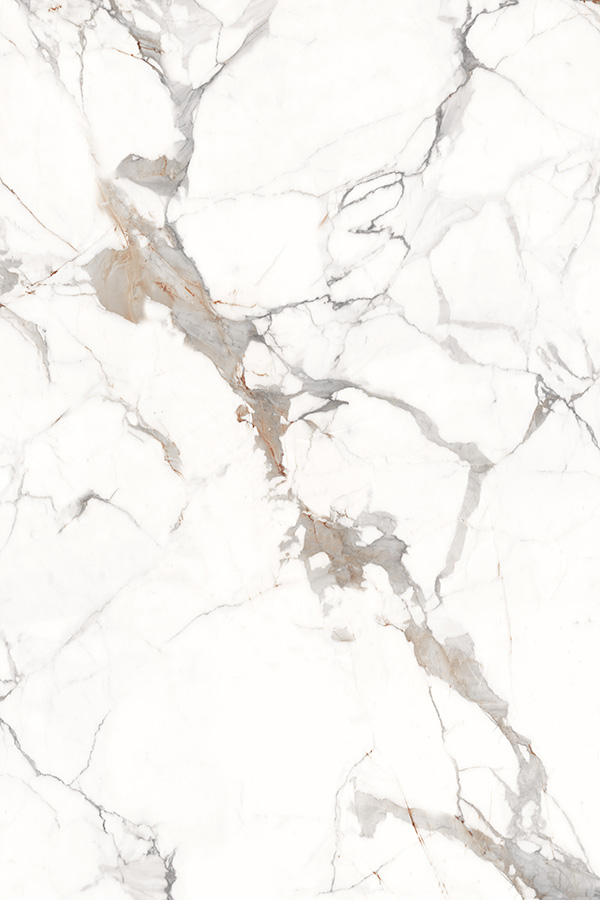
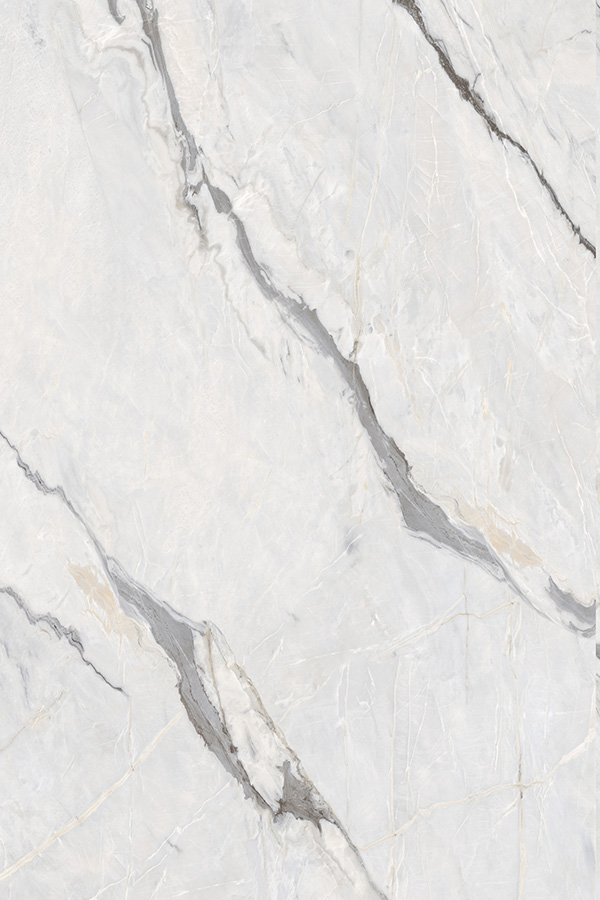
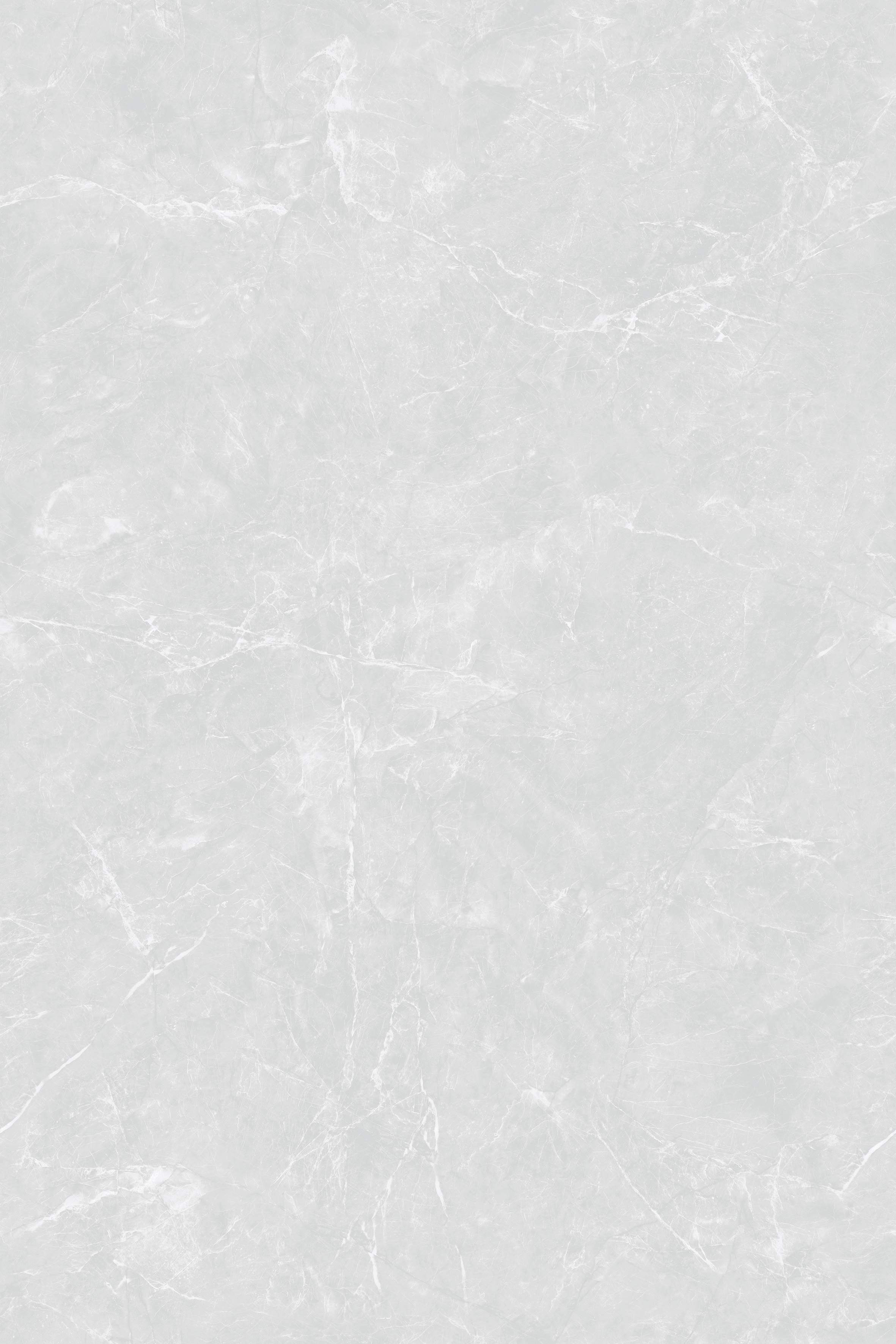
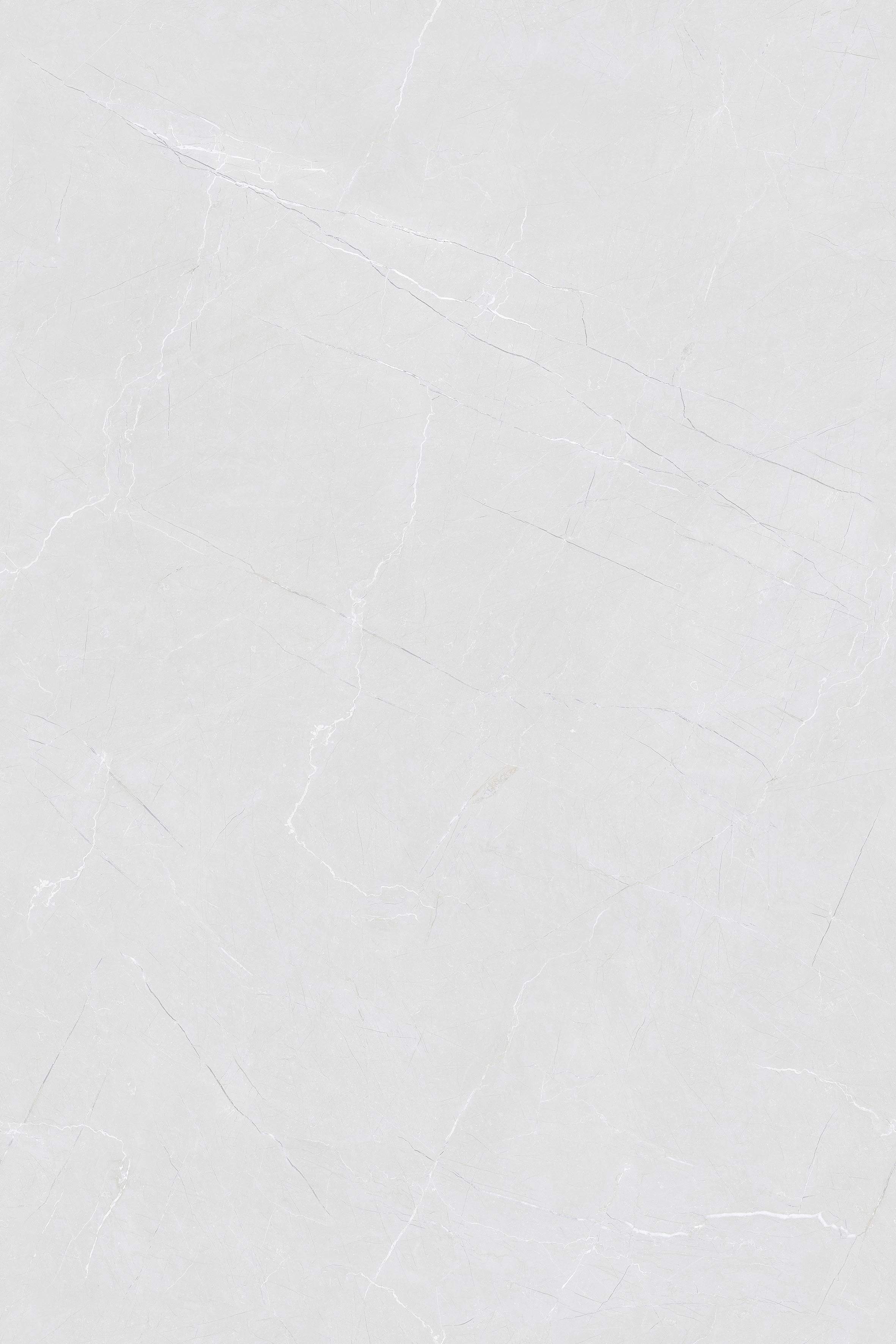
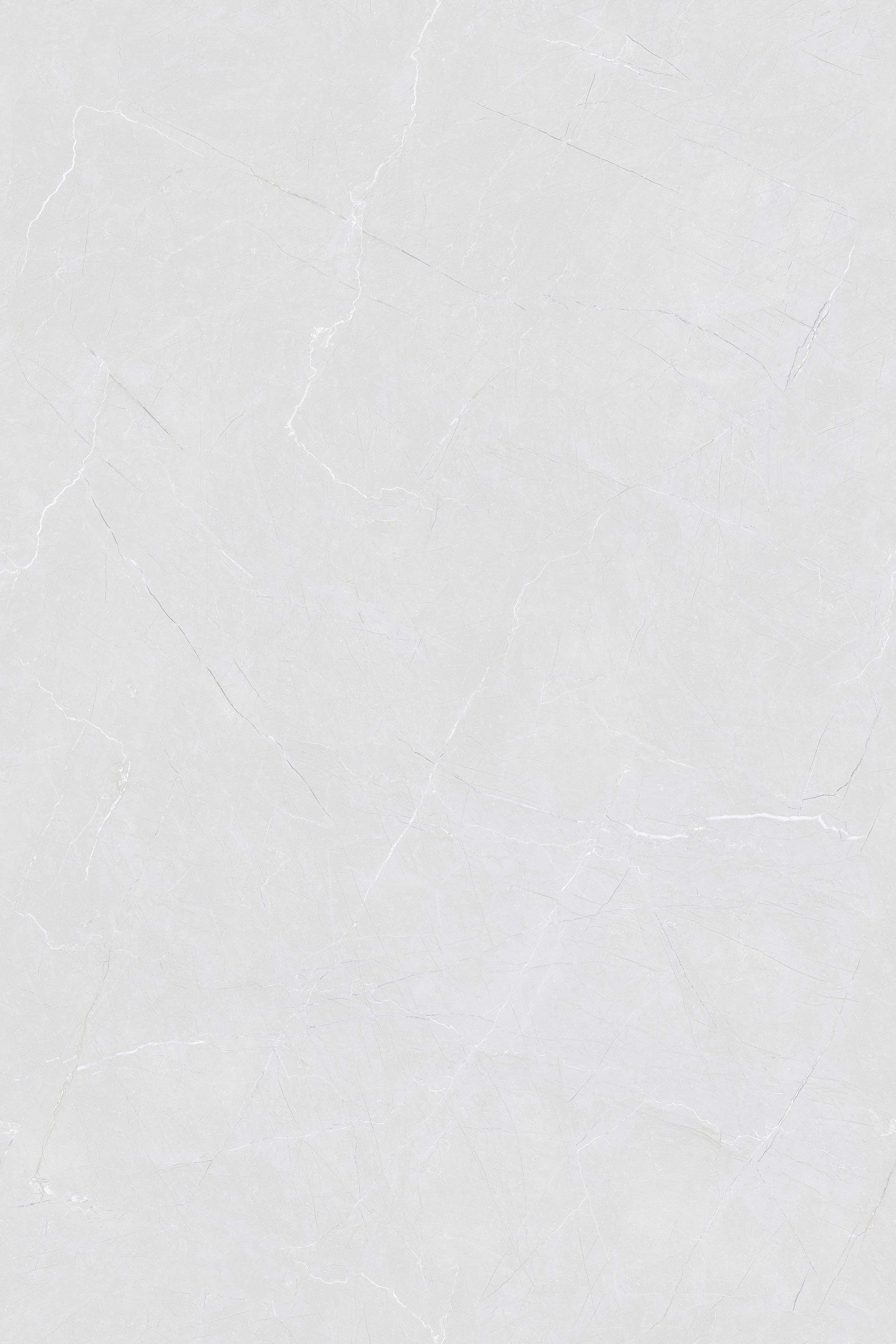
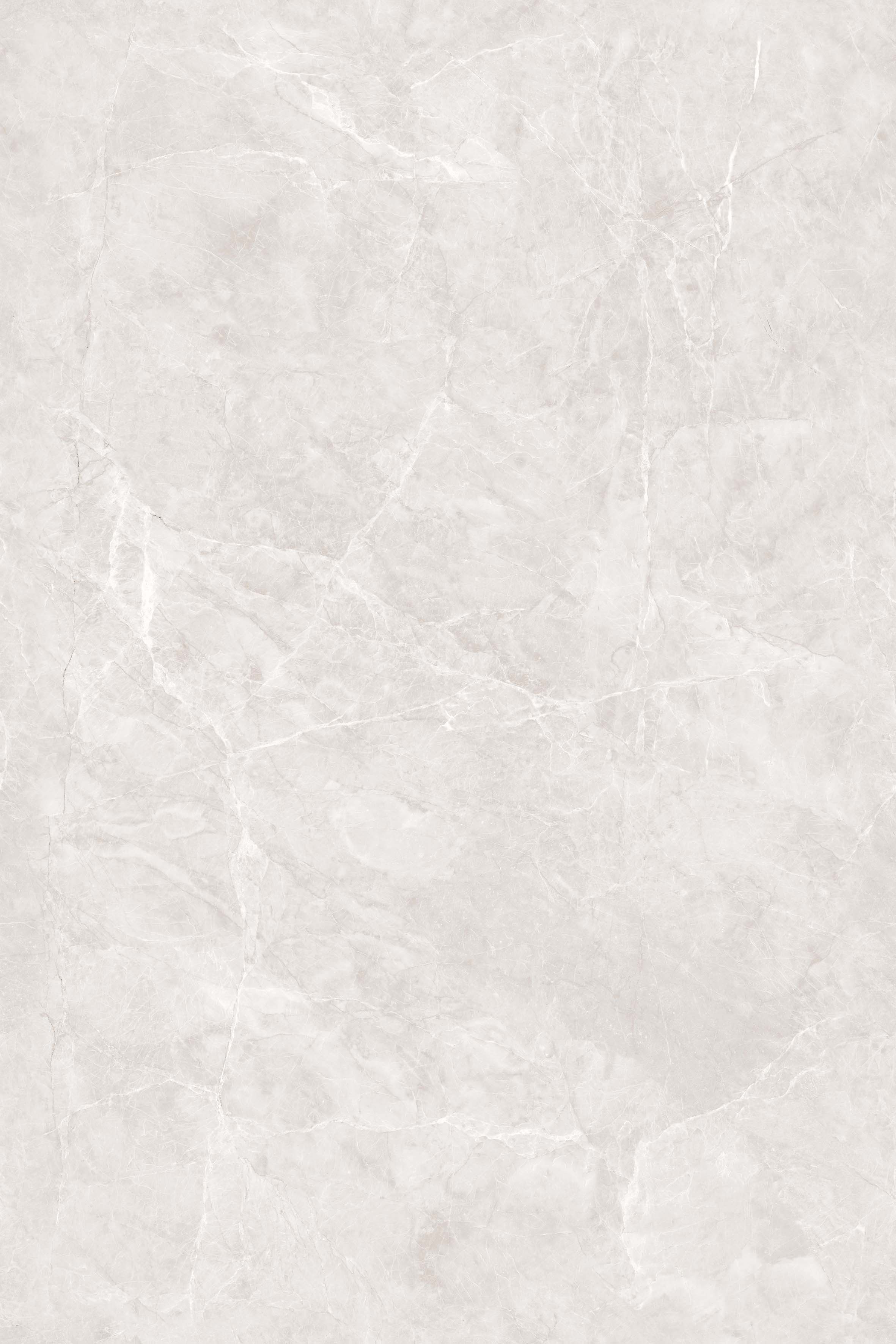
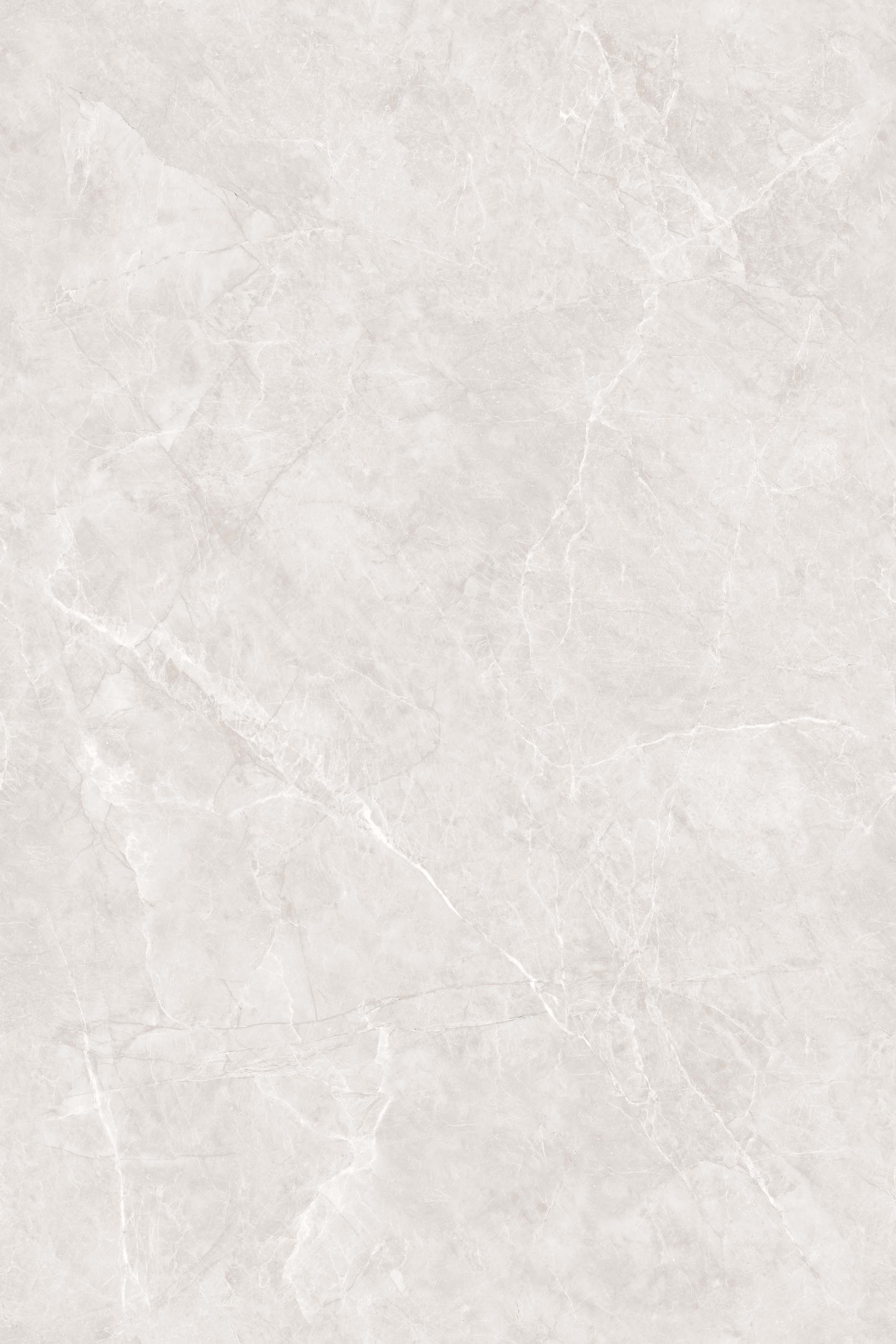
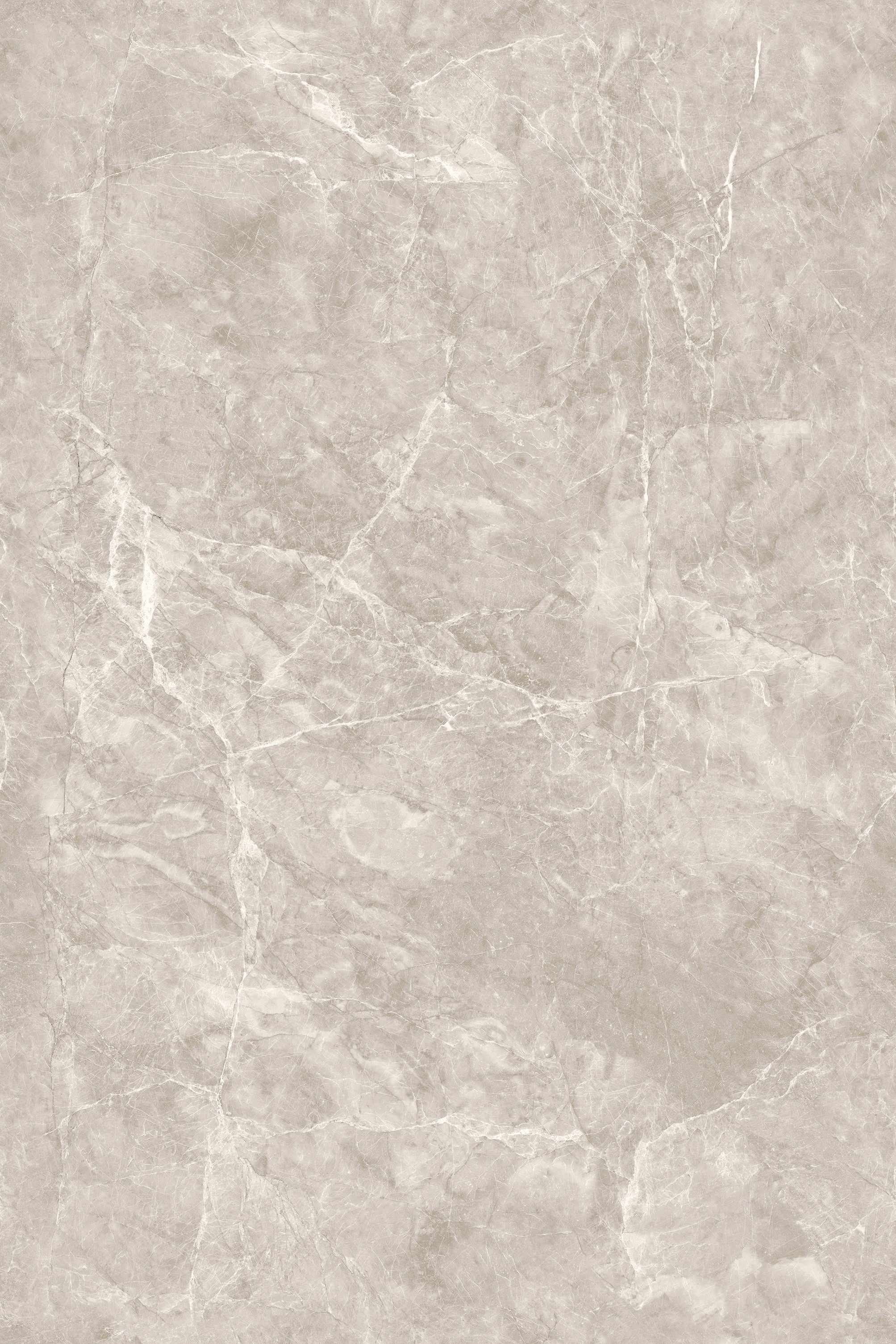
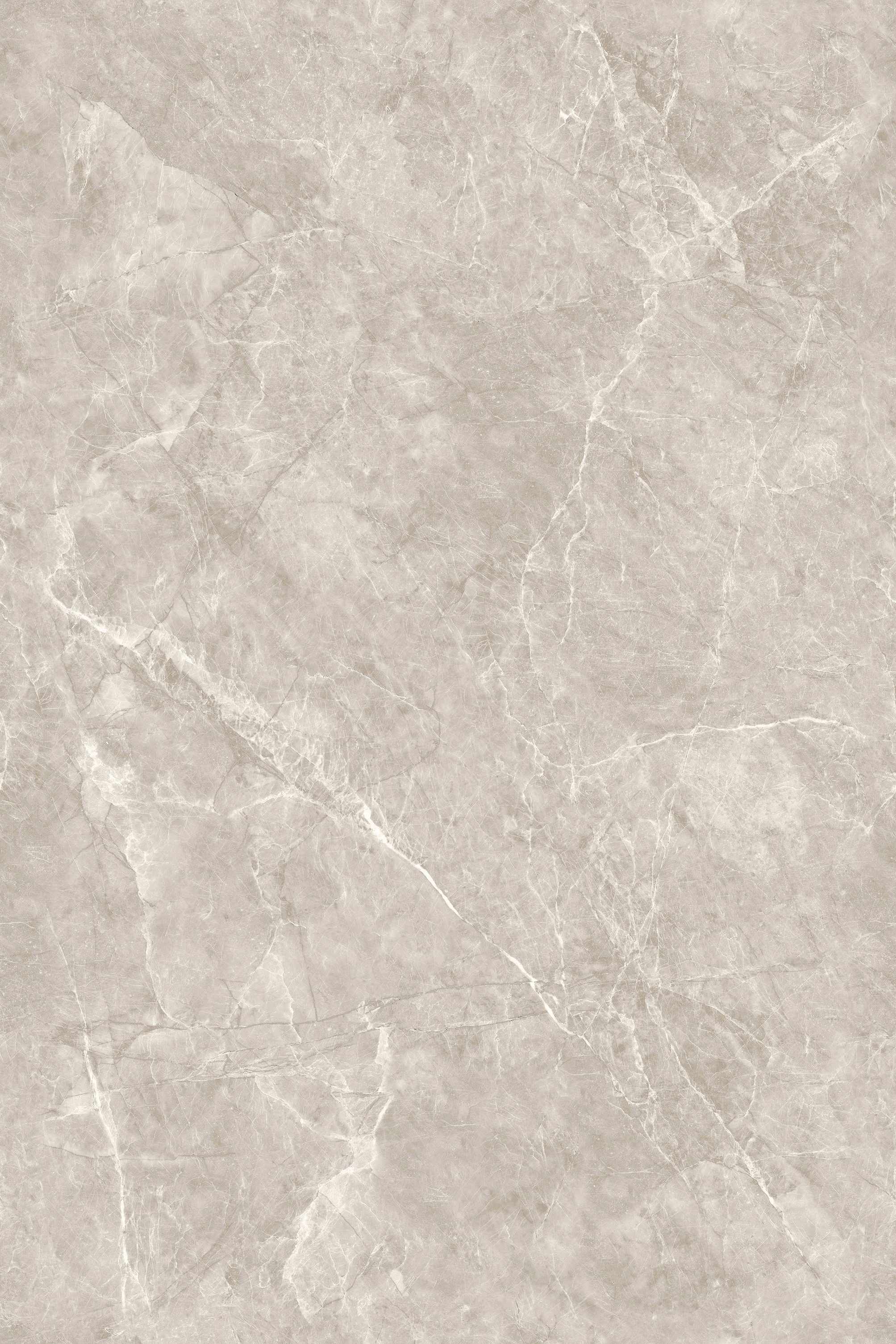
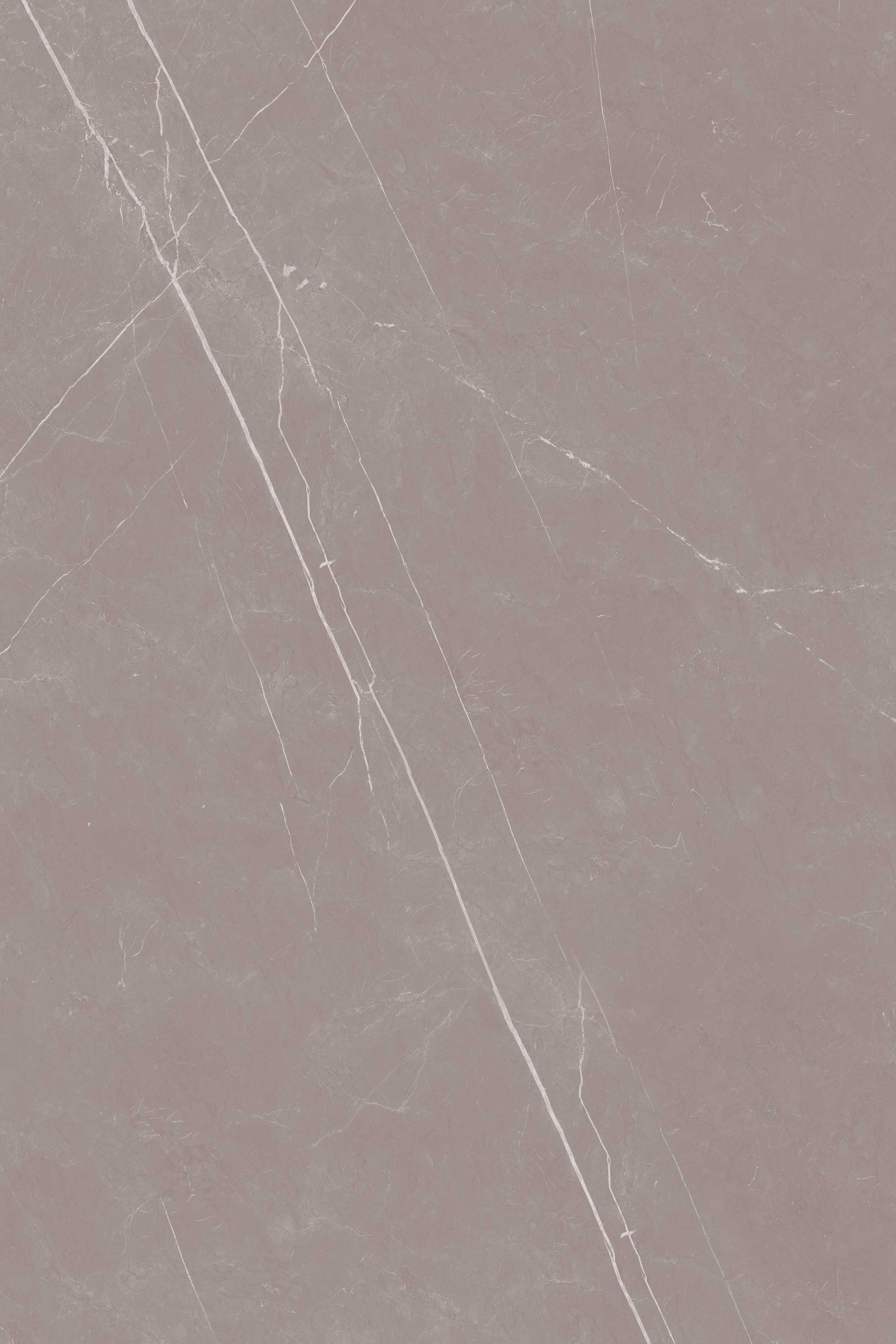
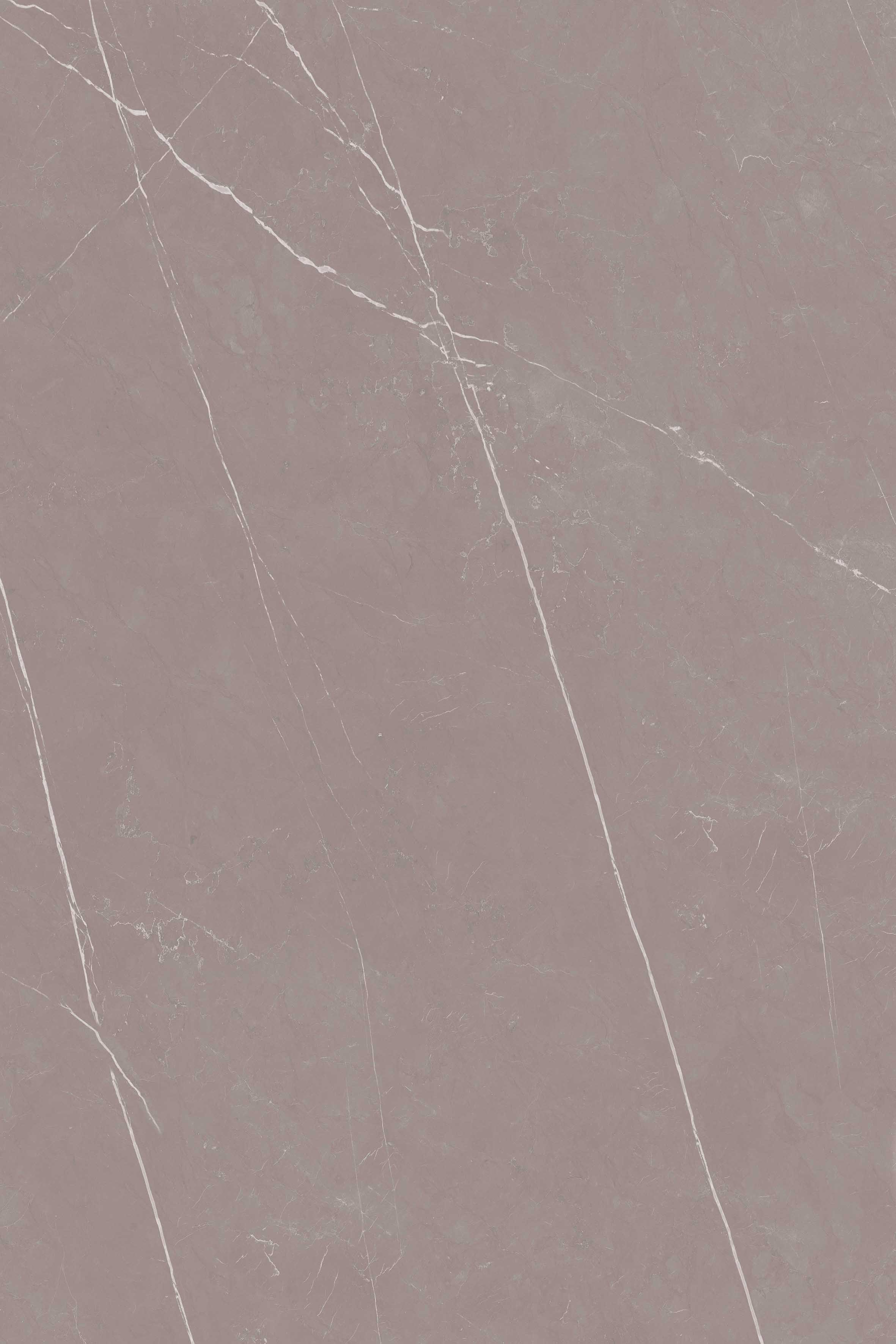
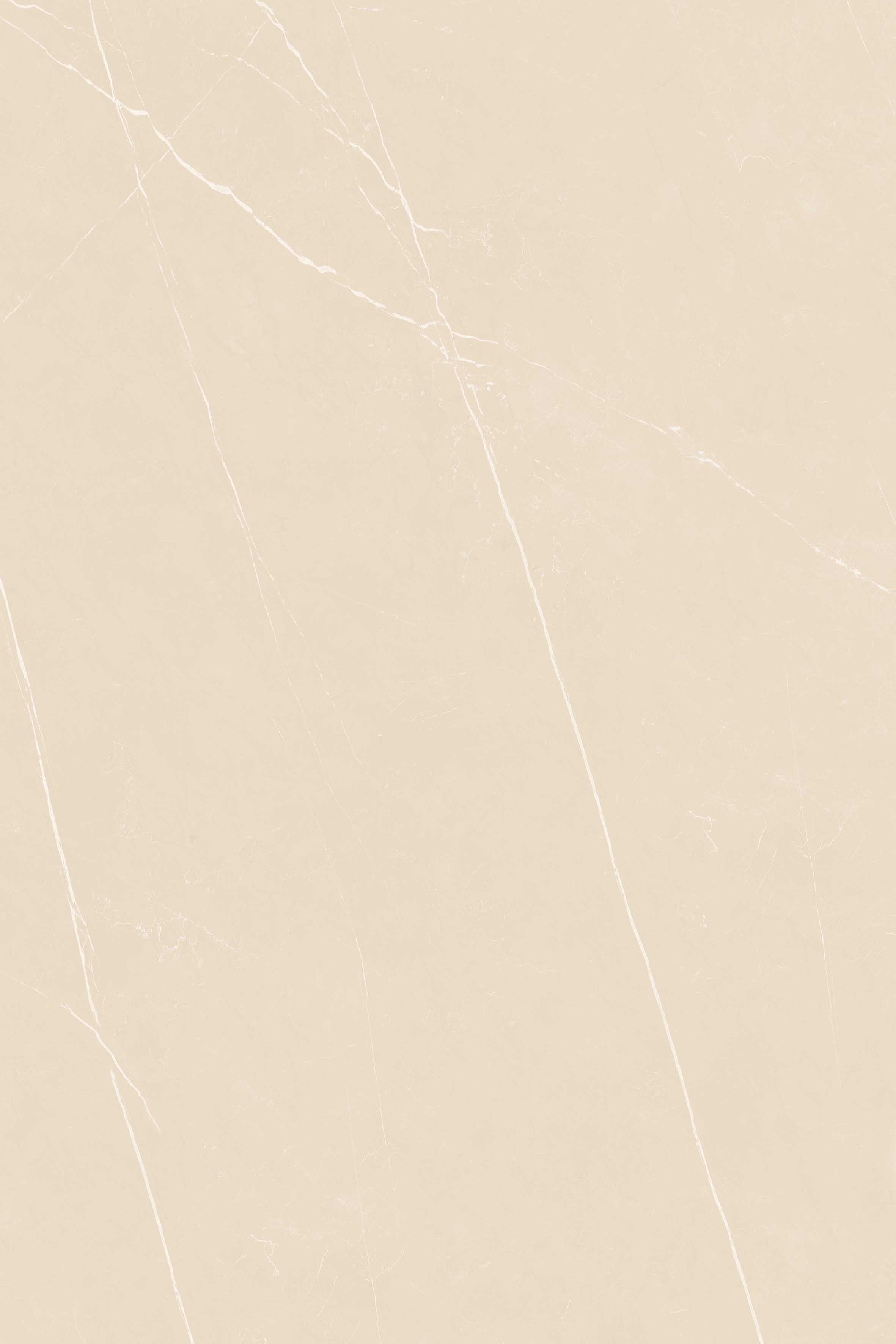
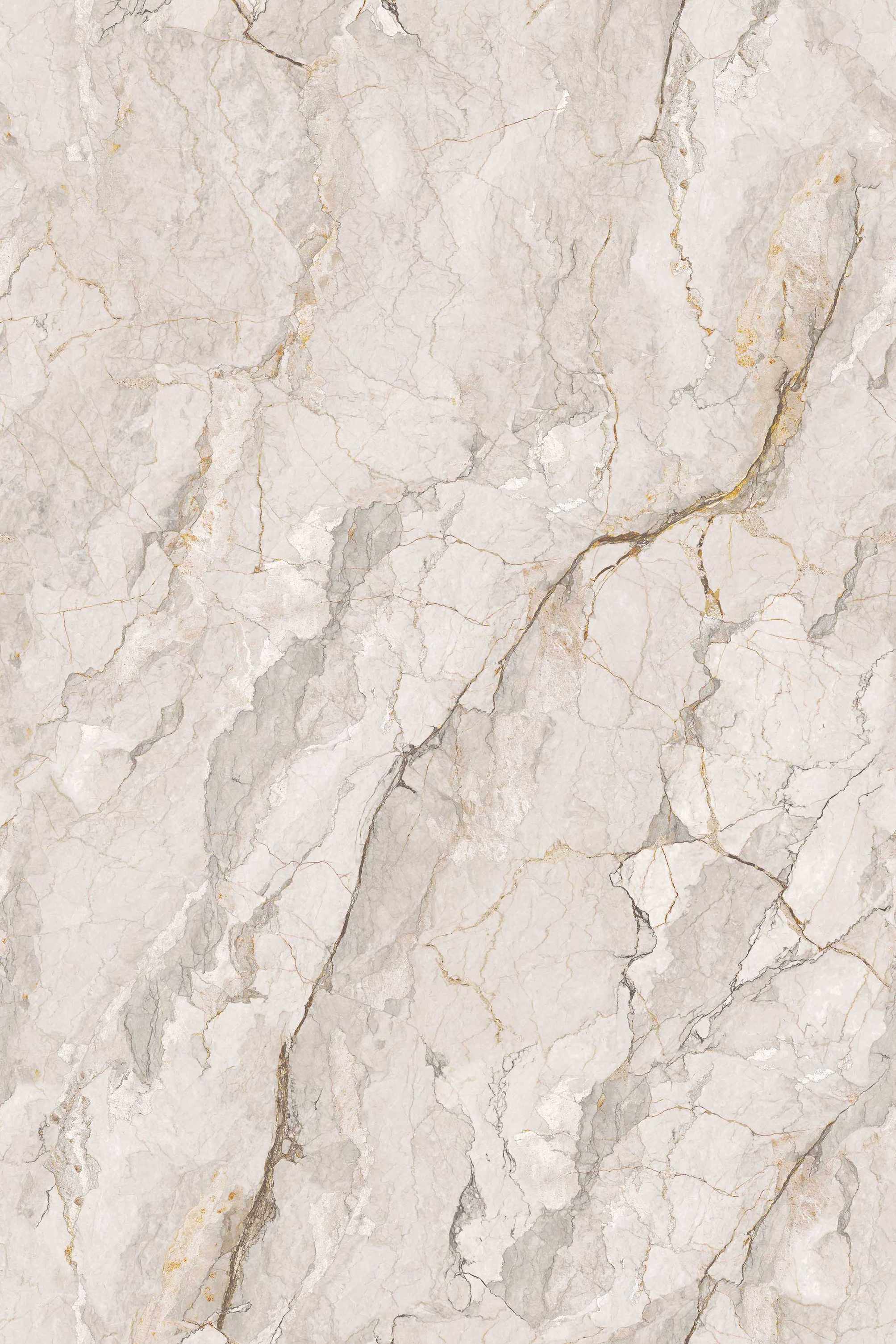
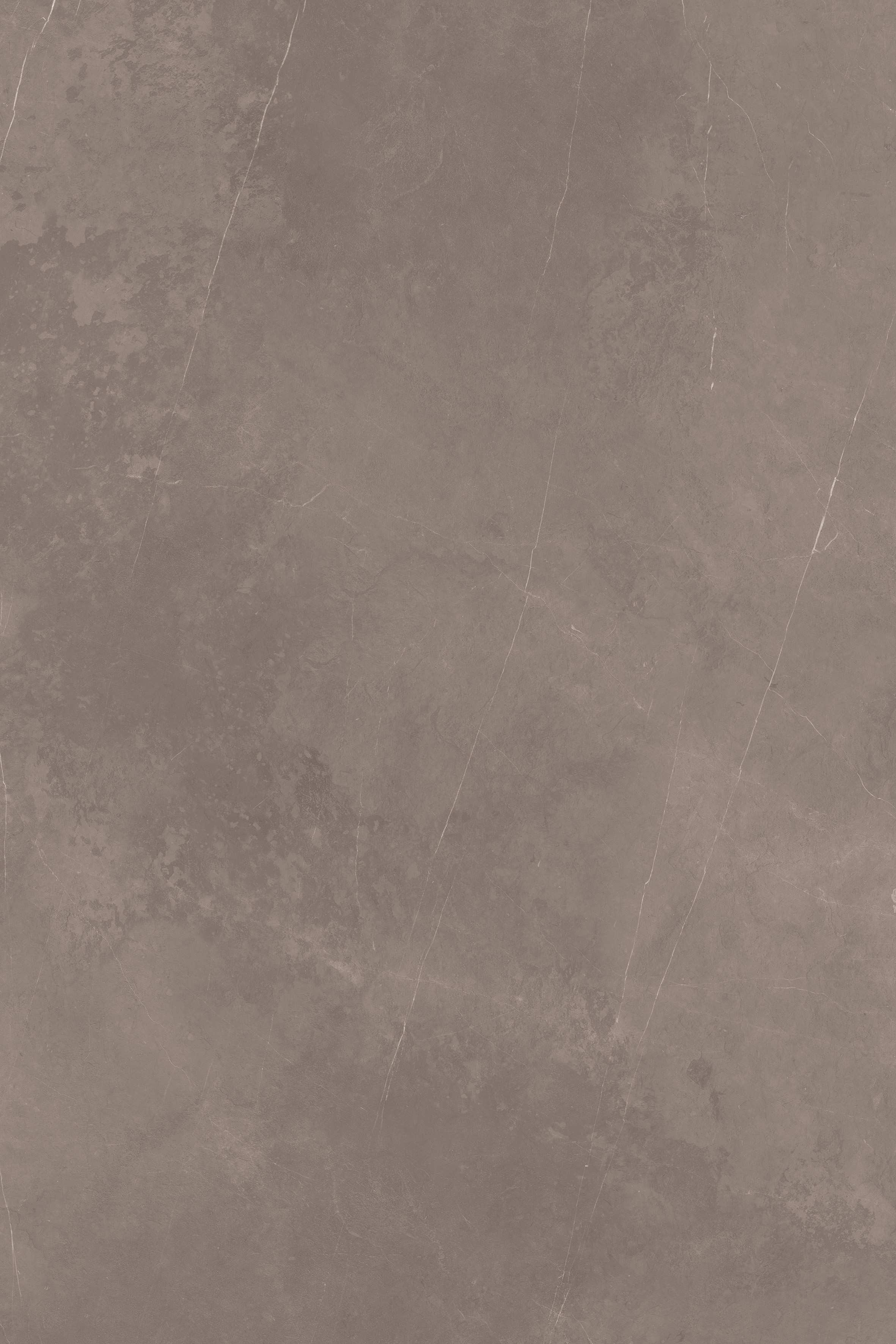
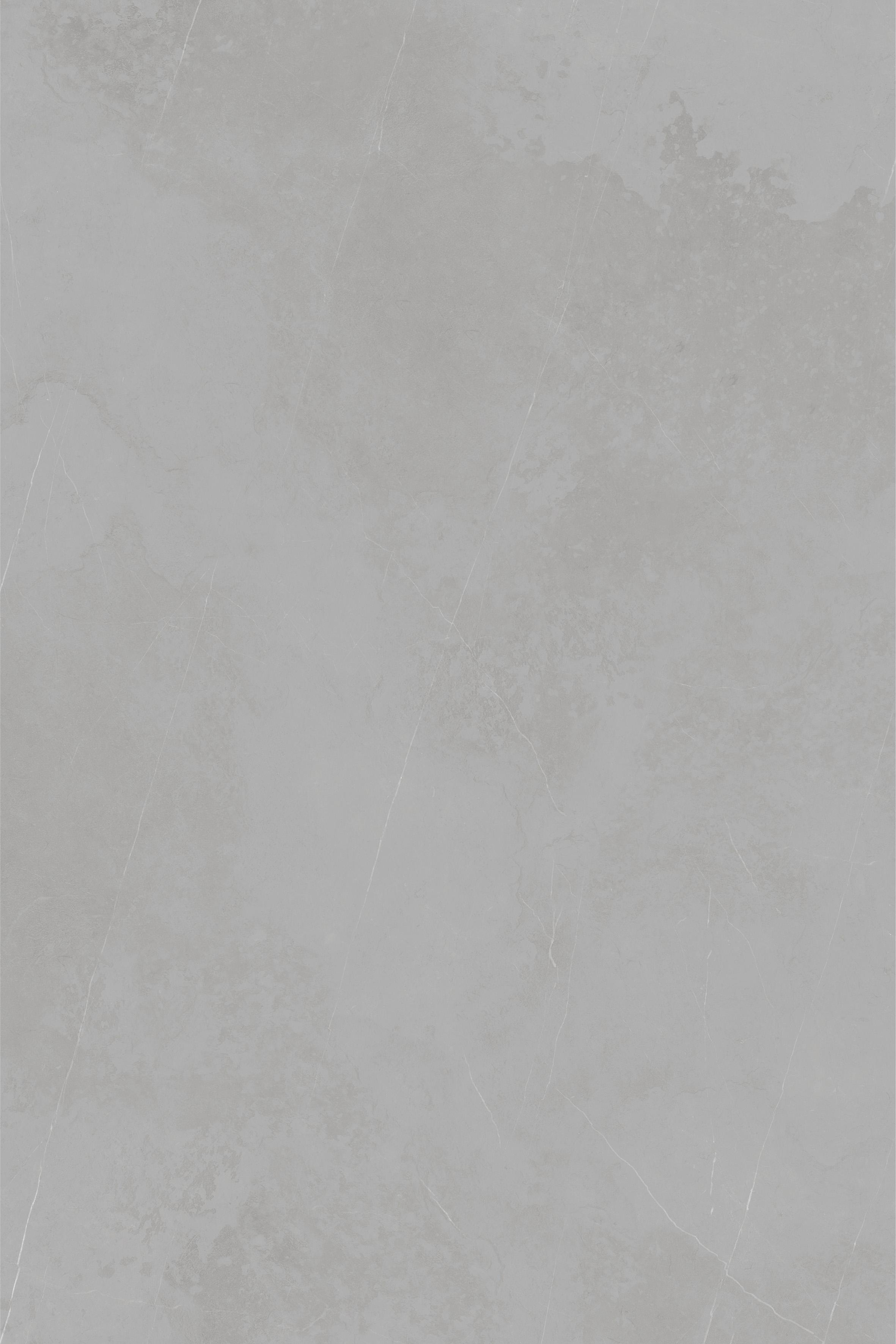
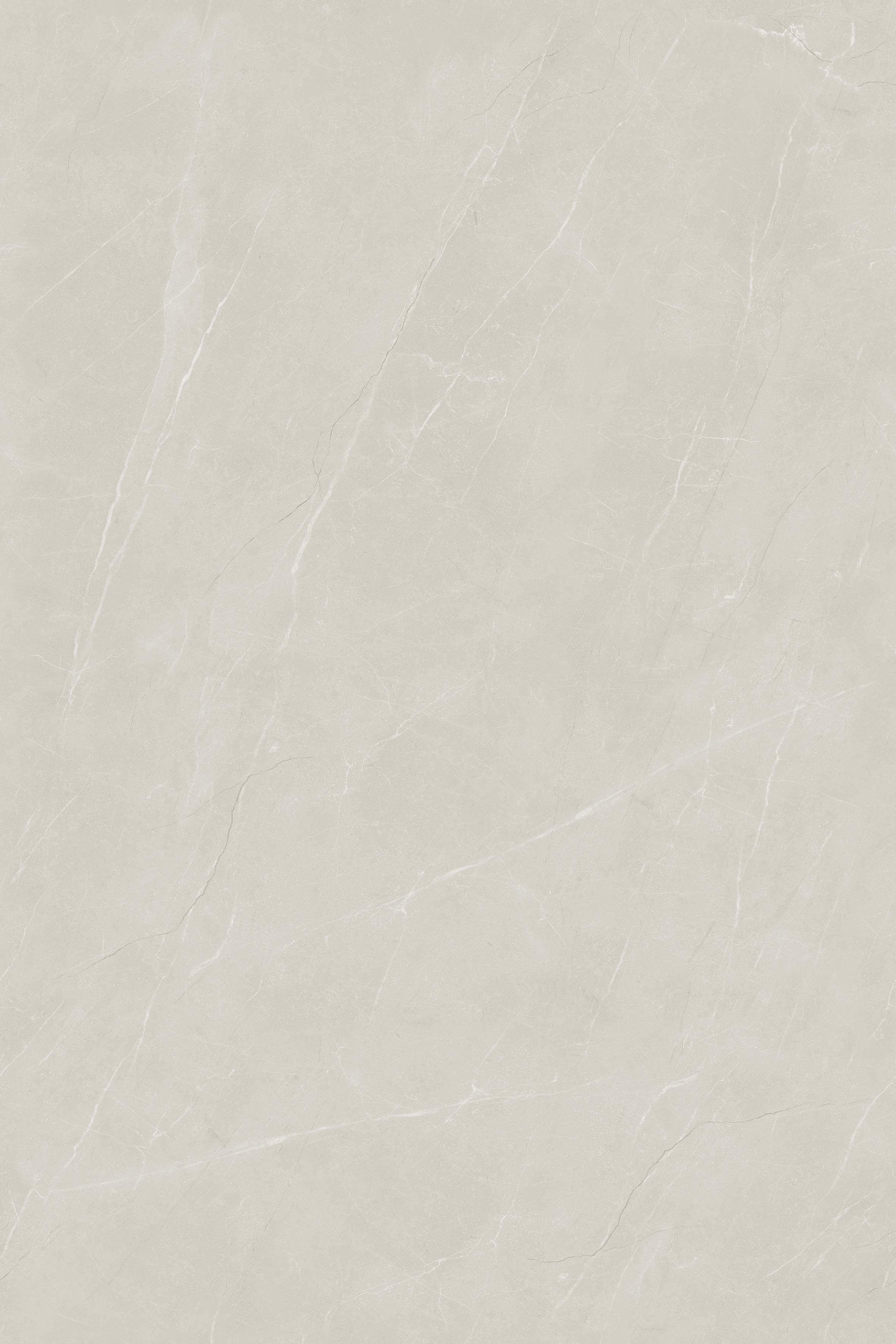
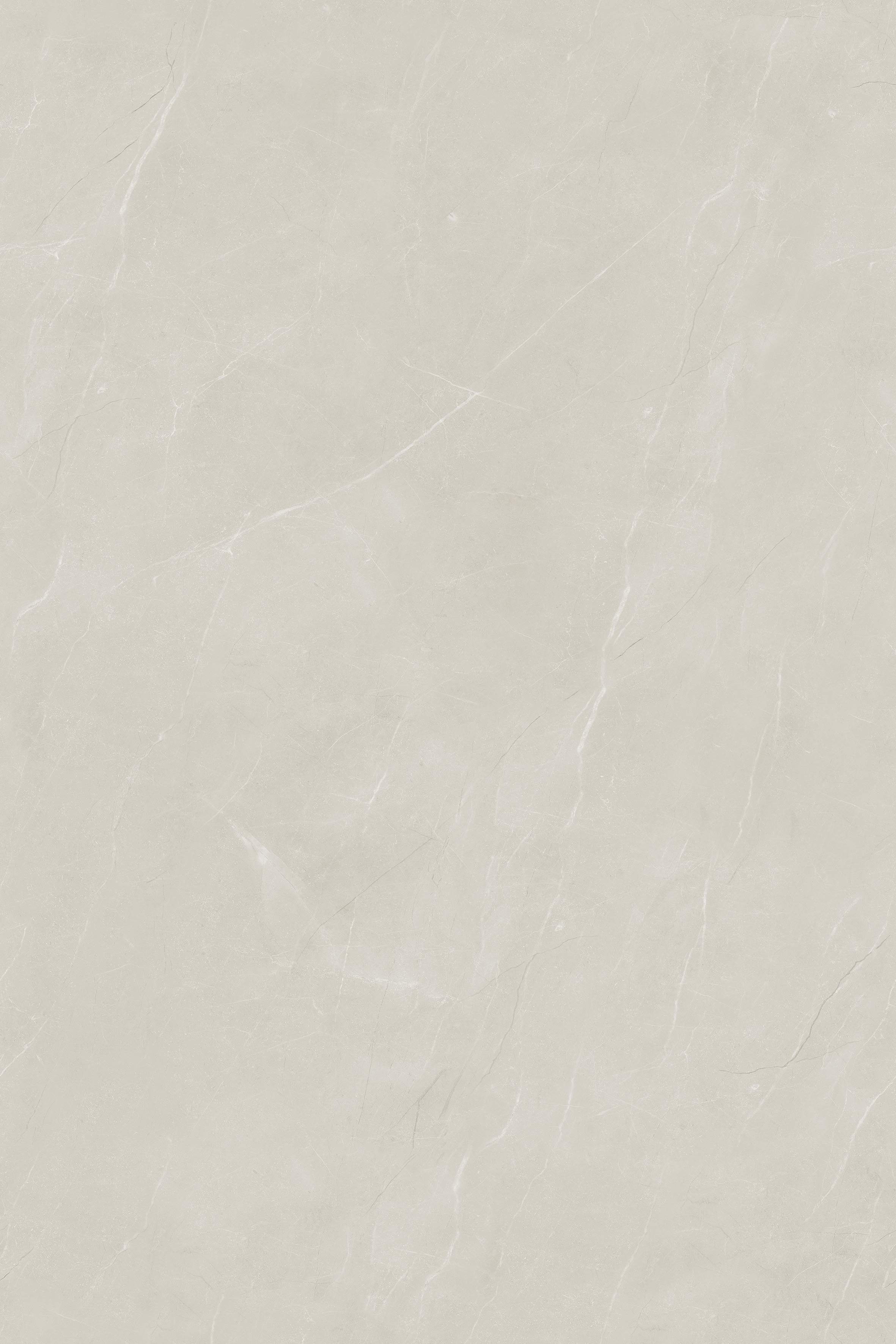
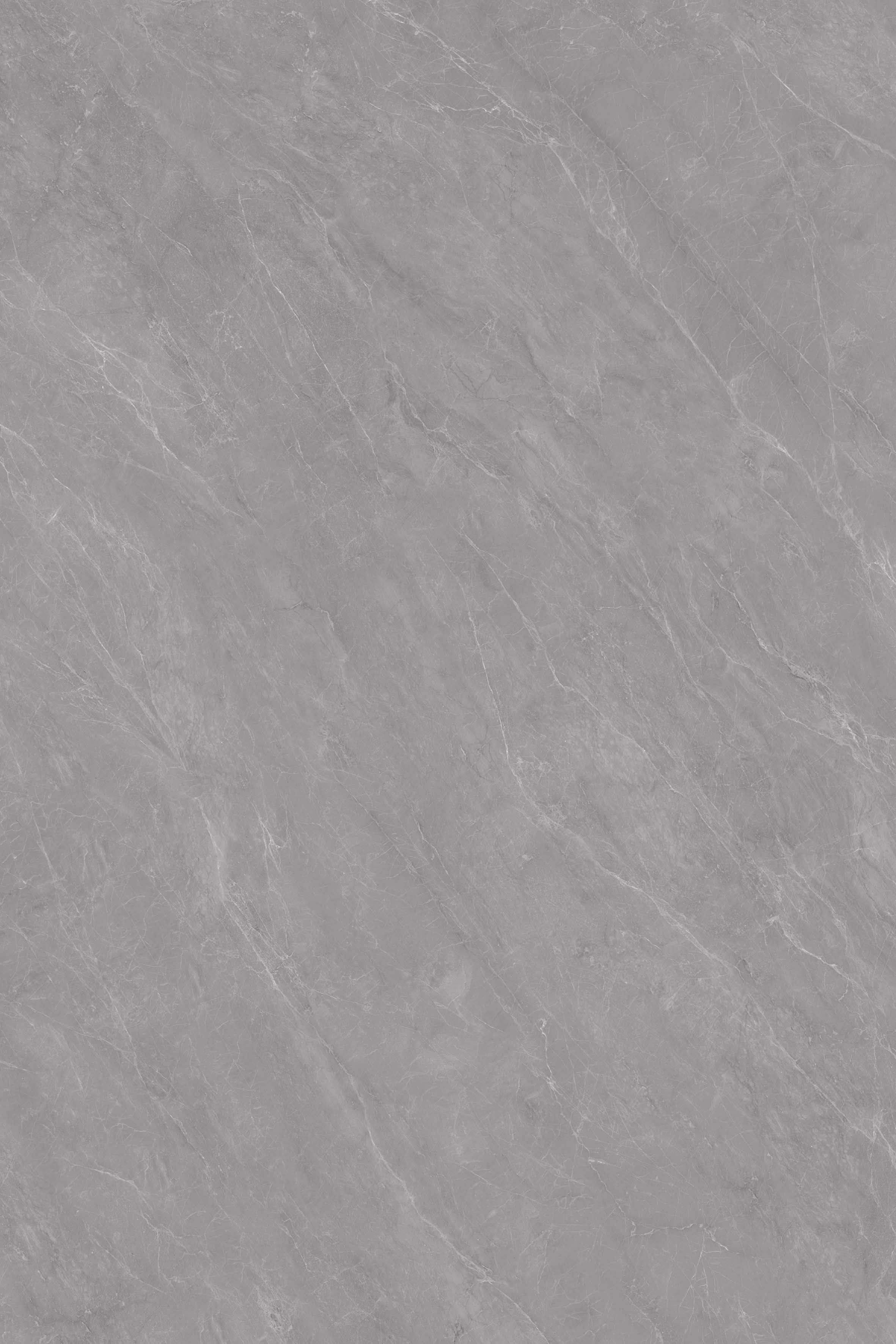
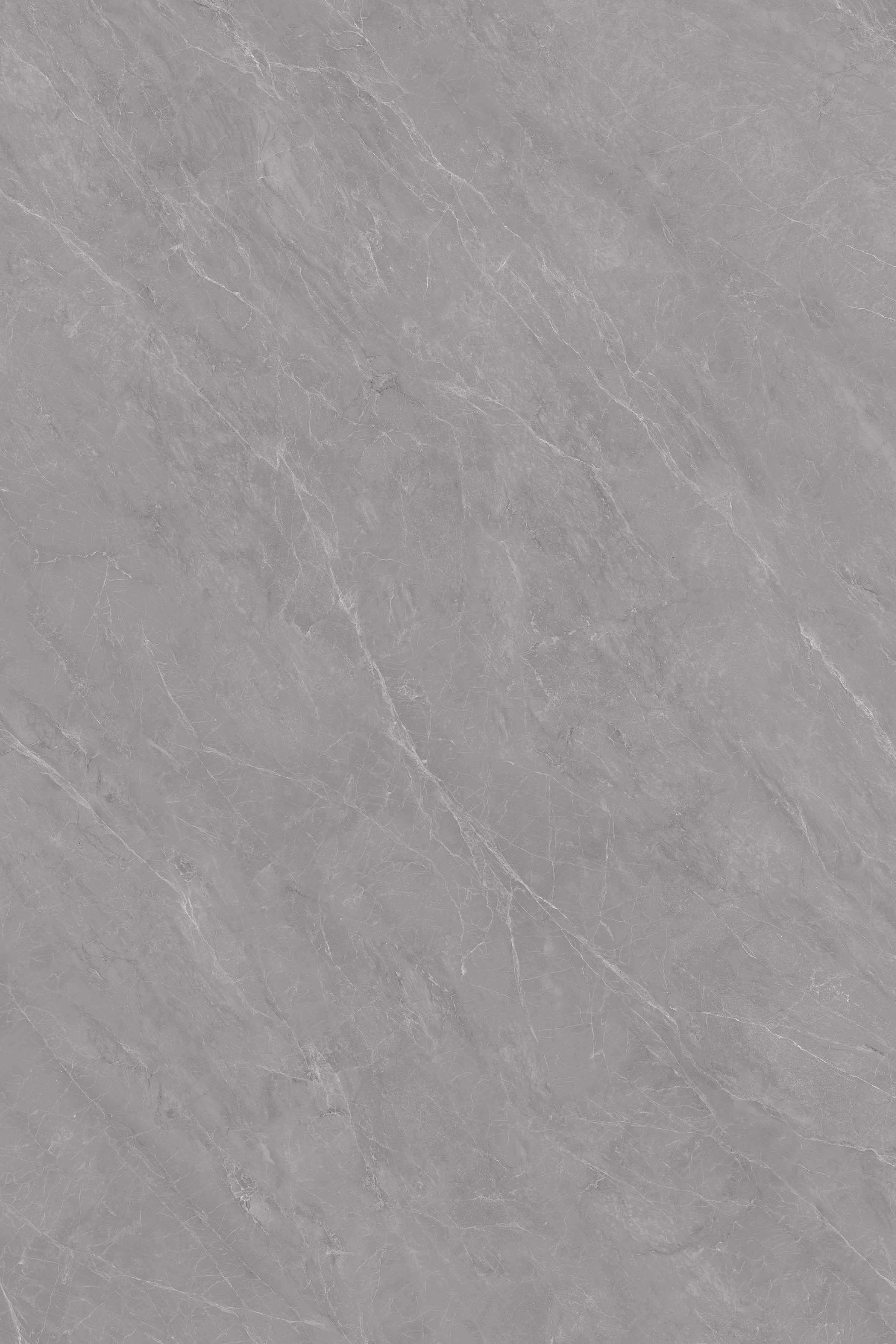
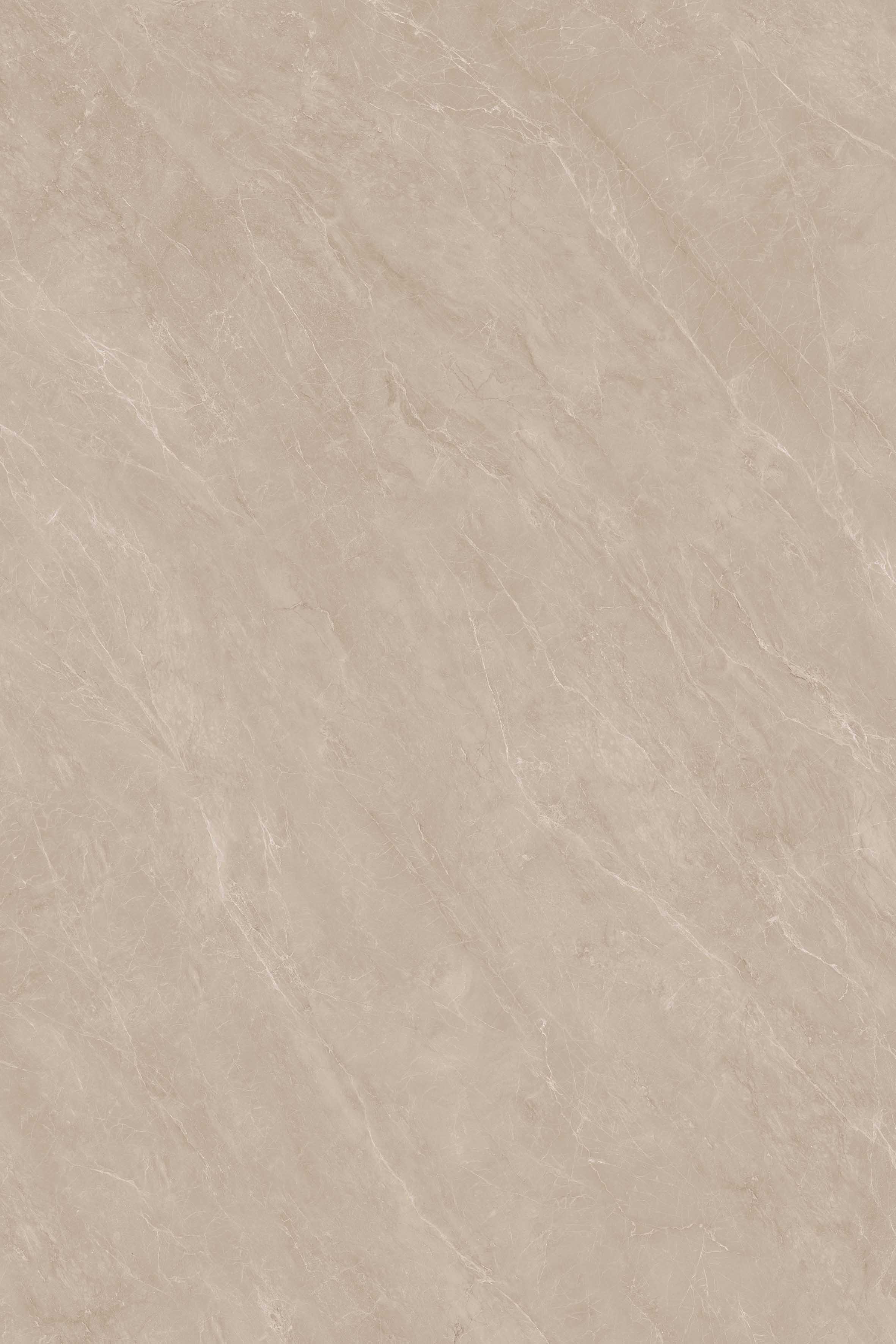
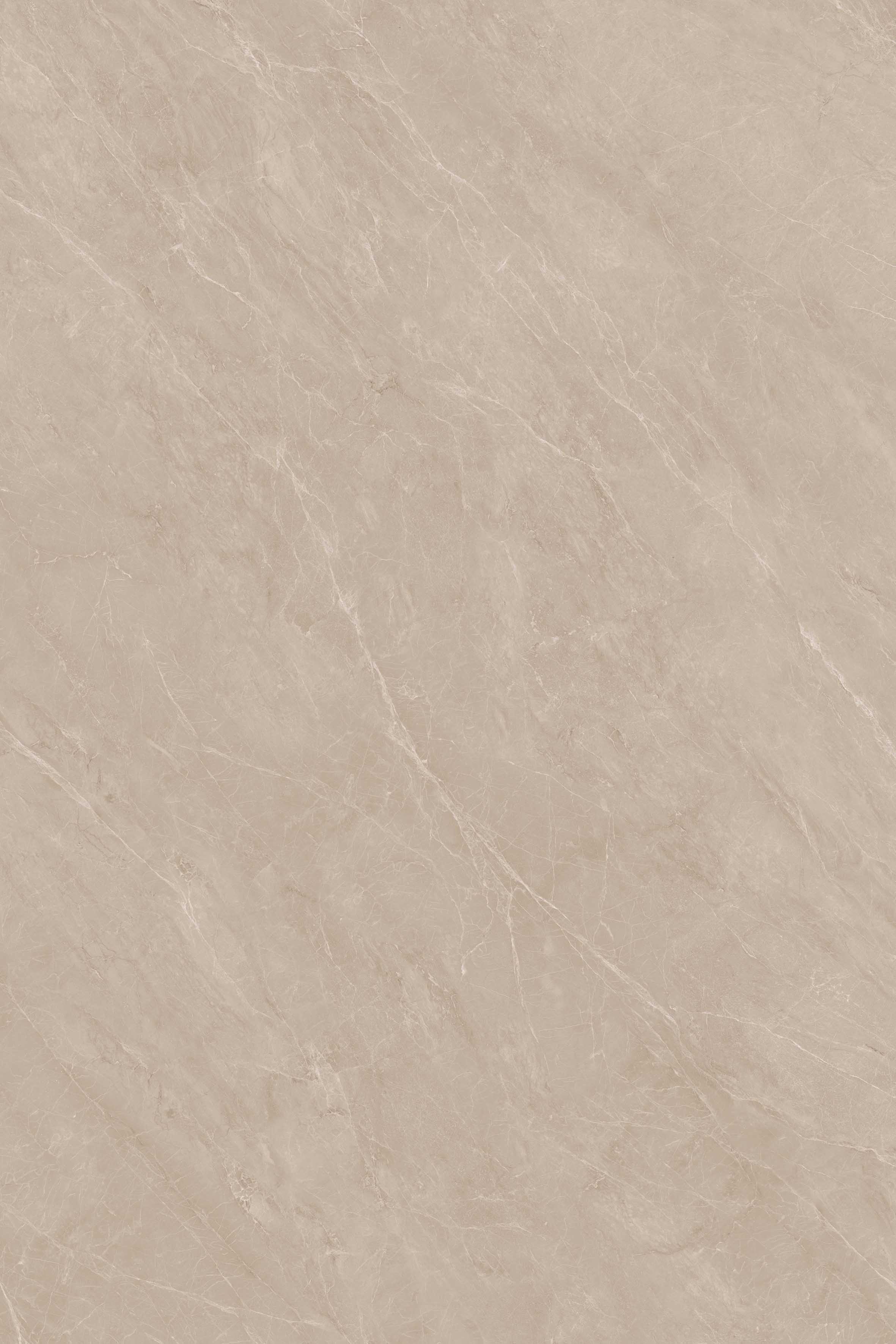
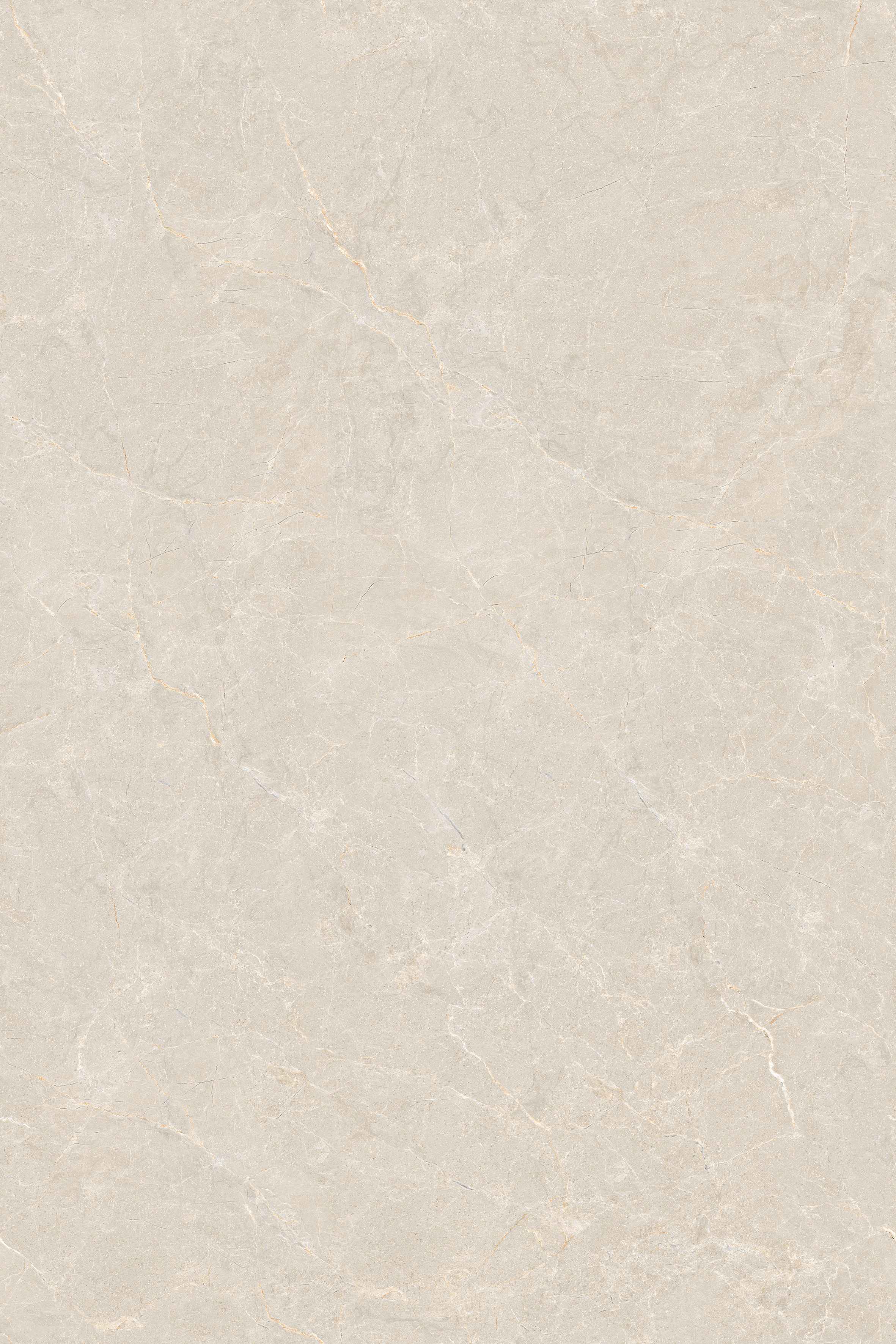
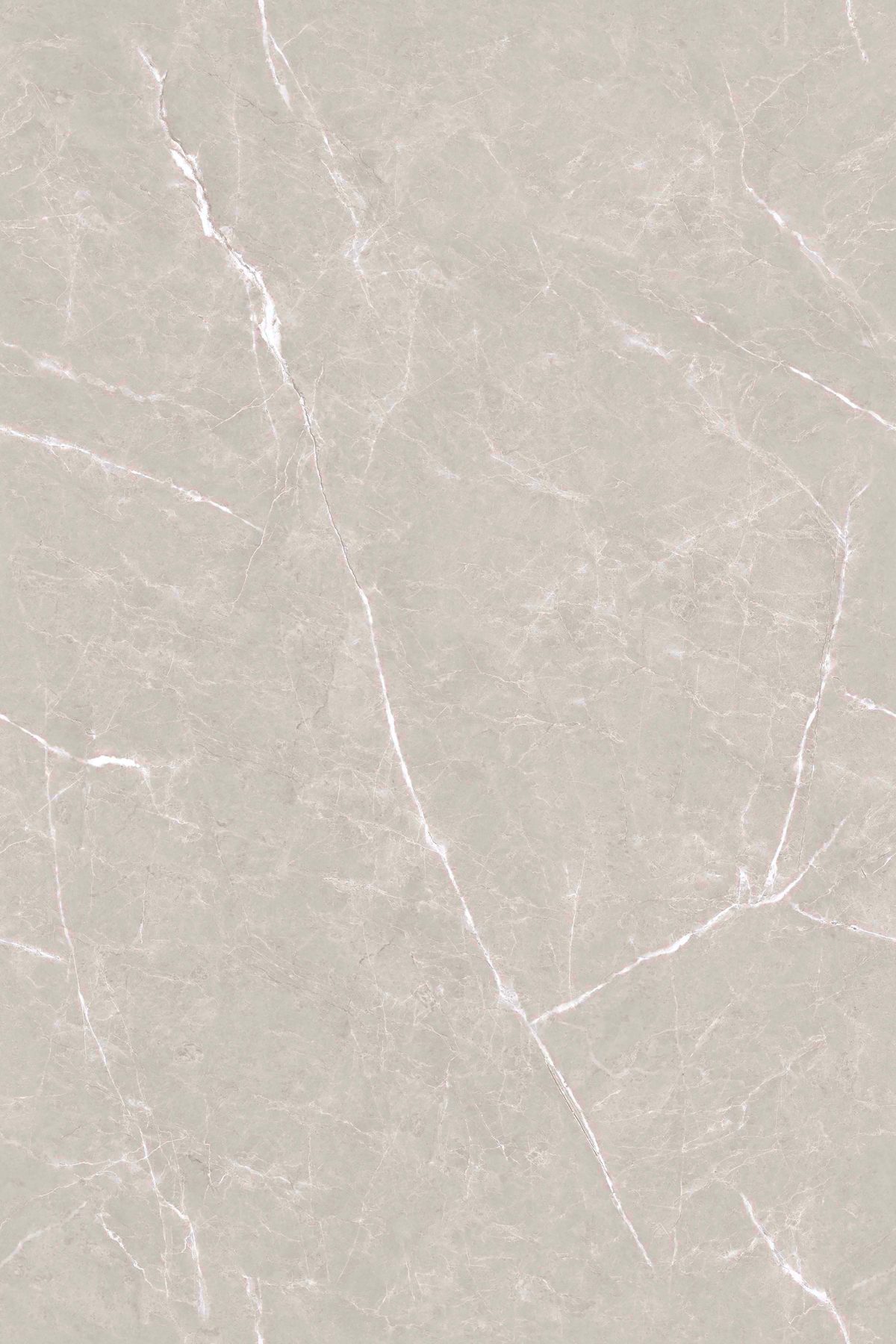
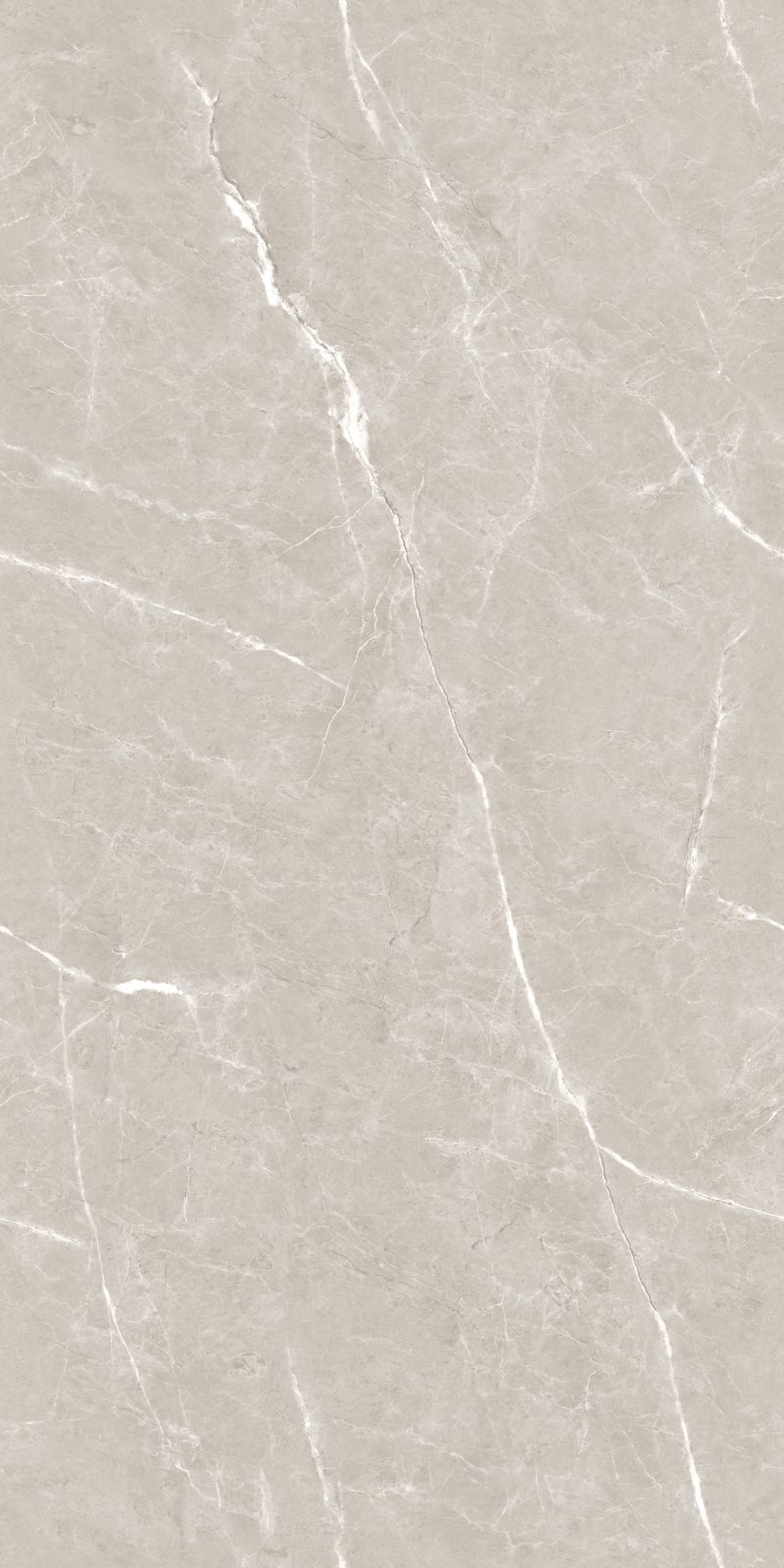
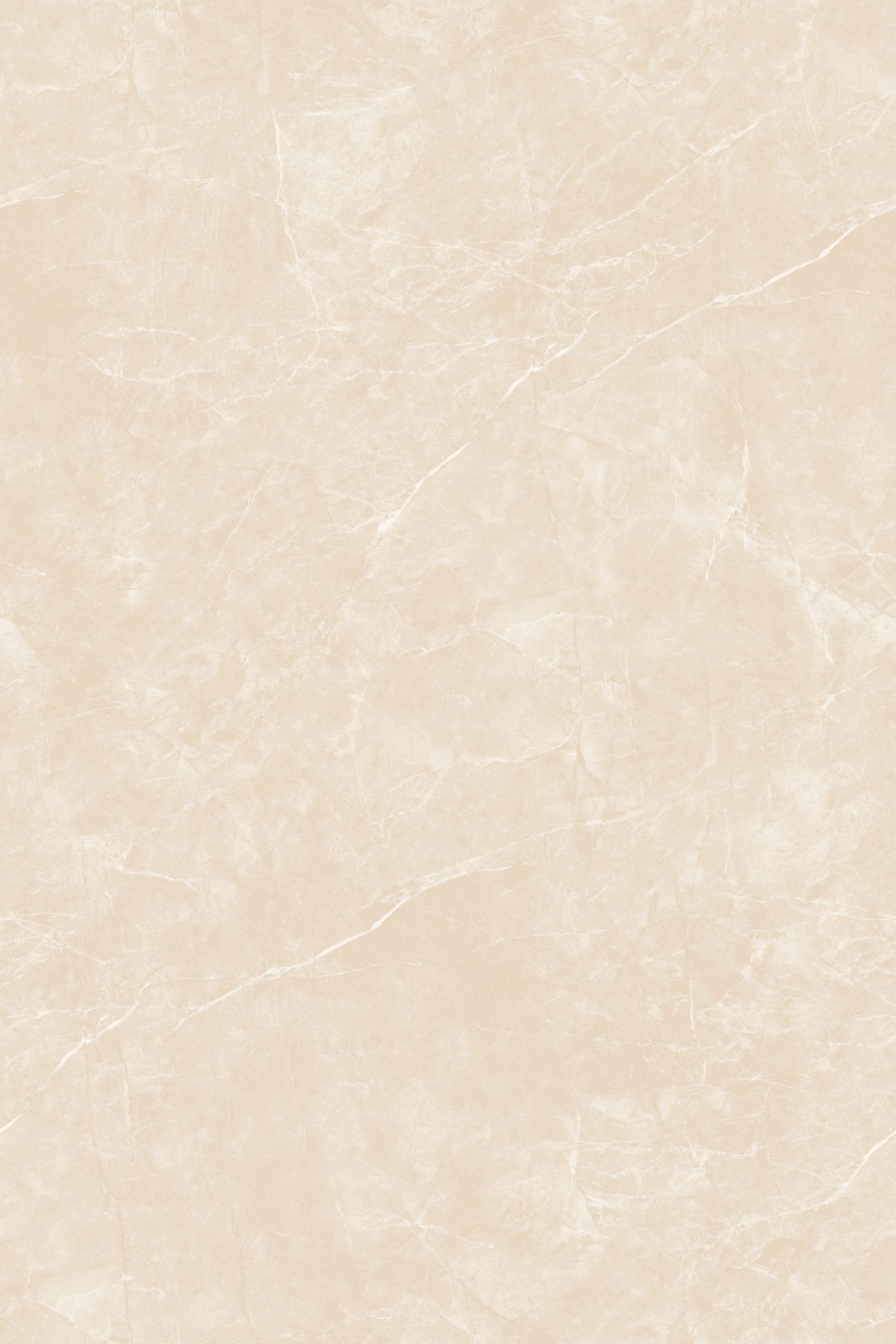
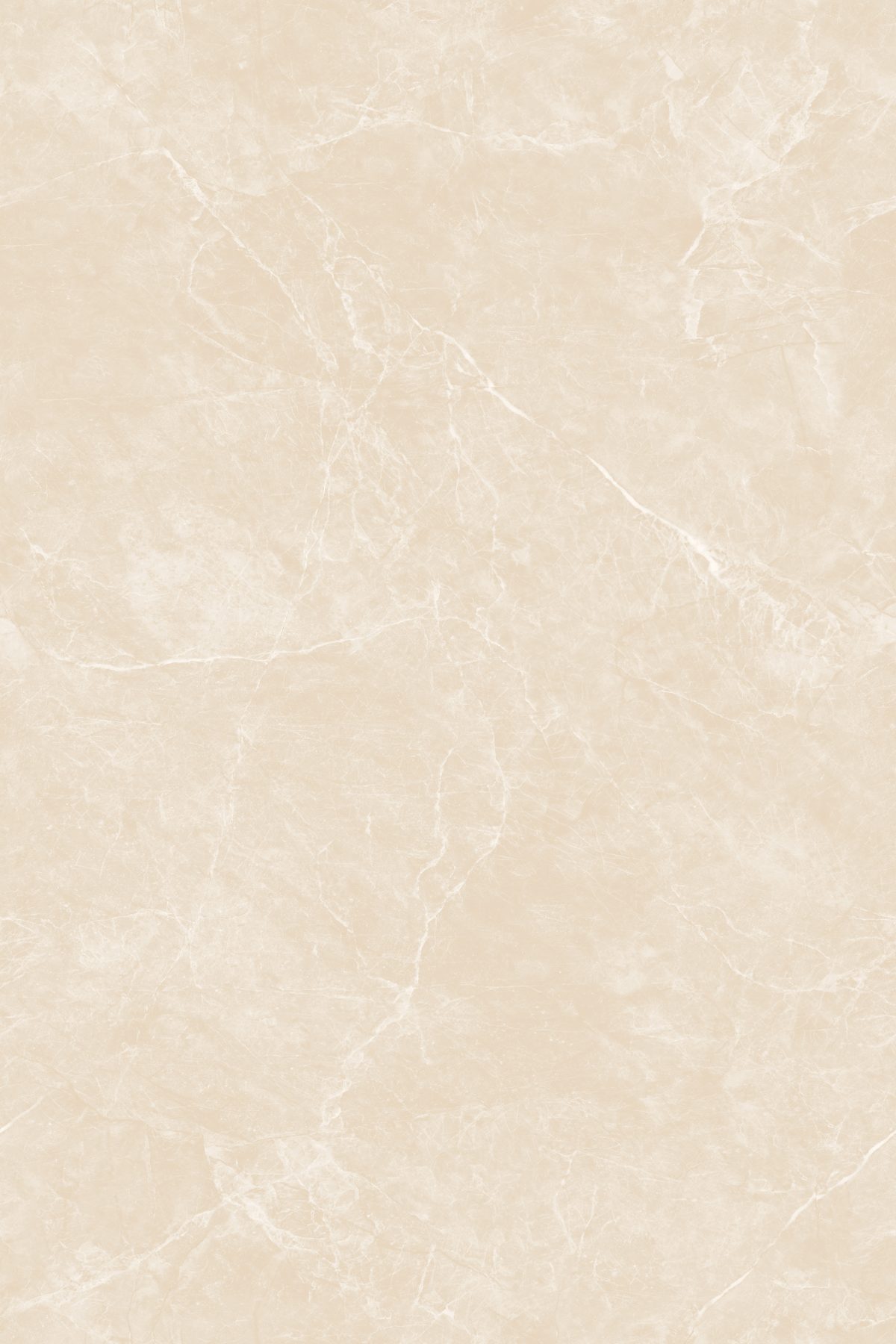
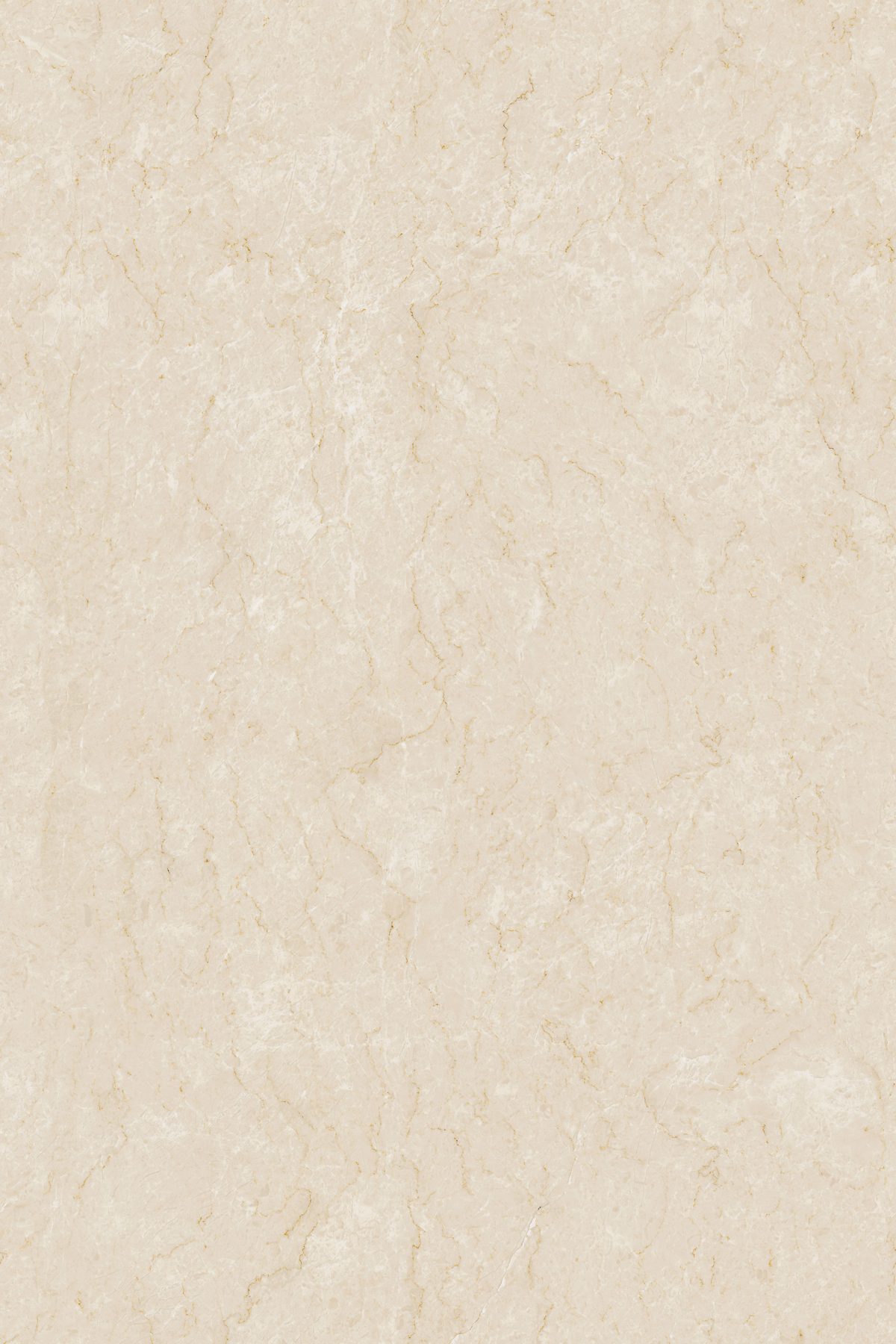
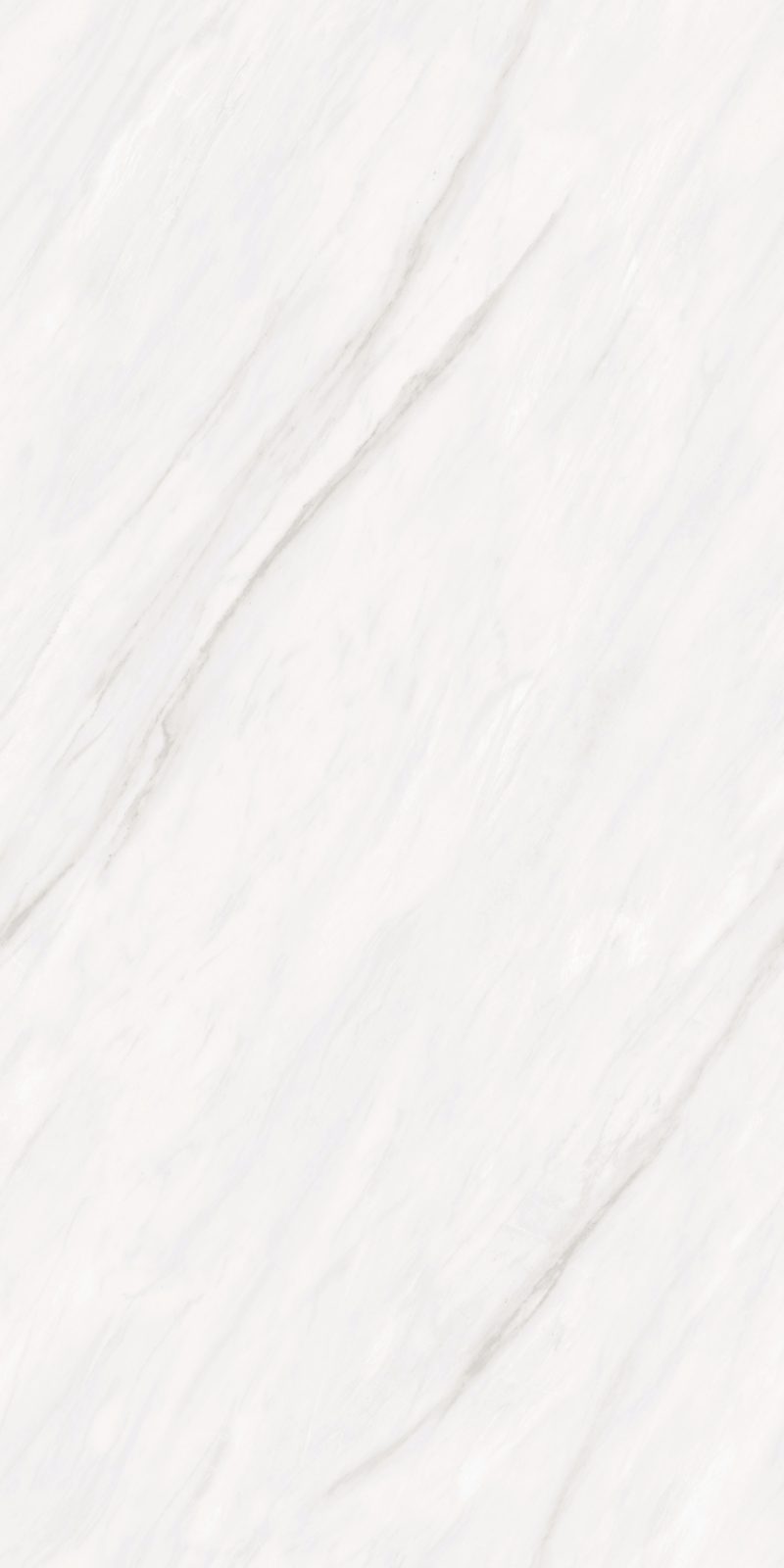
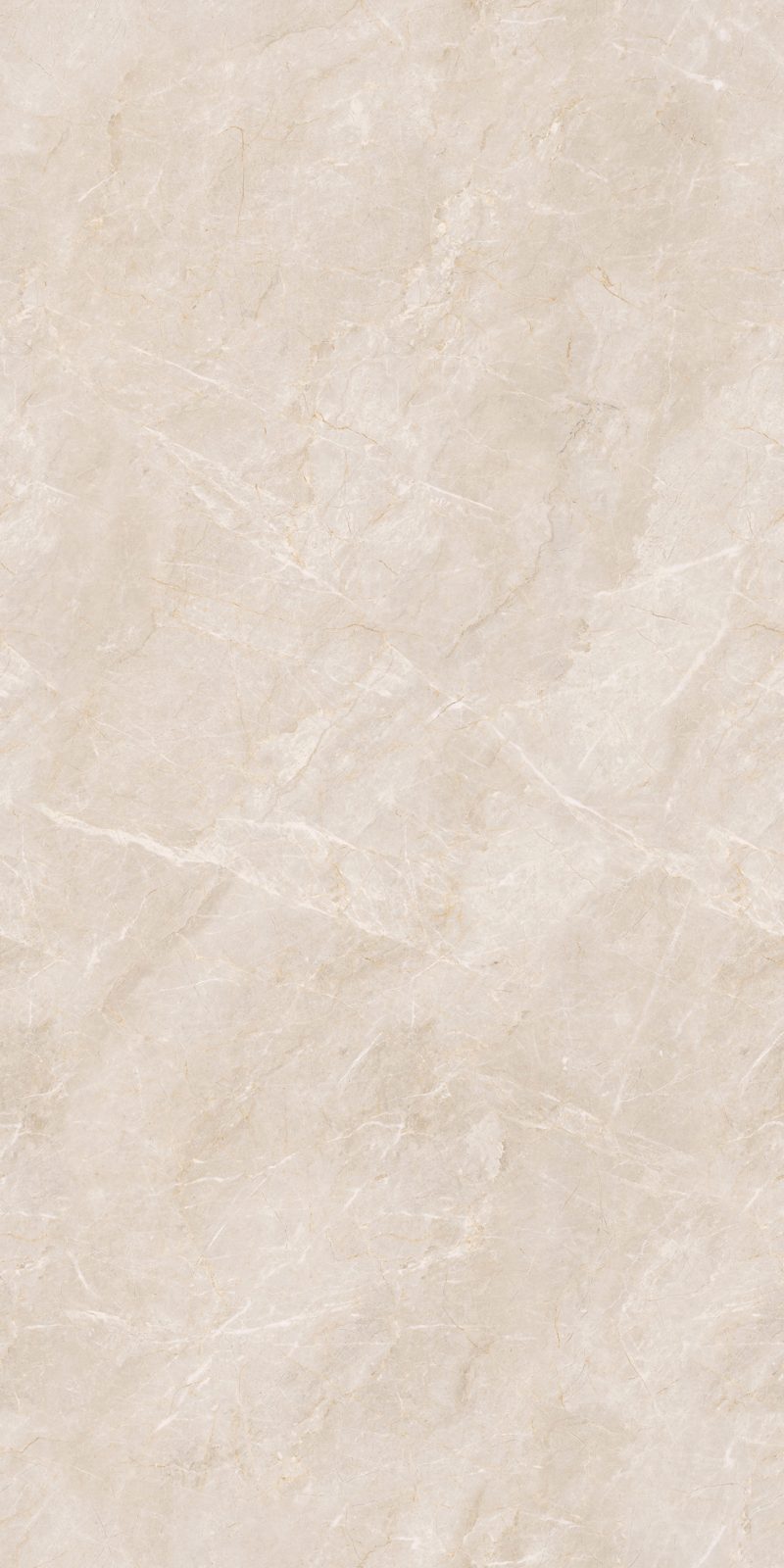
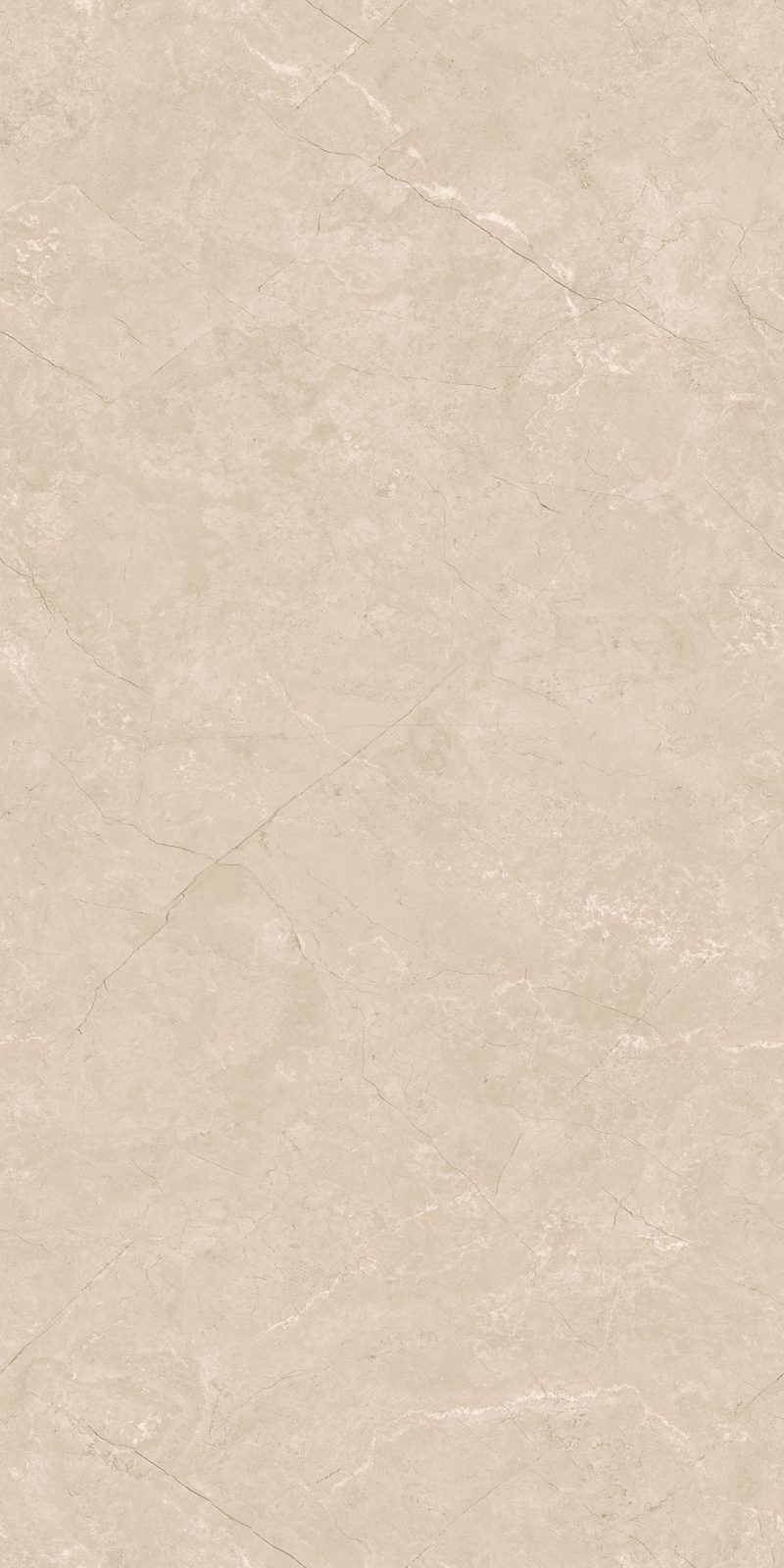
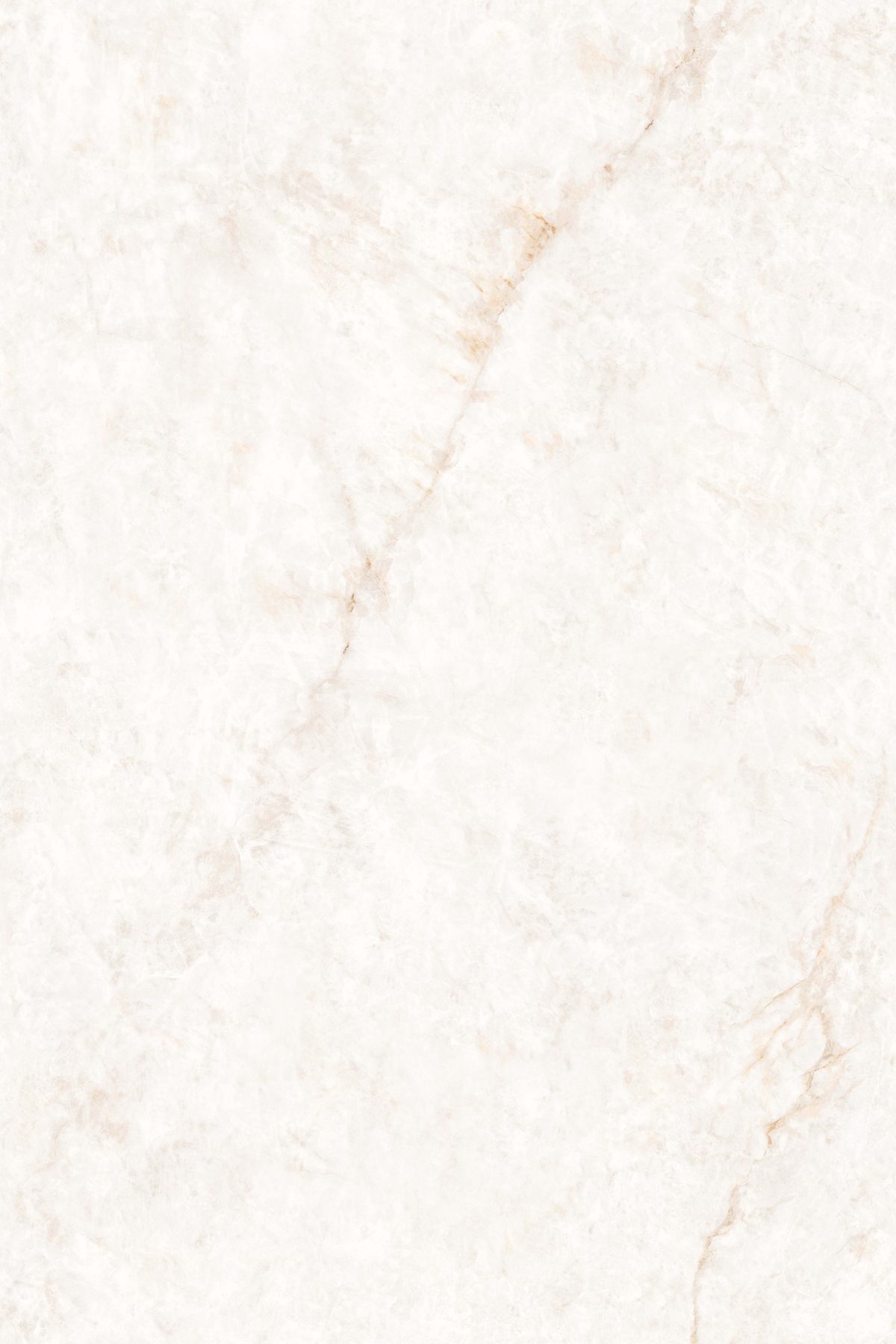
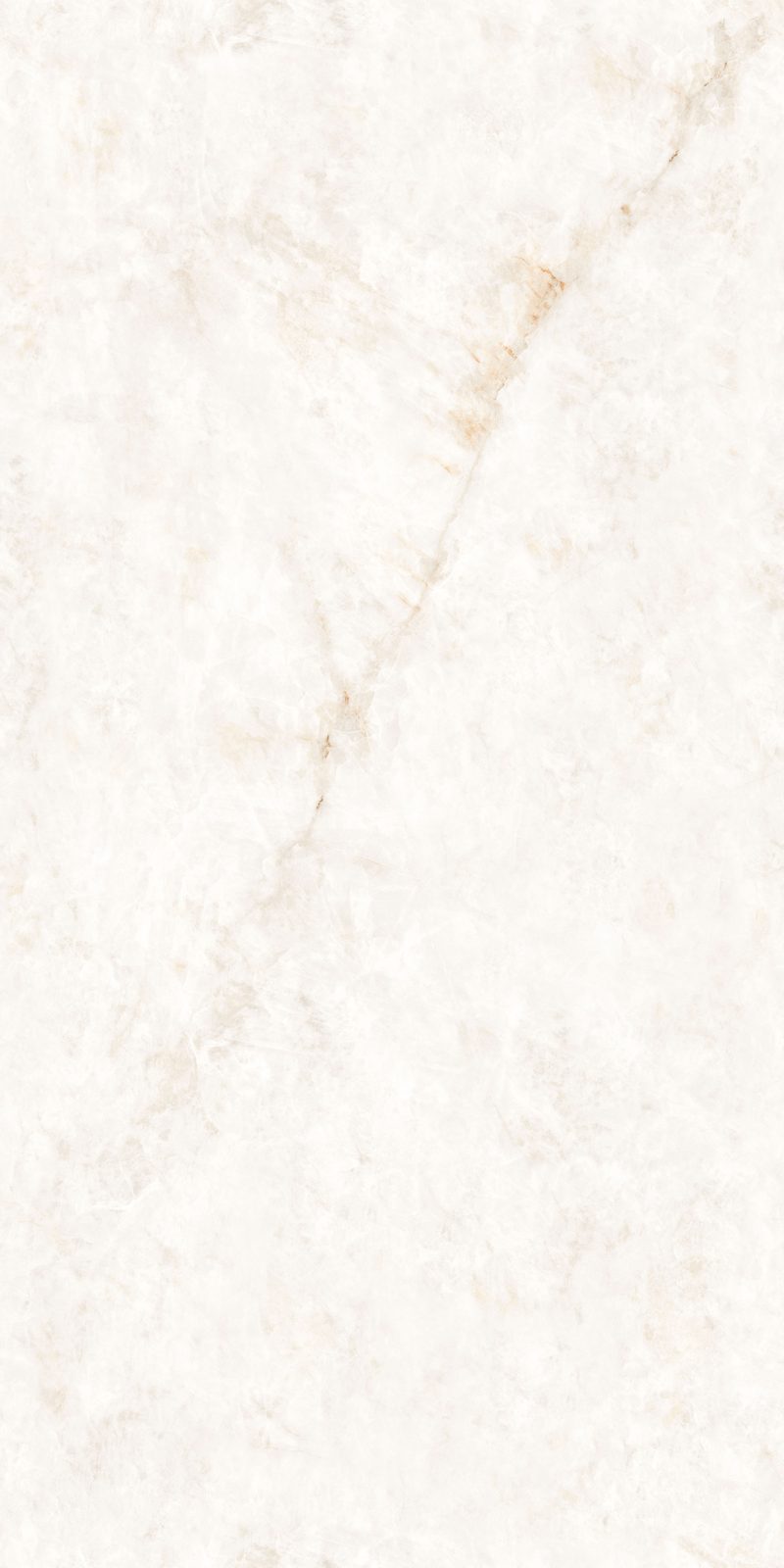
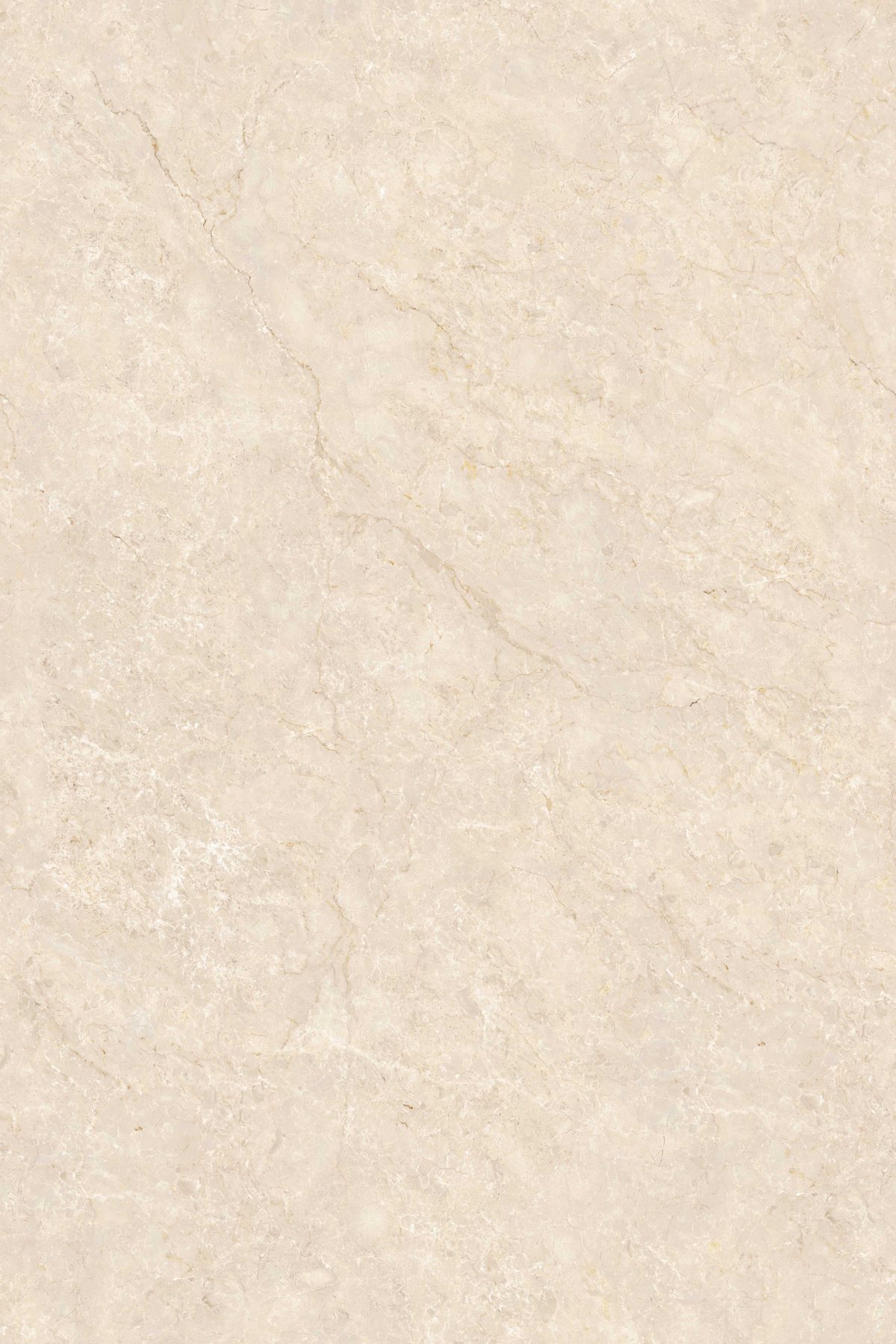
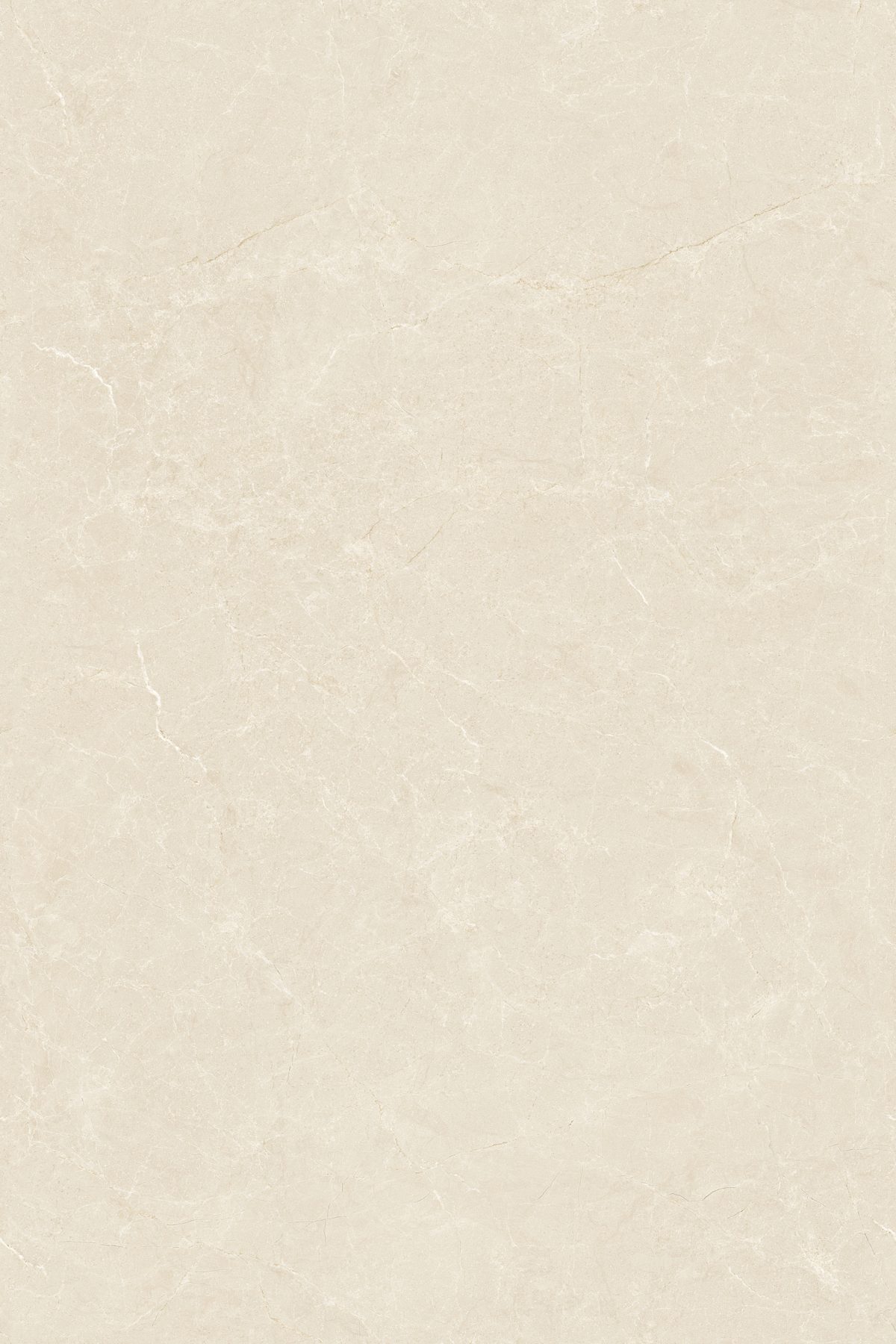
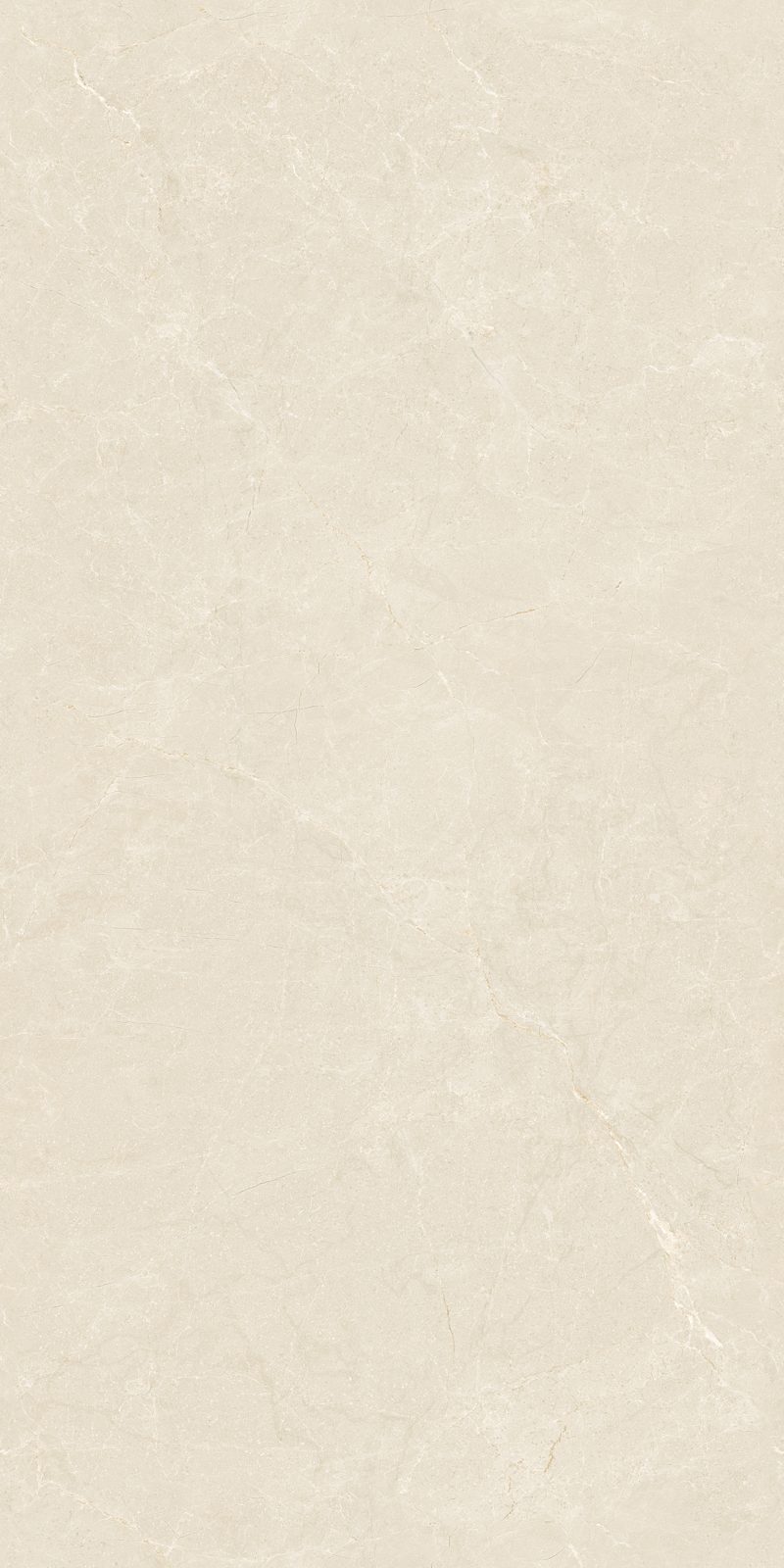
Corridors suit the length, because the tile runs with the direction of travel and the joint pattern guides the eye. Marbella is the marble look tiles collection for buyers who want veining on a tall wall, and the finish should match the surface: GVT for floors, PGVT for walls.
Avoid 800x2400 mm in small rooms, narrow stairwells and any space with awkward access, because a 2.4 m tile cannot turn a tight staircase and wastes material around fittings.
A 2.4 m tile needs a plumb wall and a flat floor. Check the surface with a 2 m straightedge and level any dip, because an uneven base shows as lippage across a long tile. Use full-coverage adhesive with back-buttering, never dab fixing, and support wall tiles with spacers or props until the adhesive cures.
Carry each tile on its long edge with two workers, and use suction lifters to set it. Plan the access route before the tiles arrive, since a long tile cannot pass a tight staircase turn or most lift cars flat. The packing details show how the tiles are crated for the journey.
Cut with a bridge saw or a long-bed cutter, and drill relief holes at inside corners to stop cracks. Order about 15% extra, and keep one uncut tile in reserve per project.
A tall tile is a project decision, so fix the wall height, the number of walls and the access route before the quantity. Rollence Granito dispatches free samples to your door, and its quotation depends on five inputs: size, finish, collection, quantity and destination city. Enter those five details in the enquiry form, along with the wall height if the tiles are for cladding.
An 800x2400 mm large format tile (2.6x7.9 ft) from Morbi is priced against a wider market band of Rs. 150 to Rs. 600 per sq.ft, which is roughly Rs. 3,100 to Rs. 12,400 per tile, and 53 tiles cover 100 m². The body absorbs 0.5% water or less. Add Rs. 15 to Rs. 60 per sq.ft for laying, at the top of that range for this length.
800x2400 mm (2.6x7.9 ft) wall tiles should be grouted with epoxy grout in Gujarat's humid monsoon, because the long vertical joints draw damp in cement grout. These Morbi tiles absorb 0.5% water or less, the BIa limit under IS 15622, and 59 tiles including wastage cover 100 m² at about Rs. 150 to Rs. 600 per sq.ft in the market band.
An 800x2400 mm tile is about 2.6x7.9 ft, or 80x240 cm. It covers 1.92 m², which is 20.7 sq.ft. Rollence makes it as large format GVT for floors and walls and as large format PGVT for walls only. It is a tall tile, chosen mainly for feature walls and corridors.
You need 53 tiles of 800x2400 mm for 100 m², and about 59 with 10% wastage. Each tile covers 1.92 m², so 100 divided by 1.92 gives 52.1, rounded up. The grout run is about 167 m, against 188 m for 800x1600 mm tiles.
Yes, large format GVT in 800x2400 mm suits corridors and lobbies with a very flat base. Never use PGVT on a floor, because it is a polished wall tile. Use matt or textured GVT, full-coverage adhesive and epoxy grout, and check the access route before ordering.
Yes, they are among the best sizes for feature walls. One tile runs the full height of a 2.4 m wall, so there is no horizontal joint. For a 3 m wall, hide the 600 mm top cut under a cove or false ceiling line. Use PGVT or GVT on walls.
Large format tiles are quoted at about Rs. 150 to Rs. 600 per sq.ft in the wider Indian market. One 800x2400 mm tile of 20.7 sq.ft therefore costs roughly Rs. 3,100 to Rs. 12,400. Laying adds Rs. 15 to Rs. 60 per sq.ft. These are market ranges and not a Rollence quotation.
Usually no, a 2.4 m tile does not lie flat in most lift cars and cannot turn tight staircases. Plan the route before ordering, and consider a crane or open stair run for upper floors. Two workers should carry each tile on its long edge to avoid flexing it.
Yes, use full-coverage tile adhesive with back-buttering, and a notched trowel. A 2.4 m tile with voids beneath it cracks under load, and dab fixing leaves hollow patches. On walls, support the tile with spacers or props until the adhesive has cured.
Product Inquiry
Fill in your details and we'll get back to you