Hi there 👋
Need help? Search our help center for answers or start a conversation:
Help Center
New Conversation
We typically reply in a few minutes
 Customer Support
Select Emoji
Quick Enquiry
We'll get back to you within 24 hours

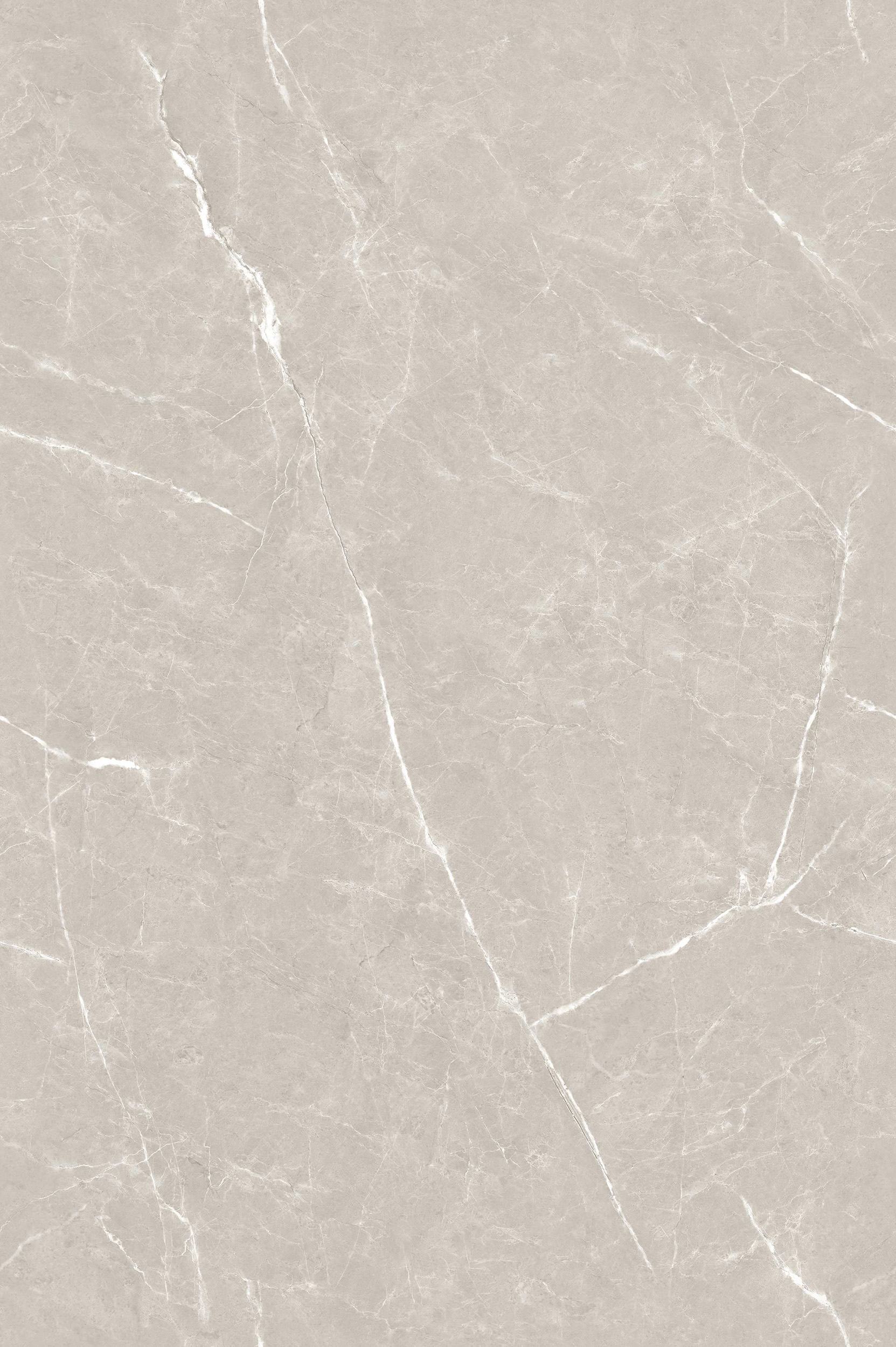
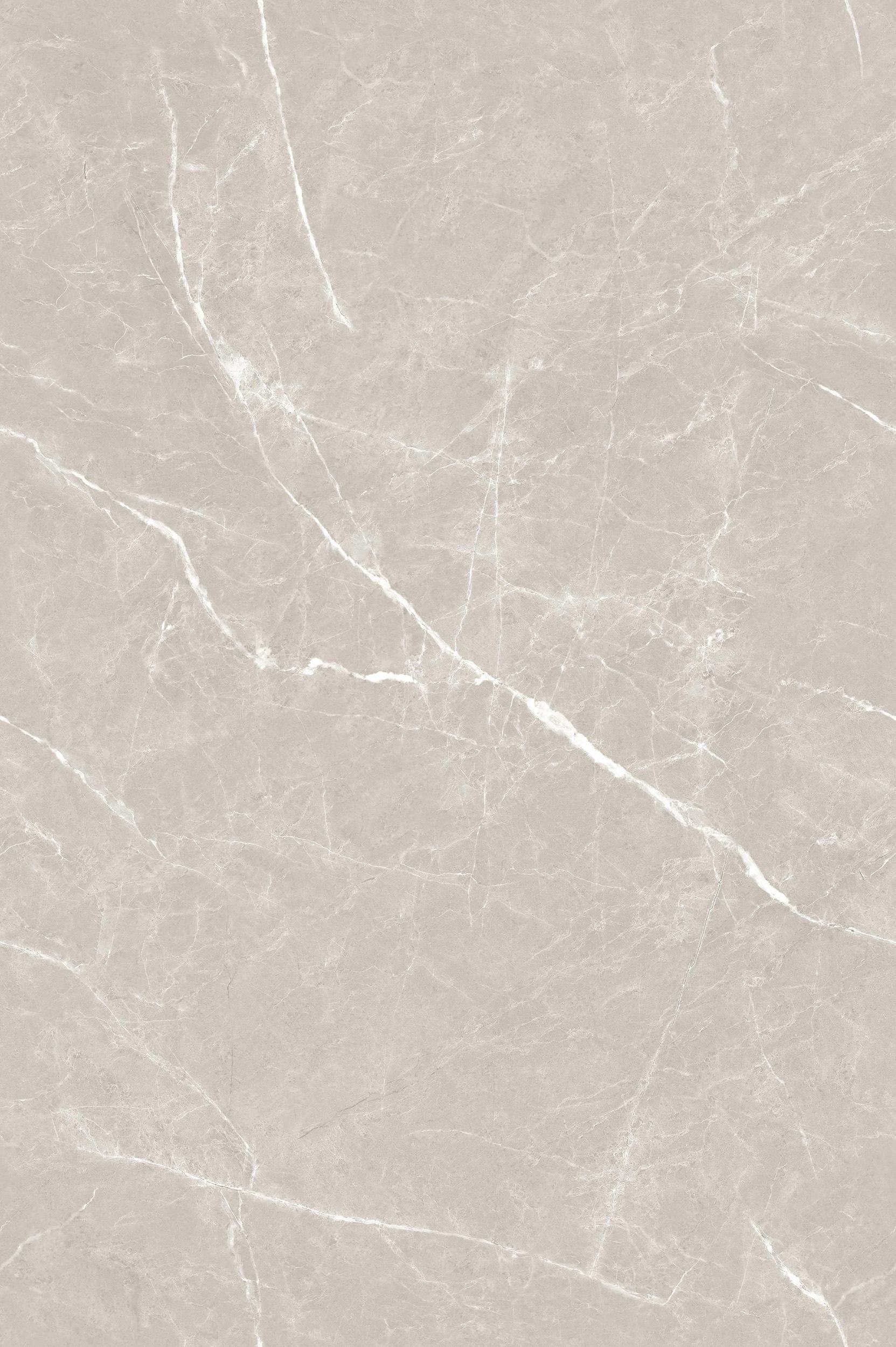
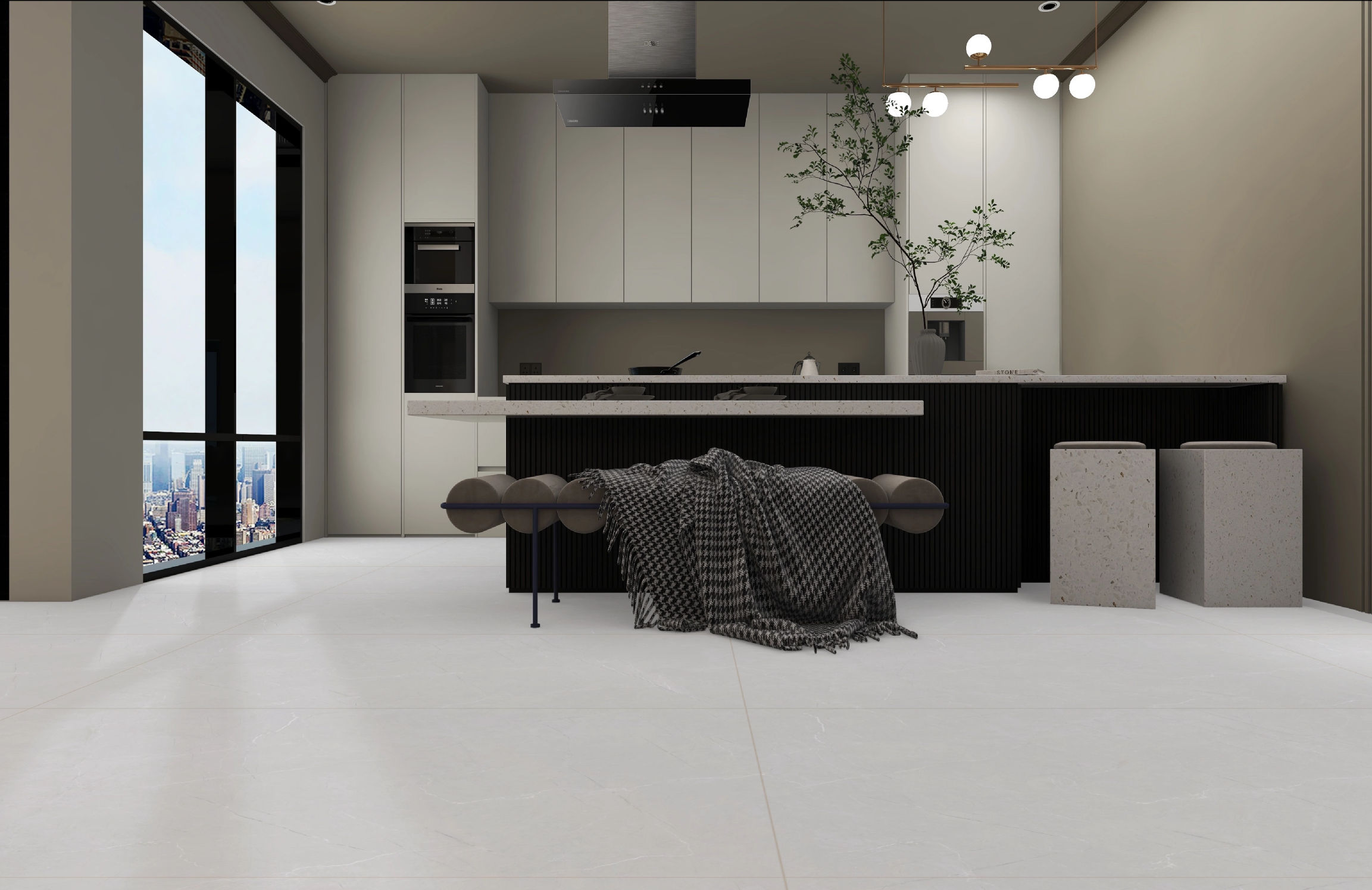
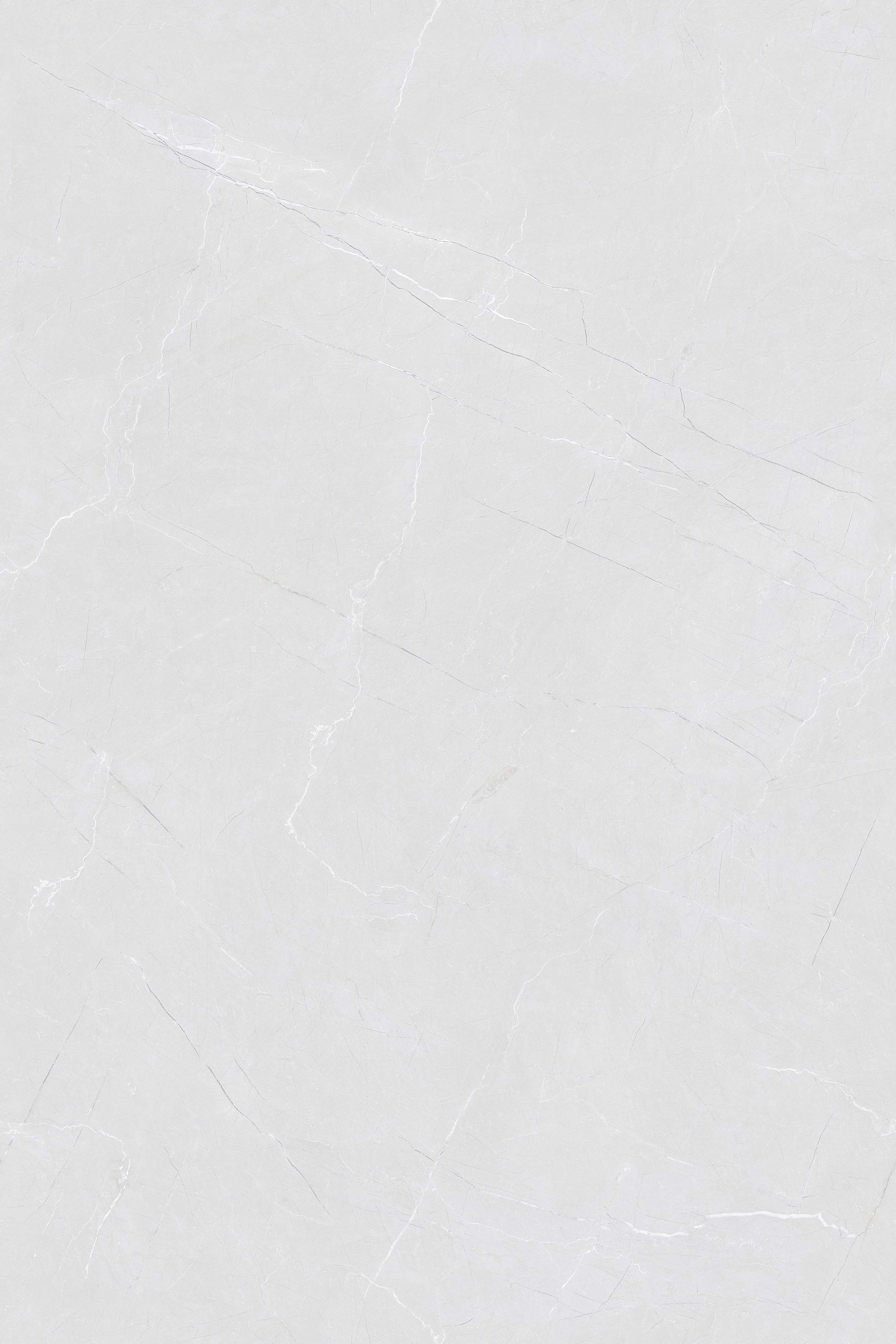
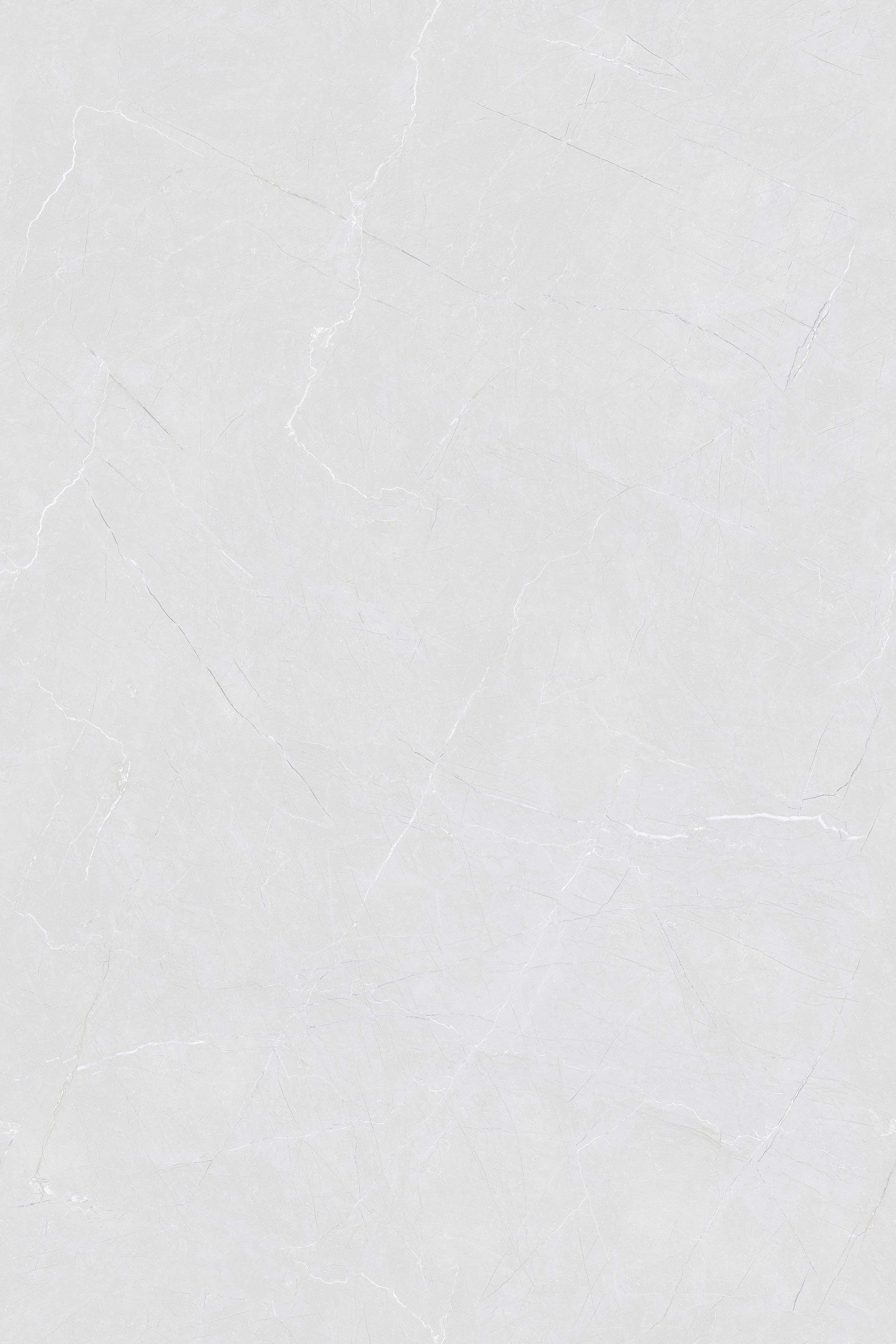
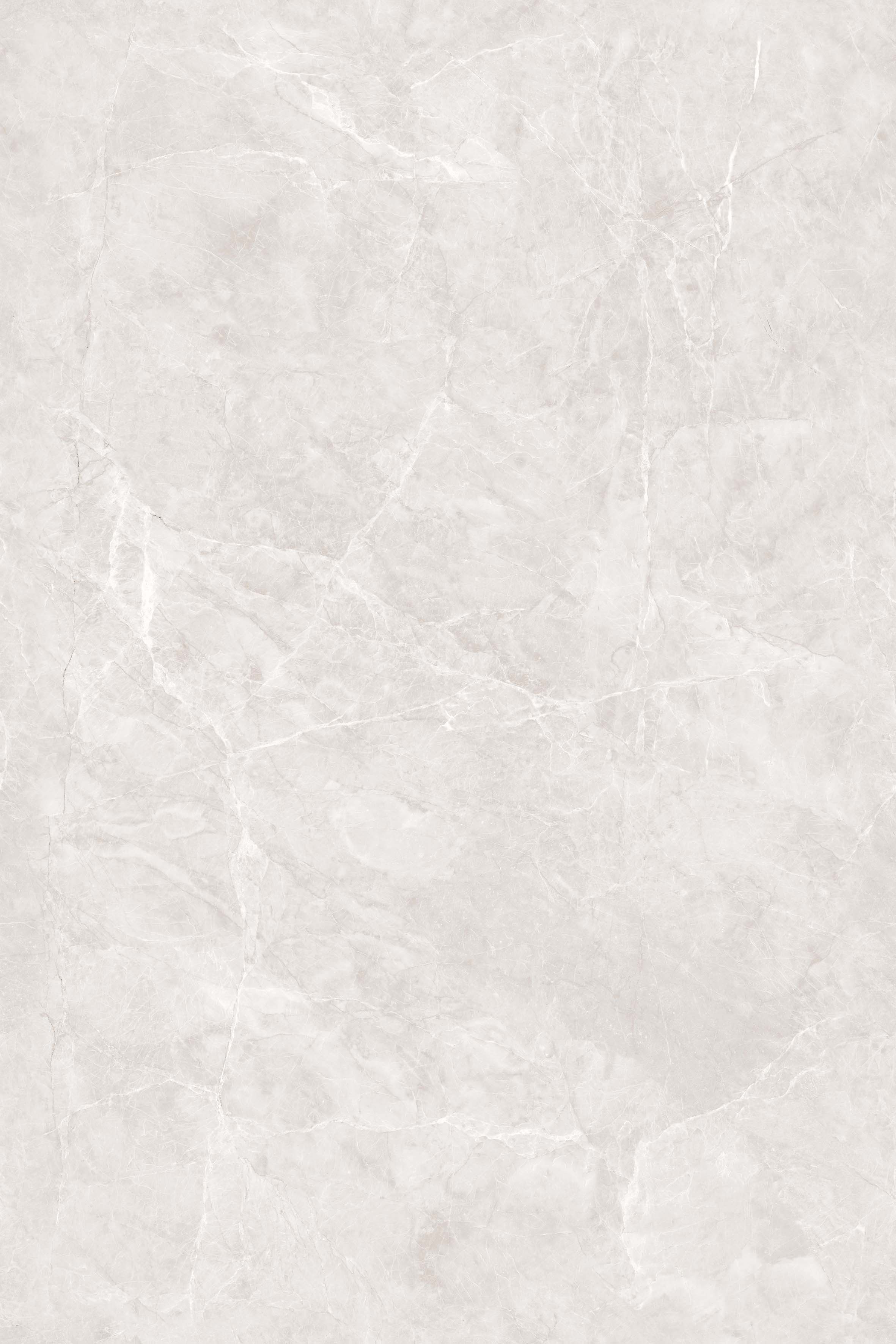
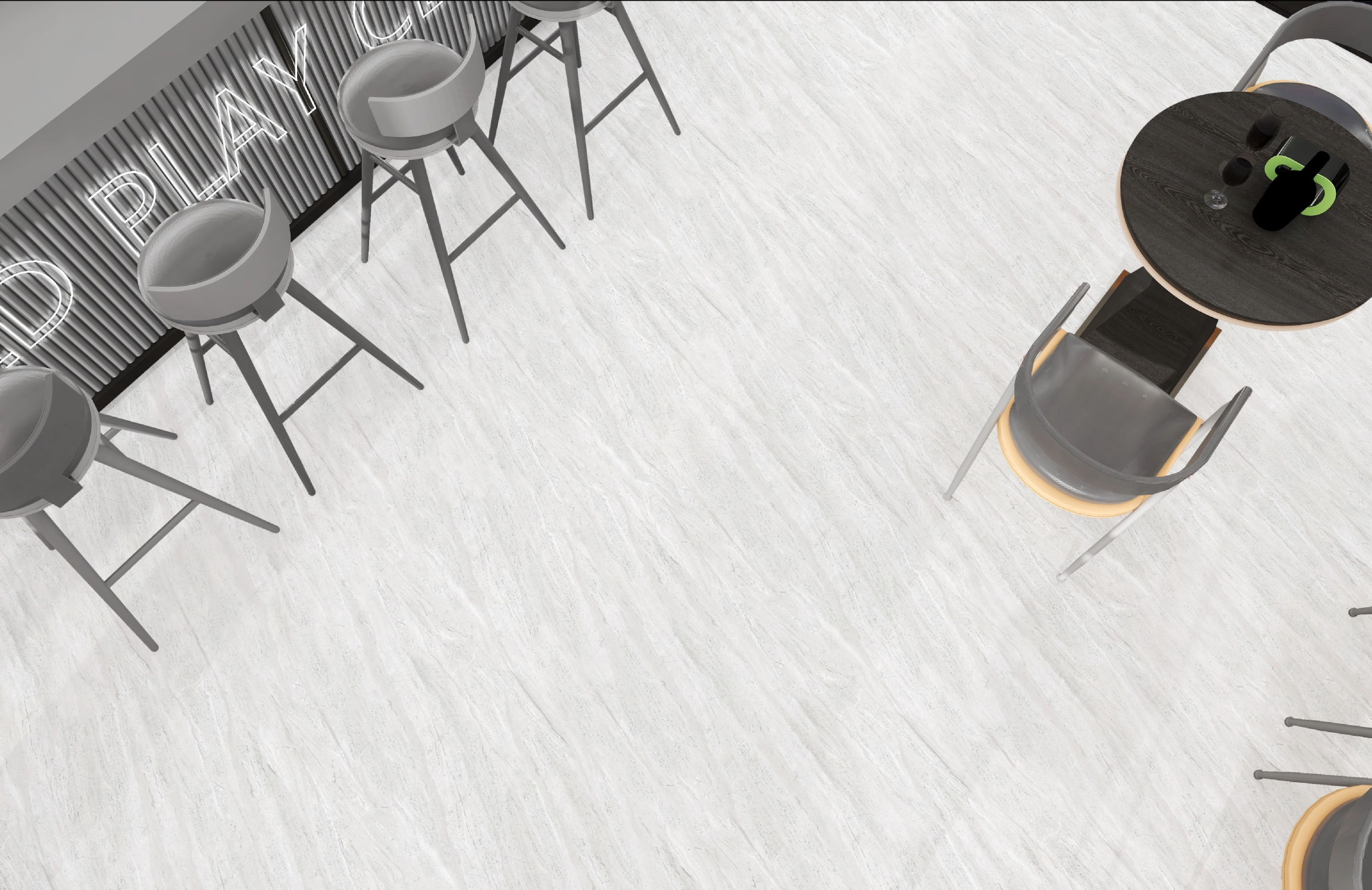
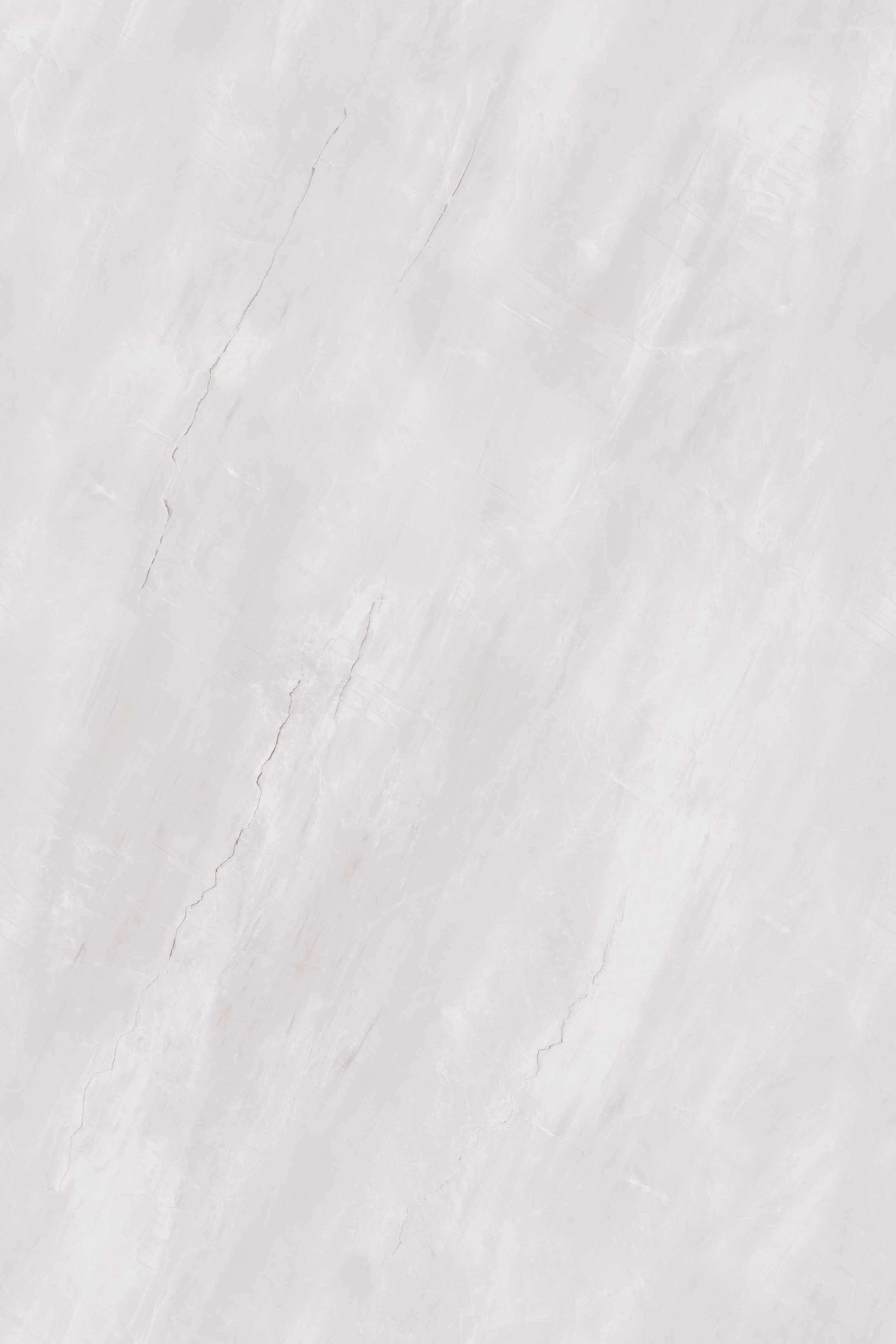
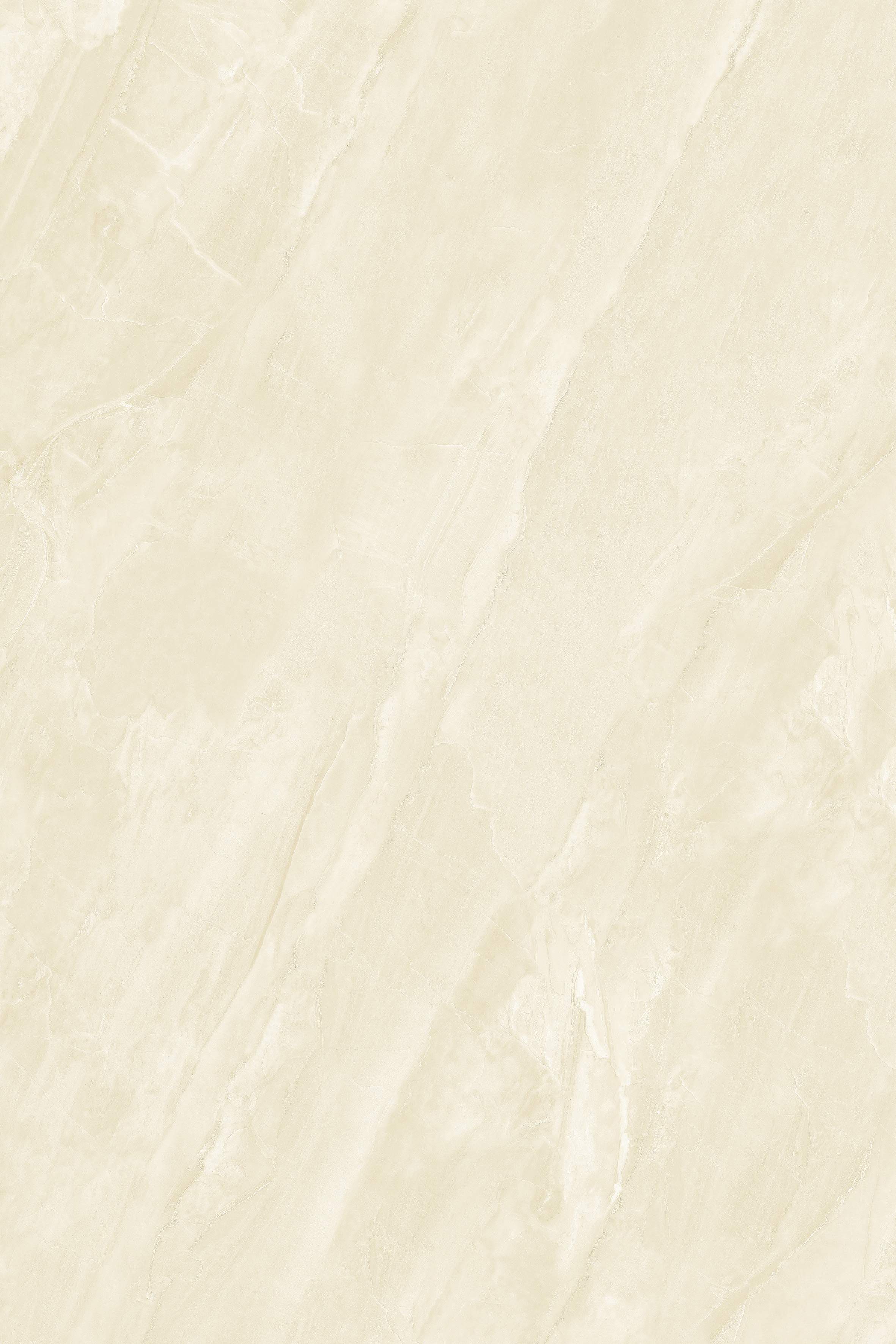
800x3000 mm tiles are the longest 800 mm wide format Rollence makes, at 2.6x9.8 ft, and they exist for one job: a wall or passage with almost no joints. The 800x3000 mm tile belongs to the same factory range as Rollence's porcelain tiles at Matel, Wankaner, Morbi, Gujarat, though it is sold as large format GVT for floors and walls and as large format PGVT for walls.
One 800x3000 mm tile covers 2.40 m² (25.8 sq.ft), so 100 m² needs only 42 tiles and the grout run drops to about 158 m. Rollence makes eight finishes in six collections, and the design list on the site can be filtered by size to show what is made in 800x3000 mm. Each tile absorbs 0.5% water or less.
Large format tiles in the wider Indian market are quoted at about Rs. 150 to Rs. 600 per sq.ft, which puts one 800x3000 mm tile at roughly Rs. 3,900 to Rs. 15,500. These are market reference ranges and not a Rollence quote. Laying labour for this length sits at or above the top of the Rs. 15 to Rs. 60 per sq.ft range.
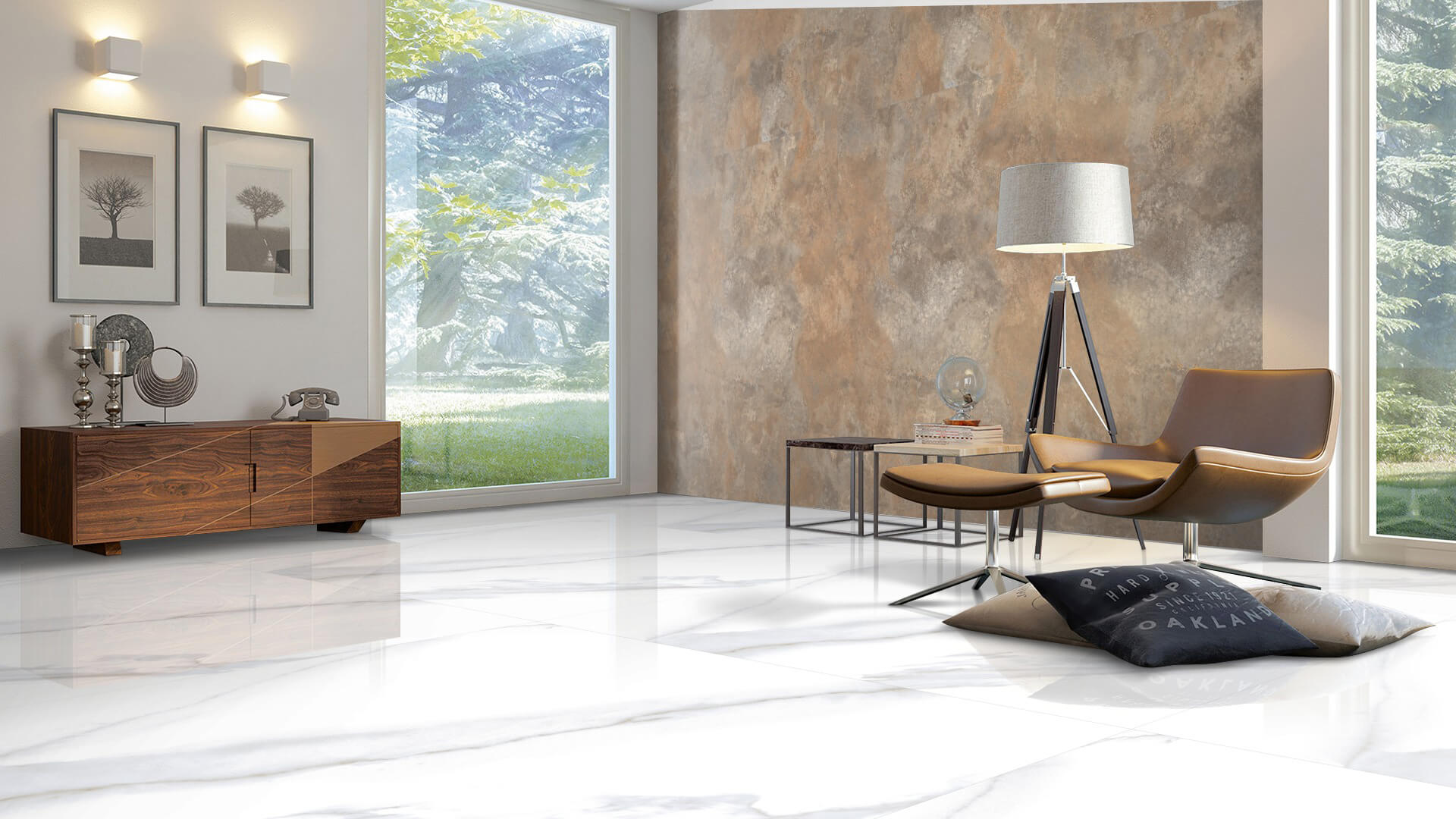
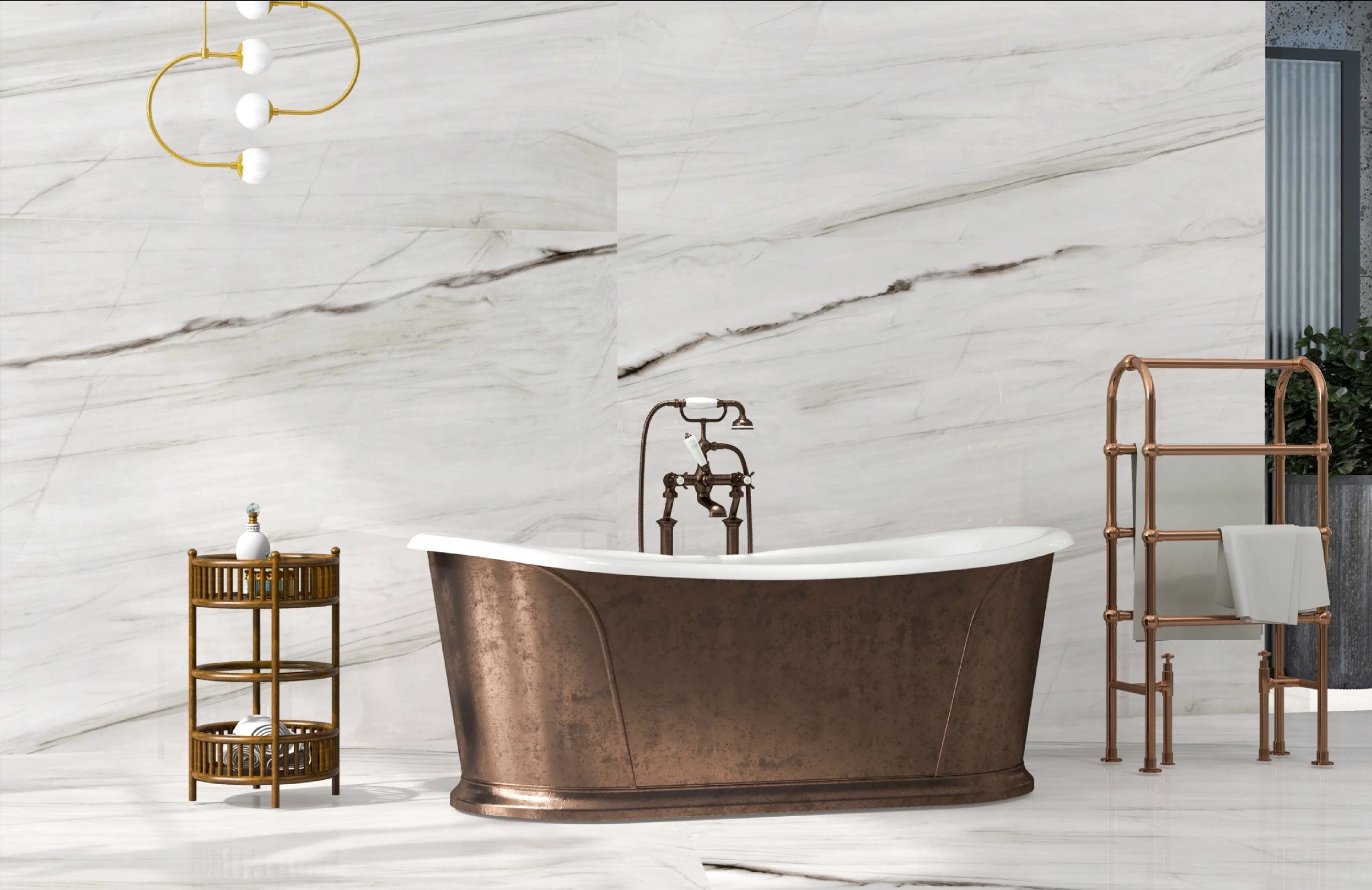
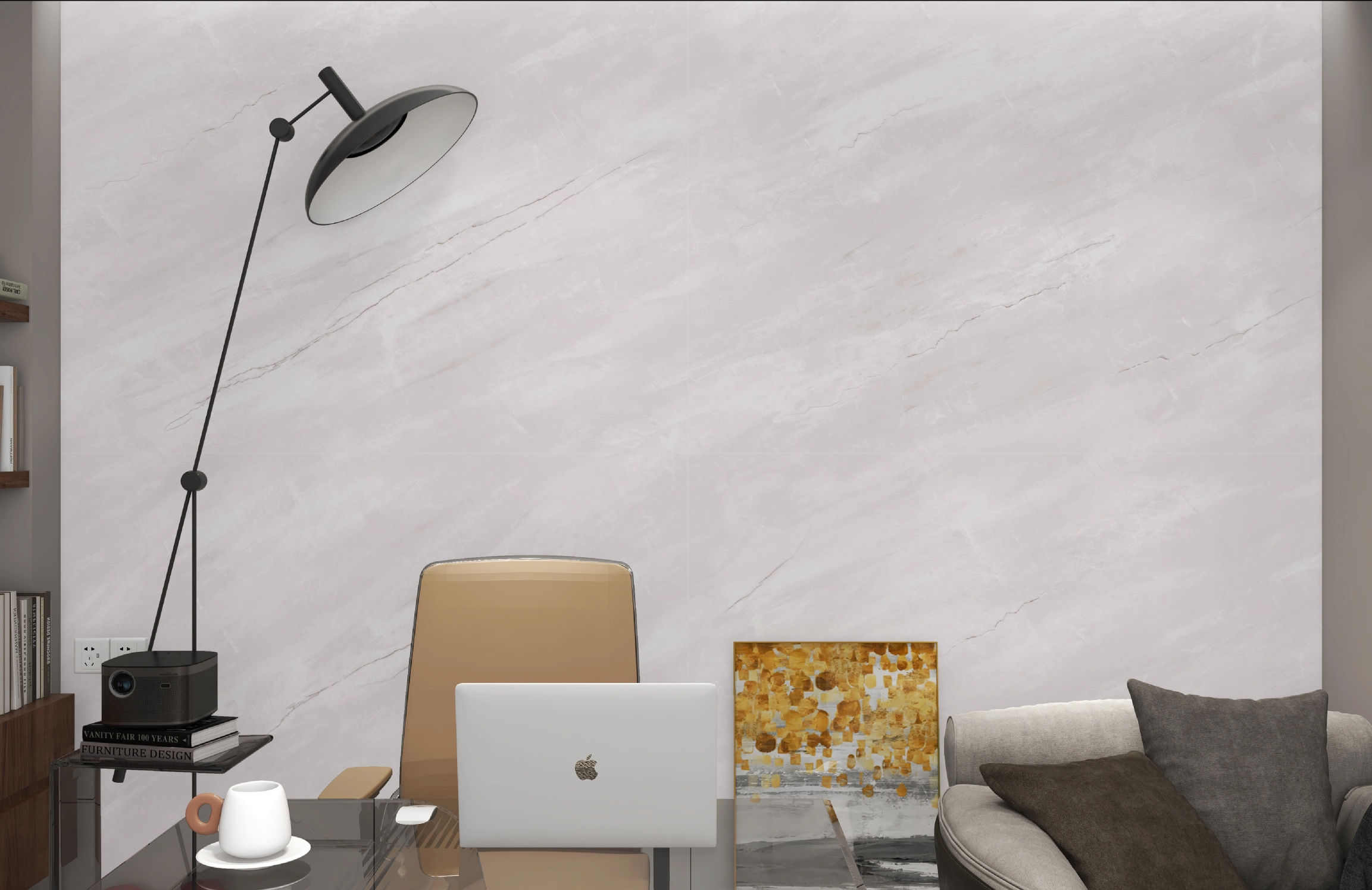
800x3000 mm tiles are best for walls of about 3 m height, where one tile runs from floor to ceiling and leaves no horizontal joint at all. Many Indian flats and offices have finished ceilings between 2.7 m and 3.0 m, so the 3 m length fits a typical room with at most a small trim at the top. Large wall tiles in this length turn a feature wall into a single uninterrupted surface.
A 4 m wide, 3 m high wall takes exactly five tiles, covering 12 m². The same wall in 600x1200 mm tiles would need 17 pieces and two horizontal joints. That difference is the reason hotel lobbies, showrooms and corporate offices specify the format, and the reason it is overkill for a bedroom wall.
Cost is the trade-off. One 800x3000 mm tile of 25.8 sq.ft costs roughly Rs. 3,900 to Rs. 15,500 at the wider market band, so a single breakage is a real expense. Order about 15% extra, and check how the tiles will be crated, because the packing details decide whether they arrive intact.
Compared with 800x2400 mm tiles, the 3 m tile cuts the grout run from about 167 m to 158 m per 100 m² and drops the tile count from 53 to 42. The width is identical, so the two lengths can sit on adjacent walls of different heights without a change in pattern.
| Size (mm) | Alias (ft) | Tiles per 100 m² | Grout run per 100 m² | Typical use |
|---|---|---|---|---|
| 800x3000 This size | 2.6x9.8 | 42 | About 158 m | Single piece tall walls |
| 800x2400 | 2.6x7.9 | 53 | About 167 m | Tall feature walls, corridors |
| 1200x1800 | 4x6 | 47 | About 139 m | Showrooms, large halls |
| 1200x2400 | 4x8 | 35 | About 125 m | Commercial lobbies, wall spans |
| 1200x2800 | 4x9.2 | 30 | About 119 m | Largest wall and floor spans |
Against 1200x1800 mm, the 800x3000 mm tile has a similar grout run (158 m against 139 m) but a very different shape. The 3 m tile suits tall, narrow wall bays, and the 1200x1800 mm tile suits broad floors and wide walls. Both are lifted by two or more workers.
Rollence makes 800x3000 mm in large format GVT and large format PGVT. GVT carries a digital print under a hard glaze and can go on floors and walls, though a 3 m floor tile needs a perfectly flat base. PGVT has a polished surface and is made for walls only, which is why most 800x3000 mm orders are PGVT or GVT for wall cladding.
| Category | Surface | Where it goes | Water absorption |
|---|---|---|---|
| Large format GVT | Digital print under a hard glaze | Floors and walls | 0.5% or less |
| Large format PGVT | Polished glaze surface | Walls only | 0.5% or less |
PGVT should not be used on floors, wet or dry, because the polished surface turns slippery when wet and shows scuffs under foot traffic.
At 3 m a weak tile body would show as curl or edge lift. Every batch goes through quality testing to the ISO 10545 series before dispatch, and water absorption is measured at 0.5% or less, which keeps the tile stable through monsoon humidity.
Rollence lists eight finishes, and the design list on the site shows which are made in 800x3000 mm. The table sets out where the main four belong for a 3 m tile.
| Finish | Best placed | Keep away from |
|---|---|---|
| DG Matt | Feature walls, corridors, offices | Wet or outdoor floors unless rated R10 or R11 |
| Glossy | Dry lobby walls and reception areas | Bathroom floors, balconies |
| High Gloss | Dry feature walls in well-lit lobbies | Bathroom floors, balconies, outdoors |
| GHR + Punch | Wet areas and balconies | Rooms that need a smooth, wipe-clean surface |
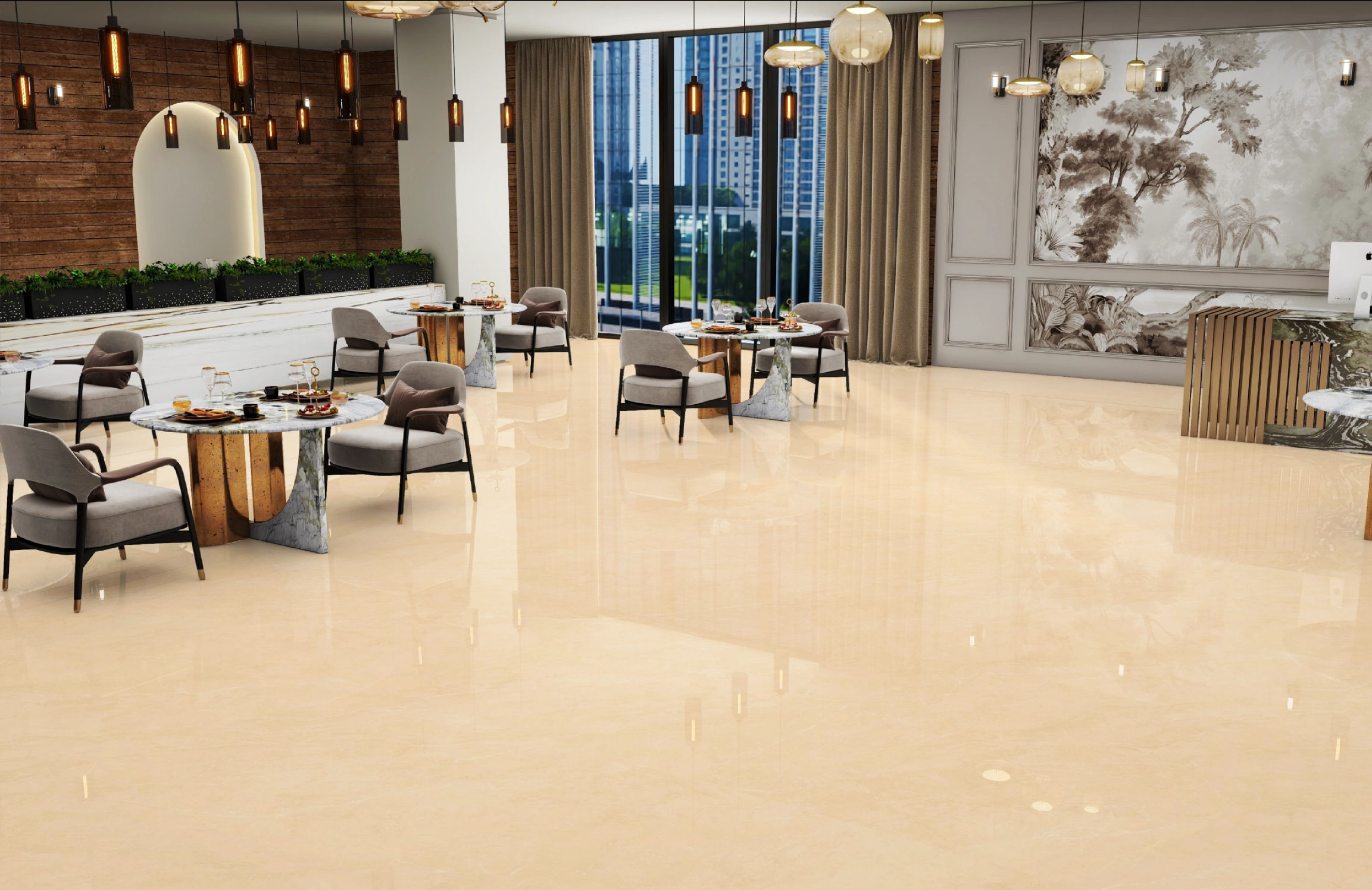
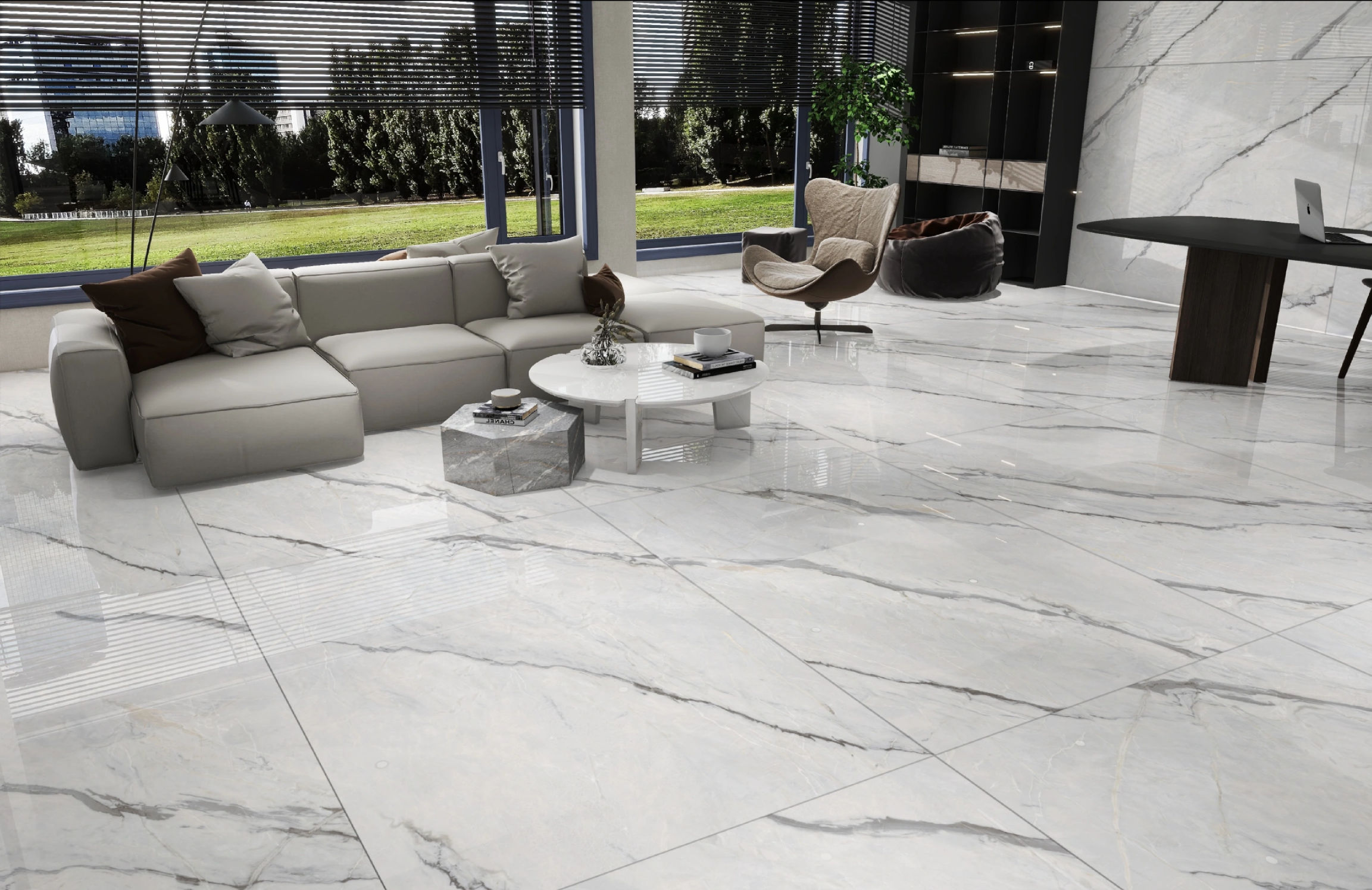
Glossy finish tiles in 800x3000 mm give a lobby wall a clean, reflective column of colour, and the single tile hides the joints that would otherwise break the reflection. In homes, matt is calmer, because a 3 m glossy surface shows every uneven spot in the wall behind it.
Glossy and High Gloss finishes should not be used on outdoor or wet floors because they turn slippery when wet.
If an 800x3000 mm tile is used on a corridor or entrance floor, choose matt or textured GVT and fill the long joints with epoxy grout. Gujarat's monsoon brings wet footprints into entrances, and long glossy tiles are unsafe underfoot there.
Hotel lobbies, showrooms, corporate reception areas and hospital entrances use 800x3000 mm tiles for tall walls, because a single tile gives the wall a clean, continuous surface with no joint to clean or repair. In homes, the format suits a feature wall in a double-height living room, where a 3 m tile matches the room height exactly.
A staircase wall or a lift lobby in a villa is another good fit, and among large format tiles the 800x3000 mm size sits at the tall end of the 800 mm width family.
Avoid 800x3000 mm in rooms with low ceilings under 2.7 m unless a cut is acceptable, in bathrooms where tile length wastes material, and anywhere the delivery route cannot take a 3 m tile.
A 3 m tile needs three or four trained workers, suction lifters and an A-frame trolley to move it safely, and it should only be carried on its long edge. Check the access route in advance: a 3 m tile cannot turn most staircases and will not fit a standard lift, so plan a crane, an open stair run or a ground floor delivery.
The wall must be plumb and flat. Check it with a 2 m straightedge, correct any bulge, and use full-coverage adhesive with back-buttering. Support the tile with spacers or props until the adhesive cures, and keep the joints narrow and even with levelling clips.
Cut with a bridge saw or a CNC waterjet, never a hand cutter. Daily tile care and cleaning is simple: a neutral cleaner and a soft cloth, with no acid products near the glaze or joints.
For a 3 m tile, list the wall height, the number of walls and the delivery route before the quantity. Free samples are sent by Rollence Granito to your door, and the quote is written against size, finish, collection, quantity and destination city. Share those five details through the enquiry form, with the access route noted if the site is above ground floor.
An 800x3000 mm large format tile (2.6x9.8 ft) from Morbi is priced against a wider market band of Rs. 150 to Rs. 600 per sq.ft, which is roughly Rs. 3,900 to Rs. 15,500 per tile, and 42 tiles cover 100 m². The body absorbs 0.5% water or less. Laying adds about Rs. 15 to Rs. 60 per sq.ft, usually at the top of that range.
An 800x3000 mm (2.6x9.8 ft) tile stays stable in Gujarat's humid monsoon because the body absorbs 0.5% water or less, the BIa limit under IS 15622. Morbi plants fire the body to that limit, and epoxy grout keeps the vertical joints sealed. Budget Rs. 150 to Rs. 600 per sq.ft at the market band, with 47 tiles per 100 m² including wastage.
An 800x3000 mm tile is about 2.6x9.8 ft, or 80x300 cm. It covers 2.40 m², which is 25.8 sq.ft. Rollence makes it as large format GVT for floors and walls and as large format PGVT for walls only, for single piece wall cladding.
You need 42 tiles of 800x3000 mm for 100 m², and about 47 with 10% wastage. Each tile covers 2.40 m², so 100 divided by 2.40 gives 41.7, rounded up. The grout run is about 158 m, the shortest of the 800 mm wide formats.
An 800x3000 mm tile is 9.8 ft, so it fits a 10 ft wall with a small trim or a cove at the top. Finished ceilings in Indian flats are often 2.7 m to 3.0 m, so check the actual height. A 3 m tile on a 2.7 m wall needs a cut.
Rarely, because a 3 m tile wastes material in a small bathroom and cannot turn corners. Use it only on a tall bathroom wall in a large room, in PGVT or GVT, with epoxy grout. Floors should use matt or textured GVT in smaller sizes such as 600x600 mm.
Large format tiles are quoted at about Rs. 150 to Rs. 600 per sq.ft in the wider Indian market. One 800x3000 mm tile of 25.8 sq.ft therefore costs roughly Rs. 3,900 to Rs. 15,500. Laying adds Rs. 15 to Rs. 60 per sq.ft. These are market ranges and not a Rollence quotation.
Use a bridge saw or a CNC waterjet, not a hand cutter. A 3 m tile flexes and snaps unpredictably under hand scoring. Support the whole length while cutting, wear dust protection, and drill relief holes at inside corners so that the cut does not crack beyond the line.
They can go on floors as large format GVT, but only on a perfectly flat base. Use them in dry, low-traffic areas such as corridors and lobbies. Never use PGVT on a floor. Use full-coverage adhesive, levelling clips and epoxy grout, and plan the delivery route before ordering.
Product Inquiry
Fill in your details and we'll get back to you