Hi there 👋
Need help? Search our help center for answers or start a conversation:
Help Center
New Conversation
We typically reply in a few minutes
 Customer Support
Select Emoji
Quick Enquiry
We'll get back to you within 24 hours

800x800 mm tiles are the square format that sits between the everyday 600x600 mm tile and the large formats, and they suit buyers who want fewer joints without moving to a long rectangular tile. Rollence makes 800x800 mm tiles in GVT for floors and walls and in PGVT for walls, as part of its porcelain tile range from the factory in Matel, Wankaner, Morbi, Gujarat.
One 800x800 mm tile covers 0.64 m² (6.9 sq.ft), so 100 m² needs 157 tiles against 278 in 600x600 mm. Rollence makes eight finishes and six collections, and the design list on the site can be filtered by size to show what is made in 800x800 mm. Each tile absorbs 0.5% water or less.
In the Morbi market, 800x800 mm GVT tiles sell at about Rs. 60 to Rs. 140 per sq.ft and PGVT at Rs. 70 to Rs. 180 per sq.ft, so one GVT tile costs about Rs. 410 to Rs. 960. These are market reference ranges and not a Rollence quote. Dealers call this size 32x32 tiles, although 800 mm is a shade under 32 inches, and in feet it is 2.6x2.6 ft.
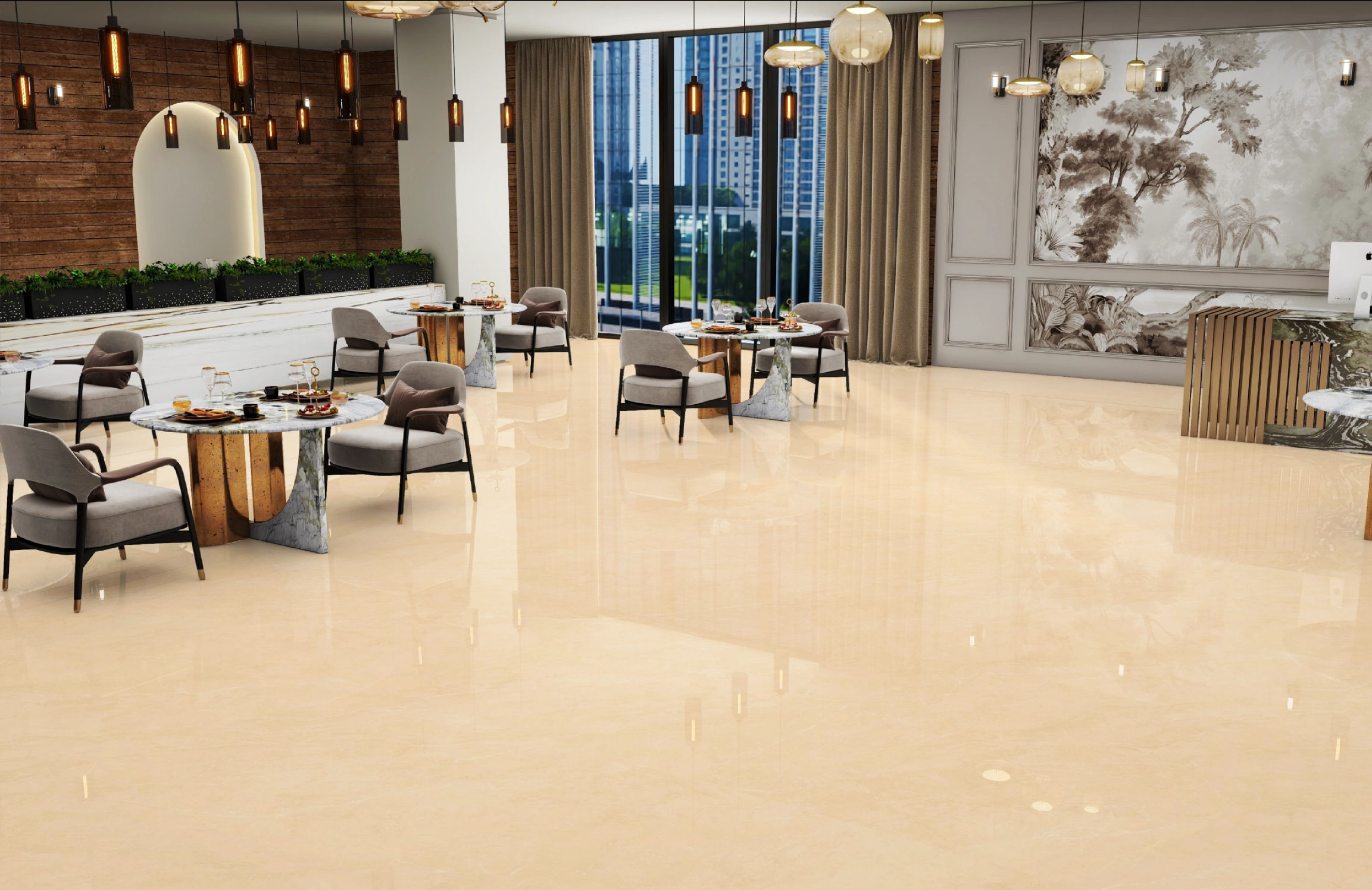
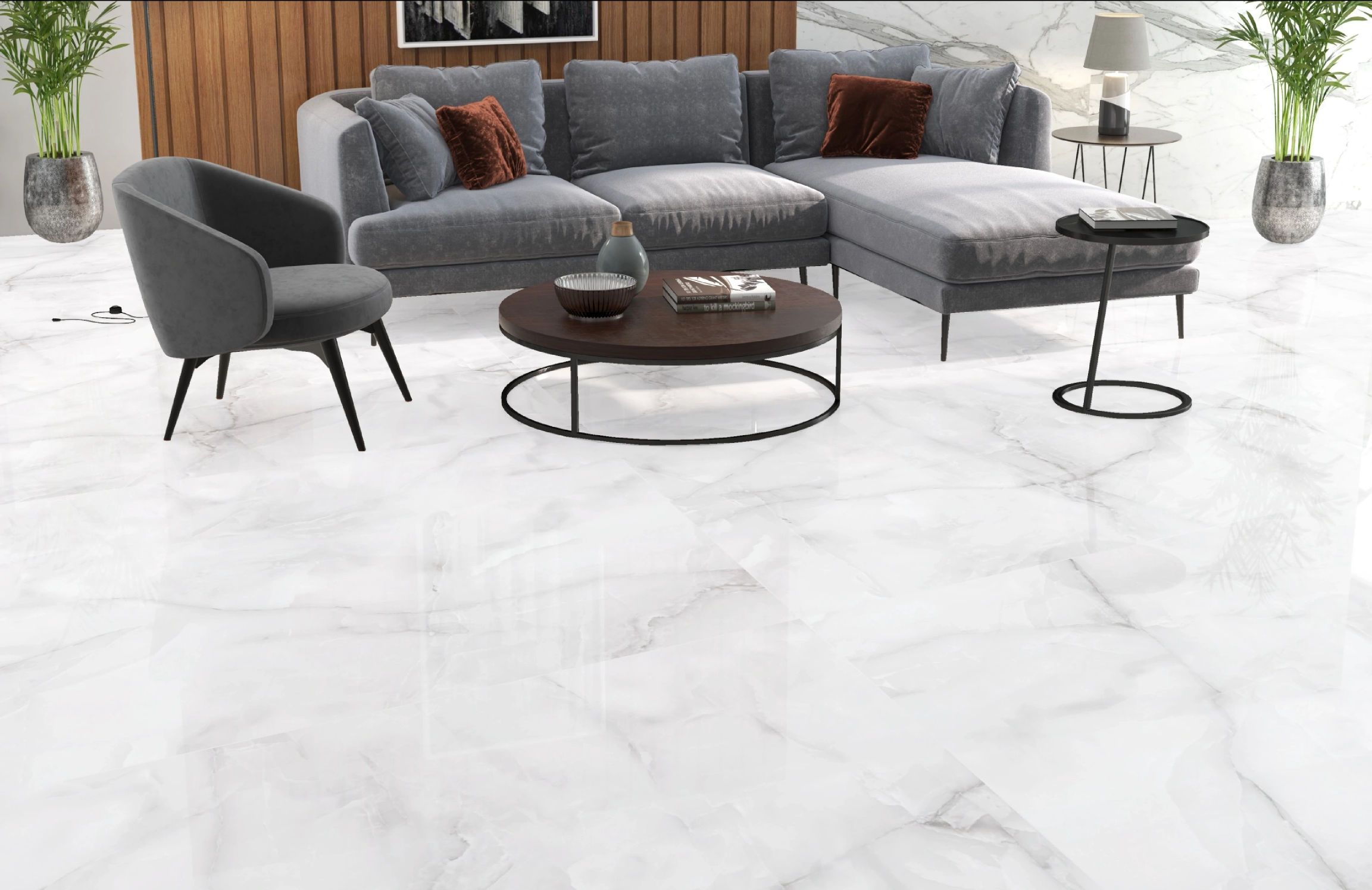
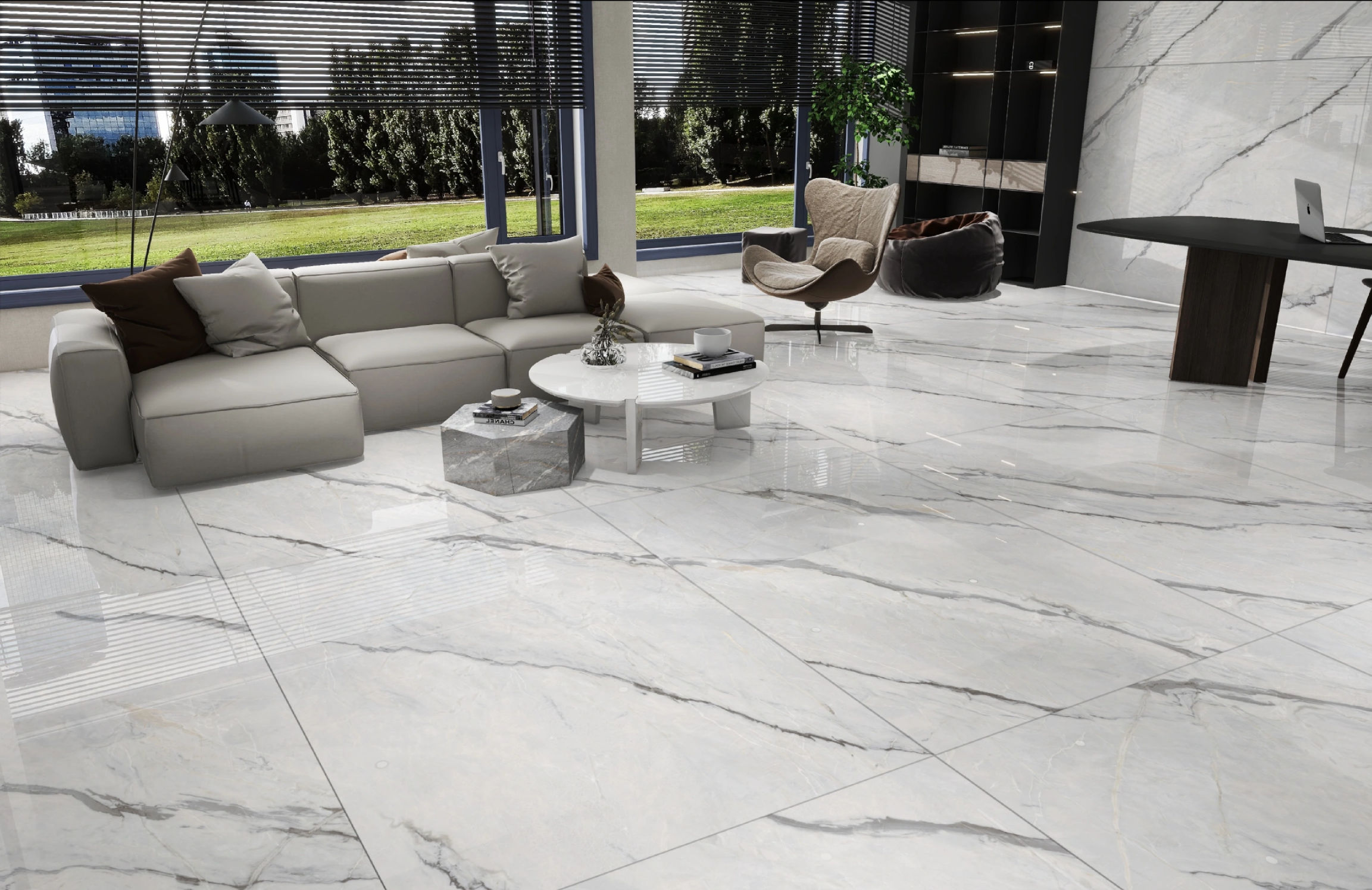
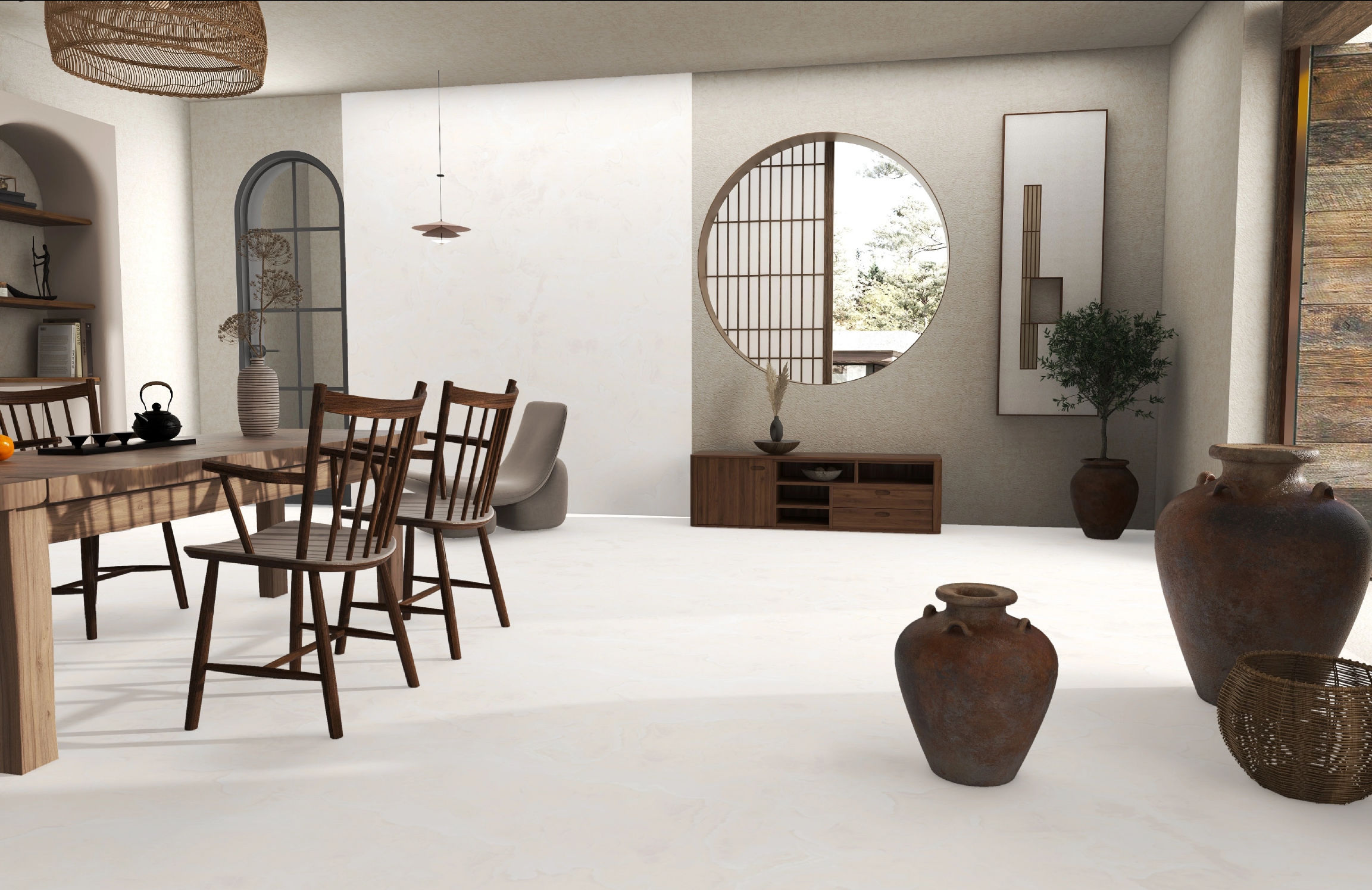
The 800x800 mm tile is the first big tile in the Rollence range, and it earns its place in open plan living and dining rooms of 20 m² or more. A square tile gives a calm grid with no direction, so it does not pull the eye toward one wall the way a long 600x1200 mm tile does. That makes 800x800 mm tiles a safe choice for rooms that are close to square.
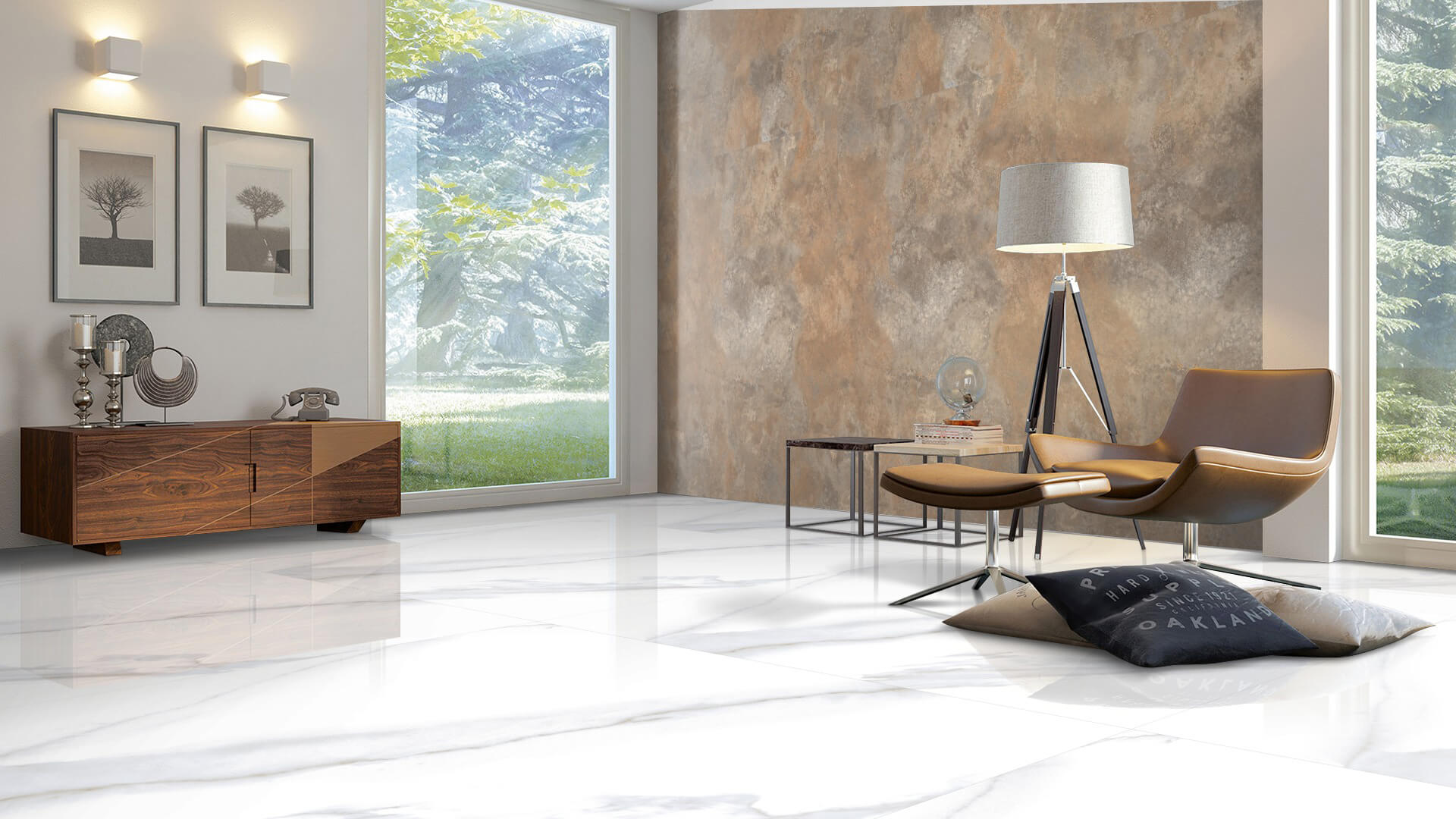
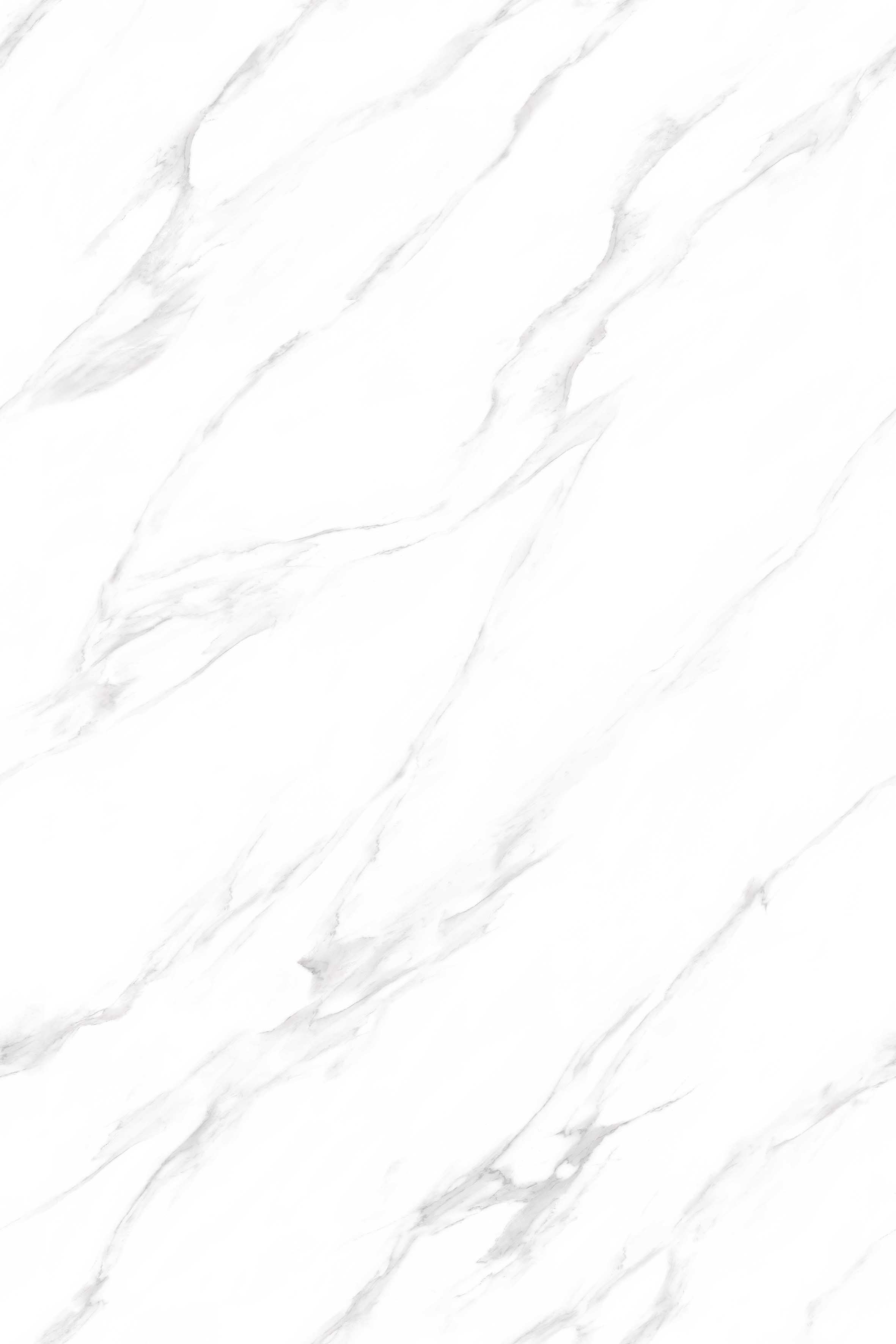
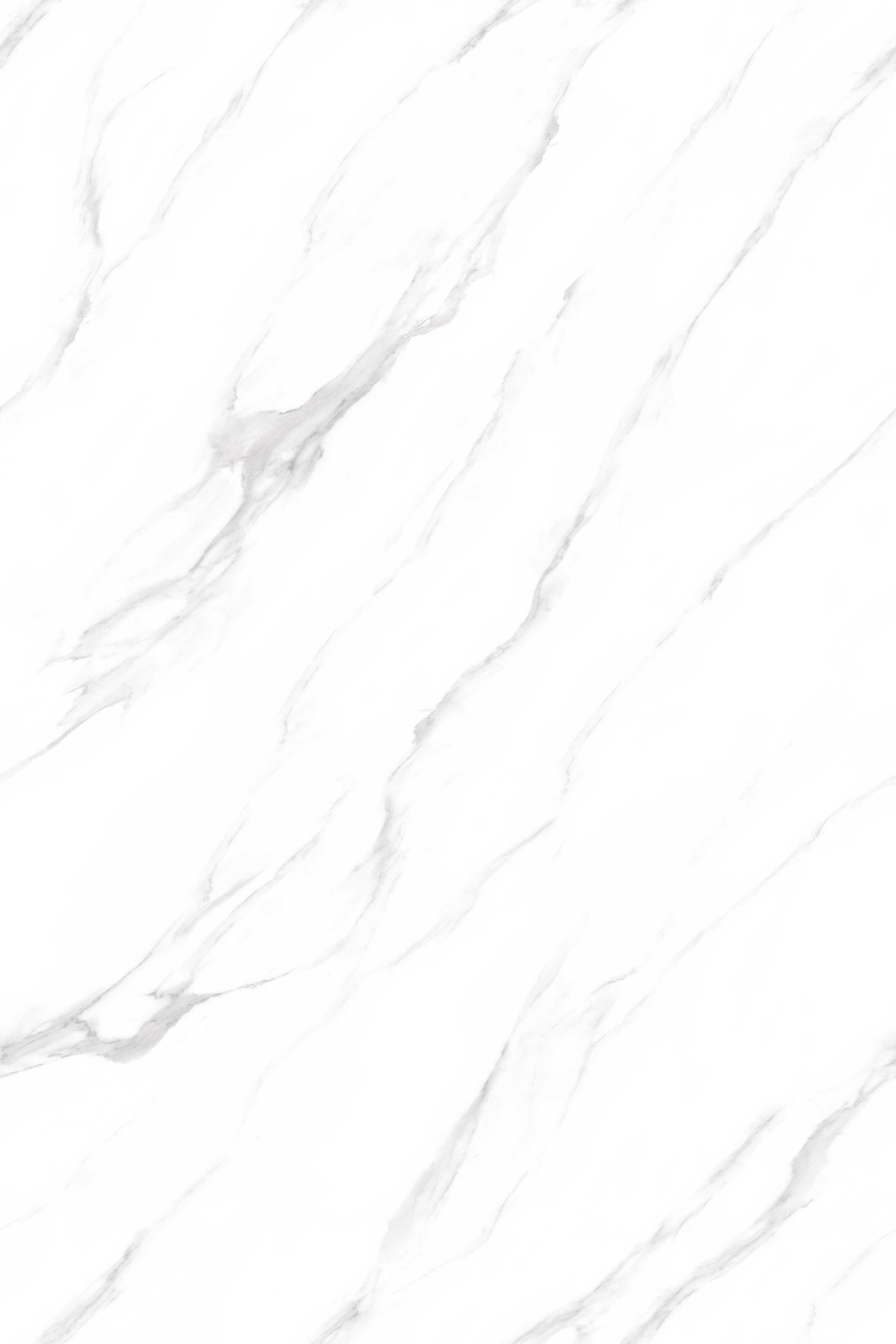
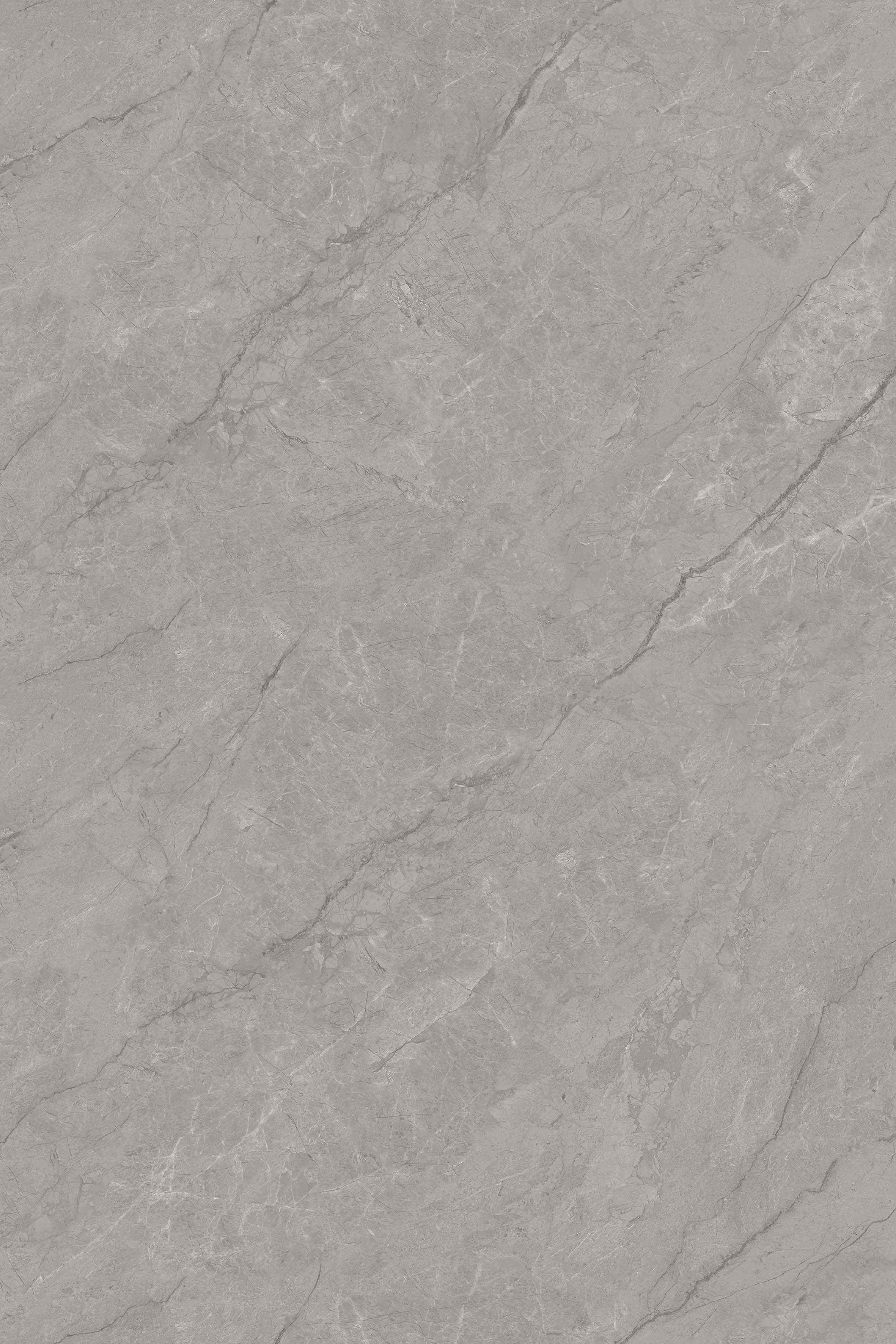
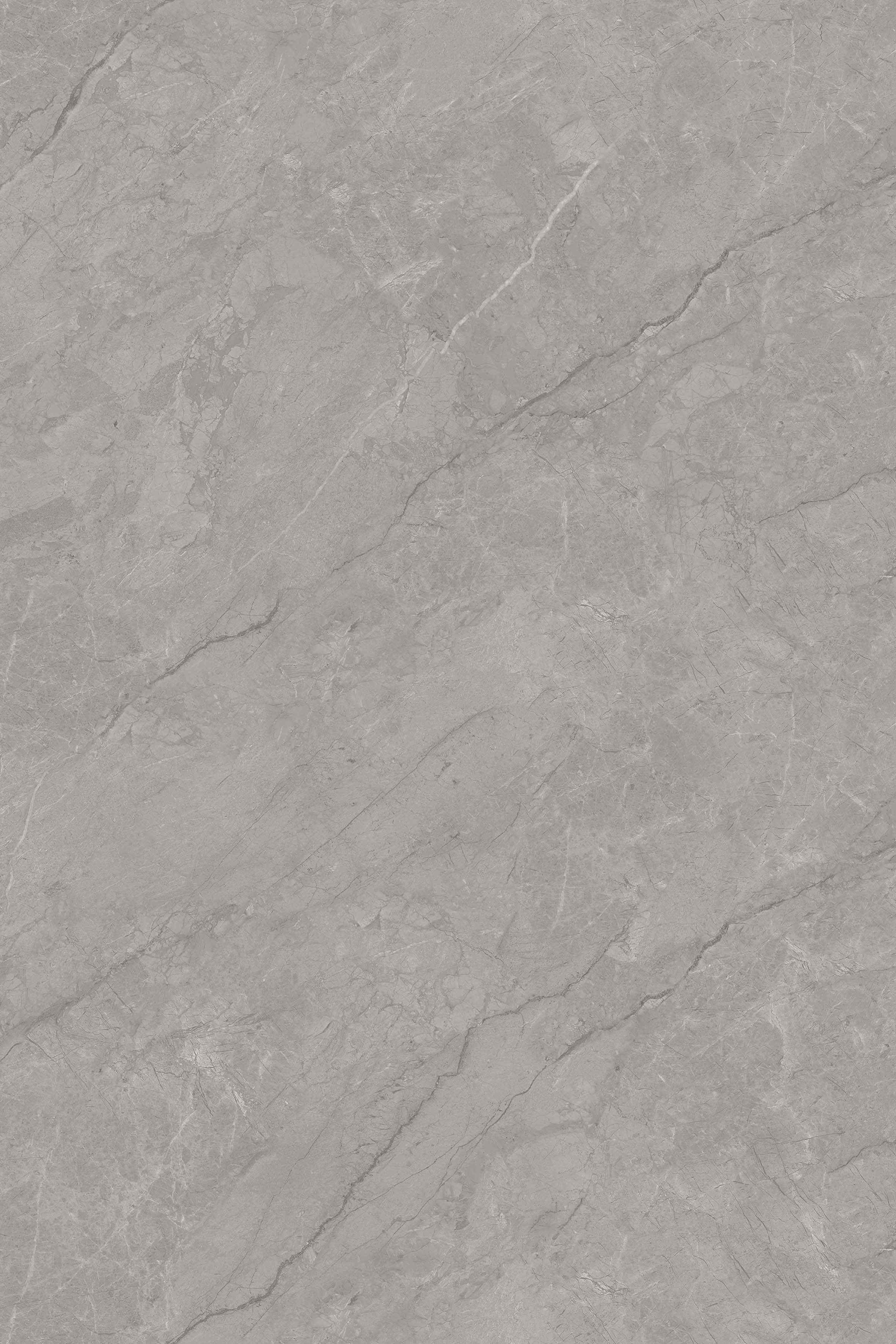
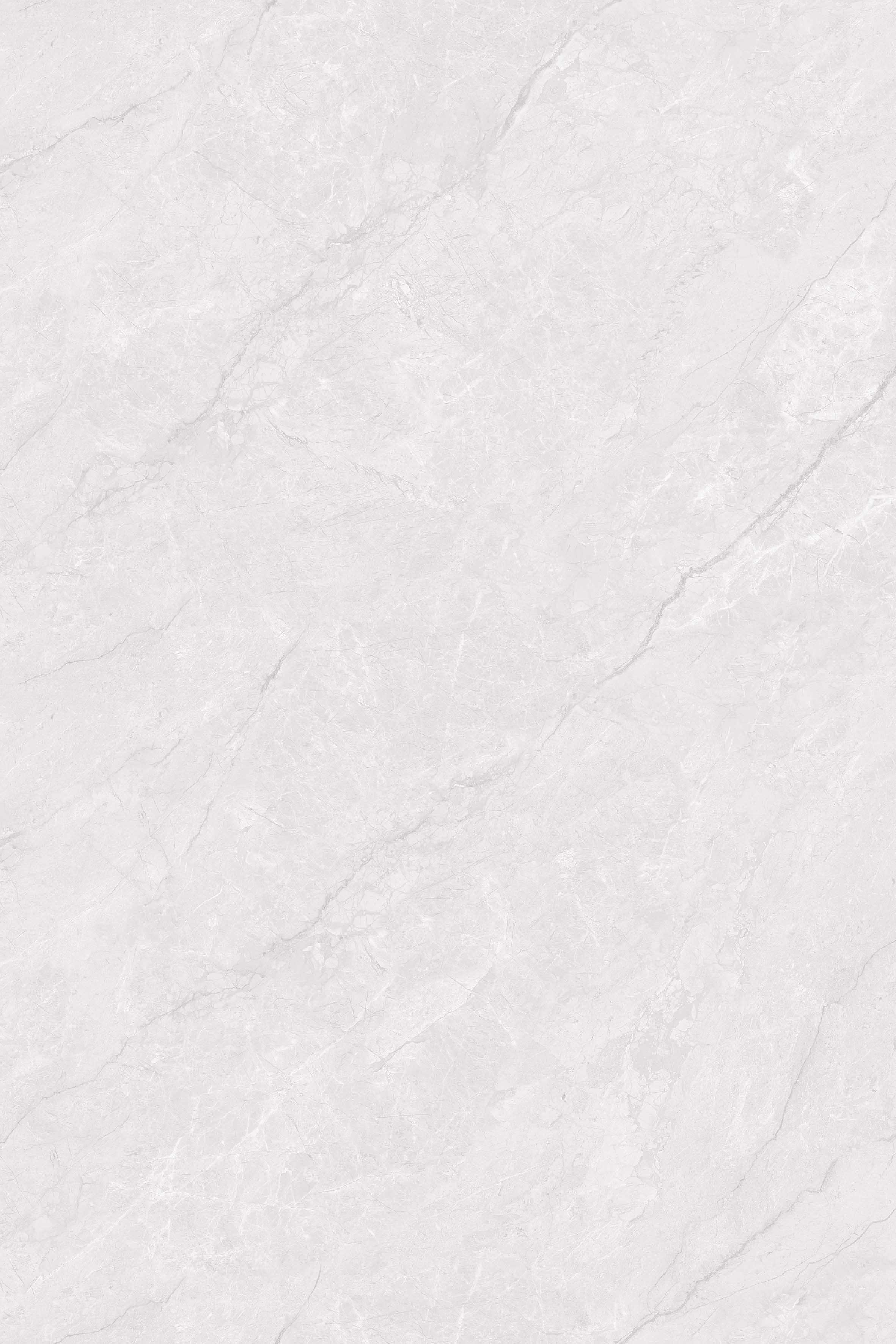
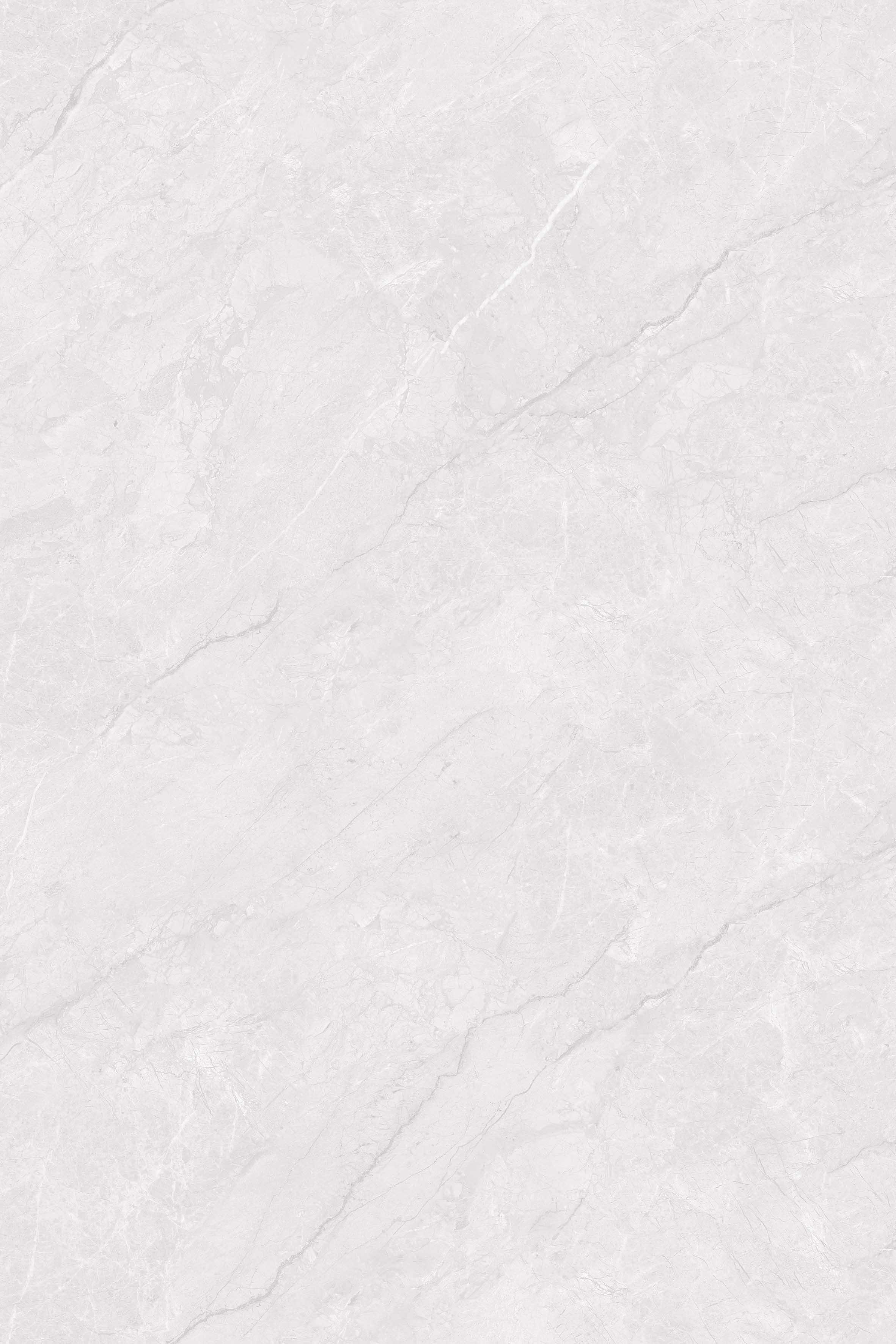
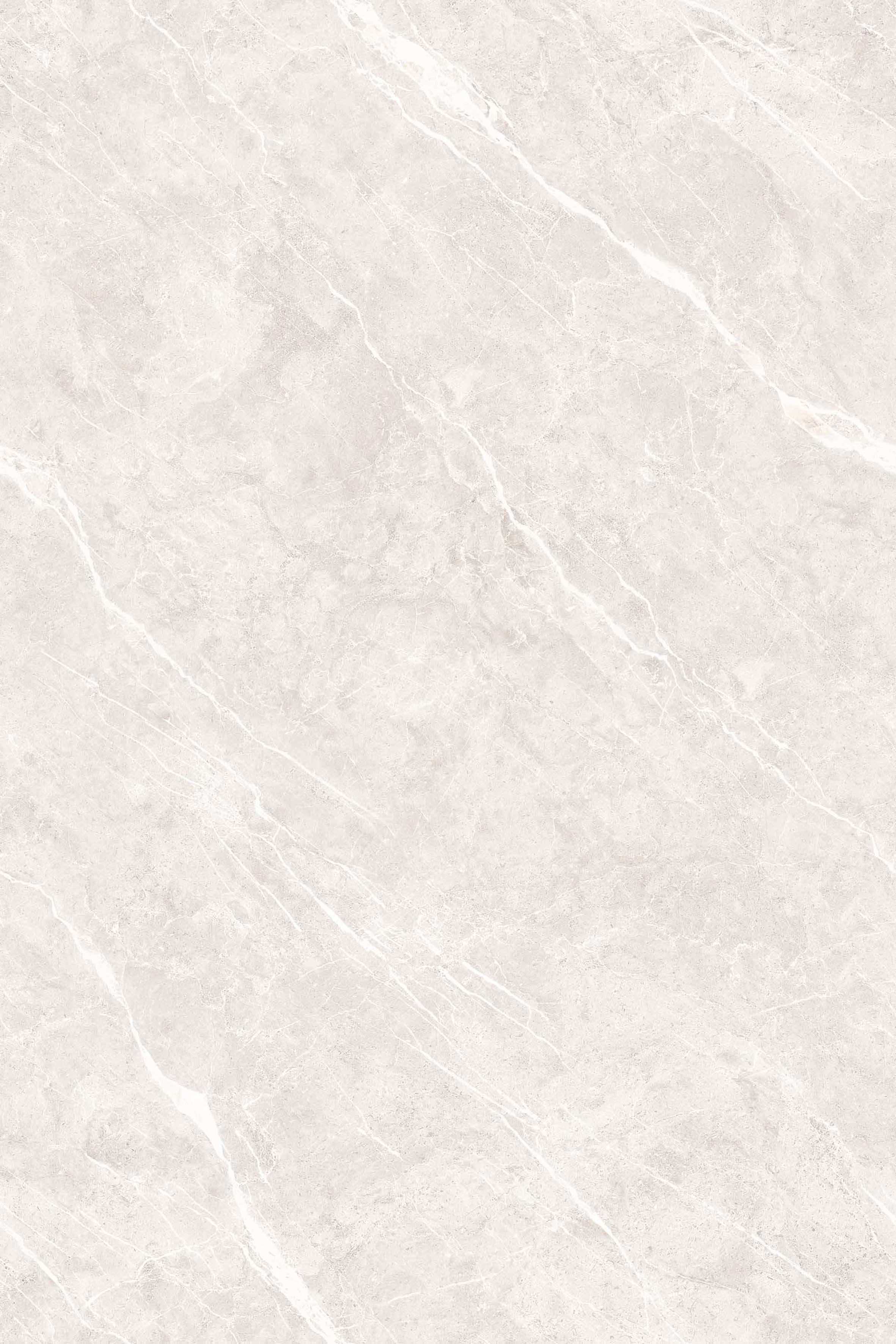
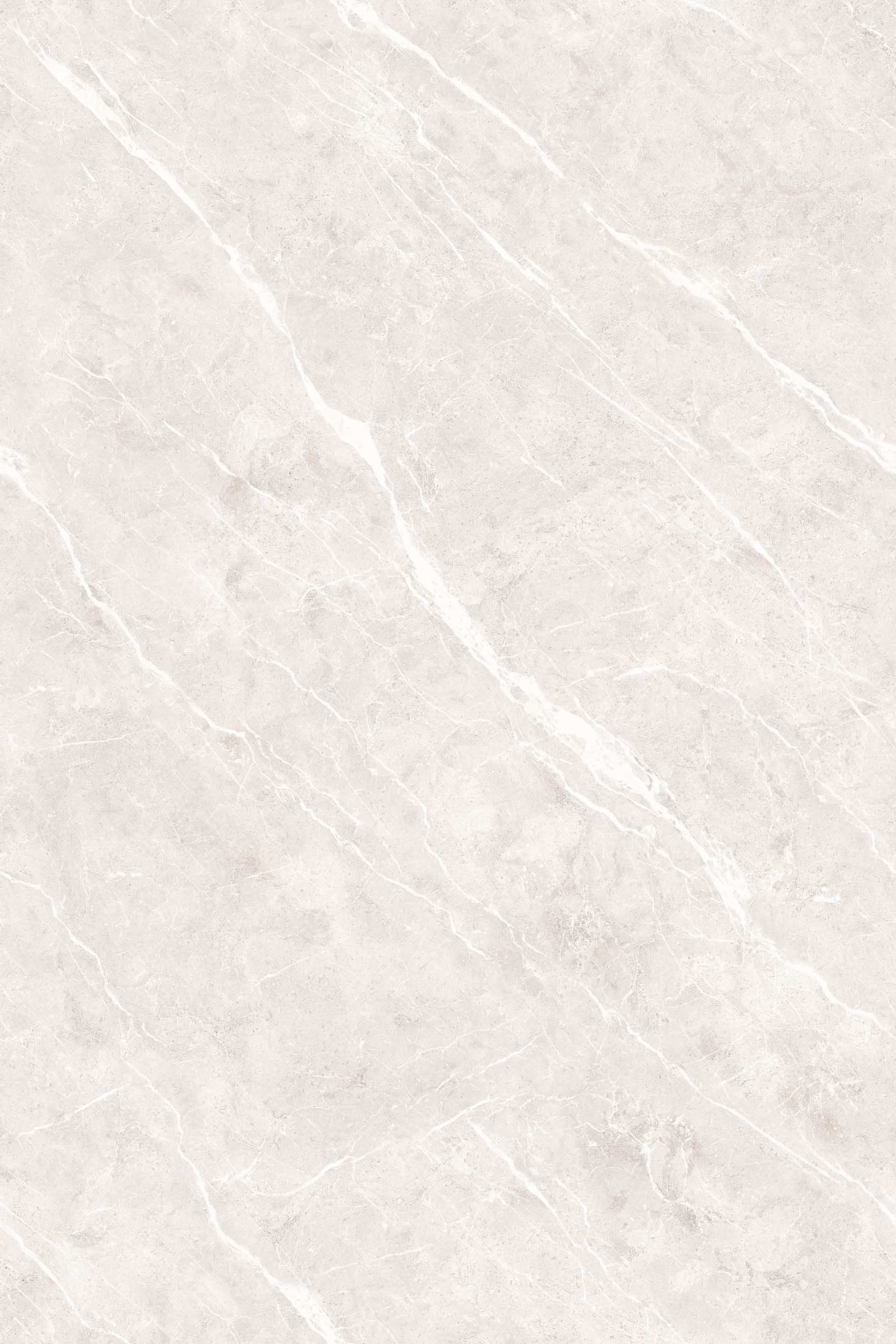
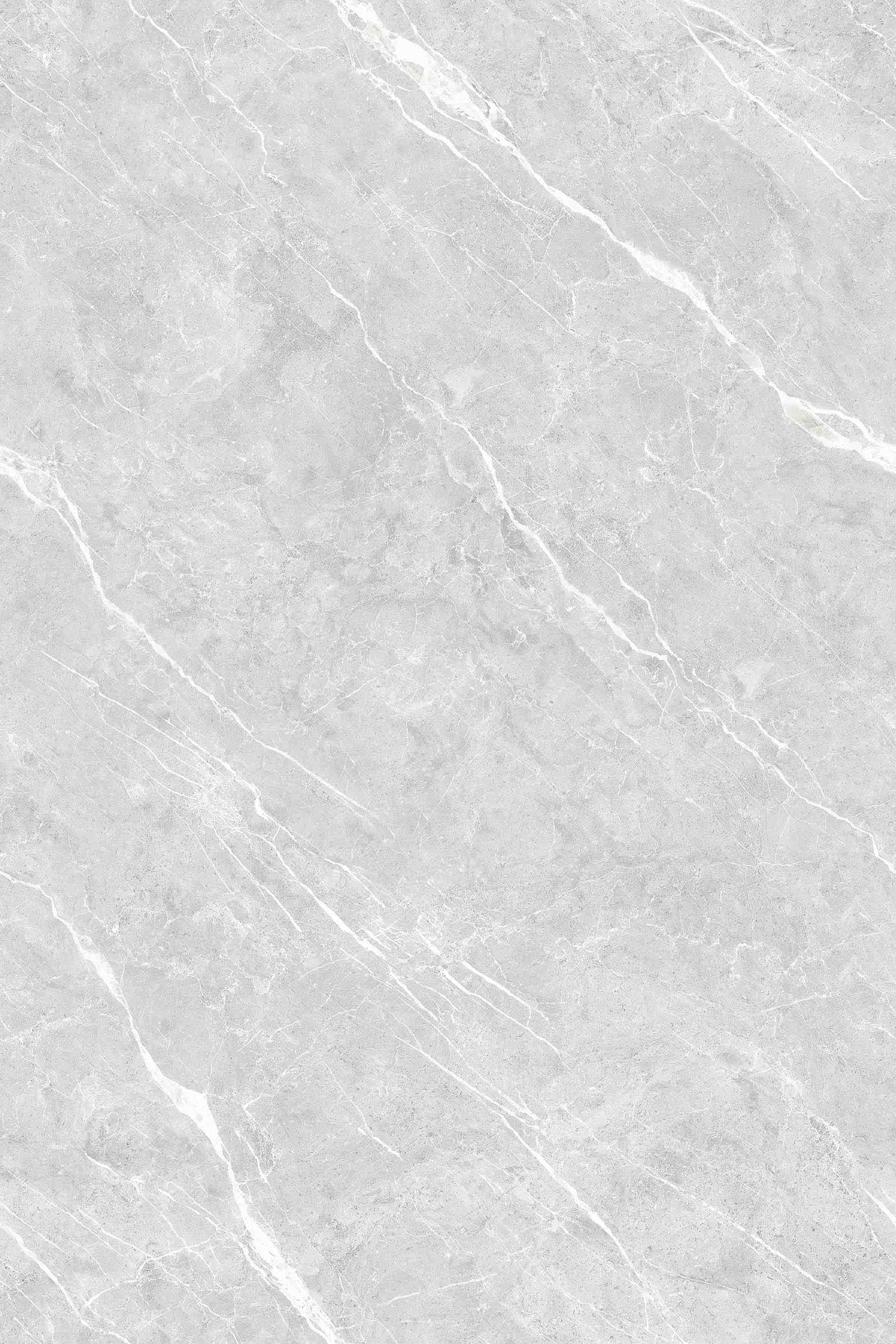
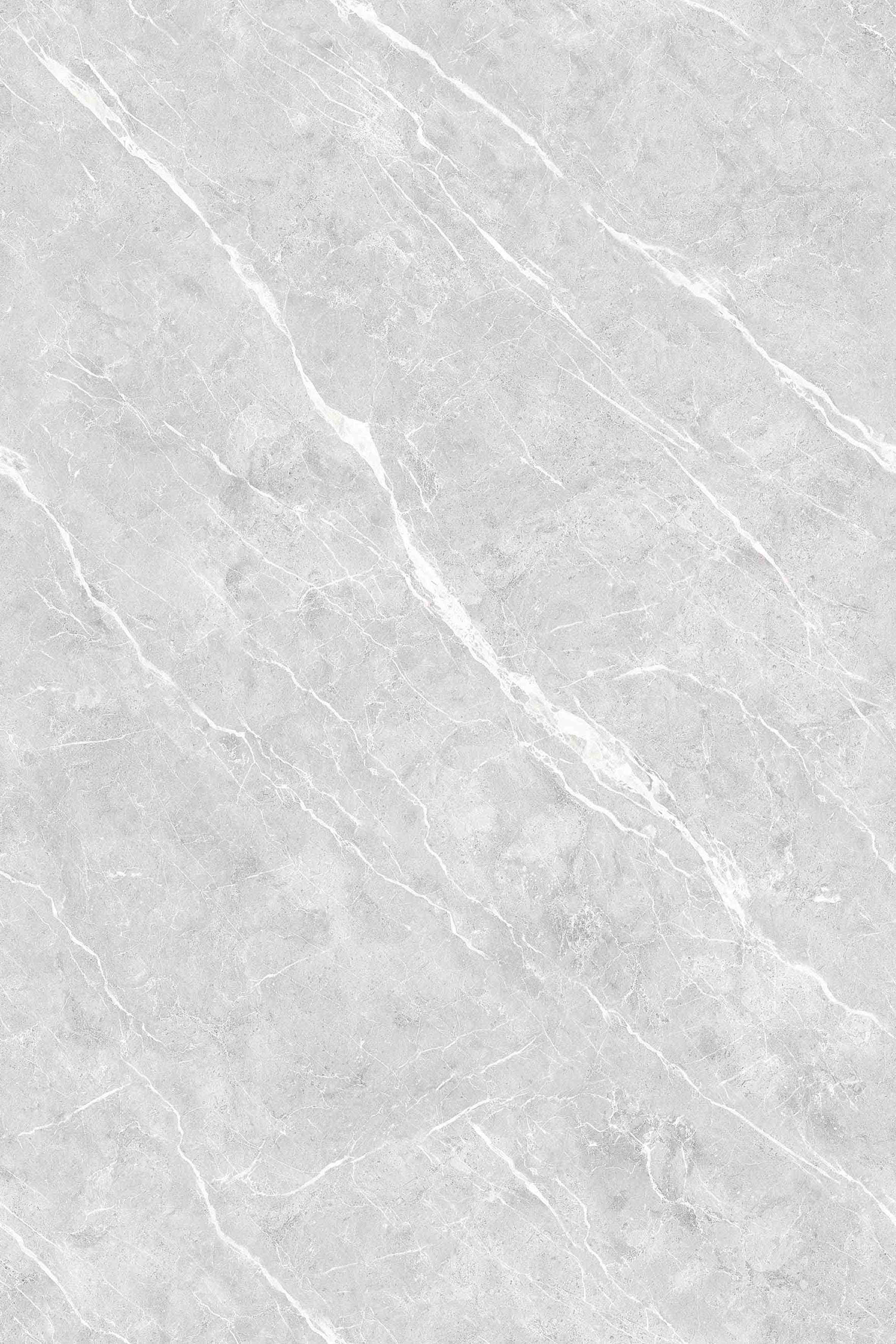
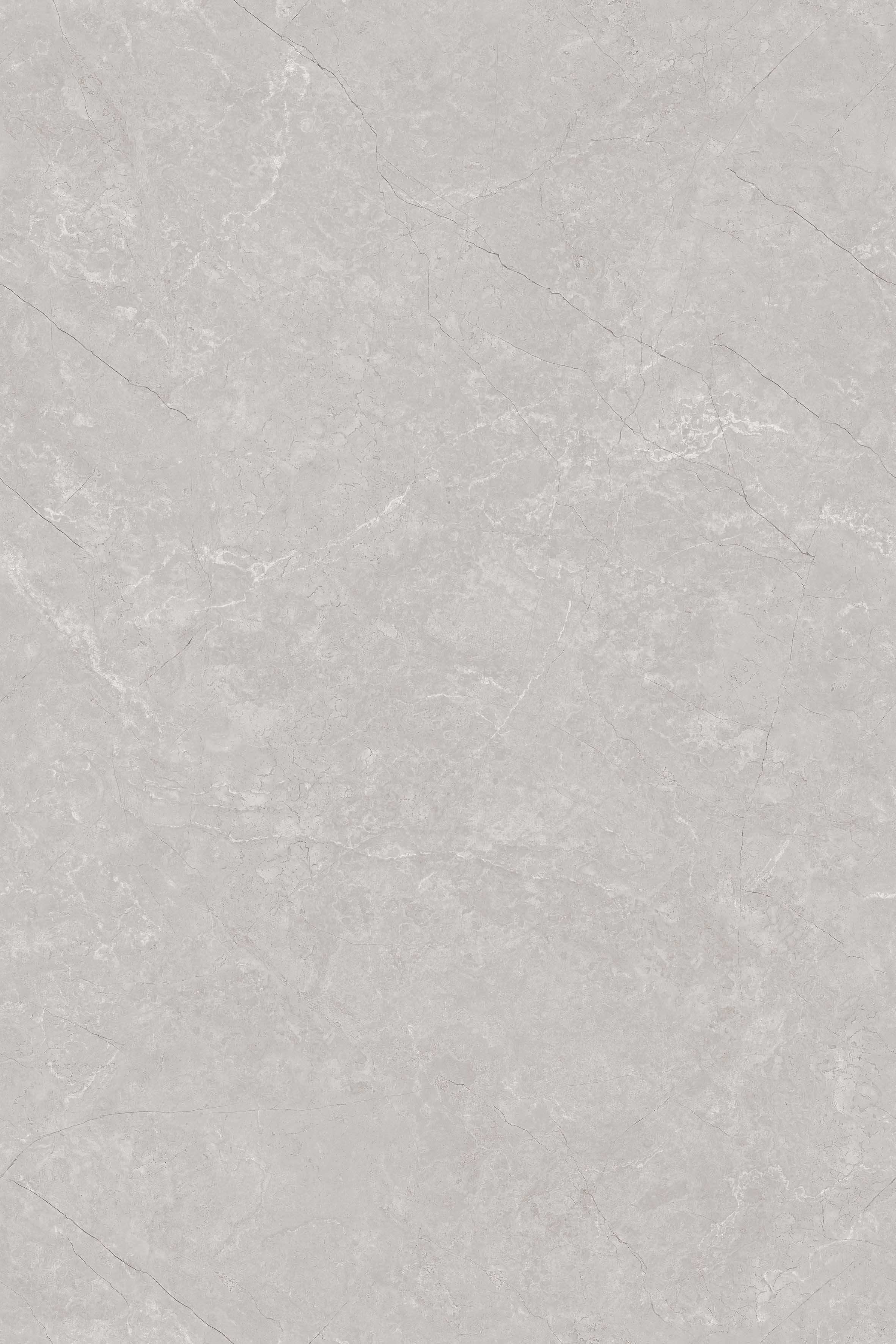
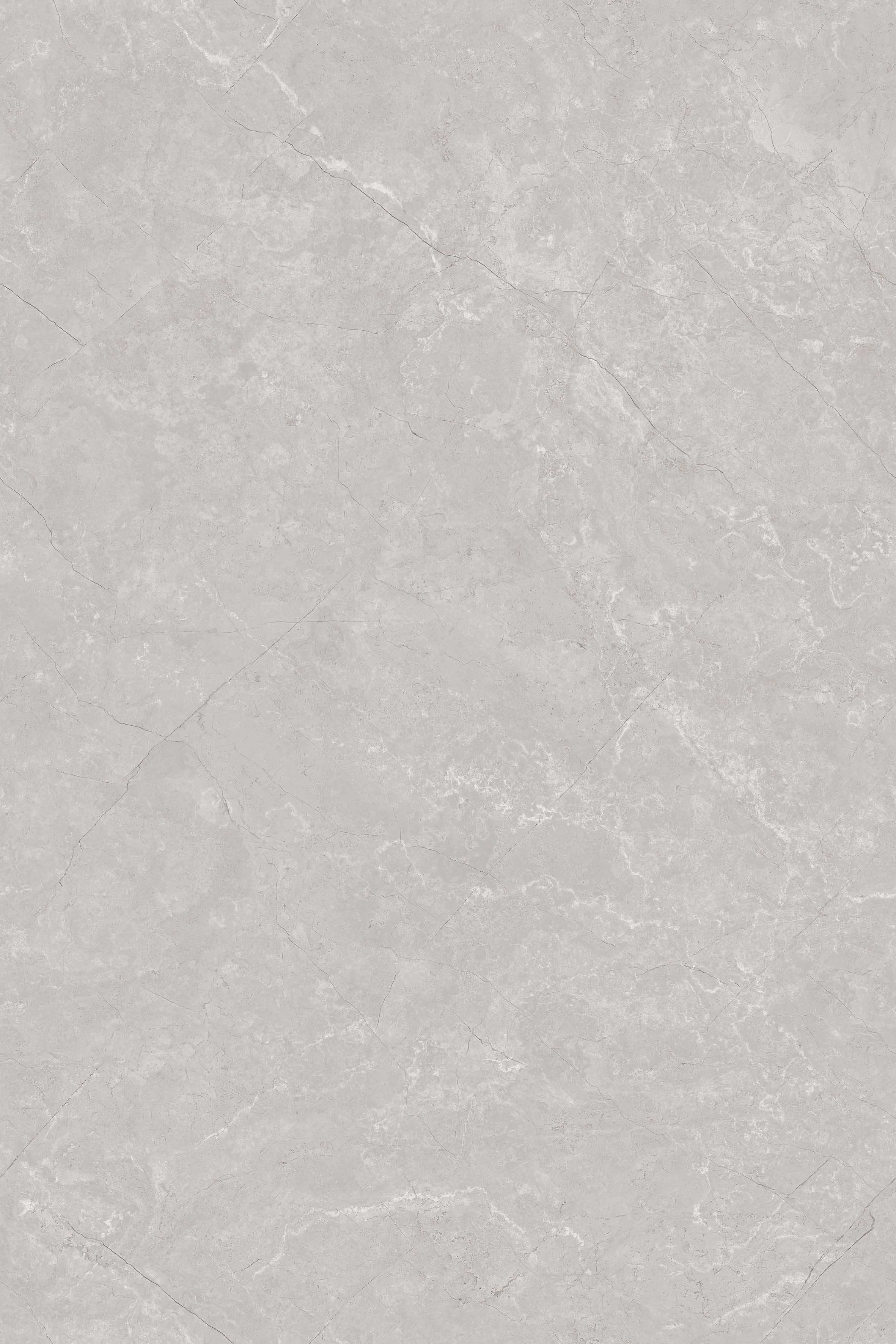
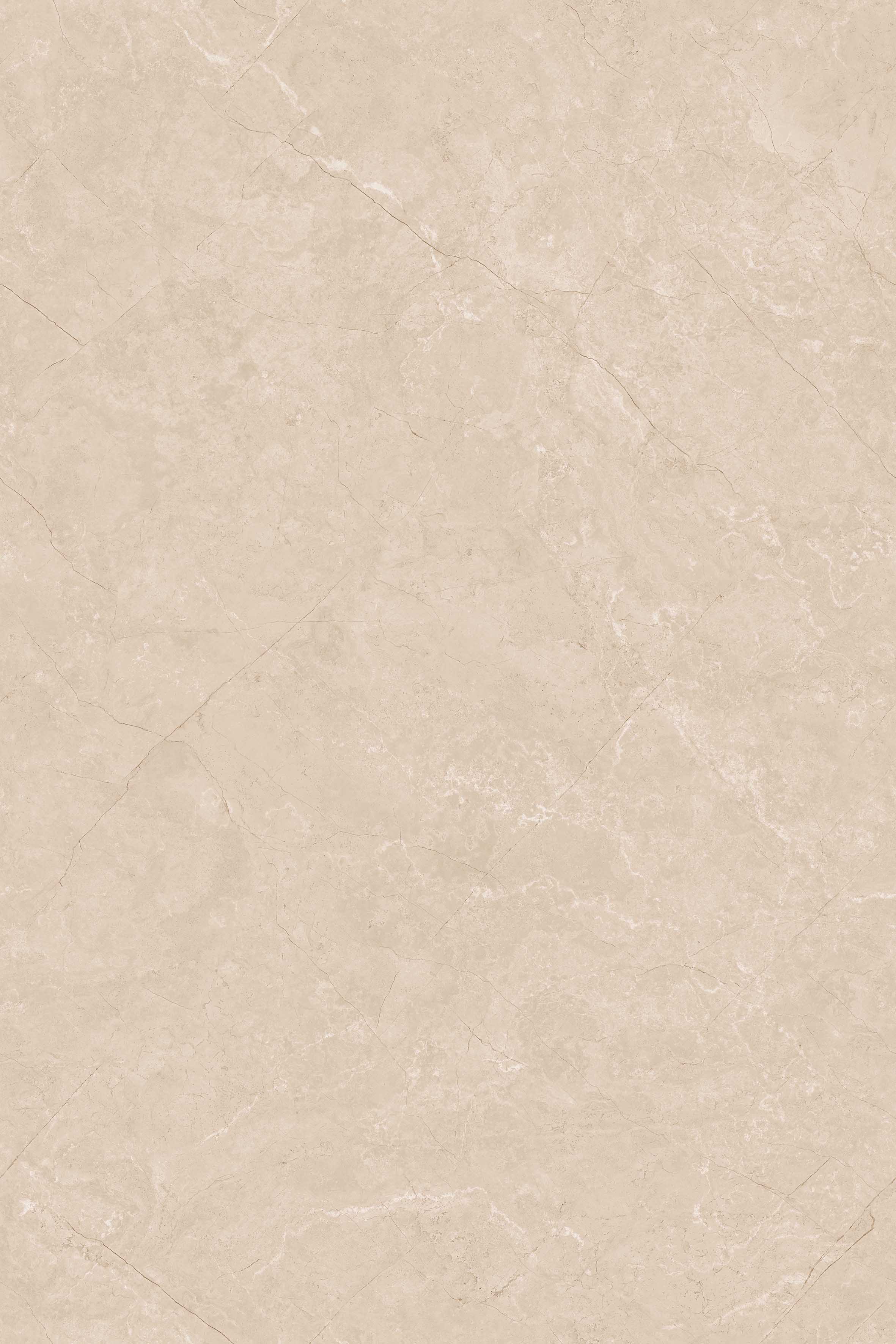
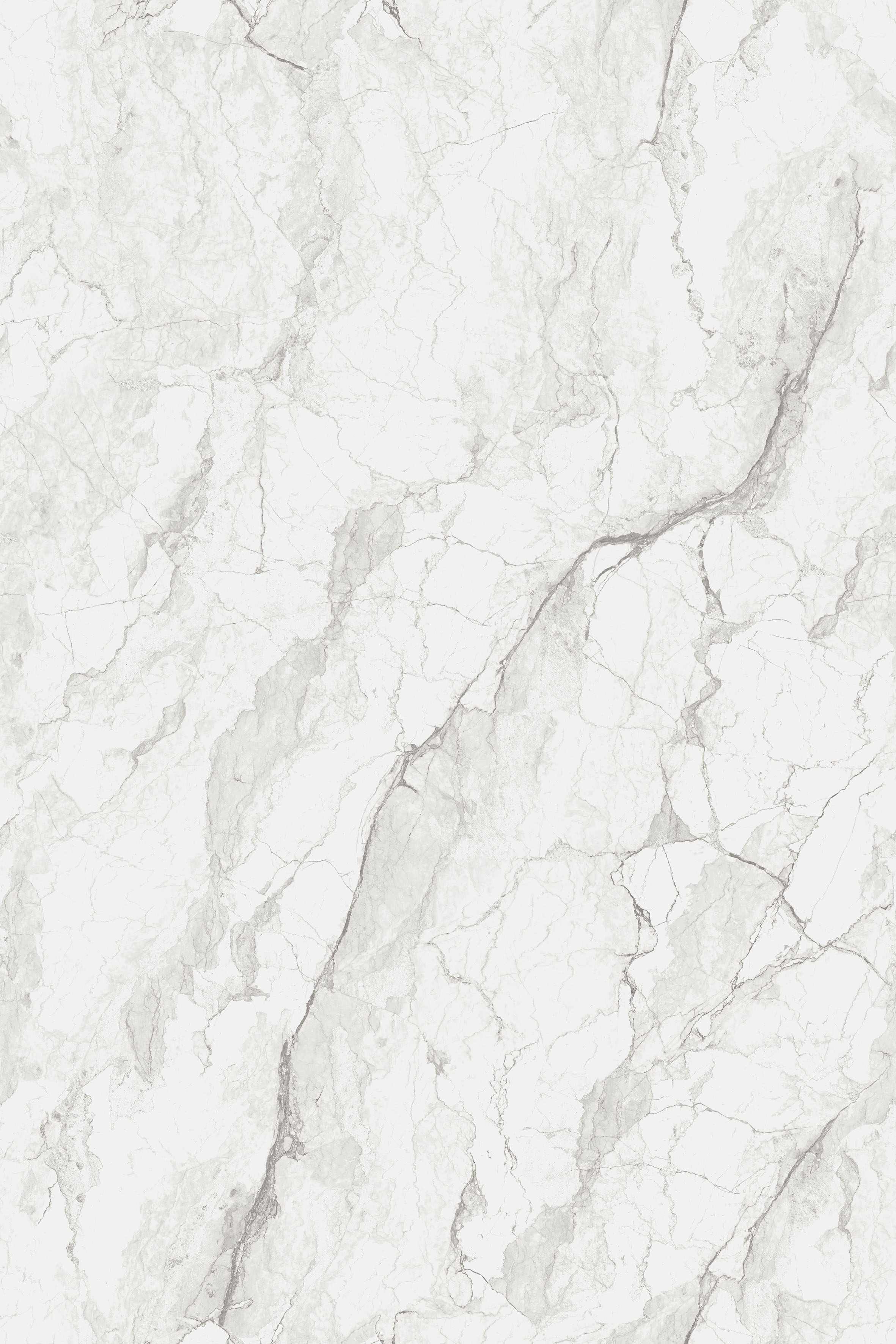
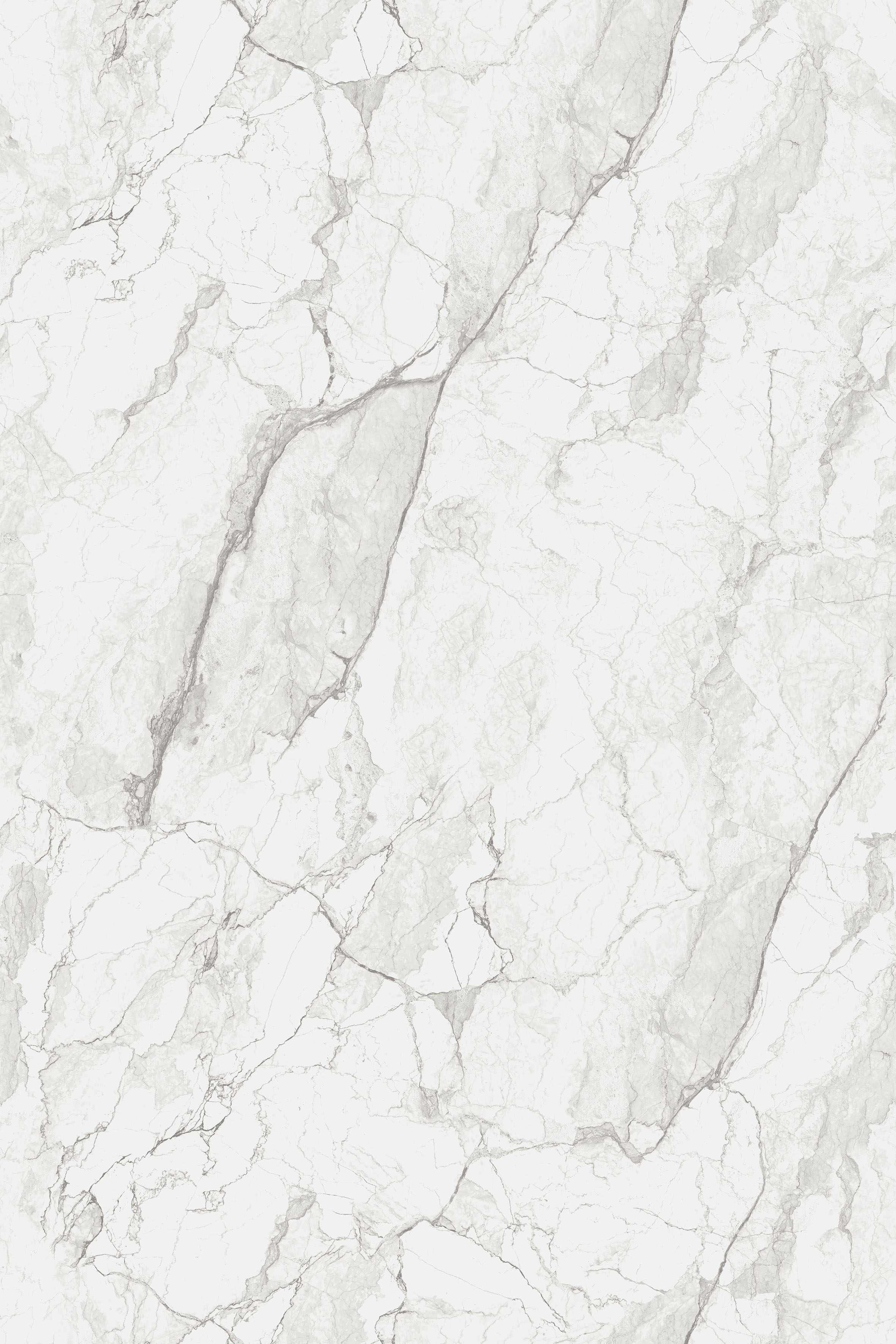
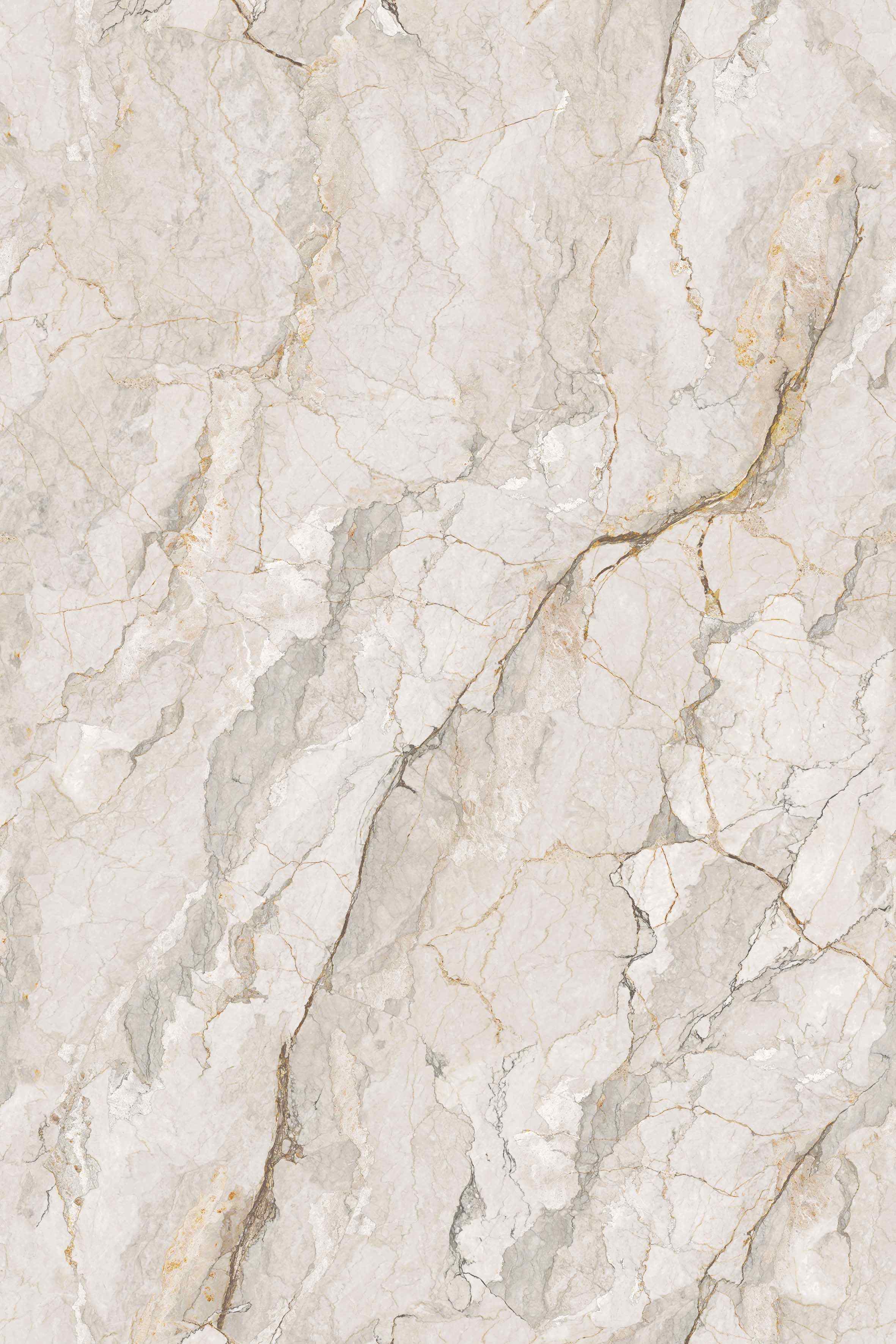
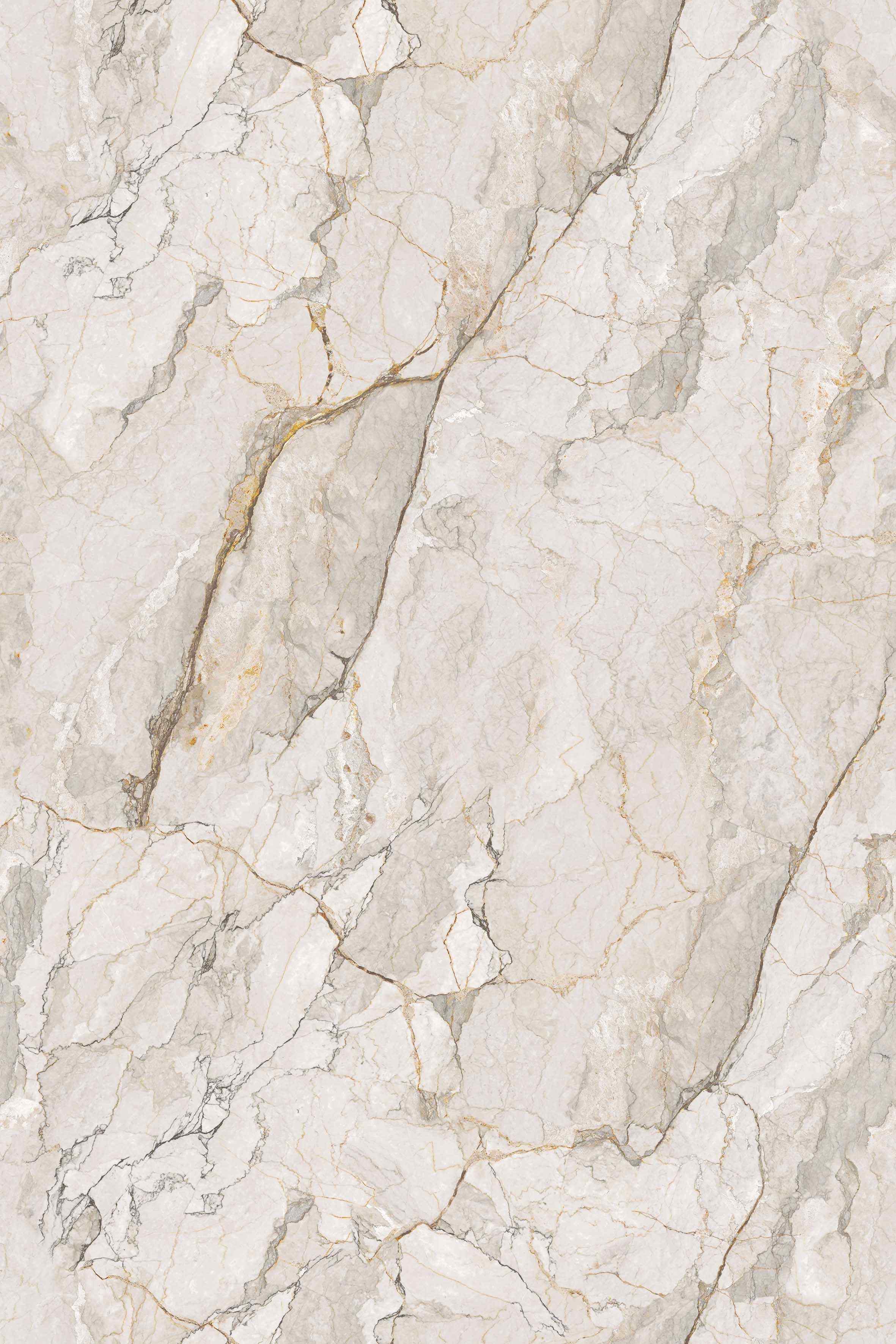
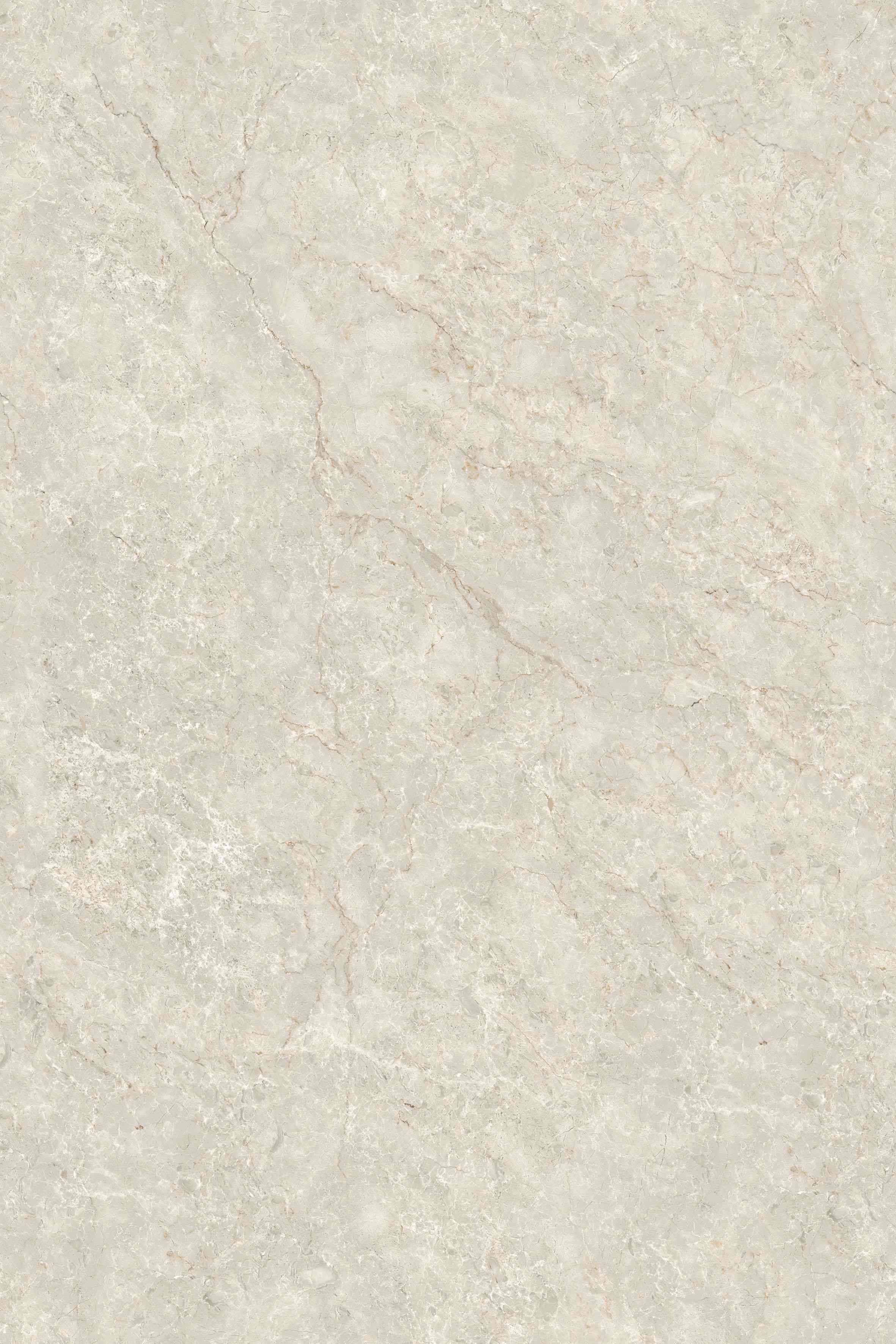
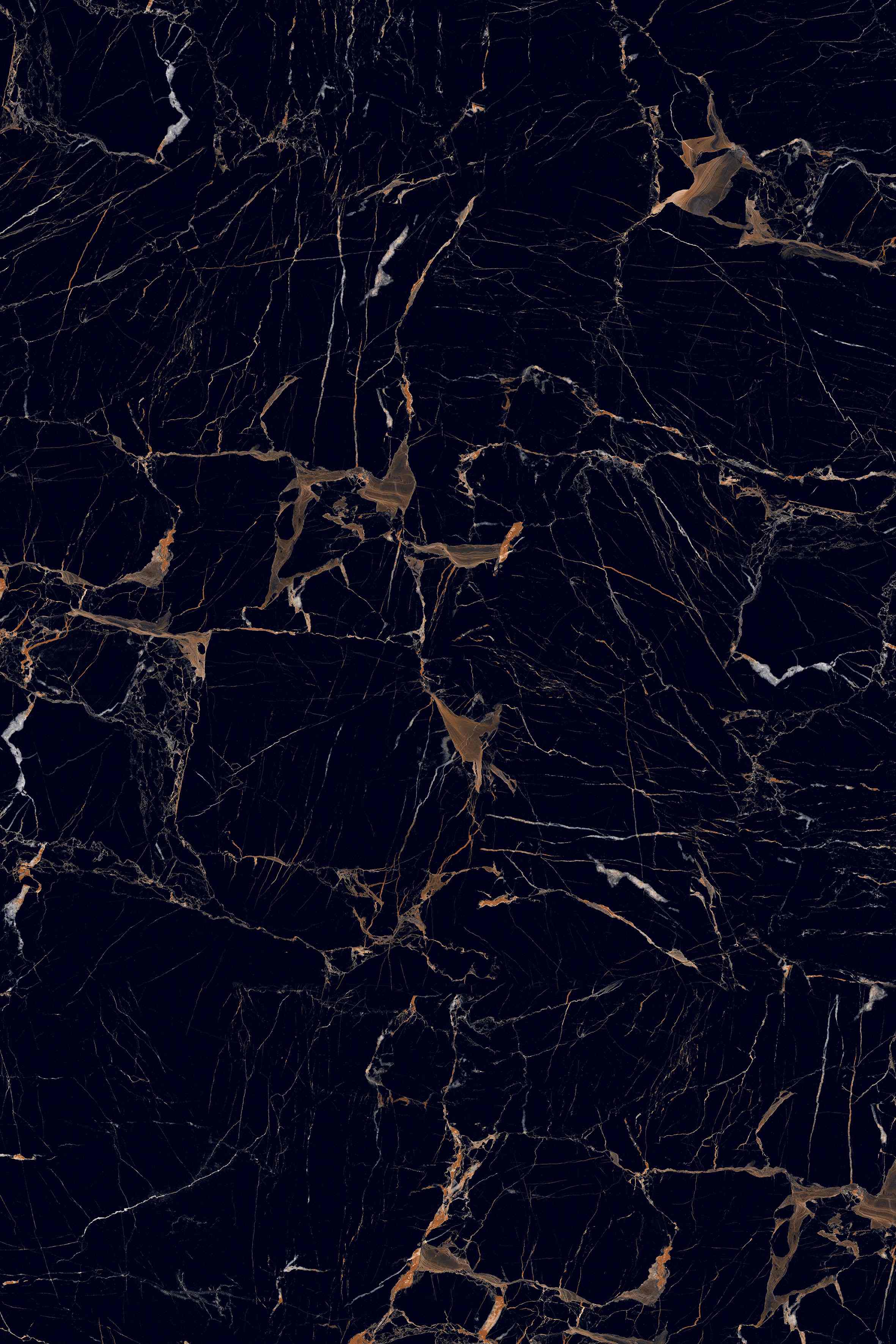
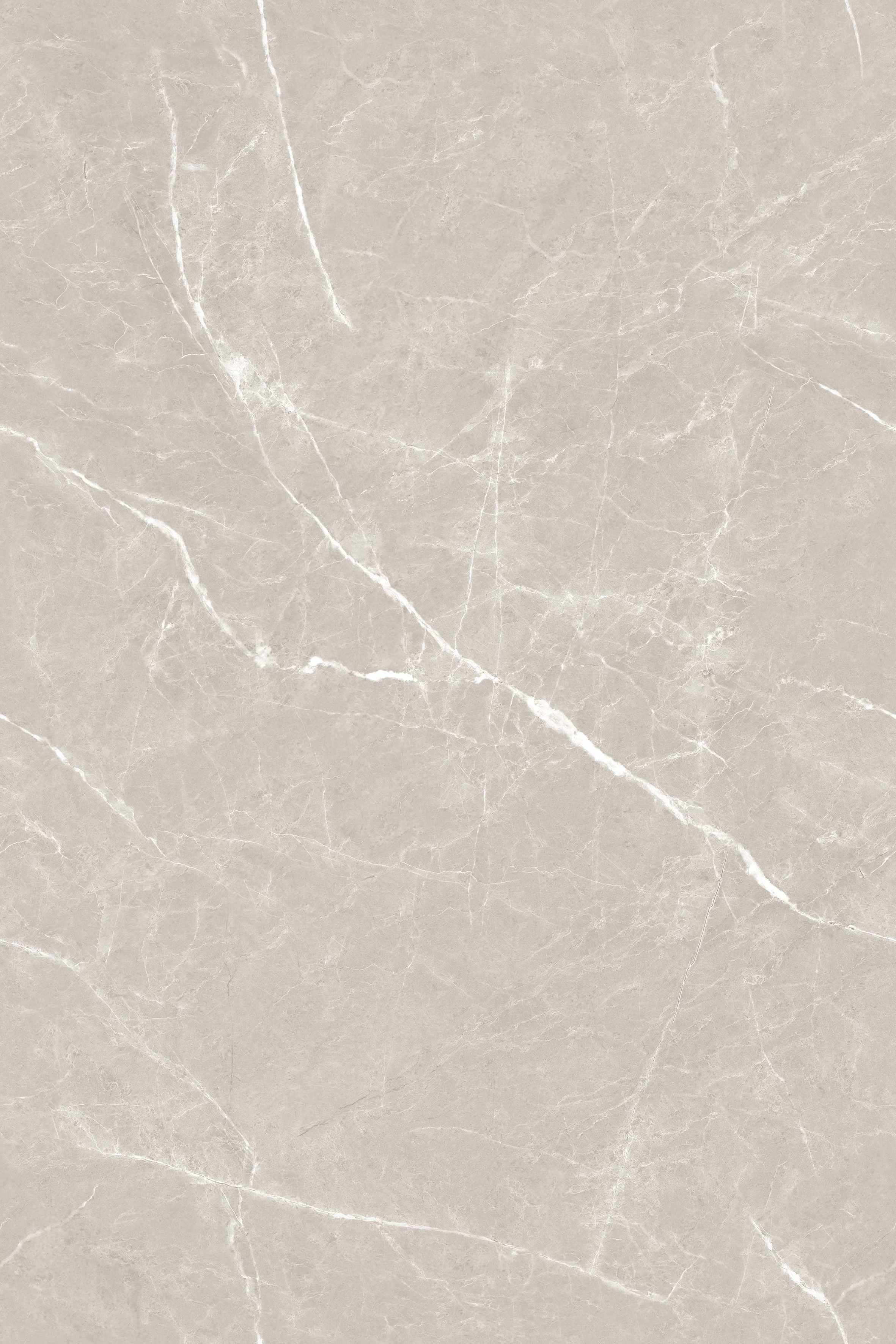
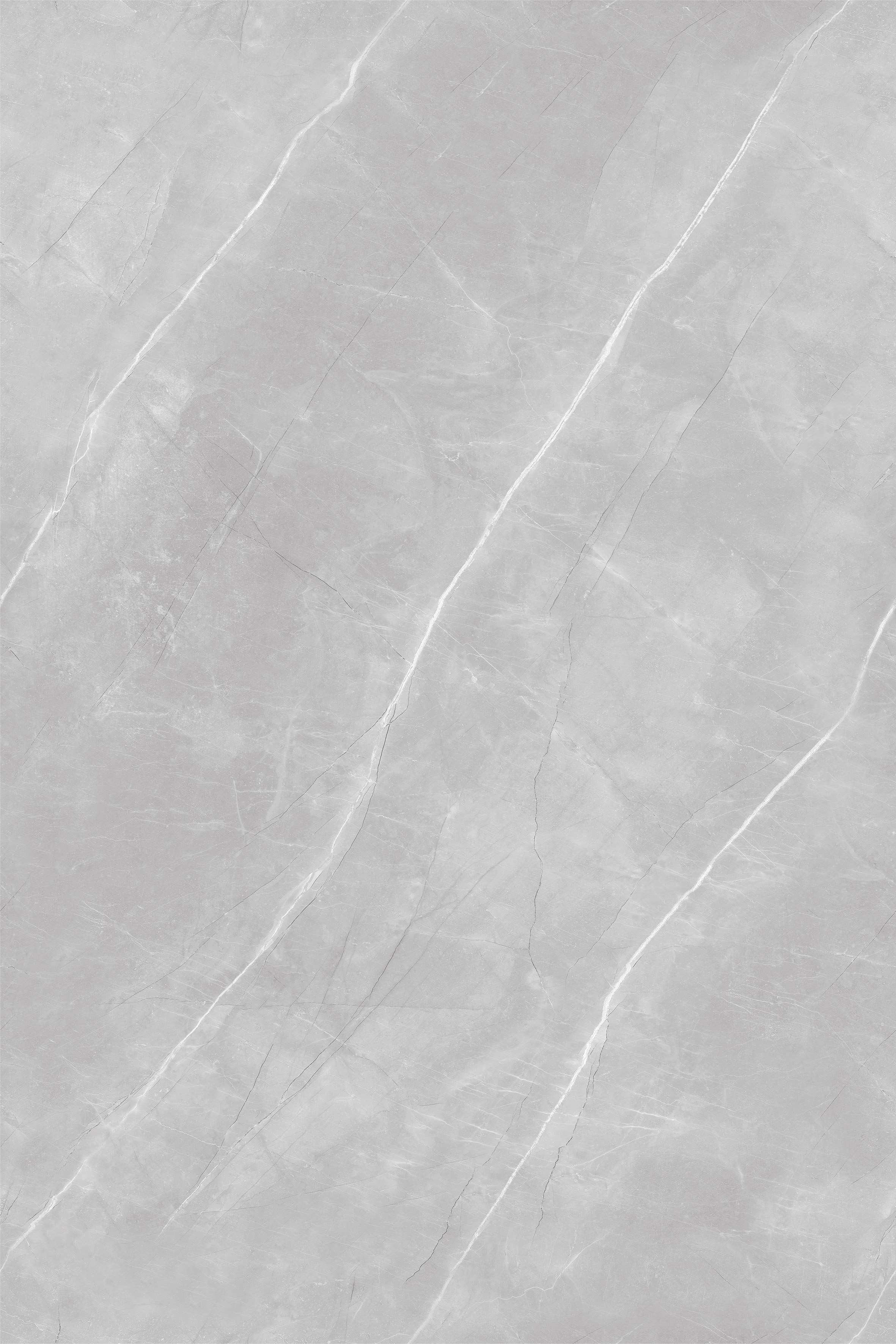
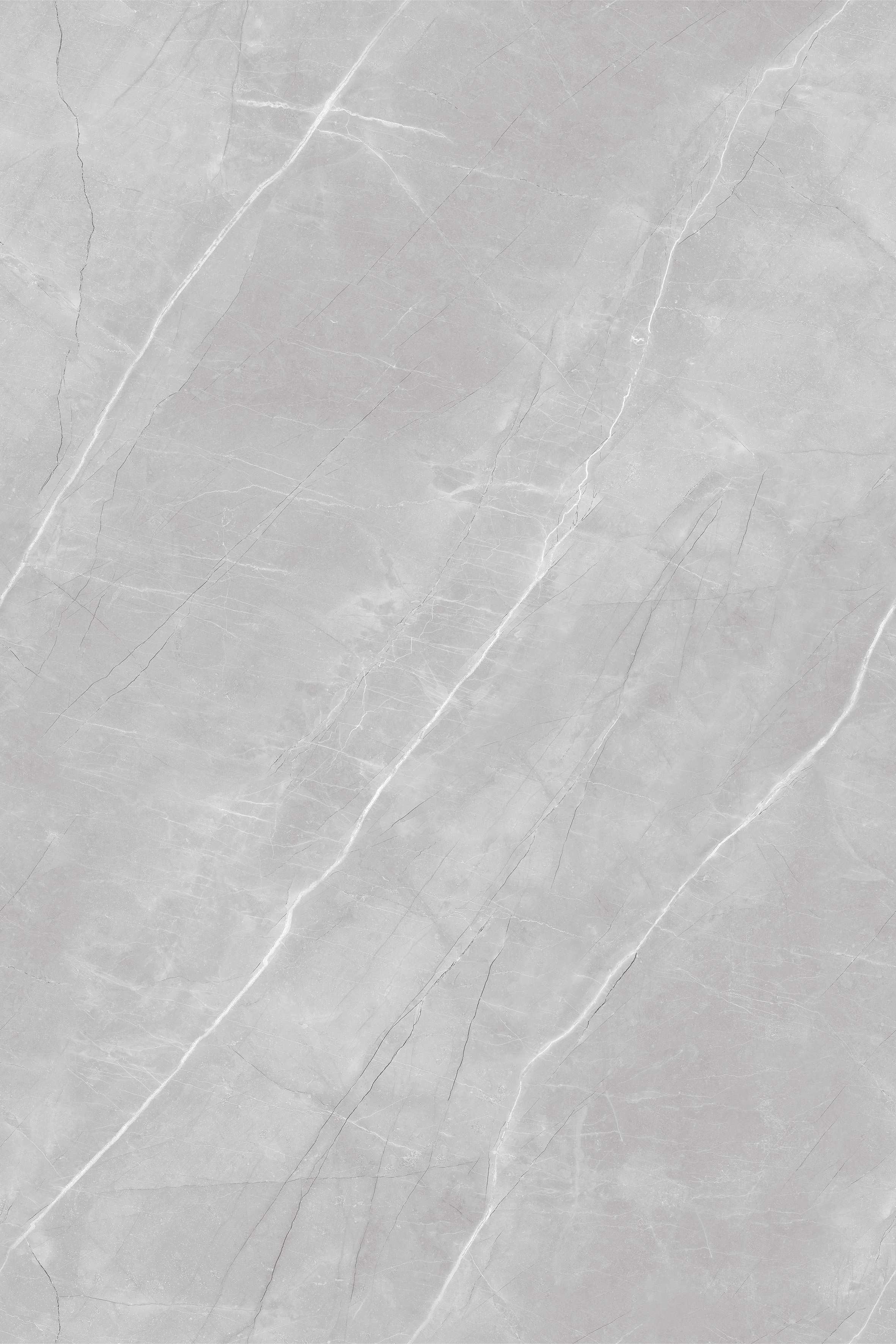
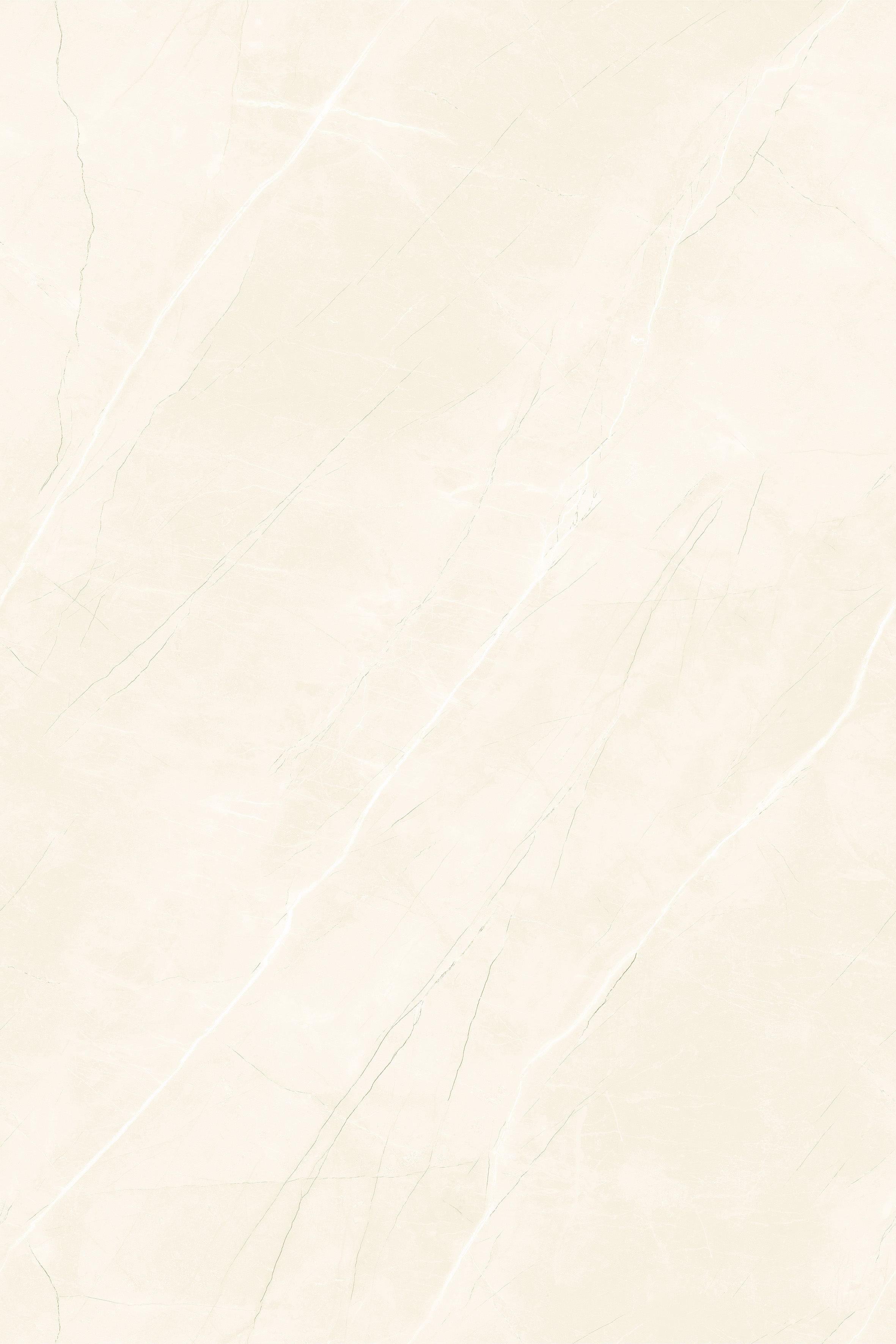
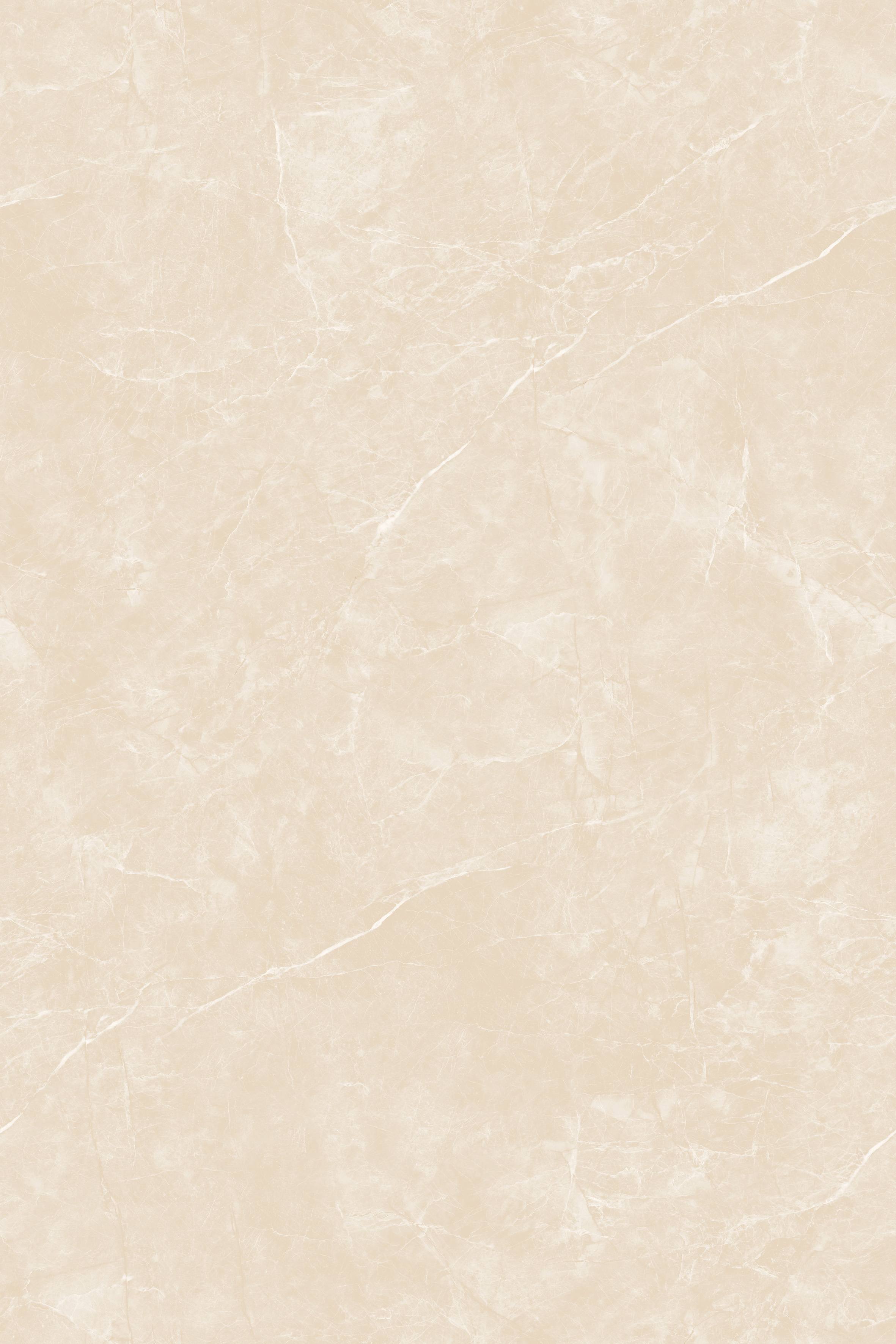
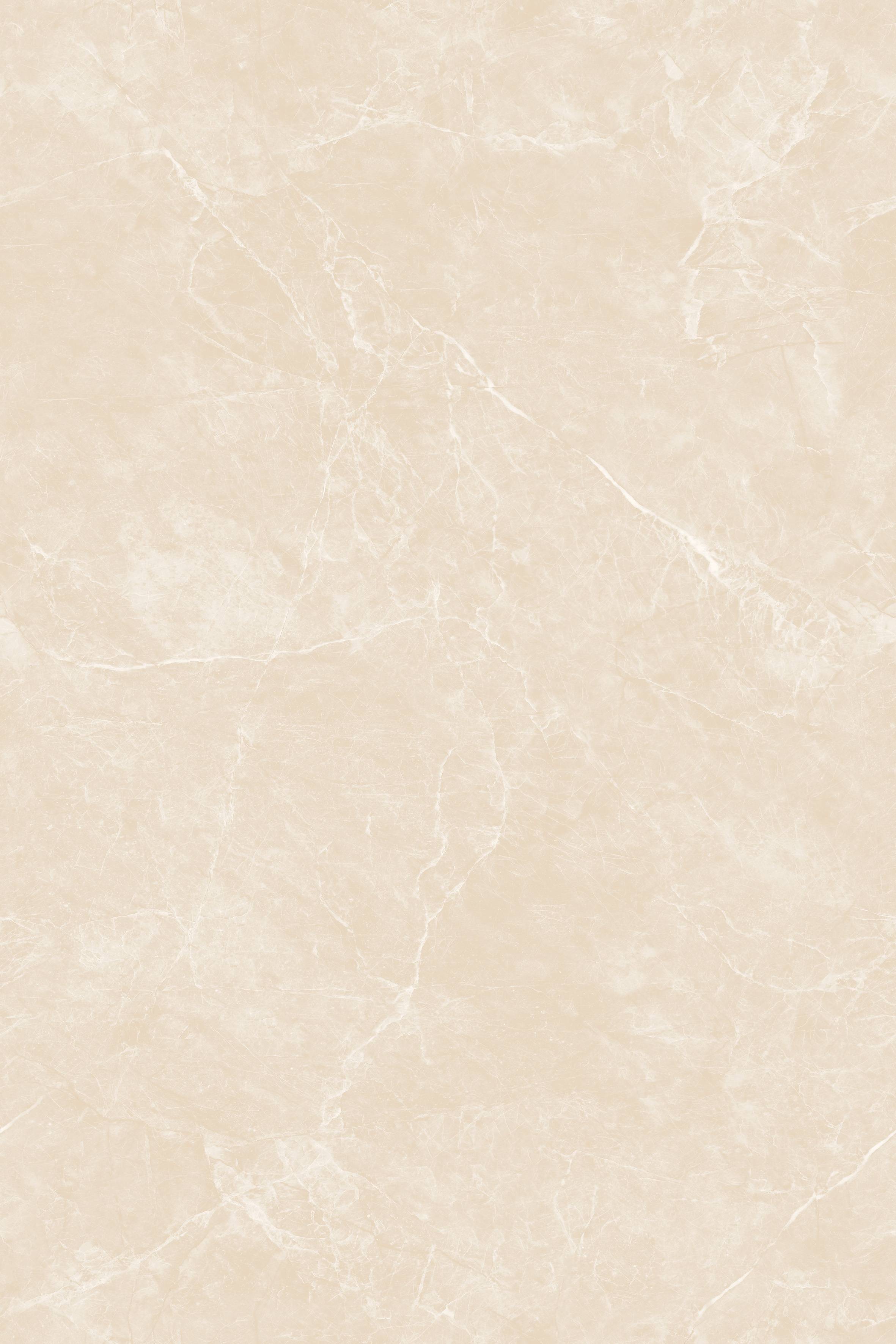
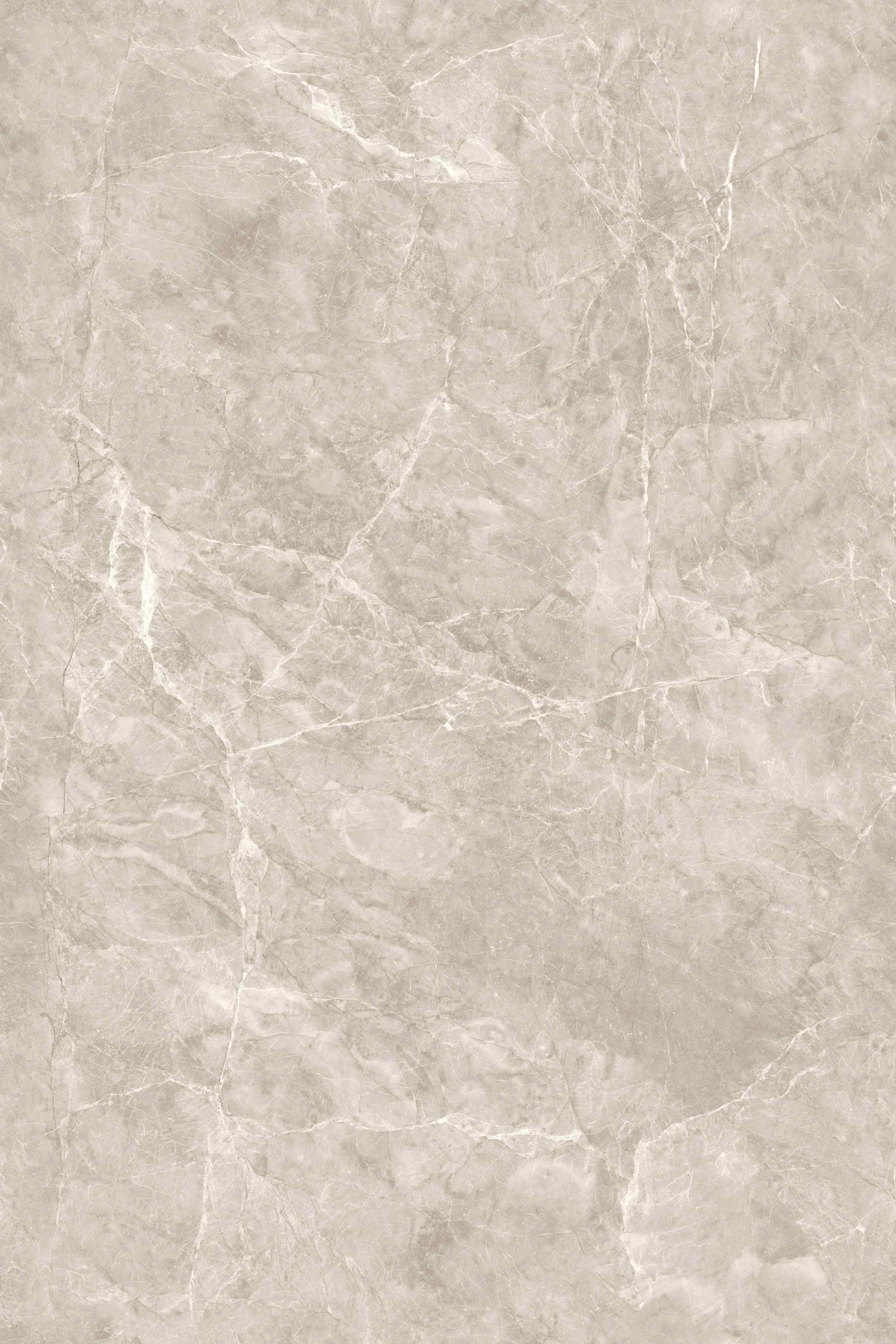
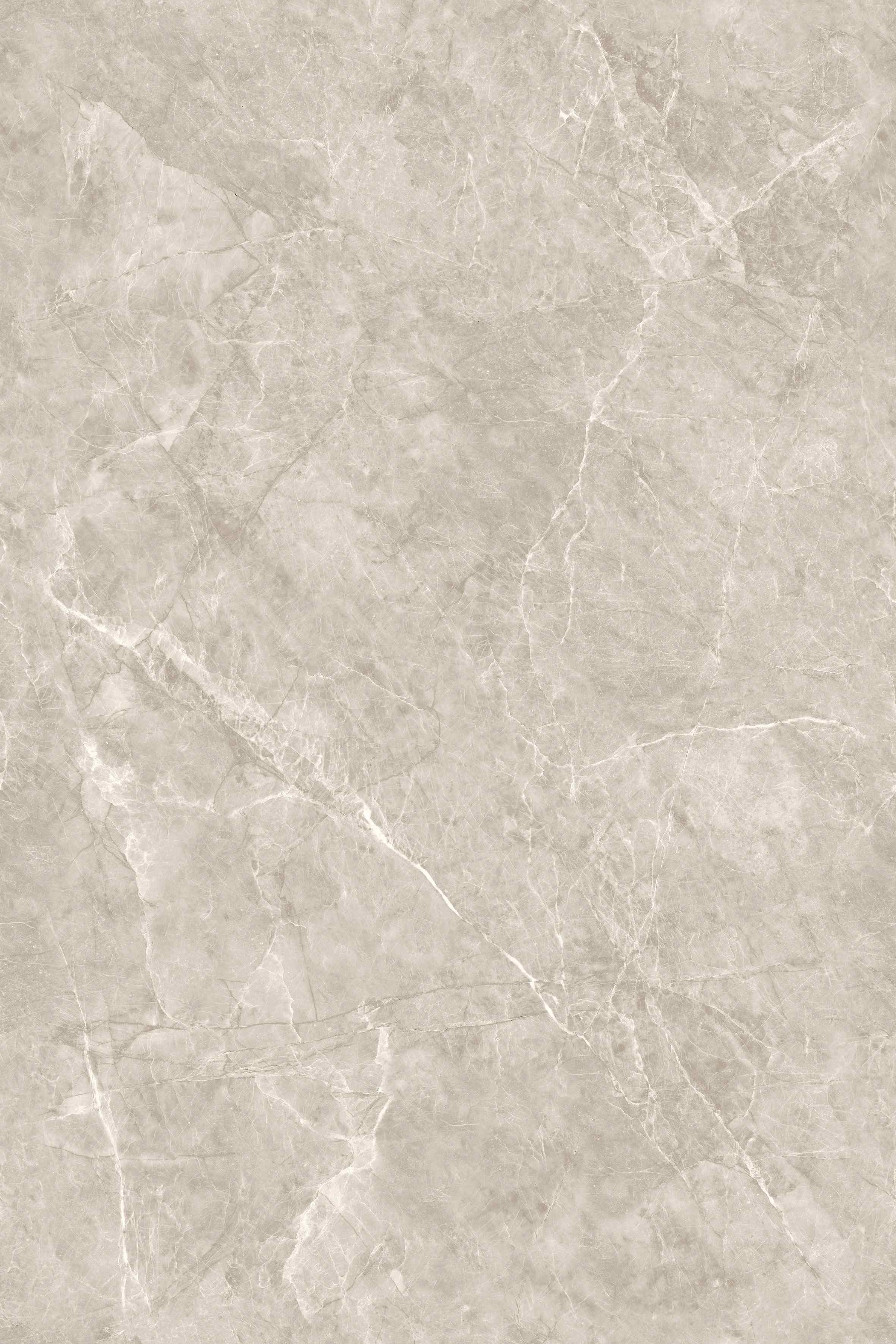
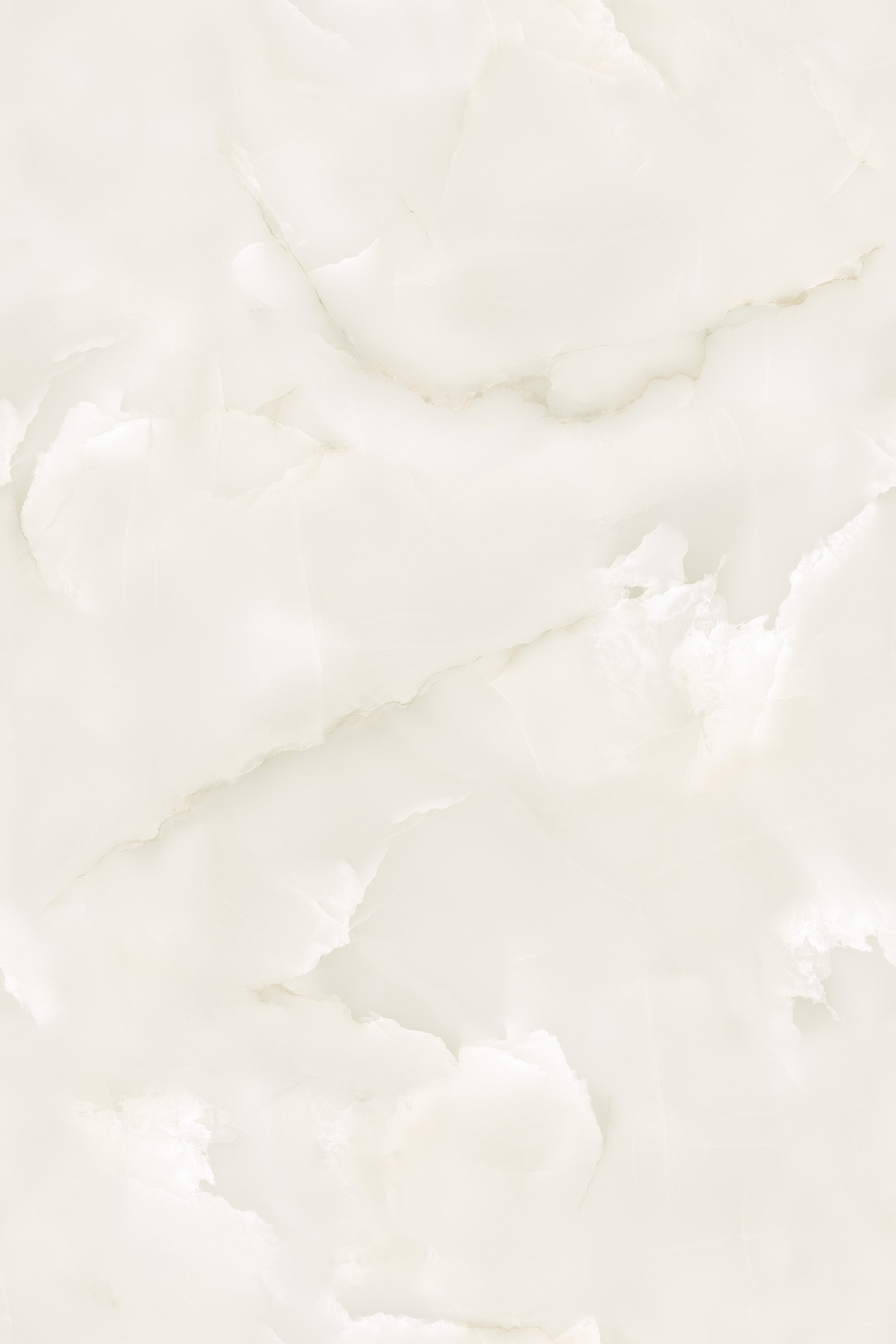
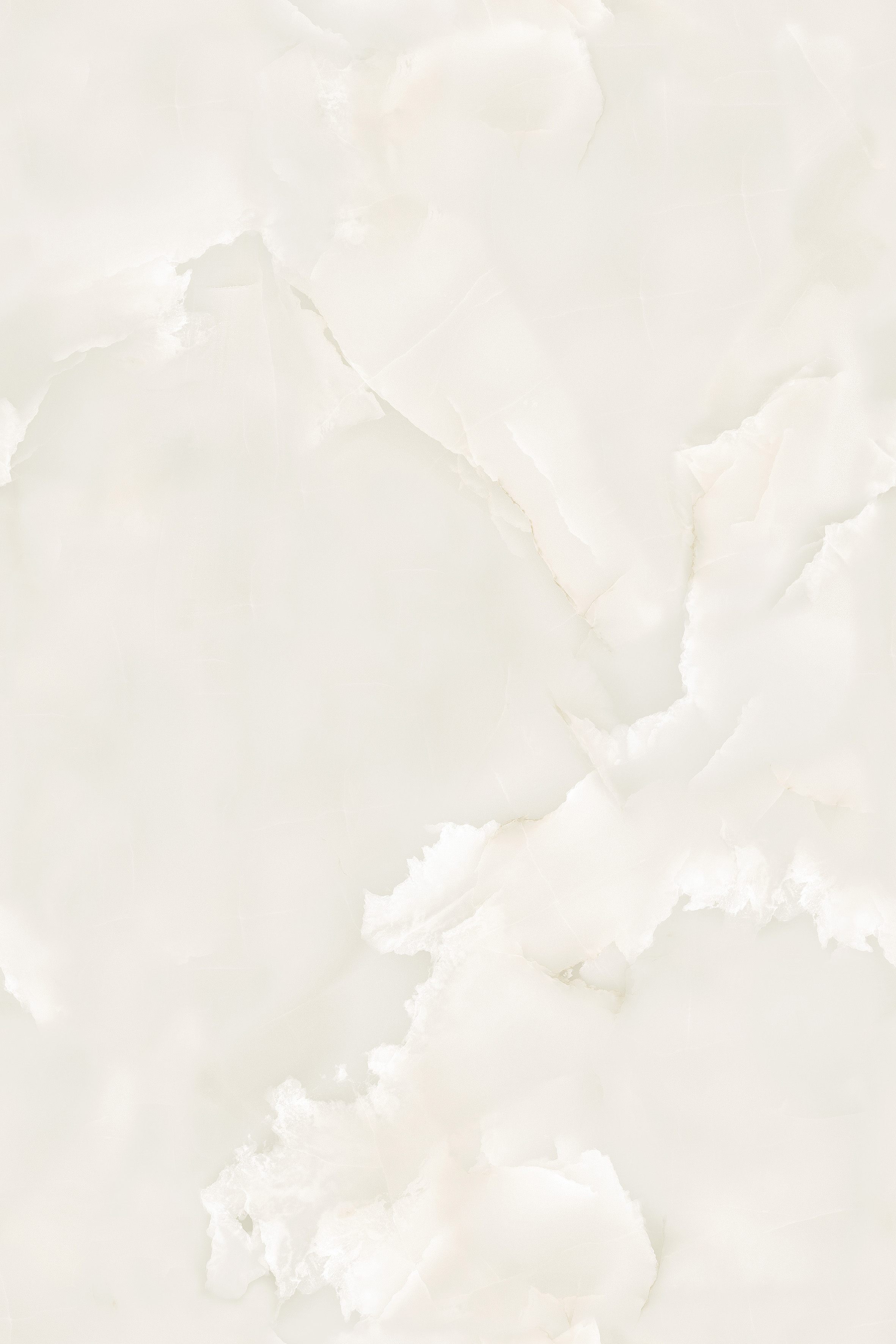
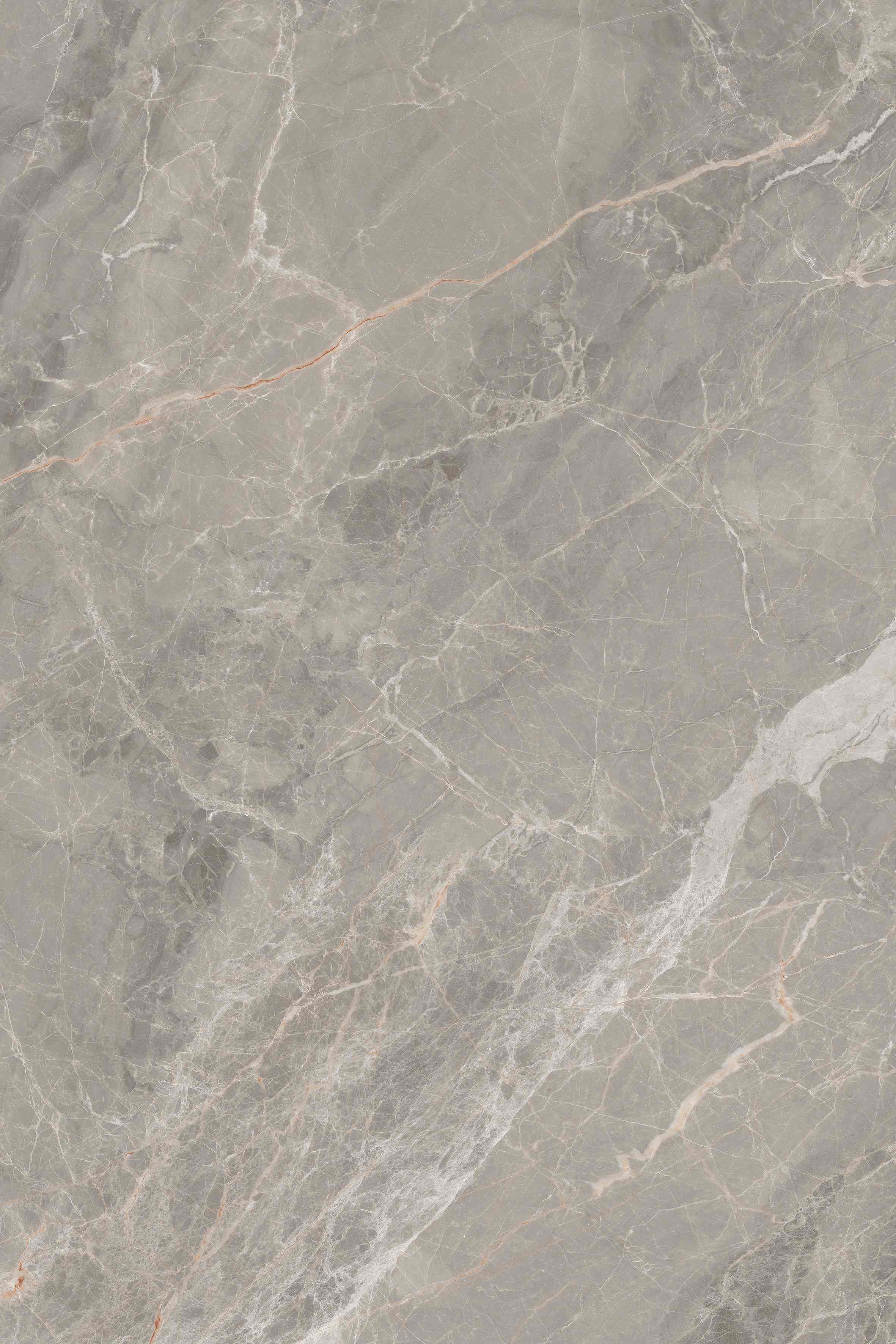
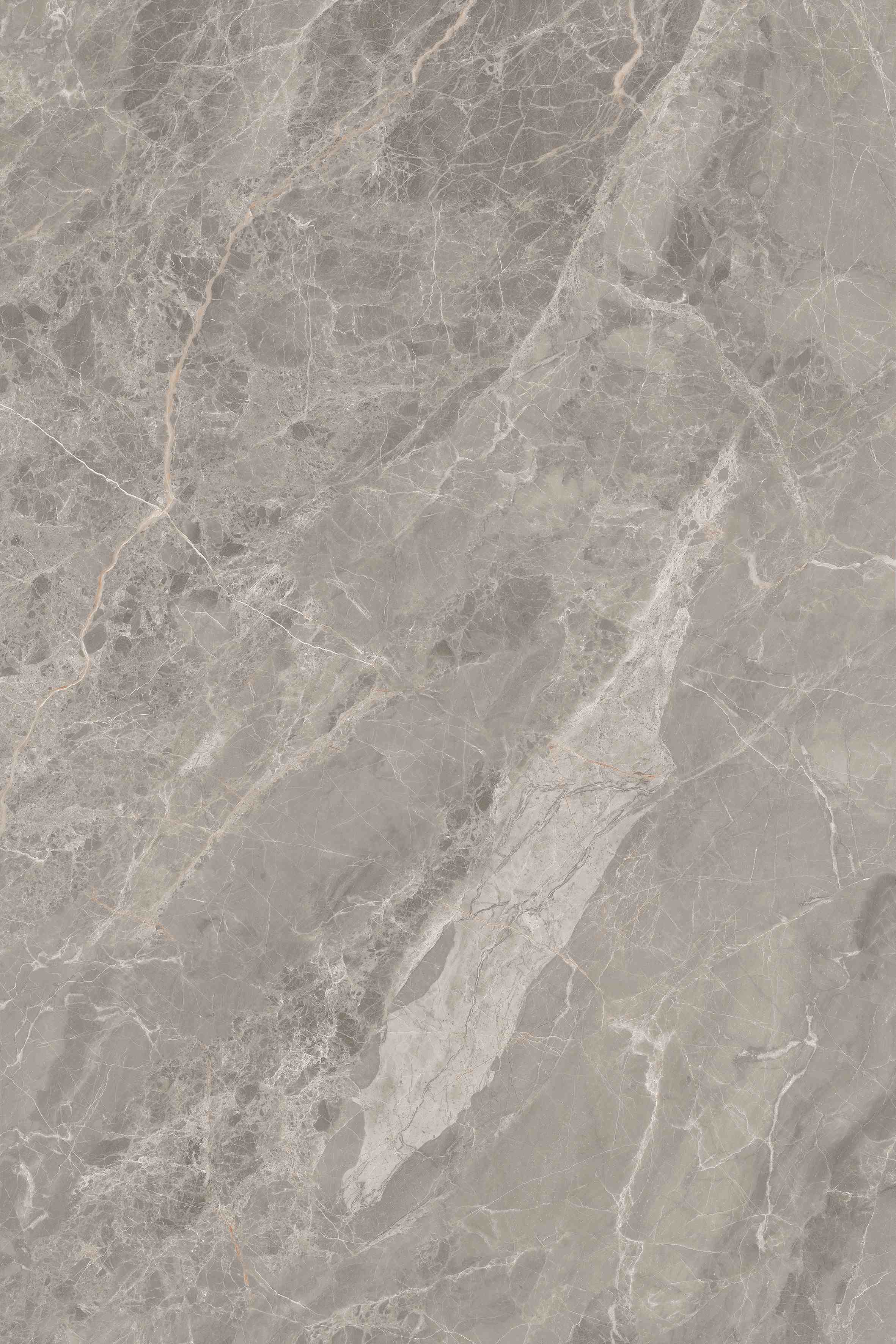
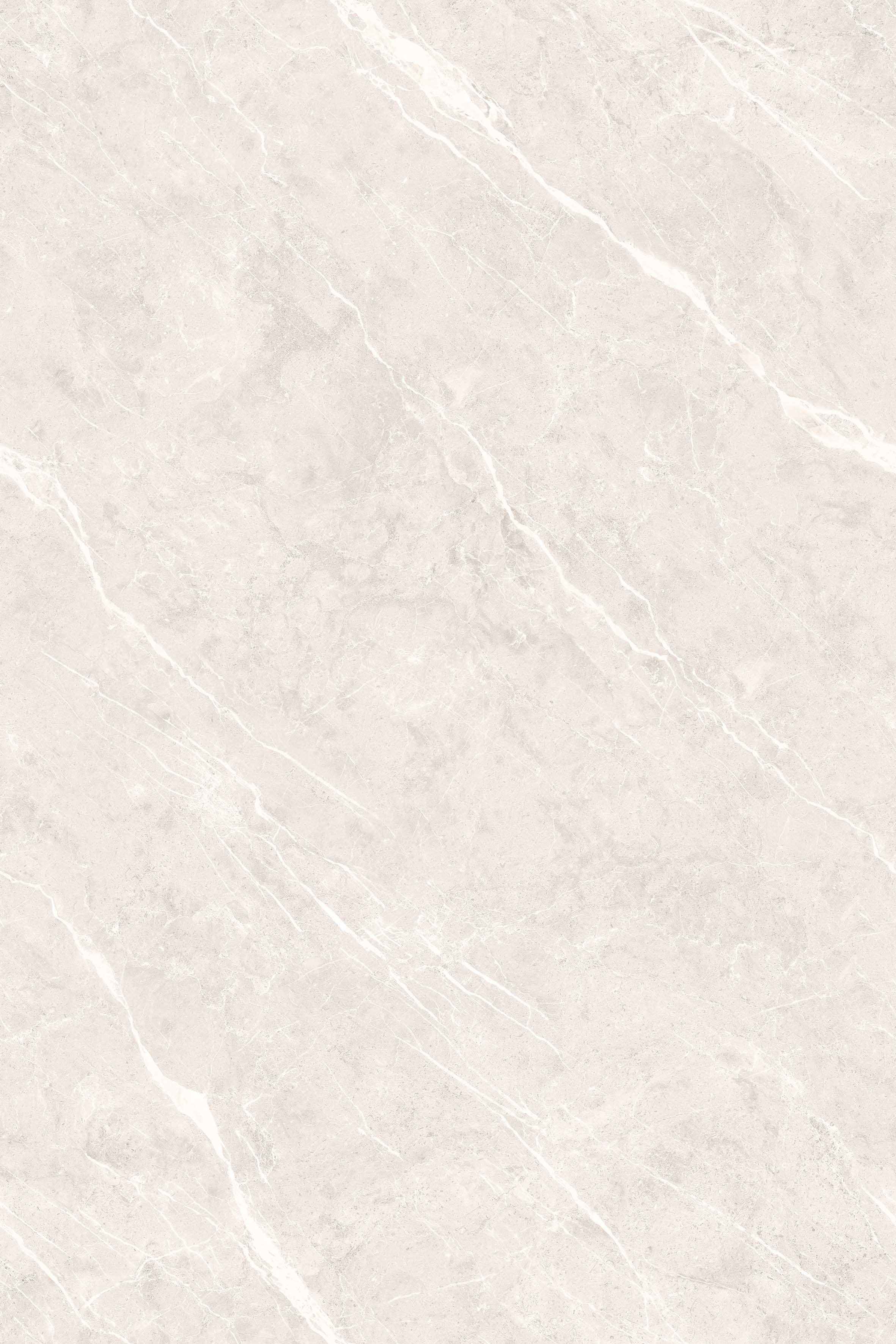
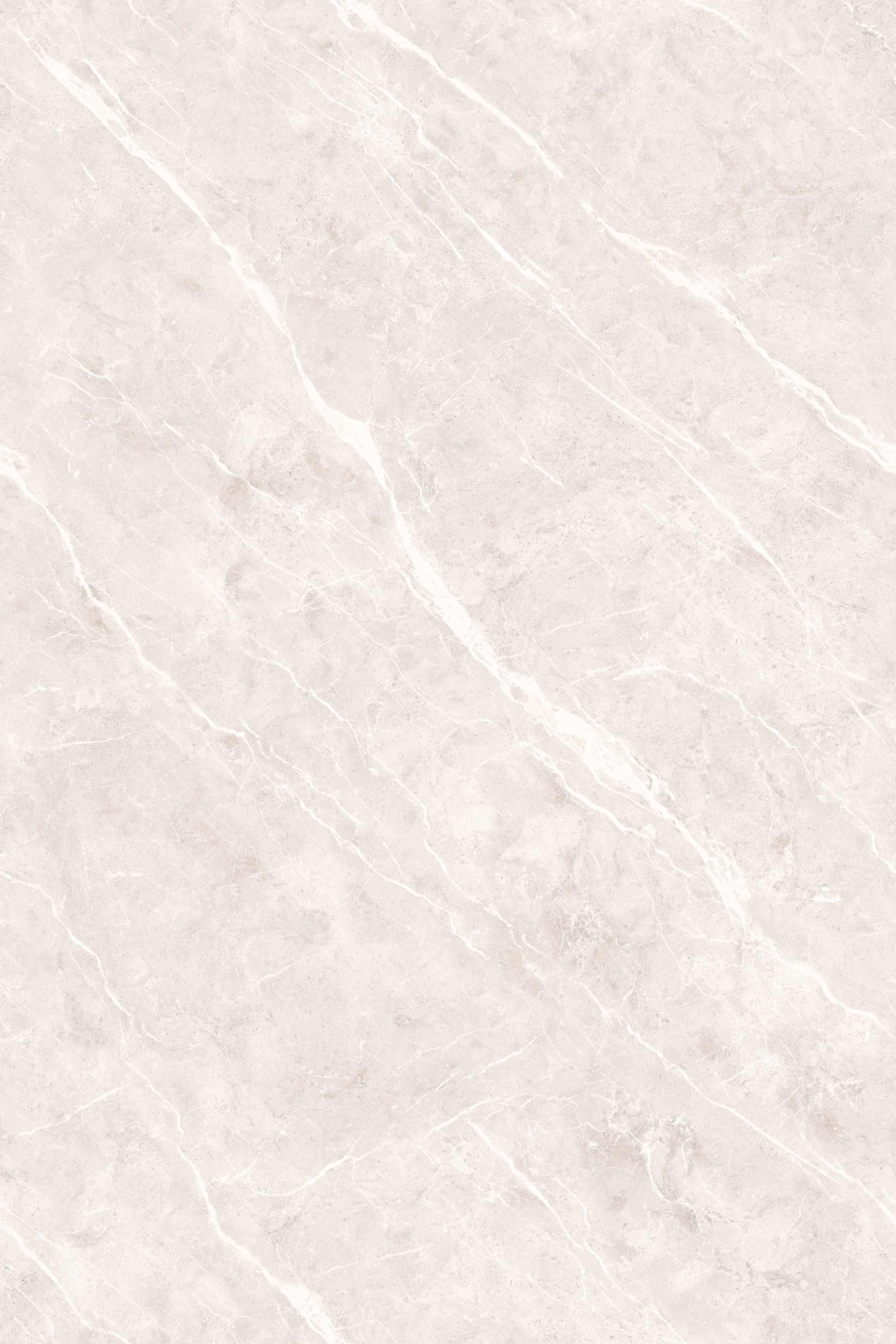
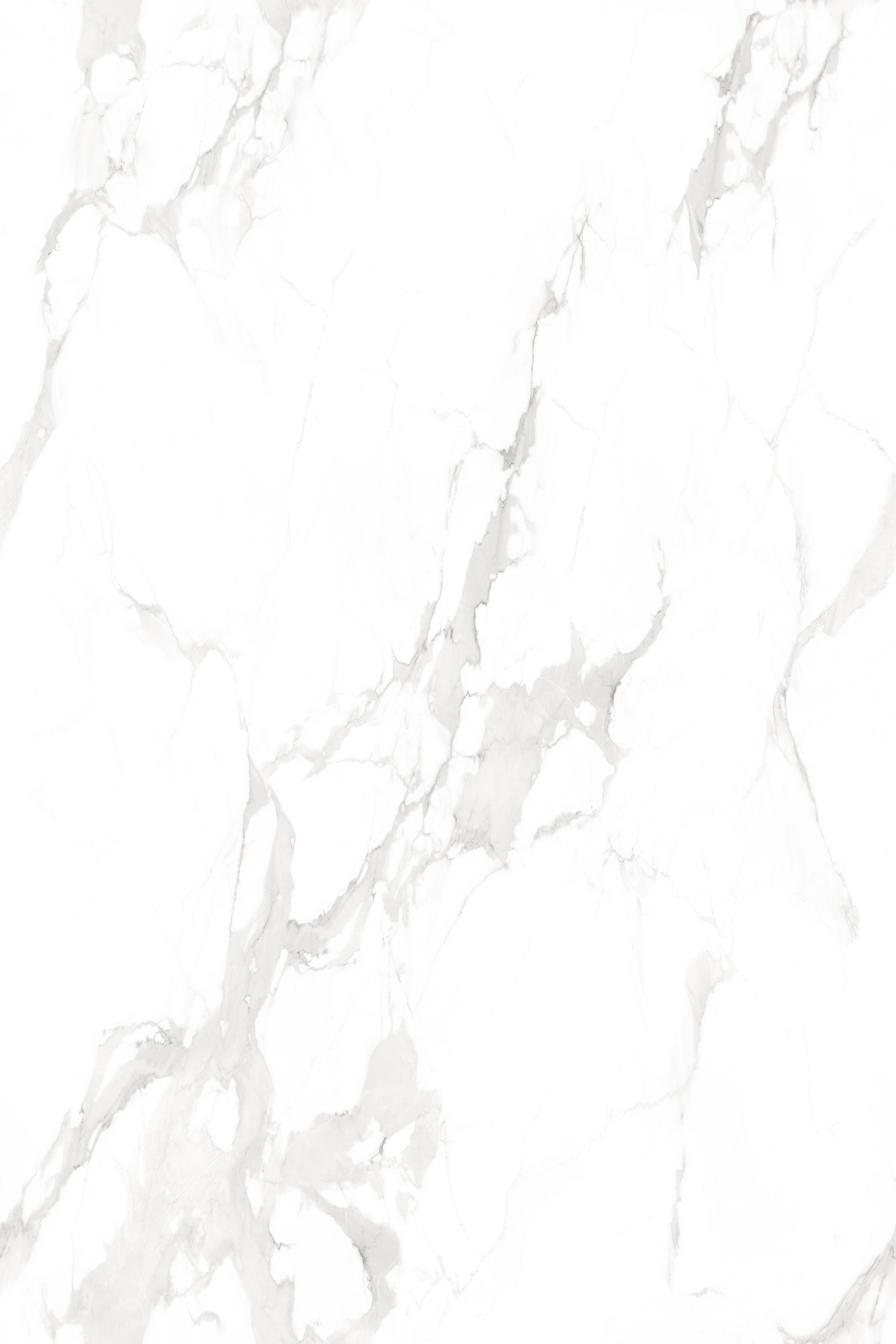
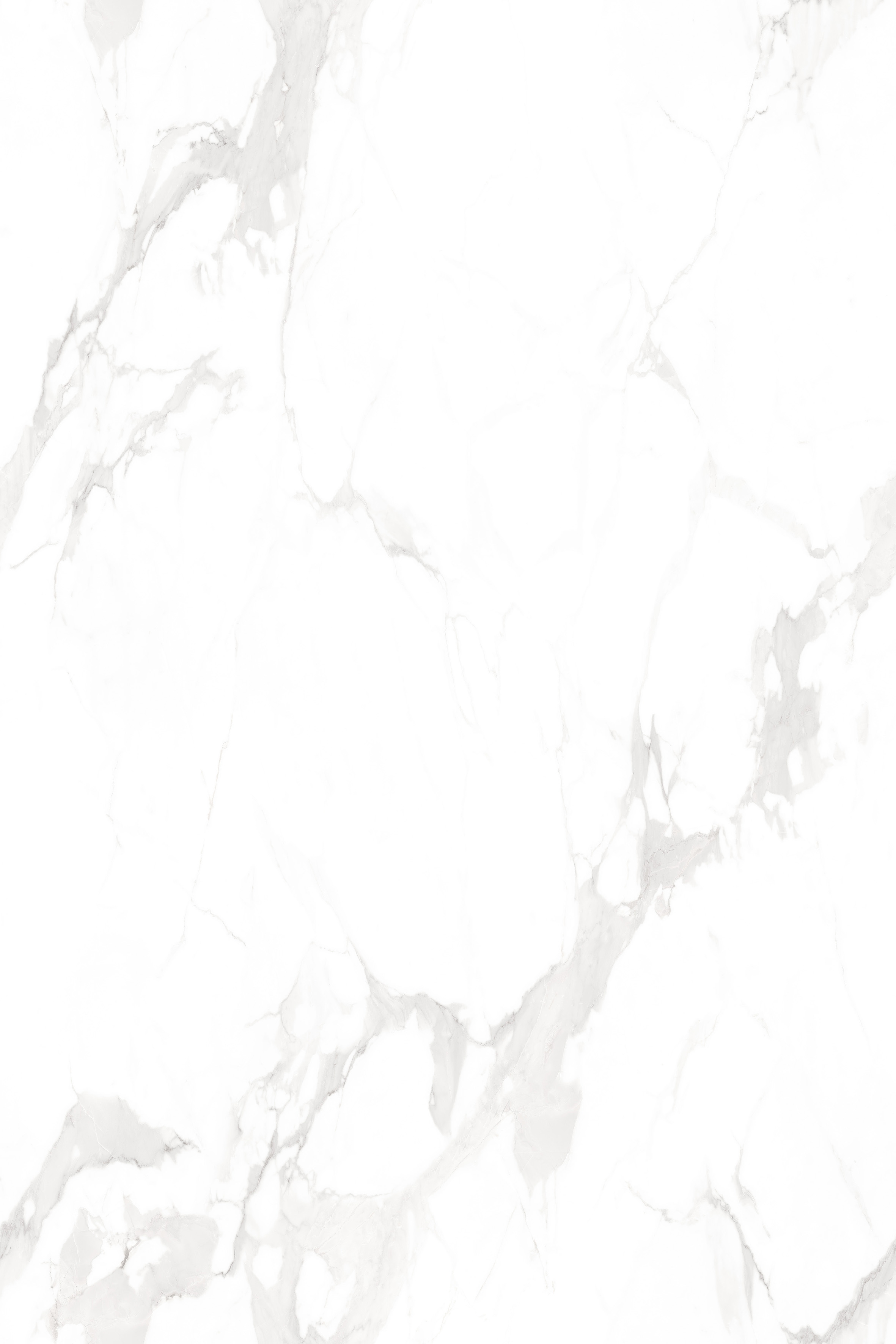
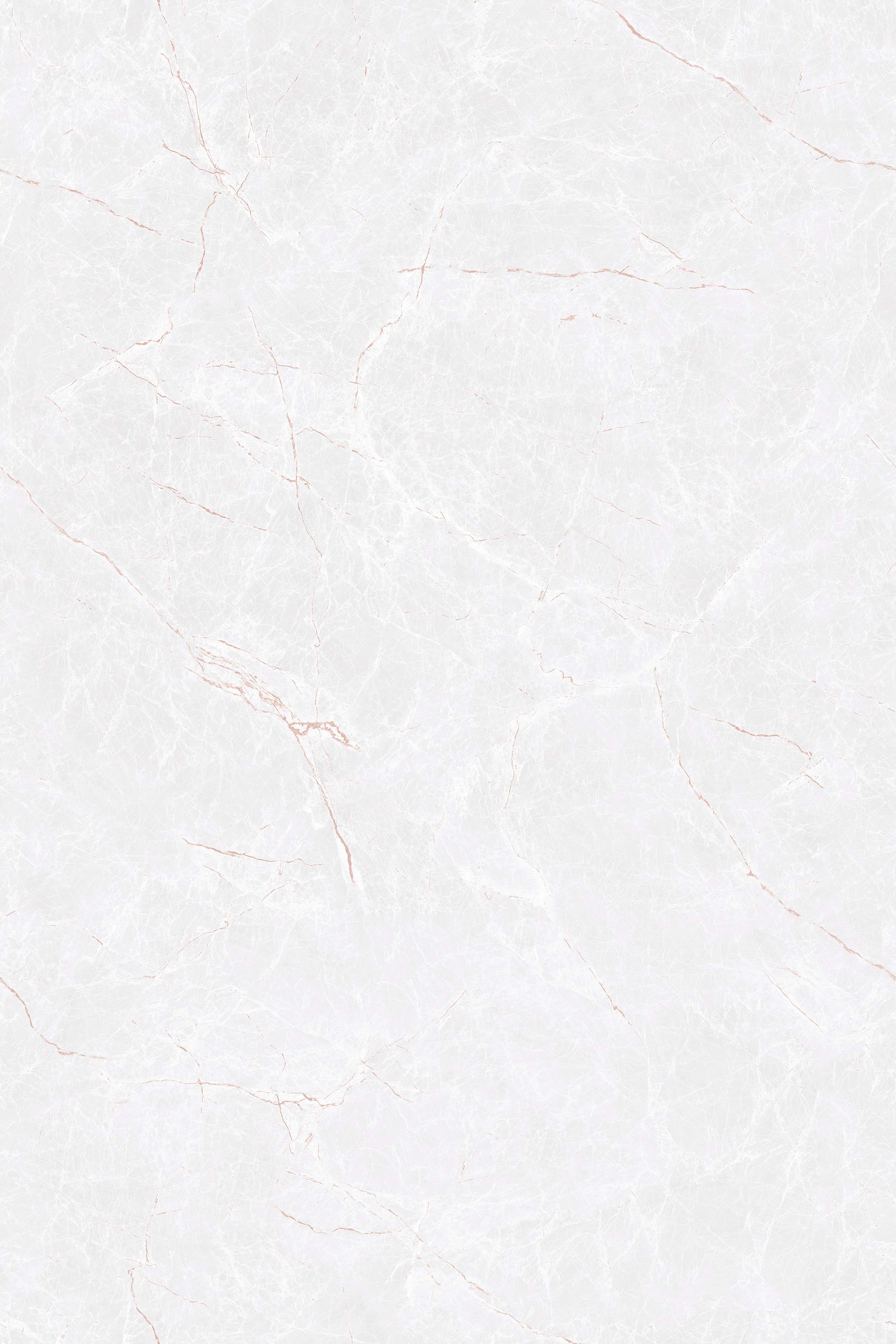
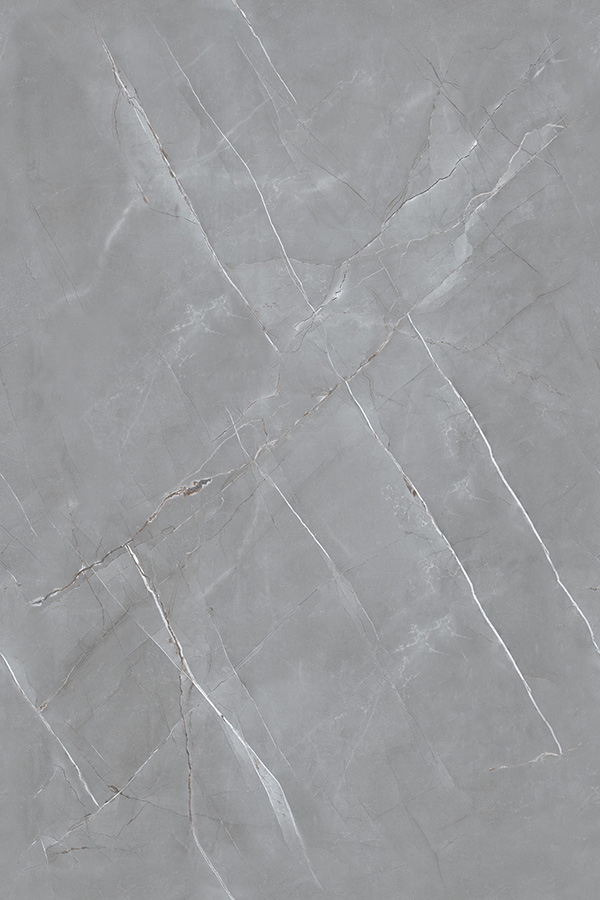
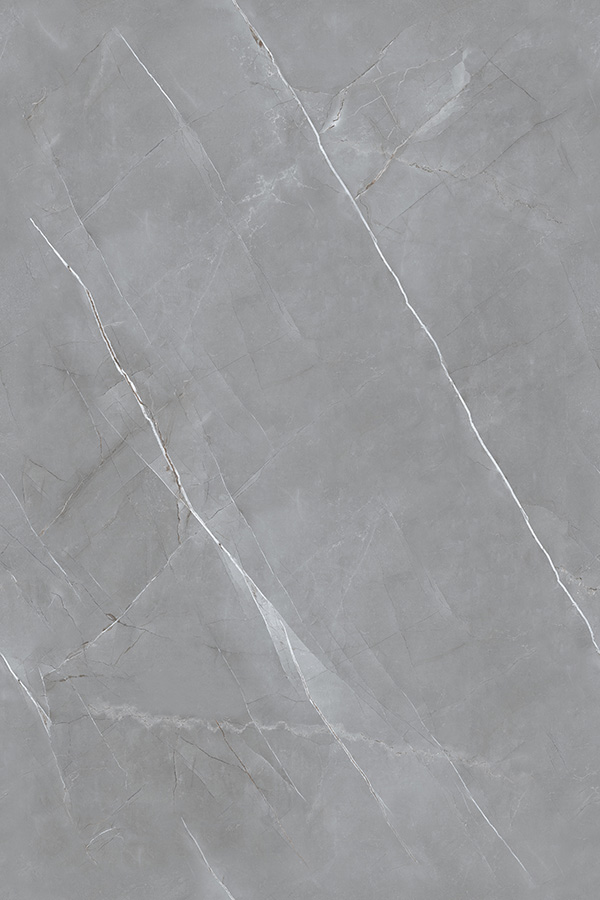
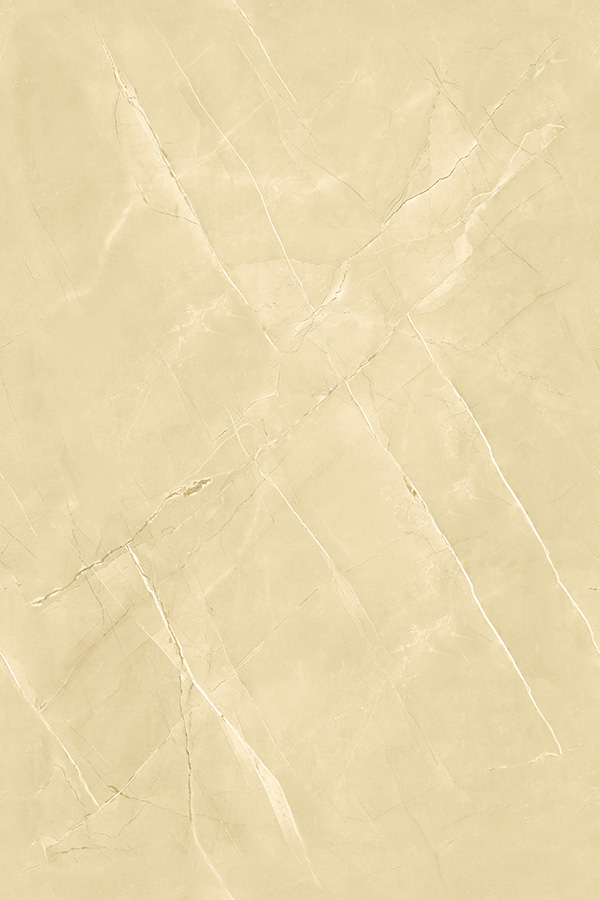
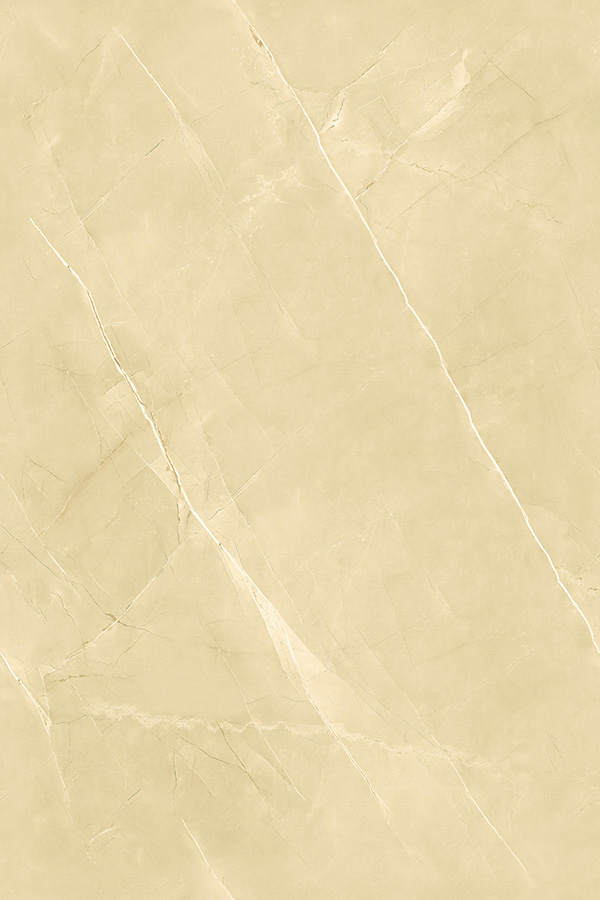
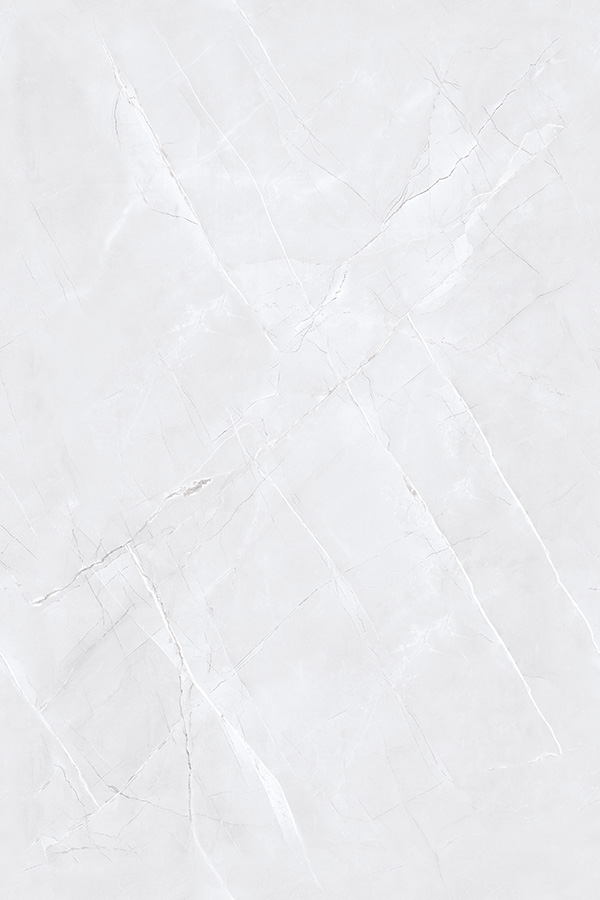
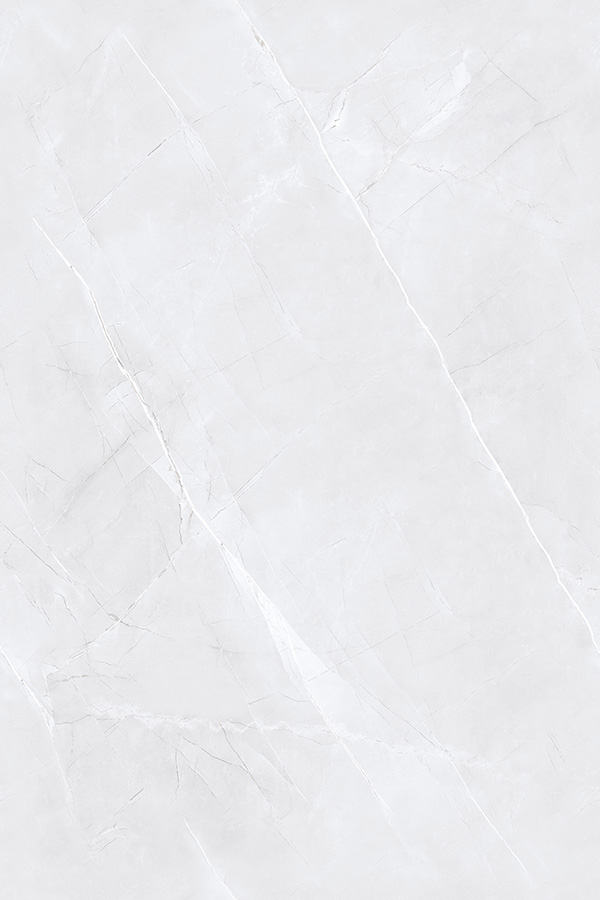
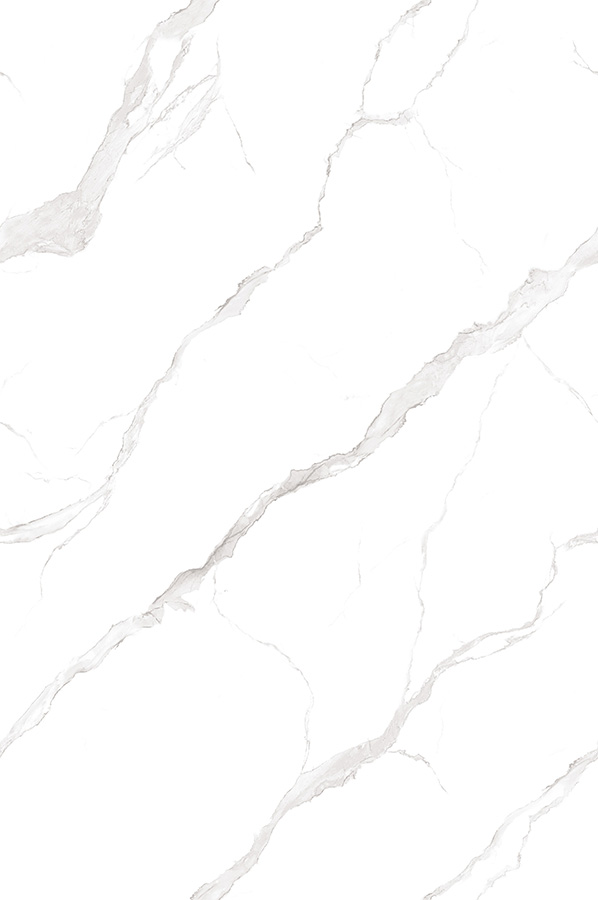
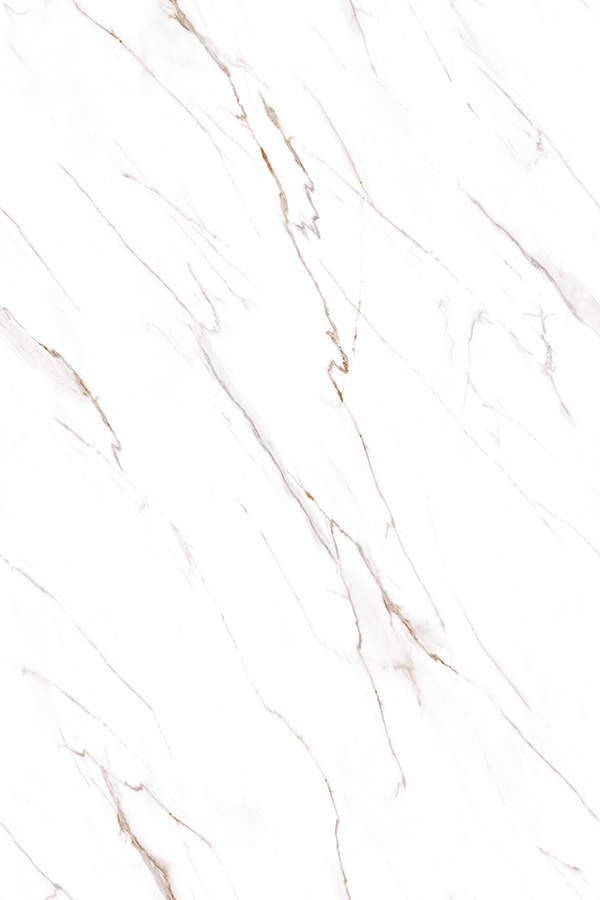
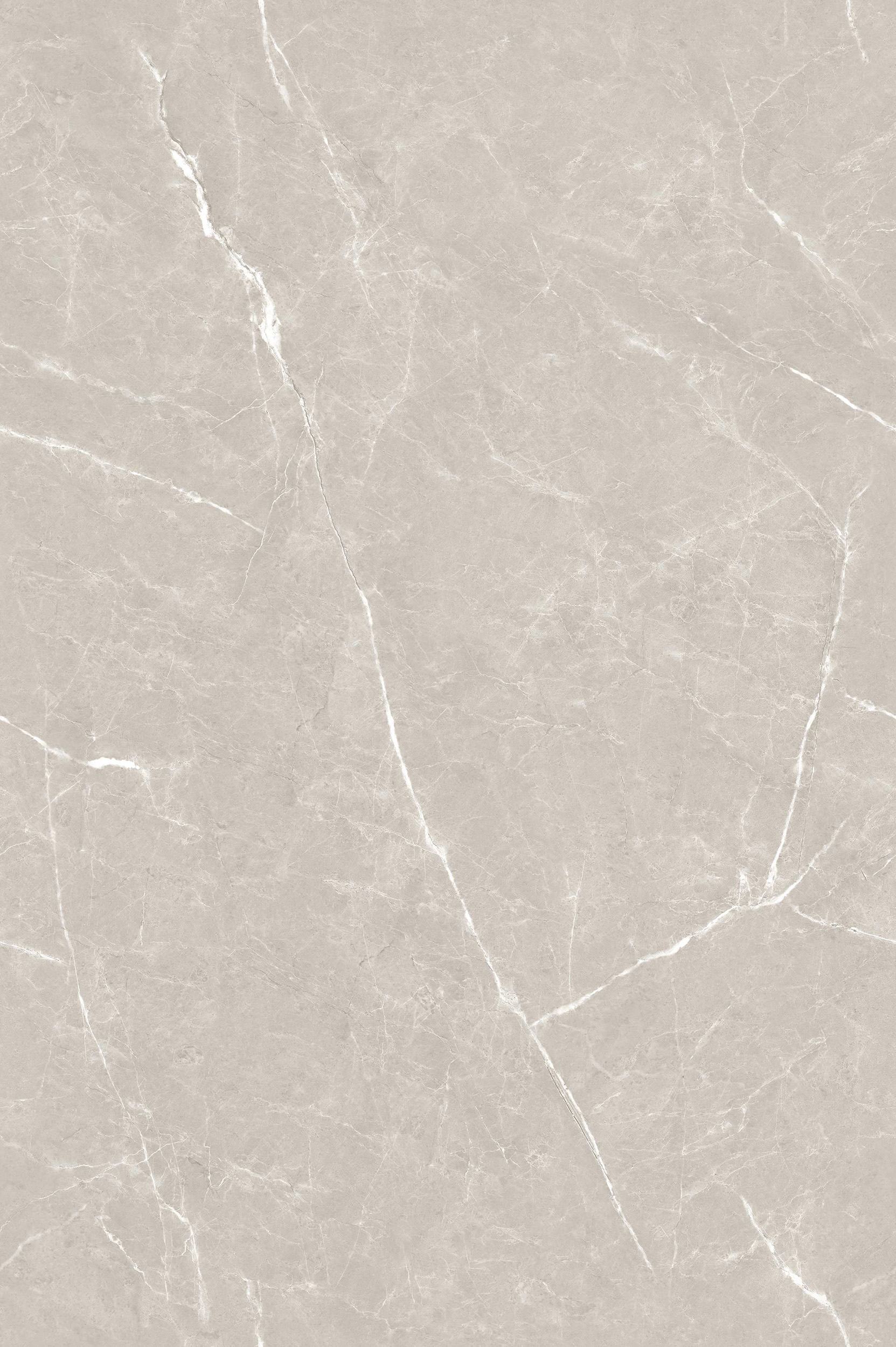
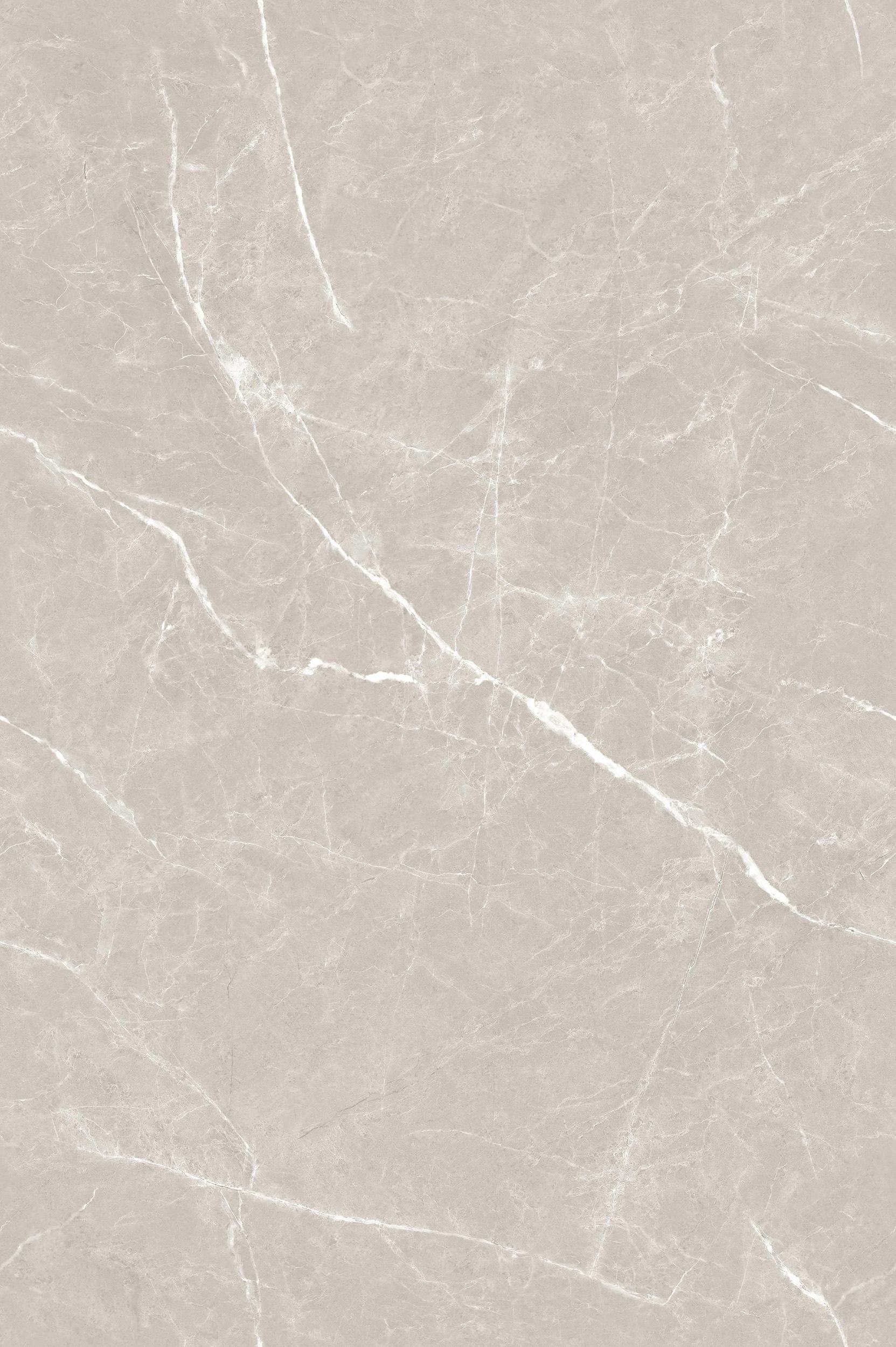
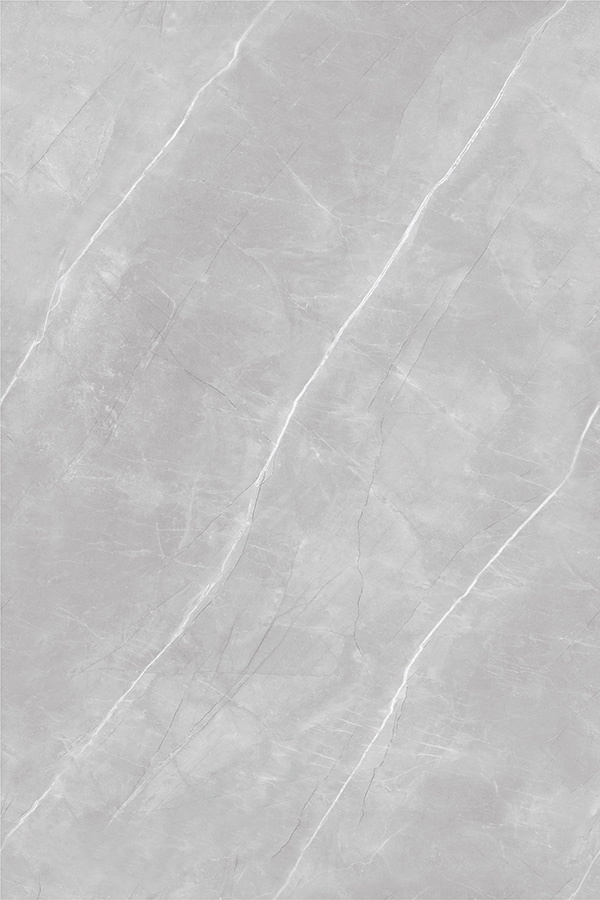
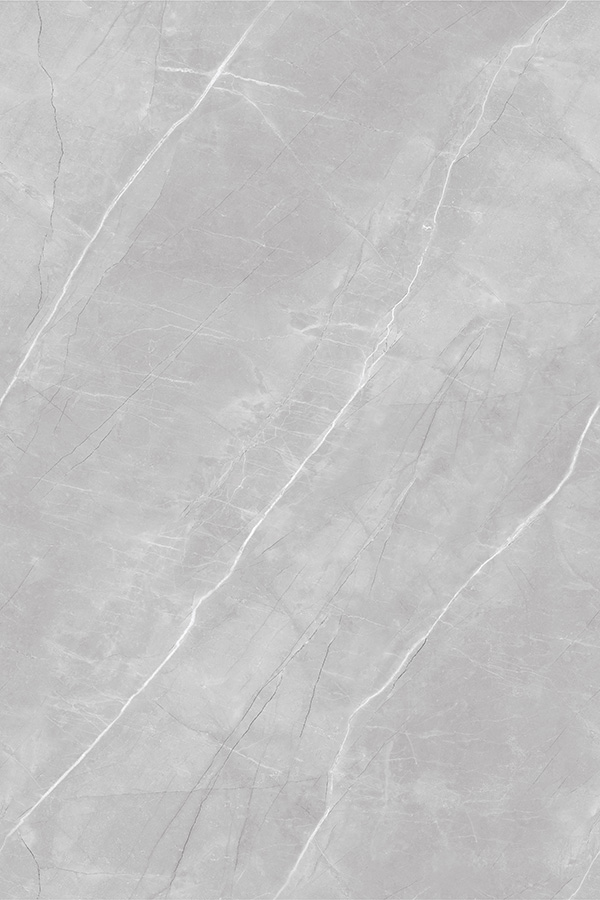
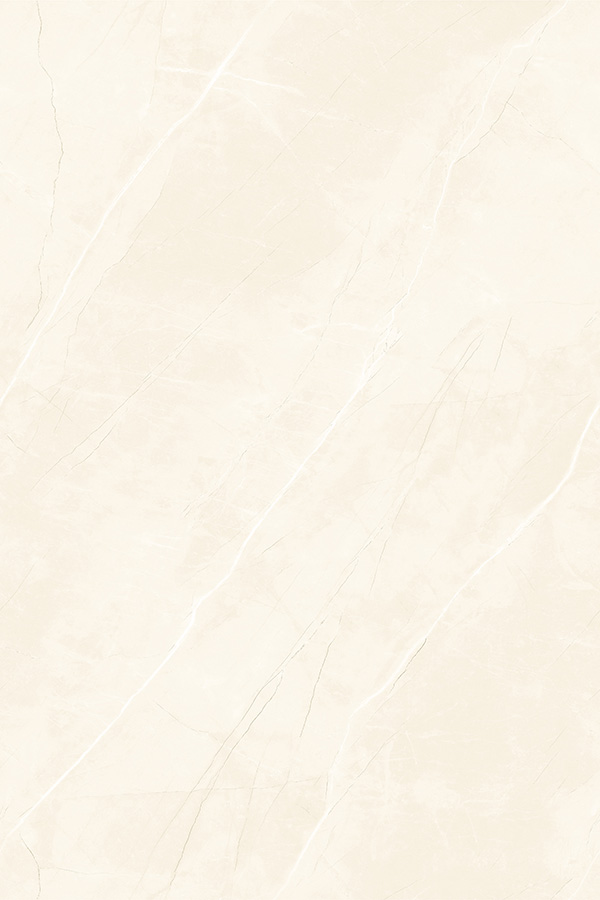
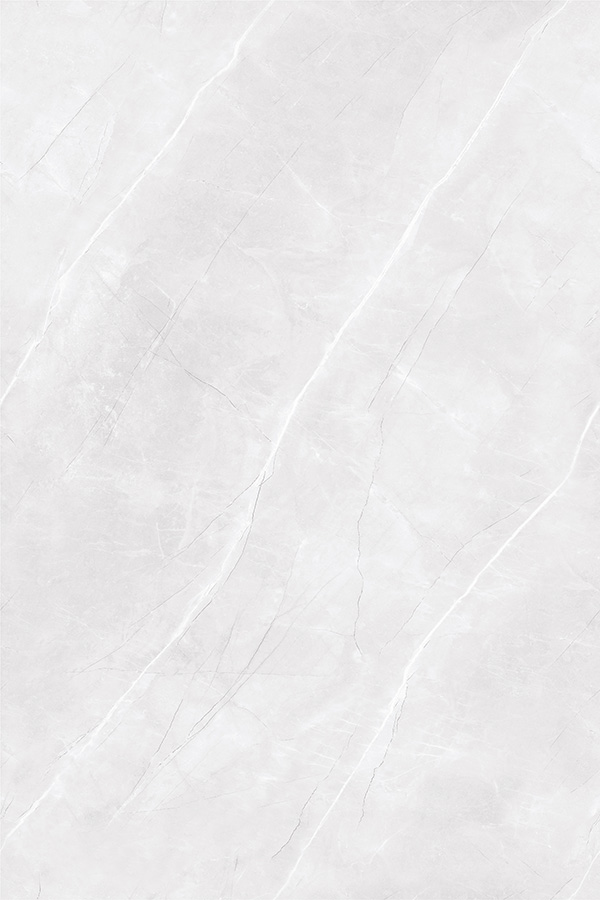
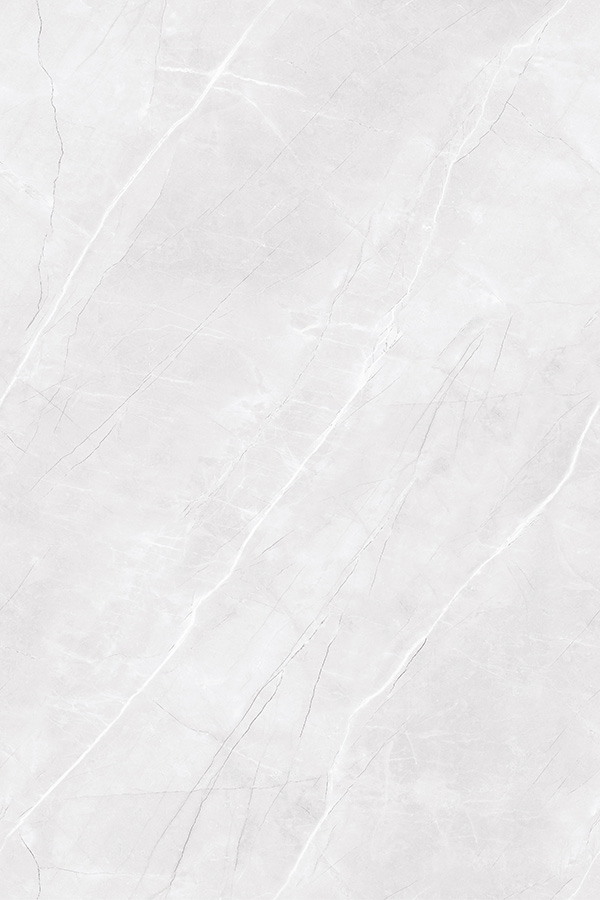
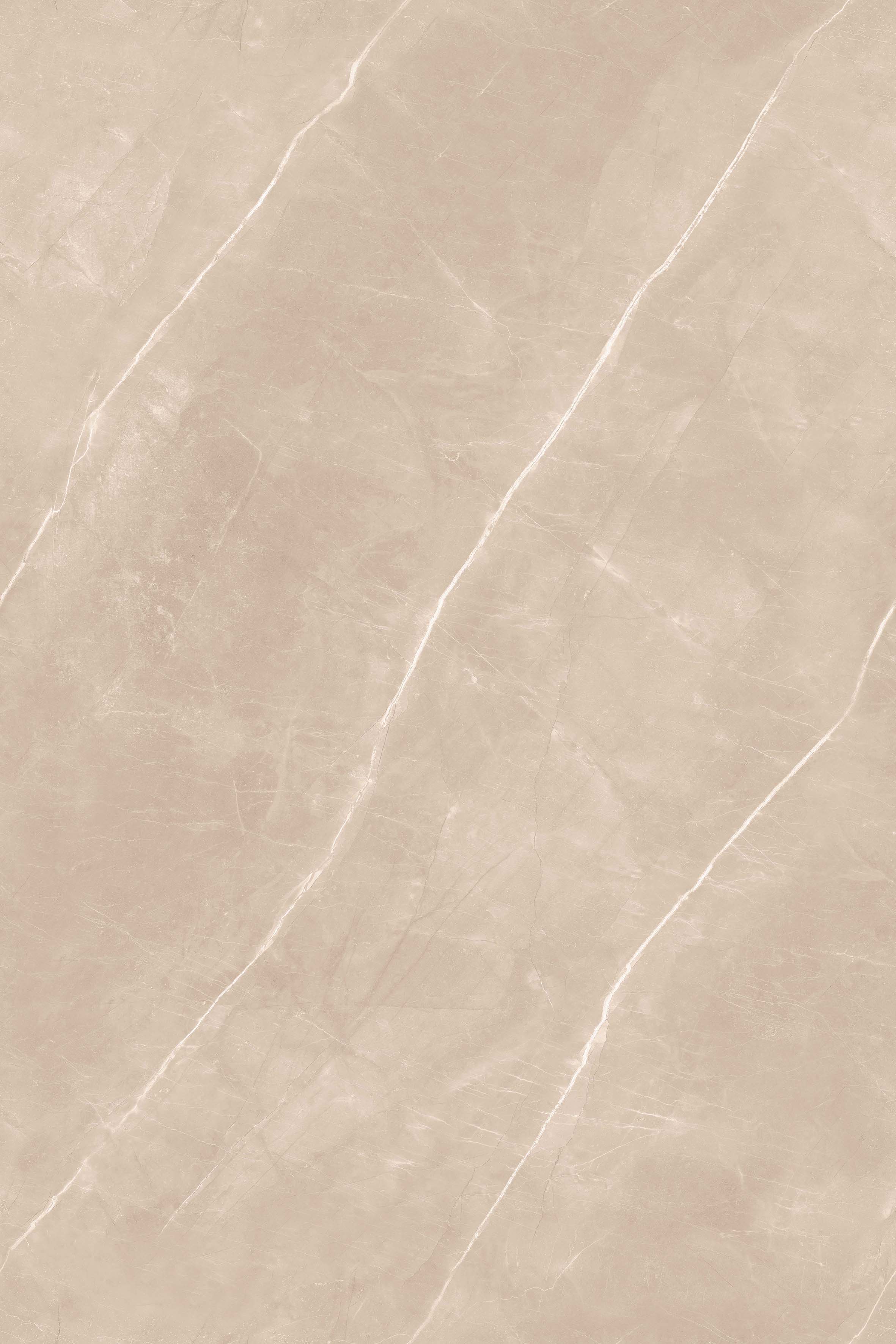
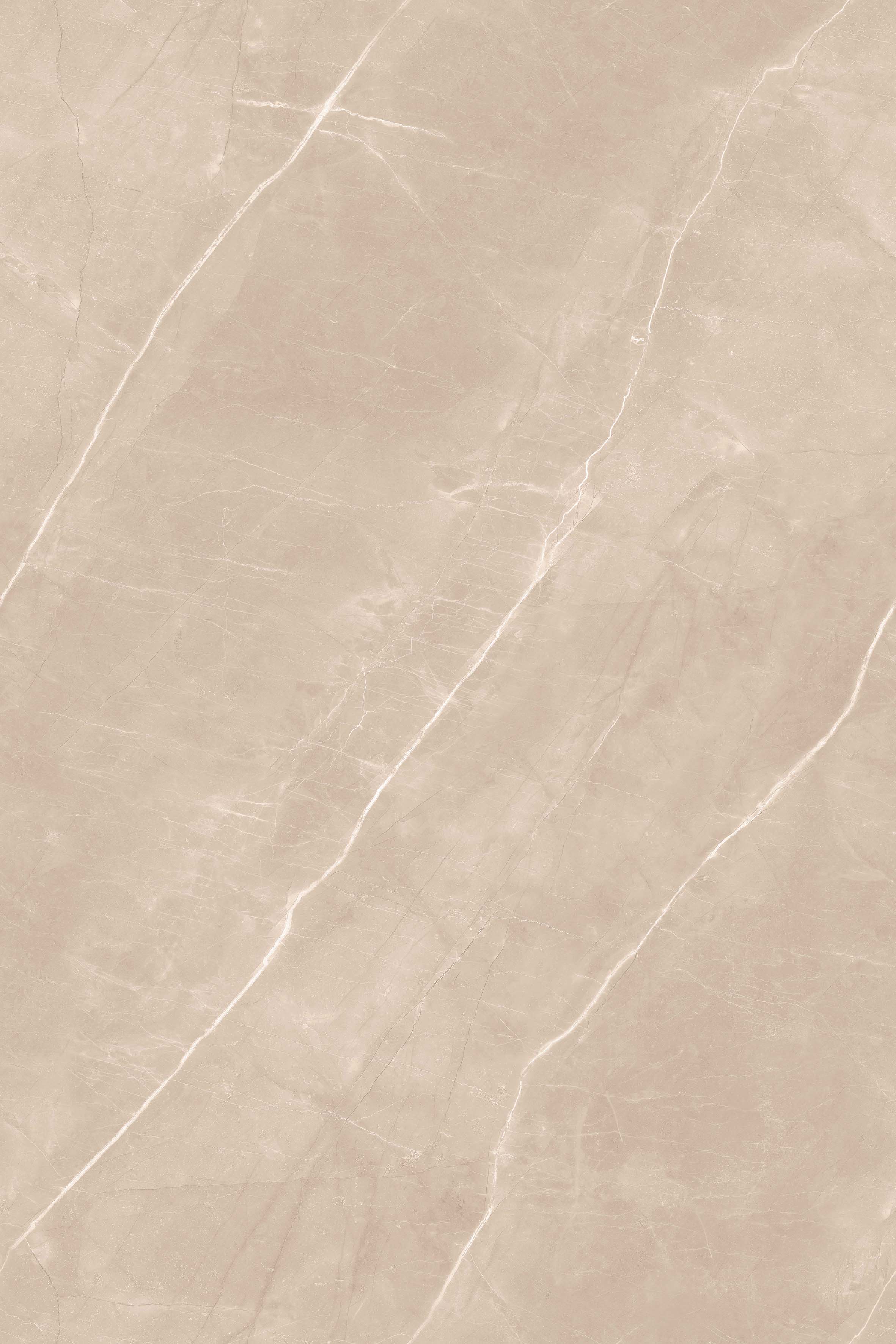
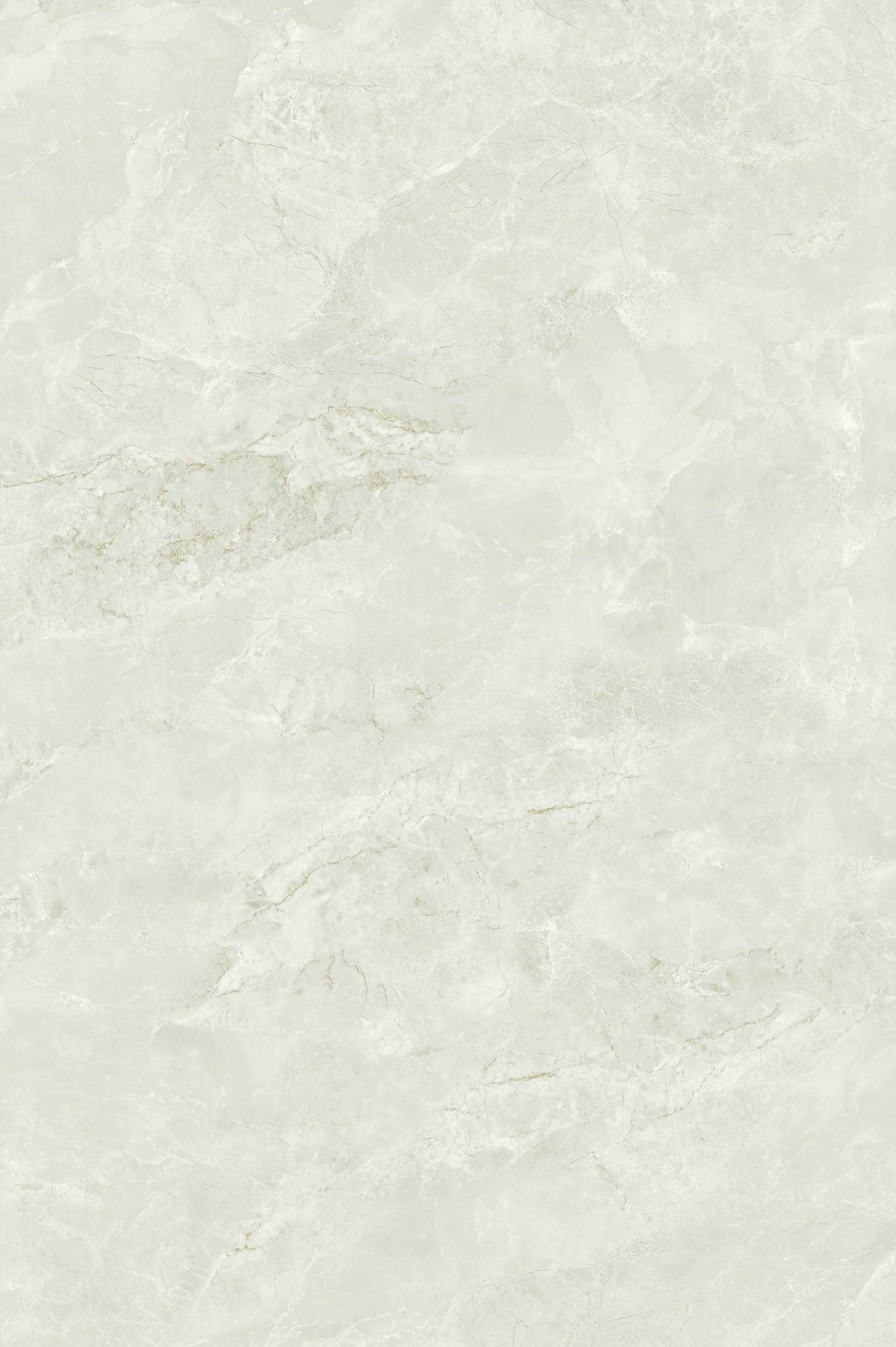
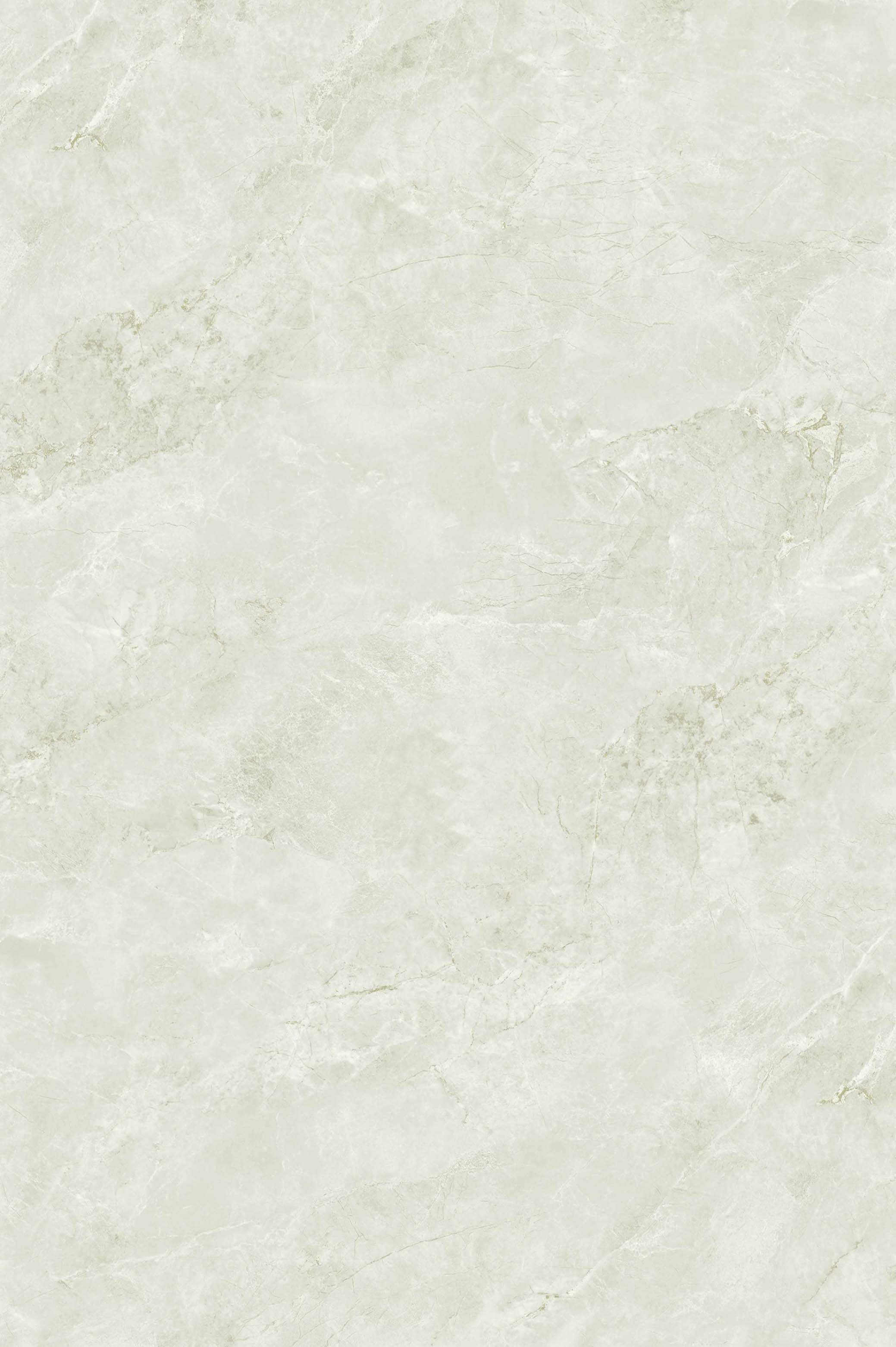
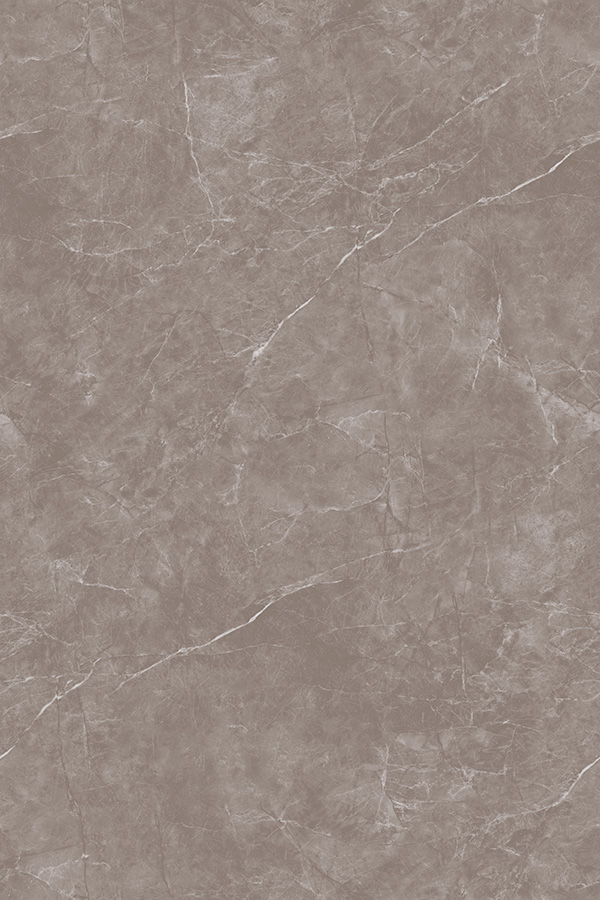
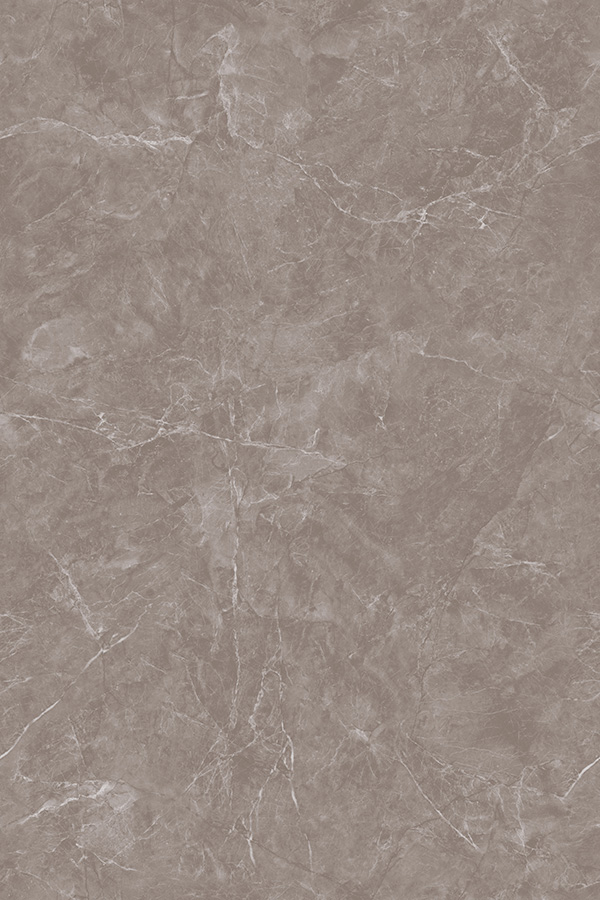
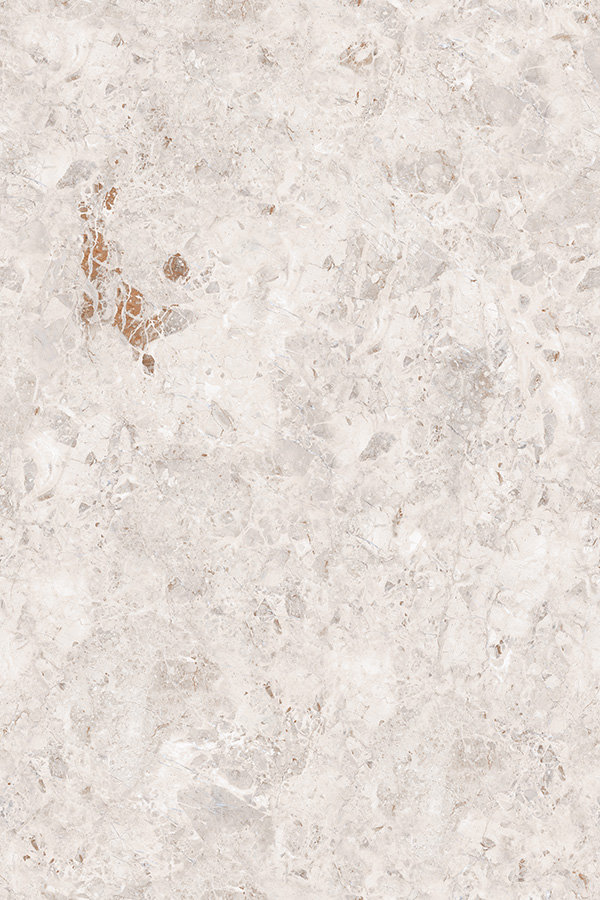
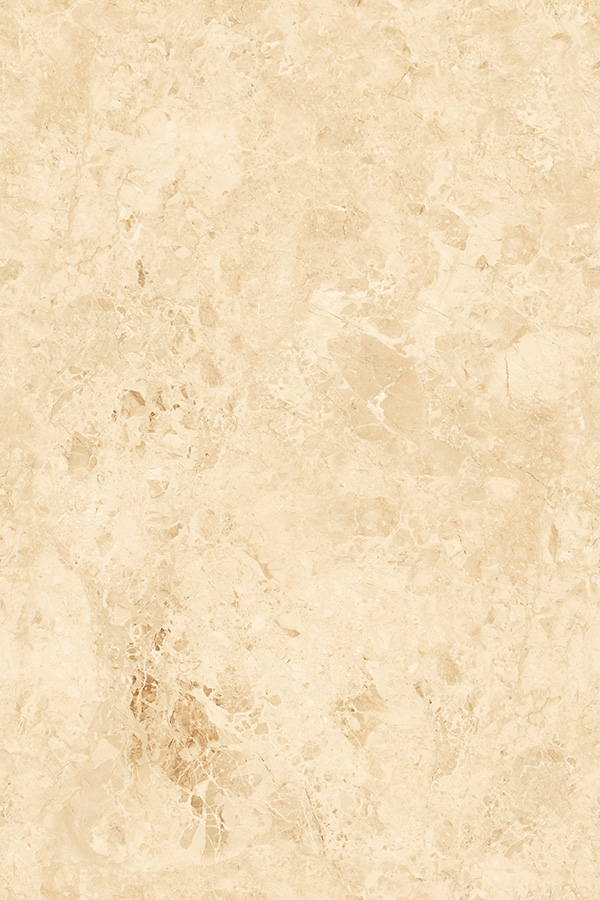
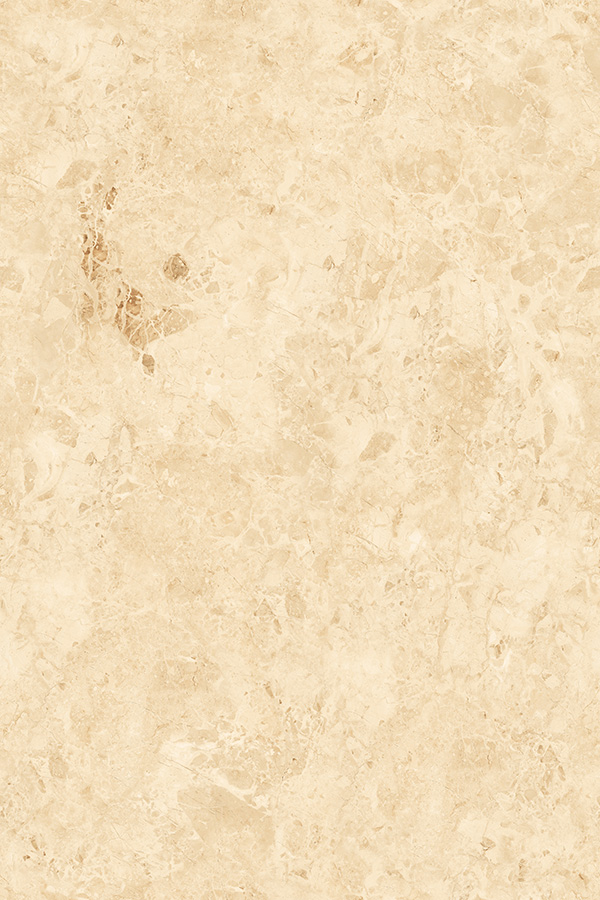
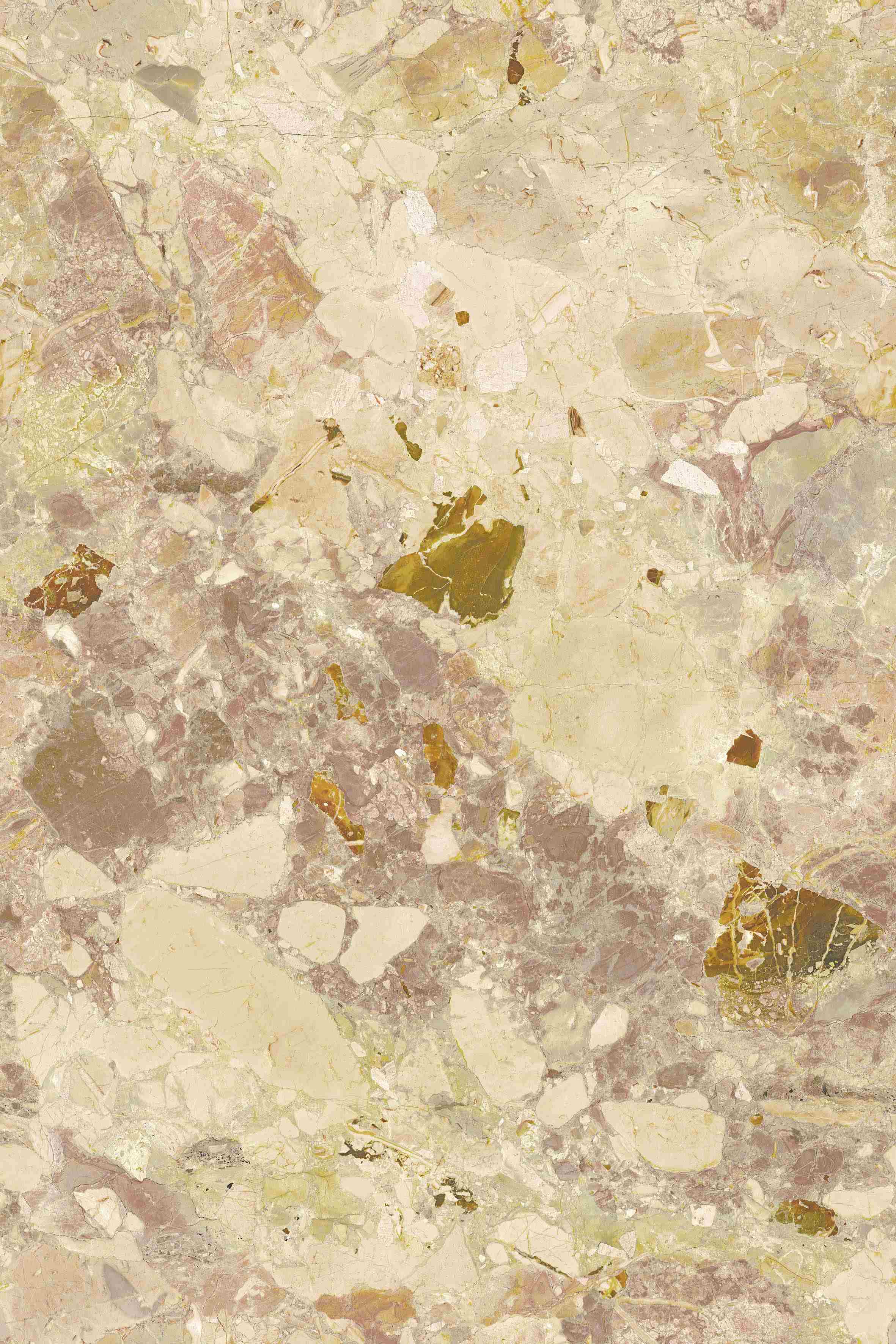
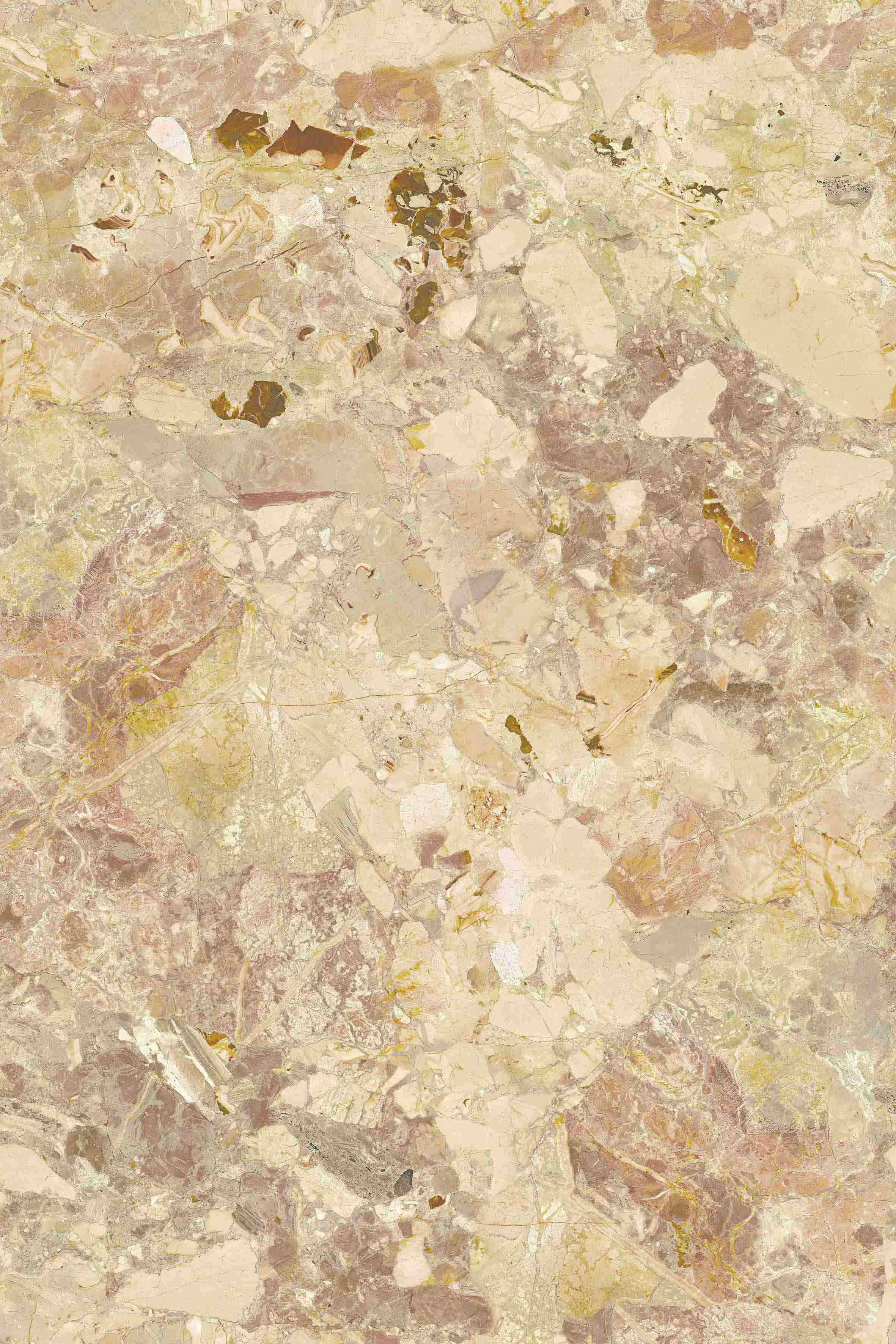
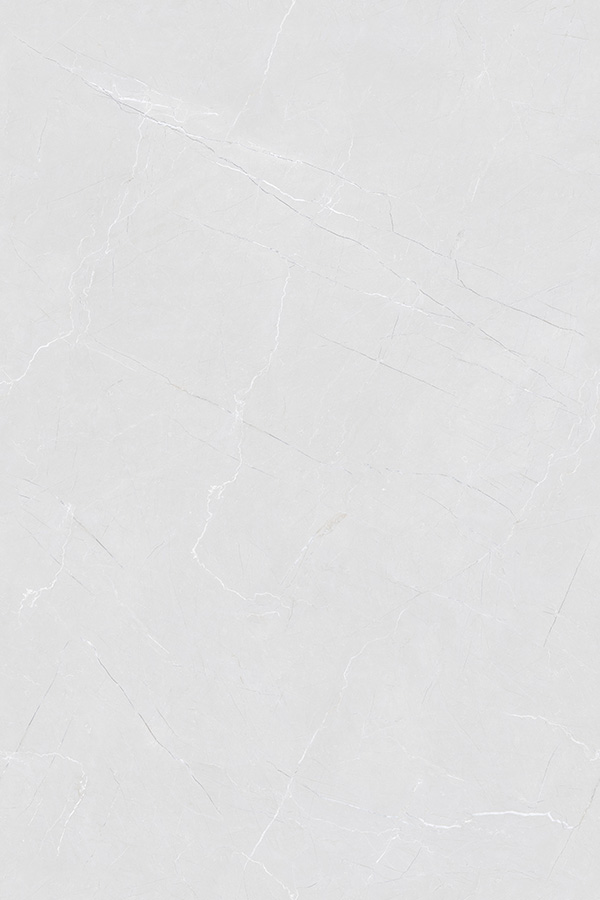
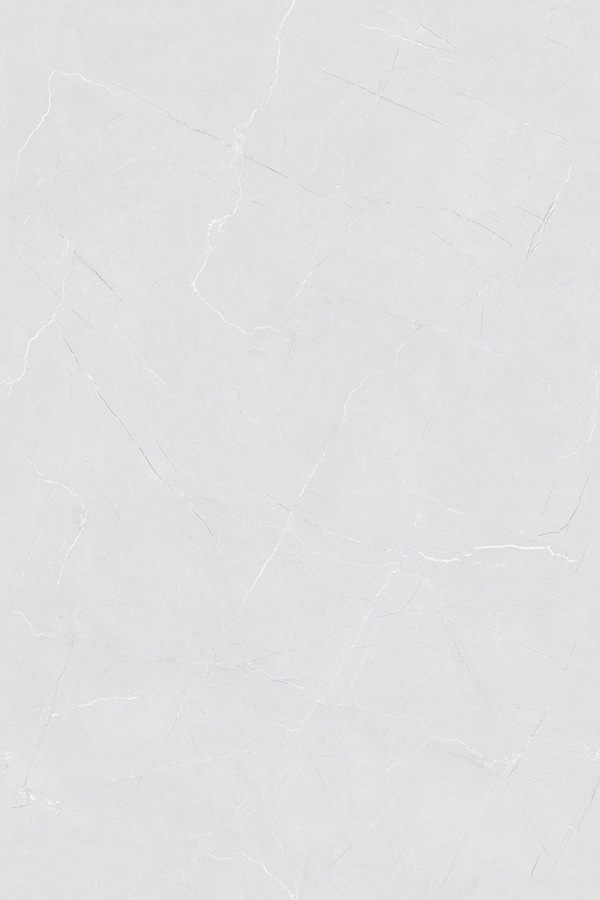
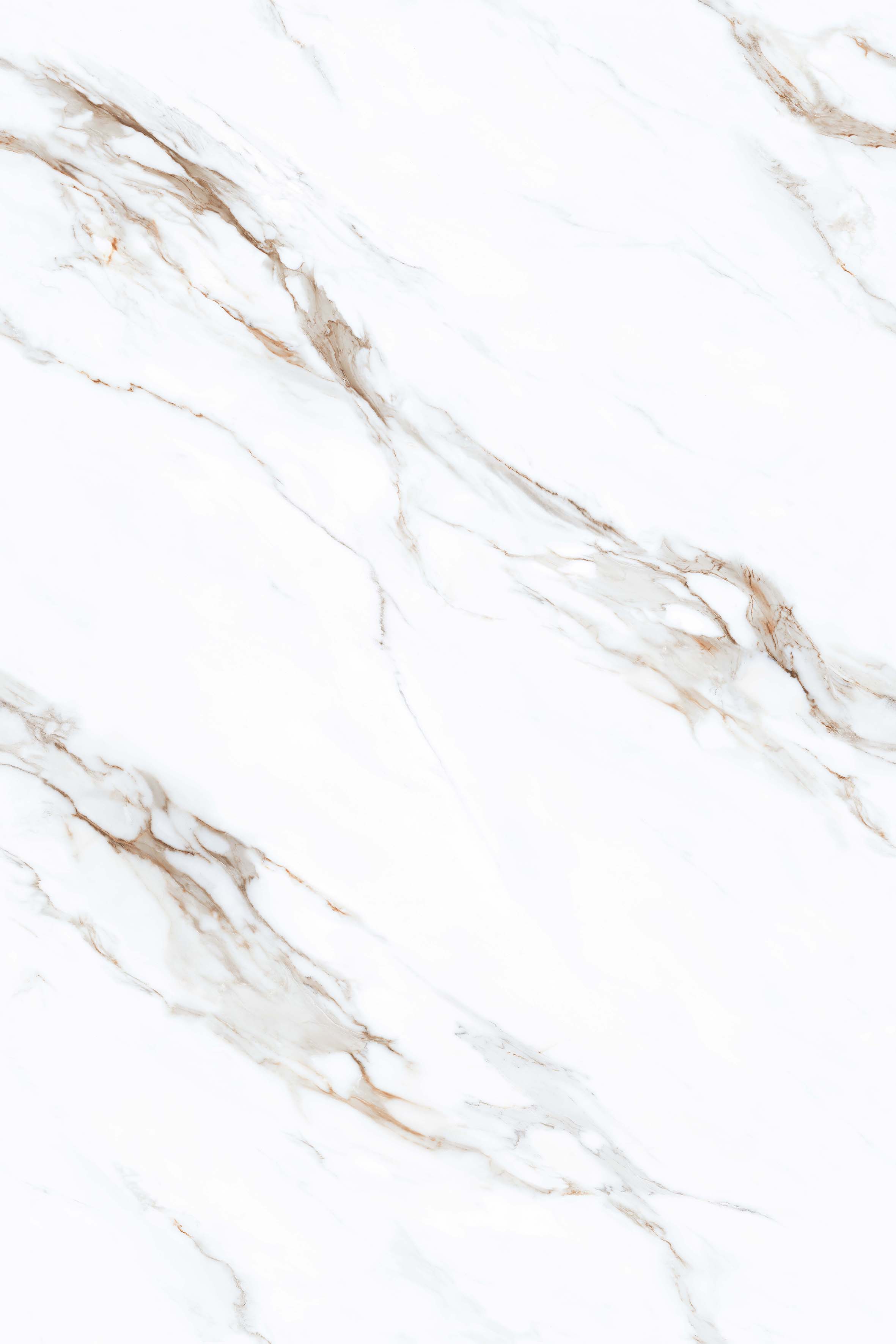
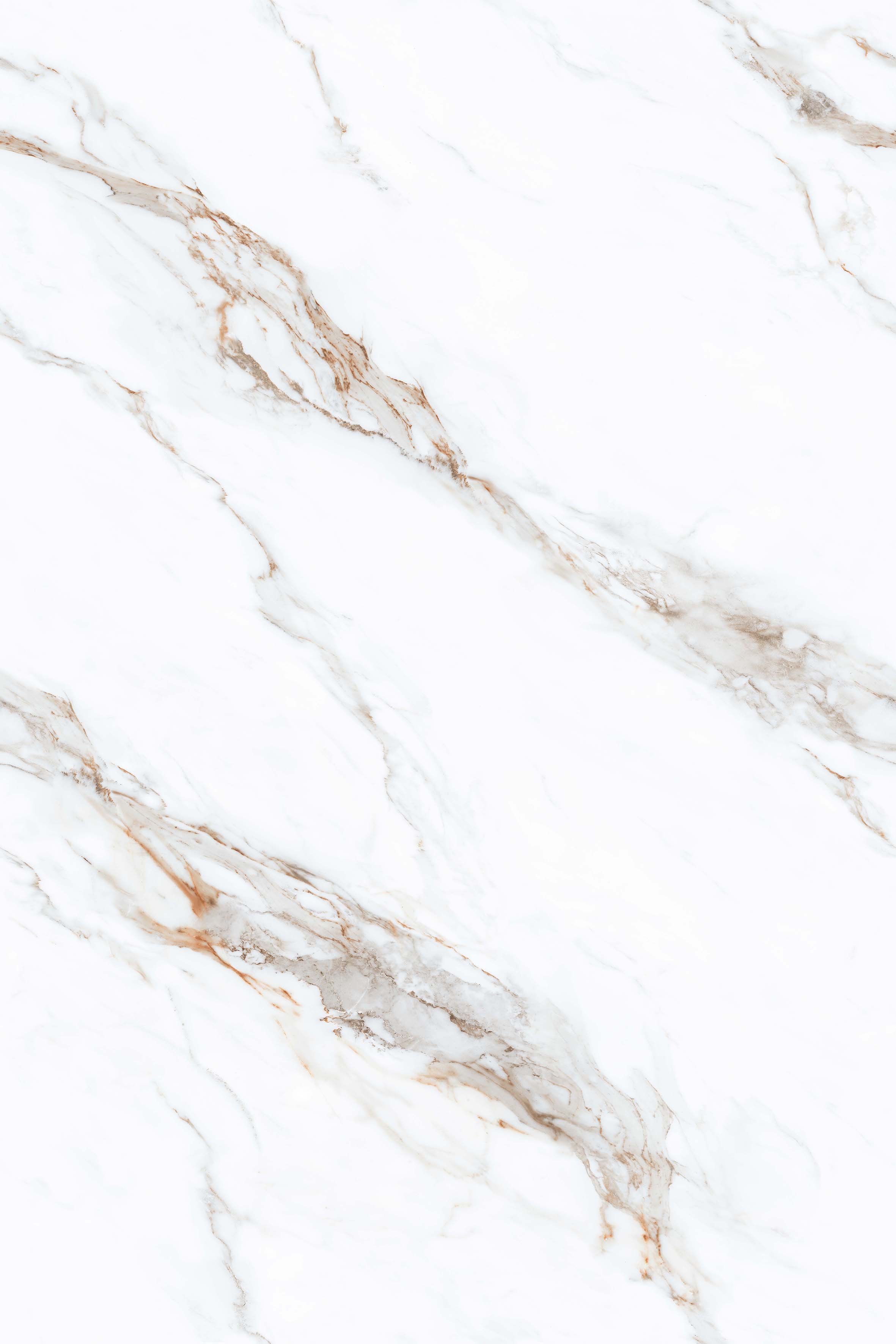
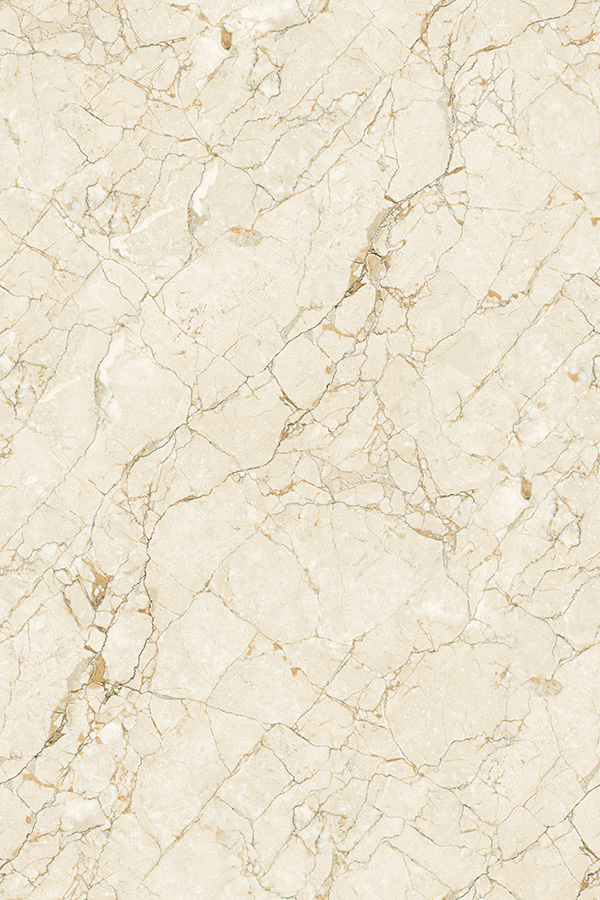
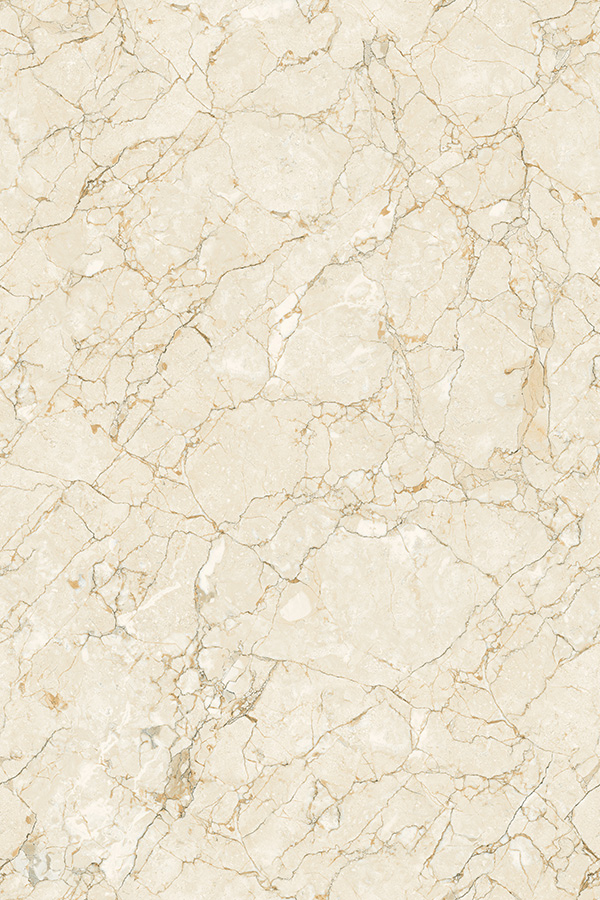
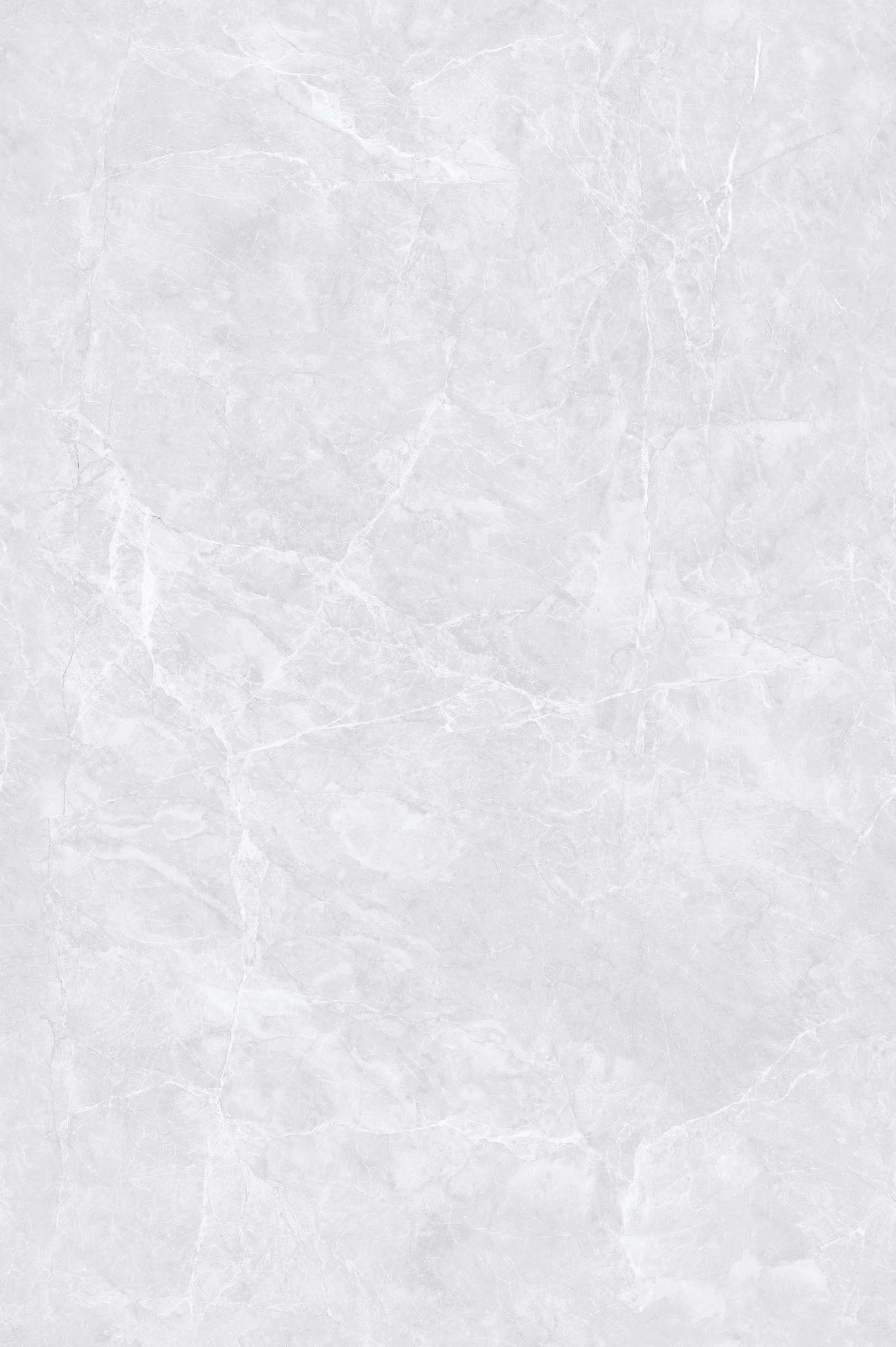
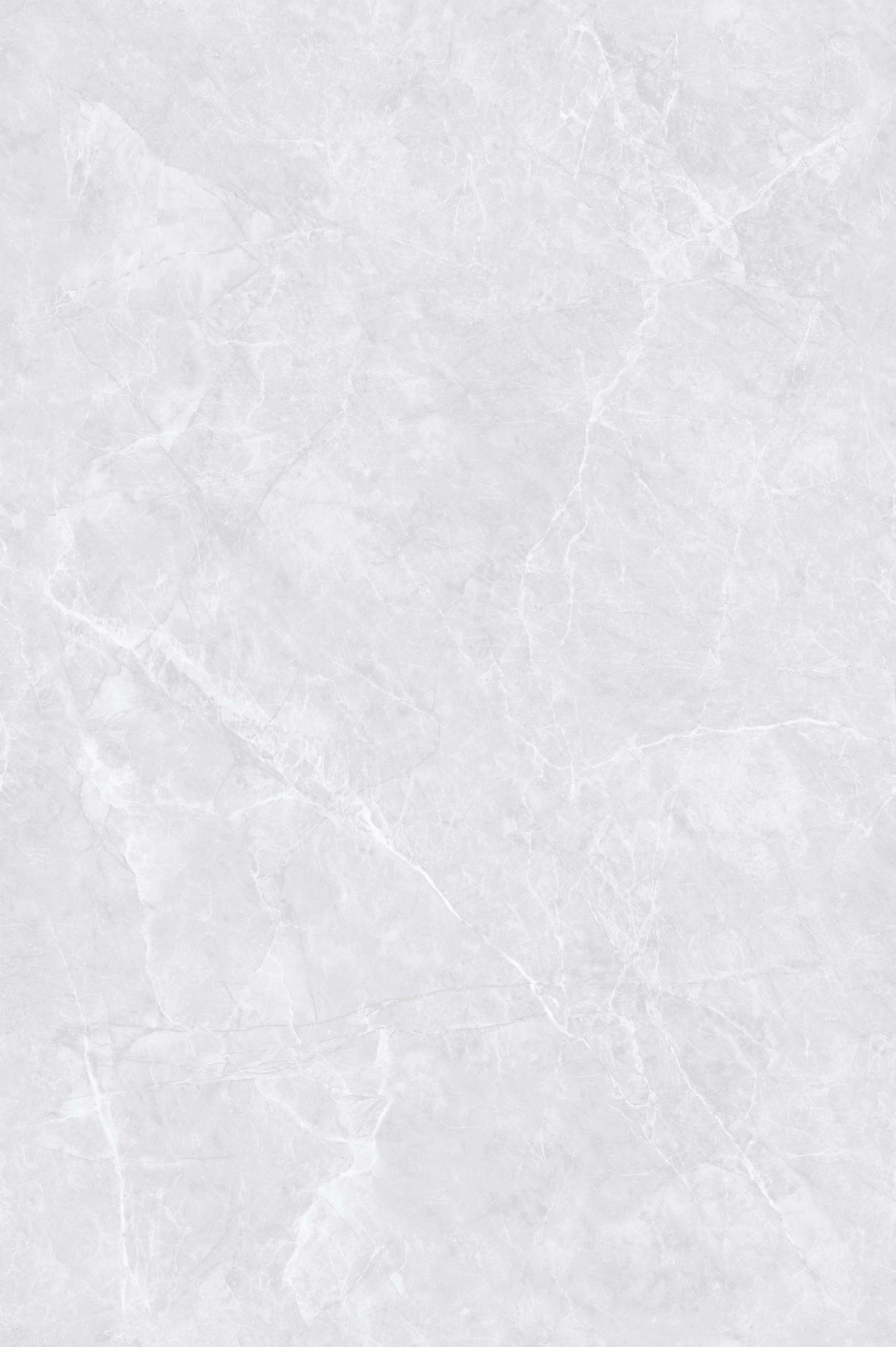
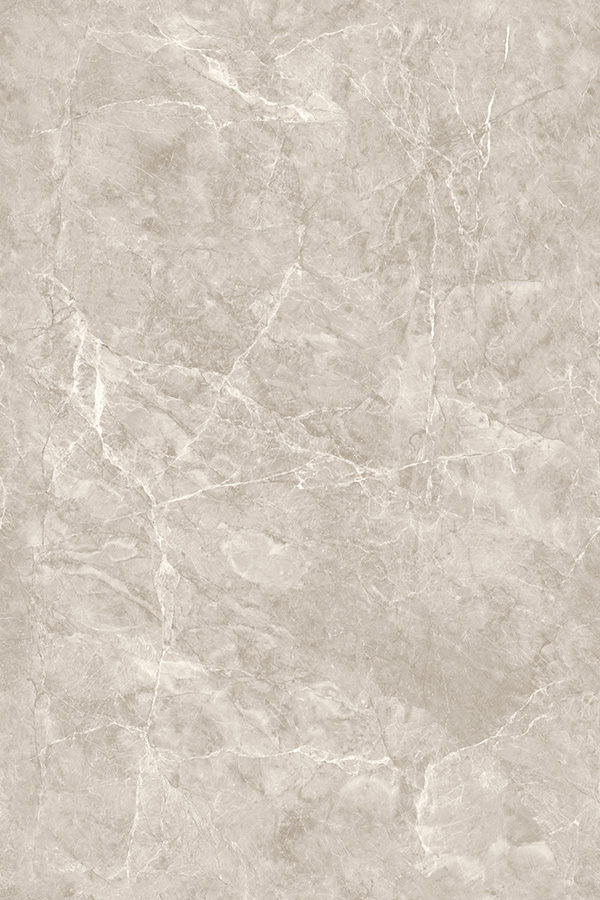
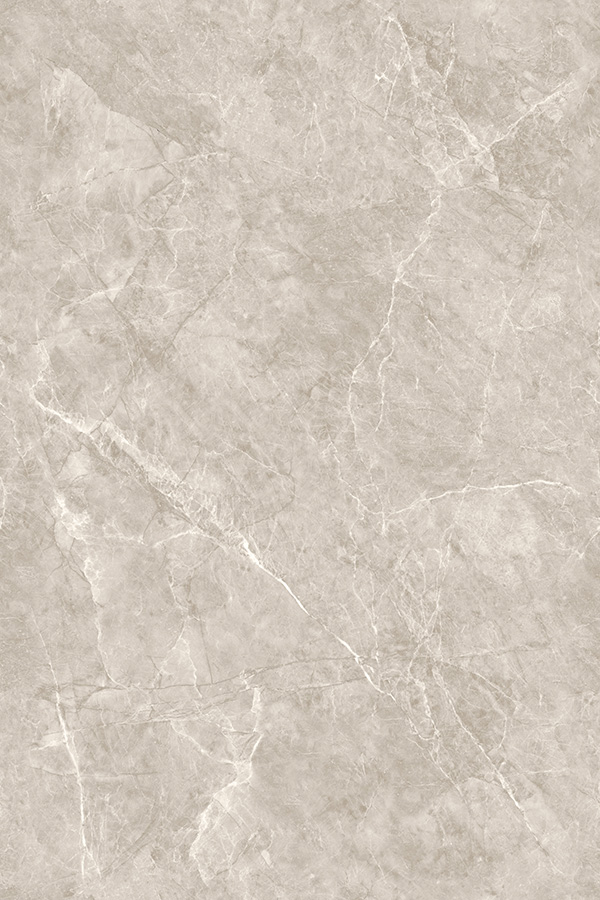
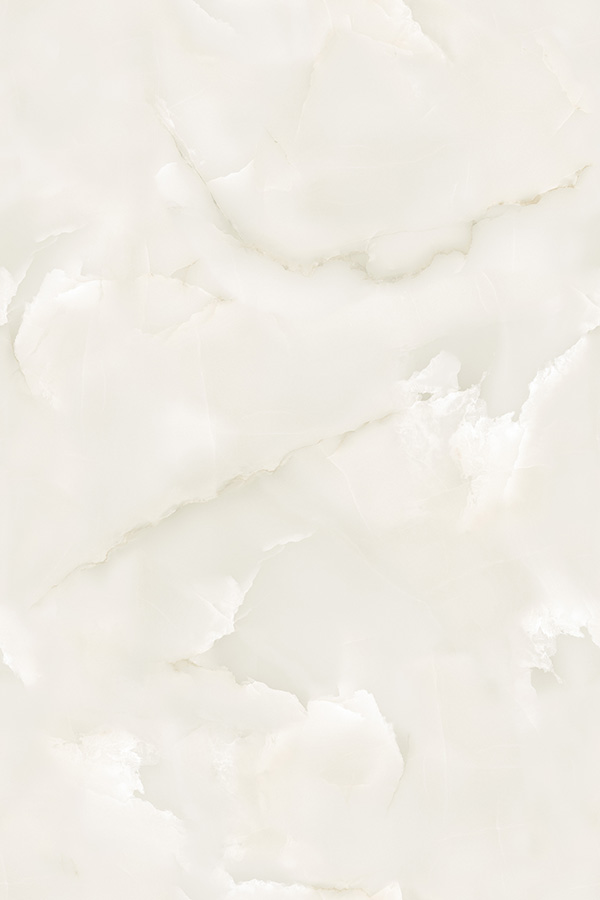
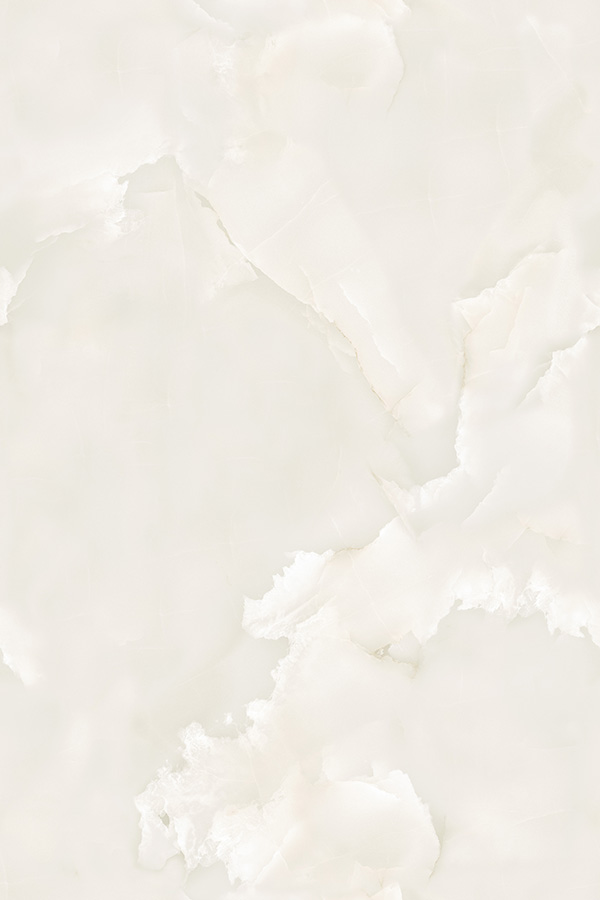
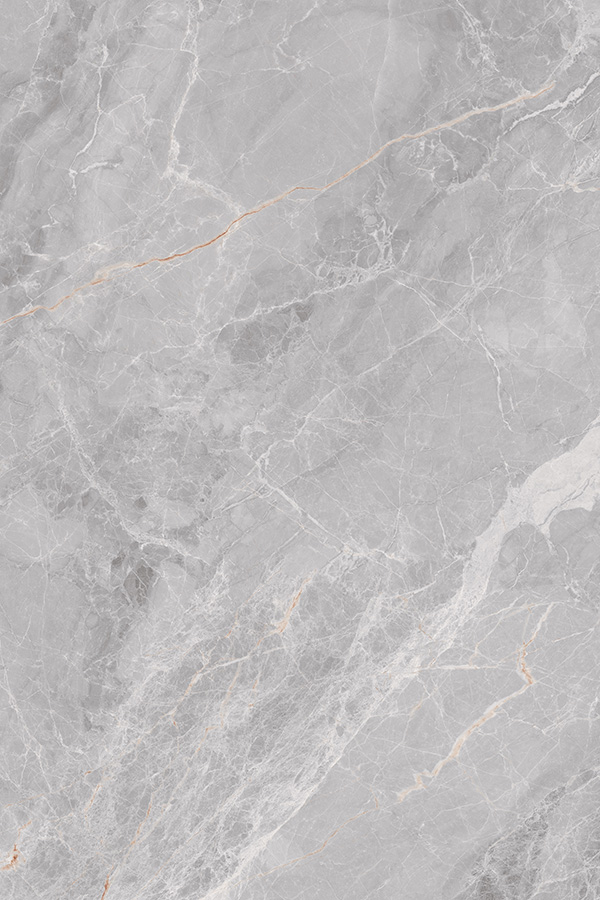
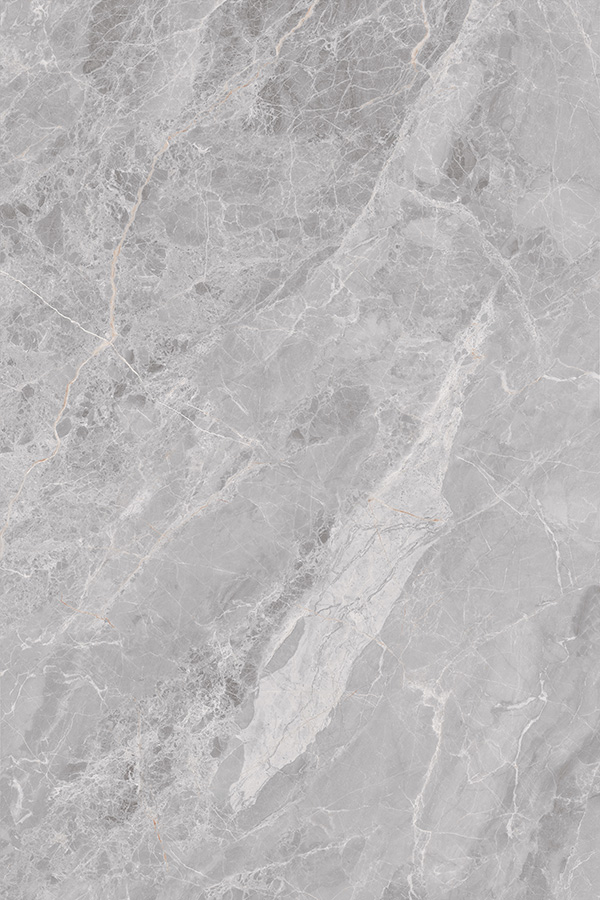
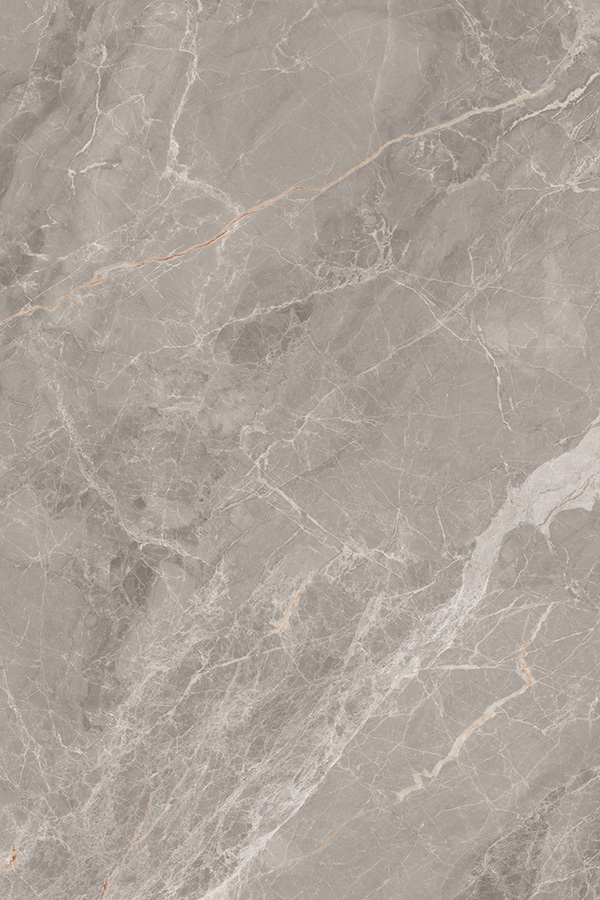
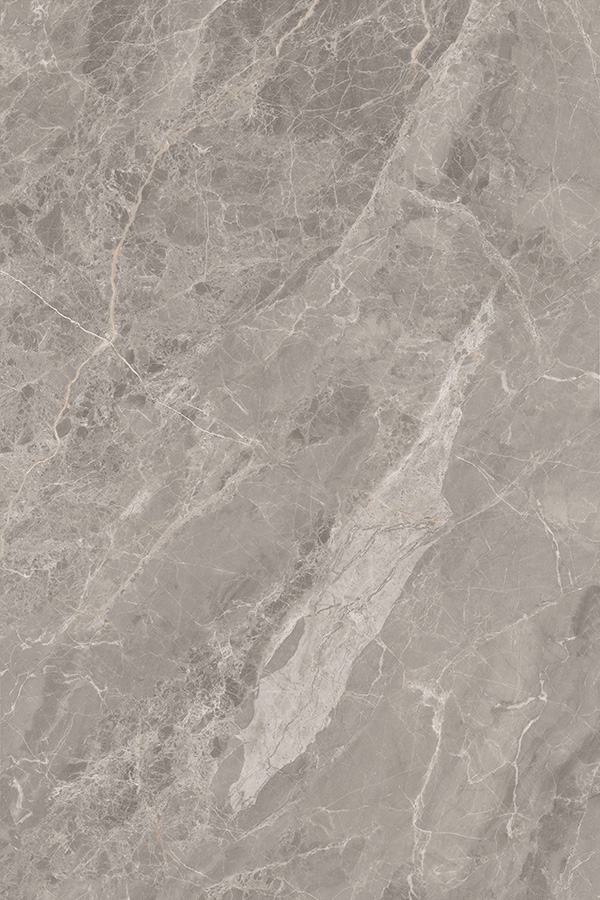
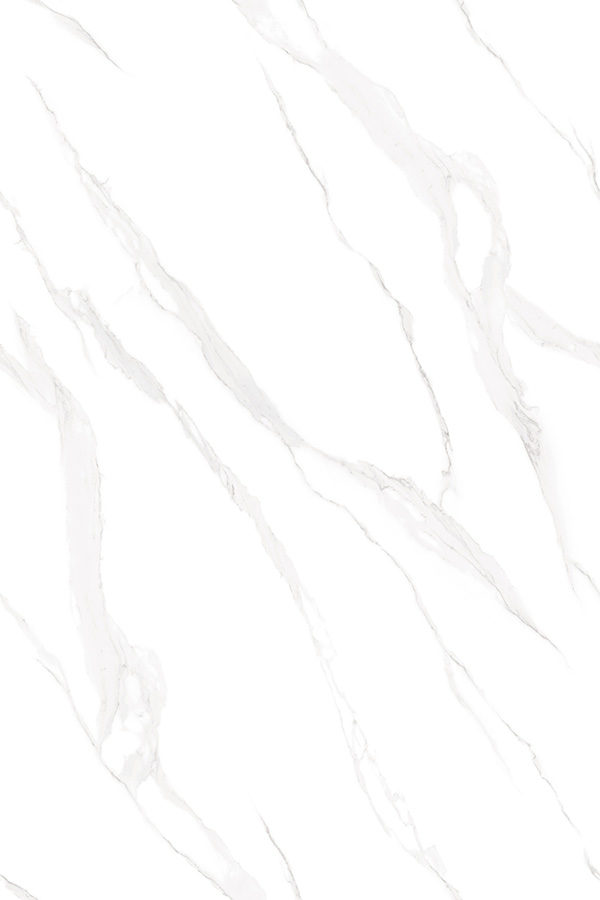
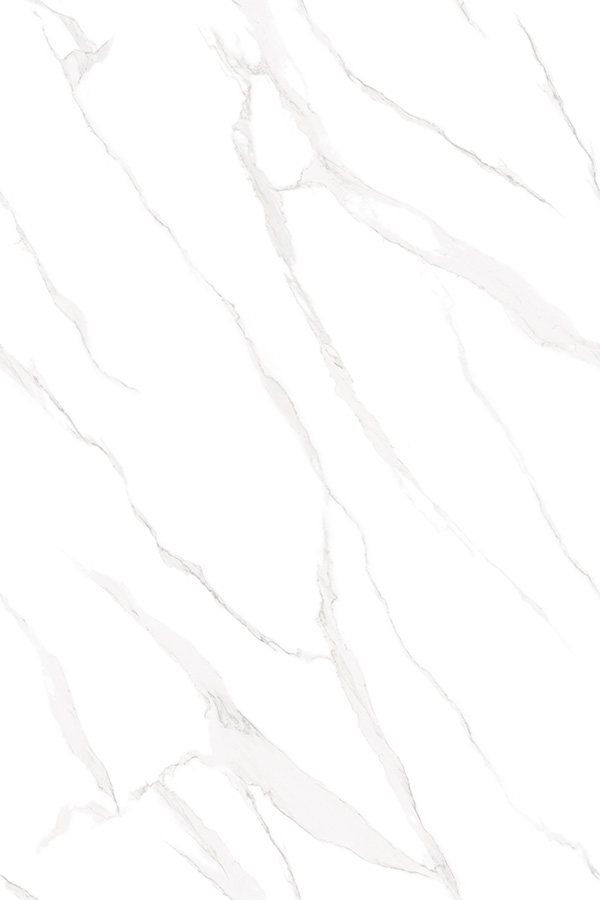
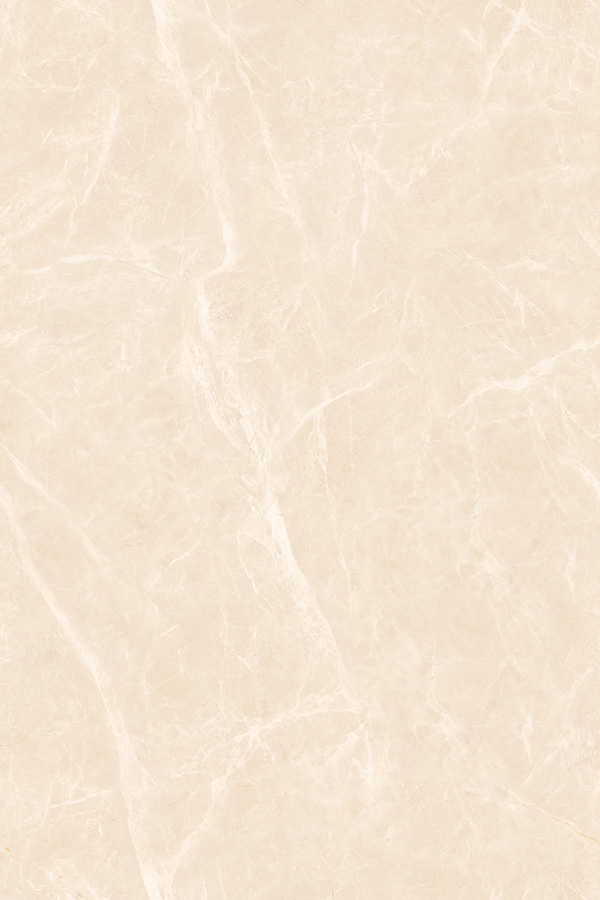
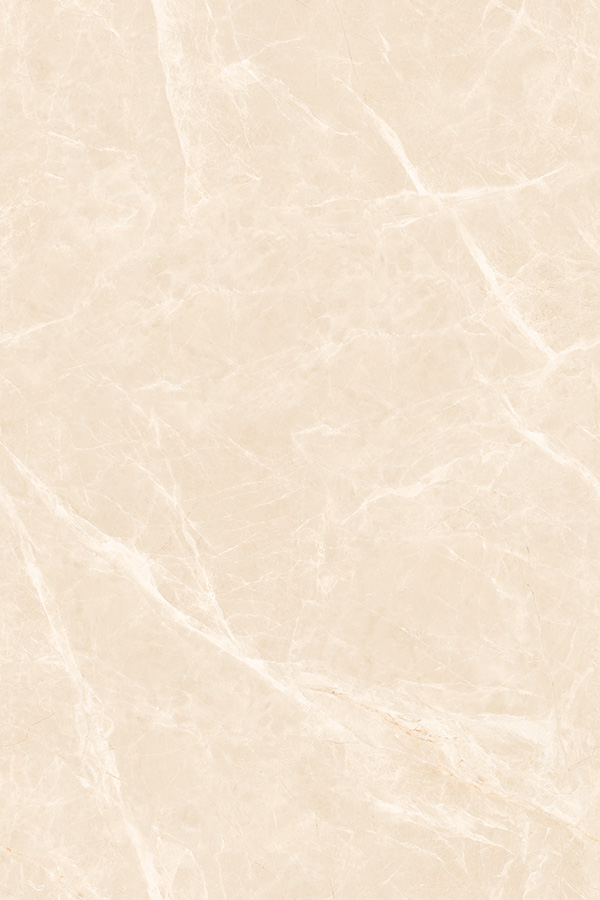
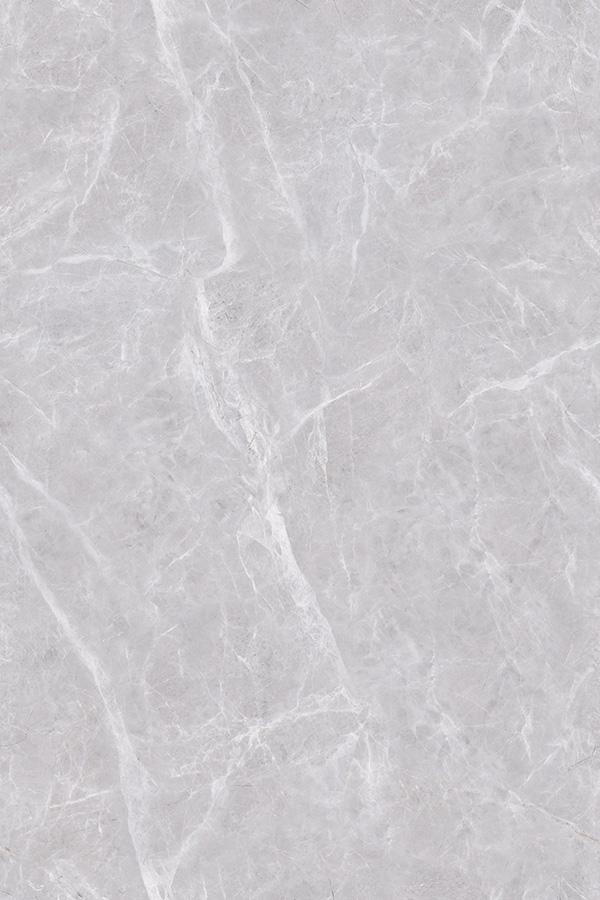
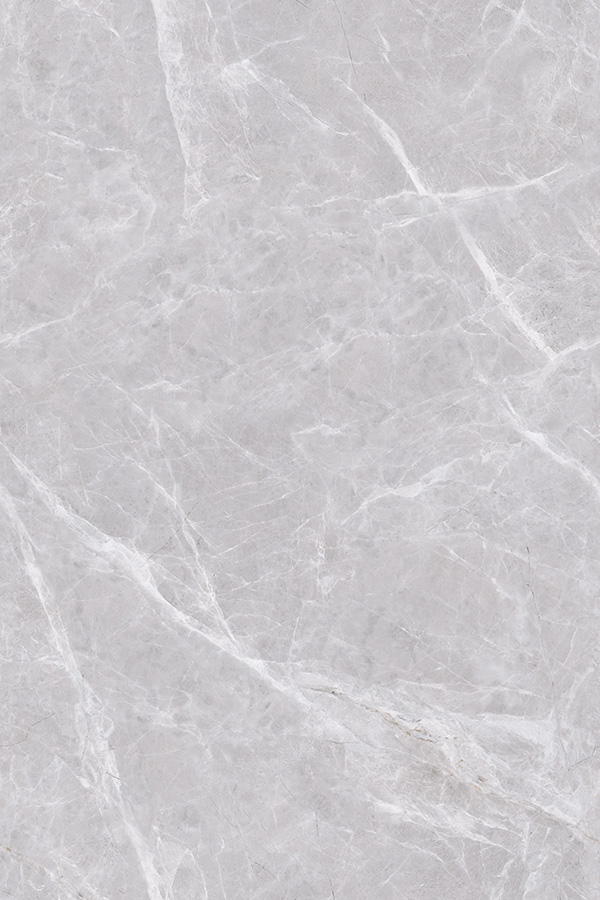
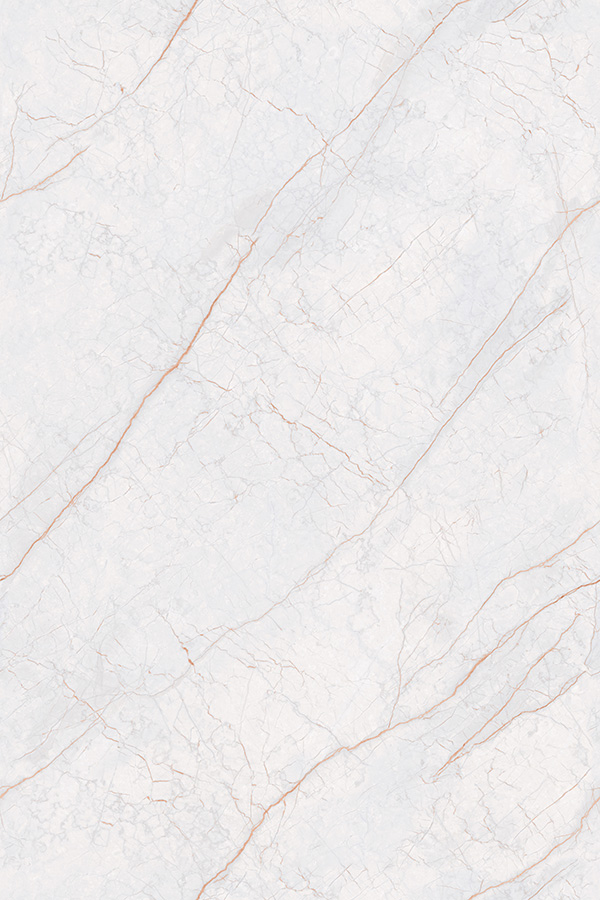
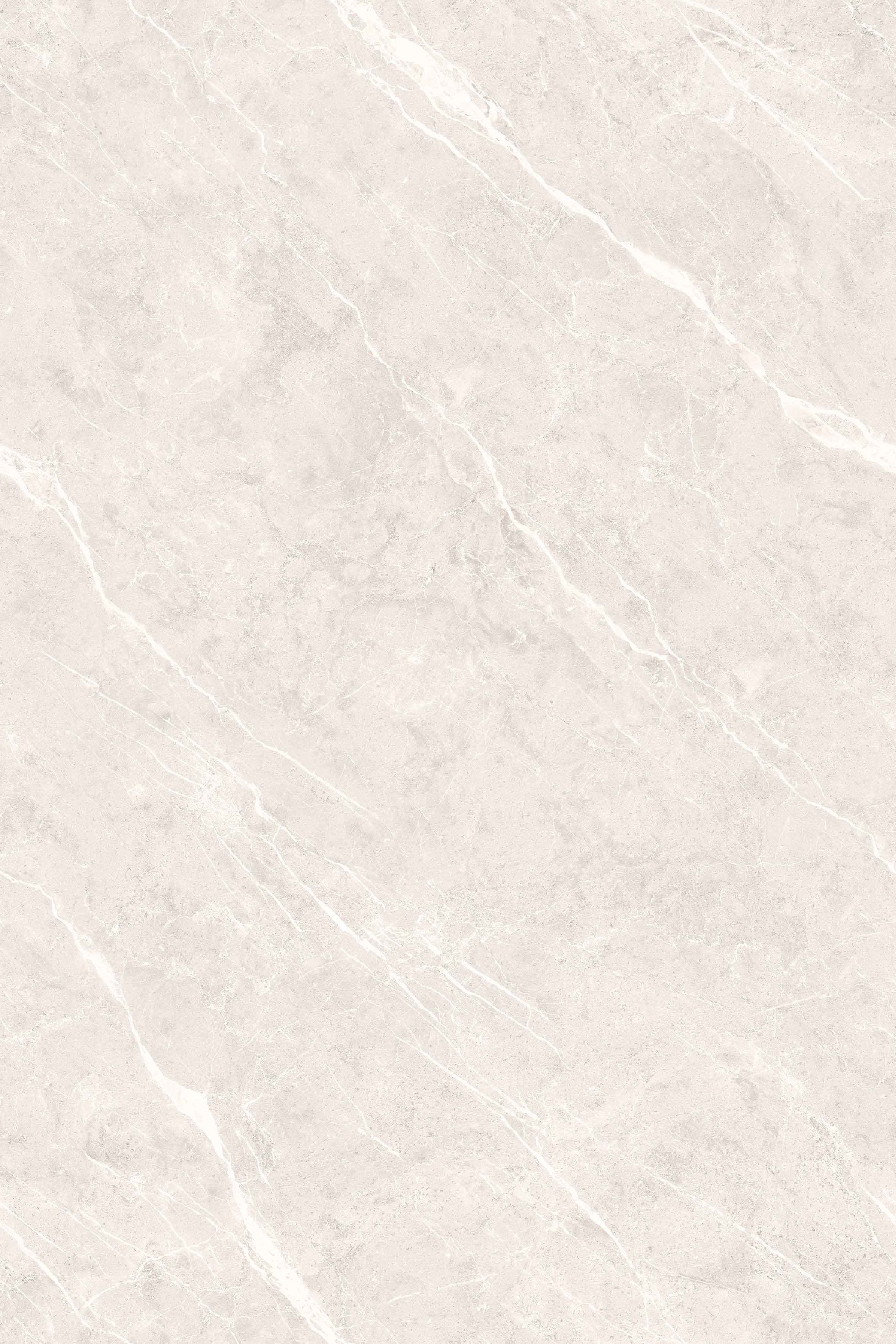
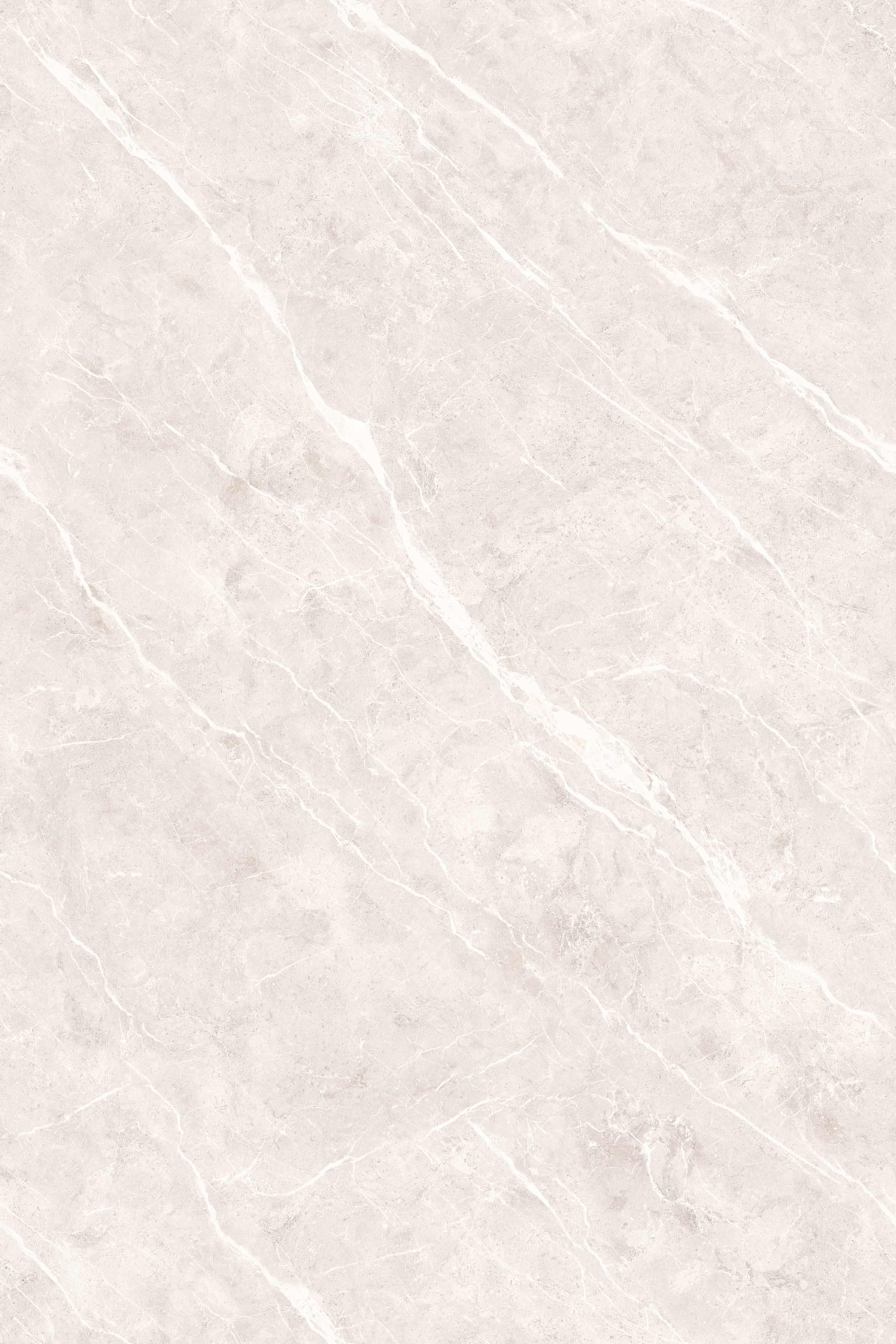
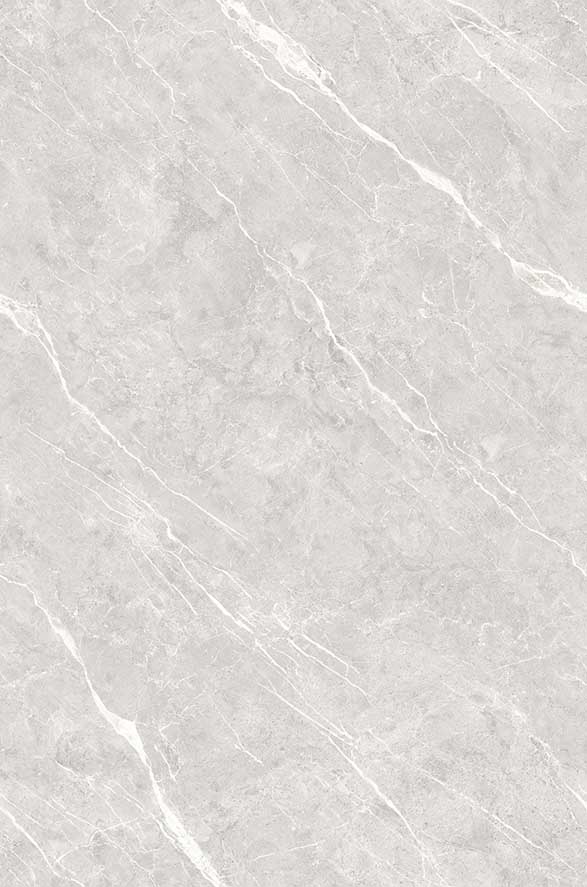
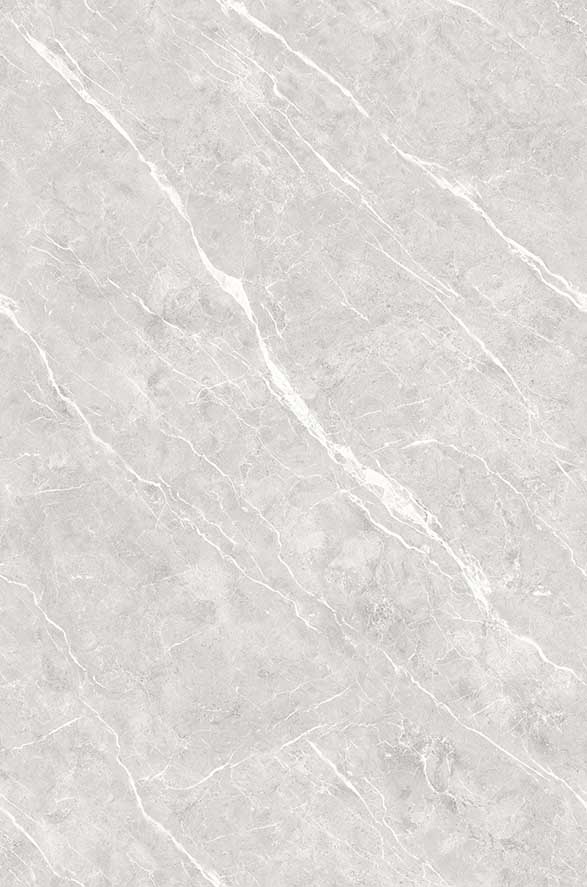
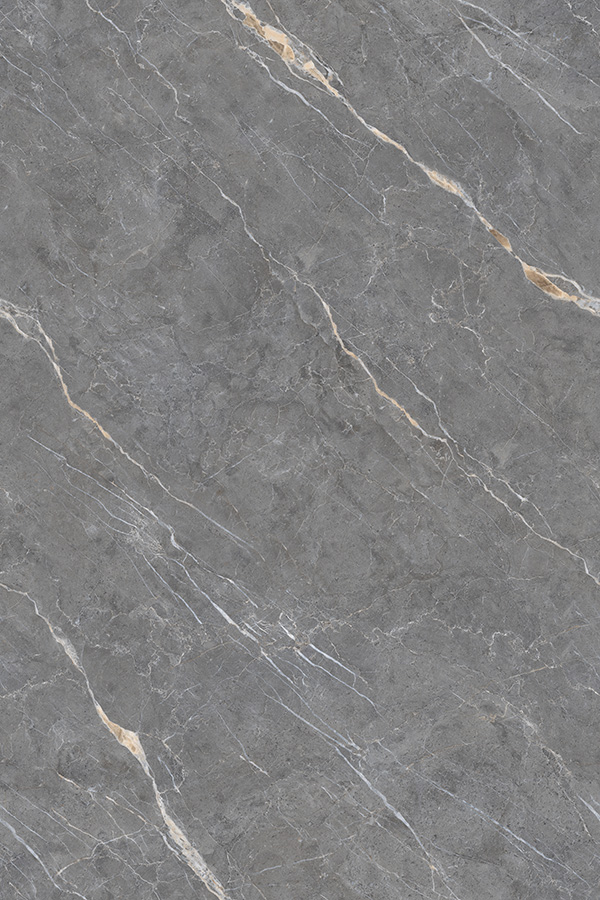
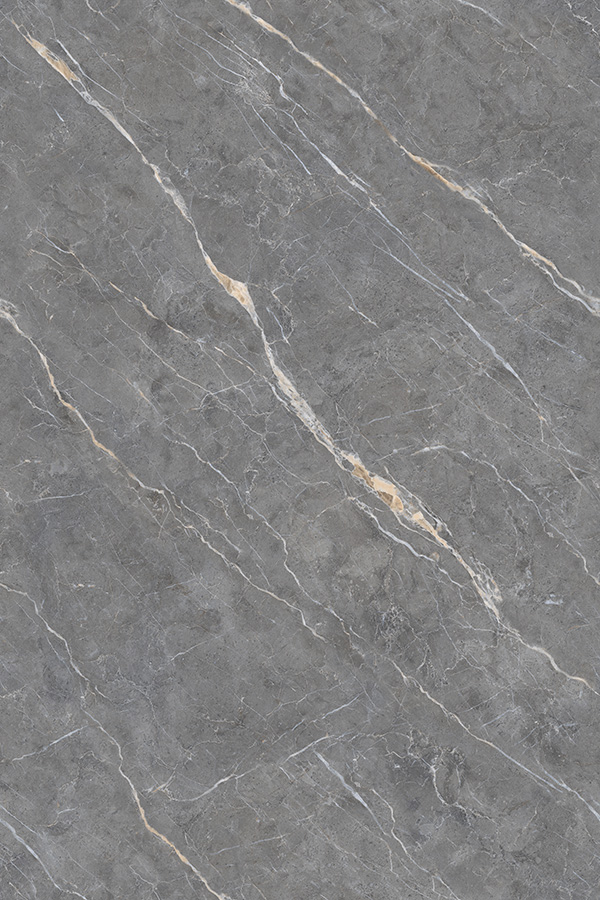
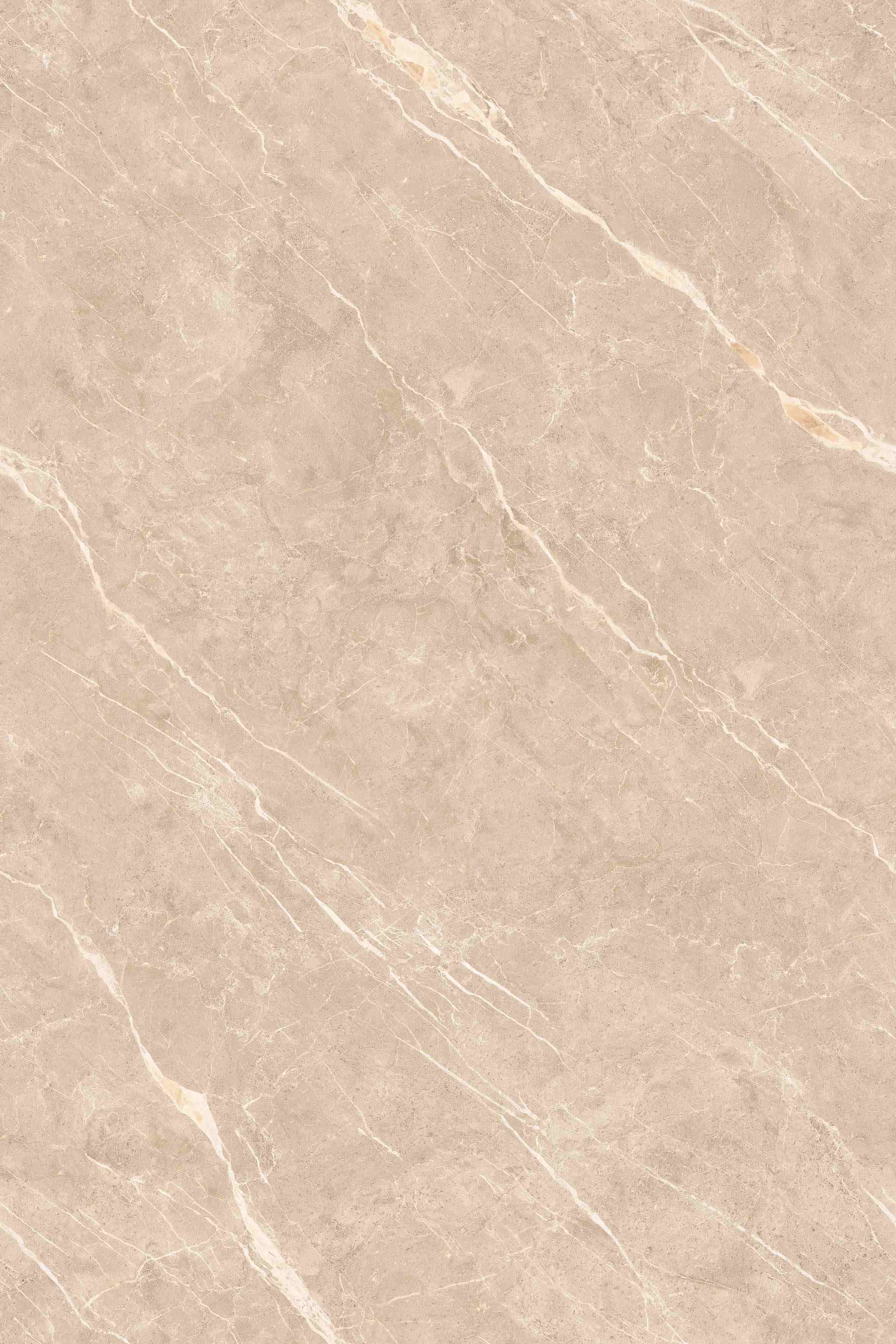
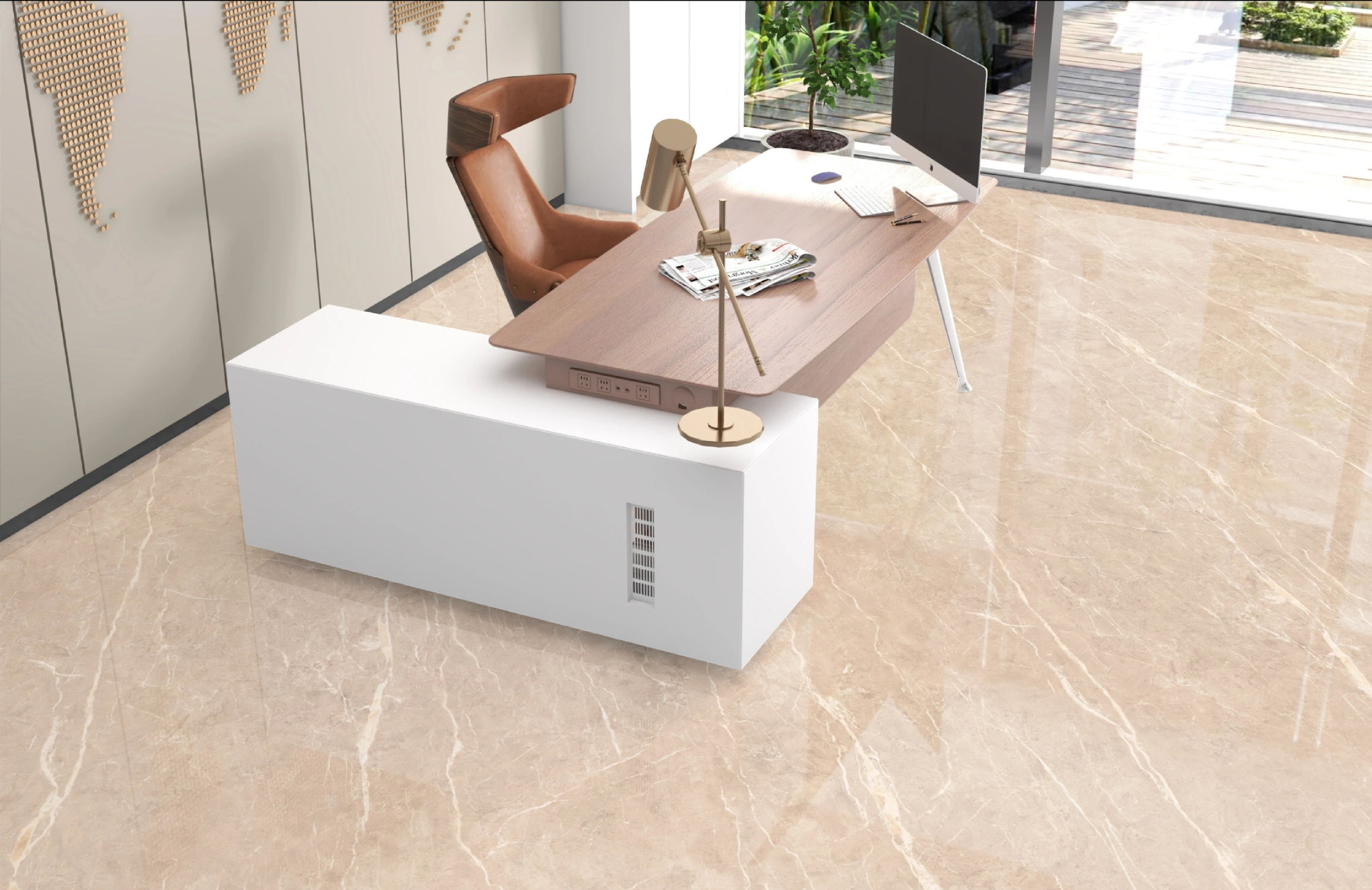
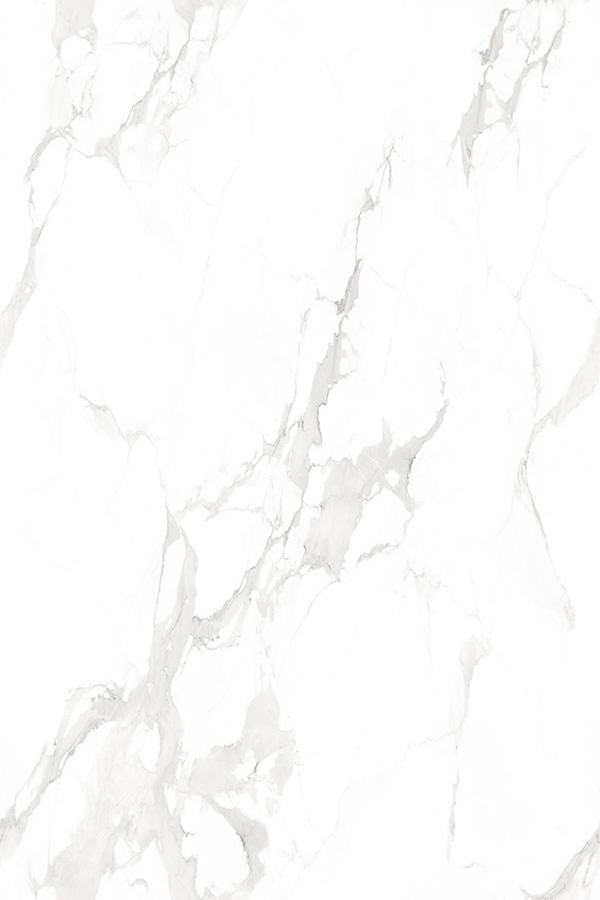
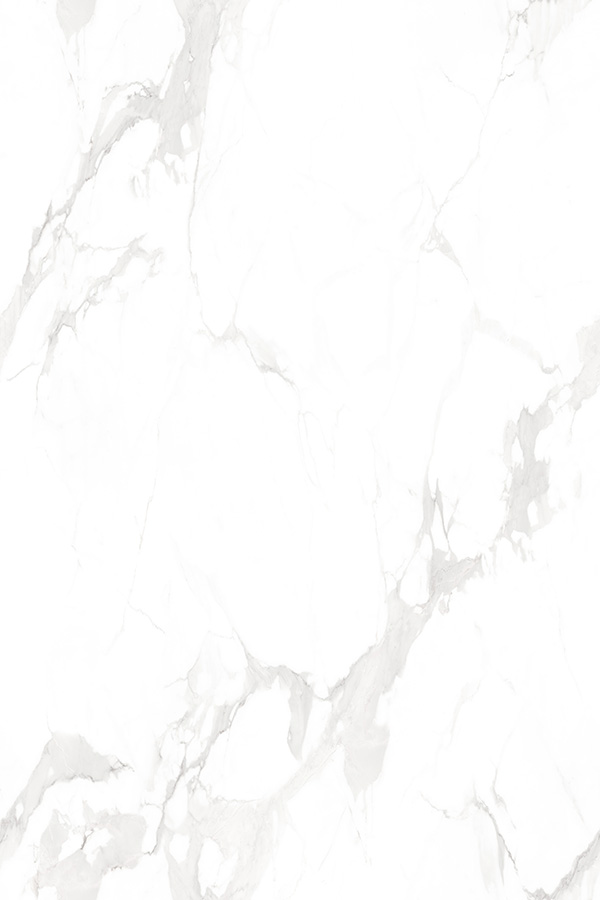
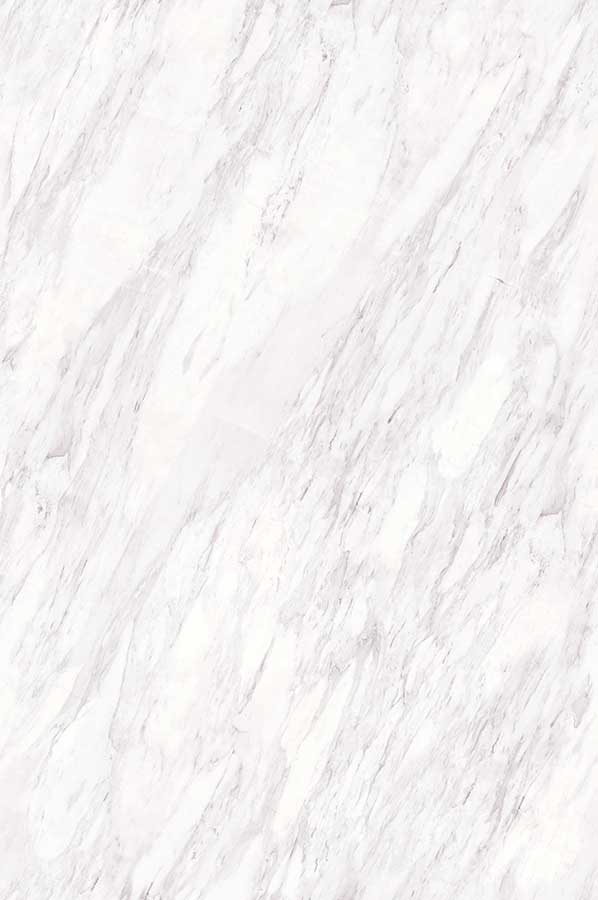
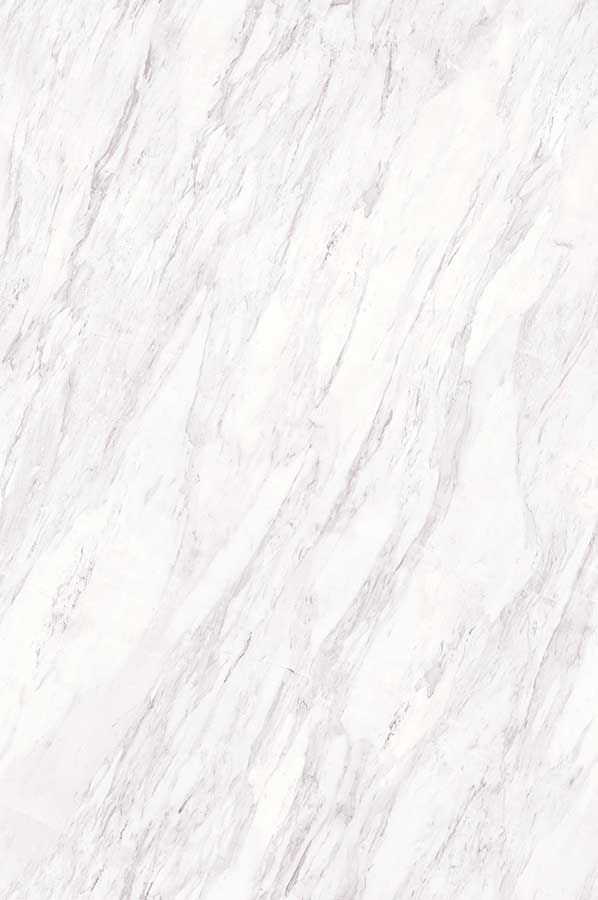
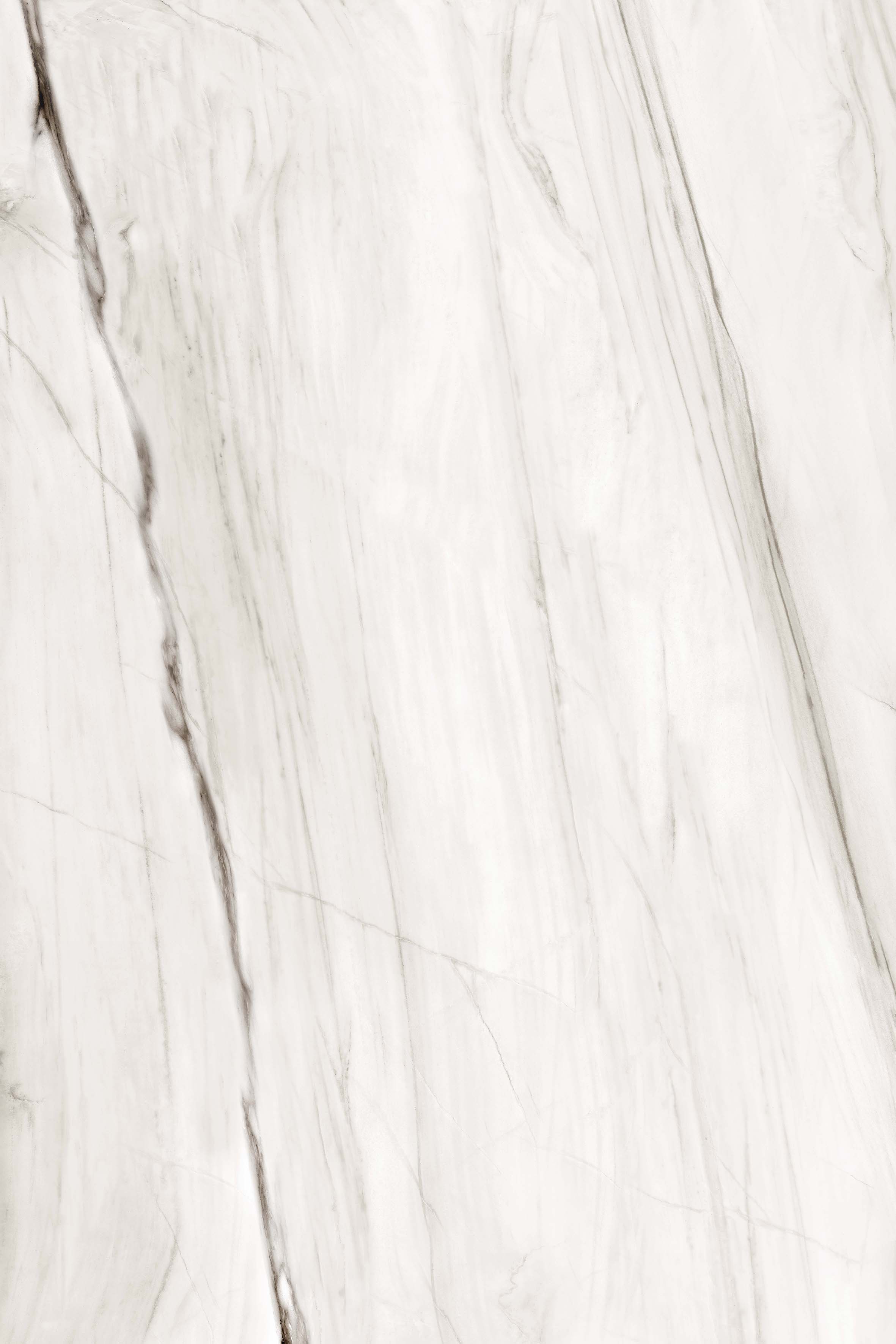
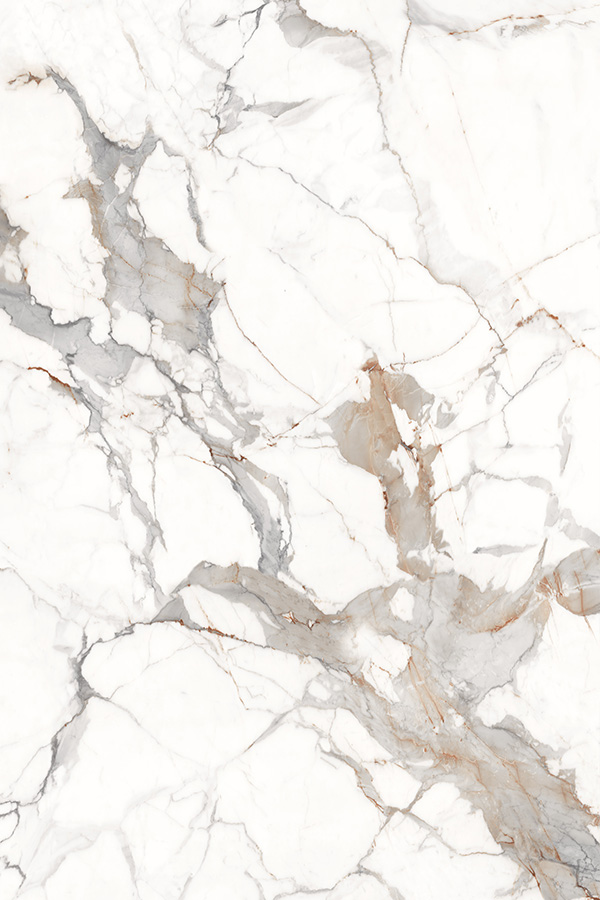
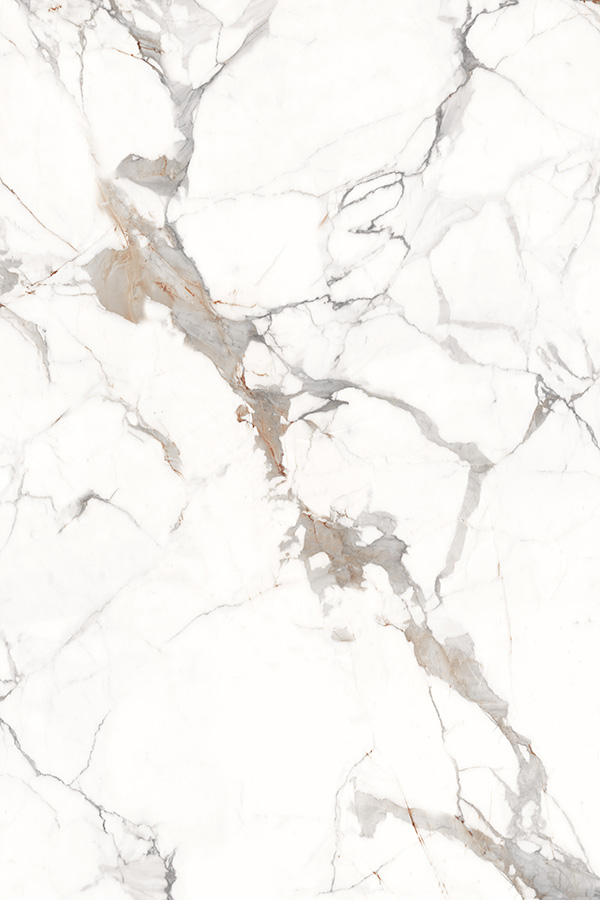
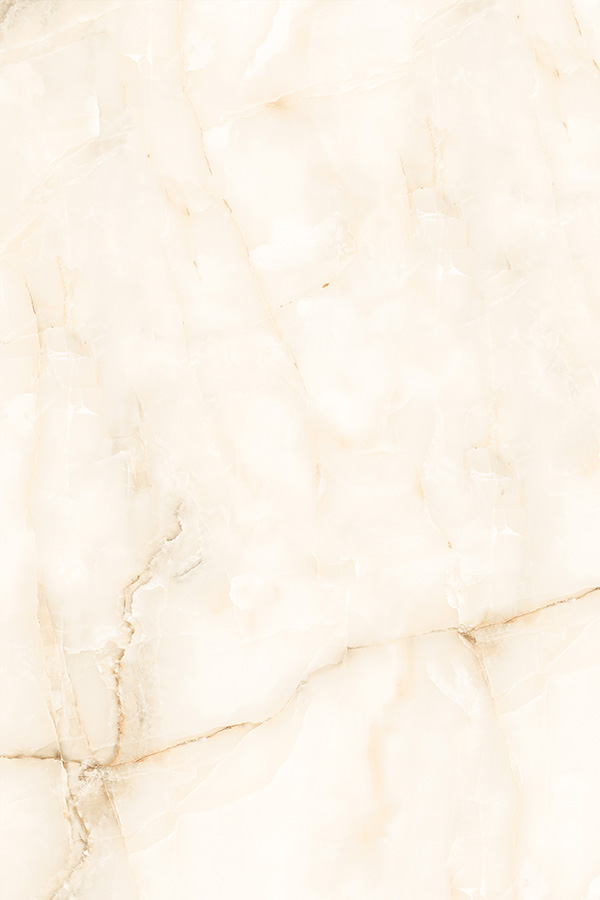
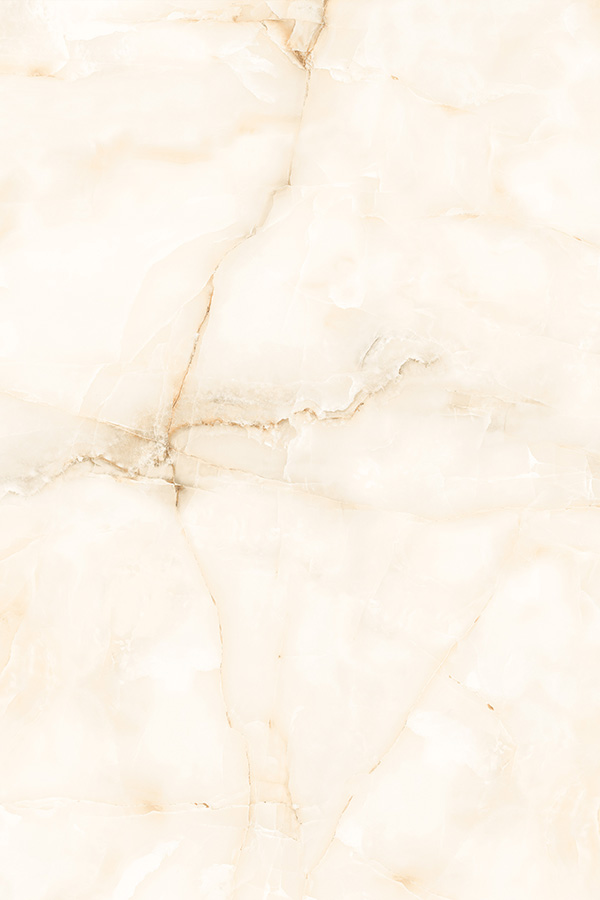
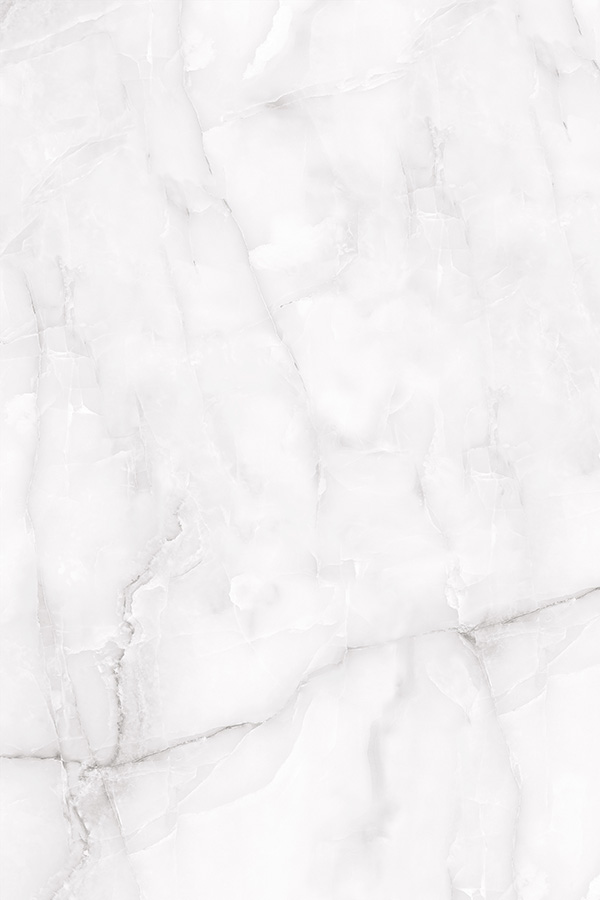
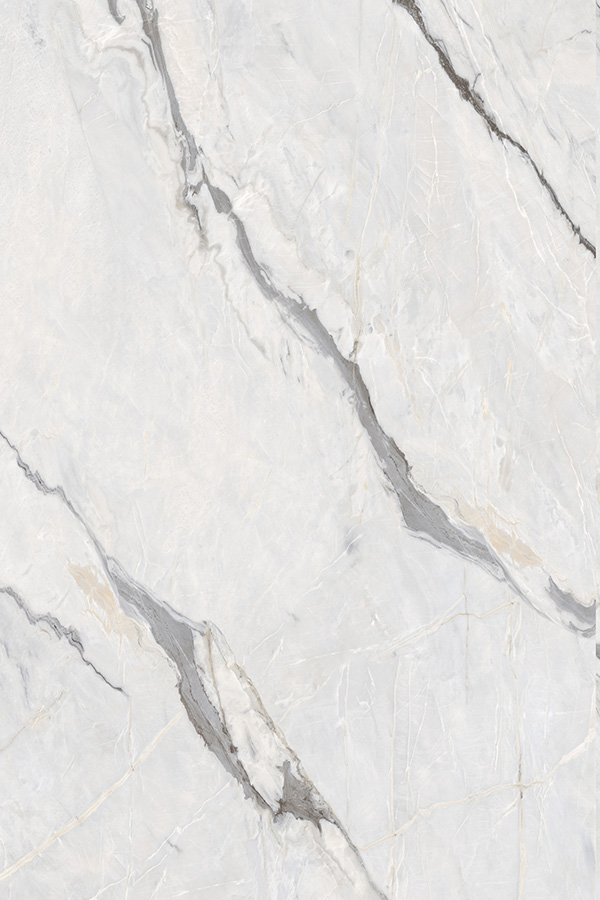
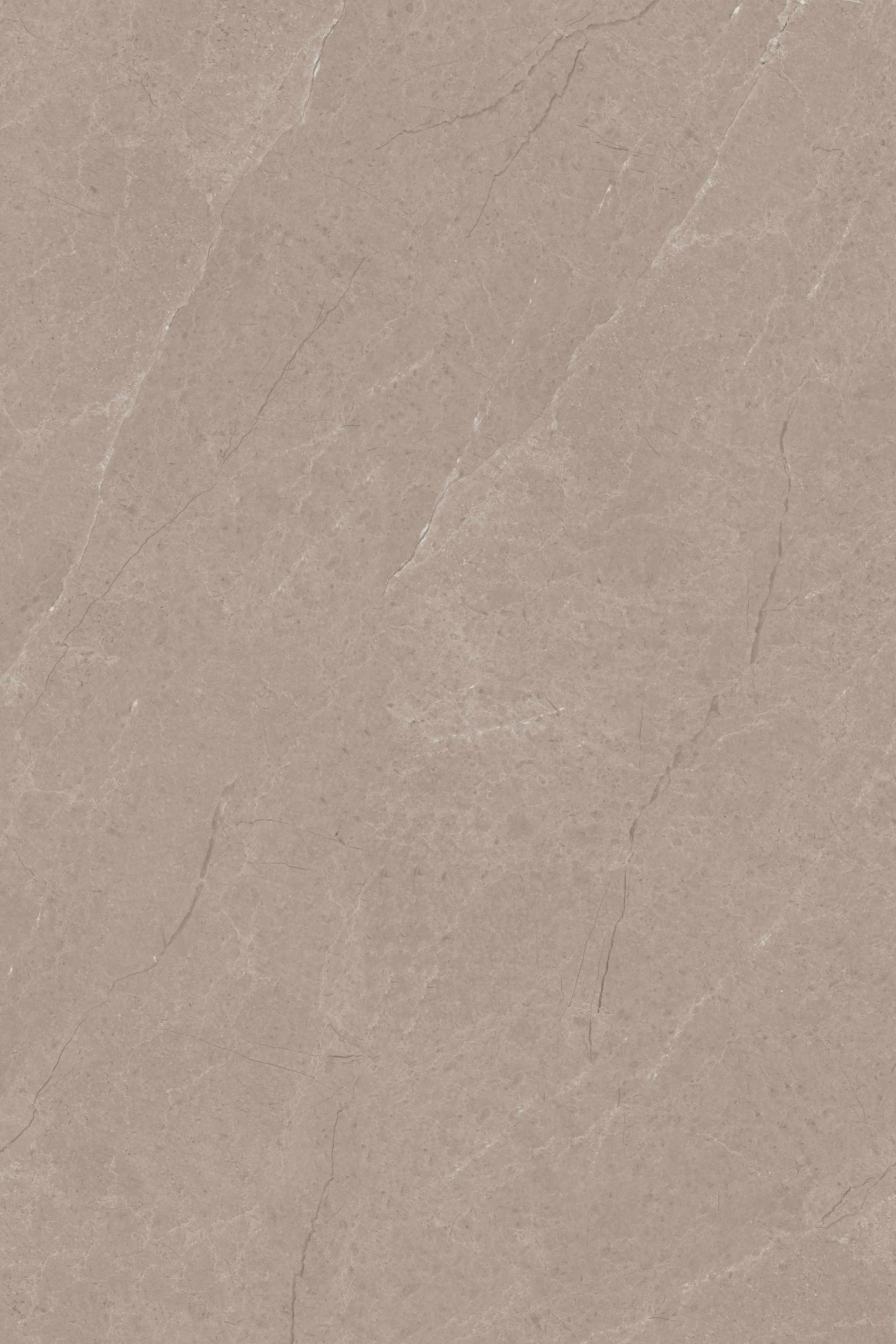
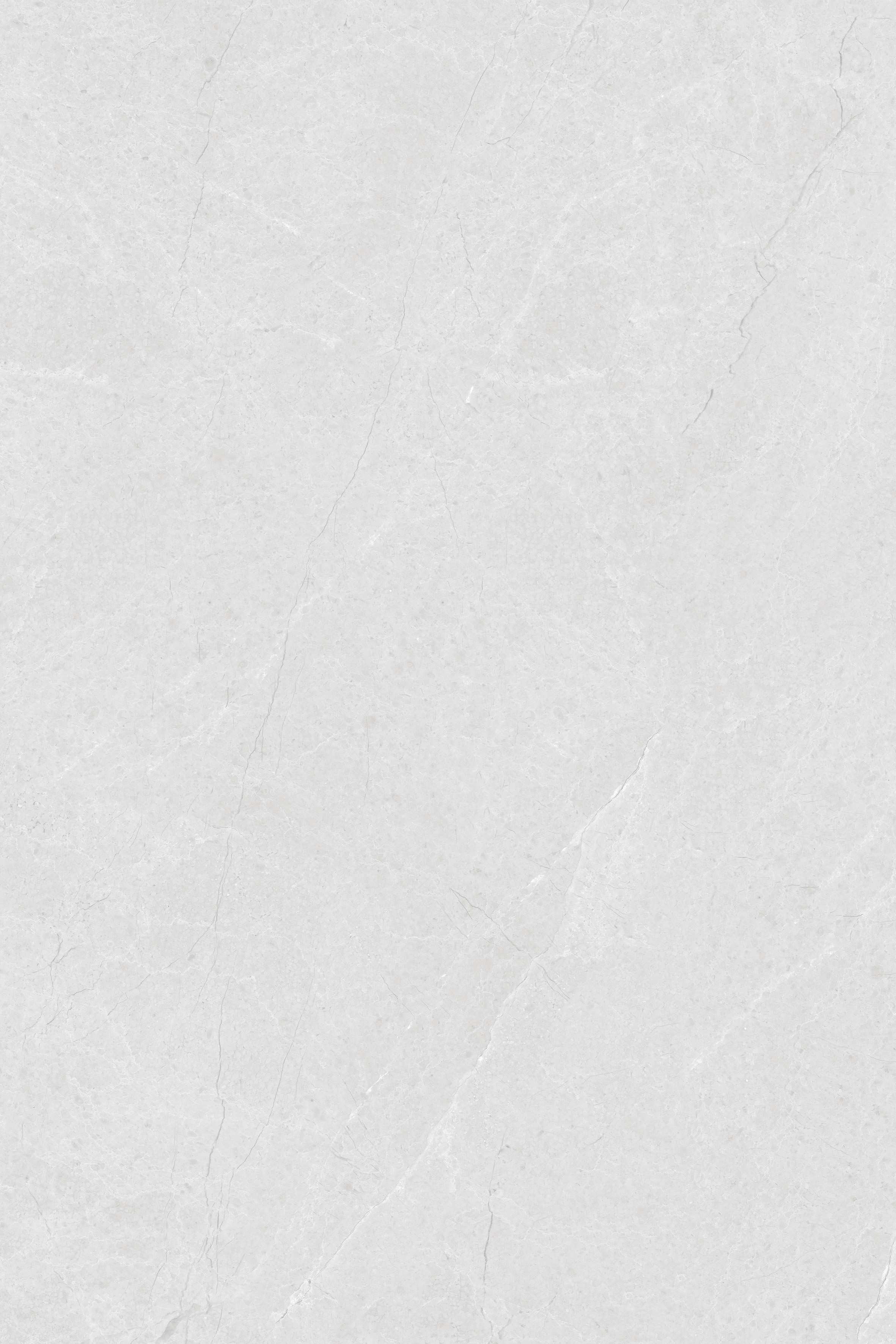
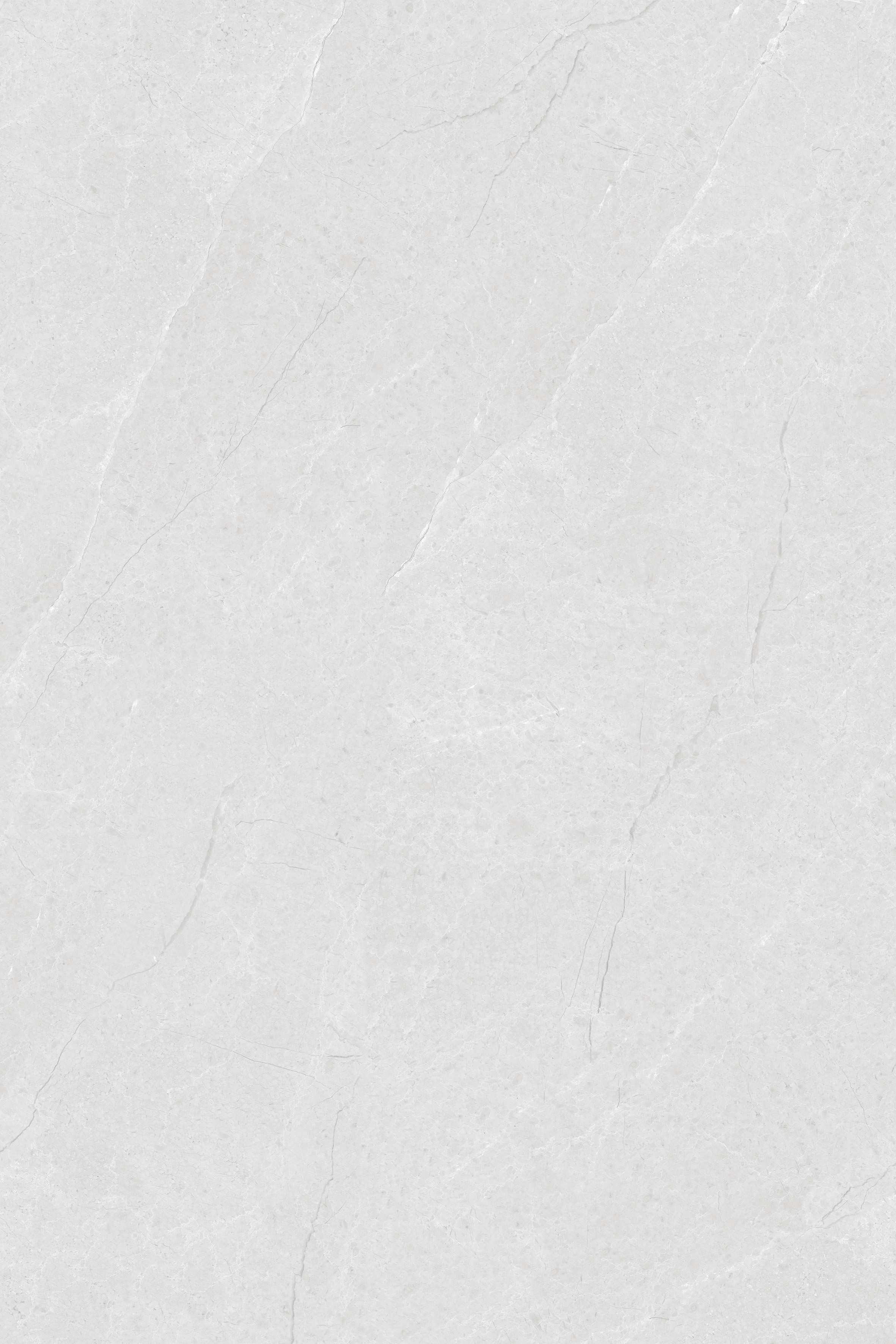
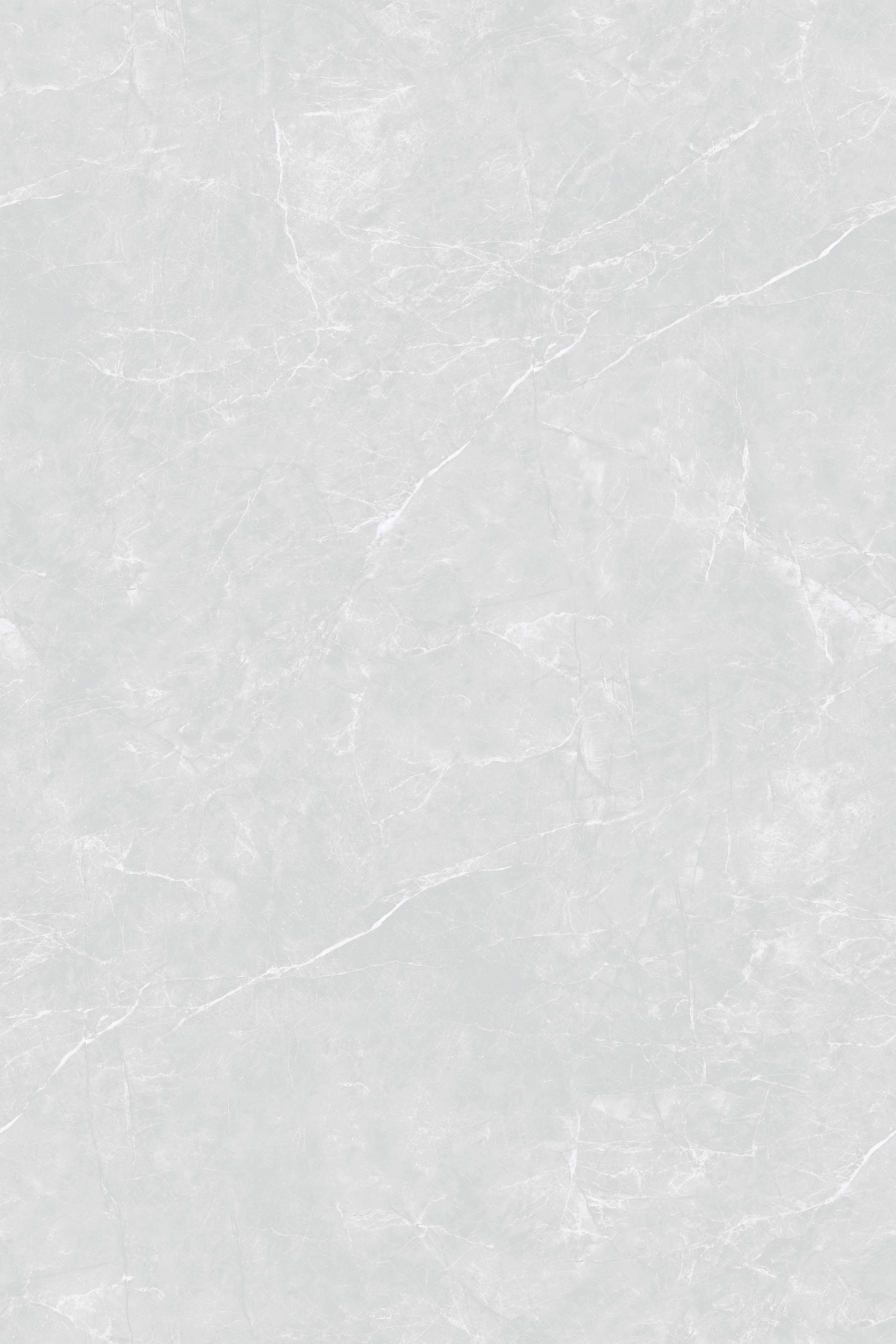
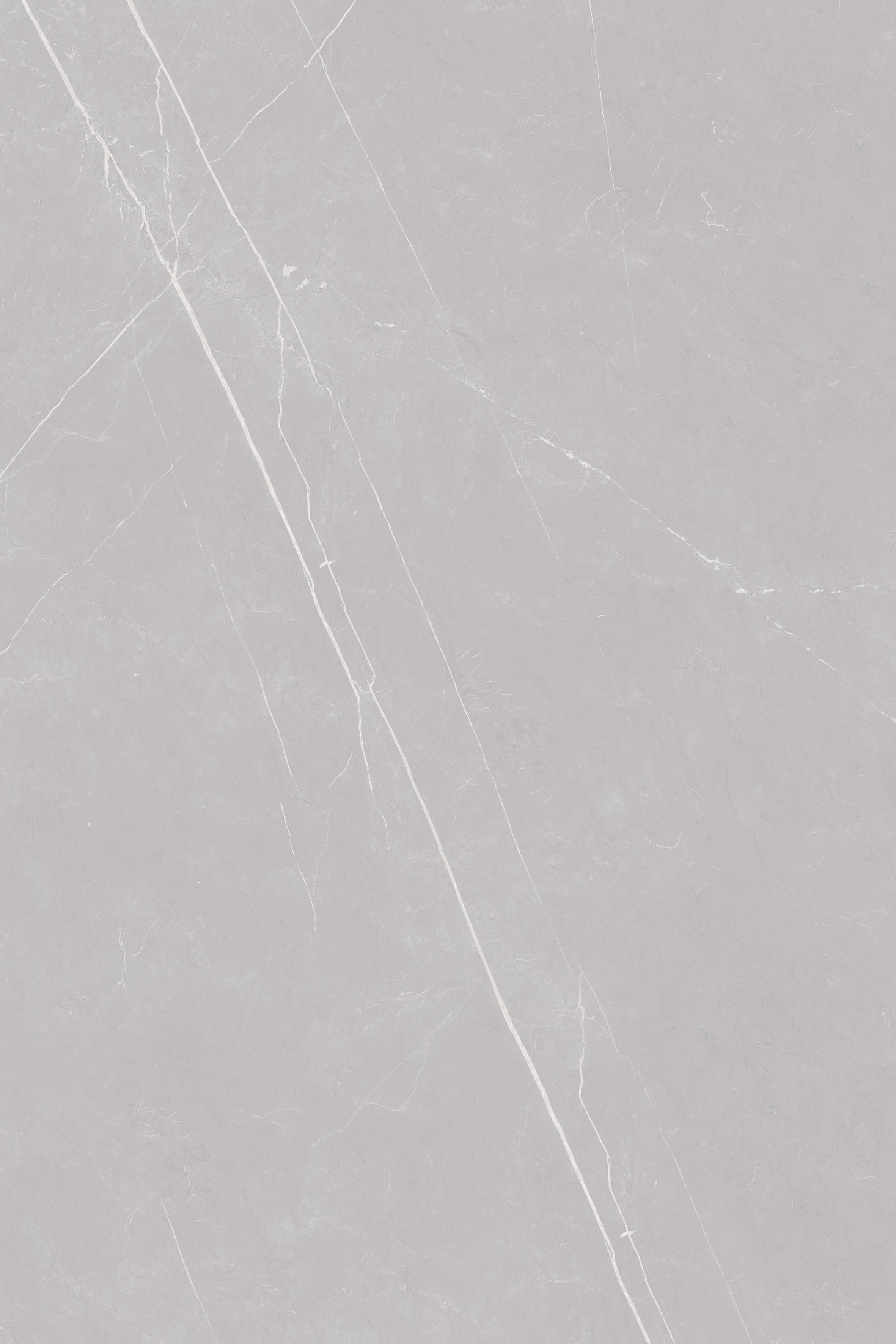
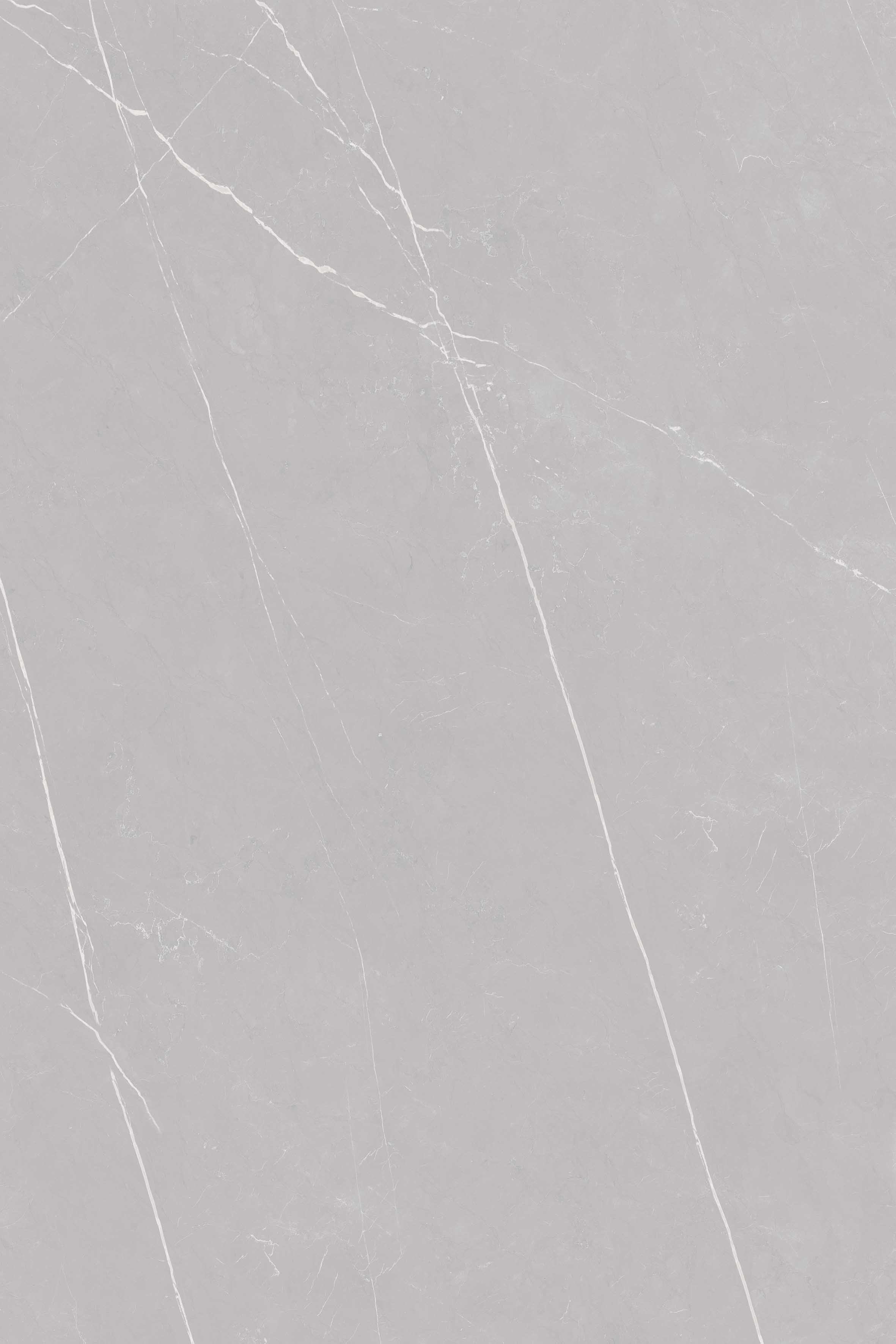
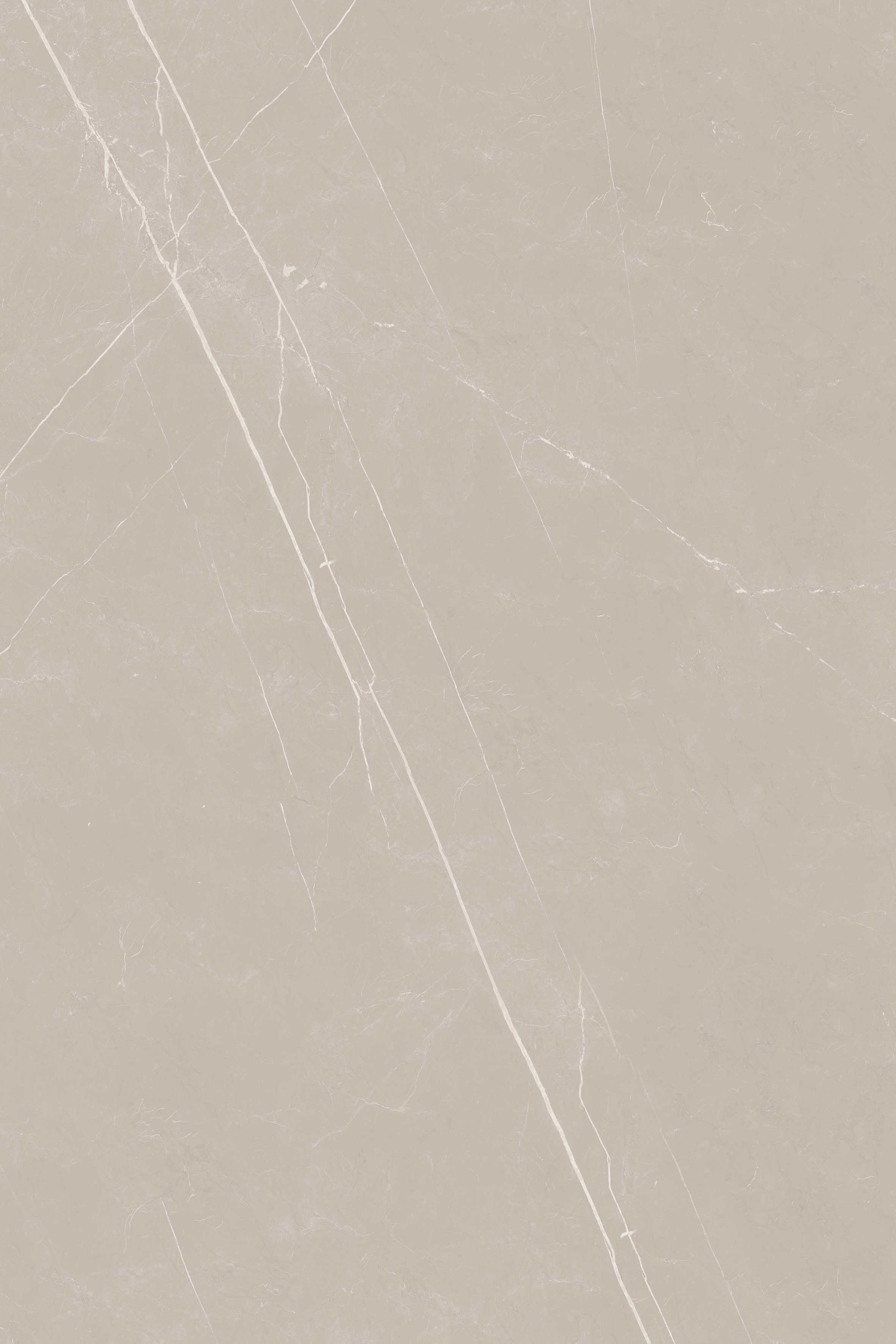
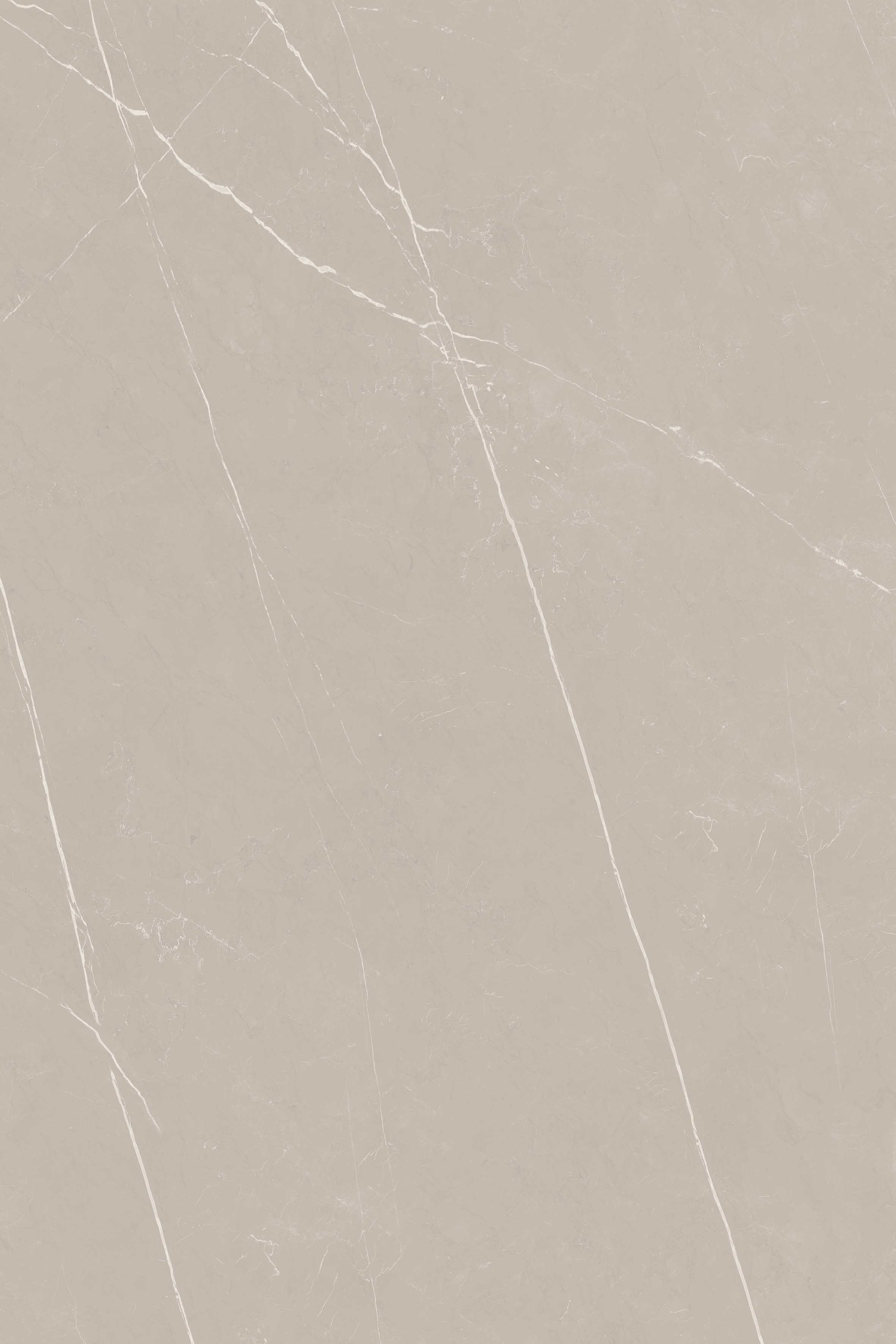
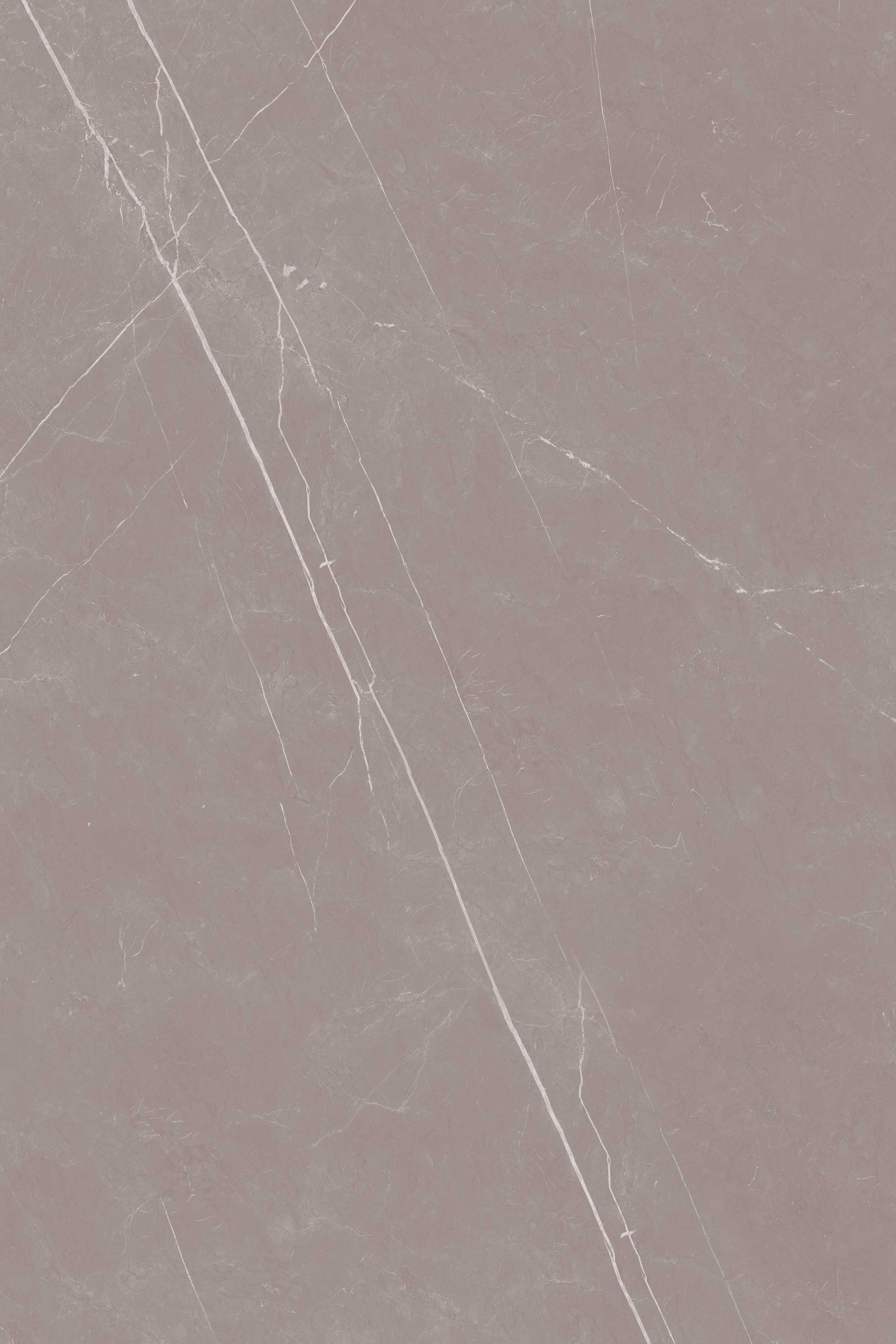
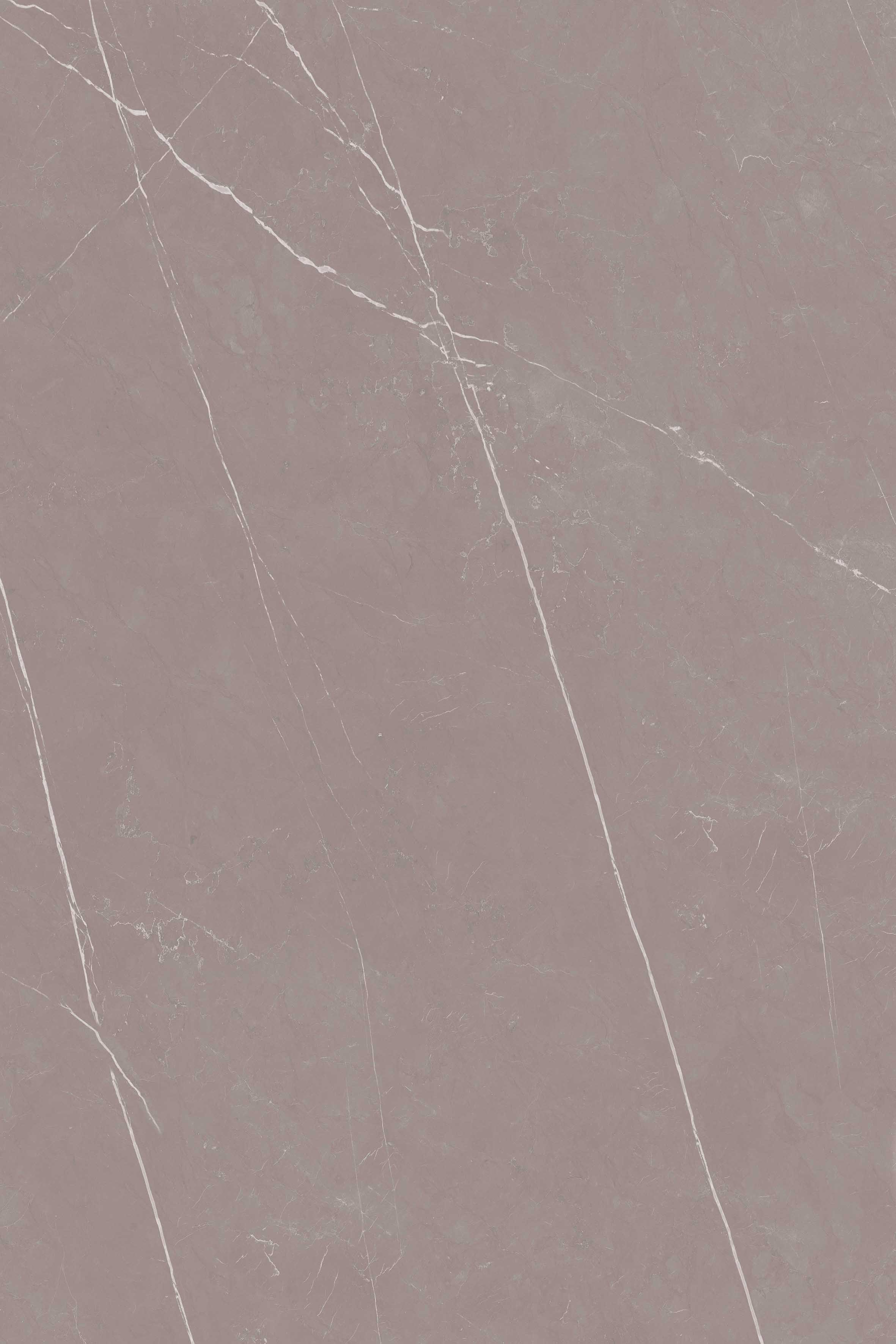
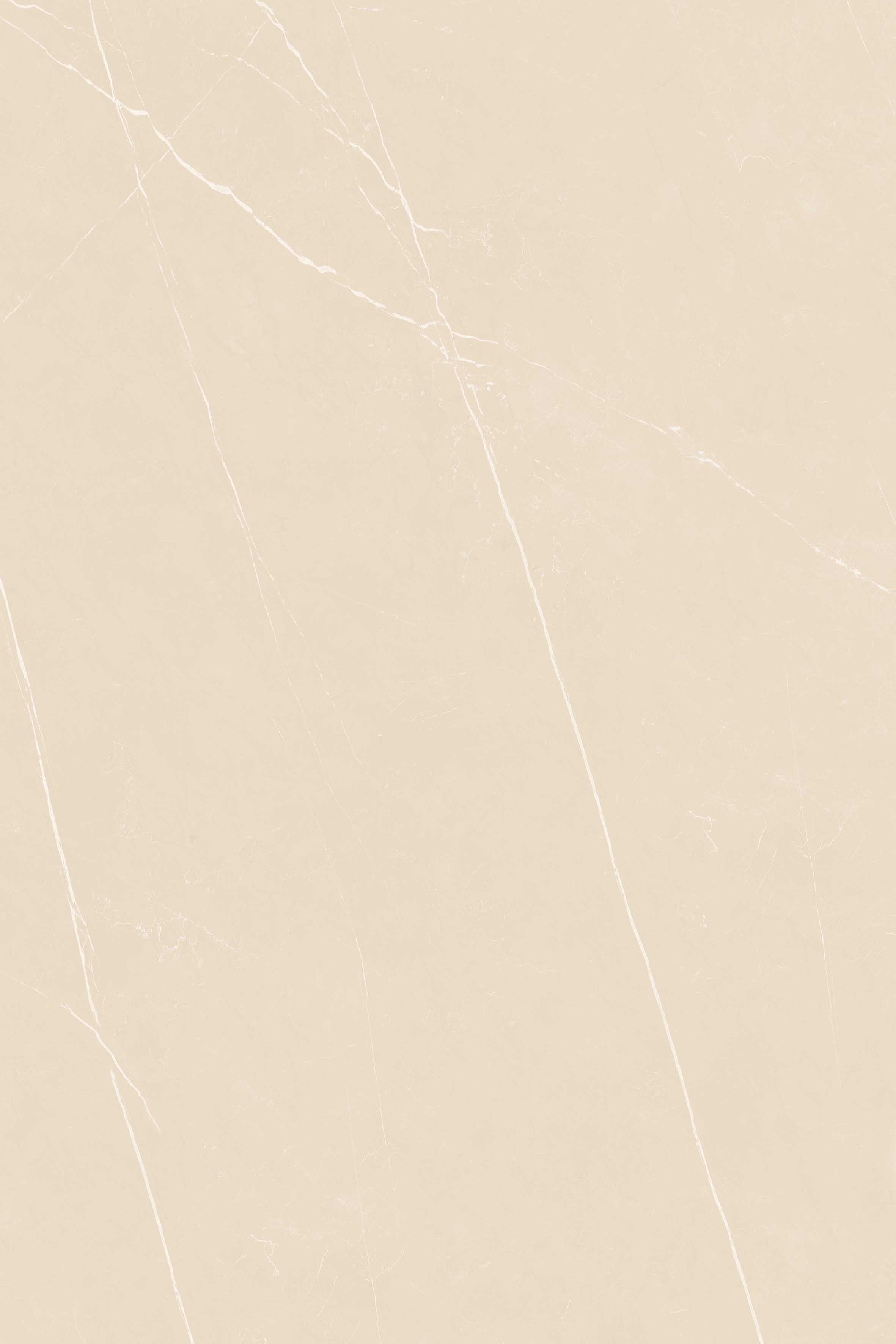
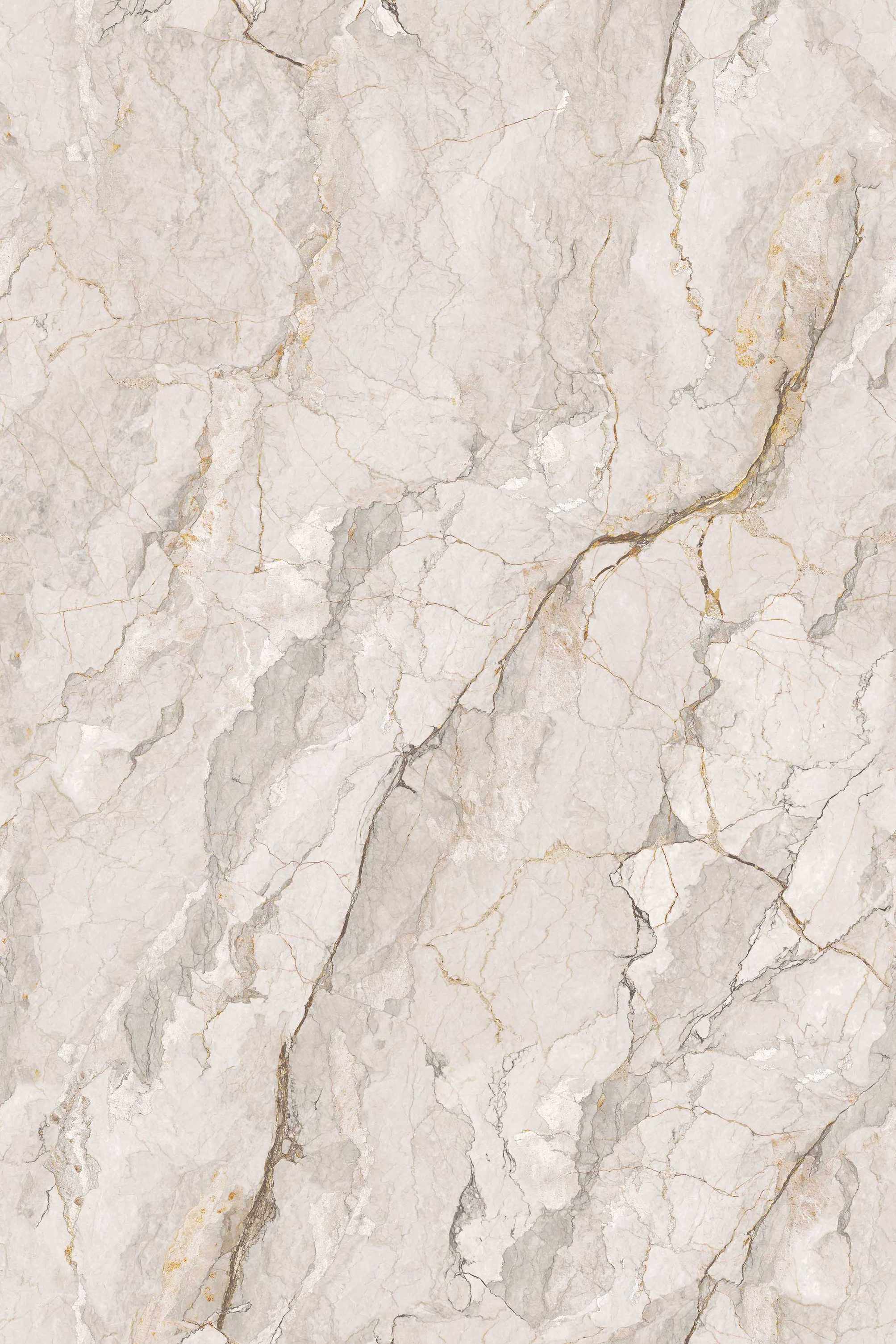
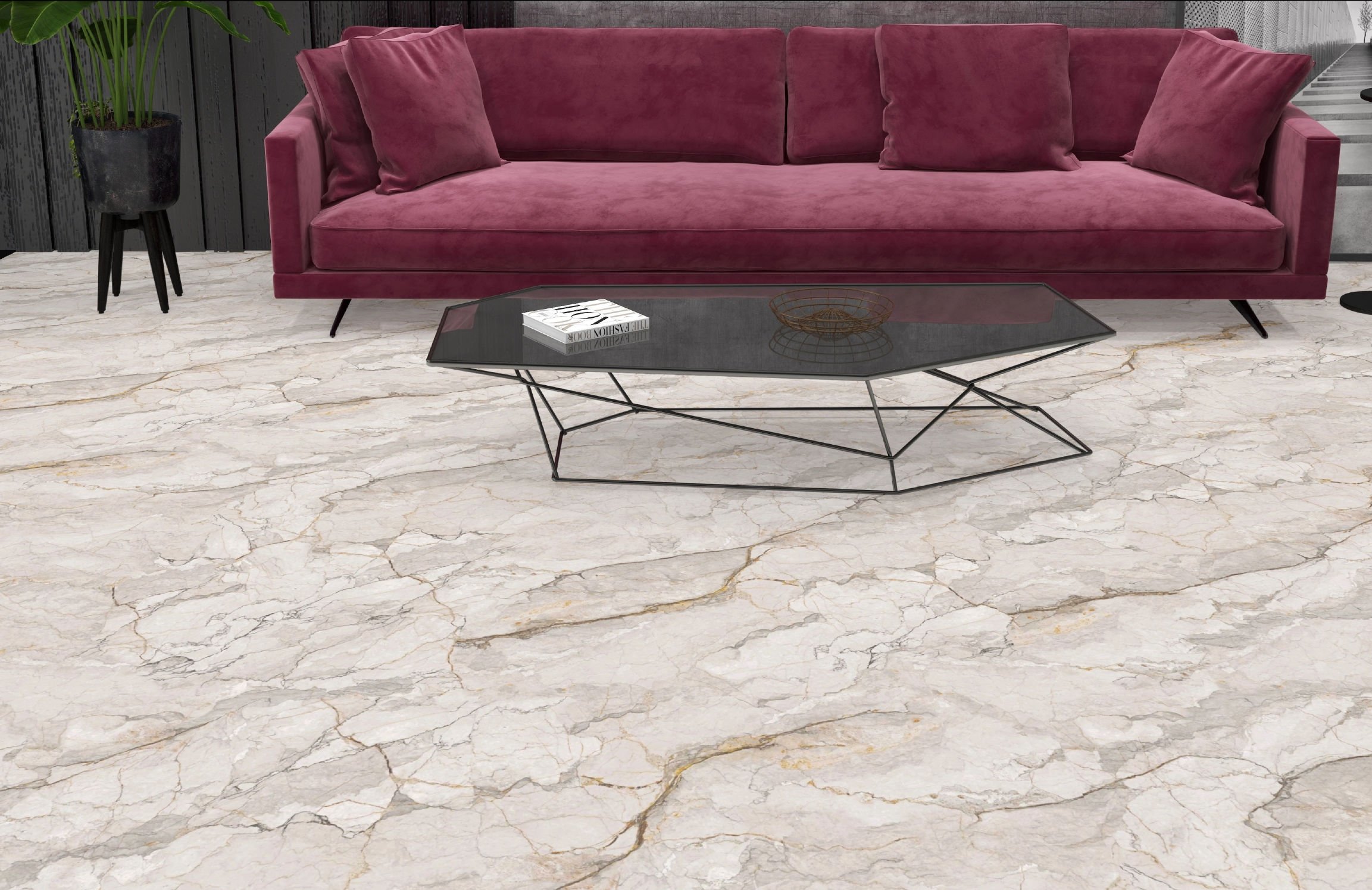
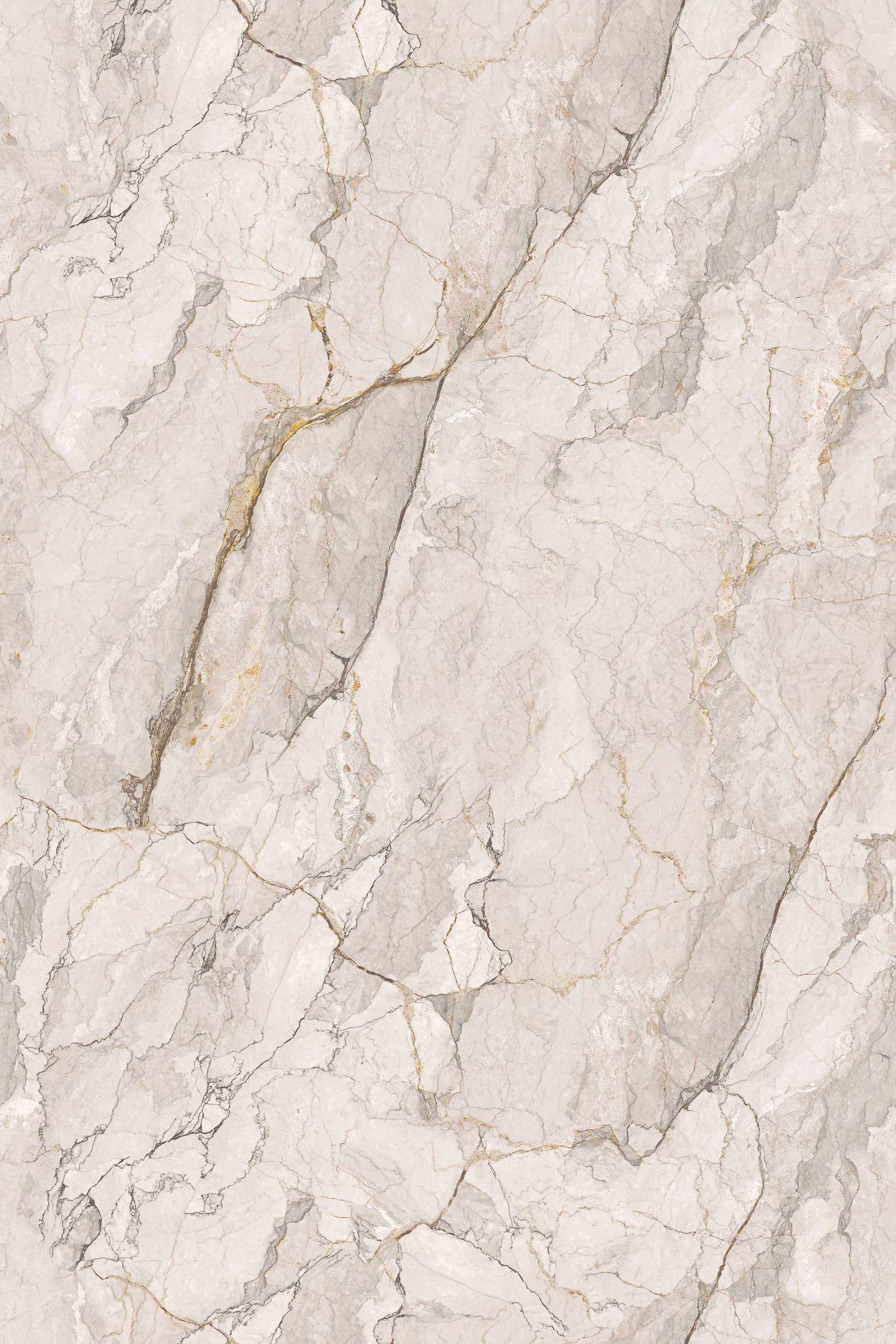
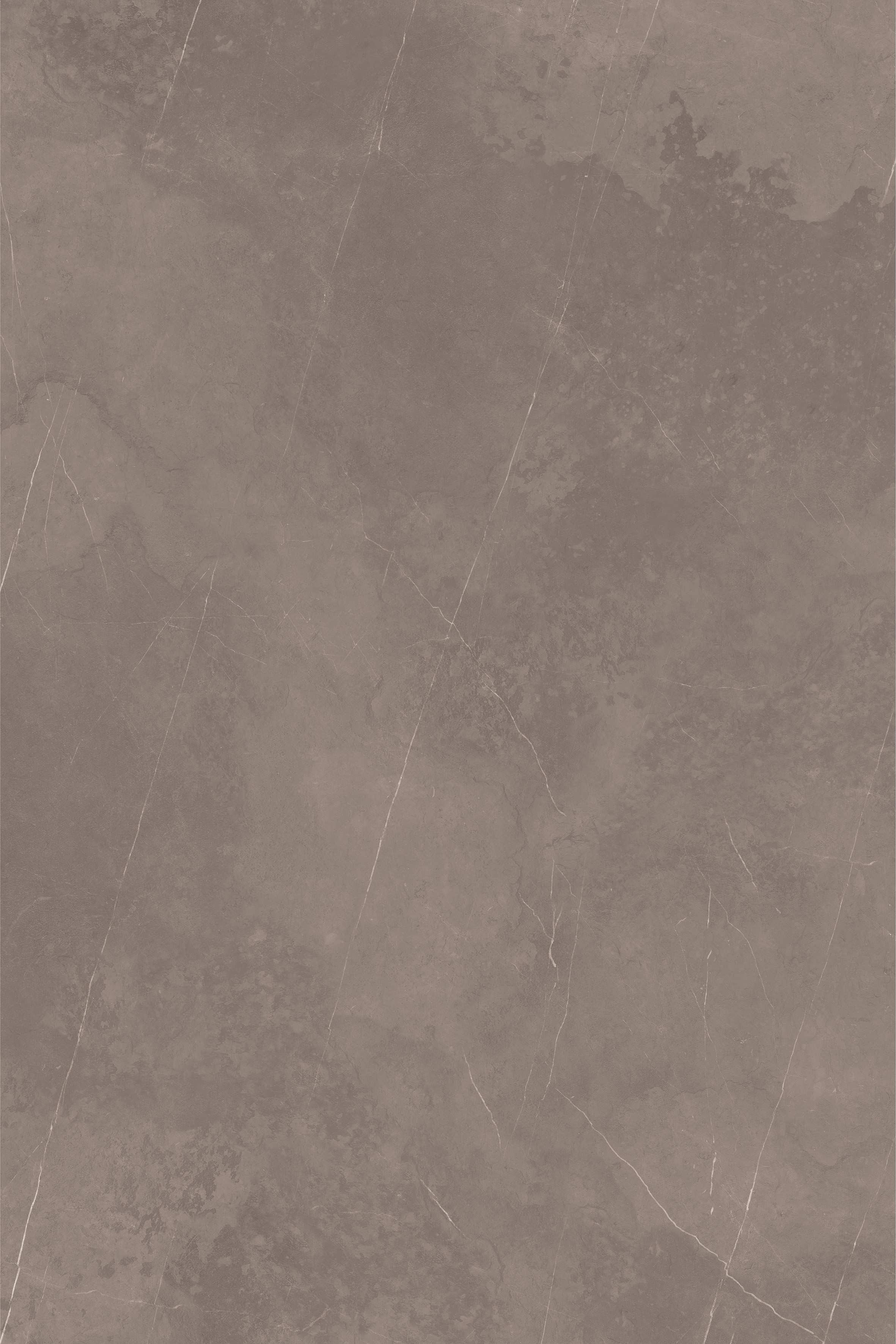
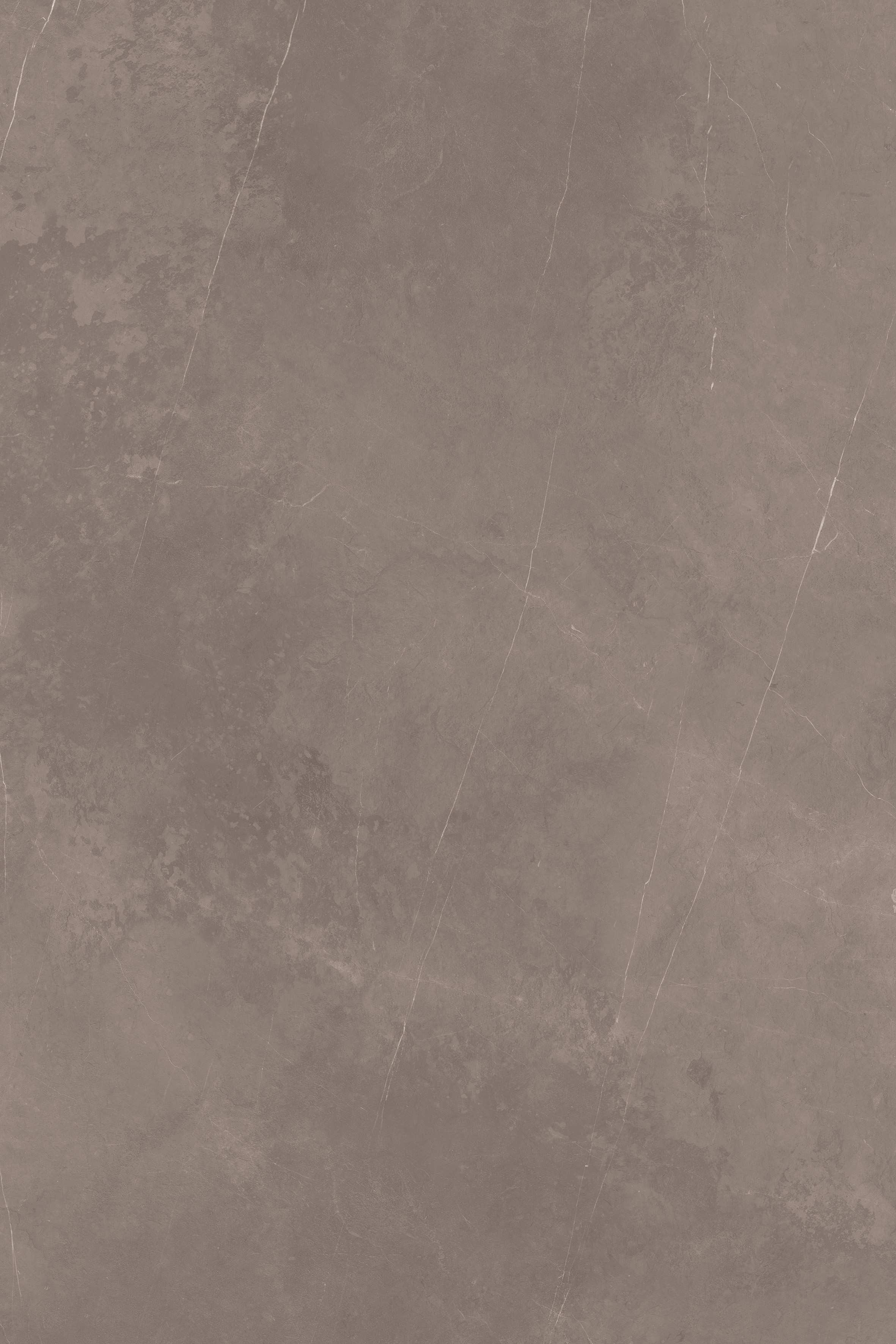
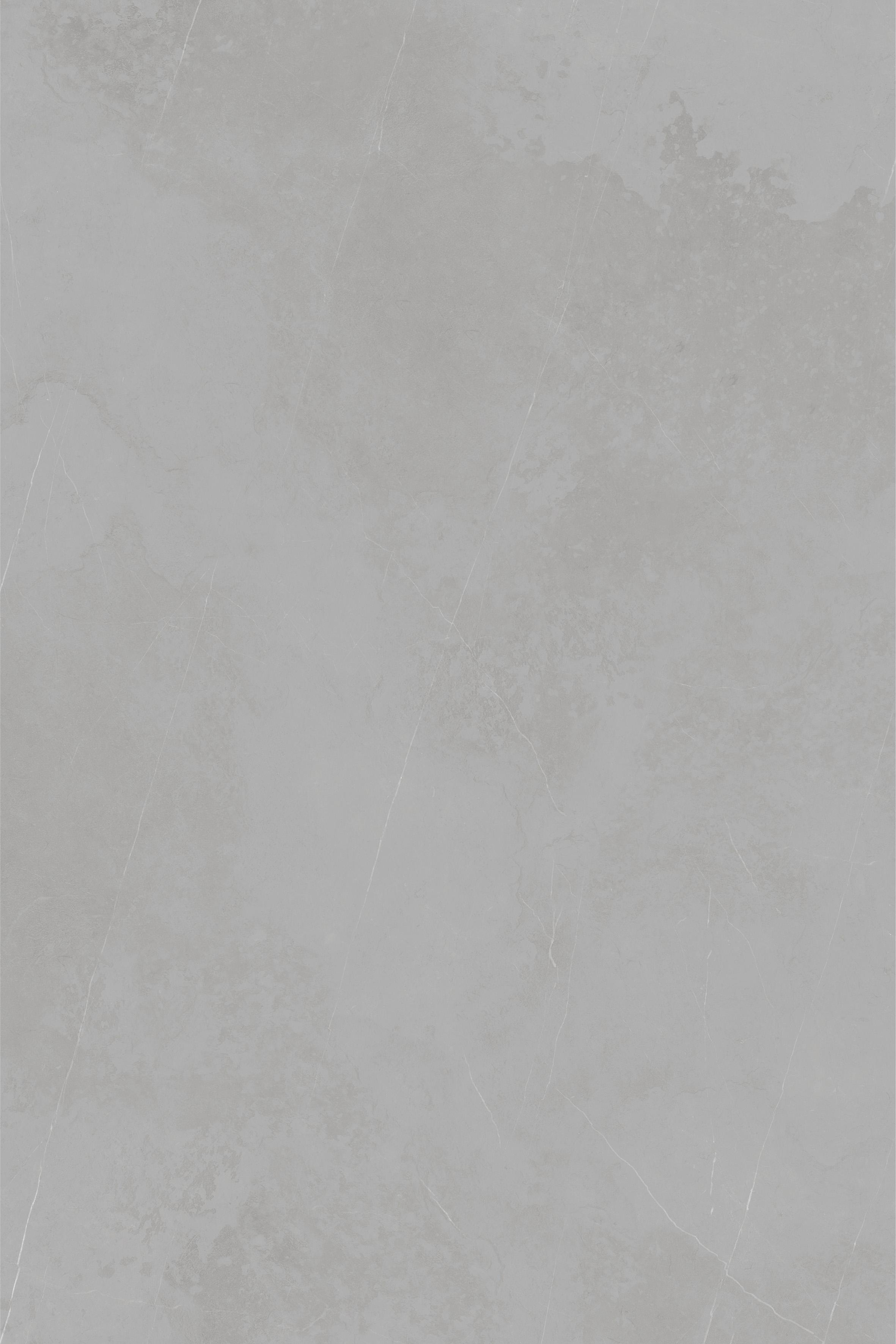
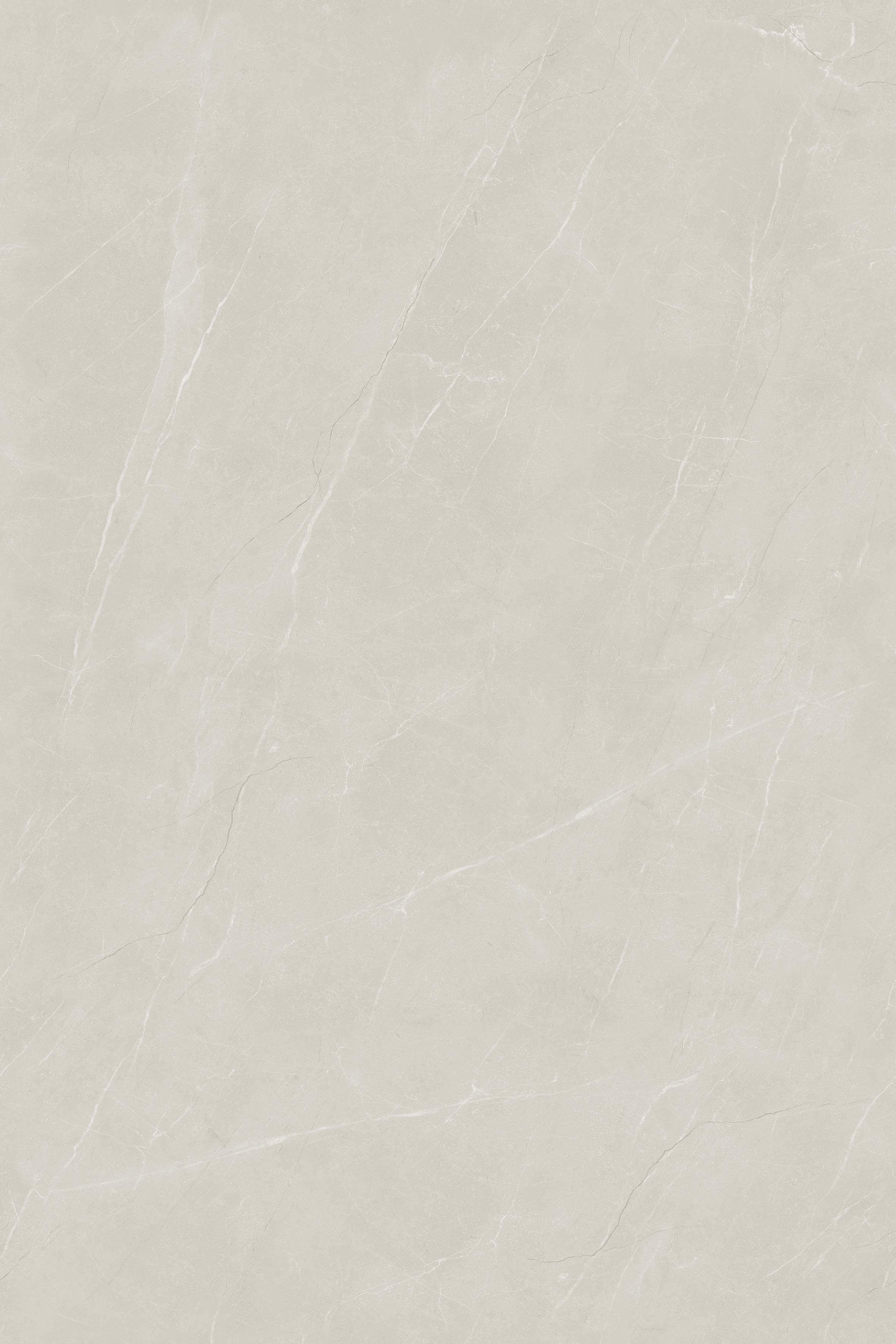
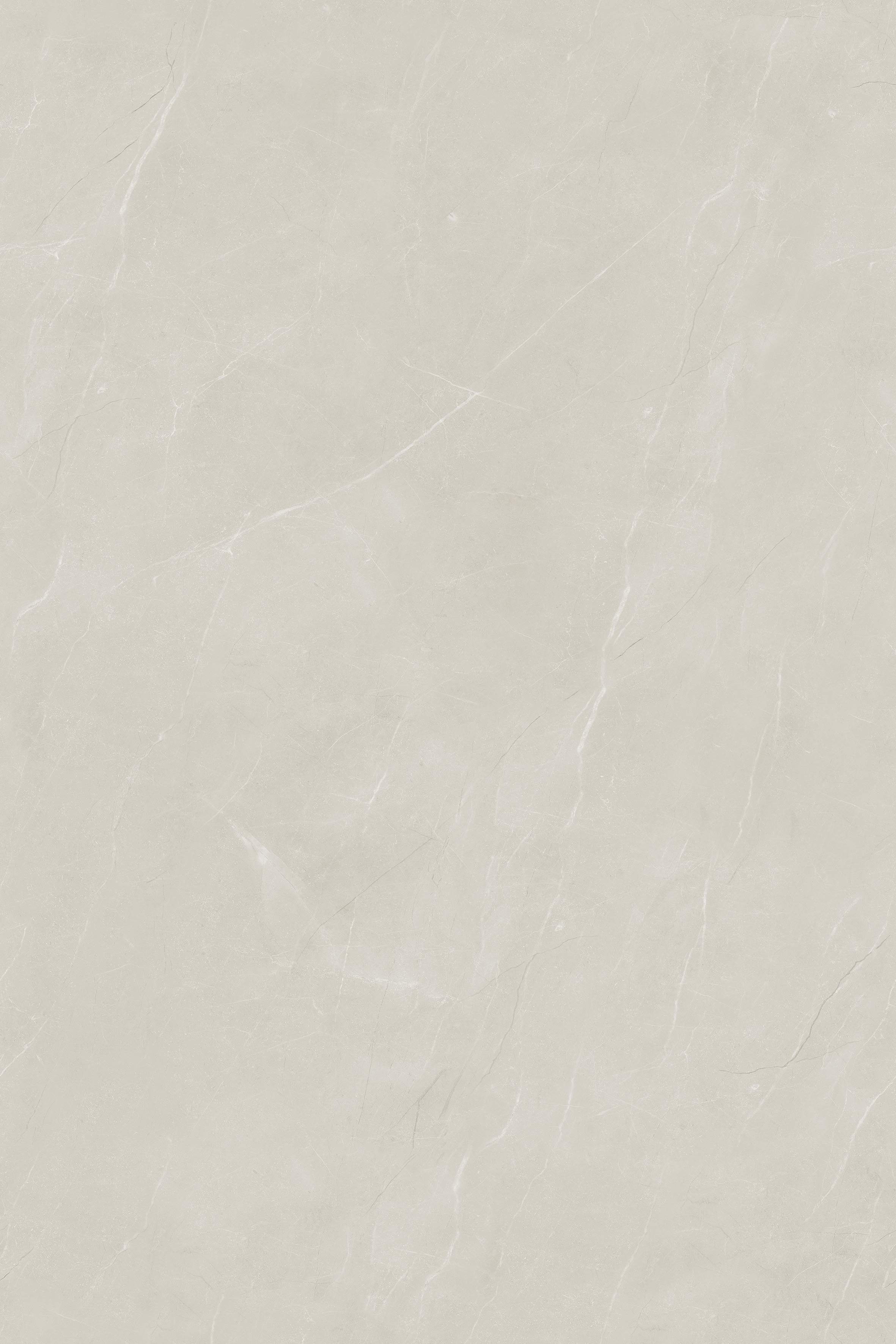
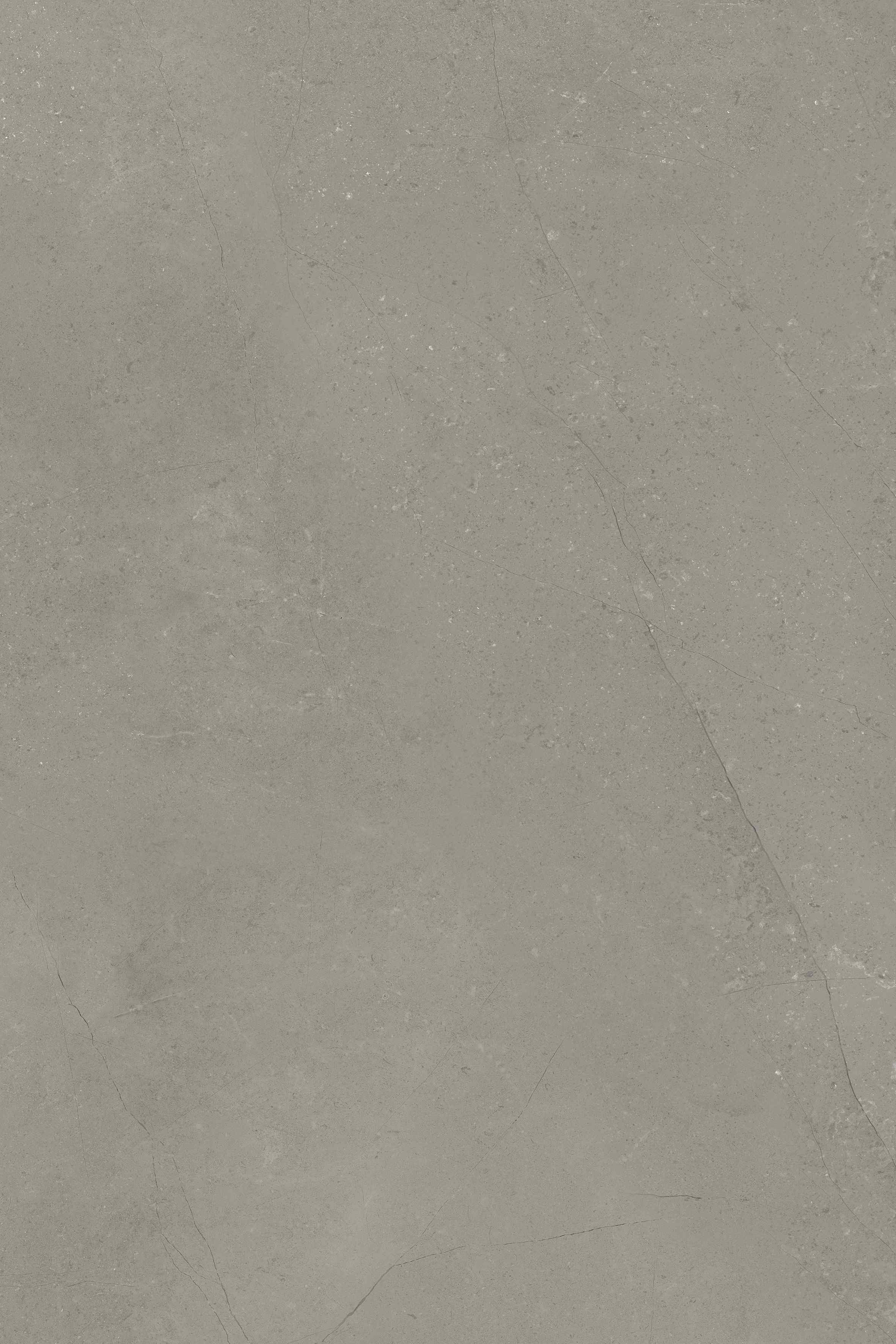
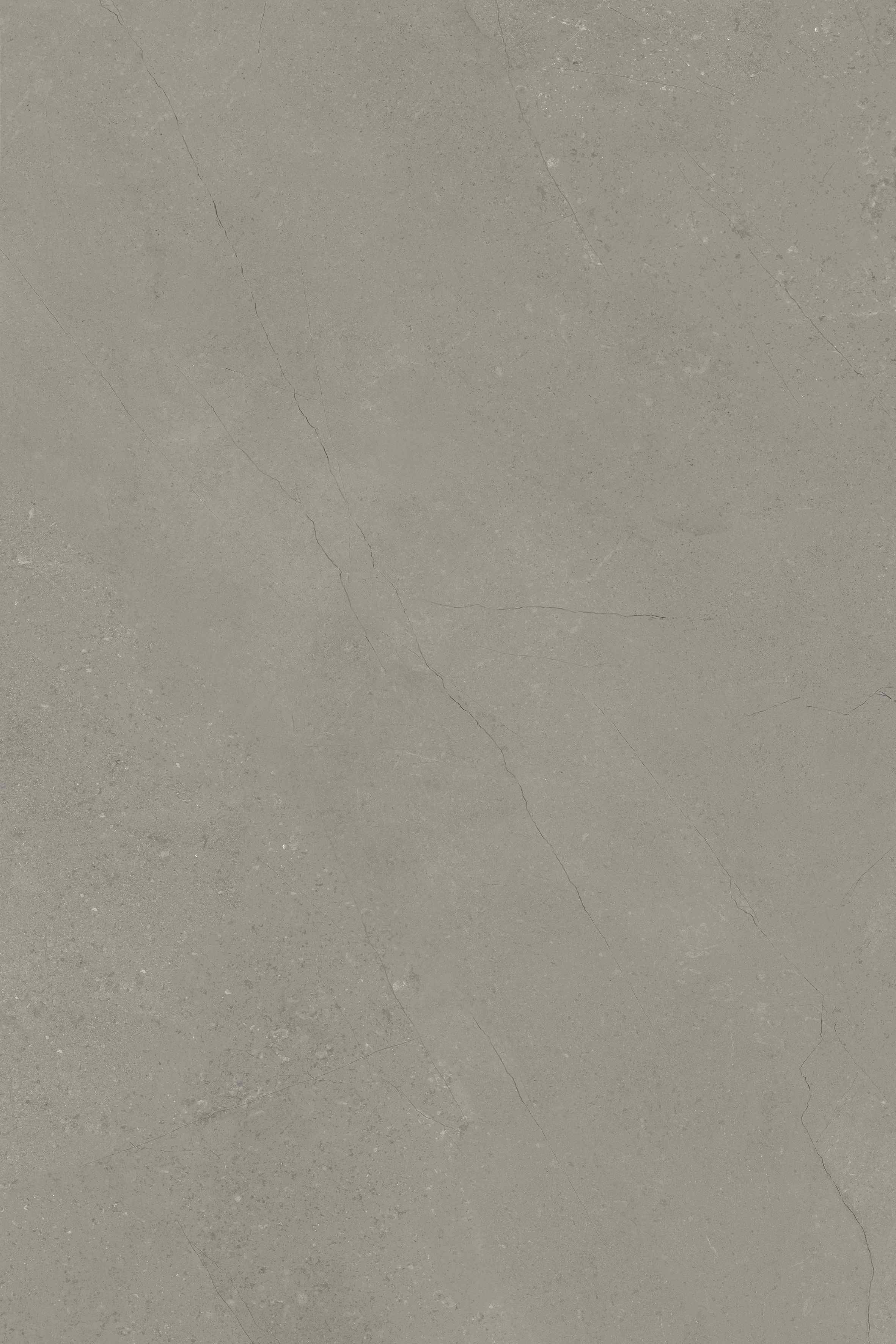
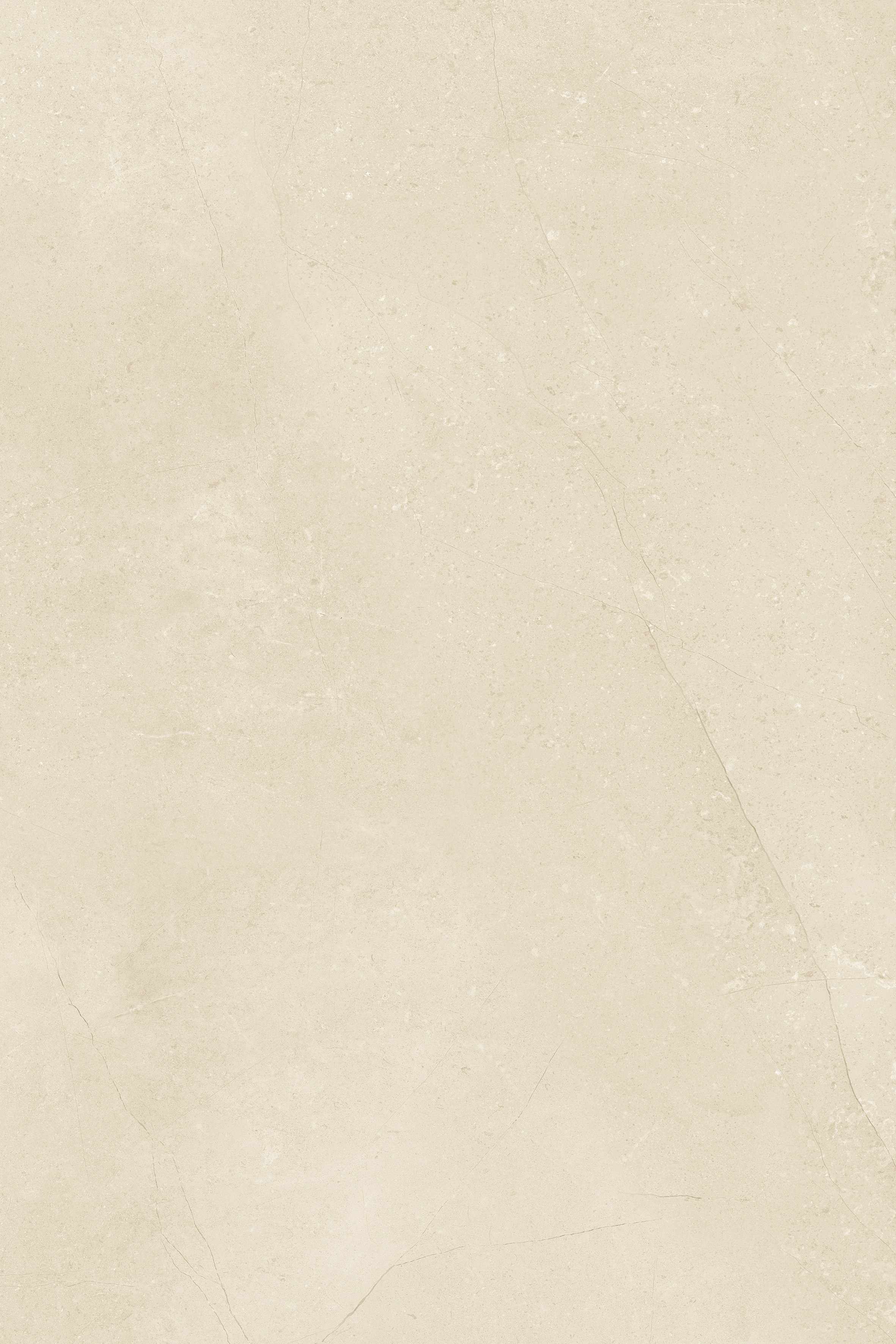
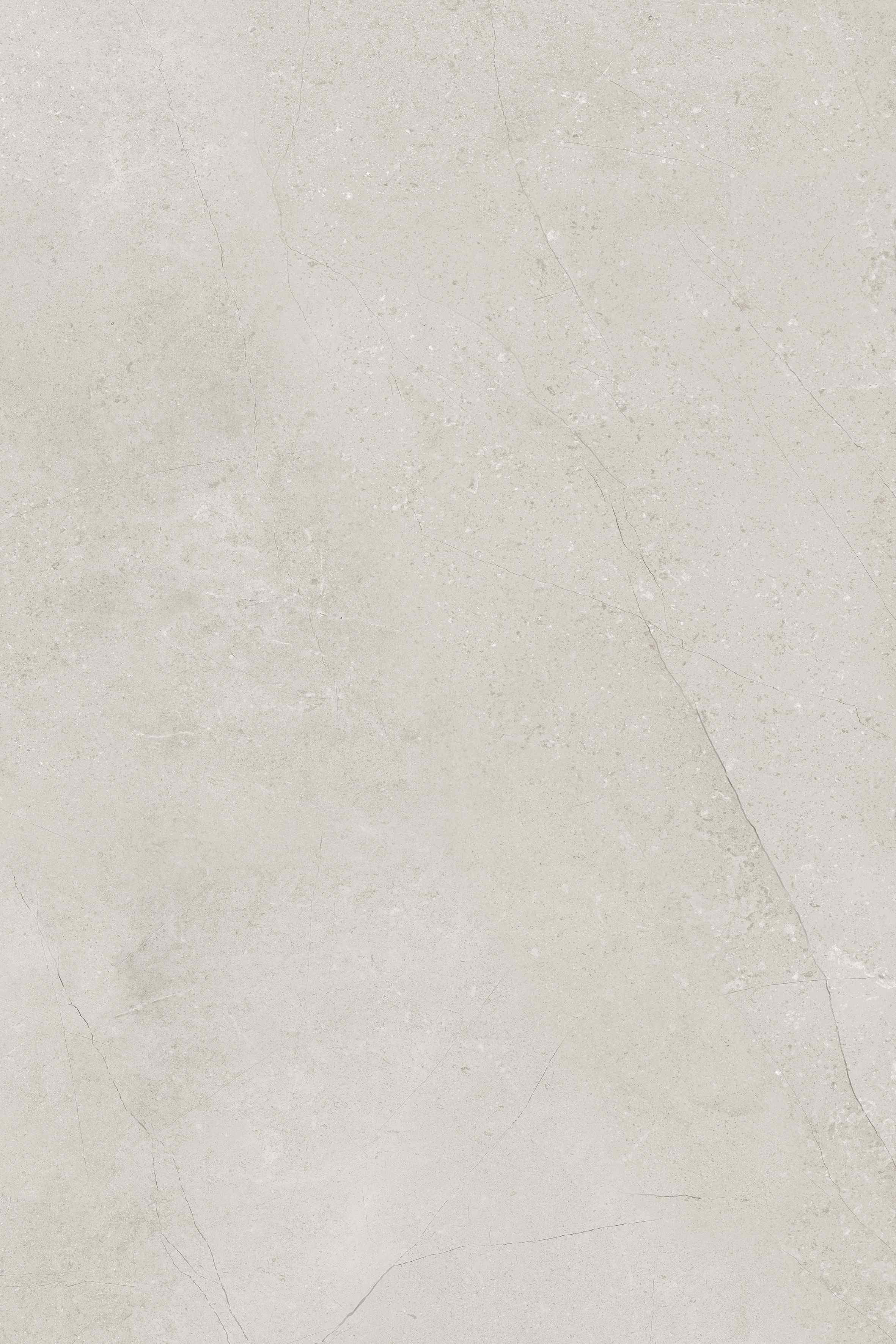
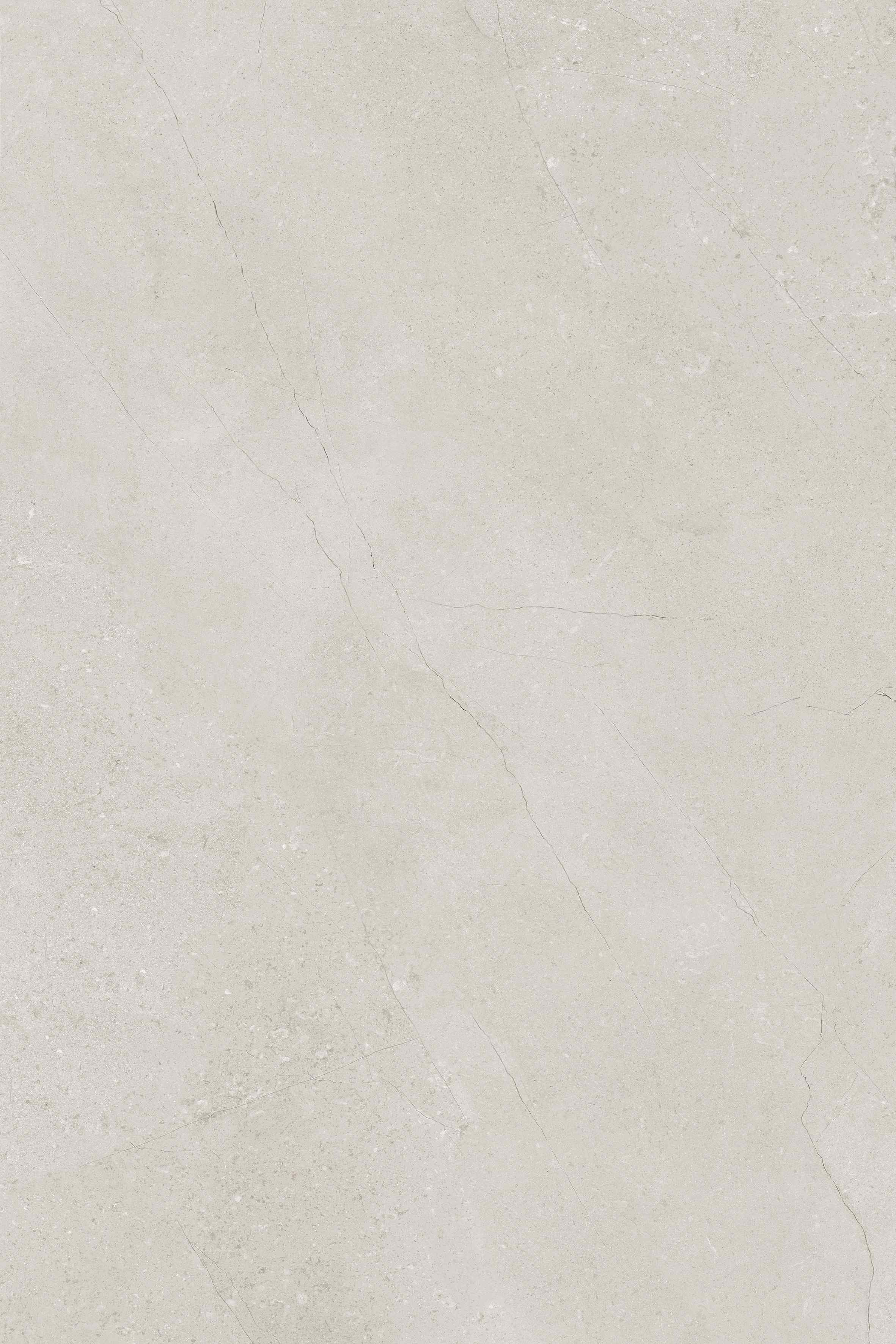
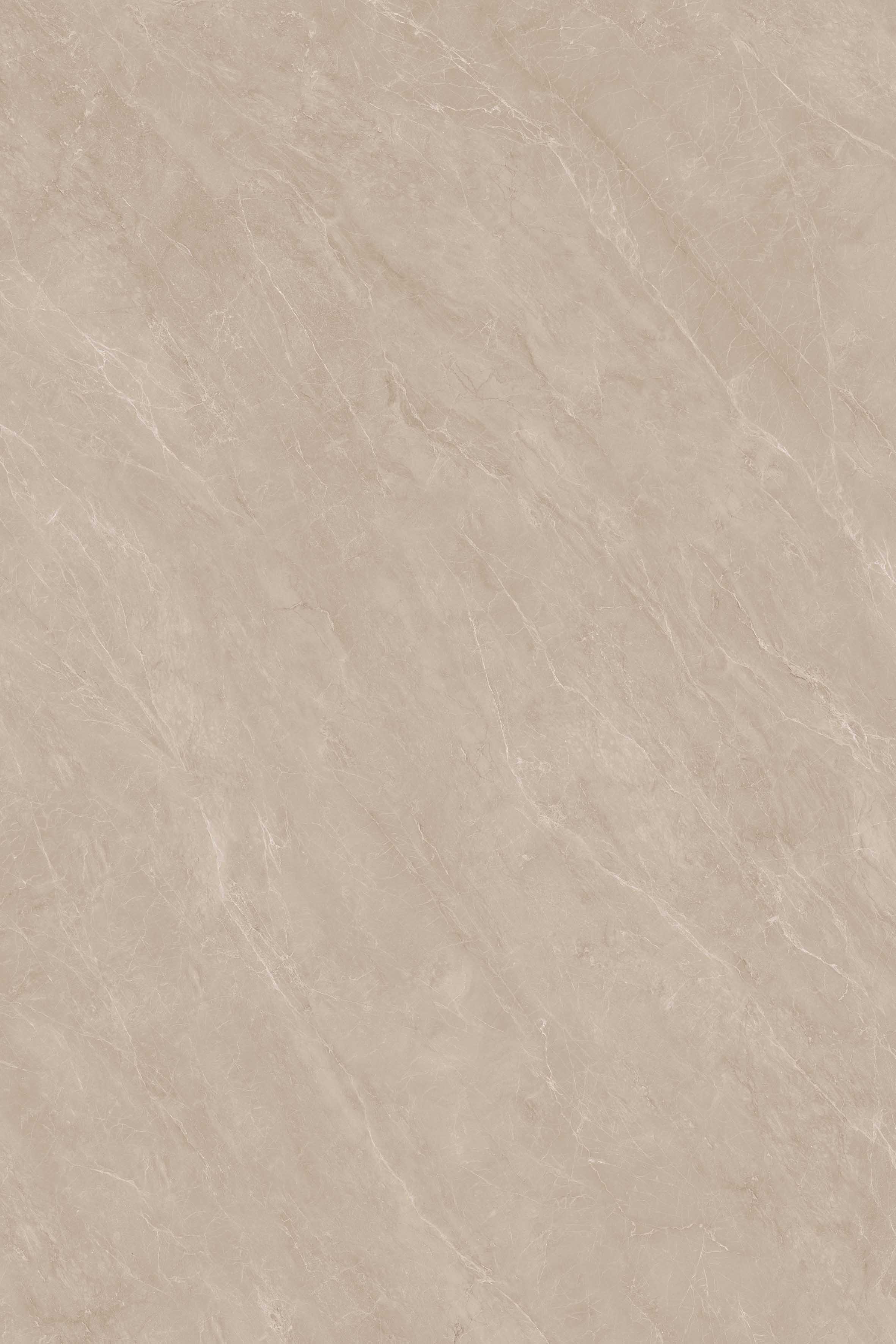
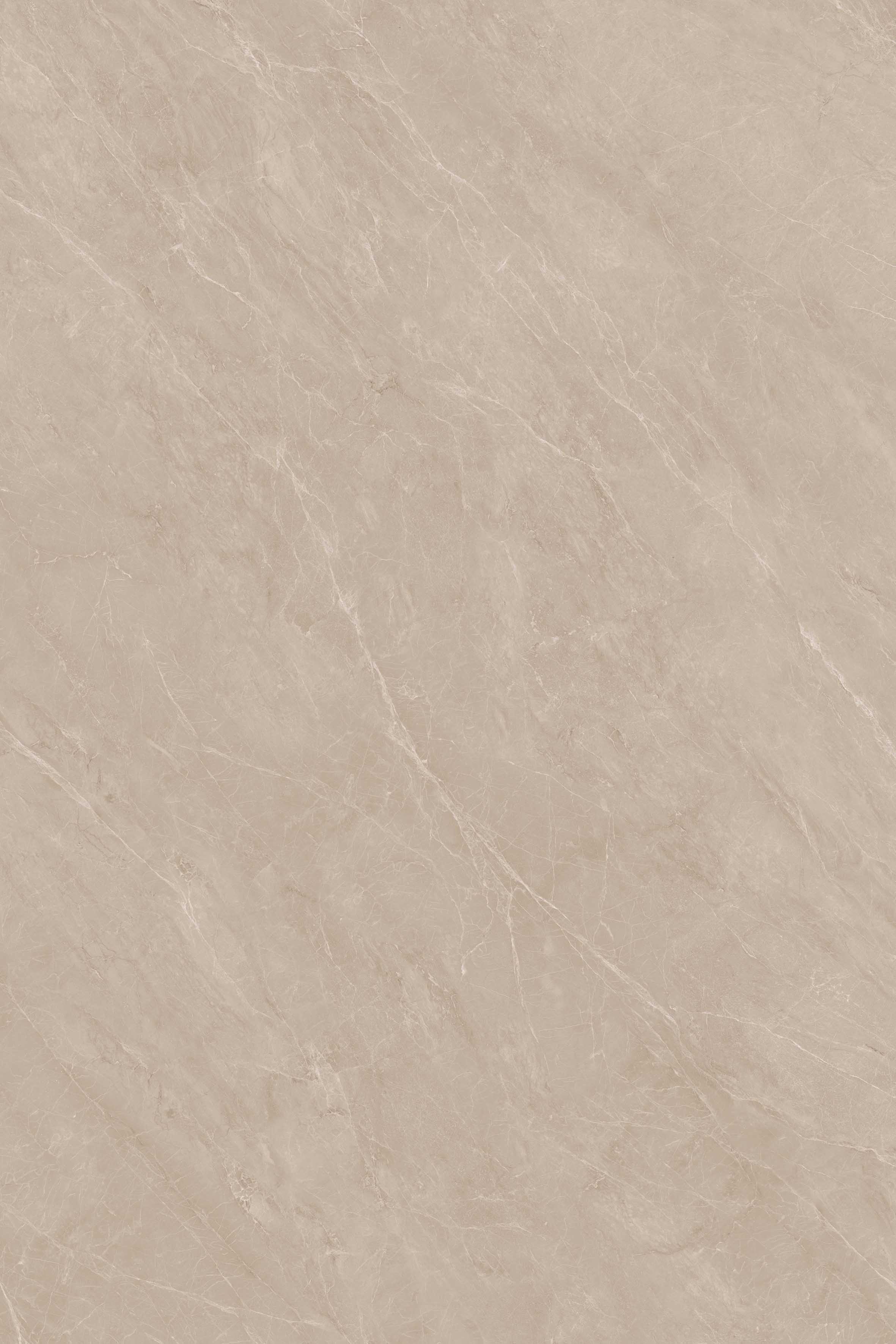
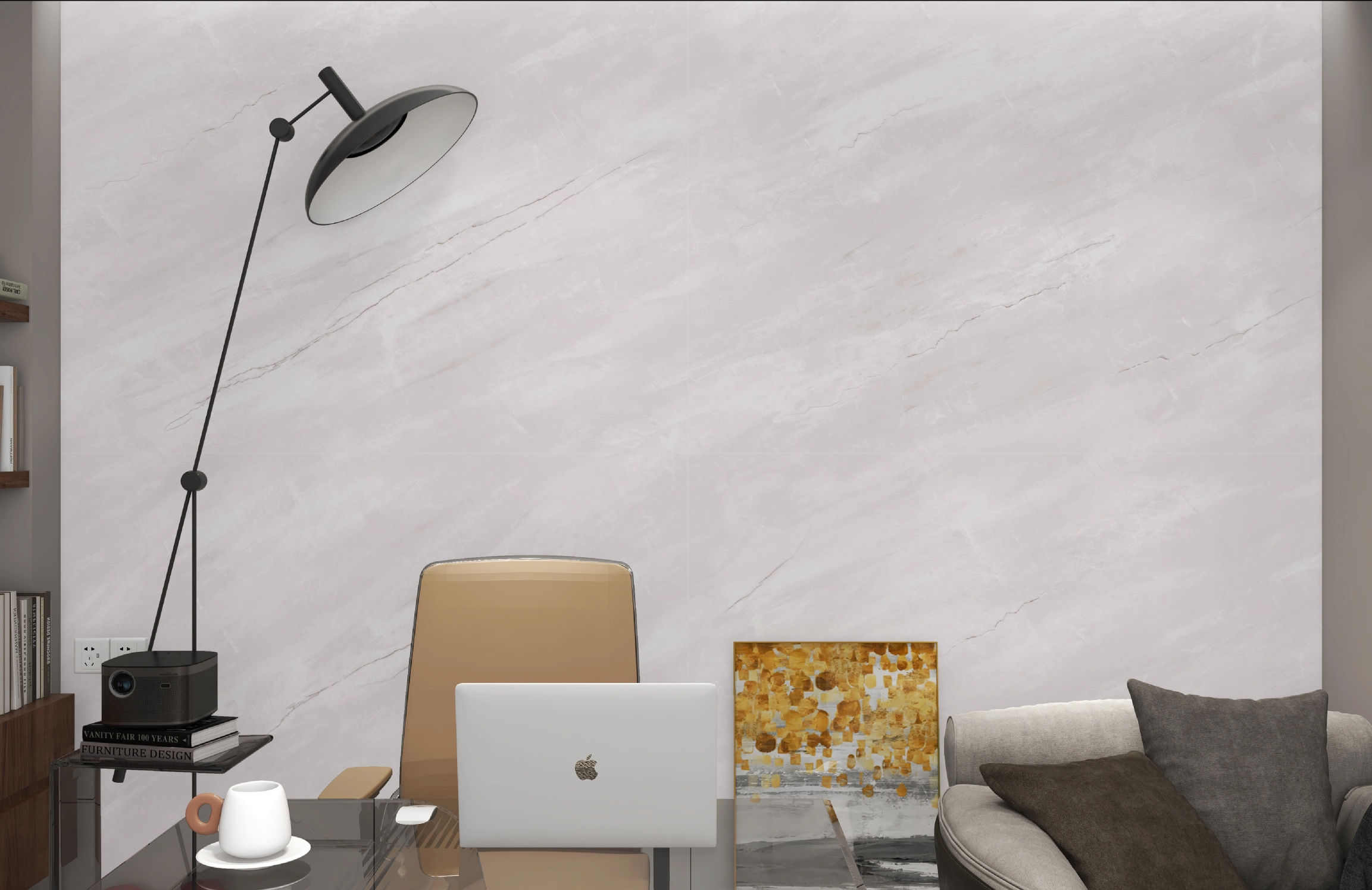
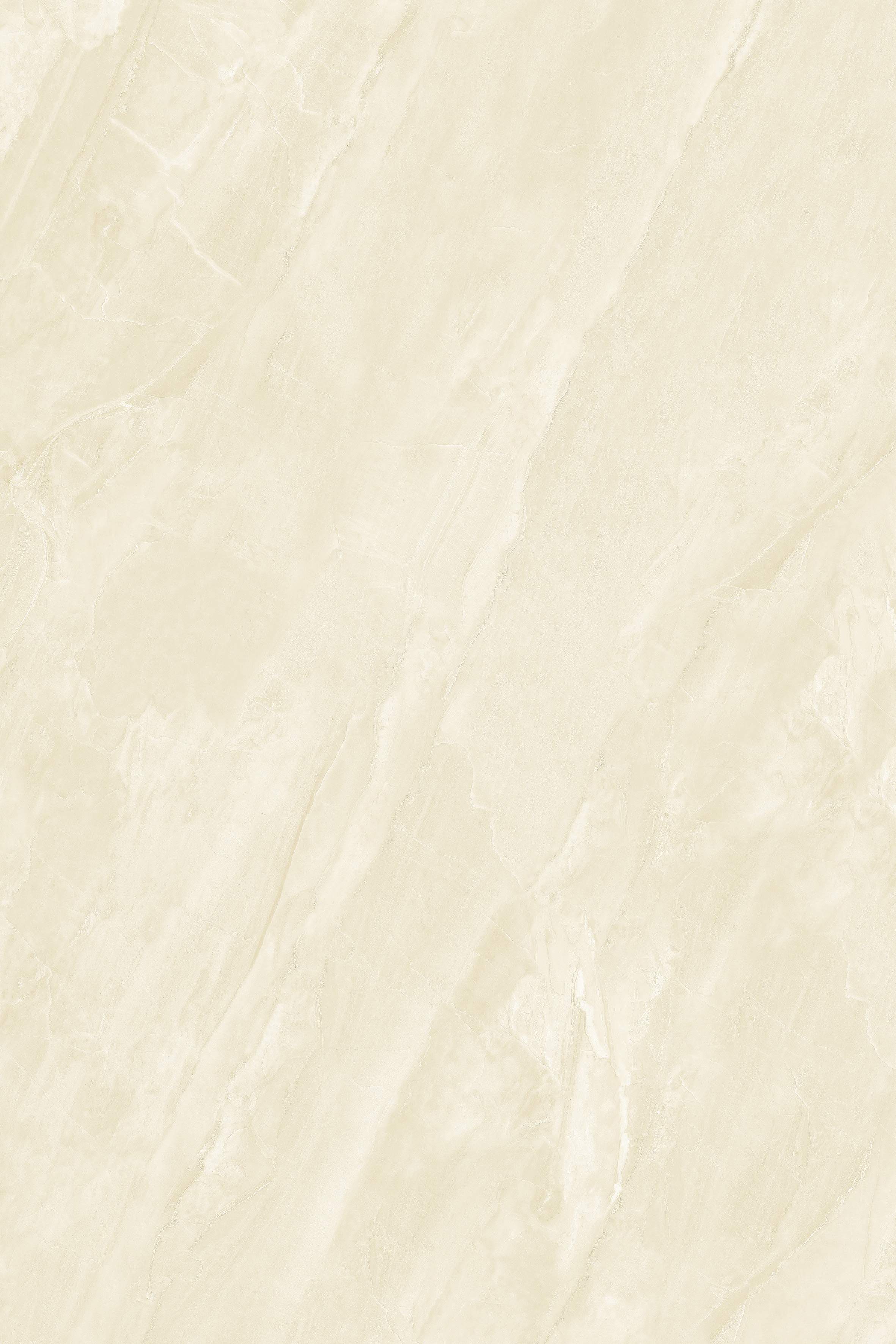
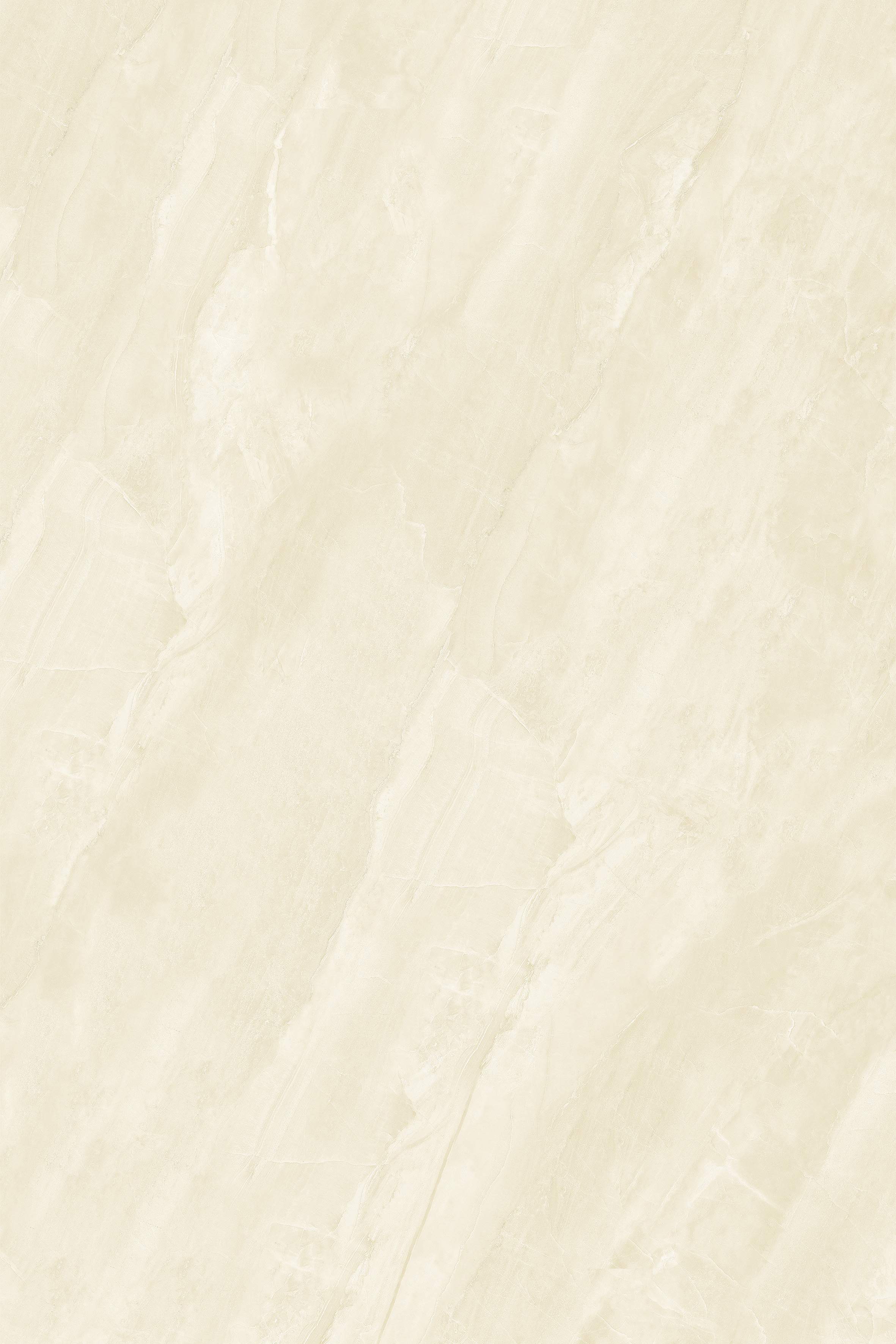
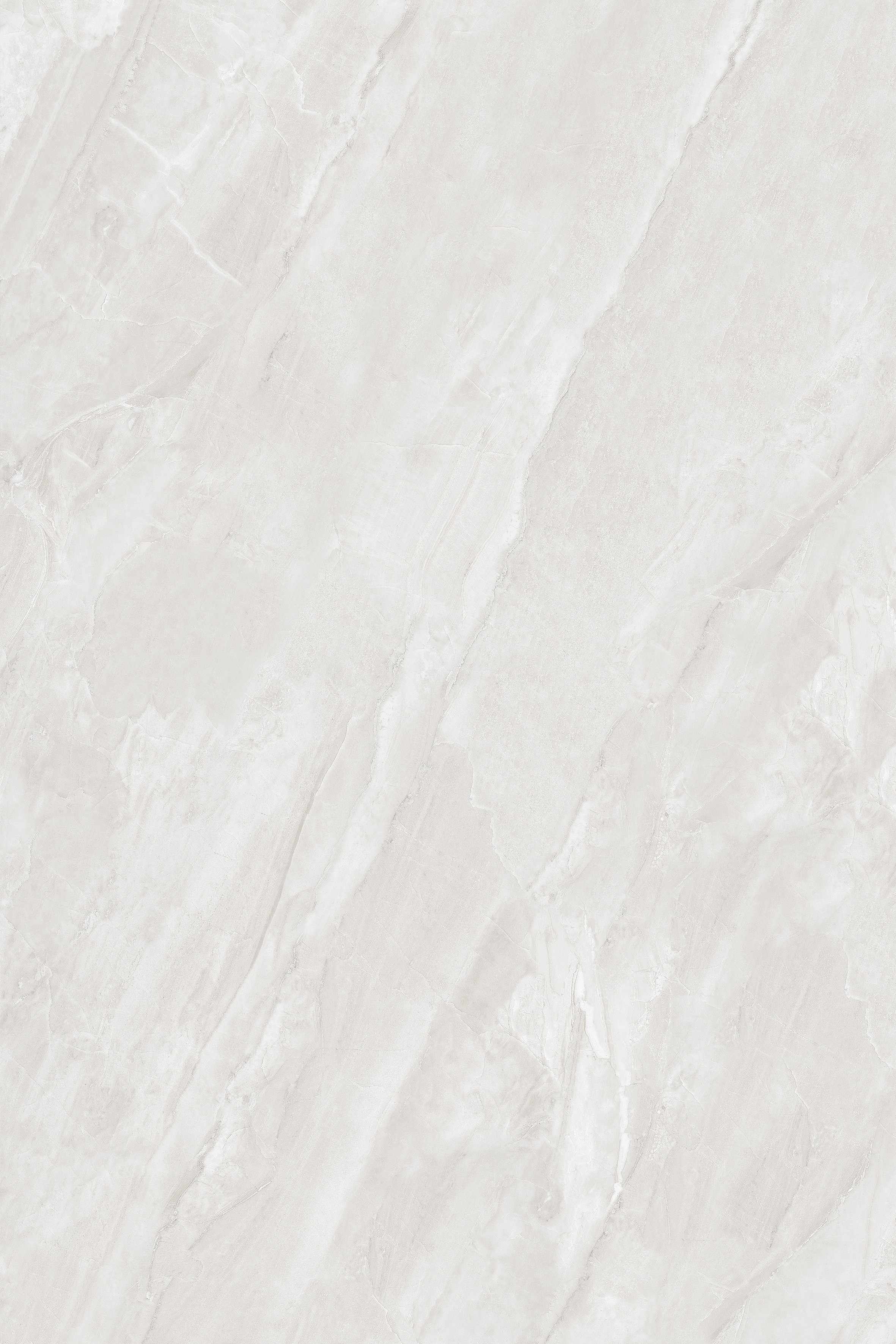
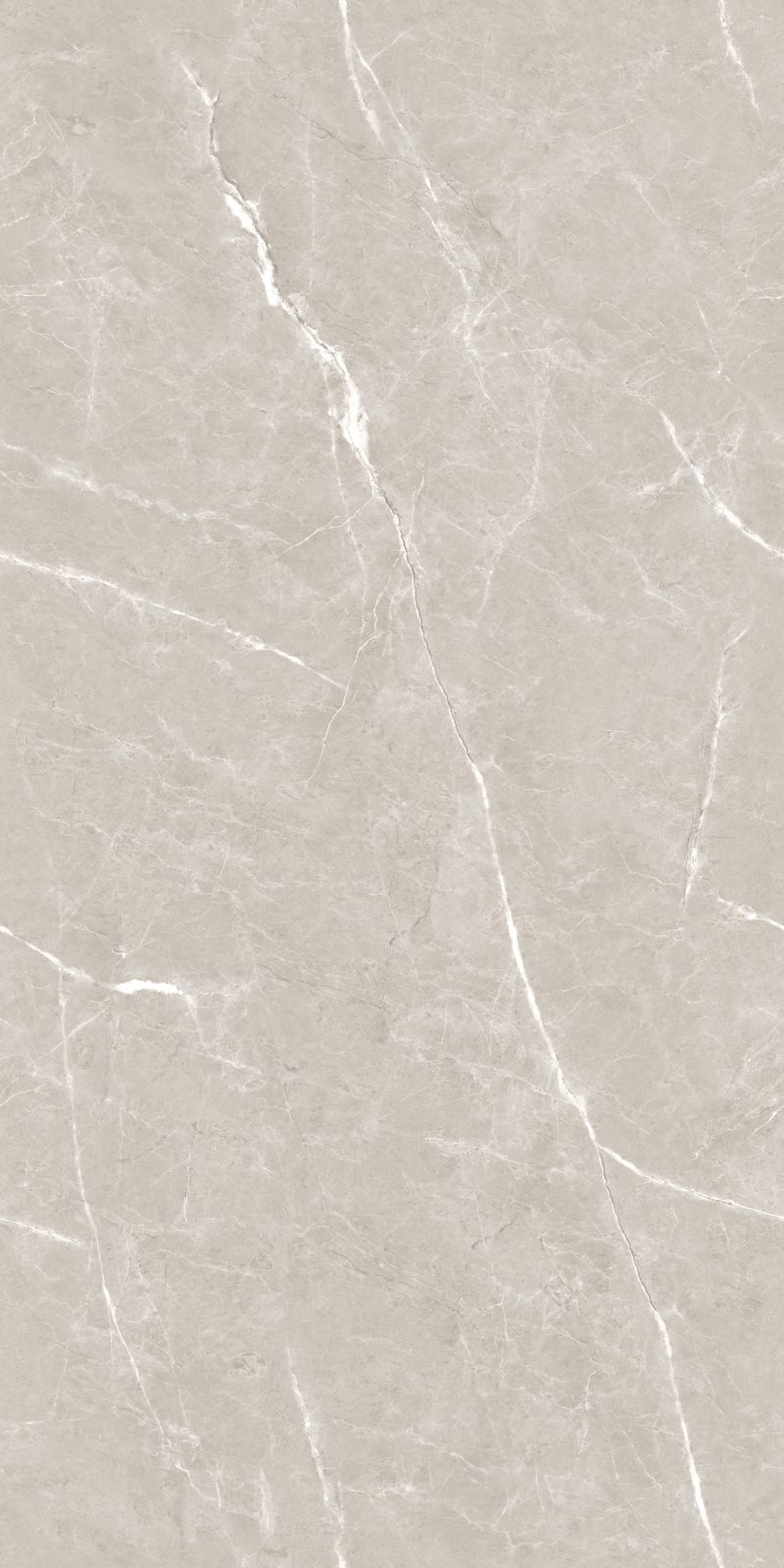
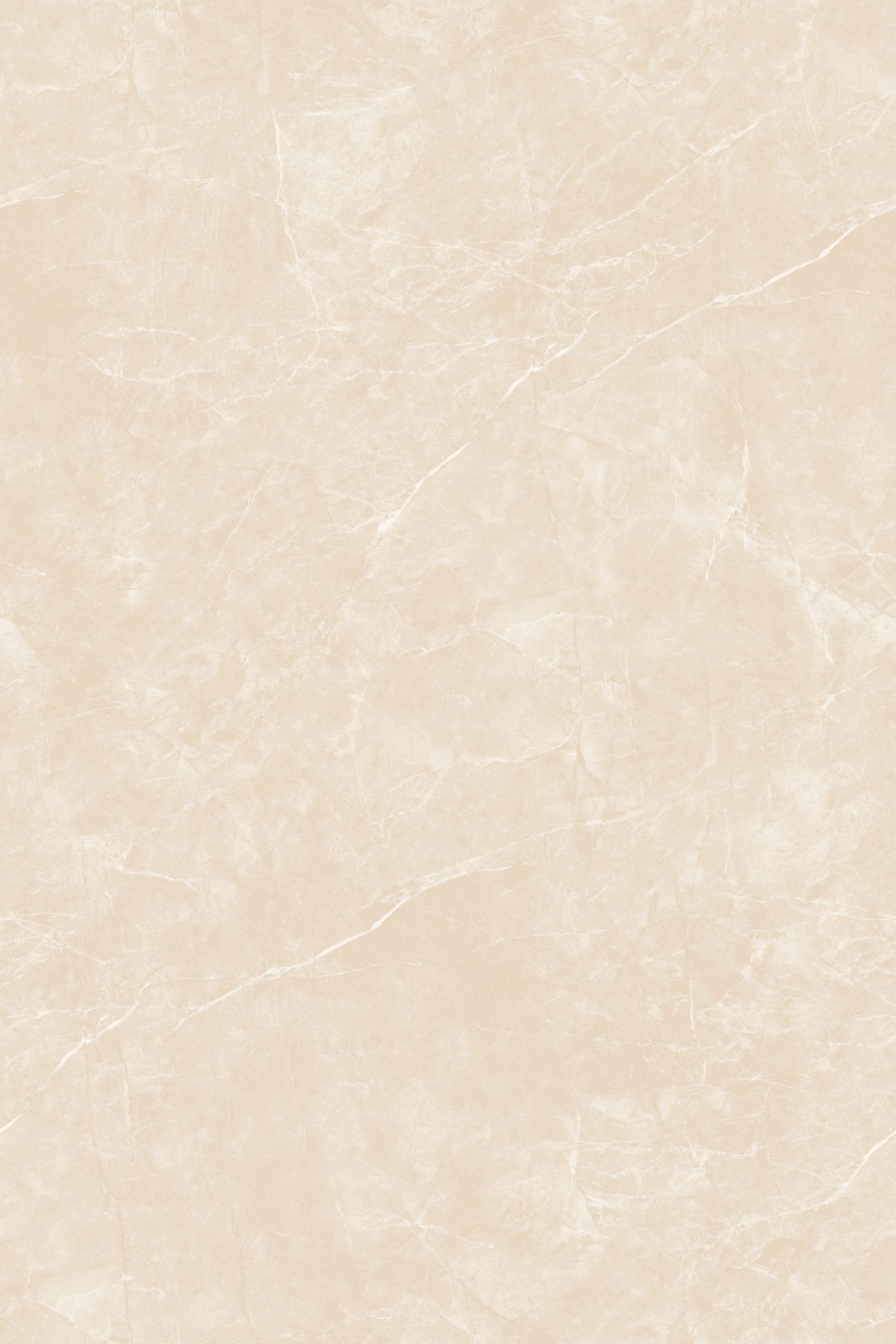
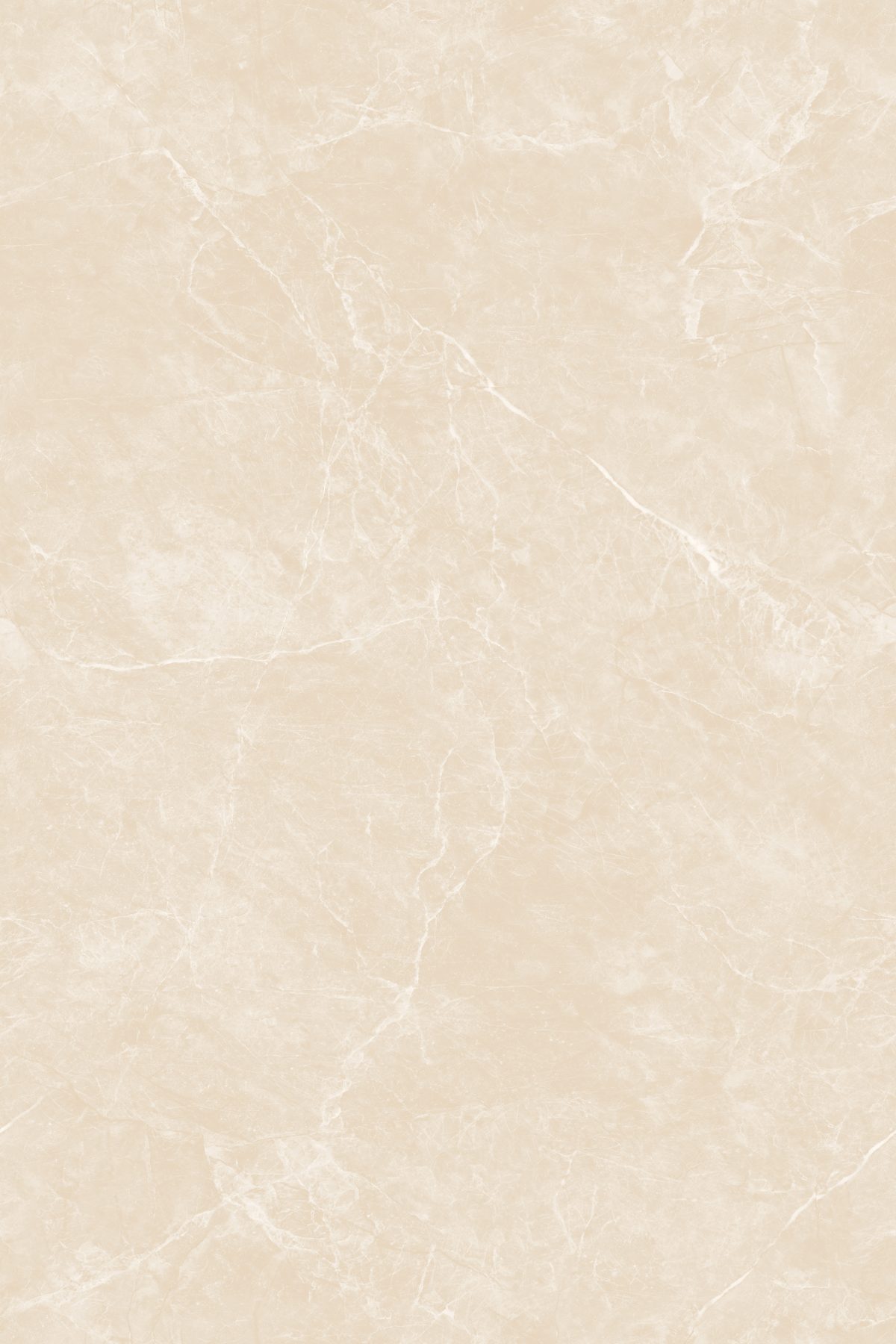
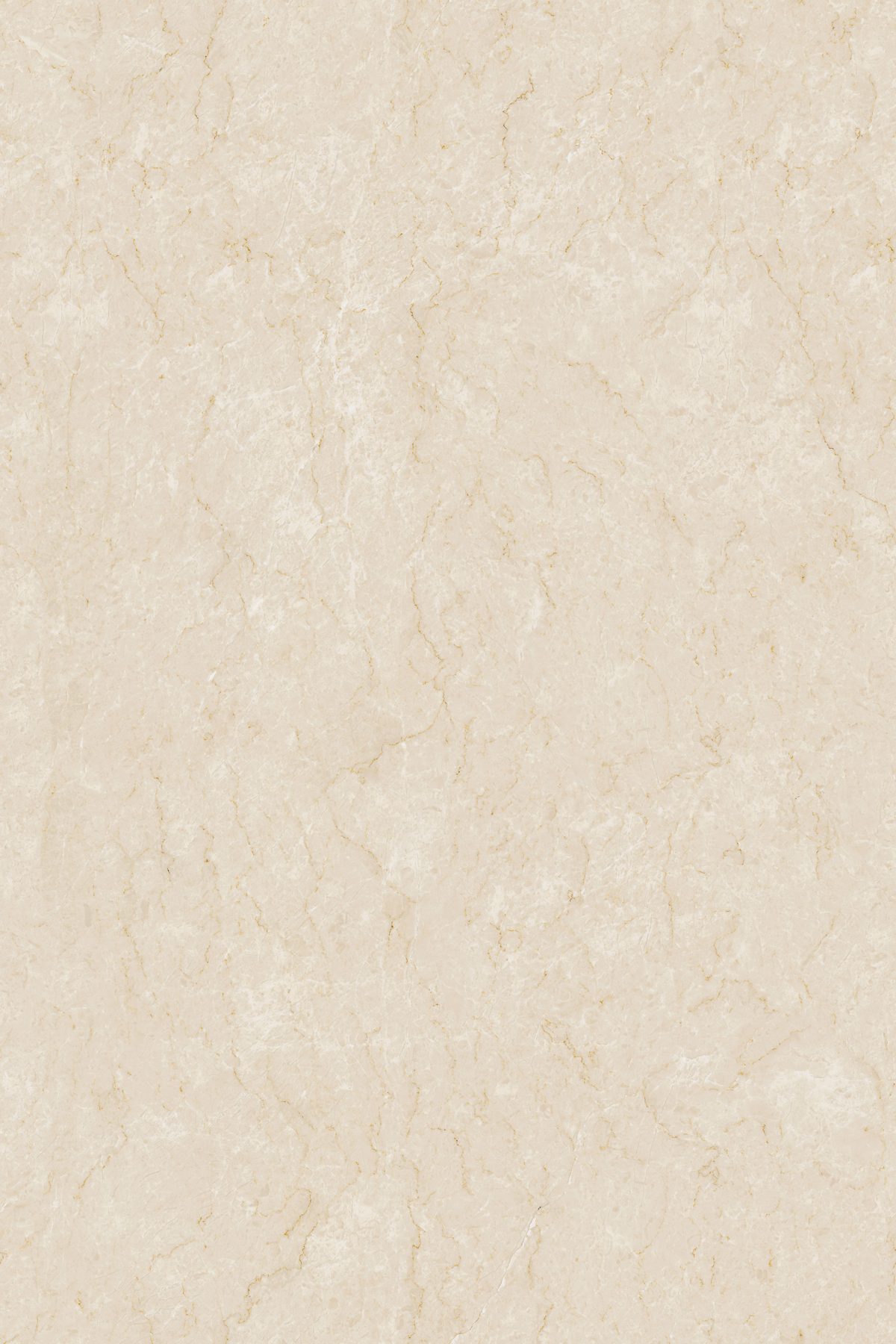
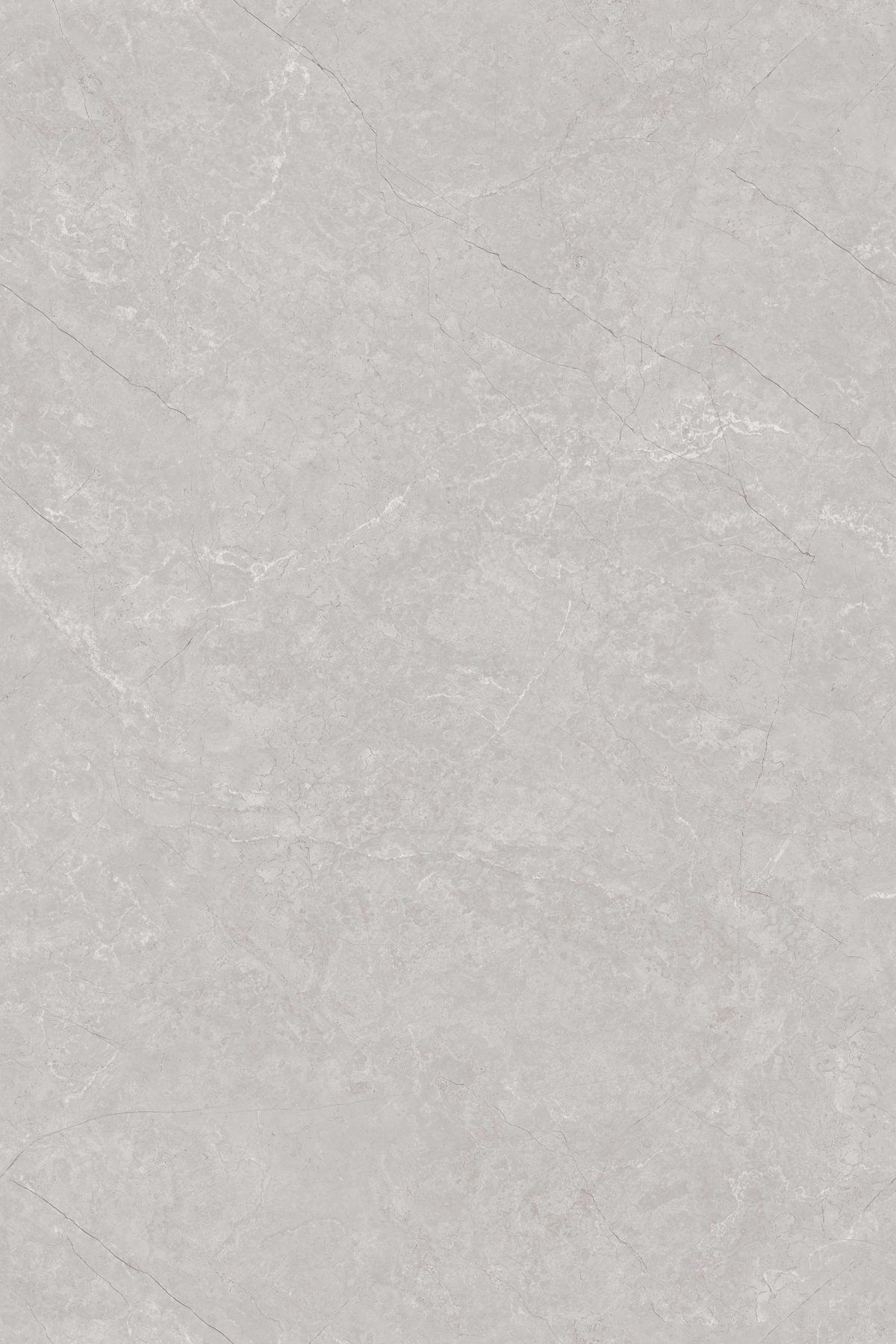
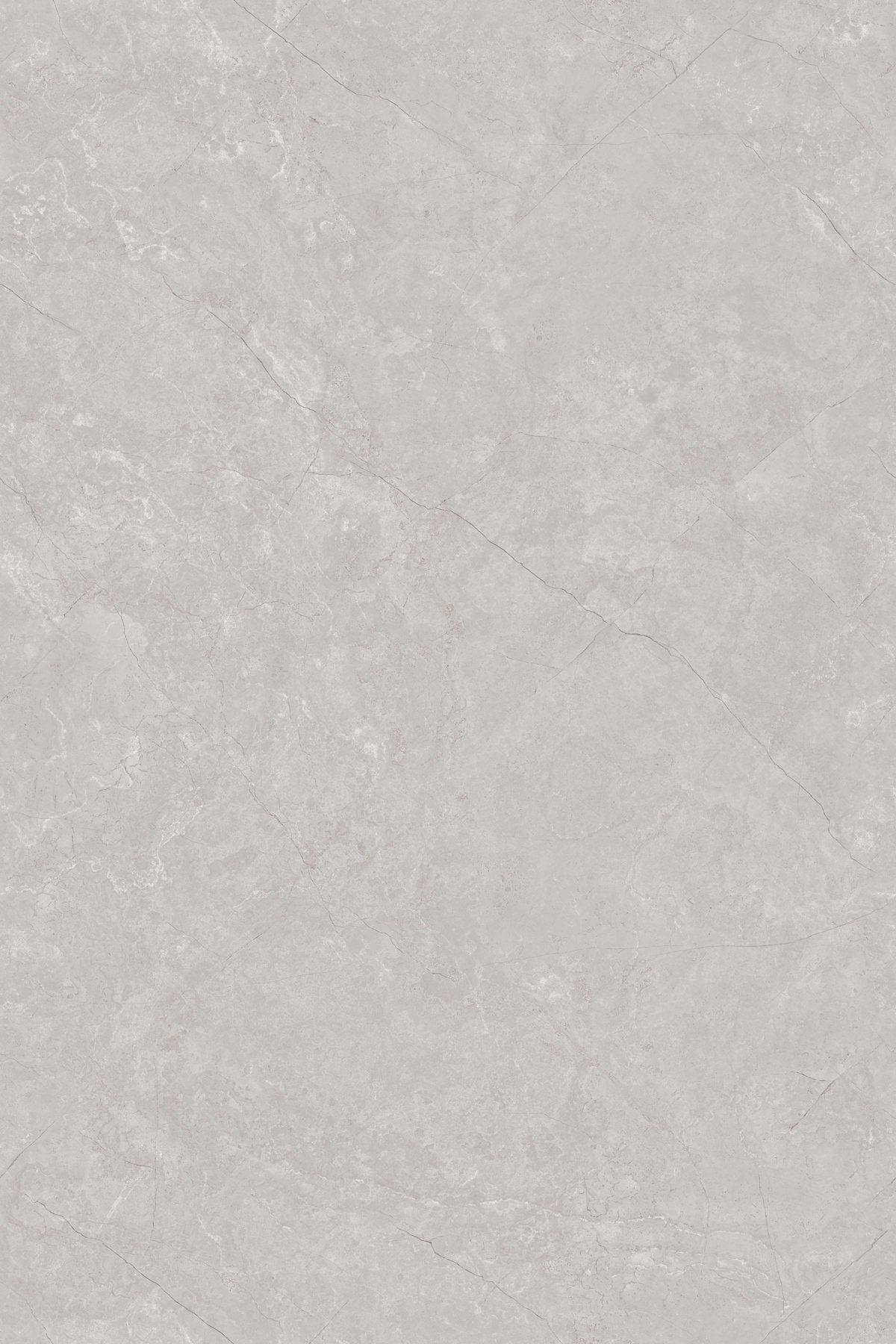
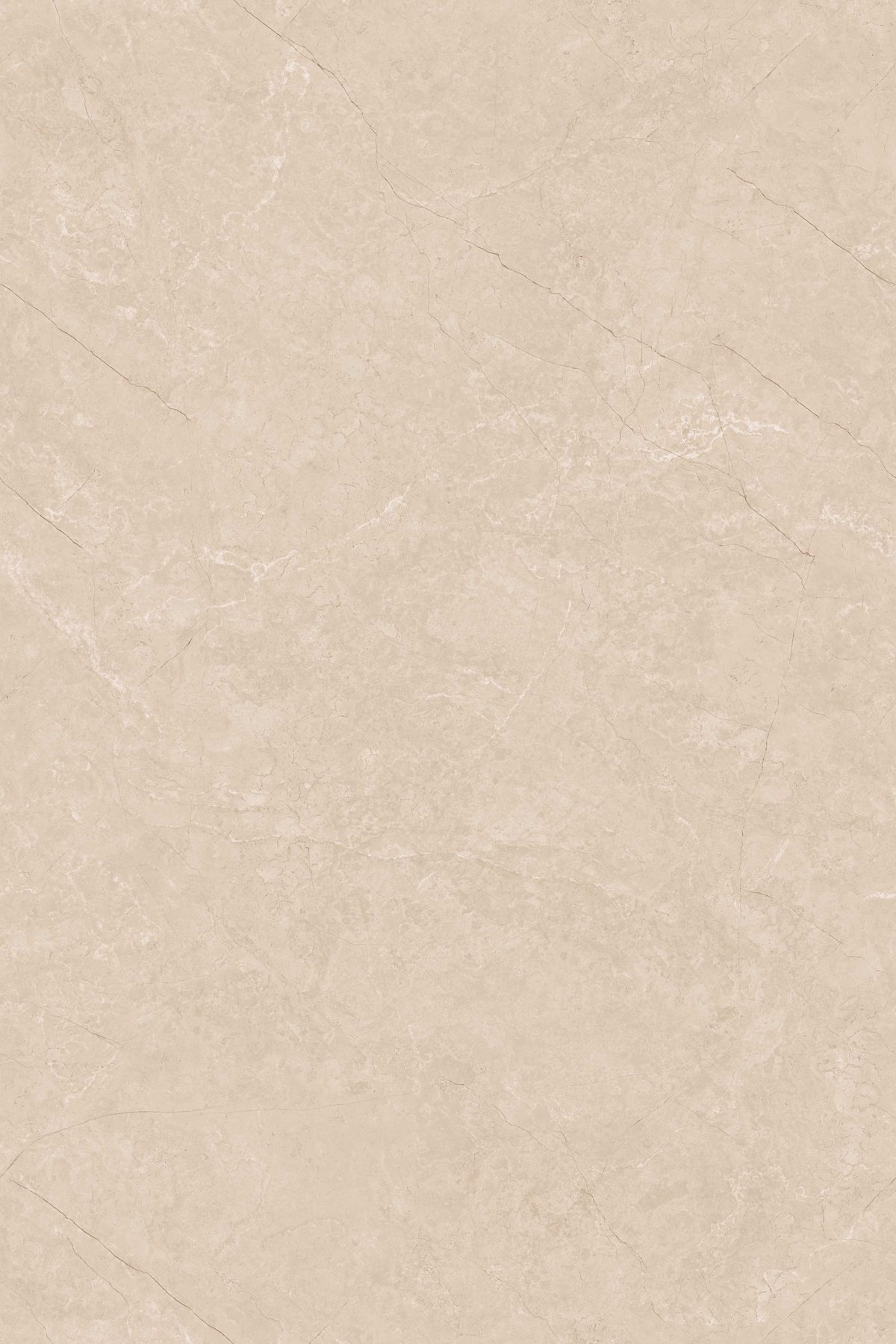
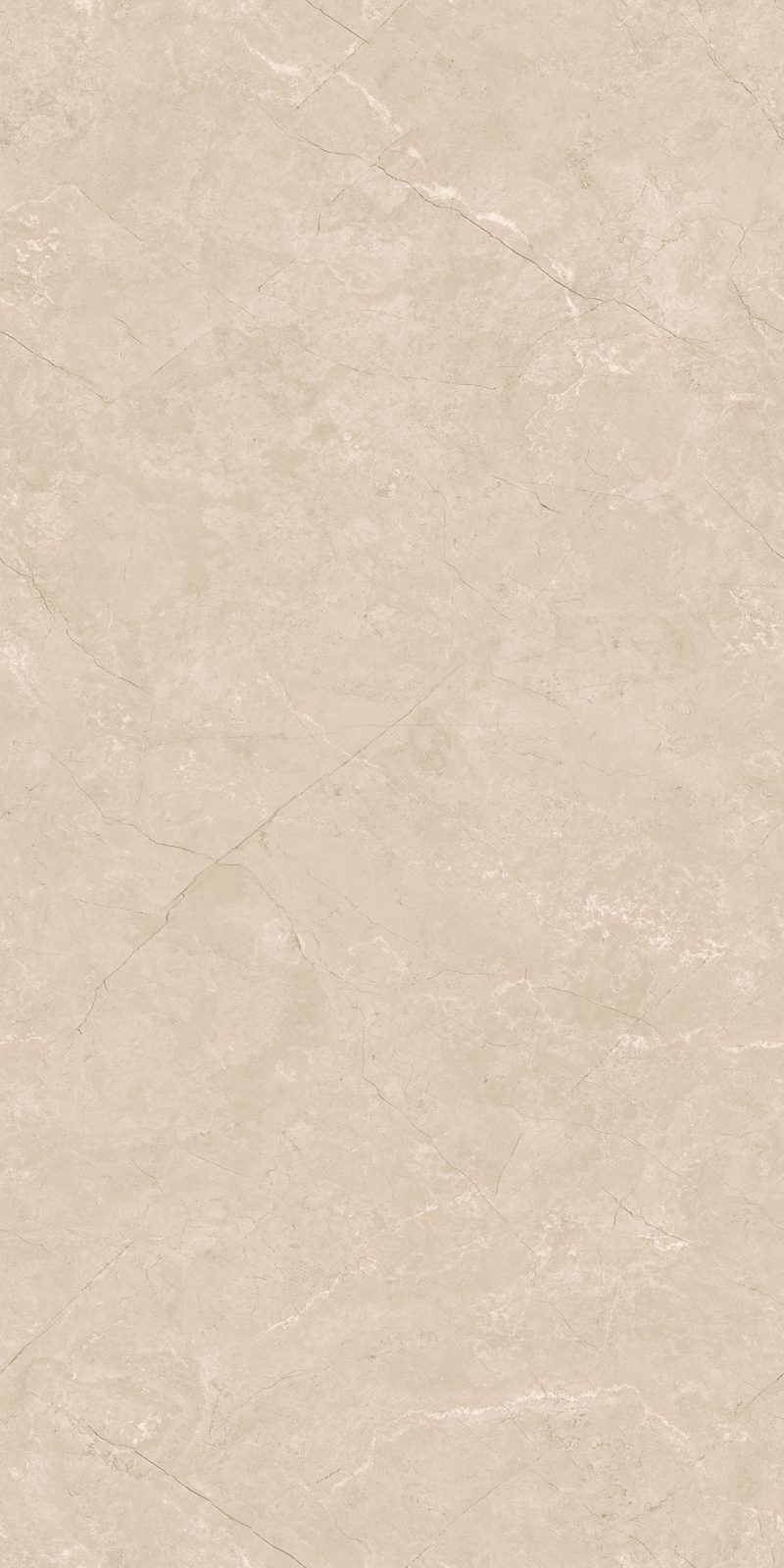
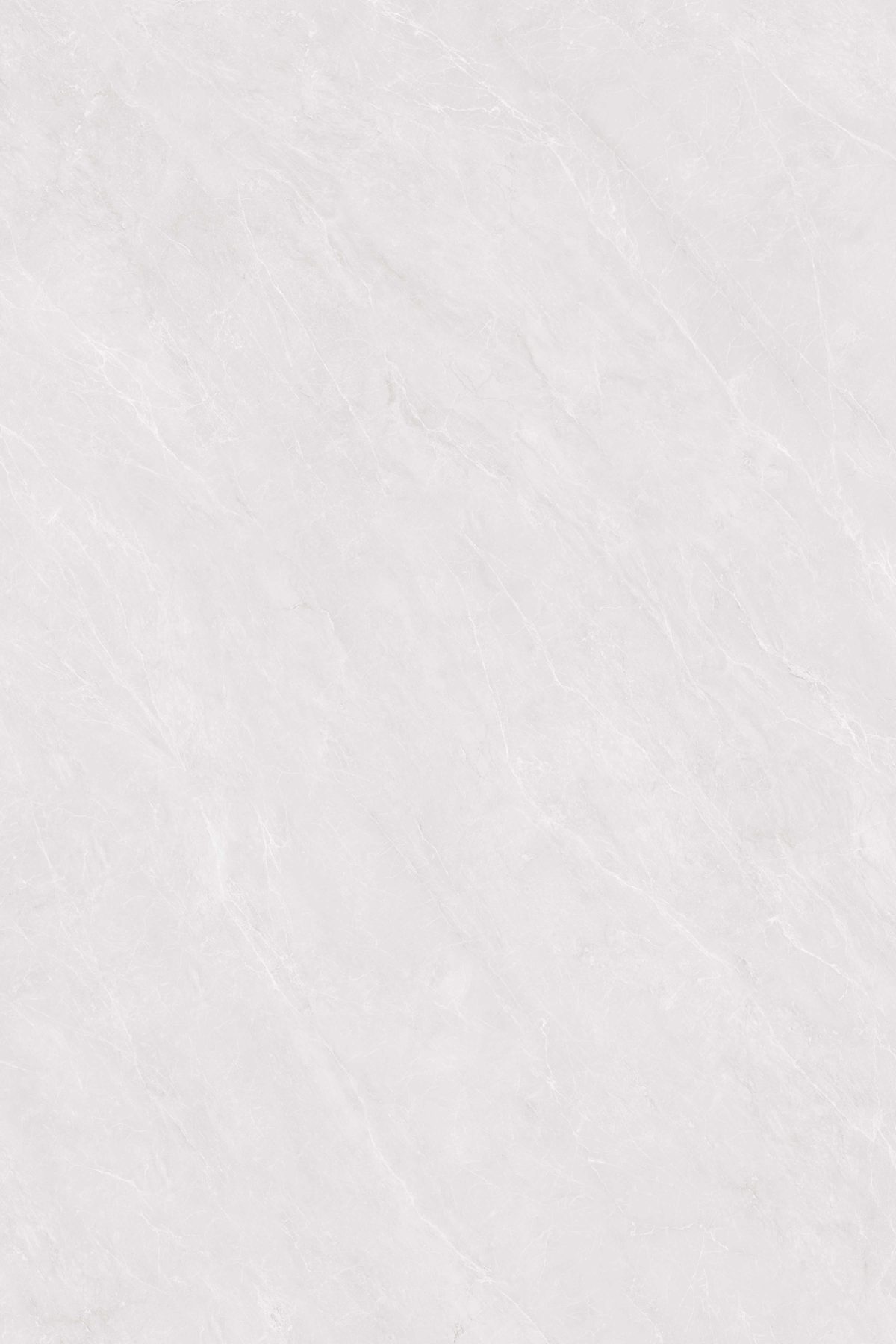
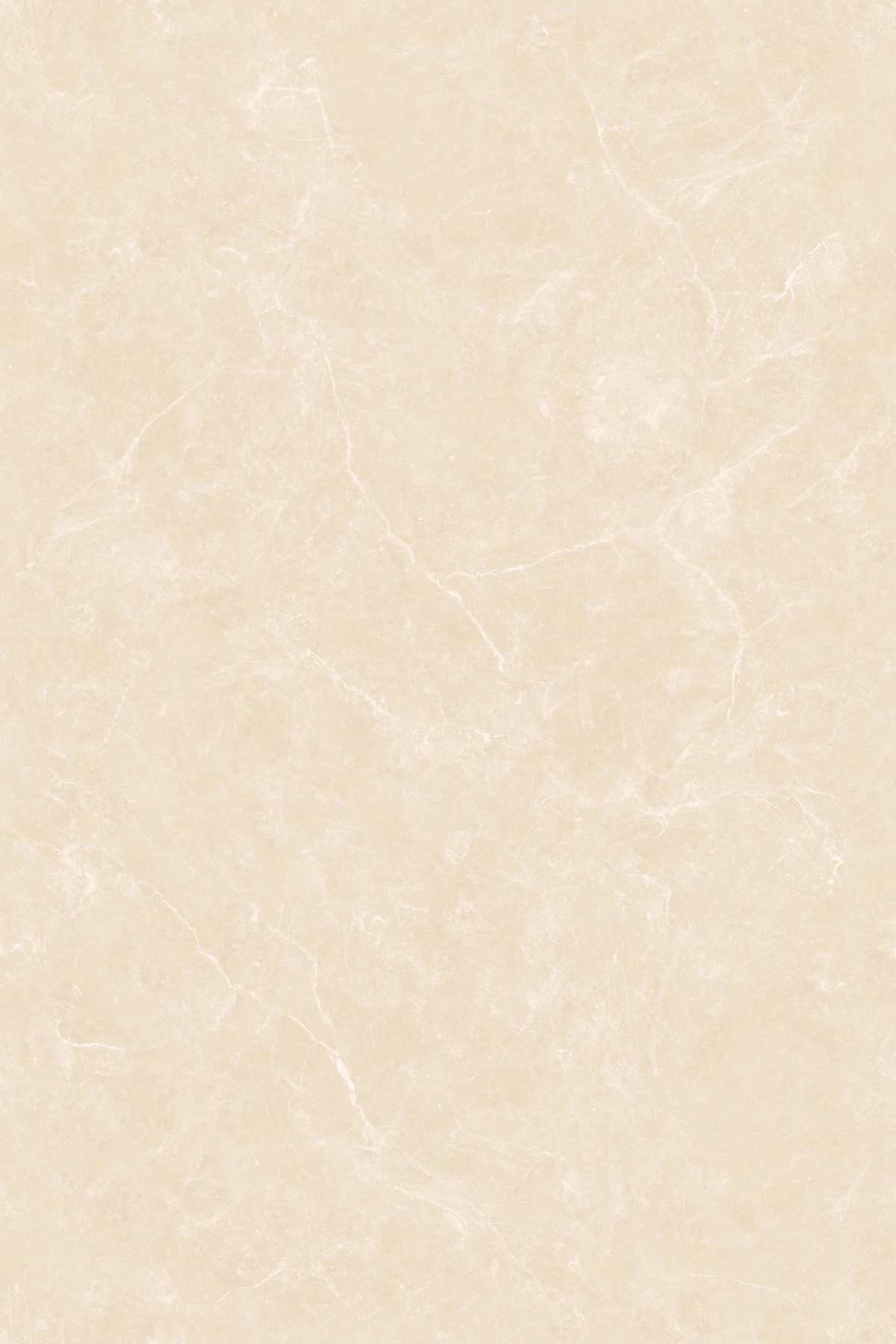
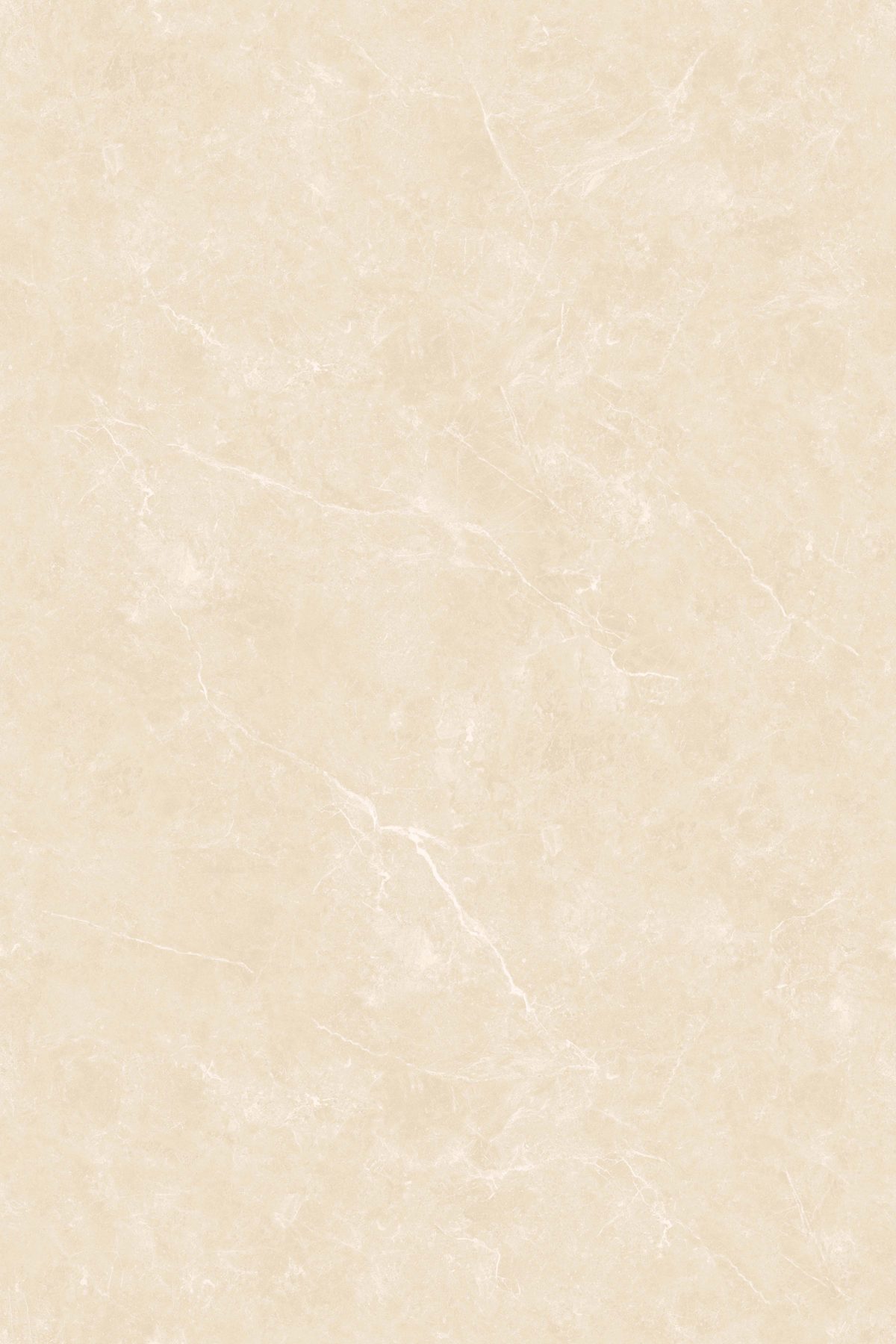
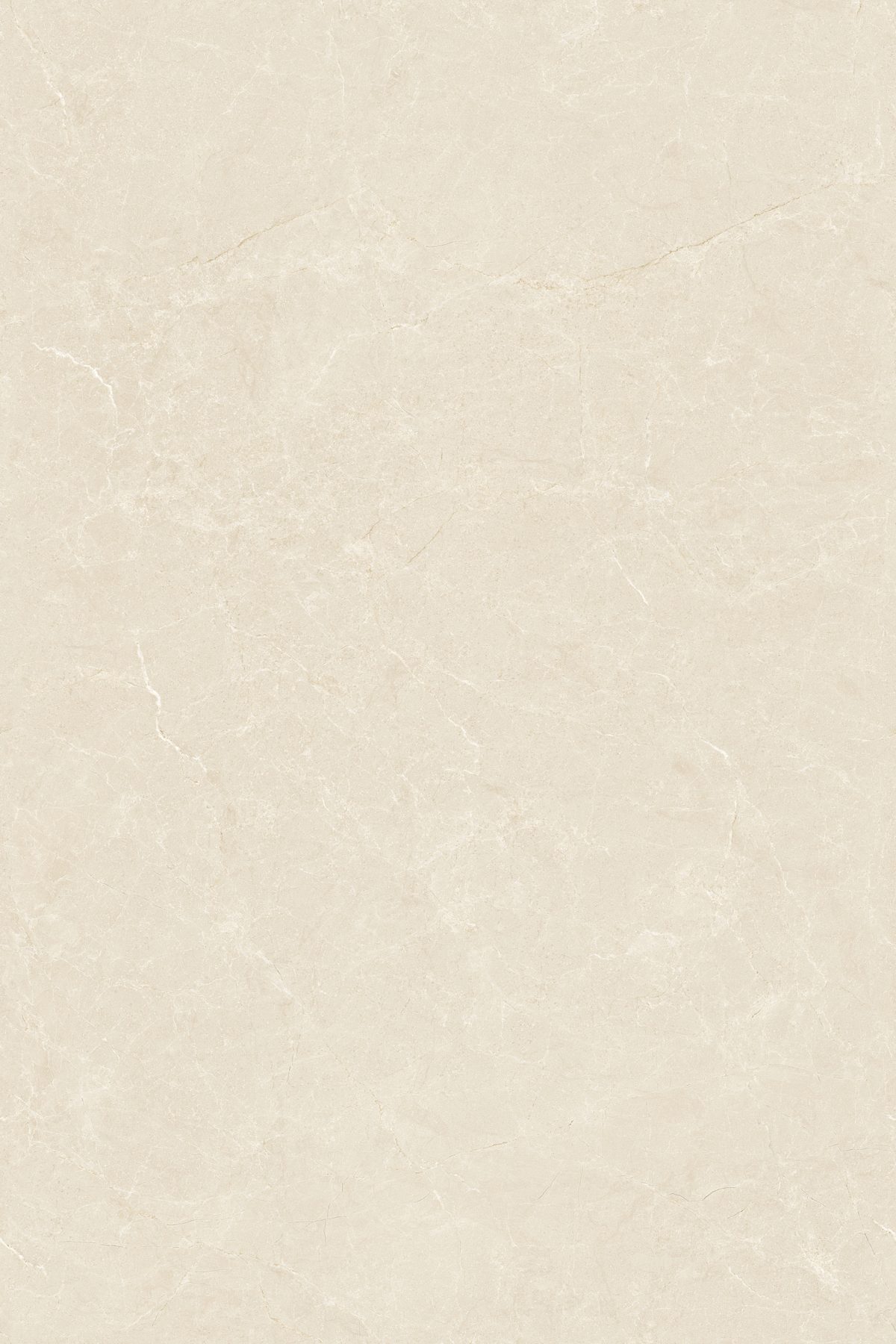
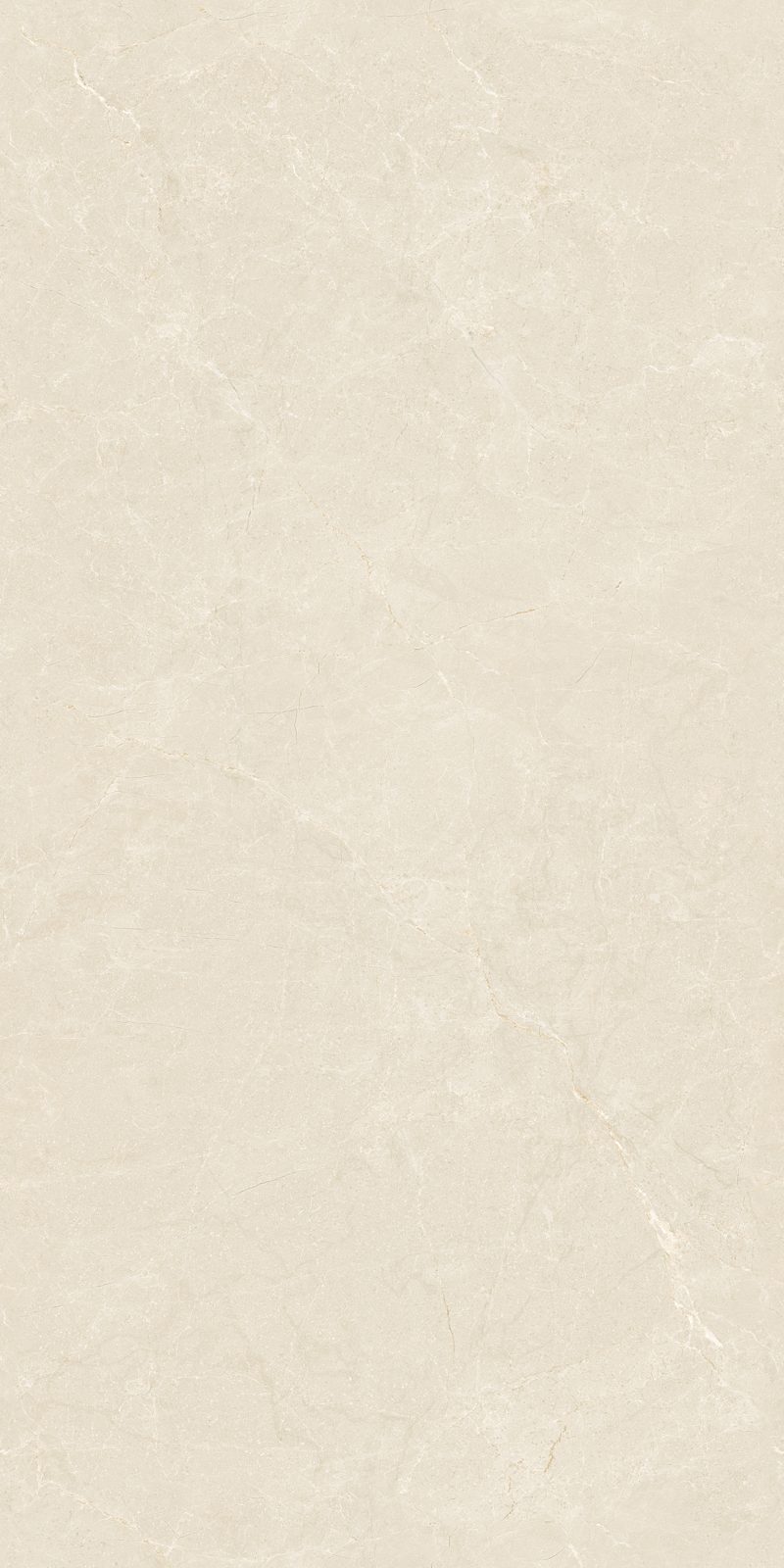
Shops, clinics and small showrooms use 800x800 mm tiles for the same reason: a square grid looks orderly under bright lighting, and the tile is light enough for ordinary masons. Marbella is the marble look tiles collection, and a veined pattern on a square tile reads as a slab-like floor when the joints are kept narrow.
Planning is simple. A 25 m² room needs 40 tiles before wastage and 43 with 10% added. One 800x800 mm tile covers 6.9 sq.ft, so keep a few spare tiles from the same batch, because a single replacement costs about Rs. 410 to Rs. 960 at GVT market rates.
Compared with 600x1200 mm tiles, the grout run is the same at about 250 m per 100 m², but the square tile needs 157 pieces against 139 and has no long edge to bow. That makes 800x800 mm tiles easier to level in a room where the screed is not perfect, since a square tile spans a shorter distance in each direction.
| Size (mm) | Alias (ft) | Tiles per 100 m² | Grout run per 100 m² | Typical use |
|---|---|---|---|---|
| 800x800 This size | 2.6x2.6 | 157 | About 250 m | Open living and dining |
| 600x600 | 2x2 | 278 | About 333 m | Small rooms, balconies |
| 600x1200 | 2x4 | 139 | About 250 m | Living rooms, bedrooms |
| 800x1600 | 2.6x5.2 | 79 | About 188 m | Large living areas, walls |
| 1200x1200 | 4x4 | 70 | About 167 m | Lobbies, showrooms |
Against 600x600 mm, the grout run falls from about 333 m to 250 m, a drop of a quarter. Against 1200x1200 mm, it is 250 m against 167 m, but a 1200 mm tile is much heavier to handle and costs more to replace. A room needs to be at least 3.2 m wide to show four whole 800x800 mm tiles across.
Rollence makes 800x800 mm tiles in GVT and PGVT. GVT carries a digital print under a hard glaze and goes on floors and walls, so it is the category for living rooms, showrooms and corridors. PGVT has a polished surface and is made for walls only, which suits a feature wall behind a sofa or reception desk.
| Category | Surface | Where it goes | Water absorption |
|---|---|---|---|
| GVT | Digital print under a hard glaze | Floors and walls | 0.5% or less |
| PGVT | Polished glaze surface | Walls only | 0.5% or less |
PGVT should not be used on floors, wet or dry, because the polished surface turns slippery when wet and shows scuffs under foot traffic.
Rollence is ISO 9001:2015 certified for quality management and tests every batch to the ISO 10545 series before dispatch. For a showroom or shop floor, that paper trail matters because a commercial client may ask for the water absorption result before accepting the tile.
Rollence lists eight finishes. The table sets out where the main four belong when the tile is 800x800 mm.
| Finish | Best placed | Keep away from |
|---|---|---|
| DG Matt | Living areas, offices, corridors | Wet or outdoor floors unless rated R10 or R11 |
| Glossy | Dry showrooms, lobbies, walls | Bathroom floors, balconies |
| High Gloss | Dry reception areas and feature walls | Bathroom floors, balconies, outdoors |
| GHR + Punch | Wet areas, balconies, semi-covered spaces | Rooms that need a smooth, wipe-clean surface |
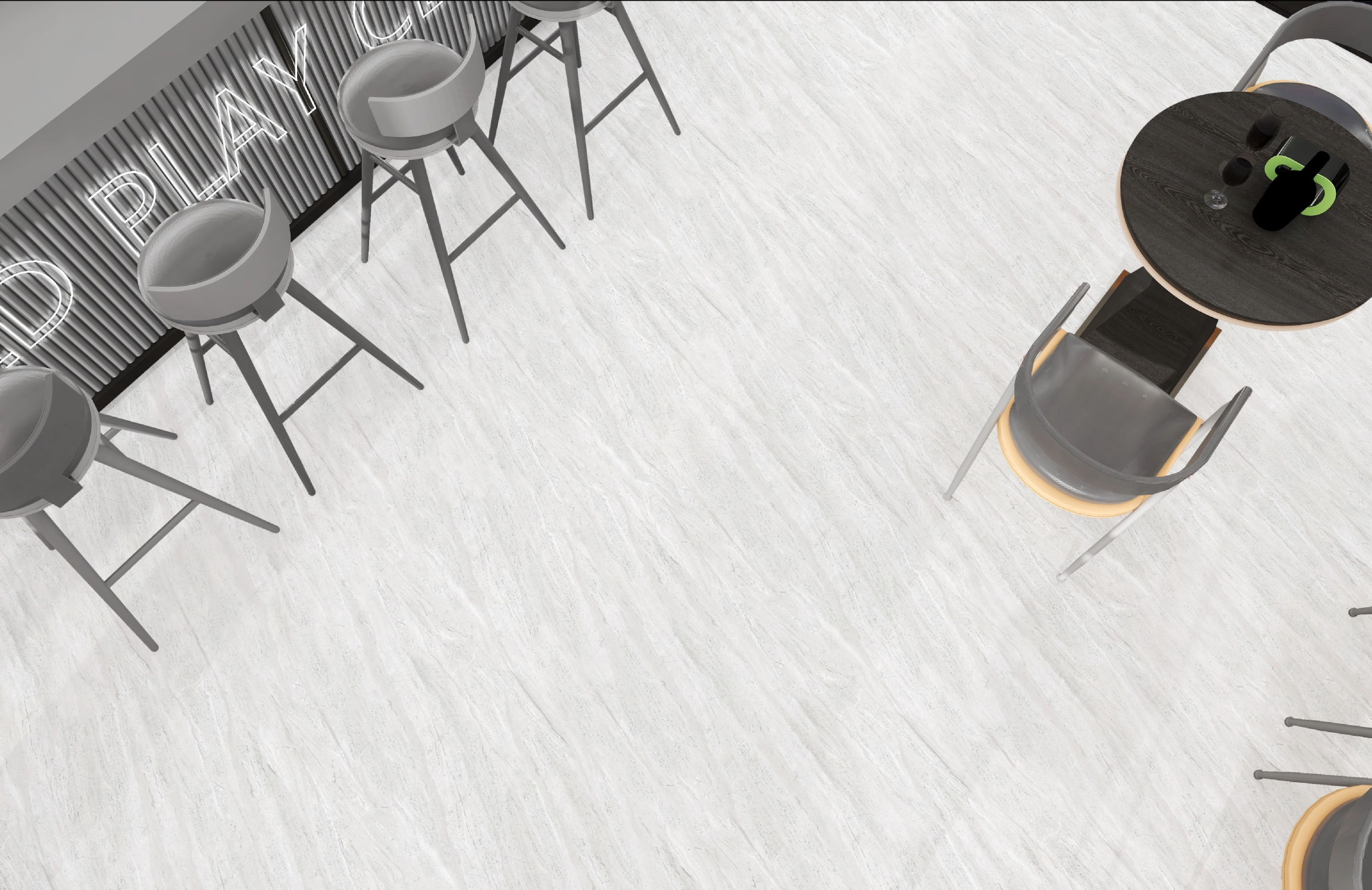
A showroom or reception that wants the brightest surface can use high gloss tiles in 800x800 mm, where the mirror finish multiplies the light from ceiling fittings. The same finish in a family home shows every footprint, so check how the floor will be cleaned before choosing it.
Glossy and High Gloss finishes should not be used on outdoor or wet floors because they turn slippery when wet.
Semi-covered verandas and entrance porches in Gujarat get driving monsoon rain. Use a textured 800x800 mm tile there, rated R10 or R11 under DIN 51130, and fill the joints with epoxy grout so rainwater does not stain a cement joint.
Open plan living and dining rooms are the main use. One tile size across both zones removes the visual break at the threshold, and the square grid lets furniture sit anywhere without fighting a long-edge direction.
Offices, clinics and retail shops use 800x800 mm tiles because the grid is easy to survey and replace. A tile calculator turns a 60 m² shop into 94 tiles before wastage and 104 with 10% added, which is a quick way to size a first quotation.
Bedrooms work too when the room is large, and a matt tile keeps the floor comfortable underfoot. Avoid 800x800 mm in small bathrooms, where a tile this size cannot follow a floor drain slope without lippage.
Square tiles do not bow along a long edge, so a straight grid or a half offset both work for 800x800 mm tiles. A straight grid looks formal and suits commercial floors, while a half offset hides small differences in tile size. Use full-coverage adhesive and press each tile down firmly.
Carry one tile at a time on its edge with two hands. A pair of suction cups helps a mason set an 800x800 mm tile without a second helper, and levelling clips keep the corners even. The packing details show pieces per box, which decides how many boxes are carried up each floor.
Order 10% extra for a straight layout and about 15% for a diagonal layout. Cut with a wet saw, and let the adhesive cure before the first traffic.
A square 800x800 mm tile shows its pattern differently from a rectangle, so look at a real piece before you fix the quantity for a hall or shop. Rollence Granito delivers free samples to the door, and it quotes against the size, finish, collection, quantity and destination city you give. Send those details through the enquiry form.
An 800x800 mm GVT tile (2.6x2.6 ft) from the Morbi market costs about Rs. 60 to Rs. 140 per sq.ft, which is roughly Rs. 410 to Rs. 960 per tile, and 157 tiles cover 100 m². The body absorbs 0.5% water or less. PGVT in the same size costs Rs. 70 to Rs. 180 per sq.ft, or about Rs. 480 to Rs. 1,200 per tile, and is for walls only.
A matt 800x800 mm (2.6x2.6 ft) GVT floor is safe in a Gujarat monsoon because the body absorbs 0.5% water or less, the BIa limit that IS 15622 sets for vitrified tiles, and a matt glaze grips when damp. Morbi factories make the size at Rs. 60 to Rs. 140 per sq.ft in the market, and epoxy grout keeps the 173 pieces per 100 m² sealed at the joints.
A 32x32 inch tile is about 813x813 mm, and the nearest metric size is 800x800 mm, or 80x80 cm. It covers 0.64 m², or 6.9 sq.ft. Rollence makes 800x800 mm tiles in GVT for floors and walls and in PGVT for walls only.
You need 157 tiles of 800x800 mm for 100 m², and about 173 with 10% wastage. Each tile covers 0.64 m², so 100 divided by 0.64 gives 156.3, rounded up. The grout run on that floor is about 250 m, a quarter less than 600x600 mm.
Yes, 800x800 mm is a good size for living rooms of 20 m² or more, especially near-square ones. The square grid has no direction and needs fewer joints than 600x600 mm. In a small living room, a 600x1200 mm tile usually wastes less and looks better.
No, PGVT is a polished wall tile and should not be laid on any floor, wet or dry. The polished surface turns slippery when wet and shows scuffs under foot traffic. Use GVT for floors, and keep PGVT 800x800 mm tiles for feature walls and cladding.
An 800x800 mm GVT tile costs Rs. 60 to Rs. 140 per sq.ft in the Morbi market. PGVT costs Rs. 70 to Rs. 180 per sq.ft. One GVT tile of 6.9 sq.ft therefore costs about Rs. 410 to Rs. 960. Prices change with design, finish and region, and they are not a Rollence quotation.
Either layout works, because a square tile does not bow along a long edge. A straight grid gives a formal look and suits commercial floors. A half offset hides small size differences between tiles and suits homes. Use full-coverage adhesive and levelling clips with both layouts.
Choose 800x800 mm for homes and small shops, and 1200x1200 mm for lobbies and large showrooms. The larger tile cuts the grout run from 250 m to 167 m per 100 m², but it is heavier, costs more to replace and needs a flatter base. Rollence features 1200x1200 mm among its main sizes.
Product Inquiry
Fill in your details and we'll get back to you